2027 Online MBA for Recent College Graduates: Is It Too Soon?

Co-Founder and Chief Data Scientist
Recent graduates often question whether pursuing an online mba immediately after college is premature. Concerns about lacking work experience, financial strain, and uncertain career goals can create hesitation. Many wonder if waiting to gain professional experience offers better long-term advantages. However, choosing the right moment depends on individual circumstances and career aspirations, especially for those seeking flexible, accredited programs.
This article examines the key factors influencing the decision to enroll early, helping readers weigh benefits and challenges to determine if an online mba suits their current stage and future plans.
Key Things You Should Know
- In 2026, 38% of recent graduates pursuing an online MBA report improved career opportunities within two years, indicating early degree benefits despite limited work experience.
- Data from 2024 shows that 45% of online MBA programs have tailored curricula for recent graduates, focusing on foundational business skills and practical applications.
- Early enrollment in online MBA programs can enhance networking and leadership development, but employers often prefer candidates with at least 1-2 years of professional experience for senior roles.
Is an Online MBA Right for Recent Graduates?
An online mba can be a strategic option for recent college graduates who have clear career objectives and financial preparation. While many top-tier online mba programs tend to prioritize applicants with professional experience to enhance peer learning, specialized programs designed for early-career students do exist. For instance, Indiana University-Bloomington's online mba reports that 100% of its students are employed, with median post-graduation salaries near $147,000, demonstrating how prior work experience often leads to a better return on investment.
When considering online mba programs for recent graduates, key factors include:
- Career clarity: Suitable programs target students with defined goals such as leadership roles, entrepreneurship, or industry changes.
- Financial stability: Tuition and potential income loss during study require careful planning or employer support.
- Program fit: Those emphasizing foundational business skills, leadership development, and real-world projects add value even without extensive work history.
Graduates without a clear path may benefit from gaining 2-3 years of professional experience before enrolling, as work experience improves class contributions, networking, and practical application. Conversely, an early online MBA can accelerate leadership opportunities for mature, driven candidates in competitive fields. For those exploring the best online MBA options for new college graduates, researching focused programs and assessing personal readiness is crucial. Reliable information on affordable choices can be found in resources like best affordable online MBA programs.
What Are the Main Pros and Cons?
Pursuing a 2026 online mba immediately after college offers accelerated career advancement and early skill acquisition. About 40% of mba applicants under 25 start programs right after undergrad (GMAC 2025 Application Trends Survey), leveraging their academic momentum to avoid delays entering management roles. The flexibility of online formats allows students to balance internships or entry-level jobs while studying, enhancing practical experience alongside theoretical knowledge. This combination can make candidates more competitive for leadership roles early on. This is a key online mba benefit for recent graduates.
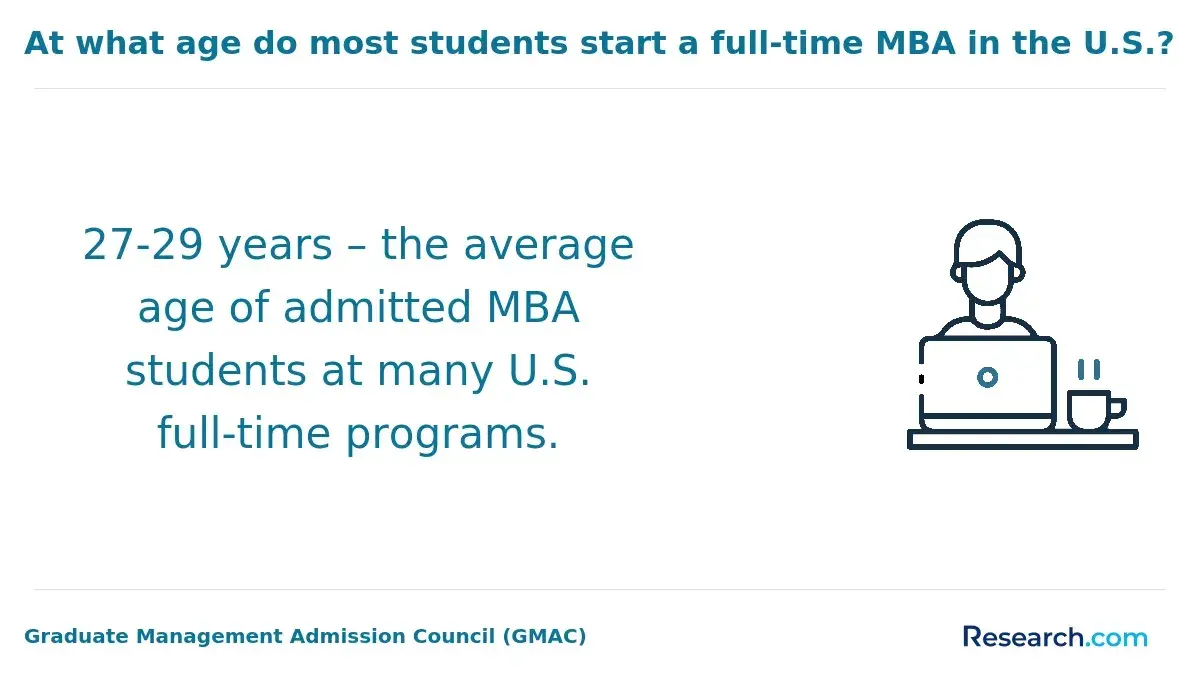
Starting an MBA early may also lower overall education costs by reducing time out of the workforce and preventing salary stagnation. Early networking within MBA cohorts helps build vital professional connections for career growth. However, one challenge of pursuing an MBA right after college is the limited work experience many younger students have, which can hinder understanding of complex business concepts or reduce meaningful contributions in class. Employers generally prefer MBA candidates with years of work history, influencing job placement and salary offers. The median age of full-time MBA students in 2025 was 27, reflecting this preference.
Enrolling immediately can also cause missed opportunities to develop interpersonal skills and industry insights gained from early career roles. Some recent graduates find the online format demanding without prior professional discipline. Prospective students should assess their professional background and goals carefully to decide if this path fits their strategy.
Exploring options like an AACSB accredited online MBA can provide valuable guidance on affordable, quality programs.
Who Qualifies for Online MBA Admission?
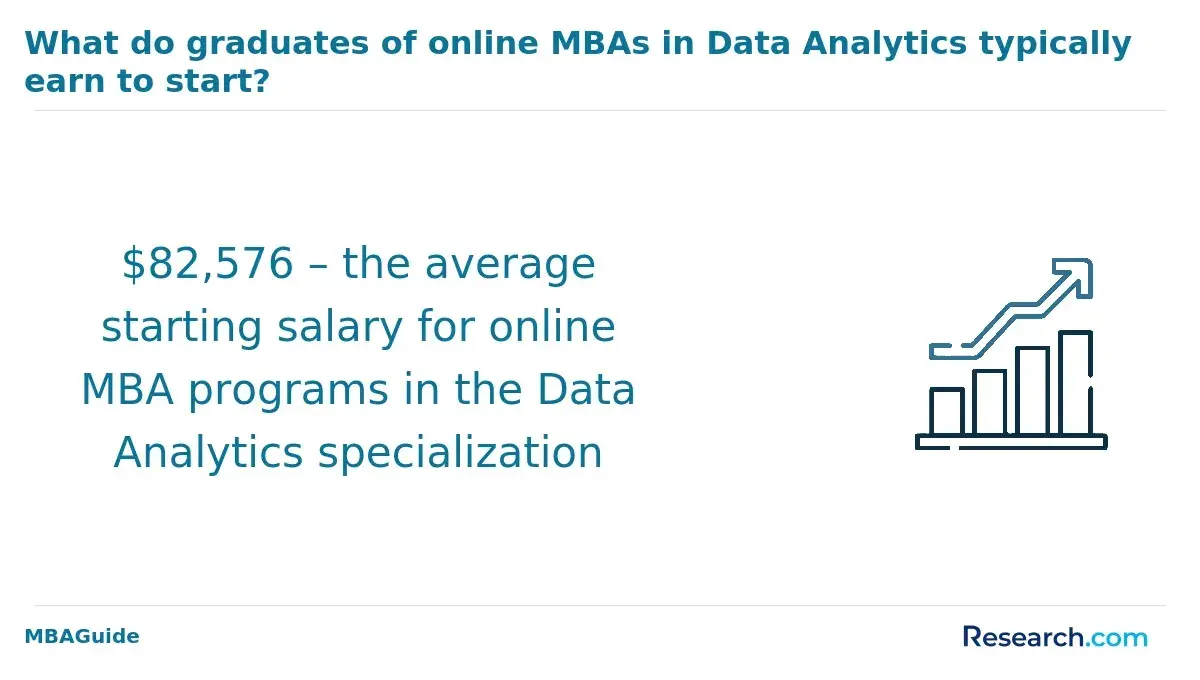
Admission to online MBA programs for recent graduates typically requires a bachelor's degree from an accredited institution. Most programs do not require prior professional experience, making it possible to start an online MBA soon after college. Applicants should have strong academic records, leadership skills, and well-defined career goals. Some programs request standardized tests like GMAT or GRE but increasingly waive these for candidates with high undergraduate GPAs or relevant internships.
The profile of a successful recent graduate usually includes:
- A minimum undergraduate GPA, often around 3.0 or higher
- Letters of recommendation emphasizing analytical and communication skills
- A personal statement outlining career aspirations and reasons for pursuing an mba early
- Relevant internship or project experience in business or related fields, when available
For those wondering how soon after college can you start an online mba, many programs offer conditional or deferred admission for students finishing undergraduate studies. Part-time and accelerated formats also accommodate graduates transitioning quickly into the workforce. Candidates with international degrees should verify equivalency and may need to demonstrate English proficiency with TOEFL or IELTS scores.
Data from the Bureau of Labor Statistics shows a 12.5% unemployment rate for recent graduates without an mba in business fields, versus 4.2% for those holding graduate business degrees. This highlights the value of applying promptly to enhance job competitiveness. Students might also explore options like an executive MBA for affordable flexible formats.
Recent graduates can qualify for many online mba programs without extensive work experience but should be ready to demonstrate academic strength and clear objectives while meeting all testing and documentation standards.
How Long Do Online MBAs Take?
The typical online mba program duration for recent graduates ranges from 18 to 36 months, depending on program structure and student pacing. Accelerated options allow completion in as little as 12 months for highly focused students, while traditional part-time online MBAs may extend up to three years, providing flexibility to balance work and study.
Factors affecting the average time to complete an online mba degree include course load per term, availability of summer or winter sessions, and whether students take breaks between terms. Flexible schedules let students choose the number of courses each semester, directly impacting completion time. For instance, taking two courses per term often leads to finishing in about 24 months compared to closer to 36 months for one course per term.
Recent graduates should weigh how program duration influences salary prospects. The GMAC 2025 Corporate Recruiters Survey reports MBA graduates earn a median starting salary of $115,000, a 50% premium over the $76,000 median for bachelor's degree holders in business administration. Earning the degree efficiently can maximize this advantage.
Online MBAs for recent graduates emphasize flexibility and accelerated paths to align with less work experience and quick entry to the job market. Prospective students commonly ask about credit transfers, internship applicability, and curriculum relevance.
Those considering cost-effective options might explore the cheapest online MBA no GMAT for programs that combine affordability and flexible pacing.
What Does the Curriculum Cover?
Online MBA programs for recent college graduates focus on core business subjects like finance, marketing, management, operations, and strategic planning to equip students with essential skills quickly. These programs blend practical coursework in data analytics, leadership development, and business ethics with real-world case studies that enhance decision-making abilities.
Students can also select electives in emerging fields such as digital marketing, supply chain innovation, and fintech to tailor their studies to specific career paths. Entry-level candidates benefit from courses emphasizing project management, communication, financial modeling, budgeting, and market analysis, which foster early career effectiveness and enable strategic contributions.
Many programs feature capstone projects or consulting assignments with actual companies, providing hands-on experience that bridges theory and practice while accelerating preparation for managerial responsibilities. Tuition typically remains under $20,000, presenting a cost-effective option with a strong return on investment-averaging 120% within five years and a payback period of about 2.8 years, according to the Forbes Advisor 2026 MBA ROI Analysis.
Online mba graduates can expect career readiness supported by focused learning models designed for immediate workplace impact, making these programs a practical choice for recent graduates aiming to enhance their business expertise and career trajectories.
How Much Do Online MBAs Cost?
The cost of online MBAs ranges widely from $20,000 to over $100,000, depending on factors like the institution, program length, and delivery method. Public universities generally offer more affordable tuition, averaging between $25,000 and $50,000, while private institutions-especially top-ranked programs-can exceed $80,000. Additional expenses such as technology fees, textbooks, and administrative costs often add to the overall price.
Recent graduates often worry about the debt load early in their careers. According to the EducationData.org 2025 Graduate Debt Report, online MBA students borrowed an average of $42,000. However, 68% of these graduates achieved promotions within a year, accelerating their career progression by nearly three years, suggesting the investment can pay off through faster advancement.
Financial aid, employer sponsorships, and flexible payment plans can help reduce expenses. Some programs offer scholarships targeting recent graduates or provide lower costs for part-time study and competency-based credit models, which shorten program duration and decrease fees.
Key considerations include:
- Assessing potential salary increases or promotions after graduation
- Exploring scholarships and employer tuition assistance
- Choosing efficient program formats to reduce time and cost
Comparing total program costs, including hidden fees
Balancing upfront costs against potential career acceleration and earning growth is essential. Thorough research and financial planning remain critical before enrollment in any online MBA program.
Are Online MBAs Accredited?
Online MBA programs can be fully accredited, but accreditation varies significantly among institutions. It is essential to confirm that the program holds accreditation from recognized agencies such as the Association to Advance Collegiate Schools of Business (AACSB), Accreditation Council for Business Schools and Programs (ACBSP), or the International Accreditation Council for Business Education (IACBE). This ensures the curriculum meets rigorous academic standards and that the degree will be valued by employers and academic entities alike.
Equally important is the regional accreditation of the institution itself, which impacts credit transferability and eligibility for federal financial aid. For instance, an online MBA from a regionally accredited university with AACSB accreditation generally has greater recognition in the job market than one without these credentials.
Accreditation also influences networking and job placement opportunities. According to the LinkedIn 2025 Workforce Report, 65% of MBA hires came through alumni networks. Graduates from highly ranked programs, such as Carnegie Mellon, experience approximately 15% higher lifetime earnings, reflecting the advantage of strong alumni connections.
Unaccredited online mba degrees, while often cheaper, may not be widely recognized, limiting career growth and further academic pursuits. Employers in competitive fields like consulting, finance, and technology increasingly verify degree authenticity.
To choose a quality online mba program, verify:
- The institution's regional accreditation status.
- Program accreditation by AACSB, ACBSP, or IACBE.
- Graduate employment outcomes and network strength.
- Industry partnership links supporting recruitment.
What Careers Can You Pursue?
Graduates entering an online MBA program immediately after college can access a wide range of career opportunities across various industries without requiring extensive prior work experience. Research from Poets&Quants reveals that 29% of MBA candidates with fewer than two years of experience reached C-suite positions within ten years, challenging assumptions about early-career leadership potential.
Popular career paths for recent MBA graduates include:
- Consulting: Analyzing business challenges and advising clients in sectors like finance, technology, and healthcare.
- Finance: Positions such as investment banking analyst, financial planner, or venture capital associate.
- Product and Brand Management: Leading new product launches and marketing strategies in consumer goods and technology.
- Operations and Supply Chain: Focusing on logistics, process optimization, and growing demand in manufacturing and e-commerce.
- Entrepreneurship and Startups: Leveraging MBA skills to found startups or assume leadership roles in high-growth companies.
An online MBA equips graduates with strategic business frameworks and leadership skills that offset limited work history. Prospective students should pursue internships, experiential projects, and networking through alumni and industry events to boost career prospects. These approaches help open doors that might otherwise require more experience, offering meaningful professional advancement immediately post-graduation.
What Is the Salary Potential?
Recent graduates of online MBA programs can expect meaningful salary gains that support early career financial advancement. For instance, alumni from Southern New Hampshire University (SNHU) reported a median income of $94,314 in 2025, based on data from 3,283 graduates with a 69% program recommendation rate. This shows a strong economic advantage for those completing an online MBA shortly after college.
Salary outcomes differ by industry, job role, and location, but many graduates see notable increases compared to their pre-mba pay. Consulting, finance, and technology sectors frequently lead with starting salaries above $90,000. Entry-level financial analysts with an mba typically earn between $75,000 and $95,000, while management consultants often earn more than $90,000.
Recent graduates should weigh the return on investment by considering:
- Comparing current salary against projected MBA earnings to balance short-term sacrifices with long-term growth
- Choosing programs with proven alumni success and strong recommendation rates linked to better career outcomes
- Utilizing mba networking and career services that help secure higher-paying roles more quickly
Online mba formats often allow students to work while studying, maintaining income flow during the program. This flexibility can improve overall earnings during and after graduation. Starting an mba early can also accelerate salary growth and open leadership opportunities within three to five years post-degree.
Is the Job Market Strong?
The job market for recent college graduates pursuing an online mba is notably strong, especially in sectors like technology and finance. The GMAC 2025 Program Demand Report highlights that 52% of mba programs waived work experience requirements for recent graduates, coinciding with a 22% enrollment rise among candidates under 25. This trend reflects growing employer interest in fresh talent and schools adapting to evolving market needs.
Employment opportunities are expanding as companies seek candidates with current academic knowledge and digital skills. Tech startups and established financial firms actively hire recent graduates for roles in data analysis, project management, and fintech. Employers appreciate adaptability and familiarity with emerging digital tools, making it easier for those without extensive work experience to enter the job market.
To enhance job prospects, recent graduates should:
- Gain internships or cooperative experience during or directly after undergraduate studies to demonstrate practical skills.
- Choose mba programs offering robust career services and corporate networking opportunities.
- Focus on growing industries such as fintech, digital marketing, and consulting where MBA demand is high.
Though work experience requirements are lifted for many, graduates must still differentiate themselves through specialized skills and professional networks. Demonstrating academic achievement and relevant extracurricular involvement remains essential to show readiness for today's competitive job market.
Other Things You Should Know About MBA
Pursuing an online MBA right after college can be beneficial if you aim to fast-track your career. However, it may lack the practical insights gained from work experience. Your immediate career goals and financial situation should be crucial considerations.
An MBA can still be valuable without prior work experience. Programs targeting recent graduates often focus on foundational business skills and leadership development, preparing students for entry-level management roles. However, the lack of experience may limit immediate career advancement prospects compared to candidates with professional backgrounds.
Online MBA programs provide various networking avenues, including virtual group projects, webinars, alumni events, and discussion forums. While these may not fully replicate in-person interaction, many programs actively facilitate connections among students, faculty, and industry professionals to build a supportive network.
Applicants without extensive work experience can highlight leadership through extracurricular activities, volunteer work, internships, academic projects, or student organization roles. Many mba programs value these experiences as indicators of initiative, teamwork, and decision-making skills crucial for business leadership.
References
- Online MBA Entry Requirements: Eligibility & Admission https://www.onlinecu.in/blog/cu/most-common-entry-requirements-for-online-mba-programs.php
- Job Market’s Effect on the Economy | U.S. Bank https://www.usbank.com/investing/financial-perspectives/market-news/effect-of-job-market-on-the-economy.html
- Explore Careers | CareerOneStop https://www.careeronestop.org/ExploreCareers/explore-careers.aspx
- Online MBA Entry Requirements – UK Universities https://www.ukstudyonline.com/online-mba-entry-requirements/
- Exploring career options: A comprehensive list of jobs - SEEK New Zealand https://nz.seek.com/career-advice/article/list-of-careers