2027 Most Popular Business Degree Programs Ranking in Ohio

Co-Founder and Chief Data Scientist
Choosing the right business degree program is a big step for any student in Ohio. This article presents the 2027 Most Popular Business Degree Programs Ranking in Ohio, created by the Research.com team of data scientists to guide you in making an informed decision.
By exploring this ranking, you'll discover which programs stand out for quality and career potential. Earning a business degree opens doors to exciting opportunities and growth. Read on to find the path that fits your goals and aspirations perfectly.
Key benefits of getting business degree in Ohio
- Business degree graduates in Ohio can expect strong earning potential, with roles like Business Development Executives earning a mean annual wage of $83,190 and Business Analysts making around $112,950, reflecting rewarding financial opportunities.
- Graduates from popular Ohio universities often find diverse career paths in areas such as marketing, finance, and management, offering flexibility to pursue roles that match their passions and skills.
- Online business degrees provide the flexibility to balance work and study, making it easier to gain practical experience while earning a recognized credential from respected Ohio institutions.
- Key benefits of getting business degree in Ohio
- What can I expect from business degree in Ohio?
- Where can I work with business degree in Ohio?
- How much can I make with business degree in Ohio?
- 2027 Most Popular Business Degree Programs Ranking in Ohio
- Key Findings
- How long does it take to complete business degree in Ohio?
- Considering Affordability in Business Education
- What's the difference between online and on-campus business degree?
- Return on Investment for Business Degrees in Ohio
- What is the average cost of business degree in Ohio?
- Emerging Trends in Ohio's Business Landscape
- What financial aid is available to business degree students in Ohio?
- What are the prerequisites for enrolling in business degree program in Ohio?
- In-Demand Industries and Growth Opportunities for Business Graduates in Ohio
- What courses are typically in business degree programs in Ohio?
- What types of specializations are available in business degree programs in Ohio?
- How do you choose the best business degree in Ohio?
- What career paths are available for business degree students in Ohio?
- What is the job market for business degree in Ohio?
- Related Business Rankings for Nearby States
- Top Trending Business Rankings
- See What Experts Have To Say About Studying Business
What can I expect from business degree in Ohio?
The average cost of earning a business degree in Ohio varies significantly depending on the type of institution and program selected. Public universities such as Ohio State University typically charge in-state tuition around $11,000 to $12,000 per year for undergraduate business programs. Graduates from these programs often recall the value of their education being enhanced by access to extensive alumni networks and experiential learning opportunities that made the investment worthwhile.
Private colleges in Ohio, including some with well-regarded business schools like the University of Cincinnati, generally have higher tuition rates, often ranging from $30,000 to $40,000 annually. Despite the steeper price, students express satisfaction with smaller class sizes and personalized mentorship, which contribute to strong professional connections and job prospects after graduation.
Many students utilize financial aid, scholarships, and work-study options to manage costs. Flexible MBA programs offering part-time and online formats allow working professionals to balance education with income, softening the financial impact while benefiting from Ohio's dynamic business environment.
Where can I work with business degree in Ohio?
Graduates with a business degree in Ohio frequently secure positions across finance, manufacturing, healthcare, retail, and technology industries. Those studying at renowned institutions like Ohio State University or Miami University often find rewarding roles in Columbus or Cincinnati's financial sectors, working in banking management or investment analysis for companies such as Huntington Bancshares or KeyBank. These opportunities provide graduates with both stability and growth potential, fueling professional confidence.
Manufacturing giants like Honda and Goodyear, located within Ohio's industrial hubs, employ business graduates in supply chain management and operations supervision. Many alumni from Kent State University appreciate how their business education translates directly into leadership roles overseeing production and logistics in these companies.
Healthcare administration is also a promising career path. Business graduates help manage finances and operations in major health systems, a sector experiencing rapid growth. The Ohio Hospital Association highlights strong job demand, which many graduates from University of Cincinnati's business school have tapped into successfully.
Business majors also thrive in retail and tech sectors, with Kroger and burgeoning tech firms in Columbus offering roles in marketing, project management, and entrepreneurship. These dynamic fields provide an exciting environment for graduates eager to innovate and advance quickly.
How much can I make with business degree in Ohio?
Business degree graduates in Ohio can anticipate competitive salaries reflective of the state's diverse economy and strong corporate presence. For example, a Business Development Executive in Ohio earns a mean annual wage of approximately $83,190, offering attractive entry to mid-level opportunities. Graduates with analytical skills securing roles as Business Analysts benefit from even higher average salaries, with mean annual wages reaching $112,950, a figure that demonstrates the value placed on data-driven decision-making in Ohio's business sectors.
Students from institutions such as Ohio State University or Miami University often share how their internships and connections within Columbus's thriving business community propelled them into roles with promising compensation early on. Given Ohio's lower cost of living-around 8-10% below the national average-these salaries translate into substantial purchasing power, supporting a comfortable lifestyle for recent graduates.
For those leveraging advanced certifications or graduate degrees, these numbers can increase further. Graduates report enhanced confidence and greater leadership opportunities, which positively impact their earnings and career trajectories within Ohio's competitive job markets.
2027 Most Popular Business Degree Programs Ranking in Ohio
How do we rank schools?
Investing in your education is a significant decision that can shape your future, and the Research.com team understands the importance of making informed choices. To assist prospective students in Ohio, we have meticulously crafted the "2027 Most Popular Business Degree Programs Ranking in Ohio." Our commitment to quality, credibility, and accuracy is reflected in the extensive research and analysis conducted to compile this ranking.
We utilized the following reputable data sources to ensure a comprehensive evaluation of business degree programs:
By exploring this ranking, readers will gain valuable insights into the most popular business degree programs in Ohio, empowering them to make well-informed decisions about their educational and professional futures. For more details on our methodology, please visit our Research.com methodology page.


Key Findings
- Tuition for business degrees in Ohio ranges from $10,000 to $15,000 per year at public universities and can exceed $30,000 annually at private colleges.
- Entry-level business professionals in Ohio earn about $50,000 per year on average, while mid-career salaries range from $70,000 to $90,000.
- Ohio's diverse economy supports strong demand for business graduates, especially in industries like manufacturing, finance, healthcare, and logistics.
- Business programs often include internships and partnerships to enhance practical skills and employability.
- Several Ohio institutions hold AACSB accreditation, indicating recognized program quality.
How long does it take to complete business degree in Ohio?
Completing a business degree in Ohio typically takes about four years for full-time undergraduate students, especially those enrolling in popular programs at institutions such as Ohio State University or Miami University. These graduates often share how balancing core business courses alongside general education requirements creates a comprehensive learning journey that fits well within this timeframe.
Some students chose to accelerate their progress by taking summer classes or heavier course loads, managing to graduate in as little as three years, though this requires dedication and careful planning. Graduate business degrees, like the MBA, generally span two years full-time at schools like Case Western Reserve University. Many working professionals opt for part-time or online MBAs, extending study to three years or more, which allows flexibility without sacrificing career advancement.
Additionally, accelerated one-year MBA options are available at several Ohio institutions, ideal for individuals with prior business experience who want to fast-track their education. These timeframes reflect practical experiences of Ohio business students balancing ambition with real-life commitments.
Considering Affordability in Business Education
When evaluating business degree programs in Ohio, one crucial factor to consider is affordability. The cost of tuition, fees, and other expenses can significantly impact a student's decision. To find an affordable business school in Ohio, students should research and compare the total cost of attendance across different institutions. Many universities in Ohio offer competitive pricing, financial aid, and scholarships to help make business education more accessible. By prioritizing affordability, students can focus on their studies and career goals without the burden of excessive debt, ultimately leading to a more successful and fulfilling professional journey.
What's the difference between online and on-campus business degree?
Online business degree programs in Ohio provide unparalleled flexibility, allowing students to complete coursework around their professional and personal commitments. Graduates from institutions like Cleveland State University often highlight the convenience of accessing classes remotely, which eliminates commuting and housing expenses-a significant benefit for working adults or parents. Tuition typically ranges from $10,000 to $15,000 annually for in-state students, making this option economically attractive while still delivering accredited, quality education.
Conversely, on-campus programs at universities such as Ohio State University and University of Cincinnati emphasize immersion in a traditional collegiate environment. Students experience direct interaction with faculty and peers through group projects and internships, engendering a strong sense of community and better networking prospects. Graduates frequently describe the value of hands-on learning and face-to-face mentorship, which employers in Ohio highly regard. However, the total cost often rises to between $25,000 and $35,000 annually due to housing and campus fees.
Return on Investment for Business Degrees in Ohio
Understanding the return on investment (ROI) of a business degree is crucial for making an informed choice. In Ohio, the average total tuition for a four-year Bachelor’s in Business ranges from $50,400 to $56,400 at public universities, while graduates enjoy median starting salaries between $58,000 and $65,000. Projected over a 10-year career span, this translates to an estimated ROI of 150% to 200%, factoring in salary growth and industry demand. Key ROI metrics include:
- Payback Period: With an average annual salary increase of 3%–5%, most graduates recoup tuition costs within 4–6 years of full-time employment.
- Debt-to-Income Ratio: The typical student loan debt for Ohio business majors is approximately $22,000. Given median salaries, the debt-to-income ratio sits comfortably below the national average, indicating manageable repayment.
- Employment Rate: Over 90% of Ohio business alumni secure full-time roles within six months of graduation, underscoring strong employer demand. For students seeking lower-cost pathways without sacrificing quality, resources such as the Affordable Online Business Degree Programs Ranking in Orange Beach, AL can help compare tuition fees, program flexibility, and potential earnings to maximize ROI.
What is the average cost of business degree in Ohio?
The average cost of a business degree in Ohio varies notably between in-state and out-of-state students. For in-state learners attending public institutions like Ohio State University or University of Cincinnati, the median total expense for Ohio business degree programs is approximately $29,500. Out-of-state students typically face higher costs, with median expenses around $47,164, a difference reflecting non-resident tuition premiums and additional fees.
Graduates from these programs often recount balancing rigorous coursework with internships and networking events that enhance their career prospects. These experiences, common at reputable Ohio institutions, emphasize the value beyond tuition that justifies the overall investment. Many express pride in graduating from such schools, which offer access to robust alumni networks and practical business training.
Private colleges and universities in Ohio, while offering specialized business curricula and smaller class sizes, often command a premium price, frequently exceeding the median costs noted above. Despite higher tuition, these settings provide personalized attention and resources that many students find rewarding. To manage expenses, prospective students are encouraged to explore funding alternatives widely. For example, exploring opportunities at any affordable business school in Ohio can greatly reduce financial barriers and boost access to valuable programs.
Emerging Trends in Ohio's Business Landscape
As the business world evolves, Ohio's leading degree programs are adapting to meet the demands of tomorrow’s economy. Students and graduates are now witnessing an increased integration of digital transformation, innovative technologies, and sustainable practices within traditional business environments. Today, courses and extracurricular activities are geared toward emerging trends such as fintech innovations, supply chain digitization, and data-driven decision-making. These developments not only enhance academic curricula but also open up diverse career pathways across industries like healthcare management, tech-driven retail, and green energy projects. For instance, obtaining a Business Management Degree can equip you with the contemporary skills needed to navigate these challenges, positioning you at the forefront of industry changes in Ohio. Emphasizing forward-thinking mentorship programs and real-world partnerships, Ohio’s business schools are preparing graduates to be agile leaders who drive progress in an increasingly competitive marketplace.
What financial aid is available to business degree students in Ohio?
Students pursuing business degrees in Ohio can access diverse financial aid sources designed to ease tuition and living costs. Federal aid remains paramount, with Pell Grants providing need-based, non-repayable funds, while Direct Subsidized and Unsubsidized Loans offer flexible borrowing options. Early FAFSA submission is crucial to maximize these benefits.
State-specific grants, such as the Ohio College Opportunity Grant, target in-state public college students, offering awards between $1,000 and $2,500 annually based on financial need. Business students at Ohio State University's Fisher College of Business frequently leverage merit-based scholarships, reducing their financial burden significantly. Likewise, Kent State University and Miami University graduates often recount how alumni-funded scholarships enabled them to excel without overwhelming debt.
Work-study positions are another vital support, allowing students to gain professional experience while earning income. Supplementing these are private scholarships from local business organizations, including specialized awards from groups like the Ohio Society of Certified Public Accountants, particularly valuable for accounting and finance majors.
What are the prerequisites for enrolling in business degree program in Ohio?
To enroll in a business degree program in Ohio, students generally need a high school diploma or equivalent, such as a GED. Popular universities like Ohio State and Miami University often emphasize a strong foundation in core subjects, particularly mathematics and English, reflecting the quantitative and communication skills essential for business studies. Many undergraduate applicants share that completing algebra and statistics courses beforehand made their transition smoother and boosted their confidence once classes began.
Test scores from the SAT or ACT have traditionally influenced admissions, though several Ohio colleges have shifted to test-optional policies. Graduates frequently highlight how this flexibility allowed them to focus on strengthening other application elements like personal statements and recommendation letters, which showcase motivation and communication skills-traits highly valued in Ohio's competitive business programs.
For those pursuing graduate business degrees such as an MBA at institutions like Case Western Reserve, holding a bachelor's degree with relevant coursework is standard. Many have found that prior work experience greatly enriched classroom discussions, making learning more practical and engaging. GRE or GMAT scores might be required, but some programs waive these for applicants with strong academic records or significant professional achievements.

In-Demand Industries and Growth Opportunities for Business Graduates in Ohio
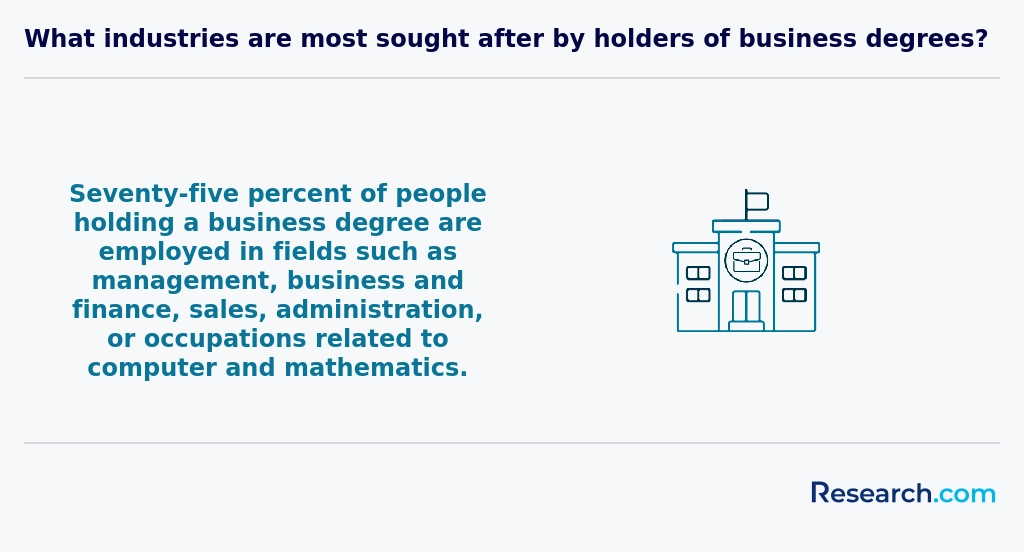
Ohio’s diverse economy offers business graduates a wealth of high-growth industries where they can apply their skills and drive innovation. Understanding these sectors can help you align your career path with areas of strong demand and competitive compensation. • Finance and Insurance: With major banking centers in Cleveland and Cincinnati, roles such as financial analysts, risk managers, and wealth advisors are on the rise. The average annual growth rate for finance occupations in Ohio is projected at 6% over the next decade. • Healthcare Management: As hospitals and health systems expand, demand for medical and health services managers continues to climb. Graduates can oversee operations, budgeting, and strategic planning in hospitals, clinics, and pharmaceutical firms. • Technology and IT Services: Ohio’s tech hubs in Columbus and Akron fuel opportunities in information security, data analytics, and IT project management. Companies seek professionals who can bridge business strategy and technology implementation. • Manufacturing and Supply Chain: Advanced manufacturing facilities across Ohio need supply chain analysts, operations managers, and logistics coordinators to optimize production and distribution networks. Lean Six Sigma certifications are especially valuable. • Management Consulting: Consulting firms in major metropolitan areas recruit graduates to advise clients on strategy, organizational change, and process improvements. This sector rewards critical thinking and strong interpersonal skills. For those considering advanced degrees, it’s also important to research what are the highest industries for a master’s in business, as specialized master’s programs can open doors to executive-level roles in these in-demand sectors. By targeting industries with robust growth projections and leveraging internships or capstone projects, Ohio business graduates can position themselves for rewarding careers with long-term stability.
What courses are typically in business degree programs in Ohio?
Business degree programs in Ohio typically include foundational courses such as principles of management, marketing, accounting, finance, and economics. Graduates from institutions like Ohio State University and Xavier University often recall how accounting classes taught them to analyze financial statements and budgeting, skills they now apply confidently in internships and entry-level roles.
Students also engage in courses covering business law and ethics, which are vital for understanding legal responsibilities and fostering trust in professional environments. For example, graduates from Miami University highlight learning to navigate real-world legal scenarios through case studies that simulate ethical decision-making.
Specialized courses vary by institution but commonly include entrepreneurship, human resource management, supply chain management, and information systems. At Kent State University, graduates appreciate how entrepreneurship classes inspired their ambition to launch startups, equipping them with practical strategies and a positive mindset.
This well-rounded curriculum, combined with hands-on projects and internships prevalent across Ohio's business schools, ensures students feel prepared and motivated to succeed in today's dynamic business landscape.
What types of specializations are available in business degree programs in Ohio?
Business degrees in Ohio commonly offer a variety of specialized areas designed to align with the state's economic strengths. Students can pursue concentrations such as Finance, which prepares graduates for roles in investment analysis and corporate finance, tapping into opportunities in Cleveland and Cincinnati's financial sectors. Marketing specialization emphasizes digital marketing and consumer behavior, ideal for those interested in Ohio's robust retail and manufacturing markets. Management programs focus on leadership and strategic planning, equipping students to handle organizational challenges across diverse industries.
Graduates from Ohio institutions often highlight the practical relevance of programs like Accounting, which readies students for careers in auditing and tax preparation, supported by local businesses and public accounting firms. The Supply Chain and Logistics specialization capitalizes on Ohio's strategic transportation network, enhancing skills in procurement and distribution. Entrepreneurship is another popular choice, reflecting Ohio's vibrant startup ecosystems, especially in Columbus. Those exploring Ohio business degree programs with specializations appreciate how interdisciplinary approaches integrate real-world scenarios, making their studies both exciting and highly applicable. Many students opt for a Business Management Degree to gain versatile expertise applicable across numerous fields.
How do you choose the best business degree in Ohio?
Choosing the best business degree in Ohio involves assessing several key factors that align with your career aspirations. Graduates from Ohio State University's Fisher College of Business often emphasize the value of AACSB accreditation, which guarantees a rigorous and reputable education. Additionally, it is crucial to explore specialization options, such as supply chain management or entrepreneurship, especially given Ohio's strong manufacturing and logistics sectors. Many students who pursued degrees at Miami University's Farmer School of Business highlight how program emphasis on practical experience and local employer connections helped them secure internships in Columbus and Cincinnati.
Affordability plays a significant role when evaluating options; public institutions generally offer more affordable Ohio business degree options with in-state tuition close to $11,000 annually. Balancing cost with potential scholarship opportunities can make a substantial difference. Lastly, examining post-graduate outcomes, like median starting salaries near $50,000, helps gauge return on investment. For those interested, researching what are the highest industries for a master's in business in Ohio can provide additional clarity when selecting a program.

What career paths are available for business degree students in Ohio?
Business degree career opportunities in Ohio span numerous dynamic sectors, reflecting the state's vibrant economy. Graduates from well-regarded institutions such as Ohio State University and Miami University often find roles in management, including operations and project management, where leadership and organizational expertise gained during their studies are highly valued. The prospect of earning a median annual wage near $105,000 makes management roles particularly attractive.
Finance and accounting positions are also prevalent, especially around financial hubs like Columbus and Cleveland. Graduates frequently secure roles as accountants, auditors, or financial analysts, supported by certifications such as CPA licensure. Many students appreciate how this specialization aligns with Ohio's robust economic environment, affirming the value of a business degree.
Furthermore, those seeking a broad range of business degree career opportunities in Ohio often explore marketing, sales, and entrepreneurship, encouraged by the state's startup ecosystem and university programs. Graduates report feeling empowered to launch new ventures or contribute to established companies. For students considering cost-effective options, a business degree program featured in the Affordable Online Business Degree Programs Ranking in Orange Beach, AL may provide flexibility while maintaining strong career prospects.
What is the job market for business degree in Ohio?
The job market for business degree graduates in Ohio is robust and offers diverse employment opportunities across various sectors. Ohio's economy, anchored by key industries such as manufacturing, healthcare, and finance, provides a solid foundation for those entering business fields. Graduates from well-regarded institutions like Ohio State University and the University of Cincinnati frequently secure roles in financial analysis, management, marketing, and logistics. Many find success within metropolitan hubs including Columbus, Cleveland, and Cincinnati, where strong local economies and corporate headquarters offer plentiful positions. This positive trend aligns with optimistic projections for business degree job outlook Ohio, indicating steady growth and competitive salaries around $68,000 annually on average.
Students benefit greatly from Ohio's extensive networking opportunities and internship programs, which are integral to landing meaningful employment. Graduates often reflect on how practical experience and alumni connections enhanced their career paths. Additionally, prospective students exploring accelerated degree college options for working adults can access flexible educational pathways designed to balance study and career advancement without extensive delays.
Frequently Asked Questions About business
Business degree students in Ohio can maximize their learning experience by actively engaging with the state's strong regional economy. Ohio hosts major industries such as manufacturing, finance, and healthcare, providing valuable opportunities for internships and networking with local companies. Students should seek programs that emphasize practical skills, such as data analysis and digital marketing, aligning with trends reported by the Ohio Department of Higher Education.
Additionally, leveraging resources like career services and participating in student organizations focused on entrepreneurship or consulting can enhance real-world understanding. Ohio's commitment to workforce development, with more than 50,000 business graduates annually, means students can benefit from partnerships between universities and employers. Seeking out internships and attending local business events will deepen industry knowledge and improve job readiness.
The business field in Ohio is rapidly evolving, with several emerging niches gaining attention. One significant area is data analytics and business intelligence, driven by Ohio's growing tech ecosystem. According to the Ohio Department of Job and Family Services, data-related roles are expected to grow by over 15% by 2028.
Another rising niche is supply chain management, especially given Ohio's status as a logistics hub due to its central location and transportation infrastructure. Companies increasingly seek experts who can optimize operations amid global disruptions.
Digital marketing also continues to expand as businesses adapt to online marketplaces. Ohio's diverse business landscape creates opportunities for specialists in social media and ecommerce marketing strategies.
Preparing for the job market after earning a business degree in Ohio involves strategic steps to enhance employability. Students should engage in internships, which Ohio's universities often facilitate through partnerships with local companies. According to the Ohio Department of Job and Family Services, business occupations in Ohio are projected to grow by 5% between 2020 and 2030, indicating steady demand.
Networking is crucial; joining professional organizations like the Ohio Society of CPAs or local Chambers of Commerce can open doors. Additionally, gaining proficiency in relevant software tools such as Excel and SAP strengthens resumes. Ohio's strong manufacturing and finance sectors particularly value these skills. Finally, pursuing certifications like PMP or Six Sigma can differentiate candidates in competitive recruitment.
Employers in Ohio value specific skills when hiring business degree graduates. According to the Ohio Department of Job and Family Services, strong communication skills are essential, with 75% of employers highlighting this ability as critical for success. Analytical thinking is also in high demand, as businesses increasingly rely on data-driven decisions. Problem-solving capabilities, coupled with proficiency in technology tools like Microsoft Excel and data analysis software, are frequently listed in job postings across Ohio's business sectors. Additionally, leadership and teamwork experience stand out, especially in industries such as finance and manufacturing, which dominate Ohio's economy.
Finding internships in Ohio relevant to a business degree involves leveraging local resources and university partnerships. The Ohio Department of Higher Education reports that over 50% of business students secure internships before graduation, highlighting the availability of opportunities. Students should start by exploring internship programs at Ohio universities such as Ohio State University and the University of Cincinnati, which often collaborate with local companies.
Networking through business organizations like the Ohio Chamber of Commerce and attending career fairs in cities like Columbus and Cleveland can also help. Online platforms like Handshake and WayUp list paid internships specifically for Ohio-based business students. Additionally, contacting businesses in Ohio's key industries-finance, manufacturing, and healthcare-can prove beneficial.
A business degree in Ohio significantly enhances career mobility and advancement opportunities. According to the Bureau of Labor Statistics, Ohio's metropolitan areas such as Columbus, Cleveland, and Cincinnati show a steady demand for business professionals, especially in management, finance, and marketing roles. Graduates with a business degree often start with higher entry-level salaries-averaging around $55,000 annually-and are more likely to receive promotions. Ohio employers value formal education combined with practical skills, which increases chances for leadership positions.
Additionally, Ohio's strong network of colleges offers internships and partnerships with major employers, providing students critical work experience that supports career growth. The Ohio Department of Higher Education reports a 10% increase in business-related job placement within six months of graduation, reflecting the degree's local industry relevance.
Studying for a business degree in Ohio offers students exposure to interdisciplinary skills vital for today's dynamic job market. Ohio's accredited business programs often integrate coursework in finance, marketing, information technology, and supply chain management, equipping students with versatile knowledge applicable across sectors.
Many Ohio universities collaborate with industries such as healthcare, manufacturing, and logistics, which are key economic drivers in the state. According to the Ohio Department of Higher Education, over 50% of business graduates find roles demanding cross-functional expertise.
This hands-on integration encourages critical thinking and problem-solving beyond traditional business boundaries. As a result, graduates are well-prepared to work in interdisciplinary teams, managing complex projects that blend business with technology and analytics.
Choosing between a thesis and a non-thesis business degree program in Ohio depends on your career goals and learning preferences. Thesis programs often suit students aiming for research roles, doctoral studies, or specialized knowledge. They require conducting original research and writing a detailed paper, which can enhance critical thinking and analytical skills.
Non-thesis programs focus more on practical skills and coursework, appealing to those targeting immediate employment in Ohio's corporate sectors like finance, marketing, or management. According to the Ohio Department of Higher Education, many local employers value hands-on experience over research for business roles.
Additionally, thesis tracks may take longer to complete, affecting timelines and finances. Consider Ohio's competitive business markets and your personal capacity before deciding.
Students in Ohio who wish to study business abroad benefit from various exchange and study abroad programs offered by Ohio's universities. Institutions like Ohio State University and Miami University maintain partnerships with business schools across Europe, Asia, and Latin America. These programs often allow students to earn credits toward their Ohio business degrees while gaining global experience.
According to NAFSA, over 600 Ohio students participate annually in study abroad programs, many focusing on international business, finance, and marketing. Ohio's strong business education environment supports internships and cooperative opportunities abroad, which enhance practical learning and cultural competence.
The diversity of destinations and program lengths enables students to tailor their international study to their academic and career goals while remaining enrolled in Ohio institutions.
Students pursuing business degrees in Ohio can benefit greatly from part-time jobs that provide practical experience alongside their studies. Common opportunities include roles such as administrative assistants, sales associates, and marketing interns. These positions help develop essential skills like communication, customer service, and data analysis.
Ohio's growing industries, particularly in cities like Columbus and Cincinnati, offer internships and part-time roles in finance, retail, and supply chain management. According to the Ohio Department of Job and Family Services, sales and business development roles in Ohio are projected to grow 5% from 2022 to 2032, highlighting opportunities for students.
Working in part-time positions related to business also enhances networking, which is crucial for future career advancement. These jobs allow students to apply classroom concepts in real-world settings, improving their employability upon graduation.
Business students in Ohio benefit from numerous networking opportunities that enhance career prospects. Many universities, such as Ohio State University and University of Cincinnati, host regular career fairs and networking events connecting students with over 1,000 regional employers each year, including major companies like Procter & Gamble and Nationwide.
Student organizations focused on business, such as the Ohio Business Roundtable and Beta Gamma Sigma honor society chapters, offer professional development and direct contact with industry leaders. Additionally, Ohio's central location in the Midwest facilitates access to networking through statewide chambers of commerce and business incubators.
According to the Ohio Department of Higher Education, nearly 70% of graduates find internships through these networks. This practical exposure supports skill-building and job placement post-graduation.
Alumni networks offer significant advantages to business degree students in Ohio by providing valuable professional connections. Many Ohio universities, such as Ohio State and Miami University, boast strong alumni communities that actively support recent graduates. These networks can open doors to internships and job opportunities, especially given Ohio's diverse economy, which includes industries like finance, manufacturing, and healthcare.
Through events and mentorship programs, students gain insights and guidance from experienced professionals. According to the Ohio Department of Higher Education, alumni referrals contribute to a higher employment rate for graduates within the state. Networking within these groups also allows students to build lasting relationships that can influence their career growth long after graduation.
Ohio offers diverse options to customize business degree programs, allowing students to align studies with their career goals. Many universities provide concentrations such as finance, marketing, supply chain management, and entrepreneurship. Choosing electives in these areas deepens expertise tailored to specific industries.
Internships and cooperative education partnerships with Ohio's strong manufacturing and financial sectors give practical experience, enhancing job readiness. For example, Columbus and Cleveland are hubs for business activity, offering abundant internship opportunities.
Additionally, some programs offer dual degrees or certificates, enabling learners to combine business administration with skills like data analytics or international business, increasing versatility in the job market.
Advisors at Ohio institutions typically assist students in mapping out personalized study plans that reflect regional economic trends and individual strengths. According to the Ohio Department of Higher Education, nearly 70% of business graduates remain employed within the state, which highlights the advantage of locally focused curricula.
Business students in Ohio often face the challenge of balancing rigorous coursework with practical experience. Many Ohio institutions emphasize internships and cooperative education, but competition for these positions can be intense, limiting opportunities for some students.
Financial constraints are also common. According to the Ohio Department of Higher Education, the average annual tuition for public universities in Ohio is approximately $11,000, which can be a burden alongside living expenses. This financial pressure may affect students' focus and performance.
Another challenge lies in adapting to rapidly changing business landscapes. Ohio's strong manufacturing and service sectors demand that students stay current with evolving technologies and business practices, a requirement that can overwhelm those without access to adequate resources or mentoring.
With a business degree from Ohio, students can pursue a variety of professional certifications that enhance career opportunities. Common options include the Certified Public Accountant (CPA) credential, essential for those interested in accounting and finance. Ohio requires 150 credit hours and passing the Uniform CPA Exam to earn this certification. Another popular choice is the Project Management Professional (PMP) certification, valuable across many industries and offered by the Project Management Institute.
For marketing or sales professionals, the Certified Marketing Professional (CMP) and Certified Sales Professional (CSP) credentials can improve job prospects. Additionally, the Chartered Financial Analyst (CFA) designation is respected in investment management.
These certifications reflect skills that Ohio employers seek, especially in Columbus and Cleveland's thriving business sectors, according to the Ohio Department of Job and Family Services.
When applying for a business program in Ohio, start by carefully reviewing the specific admission requirements of your target schools. Many institutions, such as Ohio State University and University of Cincinnati, value strong academic records and relevant extracurricular activities.
Craft a clear, focused personal statement highlighting your passion for business and any relevant experience. Emphasize leadership skills and community involvement, which are highly regarded in Ohio's competitive business admissions. Including measurable achievements can strengthen your application.
Ohio rankings from U.S. News & World Report show that programs often seek students with a GPA of 3.0 or higher and competitive standardized test scores, though some schools have test-optional policies.
Securing strong letters of recommendation from educators or professionals familiar with your business interests can provide valuable support.
Finally, submit all materials before deadlines, and consider demonstrating knowledge of Ohio's local business environment, such as key industries like manufacturing and finance, to show your genuine interest.
Global perspectives on a business career emphasize adaptability, cultural awareness, and an understanding of international markets. In the U.S., including Ohio, business degrees increasingly integrate global business concepts to prepare students for competitive, interconnected economies. Ohio's business schools often highlight global case studies and encourage language skills to enhance career prospects.
According to the U.S. Bureau of Labor Statistics, fields like international business and finance are growing faster than average nationwide, reflecting global economic trends. Ohio's diverse economy-including manufacturing, finance, and logistics-benefits greatly from professionals with a global mindset.
Students in Ohio can leverage connections with global companies headquartered in the state, such as Procter & Gamble, gaining practical experience in international business.
Students pursuing a business degree in Ohio can gain practical experience through internships, cooperative education programs, and campus-based business organizations. Many Ohio universities partner with local companies in Columbus, Cleveland, and Cincinnati to provide internship opportunities that allow students to apply classroom knowledge in real-world settings. According to the National Association of Colleges and Employers, 65% of business students in Ohio secure internships before graduation, enhancing their job prospects.
Additionally, cooperative education programs combine academic study with paid work experience, offering structured learning. Students can also join university-run consulting groups or entrepreneurship clubs, which provide hands-on experience in solving business challenges. These activities build valuable skills sought by Ohio employers, particularly in sectors like manufacturing and finance.
Choosing the right concentration within a business degree program in Ohio requires careful consideration of your career goals and the state's economic landscape. Ohio's diverse economy includes strong sectors like manufacturing, finance, healthcare, and technology, which influence demand for expertise in areas such as supply chain management, finance, and healthcare administration.
Researching employment trends can help. For example, the Ohio Department of Job and Family Services notes growing demand for financial analysts and marketing professionals in urban centers like Columbus and Cleveland. Additionally, students should evaluate the curriculum offered by Ohio universities to ensure it aligns with their interests and skills.
It is also important to seek programs with strong internship or co-op opportunities, as practical experience in Ohio's business environment significantly enhances employability.
Related Business Rankings for Nearby States
- 2027 Most Popular Business Degree Programs Ranking in Indiana
- 2027 Most Popular Business Degree Programs Ranking in Illinois
- 2027 Most Popular Business Degree Programs Ranking in Missouri
- 2027 Most Popular Business Degree Programs Ranking in Maryland
- 2027 Most Popular Business Degree Programs Ranking in Georgia
- 2027 Most Popular Business Degree Programs Ranking in Delaware
- 2027 Most Popular Business Degree Programs Ranking in Alabama
- 2027 Most Popular Business Degree Programs Ranking in Arkansas
- 2027 Most Popular Business Degree Programs Ranking in Iowa
- 2027 Most Popular Business Degree Programs Ranking in Florida
Top Trending Business Rankings
See What Experts Have To Say About Studying Business
Read our interview with Business experts

Ingrid S. Greene
Business Expert
Clinical Assistant Professor of Management
Loyola Marymount University

David W. Stewart
Business Expert
Emeritus President's Professor of Marketing
Loyola Marymount University

David Souder
Business Expert
Senior Associate Dean for Faculty and Research
Michigan State University

References
- Why Alumni Networks Matter in Business School: 7 Reasons https://europe.ceibs.edu/article/why-alumni-networks-matter-business-school
- Online and Traditional Business Degrees Comparison | Free Essay Example https://studycorgi.com/online-and-traditional-business-degrees-comparison/
- Top 10 Skills Employers Seek in Business Graduates in 2026 https://www.ibat.ie/blogs/top-10-skills-employers-seek-in-business-graduates-in-2026
- Ohio CPA requirements https://www.becker.com/cpa-review/ohio-cpa-requirements
- Networking Tips for Business Students and MBA Candidates - Cyprus West University https://www.cwu.edu.tr/networking-tips-for-business-students-and-mba-candidates/
- Is a thesis always mandatory in a master's degree program? - EFMU: The Euler-Franeker Memorial University and Institute https://euler.euclid.int/is-a-thesis-always-mandatory-in-masters-degree-program/
- The Seven Biggest Challenges Faced by Student Entrepreneurs https://venturewell.org/blog/five-biggest-challenges/
- Financial Aid | Ohio Business College https://obc.edu/financial-aid/
- Skills Employers Look for in Business Graduates – EU Business School https://www.euruni.edu/blog/skills-employers-look-for-in-business-graduates/
- Exploring Different Types of Business Majors https://www.ivywise.com/ivywise-knowledgebase/exploring-different-types-of-business-majors/