2027 Easiest Online Bachelor's in Computer Science Degree Programs Ranking in the Midwest

Co-Founder and Chief Data Scientist
Thinking about pursuing a computer science degree online in the Midwest? Our article introduces the 2027 Easiest Online Bachelor's in Computer Science Degree Programs Ranking in the Midwest, carefully crafted by the Research.com team of data scientists. This ranking is designed to help you identify programs that fit your needs and goals.
Exploring this guide will give you confidence in choosing the right program while highlighting the benefits of earning a degree that can open many doors. Your journey to a rewarding career in tech starts here.
Key benefits of getting online computer science degree in the Midwest
- Graduates with computer science degrees in the Midwest can earn competitive salaries, such as $138,110 annually for software engineers and developers, and $119,040 for data analysts, highlighting strong financial rewards.
- Career paths include roles like software developer, IT support specialist, and web developer, providing diverse opportunities to fit various interests and skills after graduating from schools like the University of Illinois.
- Online degrees offer flexibility and convenience, allowing students from busy Midwestern lifestyles to learn at their own pace while still accessing quality education comparable to traditional programs.
- Key benefits of getting online computer science degree in the Midwest
- What can I expect from online computer science degree in the Midwest?
- Where can I work with online computer science degree in the Midwest?
- How much can I make with online computer science degree in the Midwest?
- 2027 Easiest Online Bachelor's in Computer Science Degree Programs Ranking in the Midwest
- Key Findings
- How long does it take to complete online computer science degree in the Midwest?
- Program Accreditation and Faculty Expertise
- What's the difference between online and on-campus computer science degree?
- Accreditation and Program Quality
- What is the average cost of online computer science degree in the Midwest?
- What financial aid is available to online computer science degree students in the Midwest?
- What are the prerequisites for enrolling in online computer science degree program in the Midwest?
- Future Trends and Innovations in Online Computer Science Education
- What courses are typically in online computer science degree programs in the Midwest?
- What types of specializations are available in online computer science degree programs in the Midwest?
- How do you choose the best online computer science degree in the Midwest?
- What career paths are available for online computer science degree students in the Midwest?
- What is the job market for online computer science degree in the Midwest?
- Top Trending Computer Science Rankings
- See What Experts Have To Say About Studying Computer Science
What can I expect from online computer science degree in the Midwest?
The average cost for an online computer science degree in the Midwest typically ranges from $8,000 to $15,000 per year for in-state students. This affordable pricing lets many aspiring tech professionals pursue their dreams without overwhelming financial burdens. Graduates from universities like the University of Illinois Springfield often share how this reasonable tuition allowed them to focus on mastering programming, algorithms, and cybersecurity without constant stress about expenses.
Some schools maintain uniform online tuition, making it easier for students outside the state to plan their finances. Many find this transparency reassuring, allowing them to confidently commit to their education while balancing work and personal life.
Midwestern students attending institutions such as Illinois State University report feeling motivated knowing their investment in education aligns well with strong regional job prospects, where developers earn competitive salaries. This balance between cost and outcome builds excitement and confidence for many pursuing online studies in this vibrant tech hub.
Where can I work with online computer science degree in the Midwest?
Graduates holding an online computer science degree from Midwestern universities like the University of Illinois or the University of Michigan find themselves stepping into thriving tech hubs across Chicago, Minneapolis, and Detroit. Imagine joining a Chicago tech firm where your coding skills develop cutting-edge financial software, or working alongside healthcare innovators in Minneapolis who use data analytics to transform patient care.
Many graduates discover rewarding roles in manufacturing firms in Ohio and Indiana that are modernizing operations with IoT and automation. Here, your expertise in software solutions directly improves industrial efficiency, creating a tangible impact every day. This hands-on experience mirrors what many students share about their coursework projects turning into real-world applications.
The healthcare sector also eagerly welcomes computer science professionals to design telemedicine platforms or safeguard sensitive patient data. Employers actively seek graduates who have built strong programming and cybersecurity skills through online degree programs at respected Midwestern colleges.
With such diverse career paths, your online degree is a powerful gateway in the Midwest's evolving job market. By applying the skills gained from your studies, you'll join a community of innovators shaping technology across industries with confidence and purpose.
How much can I make with online computer science degree in the Midwest?
Graduates from respected Midwest institutions offering online computer science degrees often find themselves earning competitive salaries that reflect both their skills and the regional market. For instance, software engineers and software developers-roles many alumni from schools like the University of Illinois Urbana-Champaign or Indiana University pursue-have a mean annual wage of about $138,110 according to recent data. This figure showcases the strong earning potential even early in a graduate's career.
Other popular positions among graduates include data analysts, who earn an average of $119,040 annually, and web developers, with a mean wage of $95,570. Many students I have advised share that starting as an IT support specialist, with a mean annual wage near $63,640, provides valuable experience and a solid foundation, often leading to lucrative tech roles.
These earnings reflect a vibrant Midwest tech landscape where recent graduates from universities in cities like Minneapolis or Columbus thrive. With remote work expanding opportunities, your degree can open doors well beyond your local area, boosting income while providing flexibility and career growth.
2027 Easiest Online Bachelor's in Computer Science Degree Programs Ranking in the Midwest
How do we rank schools?
Investing in your education is a significant decision that can shape your future, and the Research.com team understands the importance of making informed choices. To assist prospective students, we have meticulously crafted the "2027 Easiest Online Bachelor's in Computer Science Degree Programs Ranking in the Midwest." Our commitment to quality, credibility, and accuracy is reflected in the extensive research and analysis conducted to compile this ranking.
We utilized the following reputable data sources to ensure a comprehensive evaluation of programs:
By exploring this ranking, readers will gain valuable insights into the most accessible online computer science degree programs in the Midwest, helping them make confident and informed decisions about their educational journey. For more details on how this ranking was created, please visit our Research.com methodology page.


# 8 position
Davenport University
Bachelor of Technology Project Management, Information Security specialty


# 10 position
Herzing University Online
Bachelor of Software Development

Key Findings
- Tuition for online bachelor's degrees in computer science at Midwest public universities ranges from $20,000 to $35,000, while private universities may charge over $40,000.
- States like Illinois, Ohio, Michigan, and Minnesota have a growing tech industry that increases demand for computer science professionals.
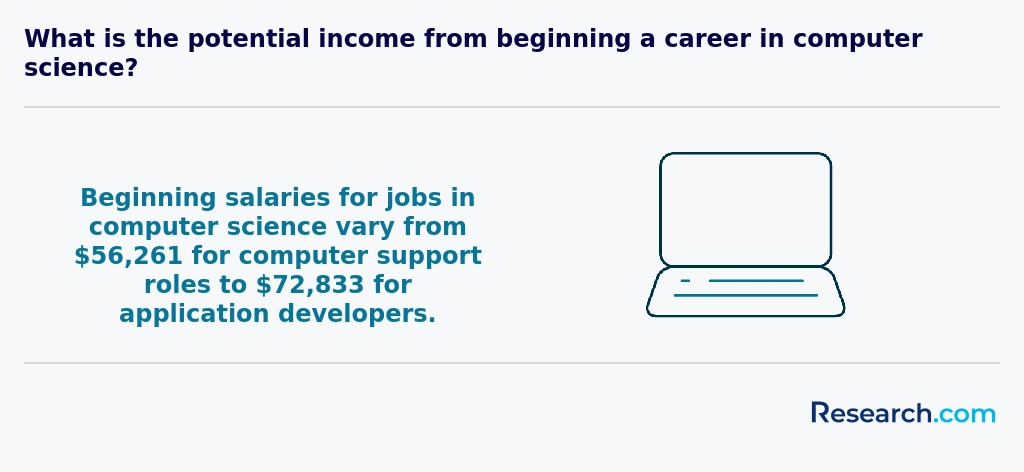
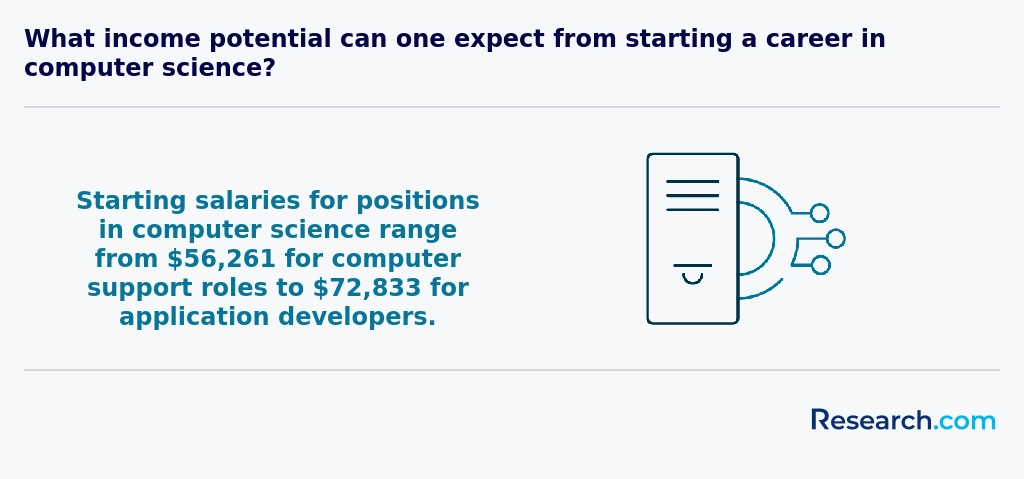
- Entry-level salaries range from $60,000 to $75,000 annually, with higher pay in cities like Chicago and Minneapolis.
- Experienced professionals can earn between $90,000 and $120,000, especially in fields like cybersecurity and data science.
- Many programs offer virtual labs and use industry-standard tools to provide practical, hands-on experience.
- Programs accredited by organizations like ABET ensure quality education aligned with workforce needs.
How long does it take to complete online computer science degree in the Midwest?
Completing an online computer science degree in the Midwest often takes about four years for full-time students, mirroring the traditional path at institutions like the University of Illinois Springfield and Southern Illinois University. Many graduates share how these programs' flexible pacing-such as eight-week accelerated courses-helped them balance work, family, and study, allowing them to finish sooner than expected.
Part-time learners often find themselves extending their journey to five or six years, a realistic and smart choice when managing finances or employment. Transfer credits can further speed up progress, sometimes cutting a year off the standard timeline, offering motivated students a real advantage.
Keep in mind, your personal goals affect the timeline. If you're diving into electives like cybersecurity or AI, you might spend more time building expertise, but the deeper knowledge will set you apart in your career.
Embracing these flexible pathways means you can tailor your study journey to fit your life-often faster than you might imagine, while still gaining a respected Midwest education.
Program Accreditation and Faculty Expertise
When choosing an online Computer Science program in the Midwest, verifying accreditation and faculty credentials is crucial to ensuring the value and recognition of your degree. Accreditation by a recognized agency guarantees that a curriculum meets rigorous academic standards, while faculty with real-world experience bridge theory and practice. • Regional and programmatic accreditation: Look for institutions accredited by the Higher Learning Commission (HLC) and programs certified by ABET (Accreditation Board for Engineering and Technology). • Faculty qualifications: Investigate instructor profiles-ideal programs employ professors with doctoral degrees, active research portfolios, and industry backgrounds at tech firms or research labs. • Student-to-faculty ratio and mentorship: Smaller virtual class sizes foster deeper engagement, personalized feedback, and opportunities to participate in faculty-led research projects or internships. By prioritizing accredited schools with seasoned faculty, you safeguard your investment and enhance employability. For students balancing cost with quality, compare these options with other regions-explore our Most Affordable Computer Science Degree Programs Ranking in New York to see how Midwest programs stack up on affordability without compromising accreditation.
What's the difference between online and on-campus computer science degree?
Choosing between an online and an on-campus computer science degree in the Midwest often comes down to lifestyle and learning style. Graduates from schools like the University of Illinois Urbana-Champaign share how on-campus programs create a vibrant atmosphere with face-to-face collaboration and immediate professor feedback, which can fuel motivation and deeper connections. On the other hand, students from programs such as those offered by Missouri University of Science and Technology appreciate the flexibility of online courses, letting them balance jobs and family while accessing the same curriculum at their own pace.
Midwest online programs also ease financial pressures by cutting costs on housing and commuting, an advantage many graduates highlight when comparing their experiences with peers attending Big Ten campuses in person. Yet, the need for reliable technology and a self-driven approach means online learners must cultivate strong discipline, a reality echoed by alumni from both formats.
Ultimately, whether navigating hands-on lab sessions on a bustling campus or logging in after work hours, Midwest universities ensure you gain rigorous skills that employers value across the nation.
Accreditation and Program Quality
Accreditation is a hallmark of academic excellence and a critical factor for student success and employer confidence. Most reputable online Bachelor’s in Computer Science degree programs in the Midwest hold regional accreditation (e.g., Higher Learning Commission), ensuring they meet rigorous standards for curriculum, faculty, and student services. Additionally, programmatic accreditation by ABET (Accreditation Board for Engineering and Technology) provides an extra layer of quality assurance, particularly for core computing and engineering courses. Before applying, verify that your prospective university appears on the U.S. Department of Education’s list of accredited institutions and confirm programmatic accreditation via the ABET directory. Students benefit from choosing accredited online programs in multiple ways:
- Seamless transfer of credits between institutions and eligibility for federal financial aid.
- Enhanced recognition by industry employers, graduate schools, and professional licensing boards.
- Assurance that curricula stay current with emerging technologies through periodic accreditation reviews. When comparing programs, examine accreditation statements on university websites and review accreditation cycle dates. Quality-focused institutions often publish detailed accreditation reports, outlining outcomes assessment, continuous improvement initiatives, and faculty credentials. For example, graduates of ABET-accredited Computer Science programs in the Midwest have reported higher job placement rates and stronger industry partnerships. For a deeper look at how accreditation influences program affordability and ROI, explore our ranking of the best affordable artificial intelligence online degree programs, where program quality and cost-effectiveness are evaluated side by side.
What is the average cost of online computer science degree in the Midwest?
The average cost of an online computer science degree in the Midwest typically centers around $46,920, making it an accessible choice for many students aiming to advance their careers without the overwhelming expense often associated with higher education. For those living in-state at public universities, costs generally hover near $42,570, reflecting a practical investment. Graduates from schools like the University of Illinois at Springfield often recall how this affordability balanced with solid program quality made their journey manageable and rewarding. On the other hand, out-of-state students might experience slightly higher tuition, averaging about $43,440, but many find that scholarships or financial aid opportunities help soften this burden.
When exploring affordable online computer science programs in the Midwest, it's encouraging to keep in mind that public universities usually charge $300 to $400 per credit hour, resulting in a full degree cost that fits within a reasonable budget. Private institutions, while sometimes more costly, offer specialized curricula and flexible learning that many students find worth the added expense. Embracing these options allows you to tailor your education according to your aspirations and financial situation.
One graduate who chose an online path at a well-known Midwest university shared how balancing work and studies was facilitated by the online format, ultimately minimizing expenses on housing and commuting. Such real-life experiences underscore that while costs are important, the value derived from online learning can be substantial and uplifting.
For those seeking a deeper dive into choices available, this best online computer science degree in illinois resource provides valuable insights tailored to your goals.
What financial aid is available to online computer science degree students in the Midwest?
Financial aid is a powerful tool that can transform your journey toward earning an online computer science degree in the Midwest. Many graduates from schools like the University of Illinois Urbana-Champaign or Ohio State University have relied on federal aid through FAFSA, unlocking Pell Grants worth up to $7,395, which don't require repayment. This foundation often makes the cost more manageable from day one.
State programs play a crucial role too. Illinois' Monetary Award Program (MAP) and Ohio's Choose Ohio First Scholarship, awarding up to $5,000 annually for STEM fields, have enabled students to focus on learning rather than worrying about tuition bills. Imagine attending a top program while being supported by such initiatives tailored to your state.
Universities themselves offer merit-based scholarships that reward dedication, whether through academic excellence or tech experience. Many students also find part-time employment or work-study positions related to technology and research, gaining valuable skills and supplementing their income simultaneously.
Private scholarships from groups like the Computing Research Association further boost financial resources, opening doors to a future in computer science without the heavy burden of debt. By combining these options, you can confidently step toward your goal knowing that help is within reach.
What are the prerequisites for enrolling in online computer science degree program in the Midwest?
To enroll in an online computer science degree program in the Midwest, you'll need a high school diploma or equivalent like a GED. Graduates from popular schools such as the University of Illinois Urbana-Champaign often recall how submitting official transcripts helped admissions understand their academic background and readiness for the program.
Many programs expect a minimum GPA around 2.5 to 3.0 on a 4.0 scale, reflecting your ability to manage challenging coursework. Some students from Indiana University have shared that maintaining this GPA was motivating and made them confident entering their classes.
Though SAT or ACT scores are increasingly optional, certain competitive programs still require them or placement exams, especially to showcase strength in math and science. A solid foundation in algebra and geometry, common at colleges like the University of Michigan, smooths the path to mastering algorithms and data structures.
Programming experience can be an advantage but is rarely mandatory, as many Midwestern universities offer beginner-friendly refresher courses. Completing an online application along with a personal statement detailing your passion for computer science often seals the deal for many successful applicants.

Future Trends and Innovations in Online Computer Science Education
As the tech landscape continues to evolve, online Computer Science programs in the Midwest are increasingly adapting to meet future industry demands. Emerging trends such as artificial intelligence, blockchain, and augmented reality are now being woven into curricula, ensuring that students gain cutting‐edge skills that will set them apart in a competitive job market. Faculty and industry experts alike emphasize the importance of practical, hands-on learning experiences combined with advanced virtual labs and mentorship initiatives. For example, many institutions are forging partnerships with local tech companies and start-ups to offer real-world project opportunities, internships, and exclusive networking events. Such collaborations not only enrich the academic experience but also provide invaluable career pathways for graduates. Students keen on staying ahead can explore detailed program comparisons like the best online computer science degree in illinois to make informed decisions based on emerging trends and future opportunities. As online education continues to innovate, prospective students should look for programs that emphasize future-ready skills, state-of-the-art technology, and continuous curriculum improvements that respond dynamically to industry shifts.
What courses are typically in online computer science degree programs in the Midwest?
When you pursue an online computer science degree in the Midwest, you can expect a curriculum that builds a solid foundation while preparing you for real-world challenges. Courses like Introduction to Programming and Data Structures and Algorithms are the cornerstones, helping you develop problem-solving skills that graduates from schools such as the University of Illinois proudly rely on in their tech careers.
Many programs also dive deep into Computer Architecture and Operating Systems, revealing how hardware and software collaborate behind the scenes-knowledge that Midwest students often find essential when tackling complex systems projects during their capstone year.
Don't overlook practical classes like Software Engineering, Cybersecurity Fundamentals, and Web Development, which equip you with skills directly applicable to today's industry needs, just as graduates from Michigan colleges experience in their internships and job placements.
Mathematics courses such as Discrete Mathematics and Calculus sharpen your analytical thinking, empowering you to innovate confidently in fields like machine learning, often offered as electives in these programs.
What types of specializations are available in online computer science degree programs in the Midwest?
Online computer science specializations Midwest programs often include diverse focus areas such as Software Engineering, Cybersecurity, Data Science, Artificial Intelligence, Computer Networks, and Database Management. These specializations empower students to tailor their learning toward dynamic fields in high demand locally and nationally. Graduates from well-known Midwest universities appreciate how specializing in Cybersecurity prepares them to defend critical infrastructures in cities like Chicago, while Data Science excellence helps graduates tap into analytics-driven roles across industries based in the region.
One common thread among these programs is their practical, hands-on approach-graduates recount developing real-world projects that sharpen problem-solving skills and provide confidence entering the workforce. For example, families of hardworking students attending colleges known for Midwest computer science degree focus areas often note the transformative experience of courses using emerging technologies to simulate complex challenges.
If you want to level up, consider exploring the best affordable artificial intelligence online degree options offered, as AI continues to revolutionize sectors globally and right here in the Midwest. Choosing the right specialization can truly set you apart and inspire your tech career journey.
How do you choose the best online computer science degree in the Midwest?
Choosing the best online computer science degree in the Midwest means focusing on programs that align with your goals and lifestyle. Graduates from prominent Midwestern universities often emphasize the importance of accreditation-such as ABET or recognition by the Higher Learning Commission-to ensure their degree carries real value in the job market.
Look for programs that blend rich theoretical concepts with hands-on projects and internships. Many students from schools around Chicago or Minneapolis highlight how practical experience in cybersecurity and software engineering gave them confidence entering the tech workforce. Flexibility is key, especially if you balance work and study; programs with adjustable pacing and strong student support lead to higher graduation rates.
Cost also counts. Affordable online computer science degrees in the Midwest can vary widely, so weigh tuition, fees, and available financial aid. Exploring options like the Most Affordable Computer Science Degree Programs Ranking in New York can offer perspective on managing expenses while pursuing excellence.
What career paths are available for online computer science degree students in the Midwest?
If you're earning an online computer science degree in the Midwest, you're stepping into a vibrant tech landscape filled with exciting possibilities. Graduates from popular colleges like the University of Illinois Urbana-Champaign often find rewarding jobs with online computer science degree Midwest credentials in software development, a field where creativity meets high demand. Imagine working on apps or systems that millions rely on daily, all while enjoying competitive salaries reflective of the region's strong market.
Career opportunities for online computer science degree Midwest holders extend beyond coding. Many graduates become cybersecurity specialists, protecting vital information from cyber threats in bustling tech hubs like Chicago. Others thrive as data scientists or systems analysts, roles that blend technical skills with strategic thinking. For those interested in innovation, artificial intelligence and machine learning offer rapidly growing fields fueled by Midwest university research programs.
Some students choose to advance their education through a fast paced bachelor degree online, enabling earlier entry into the workforce and greater financial flexibility. Whether you see yourself optimizing networks or developing smart manufacturing solutions, the Midwest provides both fertile ground and community support for your ambitions.
What is the job market for online computer science degree in the Midwest?
Graduates from online computer science programs in the Midwest often find a job market rich with opportunity and growth. Schools like the University of Illinois or Michigan State University prepare students with hands-on skills that Midwestern employers highly value, especially in industries like finance, healthcare, and manufacturing. These graduates frequently share stories of securing roles in cities such as Chicago or Minneapolis, where digital transformation drives demand for proficient tech talent.
The Midwest computer science degree employment outlook remains positive, with many firms and startups embracing remote work, expanding access beyond urban centers. Paying attention to emerging fields like artificial intelligence and cloud computing can further boost your prospects. For example, graduates specializing in cybersecurity often land competitive positions thanks to the rising need for digital security expertise across the region.
Cost considerations are also important. Many find that online degrees here offer excellent affordability, supporting a better return on investment than more expensive coastal options. To maximize this advantage, some students explore complementary credentials like online certifications that pay well without a degree, enhancing their employability and income potential in a competitive marketplace.
Frequently Asked Questions About computer science
Students pursuing online computer science degrees in the Midwest can enhance their learning by actively engaging with university resources. Many Midwestern schools offer virtual tutoring, coding labs, and discussion forums that provide essential support. A 2023 report by the National Center for Education Statistics notes that 62% of online STEM students in the Midwest utilize such services to improve their skills.
Networking with peers in regional tech groups or online communities also boosts practical understanding. Employers in Midwest tech hubs like Chicago and Minneapolis value hands-on projects and internships, which online programs increasingly incorporate. Staying disciplined with a structured study schedule helps maintain steady progress in this challenging field.
The computer science field is rapidly evolving, with several emerging niches gaining strong momentum, especially relevant for students pursuing online degrees in the Midwest. One significant area is artificial intelligence (AI) and machine learning, where demand for skilled professionals has increased by over 30% in Midwest tech hubs according to the Bureau of Labor Statistics.
Cybersecurity remains crucial, as the rise in data breaches fuels a growing need for experts to protect digital infrastructure. Another expanding sector is data science, valued for turning large datasets into practical insights, with Midwest companies actively recruiting recent graduates.
Additionally, areas like cloud computing and Internet of Things (IoT) development are creating new job opportunities aligned with modern business needs.
Graduates with online computer science degrees from Midwest institutions should focus on building practical experience to prepare for the job market. Internship opportunities, even remote ones, significantly enhance employability. According to the National Association of Colleges and Employers, 60% of Midwest tech employers prefer candidates with relevant internships.
Networking is equally important. Joining professional organizations like the Chicago Association of Technology Professionals or attending regional tech meetups can open doors. Additionally, obtaining certifications in popular programming languages and cloud technologies can improve job prospects.
Midwest tech hubs such as Chicago, Minneapolis, and Columbus are growing, with the Bureau of Labor Statistics projecting a 15% increase in computer and IT jobs by 2030 in these areas.
Employers in the Midwest seek several key skills from graduates with online computer science degrees. Strong programming abilities in languages like Java, Python, and C++ remain essential as these are widely used across regional tech companies. According to the Illinois Technology Association, problem-solving and critical thinking top the list of desirable traits, helping graduates adapt to complex challenges.
Additionally, data analysis and cybersecurity knowledge are increasingly valuable given the Midwest's growing focus on data-driven industries and secure digital infrastructure. Communication skills also matter, as collaboration is crucial in both startups and large corporations.
Overall, graduates who combine technical expertise with soft skills tend to have the best employment prospects in the region.
Finding internships in the Midwest relevant to a computer science degree involves several strategic steps. Start by exploring university career centers, as many schools maintain strong local employer connections. The region hosts major tech hubs like Chicago and Minneapolis, where firms frequently seek interns. According to the U.S. Bureau of Labor Statistics, tech job growth in the Midwest is steady, increasing internship opportunities.
Utilize online platforms such as Handshake and LinkedIn, targeting companies based in cities like Indianapolis and Columbus. Networking through local tech meetups or professional groups also helps. Additionally, consider applying to large Midwest corporations known for tech internships, such as Cerner or Cargill, which often offer paid positions for students.
Online computer science degrees in the Midwest significantly enhance career mobility and advancement for many professionals. According to the U.S. Bureau of Labor Statistics, computer and information technology occupations in Midwest states like Illinois, Ohio, and Michigan are projected to grow between 9% and 15% through 2030. This growth translates into expanding job opportunities for graduates.
Employers increasingly value the flexibility and self-discipline demonstrated by online degree holders. Many employers in Midwestern tech hubs and industries such as automotive and manufacturing actively seek candidates with updated, relevant skills.
The ability to study online also allows working adults in the Midwest to pursue education without relocating. This helps maintain regional talent while opening pathways to higher-level roles in IT management, software development, or data science.
Studying for a computer science degree in the Midwest offers strong preparation for interdisciplinary roles by combining technical skills with practical applications in diverse fields. Many Midwestern universities emphasize collaboration between computer science and industries such as healthcare, agriculture, and manufacturing, reflecting regional economic strengths. According to the Midwest Higher Education Compact, these programs often include project-based learning and partnerships with local businesses, enhancing real-world problem-solving abilities.
Additionally, Midwestern online degrees frequently integrate data analytics, engineering, and business courses, equipping students to work across multiple domains. This versatility is critical as 64% of employers in the region report a need for tech professionals who can bridge technical and non-technical teams, based on a 2023 LinkedIn Workforce Report.
Choosing between a thesis and a non-thesis computer science degree program in the Midwest depends largely on your career goals and learning preferences. Thesis programs typically require original research and a formal thesis paper, which can be valuable if you plan to pursue graduate studies or research roles.
Non-thesis options often focus on coursework and practical skills, appealing to students aiming for immediate employment in tech industries. Midwest universities, including those in Illinois and Michigan, offer both formats with online flexibility. According to the National Center for Education Statistics, 60% of Midwest computer science graduates enter the workforce directly, favoring non-thesis paths for quicker completion.
Consider program length, faculty expertise, and availability of research funding when deciding. Consulting academic advisors at your chosen school can also clarify which format suits your objectives best.
Students in the Midwest seeking to study computer science abroad face unique opportunities and challenges. While many universities offer online computer science degrees domestically, direct enrollment in foreign universities often involves visa considerations and credit transfer issues. However, some Midwestern institutions have established exchange programs or dual-degree partnerships with universities in Europe and Asia, allowing students to gain international experience while completing their degree online.
Programs such as these typically include virtual classrooms taught by international faculty or short-term study abroad options. According to the Institute of International Education (IIE), participation in study abroad programs among Midwestern students grew by 5% in 2022, driven partly by STEM fields like computer science.
Students should also consider language requirements and accreditation when exploring foreign schools. Practical experience can sometimes be supplemented through internships with global tech companies based in the US but connected internationally.
Part-time job opportunities in the Midwest that complement computer science degree education often include roles like software developer intern, IT support assistant, and data analyst trainee. These positions allow students to apply classroom knowledge to real-world problems while gaining valuable industry experience. According to the U.S. Bureau of Labor Statistics, the Midwest states such as Illinois, Ohio, and Michigan have a growing demand for technology roles, with software developer jobs expected to increase by over 20% by 2030.
Many universities and tech companies in the region offer flexible internships or part-time roles tailored for students. These opportunities not only enhance technical skills but also improve teamwork and communication abilities crucial for career advancement. Working part-time in tech-related jobs while pursuing an online computer science degree can significantly boost employability after graduation.
Online computer science students in the Midwest have growing opportunities to build professional networks. Many universities offer virtual career fairs and online student organizations, connecting learners with peers and employers locally and nationally. For example, Midwest schools often partner with regional tech hubs in Chicago, Minneapolis, and Indianapolis, facilitating internships and job placements.
According to the Computing Research Association, the Midwest hosts a rising number of tech companies, increasing demand for computer science graduates. Industry-focused webinars and meetups, frequently organized by local chapters of ACM and IEEE, also help students connect with professionals. These resources enhance career prospects despite remote learning.
Alumni networks offer significant advantages to online computer science degree students in the Midwest. These networks provide access to industry professionals, which can be crucial in a field where connections often lead to job opportunities. Many Midwestern universities, such as the University of Illinois and Michigan State University, maintain active alumni groups that host events and offer mentorship programs.
Statistics from the National Association of Colleges and Employers show that 85% of jobs are filled through networking, highlighting the value of alumni connections. For online students, these networks help bridge geographic gaps and foster a sense of community.
Additionally, alumni can share insights on local tech markets in cities like Chicago and Minneapolis, supporting career growth and local job placement.
Customizing an online computer science degree in the Midwest often begins with selecting electives aligned with your career goals. Many Midwestern universities offer flexible curricula allowing students to specialize in areas such as cybersecurity, data science, artificial intelligence, or software development.
Additionally, some programs provide paths for earning certificates or minors alongside the main degree. This can enhance expertise in niche fields and improve job market competitiveness.
Internship opportunities and capstone projects, commonly integrated into online degrees, also help tailor practical experience to specific career interests. According to the National Center for Education Statistics, over 60% of Midwest online computer science programs incorporate such features.
Finally, academic advising and career services at these institutions guide students in creating personalized study plans to meet evolving technology industry demands. This flexibility supports diverse professional outcomes in a fast-changing field.
Online computer science students in the Midwest often face several challenges that can impact their success. One key issue is limited access to high-speed internet, especially in rural areas. According to the FCC, nearly 20% of Midwestern residents still lack broadband access suitable for smooth online learning. This can hinder participation in live lectures or coding labs that require real-time interaction.
Another common challenge is balancing coursework with work and family commitments. Many online students in the region are working adults returning to school, so time management becomes crucial.
Additionally, students may feel isolated due to fewer chances for in-person collaboration, which is important in a field like computer science.
With an online computer science degree, you can pursue several professional certifications that boost career prospects in the Midwest tech industry. Popular options include CompTIA certifications like Security+ and Network+, which validate foundational IT skills. Employers in cities such as Chicago and Minneapolis value certifications like Certified Information Systems Security Professional (CISSP) for cybersecurity roles. Additionally, certifications from the Institute of Electrical and Electronics Engineers (IEEE) and the Project Management Professional (PMP) credential are well regarded. According to the U.S. Bureau of Labor Statistics, computer and information technology jobs in the Midwest are projected to grow by 11% through 2031, increasing demand for certified professionals.
Writing a winning application for an online computer science program in the Midwest requires clear demonstration of your academic preparedness and motivation. Many Midwest universities look for strong math and science backgrounds, so highlight relevant coursework and any coding experience.
It is important to research specific program requirements as some schools prioritize professional experience or offer preference to local residents. Adding well-crafted personal statements explaining your career goals and interest in computer science can set you apart.
According to the National Center for Education Statistics, over 60% of computer science graduates from Midwest institutions find employment within six months, so emphasize your commitment to leverage the degree for regional job markets.
Finally, obtaining strong recommendation letters from instructors or employers is advisable, as they validate your readiness for rigorous study in this competitive field.
Globally, computer science is recognized as a high-demand career with strong growth opportunities. Within the US, including the Midwest, this field is essential for innovation in technology, healthcare, finance, and more.
According to the Bureau of Labor Statistics, employment for computer and information technology occupations is projected to grow 15% from 2021 to 2031, much faster than the average for all jobs. The Midwest continues to expand its tech sector, especially in cities like Chicago and Columbus, supporting a growing need for skilled professionals.
Internationally, US degrees in computer science hold strong reputations, often valued by multinational companies headquartered in the region. Many employers seek candidates with solid understanding of software development, data analytics, and cybersecurity, skills emphasized in Midwestern online programs.
Gaining practical experience while pursuing an online computer science degree in the Midwest is essential for career readiness. Many schools encourage virtual internships, allowing students to work remotely with regional tech companies. This approach combines flexibility with real-world skills development.
Additionally, Midwestern universities often offer project-based courses where students solve problems for actual organizations, providing hands-on experience. According to the National Association of Colleges and Employers (NACE), 75% of employers prefer candidates with internship experience. Platforms like Handshake and local networking events can connect students to opportunities in cities like Chicago, Minneapolis, and Indianapolis, all hubs for software development and data science.
Choosing the right concentration within an online computer science degree program in the Midwest requires careful consideration of your career goals and local industry demands. For example, with Midwestern states like Illinois and Michigan growing in cybersecurity and software development sectors, concentrations in those areas may offer strong job prospects. According to the Bureau of Labor Statistics, employment for computer and information technology occupations is expected to grow 15% by 2030, especially in data science and network security roles.
Evaluate how various concentrations align with your interests, and research faculty expertise at Midwestern institutions. Also, consider program flexibility and relevant internships or partnerships with regional tech companies, which can enhance your practical experience.
Top Trending Computer Science Rankings
See What Experts Have To Say About Studying Computer Science
Read our interview with Computer Science experts

Derek Riley
Computer Science Expert
Professor, Program Director
Milwaukee School of Engineering

Elan Barenholtz
Computer Science Expert
Associate Professor
Florida Atlantic University

Kathleen M. Carley
Computer Science Expert
Professor of Computer Science
Carnegie Mellon University

Martin Kang
Computer Science Expert
Assistant Professor
Loyola Marymount University

References
- Navigating Systemic Access to Computer Science Learning https://www.nasbe.org/navigating-systemic-access-to-computer-science-learning/
- Earn an Online Computer Science Degree https://www.oedb.org/rankings/online-computer-science-programs/
- Getting the Most Out of a Computer Science Degree https://robkokochak.com/blog/getting-the-most-out-of-a-cs-degree/
- Computer Science Programs in Missouri https://www.computerscience.org/online-degrees/missouri/
- Online Computer Science Degree Program https://www.phoenix.edu/online-information-technology-degrees/computer-science-bachelors-degree.html
- Federal Student Financial Aid Program https://www.midwestinstitute.edu/financial-aid/
- Computer Science students create live network in ... https://www.stmartin.edu/news-and-stories/stories/computer-science-students-create-live-network-simulated-scenario
- Alumni network KoSi e.V. https://www.fbi.h-da.de/en/informieren/ueber-uns/alumni/alumni-computer-science-dual
- NIU Computer Science Alumni Network https://www.myniu.com/article.html
- How can I network with computer science professionals ... https://2sigma.school/t/a/cfaq/how-can-network-with-computer-science-professionals-and-find-job