2027 Most Valuable Online Doctorate in Computer Science Degree Programs Ranking in the USA

Co-Founder and Chief Data Scientist
Choosing the right online doctorate in computer science can shape your future career and open doors to exciting opportunities. Our article presents the 2027 Most Valuable Online Doctorate in Computer Science Degree Programs Ranking in the USA, carefully crafted by the Research.com team of data scientists.
This ranking helps you navigate options with confidence, focusing on programs that truly deliver value. Whether you want to advance in tech or explore new research horizons, this guide supports informed decisions and inspires your educational journey.
Discover the benefits of a computer science doctorate and take a promising step toward your goals.
Key benefits of getting online computer science degree in America
- Salary: Graduates with a computer science degree in America can earn impressive salaries, such as a Computer Scientist making a mean annual wage of $157,160 or a Senior Software Engineer earning around $138,110. These figures highlight the strong financial rewards available in tech careers.
- Career Paths: A typical computer science graduate from a well-known university can pursue diverse roles, including Chief Information Officer or Data Science Manager, with average wages up to $180,720, opening doors to leadership and specialized fields.
- Online Degree Benefits: Online computer science degrees offer flexibility and convenience, allowing students from anywhere in America to balance work and study, often with access to the same quality curriculum as traditional programs. This option supports success without sacrificing personal or professional commitments.
- Key benefits of getting online computer science degree in America
- What can I expect from online computer science degree in America?
- Where can I work with online computer science degree in America?
- How much can I make with online computer science degree in America?
- 2027 Most Valuable Online Doctorate in Computer Science Degree Programs Ranking in the USA
- Key Findings
- How long does it take to complete online computer science degree in America?
- What's the difference between online and on-campus computer science degree?
- Student Support and Career Services for Online Doctorate Candidates
- What is the average cost of online computer science degree in America?
- Application Process and Admission Tips
- What financial aid is available to online computer science degree students in America?
- What are the prerequisites for enrolling in online computer science degree program in America?
- What courses are typically in online computer science degree programs in America?
- What types of specializations are available in online computer science degree programs in America?
- How do you choose the best online computer science degree in America?
- What career paths are available for online computer science degree students in America?
- What is the job market for online computer science degree in America?
- Top Trending Computer Science Rankings
- See What Experts Have To Say About Studying Computer Science
What can I expect from online computer science degree in America?
The average cost of an online computer science degree in America typically ranges between $15,000 and $40,000, depending on the institution and program level. Many students find this investment well worth it, especially when attending respected schools renowned for their tech programs, like Arizona State University or the University of Florida. Graduates often share how affordable tuition, combined with savings on commuting and housing, helped them focus fully on mastering programming, algorithms, and real-world projects.
Financial aid and scholarships designed specifically for online learners further brighten the path to success, making these degrees accessible for working professionals and caregivers balancing family life. Imagine joining virtual labs and collaborating on coding assignments with peers across the country, just like students from Georgia Tech do, all from the comfort of your home. This supportive, flexible environment fosters dedication and growth, allowing you to embrace both academic challenges and excitement without stretching your budget unnecessarily.
Where can I work with online computer science degree in America?
Graduates from online computer science programs at respected American institutions often find themselves stepping confidently into diverse and rewarding careers. Whether from universities known for their tech focus or community colleges with strong industry ties, these students land roles as software developers, cybersecurity specialists, or data analysts across the thriving technology sector.
Many alumni share stories of landing positions in major financial firms or healthcare providers, where their skills in secure coding and data management drive innovation and protect sensitive information. Others thrive in government agencies like the Department of Defense or NASA, contributing to critical projects in software engineering and research, gaining valuable experience in cutting-edge environments.
Startups and small businesses also eagerly recruit graduates for their fresh ideas and knowledge in AI, machine learning, and blockchain. Thanks to growing remote work options embraced nationwide, graduates from schools across the U.S. balance professional roles and continuing education with ease.
The career paths opened by an online computer science degree in America inspire confidence and promise-a solid foundation for those ready to launch into the future of technology and innovation.
How much can I make with online computer science degree in America?
Graduates earning an online computer science degree from respected American universities often celebrate starting salaries between $70,000 and $90,000, reflecting their strong preparation and market readiness. Many alumni from top programs, such as those at the University of California or Georgia Tech, quickly transition into roles as software developers or data analysts, earning median annual wages around $120,730 according to 2023 U.S. Bureau of Labor Statistics data.
With experience and dedication, these professionals often advance to senior software engineer positions, enjoying mean salaries near $138,110. This progression fuels confidence and opens doors to leadership roles like Data Science Manager, earning approximately $119,040 annually, or executive posts such as Chief Information Officer and Chief Technology Officer, where compensation rises to around $180,720.
These figures highlight the rewarding career trajectory awaiting motivated online graduates. Their skills, coupled with real-world projects and internships during their studies, empower them to thrive in vibrant tech hubs nationwide. Success in this field is well within reach, inspiring countless students to pursue their dreams with enthusiasm and determination.
2027 Most Valuable Online Doctorate in Computer Science Degree Programs Ranking in the USA
How do we rank schools?
Investing in your education is a significant decision that can shape your future, and the Research.com team understands the importance of making informed choices. To assist prospective students nationwide, we have meticulously developed the "2027 Most Valuable Online Doctorate in Computer Science Degree Programs Ranking in the USA." Our commitment to quality, credibility, and accuracy is demonstrated through comprehensive research and rigorous analysis.
We utilized the following reputable data sources to ensure a well-rounded and trustworthy evaluation:
By exploring this ranking, readers will gain valuable insights into the most valuable online doctorate programs in computer science, empowering them to make informed decisions about their educational and professional futures. For more information on how this ranking was created, please visit our Research.com methodology page.

# 2 position
Aspen University
Doctor of Computer Science

Key Findings
- Accredited online computer science programs follow similar curricula as on-campus programs, covering fundamentals like programming, data structures, and software development.
- Annual tuition for online bachelor's degrees ranges from $10,000 to $25,000 for in-state public university students and $30,000 to $50,000 for private or out-of-state students.
- Master's degree programs typically cost between $20,000 and $60,000 in total, depending on the institution and program length.
- Entry-level salaries for computer science graduates start around $70,000 to $85,000 per year, with experienced professionals earning between $110,000 and $130,000 on average.
- Employment in computer and information technology fields is expected to grow about 15% from 2021 to 2031, driven by demand for developers, cybersecurity experts, and AI specialists.
- Many online programs offer career support services, internships, and job placement assistance to help students gain practical experience and improve job prospects.
How long does it take to complete online computer science degree in America?
Completing an online computer science degree in America is an exciting journey that many students approach with great enthusiasm and determination. For bachelor's degrees, most graduates from reputable universities like the University of Illinois or Arizona State University finish in about four years when studying full-time. This matches traditional on-campus schedules and offers a clear path to success, inspiring countless students balancing work and family commitments.
Many find the flexibility of part-time study encouraging, extending their timeline to around five years but allowing them to tailor their learning around life's demands without losing momentum. Some ambitious students embrace accelerated programs, taking extra courses or summer sessions, finishing sooner and feeling the thrill of early accomplishment.
Master's students often complete their degrees between 1.5 and 3 years, while certificate programs in in-demand fields like cybersecurity may take less than a year, providing fast, focused skill-building. Graduates report a strong sense of pride and achievement, empowered by the convenience and quality of online education from top American institutions.
What's the difference between online and on-campus computer science degree?
Choosing between online and on-campus computer science degrees in America opens exciting pathways tailored to your lifestyle and goals. Imagine a graduate from a popular university like the University of California, Berkeley, thriving in face-to-face labs and energizing campus discussions, gaining hands-on experience and forming connections crucial for internships in Silicon Valley. This vibrant environment sparks creativity and fosters collaboration that many find incredibly rewarding.
On the other hand, a graduate from a renowned school such as Georgia Tech enjoys the flexibility of online learning. They balance coursework with work or family life, accessing world-class lectures and virtual labs from anywhere in the U.S. This flexibility empowers students to pursue their passion for technology without sacrificing other important aspects of life.
Financially, online programs often reduce costs like commuting and housing, making education more accessible. Both paths offer accredited degrees respected by employers, ensuring your hard work opens doors in America's thriving tech industry. Your journey in computer science can be as dynamic and unique as you are.
Student Support and Career Services for Online Doctorate Candidates
A hallmark of top-tier online doctorate in Computer Science programs is the robust ecosystem of student support and career services designed to guide you from enrollment through graduation and beyond. From dedicated academic advisors to career coaches, these resources ensure you gain both the technical expertise and professional confidence needed to excel. Most comprehensive programs offer: • Personalized Academic Advising – One-on-one consultations help you map out course sequences, manage research milestones, and access library resources tailored to advanced CS scholarship. • 24/7 Technical Support – Reliable help desks and virtual lab assistants minimize downtime, so you can focus on algorithm design, machine learning experiments, or dissertation writing without platform hurdles. • Writing and Research Centers – Online workshops and peer review forums strengthen your technical writing, grant proposals, and publication strategies in high-impact journals. • Career Services and Alumni Networks – Dedicated career counselors provide resume reviews, mock interviews, and networking events. Graduates often leverage strong alumni connections to secure roles in leading tech firms, research labs, or academic appointments. For those evaluating cost-effective pathways in related fields, explore our Inexpensive Online Computer Science Degree Programs Ranking in Arizona to compare support structures across affordable institutions. • Mentorship and Peer Cohorts – Collaborative cohorts, research groups, and faculty mentorship accelerate professional growth and foster innovation. Doctoral candidates benefit from interdisciplinary study groups that mirror the collaborative environments of cutting-edge tech companies. By integrating these support mechanisms with rigorous online coursework, doctoral students develop a holistic skill set that extends far beyond coding-cultivating leadership, scholarly publication, and networking capabilities essential for lifelong success in America’s competitive tech landscape.
What is the average cost of online computer science degree in America?
The average cost of an online computer science degree in America typically centers around a median total of about $70,686. This figure reflects an achievable investment for many, especially when compared to the high quality education offered by well-known public and private universities. Graduates often share how balancing the cost with flexible online schedules allowed them to pursue their passions without sacrificing income from jobs or family commitments. For those pursuing a doctorate, understanding the average cost of online computer science doctorate USA programs can bring clarity to an important financial decision.
Many students find public universities offer competitive online tuition, with credit costs ranging between $300 and $600 per credit hour for undergraduates. Considering a bachelor's degree usually requires around 120 credit hours, costs add up but come with the benefit of comprehensive, accredited programs. Graduate programs, including master's degrees, might charge from $500 to $1,200 per credit hour, resulting in a tuition range that suits a variety of budgets and goals. Online learning at reputable schools like those popular for computer science in America means students can gain valuable skills at a pace and price that fits their lifestyle.
Exploring total expenses for online computer science PhD in the USA involves not only tuition but also additional costs such as technology fees and study materials. Successful graduates often emphasize how scholarships, financial aid, or flexible payment plans helped them manage these costs. The journey to becoming a computer science professional is made more accessible through these options, enabling more learners to benefit from these transformative degrees and pursue their dreams.
When evaluating your options, it's inspiring to remember that many find exciting career paths after graduation. With the strong job prospects in data science and related fields, the investment in an online computer science degree pays dividends beyond just the classroom, supporting a future filled with opportunity and growth.

Application Process and Admission Tips
Navigating the application process for an online Computer Science doctorate in America requires thorough preparation and strategic timing. Follow these steps to strengthen your candidacy and meet all deadlines: 1. Review Program Prerequisites and Accreditation • Verify that your GPA, prerequisite coursework (e.g., advanced mathematics, programming languages), and any required exam scores (GRE/GMAT, if applicable) align with program criteria. • Confirm the institution’s accreditation status to ensure your degree holds value in both academic and professional circles. 2. Prepare Essential Application Materials • Official Transcripts: Request sealed transcripts from all post-secondary institutions; allow at least 4–6 weeks for processing. • Statement of Purpose: Craft a focused essay (1,000–1,500 words) outlining your research interests, career objectives, and how the program’s faculty expertise will support your goals. • Letters of Recommendation: Secure 2–3 strong references from academic mentors or industry supervisors who can attest to your research potential and leadership qualities. • Curriculum Vitae or Resume: Highlight relevant research projects, publications, technical skills, and professional experiences that demonstrate your readiness for doctoral-level study. 3. Develop a Research Proposal or Writing Sample Many top programs solicit a brief research proposal (2–4 pages) or an academic writing sample. Showcase your ability to frame research questions, review literature, and propose methodological approaches. 4. Plan Your Timeline and Submission • Application Deadlines: Most online doctorate programs have fall deadlines between December and February; spring deadlines may fall between July and September. • Early Contact: Reach out to potential faculty advisors 3–6 months before deadlines to discuss mutual research interests and secure mentorship. • Technical Requirements: Ensure your home workstation meets software and hardware specifications; familiarize yourself with the learning management system and virtual lab tools. 5. Compare Costs and Financial Planning Balancing affordability and program quality is crucial. If you’re evaluating specialization costs alongside your application strategy, explore the cheapest artificial intelligence online degree to inform your budgeting and scholarship search. By following a structured timeline, assembling compelling application materials, and aligning your research interests with faculty expertise, you’ll maximize your chances of acceptance into a prestigious online Computer Science doctorate program.
What financial aid is available to online computer science degree students in America?
Many students pursuing online computer science degrees at well-known American institutions, such as those offered by top public universities, find that financial aid opens doors to their dreams. Federal aid is a cornerstone, with Pell Grants supporting undergraduates and Federal Direct Loans providing accessible funding for both undergrad and graduate students. Graduate learners often benefit from unsubsidized federal loans, which offer manageable interest rates compared to costly private loans. Imagine a graduate balancing work and study, relieved to tap into these resources to cover tuition without overwhelming debt.
Scholarships targeting STEM fields and computer science provide another lifeline, offered by national organizations and universities alike. Graduates frequently share how merit-based awards at leading tech-focused colleges helped recognize their potential and dedication. Veterans enjoy additional support through the GI Bill, easing the path to advanced online degrees.
State grants and loan forgiveness programs add further encouragement for residents committed to serving local communities, while employer tuition reimbursements empower working professionals to grow their skills. These layered opportunities combine to make computing education vibrant and attainable across America.
What are the prerequisites for enrolling in online computer science degree program in America?
Embarking on an online computer science degree in America is an exciting journey fueled by clear, achievable prerequisites. Many aspiring learners begin with a high school diploma or GED, strengthened by solid math skills in algebra and calculus-just like students entering renowned programs at schools like the University of Illinois or Arizona State University.
Graduate programs often seek candidates with a bachelor's degree in computer science or related fields, but they also welcome those who demonstrate passion through prerequisite courses in programming and algorithms. Successful graduates from top institutions share how maintaining a GPA of around 3.0 and engaging with supportive faculty helped them build confidence and expertise.
Access to reliable technology is key; imagine sitting in your favorite spot at home, seamlessly running coding environments and virtual labs with a computer ready for challenges. Beyond academics, personal statements and letters of recommendation give your application a unique voice-bringing your story to life.
With determination and preparation, joining America's vibrant online computer science community is within your reach, ready to open doors to an inspiring future.
What courses are typically in online computer science degree programs in America?
Students pursuing online computer science degrees in America dive into a rich curriculum designed to ignite both passion and expertise. Foundational courses in programming languages like Python, Java, or C++ empower learners to create everything from mobile apps to complex software systems. Graduates from leading universities often share how mastering data structures and algorithms transformed their problem-solving skills, enabling them to develop efficient, real-world solutions.
Courses in operating systems and computer architecture offer a behind-the-scenes look at how devices function, making tech concepts come alive beyond the screen. Many programs also include database management, arming students with the tools to handle vast information-a crucial skill in today's data-driven world.
Software engineering classes teach best practices for designing and maintaining projects, while cybersecurity modules inspire confidence in protecting digital assets. Advanced topics like artificial intelligence and machine learning mirror the innovations seen at top colleges, preparing students for thrilling careers shaping the future of technology.
What types of specializations are available in online computer science degree programs in America?
Online computer science specializations USA offer vibrant pathways for students eager to dive into rapidly evolving tech fields. Graduates from top American universities often reflect on how focusing on areas like Artificial Intelligence and Machine Learning transformed their outlook, equipping them to create intelligent systems that revolutionize industries. Cybersecurity is another thrilling option, especially as students learn to protect digital landscapes against ever-growing threats, making a meaningful impact by safeguarding information in real time.
Many students passionate about data find their ideal match in Data Science and Big Data Analytics, using powerful tools to derive insights that drive modern business decisions. Dedicated learners in Software Engineering enjoy crafting innovative applications and leading development teams. Others exploring Cloud Computing thrive on mastering scalable infrastructure, positioning themselves at the forefront of cloud technology trends.
Programs in America, including well-known institutions praised for their flexible online options, inspire students to specialize confidently. Those looking for diverse options can also find emerging fields through unique engineering courses. Every specialization imbues learners with skills to thrive, empowering them to exceed career ambitions within the dynamic world of computer science doctorate focus areas America.
How do you choose the best online computer science degree in America?
Choosing the best online computer science degree in America starts with seeking programs that inspire confidence and align with your passion. Graduates from well-known colleges often share how accreditation, like that from ABET, gave their degree real value in the job market. Imagine studying advanced coding or cybersecurity while balancing a busy schedule; programs offering asynchronous formats provide that crucial flexibility, letting you learn on your terms.
Many students find that exploring specialization options directly influences their excitement and career direction-whether it's artificial intelligence or software engineering. For those pursuing the best online doctorate in computer science USA, focusing on curriculum relevance ensures you stay ahead in a fast-moving industry. Affordable online computer science PhD programs America offer promising routes without overwhelming financial stress, allowing you to concentrate on innovation and discovery.
Support services like academic advising or virtual libraries boost your confidence through challenges. Some graduates even extend their knowledge into creative fields by pursuing a video game design bachelor's degree, blending technology with imagination for a truly fulfilling experience.

What career paths are available for online computer science degree students in America?
Graduates with an online computer science degree in America discover a wealth of exciting career paths that spark both passion and purpose. Many find themselves designing innovative software solutions as software developers, crafting everyday digital experiences while earning competitive salaries. Others thrive in cybersecurity, protecting critical networks from rising threats-a field growing in urgency and importance nationwide. For those drawn to analysis and insight, data science offers the chance to turn complex data into strategic business decisions, a role expanding rapidly across industries.
Online learners from renowned institutions across America often share how their degrees opened doors to roles in artificial intelligence, machine learning, and IT consulting, with the added benefit of flexible remote or hybrid work setups. Exploring online computer science courses equips students with skills that align perfectly with today's digital economy. These diverse opportunities make the online computer science career opportunities in USA both motivating and highly attainable for ambitious graduates eager to make a real-world impact.
What is the job market for online computer science degree in America?
The job market for online computer science degree jobs USA is vibrant and full of promise. Graduates from well-known universities and colleges across America often share how their online degrees opened doors to roles in software development, cybersecurity, or data analysis at leading firms. Many found themselves collaborating on innovative projects or transitioning smoothly into tech hubs like San Francisco or Seattle. The flexibility of online programs allows students to work while learning, making it easier to build real-world experience alongside their studies.
The demand from employers for skilled professionals continues to grow due to rapid advances in fields like cloud computing and big data. A computer science graduate recently shared how their degree helped secure a position in cybersecurity, tapping into one of the fastest-expanding sectors. For those exploring affordable education options, pursuing a cheapest artificial intelligence online degree can also be a strategic choice that broadens career possibilities.
Overall, the job market for computer science doctorate America and bachelor's degree holders reflects a thriving industry, offering rewarding careers with competitive salaries and exciting future prospects.
Frequently Asked Questions About computer science
Online computer science students in America can maximize their learning by actively engaging with interactive course materials and participating in virtual study groups. According to the National Center for Education Statistics, students who collaborate regularly tend to perform better in STEM fields. Taking advantage of university resources such as tutoring, webinars, and career services enhances understanding and professional development.
Time management is crucial; setting a consistent study schedule helps balance coursework and personal responsibilities effectively. Additionally, seeking internships or research opportunities through platforms like the ACM or IEEE can provide practical experience, which is highly valued by employers in the U.S. tech industry.
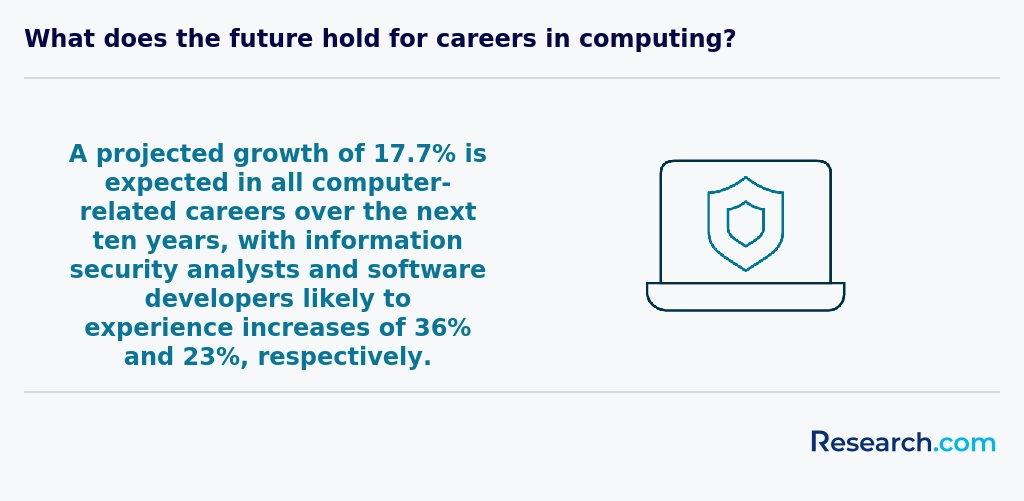
Emerging niches within the computer science field in the United States reflect rapid advancements in technology and industry demands. Areas like artificial intelligence (AI) and machine learning continue to grow, with the U.S. Bureau of Labor Statistics projecting a 22% increase in related job roles by 2031. Cybersecurity is another critical niche, driven by increasing digital threats; the demand for experts is expected to grow 35% over the next decade. Additionally, fields such as quantum computing and data science are gaining attention, particularly in research universities and tech companies. These niches offer promising career paths for students pursuing online computer science degrees in America.
After completing an online computer science degree in America, preparing for the job market involves developing both technical skills and professional experience. According to the U.S. Bureau of Labor Statistics, the employment of computer and information technology occupations is projected to grow 15% from 2021 to 2031, highlighting strong job prospects.
Graduates should focus on building a portfolio of projects that showcase programming languages like Python, Java, and C++. Internships or cooperative education programs, even virtual ones, provide practical experience and networking opportunities.
Additionally, obtaining industry-recognized certifications such as AWS Certified Solutions Architect or Certified Information Systems Security Professional (CISSP) can enhance employability. Joining professional organizations like the Association for Computing Machinery (ACM) also helps stay updated with industry trends.
Strong communication skills and participation in hackathons or coding competitions improve teamwork and problem-solving abilities essential for career growth.
Employers in the United States seek a blend of technical and soft skills in computer science graduates. Strong programming abilities, especially in languages like Python, Java, and C++, remain fundamental. According to the National Association of Colleges and Employers (NACE), 82% of employers emphasize problem-solving skills as critical.
Additionally, knowledge of data structures, algorithms, and software development lifecycle is highly valued. Familiarity with emerging fields such as artificial intelligence, cloud computing, and cybersecurity can set candidates apart. Communication skills and teamwork are increasingly important since many roles require collaboration across departments.
Experience with version control systems like Git and adaptability to new technologies also rank highly in employer surveys.
Finding internships in America related to computer science involves strategic planning and resourcefulness. Many universities offering online computer science degrees provide career services that list internship opportunities tailored to their students. Additionally, platforms like LinkedIn, Handshake, and Indeed often feature thousands of internships in tech fields nationwide.
The National Association of Colleges and Employers (NACE) reports that over 60% of computer science graduates in the US secure internships during their studies, which significantly boosts employability. Networking through virtual career fairs, coding competitions, and university clubs can also connect students with potential employers.
Moreover, students should target internships at tech companies located in hubs such as Silicon Valley, Seattle, and Boston, where demand for computer science skills is high.
Online computer science degrees in America significantly enhance career mobility and advancement opportunities. According to the U.S. Bureau of Labor Statistics, employment in computer and information technology occupations is projected to grow 15% from 2021 to 2031, much faster than the average for all occupations.
Graduates with online degrees benefit from an updated curriculum that aligns with current industry demands, increasing their competitiveness in the job market. Employers increasingly recognize accredited online programs, valuing skills over traditional classroom settings.
The flexibility of online degrees allows working professionals to gain advanced knowledge without interrupting their careers, often leading to promotions or transitions into specialized roles like cybersecurity or data science.
Studying for a computer science degree in America offers extensive preparation for interdisciplinary roles through a curriculum that integrates core technical skills with collaborative projects. Many programs emphasize problem-solving across fields such as healthcare, finance, and engineering. According to the National Center for Education Statistics (NCES), over 60% of computer science graduates engage in cross-disciplinary work within five years post-graduation. This trend reflects the demand for professionals who understand both technology and its application in diverse sectors. Online programs increasingly incorporate courses in data science, artificial intelligence, and software engineering alongside electives from other disciplines to build versatile expertise.
The US Department of Labor highlights that computer science roles often require melding computing knowledge with domain-specific insights, enhancing career flexibility. This interdisciplinary approach fosters skills like critical thinking, communication, and adaptability, which employers highly value. Additionally, with the growth of remote and hybrid work models, students gain real-world experience collaborating with diverse teams virtually, further preparing them for complex interdisciplinary environments.
When choosing between a thesis and a non-thesis online computer science degree in America, consider your career goals. Thesis programs emphasize original research and are ideal for students aiming at doctoral studies or research-intensive jobs. Non-thesis options focus on coursework and practical skills, fitting professionals seeking advancement in industry roles.
Thesis programs typically require 30-36 credit hours plus a research project, while non-thesis tracks often need 36-45 credit hours concentrated on applied topics. According to the National Center for Education Statistics, about 40% of U.S. computer science master's graduates complete a thesis, reflecting research trends nationally.
In-state tuition for online computer science programs varies, but selecting a track aligning with your goals ensures intellectual growth and future employability.
American students looking to study computer science abroad have several options that combine global learning with US accreditation. Many US institutions offer online joint or dual-degree programs in partnership with foreign universities, enabling students to earn credentials recognized both in the US and internationally.
Alternatively, students may enroll in fully online computer science programs based in foreign universities that accept US applicants. However, verifying accreditation and credit transfer policies is essential to ensure degree recognition in America.
According to the National Center for Education Statistics, about 22% of US graduate students considered studying abroad online in 2023, reflecting growing interest in such programs. These options enable exposure to diverse tech ecosystems while maintaining progress toward US-based degree requirements.
Part-time job opportunities in America that complement computer science degree education often involve roles in software development, IT support, and data analysis. Many students find internships or part-time positions as junior developers or quality assurance testers, gaining hands-on coding experience. According to the U.S. Bureau of Labor Statistics, employment in computer and information technology occupations is projected to grow 15% from 2021 to 2031, much faster than average, creating ample opportunities. Working as a freelance web developer or technical support specialist also helps students apply theoretical knowledge practically. These roles enhance resumes and build essential skills while studying.
Online computer science students in America have access to a variety of networking opportunities that can enhance their academic and professional careers. Many universities offer virtual career fairs and industry meetups that connect students with employers and alumni. According to the National Center for Education Statistics, about 30% of online students participate in these events annually.
Professional organizations like the Association for Computing Machinery (ACM) provide online forums, workshops, and regional conferences specifically geared toward computer science professionals. These platforms encourage collaboration and mentorship.
Additionally, students often join university-sponsored tech clubs and hackathons conducted remotely, fostering peer interaction and skill development.
Alumni networks play a crucial role for online computer science degree students in America by providing access to valuable professional connections. According to the National Association of Colleges and Employers (NACE), 85% of jobs are filled through networking, highlighting the importance of these relationships.
Online students can leverage alumni groups to find mentors, seek job referrals, and attend exclusive career events. Many universities maintain active online communities where graduates share industry insights and job openings specific to tech fields.
Participation in alumni networks also enhances career growth; the Computing Research Association notes alumni often contribute to collaborative projects, advancing innovation and skills development.
Customizing an online computer science degree in America allows students to align their studies with specific career goals. Many universities offer flexible curricula where you can choose electives in areas like artificial intelligence, cybersecurity, or software development. This helps tailor your education to industry demands.
Additionally, some programs provide opportunities for internships or research projects with companies, which enhance practical experience. According to the National Center for Education Statistics, approximately 75% of U.S. institutions with computer science programs offer specializations or concentration options online.
Advisors in online programs often assist in planning a course path that fits your professional objectives and prior experience.
Online computer science students in America often face challenges related to time management. Balancing coursework with work or family responsibilities can be difficult, especially since many students choose online programs for flexibility.
Another common issue is limited hands-on experience. Unlike on-campus programs, some online courses may not provide sufficient access to labs or real-time coding collaboration, which are crucial for skill development.
Technical difficulties also impact students, as stable internet and modern devices are essential for participating in virtual classes and submitting assignments.
Finally, a sense of isolation can affect motivation. According to the National Student Clearinghouse Research Center, nearly 20% of online students report feeling disconnected from peers and instructors, which may hinder their learning experience.
Graduates with an online computer science degree in America can pursue various professional certifications to enhance their career prospects. Popular options include the Certified Information Systems Security Professional (CISSP), widely recognized in cybersecurity. Another valuable credential is the Certified Software Development Professional (CSDP), suitable for experienced developers.
Many also consider certifications like CompTIA Security+ or Amazon Web Services (AWS) Certified Solutions Architect, reflecting industry demand for cloud computing and security skills. According to the Computing Technology Industry Association (CompTIA), IT certifications can increase salary potential by up to 20%.
Additionally, certifications from organizations like the Institute of Electrical and Electronics Engineers (IEEE) and the Association for Computing Machinery (ACM) can further validate expertise in specialized areas of computer science.
Writing a winning application for an online computer science program in America begins with a clear demonstration of your academic background and career goals. Applicants should highlight relevant coursework, such as mathematics and programming, which form the foundation of computer science studies. Many top programs look for a minimum GPA around 3.0, but competitive schools may require higher.
Strong letters of recommendation from professionals or professors in STEM fields can strengthen your profile. Highlighting any work experience or projects involving software development or data analysis is also valuable. According to the U.S. Bureau of Labor Statistics, computer science jobs are projected to grow 22% from 2020 to 2030, emphasizing the field's demand.
Writing a tailored personal statement that explains why you want an online degree and how it fits your career ambitions helps admissions committees understand your motivation. Additionally, some programs require GRE scores, though many have waived this due to the pandemic.
Finally, ensure your application is complete and submitted before deadlines, often between December and March for fall admission in U.S. institutions.
Computer science careers in America are valued globally for their strong impact on technology and innovation. The U.S. leads in computer science research and development, hosting many of the world's top universities and tech companies. According to the U.S. Bureau of Labor Statistics, employment for computer and information technology occupations is projected to grow 15% from 2021 to 2031, much faster than average.
Internationally, American degrees are highly respected, often considered a standard for quality education in this field. Graduates benefit from access to diverse job markets and competitive salaries. Research from the Computing Research Association highlights the U.S. as a hub for cutting-edge computer science advances, attracting global talent.
Online degrees from accredited American institutions also provide flexible, accessible pathways into this growing field. They often mirror the curriculum and rigor of on-campus programs, enhancing global appeal. Understanding these trends helps potential students appreciate the worldwide recognition and opportunities a U.S. computer science degree offers.
Gaining practical experience while studying for an online computer science degree in America is essential for career readiness. Many programs encourage internships or cooperative education placements, which provide real-world exposure and networking opportunities. According to the National Association of Colleges and Employers (NACE), over 60% of computer science students in the U.S. participate in internships before graduation.
Additionally, students can engage in virtual coding bootcamps, open-source projects, or freelance work to develop hands-on skills. Universities often offer labs and project-based assignments accessible online to simulate in-person experiences. Many online platforms also host hackathons and coding competitions, which help hone problem-solving abilities in practical contexts.
Choosing the right concentration within an online computer science degree in America requires understanding current industry demands and personal interests. Popular concentrations include artificial intelligence, cybersecurity, data science, and software engineering. According to the U.S. Bureau of Labor Statistics, cybersecurity jobs are expected to grow by 35% through 2031, making it a promising focus area.
Evaluate your career goals and desired skills to match them with the concentration's curriculum. Research each program's faculty expertise and resources to ensure quality education. Additionally, consider accreditation-ABET accreditation is a reliable quality indicator for computing programs in the U.S.
Top Trending Computer Science Rankings
See What Experts Have To Say About Studying Computer Science
Read our interview with Computer Science experts

Imed Bouchrika, Phd
Computer Science Expert
Professor of Computer Science
National Higher School of Artificial Intelligence

Martin Kang
Computer Science Expert
Assistant Professor
Loyola Marymount University

Elan Barenholtz
Computer Science Expert
Associate Professor
Florida Atlantic University

Kathleen M. Carley
Computer Science Expert
Professor of Computer Science
Carnegie Mellon University

References
- How to choose a bachelor's in computer science | edX https://www.edx.org/resources/how-to-choose-a-bachelors-in-computer-science
- Challenges That Frustrate Computer Science Teachers https://codeeasy.io/blog/challenges-that-frustrate-computer-science-teachers
- Earn an Online Computer Science Degree | OEDb.org https://www.oedb.org/rankings/online-computer-science-programs/
- Computer Science Programs: Cost, Types, What to Expect https://www.computerscience.org/degrees/
- Computer Science Cover Letter: How to Show You're a Top Tech Candidate https://arc.dev/talent-blog/computer-science-cover-letter/
- The Crucial Role of Networking for Computer Science Students https://dev.to/thisisaayush/the-crucial-role-of-networking-for-computer-science-students-4k2i
- Online Bachelor's Degree in Computer Science | CSU Global | Accredited https://csuglobal.edu/academic-programs/undergraduate-degrees/bachelors-degree-computer-science
- 9 strategic ways to get computer science work experience | Springpod https://www.springpod.com/blog/ways-to-get-computer-science-work-experience
- Computer Science Alumni Council https://www.myniu.com/article.html
- WHAT SETS COMPUTER SCIENCE EDUCATION IN U.S. SCHOOLS APART? https://snamarianapolis.edu.vn/what-sets-computer-science-education-in-u-s-schools-apart/