
2027 Best Data Science Degree Programs Ranking in New York

Co-Founder and Chief Data Scientist
Choosing the right data science degree program in New York can feel overwhelming. To help, the Research.com team of data scientists created the 2027 Best Data Science Degree Programs Ranking in New York. This guide highlights top programs to help you make an informed decision.
Data science is a fast-growing field with exciting career prospects. Earning a degree can open doors to rewarding job opportunities and personal growth.
By reading this article, you'll gain valuable insights to confidently select the program that fits your goals and aspirations.
Key benefits of getting data science degree in New York
- Data science graduates in New York can earn competitive salaries, with roles like Data Consultants making around $119,040 annually and Database Administrators earning about $104,810 per year.
- A graduate from a well-known New York university might explore diverse career paths such as Data Analyst, Marketing Analyst, or Data Visualization Specialist, each offering strong growth and job satisfaction.
- Completing a data science degree online from a reputable New York university offers flexibility and the ability to balance work and study, making it easier to gain skills without sacrificing current commitments.
- Key benefits of getting data science degree in New York
- What can I expect from data science degree in New York?
- Where can I work with data science degree in New York?
- How much can I make with data science degree in New York?
- 2027 Best Data Science Degree Programs Ranking in New York
- Key Findings
- How long does it take to complete data science degree in New York?
- What's the difference between online and on-campus data science degree?
- What is the average cost of data science degree in New York?
- What financial aid is available to data science degree students in New York?
- What are the prerequisites for enrolling in data science degree program in New York?
- What courses are typically in data science degree programs in New York?
- What types of specializations are available in data science degree programs in New York?
- How do you choose the best data science degree in New York?
- What career paths are available for data science degree students in New York?
- What is the job market for data science degree in New York?
- Related Data Science Rankings for Nearby States
- Top Trending Data Science Rankings
- See What Experts Have To Say About Studying Data Science
What can I expect from data science degree in New York?
Data science degrees in New York typically come with an average cost that ranges widely depending on the institution, with public universities offering more affordable tuition compared to private ones. Graduates from places like Columbia University or New York University often reflect on their investment as worth every dollar, citing immersive programs that blend theory with real-world projects.
Students experience hands-on coding with Python, R, and SQL, alongside opportunities to intern at leading finance or tech firms clustered in New York City. This practical exposure transforms classroom knowledge into career-ready skills. Many remember how collaborating on datasets tied to actual industry challenges boosted their confidence and excitement about the future.
The ability to customize coursework, whether focusing on public health data or business analytics, helps learners engage deeply with their passions. Despite the cost, the value lies in extensive networking events and access to cutting-edge research that open doors to high-paying roles, making the educational journey in New York both inspiring and rewarding.
Where can I work with data science degree in New York?
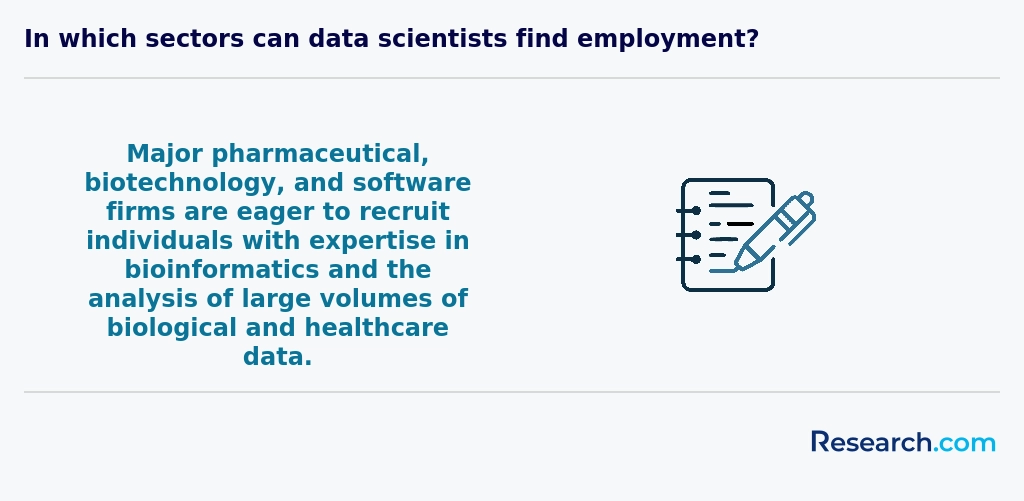
Graduates from data science programs at renowned New York institutions like Columbia University and New York University find themselves welcomed by a thriving job market full of exciting opportunities. Many step directly into vibrant roles within Wall Street's financial powerhouse firms, where they harness big data to predict market trends and shape investment strategies, fueling the economy's heartbeat.
Others embrace the rewarding challenge of healthcare analytics at major medical centers such as NewYork-Presbyterian, transforming patient care through data-driven insights. These careers allow graduates to make a tangible difference in people's lives every day, inspiring a strong sense of purpose and accomplishment.
New York's dynamic tech scene beckons many as well, with startups and giants alike seeking creative minds to propel advancements in AI, e-commerce, and digital media. Graduates often share how their passion for innovation is ignited by collaborating on cutting-edge projects in these bustling environments.
Public sector roles with NYC government and nonprofit organizations also attract graduates interested in impactful work, applying their skills toward urban planning and social initiatives that benefit millions. These career paths show the incredible versatility and fulfillment a data science degree from New York offers.
How much can I make with data science degree in New York?
Graduates of data science programs in New York often find themselves stepping into well-paying roles, reflecting the strong demand for their skills. For instance, many from esteemed institutions like Columbia University or New York University begin their careers as data analysts earning a mean annual wage of about $66,670. This solid start offers exciting opportunities to grow professionally and financially in vibrant urban centers like Manhattan.
As these graduates gain experience, they frequently transition into roles such as marketing analysts or database administrators. Marketing analysts in New York earn an average of $83,190 per year, enabling graduates to work closely with business teams to drive data-driven marketing strategies. Database administrators, averaging $104,810 annually, take charge of organizing and protecting valuable data assets, a highly sought-after expertise in New York's competitive job market.
More ambitious data science graduates often move into consulting or specialist positions where their advanced skills shine. Data consultants, with a mean wage of $119,040, provide strategic insights that directly impact major corporations. Graduates from New York universities celebrating these milestones often share enthusiasm about leveraging their degree in such rewarding roles, making the investment in a data science education truly worthwhile.
2027 Best Data Science Degree Programs Ranking in New York
How do we rank schools?
Investing in your education is a significant decision that can shape your future, and the Research.com team understands the importance of making informed choices. To support prospective students in New York, we have carefully developed the "2027 Best Data Science Degree Programs Ranking in New York." Our dedication to quality, credibility, and accuracy is demonstrated through rigorous research and analysis conducted to create this ranking.
We utilized the following reputable data sources to ensure a comprehensive evaluation of data science programs:
By exploring this ranking, readers will gain valuable insights into the best data science degree programs in New York, empowering them to make well-informed decisions about their educational futures. For a detailed understanding of our process, please visit our Research.com methodology page.




Key Findings
- Annual tuition for data science degrees in New York ranges from $10,000 to $20,000 at public universities for in-state students and can exceed $40,000 at private institutions.
- Additional costs like fees, books, and living expenses should be included when planning finances.
- Entry-level data science salaries in New York average around $80,000 per year, varying by employer and location.
- Experienced data scientists with 5-10 years of work experience earn between $120,000 and $150,000 annually.
- Employment for data scientists in New York is expected to grow faster than average over the next decade due to increasing use of big data and AI technologies.
- Many data science programs offer internships and partnerships with local businesses, providing practical experience and networking opportunities.
How long does it take to complete data science degree in New York?
Completing a data science degree in New York is an exciting journey that can fit a variety of timelines depending on your goals and commitments. Many students full of ambition choose a bachelor's degree, which typically takes about four years at well-known institutions like New York University or Columbia University. For those eager to enter the workforce sooner, some universities offer accelerated options, enabling completion in as little as three years, empowering students to start applying their skills more quickly.
Graduate students often find that a master's in data science takes around 1.5 to 2 years of full-time study. Imagine immersing yourself in advanced topics like machine learning and statistical analysis at schools such as Cornell Tech or CUNY, where graduates share stories of how these programs sharpened their professional edge. Part-time or online formats offer flexibility for those balancing work and life, spreading the learning over three years or more without sacrificing quality.
For those driven to make groundbreaking discoveries, doctoral programs take 4 to 6 years, with students diving deeply into research and innovation. Each step of this path is filled with rewarding challenges, preparing you to thrive in New York's dynamic data science community.
What's the difference between online and on-campus data science degree?
Online and on-campus data science degrees in New York each offer unique advantages tailored to your lifestyle and goals. Imagine a busy professional in Manhattan juggling work and family who thrives with the flexibility of an online program from a renowned university, enjoying recorded lectures and virtual labs at their own pace. This freedom allows deep focus on mastering data science skills without stepping away from daily commitments.
On the other hand, picture a graduate from a top New York campus feeling the energy in collaborative classrooms and bustling labs, alongside inspiring faculty and peers. The face-to-face experience fosters instant feedback, networking, and hands-on projects that can ignite creativity and boost confidence in complex problem-solving.
Both paths embody excellence and opportunity. Whether you choose the adaptable rhythm of online learning or the vibrant community of on-campus classes, New York's leading institutions empower you to step into a thriving data science career with skill and passion.
What is the average cost of data science degree in New York?
The average cost of earning a data science degree in New York is an important factor to consider for any driven student. On average, the total expenses for New York data science programs typically range around $84,786 for out-of-state students and $62,796 for in-state students. These figures reflect the combined tuition and additional costs, providing a clear financial picture for those pursuing this exciting field.
Graduates from renowned schools like New York University and Columbia University often highlight the value of their investment despite the higher tuition fees, which can reach over $56,000 annually at private institutions. Public universities such as the City University of New York (CUNY) offer more affordable options, with in-state tuition rates usually between $7,000 and $14,000 per year. Many students successfully balance these costs through financial aid, scholarships, and work programs, turning their challenging journey into an empowering story of achievement.
Living in New York City adds a dynamic layer to the experience, exposing students to endless career opportunities and vibrant innovation hubs, making every dollar spent a valuable step toward a fulfilling future. Understanding the average cost of data science degree in New York helps prospective students prepare financially and emotionally for this rewarding path.
Exploring the most useful college majors can inspire students to choose programs that align with their goals while managing expenses wisely.
What financial aid is available to data science degree students in New York?
Financial aid options for students pursuing data science degrees in New York are abundant and designed to make your educational journey more accessible. Imagine attending a school like NYU or SUNY and receiving significant federal grants after completing the FAFSA, such as the Pell Grant, which can provide up to $7,395 annually to help with tuition and living expenses.
Many graduates from CUNY campuses share how the New York State Tuition Assistance Program (TAP) eased their financial stress by granting up to $5,665 each year. If you're from a family with income under $125,000, the Excelsior Scholarship could even cover your full tuition at SUNY or CUNY schools, allowing you to focus fully on mastering data science.
Several STEM-focused merit scholarships boost the budgets of students who excel academically, rewarding your dedication and hard work. Working professionals often benefit from employer tuition reimbursements, turning career advancement into an achievable goal without large upfront costs.
Private scholarships from organizations like the Data Science Association can be the final piece that brings your dream within reach. Many students find strength in combining these opportunities, transforming the financial challenge into an inspiring path to success.
What are the prerequisites for enrolling in data science degree program in New York?
To begin your journey into data science in New York, strong foundations in math and programming open the door wide. Graduates from CUNY and other local institutions often recall how mastering algebra, calculus, and programming languages like Python or SQL made the early challenges exciting rather than daunting. These skills empower you to transform raw data into powerful insights.
For undergraduates, a high school diploma with solid grades in relevant subjects and sometimes standardized test scores set the stage. Graduate hopefuls coming from related fields such as engineering or statistics find their prior experience a great advantage. Even those switching fields discover that taking prerequisite courses in linear algebra or probability quickly builds confidence and readiness, boosting their chances of success.
Many students describe the application process-statement of purpose, recommendation letters, and sometimes GRE-as a chance to showcase their passion and unique story. The supportive environment at schools across New York nurtures this excitement, making every step feel like progress toward a rewarding future in data science.
What courses are typically in data science degree programs in New York?
Data science degrees in New York inspire students by combining vital courses that spark creativity and analytical thinking. Graduates from institutions like NYU and Columbia often recall diving into core subjects such as data mining and machine learning, where they built real predictive models that felt like unlocking secrets hidden in vast datasets. These practical experiences empower students to feel confident tackling complex problems, whether analyzing financial trends or improving healthcare outcomes.
Programming classes using Python, R, and SQL equip students with hands-on skills essential for today's data-driven world. Many recall their excitement mastering big data tools like Hadoop and Spark, especially knowing these technologies power New York's booming tech and finance sectors. Visualization courses teach how to transform raw data into compelling stories with tools like Tableau, making insights clear and impactful.
Ethics and privacy courses foster a strong sense of responsibility, encouraging students to become principled leaders in data science. The blend of technical prowess and business intelligence prepares graduates to thrive and lead in New York's dynamic industries.
What types of specializations are available in data science degree programs in New York?
Data science degrees in New York universities offer inspiring opportunities through diverse specializations, empowering students to tailor their education to their passions. Graduates often speak enthusiastically about focusing on machine learning and artificial intelligence (AI), where programmers develop smart algorithms to solve real-world problems in finance or healthcare, thriving in New York's bustling tech hubs. Exploring business analytics provides hands-on experience with local industries, enabling students to transform customer insights into strategic decisions at major corporations.
Many students discover their calling in big data engineering, mastering tools like Hadoop and Spark to manage vast financial or media datasets typical in New York's economy. Healthcare data science also attracts learners eager to impact public health and personalized medicine, by analyzing complex medical information across renowned city research centers. The vibrant atmosphere in these programs reflects top data science degree focus areas New York students embrace, combining strong academics with dynamic career prospects and a supportive community eager to innovate.
For those exploring options, New York's universities also offer specializations in fields like natural language processing and cybersecurity, nurturing skills aligned with the city's thriving industries. Practical educational paths like these make it easier to find the right fit-even when considering easy associate's degree programs as stepping stones toward advanced studies in this exciting field.
How do you choose the best data science degree in New York?
Choosing the best data science degree in New York means focusing on programs that blend rigorous curriculum with real-world application. Graduates from top institutions in the city often highlight exposure to hands-on projects in machine learning and data visualization as game changers for their careers. Imagine studying at a college known for its research ties, where you collaborate with innovative tech companies in Manhattan, gaining invaluable industry insights and networking. Flexible course options like part-time or online study help thousands balance their education with work, making programs accessible without compromising your lifestyle. Consider affordability too-researching affordable data science programs in New York lets you find options that fit your budget without sacrificing quality. Many students recommend exploring internships supported by local finance and healthcare firms, which NYC excels in, as these open doors to exciting job opportunities. If you want a smart start, check out a cheap online master that aligns with your goals and schedule.
What career paths are available for data science degree students in New York?
Graduates who pursue a data science degree in New York find themselves stepping into a world full of exciting possibilities. New York City's diverse economy means you can build a career as a data analyst or scientist in finance, healthcare, technology, or media, where your skills directly influence decisions that shape industries. Many graduates share how studying at prestigious institutions in the city gave them hands-on experience with real-world data challenges, fueling their confidence to thrive in roles like quantitative analysis on Wall Street or machine learning engineering in innovative tech startups.
These opportunities extend beyond traditional sectors. Healthcare data analysts in New York hospitals work on improving patient care using the latest data tools, while marketing analysts help major brands optimize campaigns through in-depth audience insights. As data science careers in New York grow, graduates from popular colleges appreciate how their degree opens doors to dynamic job opportunities with data science degree New York employers who value creativity and analytical talent. For those interested in flexible options, exploring top-ranked accredited online schools no fee to apply offers an accessible path to this thriving field.
What is the job market for data science degree in New York?
The data science job opportunities in New York are vibrant and expanding, making it an exceptional place for graduates from top universities like Columbia and NYU. Graduates often share how immersive projects and industry connections in these schools open doors to roles at leading financial firms and cutting-edge tech startups. The city's dynamic sectors such as finance, healthcare, and media eagerly seek data science skills, creating a rich landscape for careers in predictive modeling, analytics, and machine learning engineering.
Many students feel empowered knowing their education in New York leads to competitive salaries, often surpassing the national average, reflecting the high demand and value for their expertise. The energy of New York's professional scene blends perfectly with the skills they acquire, making job searches exciting rather than daunting. For those weighing options, exploring the best jobs for an introvert within this field can provide inspiring pathways tailored to different working styles.
The New York data science career outlook is especially promising due to continuous growth in key industries and the expansion of specialized programs and bootcamps. This ensures students not only gain theoretical knowledge but also practical, real-world experience, fostering confidence and readiness as they transition from campus to company.
Frequently Asked Questions About data science
Data science degree students in New York can enhance their learning by engaging both academically and professionally within the state's robust tech ecosystem. New York is home to numerous data-driven companies in finance, healthcare, and media, offering abundant internship opportunities that provide practical experience alongside classroom study.
Participation in local meetups, hackathons, and university-sponsored projects connects students to industry professionals and cutting-edge challenges. According to the New York State Department of Labor, the demand for data scientists in New York is predicted to grow by 15% through 2030, highlighting the importance of networking and skills application.
Students should also take advantage of research initiatives at institutions like Columbia and NYU, where collaboration with faculty and peers deepens understanding. Combining hands-on experience with coursework is key to maximizing success in data science programs in New York.
The field of data science is rapidly evolving, with several emerging niches gaining traction in New York's academic and professional communities. One important area is fairness and ethical AI, where specialists address bias and transparency in algorithms. This focus is growing alongside New York's tech initiatives encouraging responsible AI development, as highlighted by the New York State Science & Technology Law Center.
Another fast-developing niche is healthcare analytics. Given New York's large healthcare industry, data scientists are increasingly applying machine learning to improve patient outcomes and operational efficiency, supported by local institutions like NYU Langone Health.
Additionally, geospatial data analysis is rising due to New York's investment in smart city projects, using location-based data for urban planning and environmental monitoring. The demand for such expertise is expected to continue growing within the state's public and private sectors.
Graduates with a data science degree in New York should focus on building a strong portfolio that showcases practical skills such as data analysis, machine learning, and visualization. Employers often seek candidates familiar with Python, R, and SQL. Networking is crucial; attending local meetups or events hosted by organizations like New York Data Science Academy can open doors. Gaining internships or entry-level roles during study helps build relevant experience.
According to the Bureau of Labor Statistics, New York has one of the highest concentrations of data science jobs nationwide, with an expected 15% job growth through 2030. Leveraging the proximity to financial and tech hubs can improve job prospects significantly.
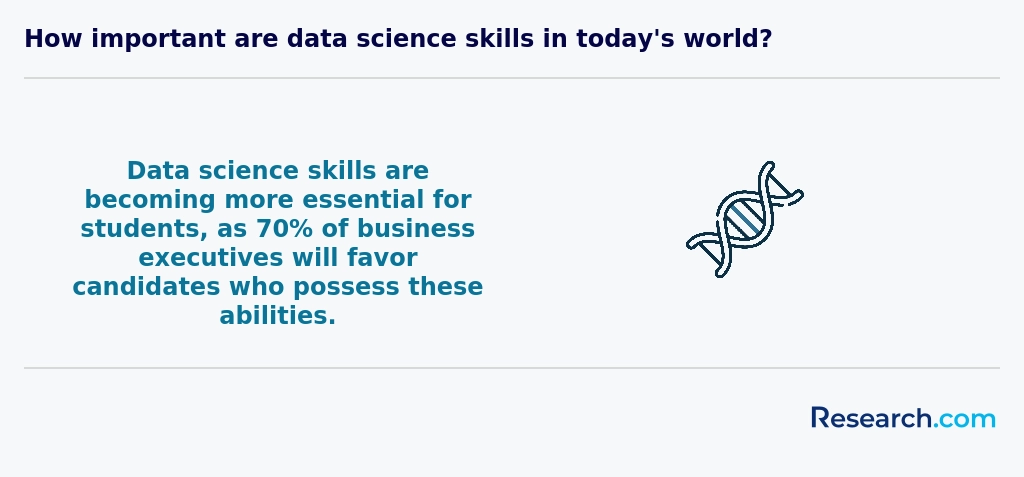
Employers in New York prioritize several key skills when hiring data science graduates. Strong proficiency in programming languages such as Python and R is essential, as these tools are widely used for data analysis and modeling. Additionally, expertise in SQL for database management is frequently requested. According to a 2023 report by the New York State Department of Labor, over 70% of data science job postings emphasize experience with machine learning and statistical analysis techniques.
Communication skills are also critical, as professionals must translate complex data insights into actionable business strategies. Familiarity with cloud platforms like AWS or Google Cloud is increasingly valued due to the rise in big data projects in New York's tech industry.
Finding internships in New York relevant to a data science degree involves targeted approaches. Many universities, including Columbia and NYU, offer strong career services with exclusive internship listings in local tech firms. According to the National Association of Colleges and Employers (NACE), about 60% of data science internships convert into full-time roles, highlighting their importance.
Networking through professional groups such as New York Data Science Academy and meetups helps connect students to opportunities. Additionally, online platforms like Handshake and LinkedIn feature region-specific listings for data science roles. Corporations in NYC, including finance and healthcare sectors, frequently seek data science interns due to the city's data-driven economy.
A data science degree significantly enhances career mobility and advancement opportunities in New York's competitive job market. According to the New York State Department of Labor, data science roles in the region have grown by over 30% in recent years, emphasizing demand for skilled professionals.
Graduates with a data science degree benefit from a wide array of industries, including finance, healthcare, and technology, with an average salary increase of 20-35% compared to related fields without specialized training, as reported by Glassdoor.
Many employers in New York prioritize candidates with formal education in data science due to the technical skills and analytical expertise required to manage big data effectively. Additionally, networking opportunities through local universities and professional groups further support career growth.
Studying for a data science degree in New York equips students with skills that cross traditional disciplinary boundaries, preparing them for diverse roles in technology, business, healthcare, and finance. New York's colleges often integrate statistics, computer science, and domain-specific knowledge, which mirrors real-world data challenges. According to the National Center for Education Statistics (NCES), New York ranks among the top states for data science graduates, reflecting strong industry demand. Many programs also emphasize collaborative projects and internships, giving students hands-on experience with interdisciplinary teams in New York's varied economic sectors.
When choosing between a thesis and a non-thesis data science degree program in New York, students should consider their career goals and time commitment. Thesis programs typically require conducting original research, which suits those aiming for roles in research or planning to pursue a PhD. Non-thesis options usually focus on coursework and practical skills, ideal for professionals seeking faster entry into the workforce.
According to the National Center for Education Statistics, New York hosts over 15 accredited institutions offering data science degrees, with varying formats. The choice impacts your learning style, networking opportunities, and time to completion.
Consider if you prefer hands-on projects or theoretical research, and review each program's curriculum carefully. Industry demands in New York emphasize applied skills, but research experience can differentiate candidates for some employers.
Students based in New York aiming to study data science abroad have several pathways through US higher education partnerships and exchange programs. Many New York universities, including Columbia and NYU, offer study-abroad opportunities with top European and Asian institutions specializing in data science. These programs often allow credits to transfer, facilitating degree progress while gaining global insights.
Additionally, New York residents can explore international data science degrees recognized by US accreditation bodies, often pursued via online or hybrid formats. According to the Institute of International Education, over 5,000 New York students studied abroad in STEM fields in 2022, reflecting growing interest.
Such options provide exposure to diverse data science methodologies and global job markets without severing ties to New York's robust tech ecosystem.
New York offers diverse part-time job opportunities that complement data science degree education by providing practical experience and skill development. Many students find roles as data analysts or research assistants at financial firms, which account for over 34% of the city's data science jobs, according to the New York Tech Talent Report 2023. These positions enhance skills in data cleaning, visualization, and statistical analysis.
Internships or part-time roles in healthcare institutions provide exposure to big data applications in patient care and medical research. Additionally, startups often seek part-time data science interns for projects involving machine learning.
Freelance roles on platforms focusing on data projects also enable students to build portfolios while studying.
New York offers numerous networking opportunities for data science students through its strong academic and professional communities. Universities like Columbia and NYU regularly host career fairs and industry panels, connecting students with local tech companies and startups. According to the New York City Economic Development Corporation, over 180,000 tech jobs existed in the city in 2023, indicating a vibrant market for networking.
Students can join data science clubs, hackathons, and meetups such as those organized by NYC Data Science Academy. These events allow hands-on collaboration and direct interaction with professionals. Additionally, New York hosts conferences like Strata Data & AI, attracting experts worldwide, which greatly benefits aspiring data scientists.
Alumni networks play a significant role in supporting data science degree students in New York. Graduates from local universities often maintain strong connections, which help current students access job opportunities in the city's competitive tech market. According to the National Association of Colleges and Employers (NACE), over 70% of jobs are found through networking, emphasizing the importance of alumni in career placements.
These networks offer mentorship programs, enabling students to gain insights from experienced professionals working in New York's financial, healthcare, and technology sectors. Additionally, alumni events and workshops create spaces for skill-building and professional growth.
Such engagement often leads to internships and collaborative projects with top employers, enhancing students' practical experience and employability.
Customizing a data science degree program in New York allows students to align their education with specific career goals. Many universities offer electives and concentrations in areas like machine learning, artificial intelligence, or business analytics. Choosing courses based on industry demand-such as finance, healthcare, or technology-can enhance job prospects.
Internships and cooperative education programs within New York's tech hubs provide valuable real-world experience. Schools often partner with local companies, enabling students to build professional networks. According to the New York State Department of Labor, data science roles are growing 22% annually in the region, especially in NYC's financial sector.
Additionally, some programs offer flexible scheduling or part-time options, which benefits working professionals focusing on career transitions. Leveraging certificate programs or dual degrees in data science and related fields like statistics or computer science can further customize education to meet evolving industry needs.
Data science students in New York often face several typical challenges due to the program's demanding nature and the city's unique academic environment. One significant hurdle is the high cost of living, which can affect students' financial stability while attending school. According to the New York State Higher Education Services Corporation, median college expenses combined with rent in NYC are among the highest in the U.S.
Another challenge is balancing coursework with internships or job opportunities. New York's competitive market requires students to gain practical experience, but managing time between intense data science classes and professional roles can be difficult. Additionally, students struggle with the steep learning curve in acquiring advanced programming, statistics, and machine learning skills simultaneously.
Access to resources can also vary widely among institutions, impacting students' ability to engage in cutting-edge research or projects. The fast-evolving nature of data science demands continuous adaptation, adding pressure on students to keep up with new tools and methodologies outside classroom hours.
With a data science degree in New York, graduates can pursue several professional certifications to enhance their credentials. Popular options include the Certified Data Scientist (CDS) and the Certified Analytics Professional (CAP), which validate skills in data analysis, machine learning, and data management. The New York State Department of Labor highlights a growing demand for certified data professionals, reflecting the region's expanding tech industry.
Additionally, certifications like Google's Professional Data Engineer and Microsoft Certified: Azure Data Scientist Associate are recognized nationwide and valued by employers. These credentials can boost career prospects in New York's competitive market, where data science roles are expected to grow by 15% through 2030, according to the U.S. Bureau of Labor Statistics.
To write a winning application for a data science program in New York, start by highlighting your quantitative skills and relevant experience clearly. Emphasize coursework in statistics, computer science, or mathematics, as programs often expect solid analytical foundations.
Next, tailor your personal statement to address New York's data-driven industries such as finance, healthcare, and technology hubs. Show how your goals align with the city's dynamic data science landscape. According to the New York State Department of Labor, data science roles in NYC have grown by over 20% annually, reflecting strong demand.
Include relevant projects or internships demonstrating proficiency with tools like Python, R, and SQL. Strong letters of recommendation from professionals familiar with your technical abilities also enhance your application. Lastly, ensure your application is error-free and submitted before deadlines, which vary by institution but typically fall between December and March.
Data science is a rapidly growing field worldwide, with increasing demand for skilled professionals across industries. In the United States, and specifically New York, it is seen as a key driver for innovation, business strategy, and technology development. According to the U.S. Bureau of Labor Statistics, employment for data scientists is projected to grow 36% from 2021 to 2031, much faster than the average for all occupations.
New York City is a global hub for finance, healthcare, and media, all sectors heavily investing in data science talent. The city hosts numerous multinational corporations and startups, making it a competitive and dynamic job market for graduates. Educational institutions in New York often align their curricula with industry needs to prepare students for global challenges.
Global perspectives highlight the importance of interdisciplinary skills and cultural understanding in data science careers. Employers increasingly value professionals who can apply data science techniques within varied contexts, including international markets.
Students pursuing data science degrees in New York can gain practical experience through internships offered by numerous tech firms, financial institutions, and healthcare companies in the state. The New York State Department of Labor reports a steady increase in data science internships, reflecting strong industry demand. Many universities partner with local businesses to provide hands-on projects, enabling students to apply classroom knowledge. Additionally, participating in data competitions and hackathons hosted by organizations like NYC Data Science Academy helps build real-world skills. Networking events and research assistant roles at campuses further enhance practical learning, preparing students for the competitive job market in New York.
Choosing the right concentration within a data science degree in New York depends on your career goals and interests. Popular concentrations include machine learning, big data analytics, and business intelligence. New York's diverse industries, such as finance, healthcare, and technology, influence specialization opportunities.
According to the New York State Department of Labor, data analysts and scientists in the state earn median salaries ranging from $85,000 to $120,000 annually, with demand growing 16% through 2030. This growth supports a variety of specializations.
Consider programs that offer internships or partnerships with local companies for practical experience, which is crucial in a competitive job market.
Related Data Science Rankings for Nearby States
- 2027 Best Data Science Degree Programs Ranking in Pennsylvania
- 2027 Best Data Science Degree Programs Ranking in Massachusetts
- 2027 Best Data Science Degree Programs Ranking in Ohio
- 2027 Best Data Science Degree Programs Ranking in Michigan
- 2027 Best Data Science Degree Programs Ranking in Florida
- 2027 Best Data Science Degree Programs Ranking in Missouri
- 2027 Best Data Science Degree Programs Ranking in Wisconsin
- 2027 Best Data Science Degree Programs Ranking in Minnesota
- 2027 Best Data Science Degree Programs Ranking in Texas
- 2027 Best Data Science Degree Programs Ranking in Arizona
Top Trending Data Science Rankings
See What Experts Have To Say About Studying Data Science
Read our interview with Data Science experts

References
- Guide to writing your cover letter (Data Science) https://en.itu.dk/programmes/msc-programmes/~/media/31FAE81C06A14E3E8EA8FFA52CD8B54D.ashx
- Data Science Courses | NYC Data Science Academy https://nycdatascience.com/courses/
- Pros and Cons of Online Data Science Degree https://pwskills.com/blog/data-science/online-data-science-degree
- Alumni Network Matching Powered by Machine Learning and Human Insights | Joinee Articles https://www.joinee.io/articles/alumni-network-matching
- An Ultimate Guide to Data Science Career Path 2026 | DASCA https://www.dasca.org/data-science-certifications/data-science-career-guide
- Master’s in Data Science Programs in New York https://www.mastersindatascience.org/schools/new-york/
- Uncovering Data Science: Skills, Careers and Education https://www.databricks.com/blog/uncovering-data-science-skills-careers-and-education
- Search our Job Opportunities at Capital One https://www.capitalonecareers.com/employment/new-york-new-york-united-states-data-science-jobs/234/24980/6252001-5128638-5128581/4
- New York Data Science Degree Programs https://www.datascienceprograms.org/in/new-york
- How Can an Aspiring Data Scientist Find and Work on Real-World Projects? https://www.datagrads.com/how-can-an-aspiring-data-scientist-find-and-work-on-real-world-projects/


