
2027 Most Affordable Data Science Degree Programs Ranking in New York

Co-Founder and Chief Data Scientist
Exploring data science degree options in New York can feel overwhelming, especially when considering cost and quality. This article introduces the 2027 Most Affordable Data Science Degree Programs Ranking in New York, created by the Research.com team of data scientists to guide you in making a well-informed decision.
Finding an affordable program that aligns with your goals can open doors to exciting career opportunities. Reading this article will help you identify programs that offer great value without compromising education quality, making your journey into data science both achievable and rewarding.
Key benefits of getting data science degree in New York
- Salary for data science degree graduates: Graduates can expect strong earning potential, with roles like Data Consultant offering a mean annual wage of $119,040 and Marketing Analyst positions averaging $83,190 in New York.
- Career paths: A typical data science graduate from a well-known New York university may pursue varied roles such as Database Administrator or Data Visualization Specialist, enjoying diverse opportunities in technology, business, and finance sectors.
- Benefits of an online degree: Completing a data science degree online in New York provides flexible scheduling and access to high-quality courses, helping graduates balance work and study while gaining competitive skills for the job market.
- Key benefits of getting data science degree in New York
- What can I expect from data science degree in New York?
- Where can I work with data science degree in New York?
- How much can I make with data science degree in New York?
- 2027 Most Affordable Data Science Degree Programs Ranking in New York
- Key Findings
- How long does it take to complete data science degree in New York?
- What's the difference between online and on-campus data science degree?
- What is the average cost of data science degree in New York?
- What financial aid is available to data science degree students in New York?
- What are the prerequisites for enrolling in data science degree program in New York?
- What courses are typically in data science degree programs in New York?
- What types of specializations are available in data science degree programs in New York?
- How do you choose the best data science degree in New York?
- What career paths are available for data science degree students in New York?
- What is the job market for data science degree in New York?
- Related Data Science Rankings for Nearby States
- Top Trending Data Science Rankings
- See What Experts Have To Say About Studying Data Science
What can I expect from data science degree in New York?
Choosing to study data science in New York means confronting the reality of tuition costs that vary dramatically depending on the institution. Graduates from public colleges like CUNY often recall balancing their ambitions with more manageable tuition fees, typically between $7,000 and $10,000 per year for in-state students. This affordability allowed them to focus more on mastering skills such as machine learning and big data analytics without overwhelming debt. Conversely, students from private universities report a markedly different financial experience, facing tuition that can rise above $50,000 annually. Yet, many find this investment justified by the access to advanced research facilities and personalized mentorship they receive, which fuels their excitement and confidence when launching their careers.
In both settings, students treasure the practical exposure gained through internships and capstone projects that closely mirror New York's dynamic industries. The balance between cost and opportunity prompts thoughtful reflection on how one values education-not merely as an expense, but as a transformative journey toward becoming a data-savvy professional in an increasingly competitive job market.
Where can I work with data science degree in New York?
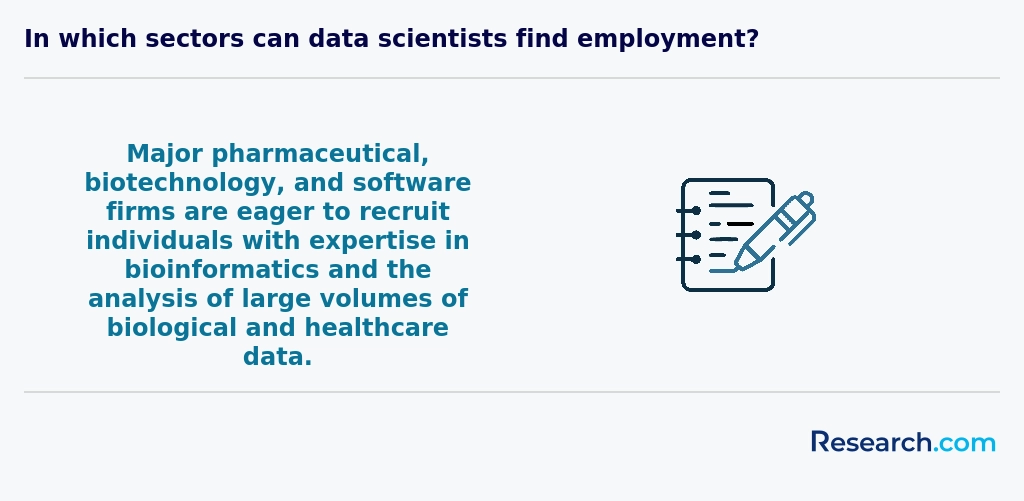
Graduates from data science programs at institutions like NYU and Columbia often find themselves at the heart of a dynamic job market in New York. Far from the outdated notion that data science is limited to tech startups, these alumni land roles in thriving financial powerhouses such as JPMorgan Chase and Goldman Sachs, where their work shapes risk management strategies and algorithmic trading models. Imagine analyzing complex datasets that influence billion-dollar decisions daily-this is the reality for many.
Others explore unexpected yet rewarding paths in healthcare, collaborating with research centers to develop predictive models that improve patient outcomes. The connection between classroom knowledge and real-world impact quickly becomes undeniable here, as graduates witness data's power in saving lives and advancing clinical trials.
Similarly, media companies and retail giants like Macy's harness data scientists to decode customer preferences, optimizing shopping experiences in ways students might never have imagined. This breadth of opportunities challenges the simplistic view of data science as just coding, offering a career filled with purpose and pioneering innovation right in New York's diverse economic landscape.
How much can I make with data science degree in New York?
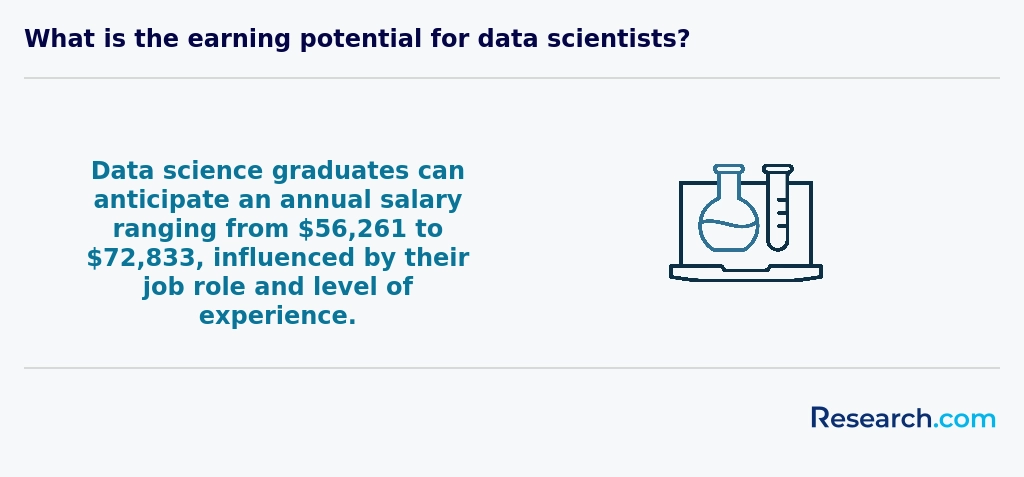
Graduates from programs at institutions like NYU or Columbia often find their data science degrees translate into compelling salary opportunities. For example, a data consultant role in New York commands a mean annual wage of around $119,040, significantly above many other career paths. Meanwhile, database administrators earn a solid mean salary near $104,810, reflecting the vital role of managing complex information systems in the city's competitive market.
Entry-level data analysts see average earnings around $66,670 nationally, but in New York, the combination of booming tech hubs and finance sectors pushes starting salaries higher, often surpassing $85,000. This aligns with stories from recent graduates who secured positions at startups or major financial firms, feeling both excited and rewarded by their earnings as they apply classroom theory to real-world data challenges.
Additionally, those with skills in data visualization can expect annual incomes near $64,700, equipping them to turn raw data into actionable insights for businesses. The strong demand across industries means these salaries may grow rapidly as experience accumulates-reminding students that investing in a data science degree locally is more than a tuition expense, it's a pathway to financial progress and professional fulfillment.
2027 Most Affordable Data Science Degree Programs Ranking in New York
How do we rank schools?
Investing in your education is a significant decision that can shape your future, and the Research.com team understands the importance of making informed choices. To assist prospective students in New York, we have carefully developed the "2027 Most Affordable Data Science Degree Programs Ranking in New York." Our commitment to quality, credibility, and accuracy is demonstrated by the thorough research and analysis behind this ranking.
We utilized the following reputable data sources to ensure a comprehensive evaluation of data science programs:
By exploring this ranking, readers will gain valuable insights into the most affordable and credible data science degree options in New York, empowering them to make well-informed decisions about their educational investments. For more details on our methodology, please visit our Research.com methodology page.




Key Findings
- Tuition for data science programs in New York ranges from $10,000 to $20,000 per year for in-state students at public universities and can exceed $50,000 annually at private universities.
- Data science degrees in New York combine computer science, statistics, and mathematics to prepare students for roles in data analysis, machine learning, and data engineering.
- The median starting salary for data science graduates in New York is about $85,000 per year, higher than the national average.
- Experienced data scientists in New York can earn between $130,000 and $150,000 annually after five to ten years in the field.
- New York City offers the highest concentration of data science jobs, especially in finance, healthcare, technology, and media sectors.
- Internships and cooperative education programs are common, helping students gain practical experience and improve job readiness.
How long does it take to complete data science degree in New York?
Completing a data science degree in New York is rarely a one-size-fits-all experience. For undergraduates at institutions like NYU or Columbia, the standard four-year timeline often feels both familiar and challenging, as students juggle rigorous coursework with vibrant city life. Graduates frequently share how the immersive campus experience deepened their passion for data, even as the timeline tested their endurance.
Master's programs, such as those at Cornell Tech, demonstrate surprising flexibility. Some full-time students accelerate their studies, wrapping up in just one year, while others take up to three years part-time, balancing jobs and family. These varied paths highlight how life outside the classroom fundamentally shapes the pace of earning a degree.
Doctoral candidates in New York's competitive research environment face timelines stretching from four to six years. The emotional highs of breakthrough research moments often propel them forward, despite the lengthy commitment. Thus, completion times embody not just academic requirements but the student's personal journey and ambitions within the state's unique educational ecosystems.
What's the difference between online and on-campus data science degree?
Choosing between online and on-campus data science degrees in New York often surprises students when they realize the experiences differ beyond convenience. Graduates from Columbia University describe the energy of attending face-to-face lectures and collaborating in labs as irreplaceable-these moments spark creativity and immediate problem-solving that shape their technical confidence.
Meanwhile, online graduates from institutions like New York University highlight the freedom to navigate coursework around demanding jobs or family life. They embrace the self-discipline needed to master machine learning modules at midnight or between meetings, valuing the flexibility without losing academic rigor.
On-campus students benefit from direct access to local tech hubs in Manhattan and Brooklyn, where networking events ignite career opportunities. Online students may miss spontaneous hallway discussions but gain diverse perspectives by connecting with peers nationwide.
Cost-wise, public universities in New York offer on-campus tuition around $10,000 to $15,000 annually, while private schools can top $30,000. Online programs often reduce financial strain, letting students invest in certification or advanced tools.
This difference between immersive engagement and adaptable schedules challenges the idea that one path fits all data science aspirants in New York.
What is the average cost of data science degree in New York?
The average cost of a data science degree in New York is often a surprise to many prospective students. While public universities offer a more affordable option with median in-state total costs around $62,796, private institutions can nearly double that figure. Graduates from Columbia University and New York University frequently reflect on the significant financial commitment they made, with tuition often approaching $85,000 or more. Yet, these alumni express a strong sense of pride and achievement, knowing their investment aligns with premium education and high-caliber networks.
New York's diverse academic landscape means students can choose pathways that fit varying budgets. For instance, the City University of New York (CUNY) stands out as a beacon for those seeking affordable data science programs New York tuition fees, offering degrees nearer to $10,000-$15,000. Graduates from CUNY share stories of accessing quality education while managing costs - a balance critical in a city known for its high living expenses.
Many students navigating these costs often find creative solutions through scholarships, assistantships, and part-time studies. Some even explore the quickest online degrees for working adults to accelerate their journey without the traditional financial strain. In this way, the average cost becomes more than just a number; it represents a calculated investment in a rewarding career in data science, shaped by personal choices and institutional opportunities.
What financial aid is available to data science degree students in New York?
Financial aid for data science degrees in New York often surprises students who anticipate only hefty tuition fees. Many graduate students at top schools like Columbia or NYU tap into federal loans such as Direct Unsubsidized Loans and Grad PLUS Loans, which provide necessary breathing room with fixed interest rates and flexible repayment. It's a relief for many, easing the pressure of funding a costly education that can surpass $60,000 per year.
Scholarships specifically aimed at data science students further transform possibilities. Graduates recall how awards from groups like the Data Science Society made an immediate impact, sometimes covering up to $10,000 annually. These targeted funds are more than just money; they represent recognition of potential in a competitive STEM field.
Teaching and research assistantships present another lifeline. At City College or NYU, students juggle coursework and assistant roles, acquiring real-world experience while their tuition bills dwindle thanks to waivers or stipends. This hands-on approach reshapes financial strain into professional growth.
Even employer tuition reimbursement changes the game for working professionals studying part-time. It's empowering to see companies investing in career advancement, making data science degrees in New York more accessible beyond traditional financial aid avenues.
What are the prerequisites for enrolling in data science degree program in New York?
Enrolling in a data science degree in New York demands more than just a high school diploma or GED; it calls for a meaningful foundation in mathematics and science. Graduates from institutions like NYU and Columbia often recall how early mastery of algebra, calculus, and statistics made daunting coursework manageable, turning initial anxiety into excitement for problem-solving.
For graduate hopefuls, the expectation sharpens: a bachelor's in a related field or completion of key prerequisites-programming, statistics, linear algebra-becomes essential. Many alumni describe how bridging gaps before starting their program transformed overwhelming course materials into achievable challenges.
Standardized tests linger but evolve-some undergraduate programs waive SAT/ACT requirements, while GREs remain part of the equation for elite graduate tracks. Letters of recommendation and personal statements emerge not as bureaucratic hurdles, but as windows into passion and perseverance, often tipping admissions in favor of determined candidates.
Technical skills, particularly Python or R, become tangible tools when students freshly step into classrooms at CUNY or Cornell Tech, turning abstract data into insightful stories. These prerequisites shape more than eligibility; they ignite confidence to thrive in New York's competitive data science landscape.
What courses are typically in data science degree programs in New York?
In New York, data science degrees challenge students to move beyond memorization toward true mastery by immersing them in courses like Introduction to Data Science and Programming for Data Science, where Python or R aren't just languages but tools to decode real-world puzzles. Graduates from institutions such as Columbia or NYU often reflect on how Machine Learning classes transformed their perspective, allowing them to create models predicting everything from stock market trends to healthcare outcomes.
Courses in Statistics and Probability aren't dry theories but essential frameworks that grads recall vividly when assessing risk in finance sectors centered in New York's bustling business districts.
Similarly, Data Mining and Big Data Analytics classes leverage platforms like Hadoop, matching the scale of New York's vast, complex datasets. Database Systems teach them to seamlessly manage information through SQL and NoSQL, a skill praised by alumni working in dynamic tech startups across the city.
Data Visualization brings numbers to life, enabling students to tell compelling stories, whether analyzing urban traffic patterns or consumer behavior. Hands-on Capstone projects cement these skills, providing experiences graduates describe as both challenging and exhilarating, perfectly suited to New York's fast-paced environment.
What types of specializations are available in data science degree programs in New York?
Exploring data science degree specializations New York offers reveals distinct paths that challenge the one-size-fits-all perception of this field. Graduates from well-known institutions in the city often highlight how Machine Learning and Artificial Intelligence tracks have propelled them into cutting-edge roles, crafting predictive algorithms that drive dynamic industries like finance and tech startups. These students emphasize the thrill of manipulating data to create impactful solutions in a city that never stops innovating.
New York data science concentration options also include Business Analytics, where students merge analytical skills with business acumen. Graduates recall applying classroom theories to Wall Street firms or retail giants, where understanding market trends means navigating complexity with confidence and strategic insight.
Big Data Engineering attracts those eager to wrestle massive datasets across distributed systems, essential in bustling sectors like telecommunications and media. This specialization's practical focus helps graduates feel empowered, ready for the scale and pace uniquely found in New York.
Special attention to Healthcare Data Science reflects the city's urgent health challenges. Students fascinated by improving patient outcomes engage with real-world medical data, creating solutions that resonate deeply beyond academia.
Many also pursue electives like Natural Language Processing or Computer Vision, expanding their skills into media and communications industries emblematic of the city's diversity. For those curious about affordable pathways, understanding what is the easiest certification to get that pay well is crucial in balancing ambitions with finances.
How do you choose the best data science degree in New York?
Choosing the best data science degree in New York means looking beyond surface-level rankings and asking how well a program equips you for the city's fierce job market. Graduates from schools like CUNY often emphasize the value of hands-on projects and internships that directly connect them to local tech companies. These real-world experiences, combined with mastery in Python or R, can turn theoretical knowledge into meaningful skills that hiring managers seek.
Cost frequently deters many, but the best affordable data science degrees New York offers balance quality with accessibility. Public universities provide solid foundations without the hefty price tags of private institutions, making financial aid or part-time options a strategic choice for working students. Graduates recall how selecting programs that accommodated evening classes or online modules kept their careers on track while earning their degree.
Finally, reputation and career support in New York's competitive landscape cannot be overlooked. Students at NYU report incredible networking opportunities, while others find that programs with strong employer ties create pipelines to jobs. For those seeking flexibility without sacrificing credibility, exploring a quick online masters degree might be the perfect solution to stay agile in a fast-evolving field.
Focusing on these nuanced factors challenges the conventional wisdom that brand alone dictates value and encourages reflection on what truly matters for success in data science.
What career paths are available for data science degree students in New York?
Graduates with a data science degree in New York face a dynamic spectrum of career paths that defy the traditional job market expectations. Rather than being confined to a single role, many embrace positions like data analyst, data engineer, machine learning engineer, or business intelligence analyst. For instance, graduates from prestigious programs at Columbia University or New York University have shared vivid experiences of navigating Wall Street's fast-paced finance sector, where they apply predictive algorithms to enhance investment decisions. This real-world engagement showcases the tangible impact of their education on high-stakes environments, fueling a sense of purpose and excitement.
When considering New York data science degree job prospects, it's eye-opening to realize how the city's unique ecosystem shapes opportunities in emerging sectors such as fintech and healthcare analytics. The interplay between academic training and New York's bustling industries encourages graduates to redefine career boundaries, crafting roles tailored to their skills and passions. For those concerned about the financial investment, exploring an affordable online college might provide a pathway to enter this vibrant field without excessive tuition burdens.
What is the job market for data science degree in New York?
The data science job opportunities in New York offer more than just numbers on a salary scale-they reflect a dynamic ecosystem where graduates from prominent universities and colleges regularly propel their careers forward. Many New York graduates share stories of landing internships at leading financial firms in Manhattan, where their skills in Python and SQL turn complex data sets into predictive insights. These real-world experiences are instrumental in cutting through the competitive landscape, making the city's steep living costs feel justified by the rewarding professional trajectories they unlock.
New York data science career outlook thrives on the state's unique blend of industries-from innovative healthcare startups to bustling media companies-demanding graduates who bring both technical expertise and business acumen. Students often find that engaging with internships through their university's strong industry partnerships provides a crucial edge. For those weighing the investment, exploring the top online colleges with national accredited status can also offer flexible, cost-effective pathways without sacrificing this competitive advantage.
Frequently Asked Questions About data science
Data science students in New York can maximize their learning by combining strong academic study with practical experience. Many universities offer access to internships in New York's vibrant tech and finance sectors, providing valuable real-world applications. According to the New York State Department of Labor, data science roles in the state are expected to grow by over 15% by 2030, highlighting ample employment opportunities.
Students should engage actively in university research projects and join data science clubs or organizations to strengthen their skill sets. Utilizing resources like the NYC Data Science Academy's workshops and networking events can also enhance learning and professional connections.
The data science field is evolving rapidly, with several emerging niches gaining importance in New York's academic and professional landscape. One key area is healthcare analytics, driven by New York's strong medical research institutions. This niche combines data science with public health to improve patient outcomes.
Another growing specialty is financial data analytics, reflecting New York's status as a global financial center. Data scientists here work on risk modeling and fraud detection using large datasets. According to the New York State Department of Labor, demand for data analysts in finance is expected to grow by 20% through 2028.
Additionally, natural language processing and AI ethics are gaining traction, addressing data interpretation and fairness in algorithms. These areas offer exciting opportunities for students pursuing data science degrees in New York.
After earning a data science degree in New York, preparing for the job market involves focused skill development and networking. According to the New York State Department of Labor, the metro area is one of the fastest-growing hubs for data science roles, with a median salary around $110,000. Graduates should build experience by pursuing internships or projects that showcase abilities in Python, R, and machine learning frameworks.
Networking is vital given NYC's competitive market. Joining local chapters of professional groups like the Data Science Society or attending meetups can connect students with hiring managers. Additionally, mastering tools such as SQL and cloud platforms like AWS improves employability. Certifications from recognized bodies can also enhance a resume.
Utilizing university career services and job fairs focused on tech and analytics will increase chances to secure suitable positions. Continuous learning through online courses is recommended to stay updated on evolving industry trends.
Employers in New York seek data science graduates with strong programming skills, especially in Python and R. According to the New York State Department of Labor, proficiency in machine learning and statistical analysis is highly valued due to the region's emphasis on finance, healthcare, and technology sectors.
Communication skills are also critical. Data scientists must translate complex data into actionable insights for diverse teams. A 2023 LinkedIn report highlights that 68% of New York employers prioritize candidates who can collaborate effectively.
Additional sought-after skills include familiarity with big data tools like Hadoop and Spark, SQL databases, and cloud platforms such as AWS. Analytical thinking and problem-solving capabilities remain fundamental in this competitive market.
Finding internships in New York relevant to a data science degree involves strategic research and networking. Many universities in New York, including Columbia and NYU, maintain strong connections with local tech companies and offer exclusive internship listings for their students. The New York State Department of Labor highlights that data science and analytics roles are among the fastest-growing internships, with over 1,500 openings reported annually.
Online platforms like Handshake and LinkedIn provide access to numerous internship postings specifically in New York City's financial, healthcare, and tech sectors. Additionally, joining industry groups such as the New York Data Science Academy or attending meetups can increase exposure to hidden opportunities.
Obtaining a data science degree in New York significantly enhances career mobility and advancement opportunities. New York's diverse economy, which includes finance, healthcare, and technology sectors, creates strong demand for data science professionals. According to the U.S. Bureau of Labor Statistics, the metropolitan New York area expects a 15% growth in data-related jobs through 2030, outpacing national averages.
Employers in New York often prefer candidates with formal data science education, as it demonstrates mastery of essential skills like machine learning, statistics, and programming. Graduates are frequently better positioned for roles in analytics, business intelligence, and artificial intelligence development.
Additionally, attending a New York-based institution facilitates networking with local industries and internships, which further supports career advancement and salary growth in this competitive job market.
Studying for a data science degree in New York offers a strong foundation for interdisciplinary roles by integrating coursework across computer science, statistics, and domain-specific applications. Many programs emphasize collaboration between fields such as healthcare, finance, and urban planning, reflecting New York's diverse economy. According to the New York State Education Department, universities encourage internships and project-based learning with local industries, providing real-world experience.
Additionally, New York's proximity to major research institutions and tech hubs allows students to engage with professionals from various disciplines. This experiential learning enhances critical thinking and communication skills essential for interdisciplinary teamwork.
When choosing between a thesis and a non-thesis data science degree program in New York, consider your career goals carefully. Thesis programs focus on research, requiring a significant project that can prepare you for roles in academia or advanced research positions. Non-thesis options typically emphasize practical skills and coursework, appealing to students aiming to enter industry quickly.
New York hosts many universities offering these formats, with varying tuition costs. According to the National Center for Education Statistics, thesis programs often demand more credit hours, potentially extending study time and expenses. Industry demand for data scientists in New York remains high, with a 15% job growth forecast from 2022 to 2032 (BLS). Choose the program that best aligns with your professional aspirations and financial situation.
Students based in New York seeking to study data science abroad have several options through exchange programs and study abroad partnerships facilitated by many New York universities. Institutions like New York University and Columbia University often collaborate with international universities to offer semesters or full degrees overseas.
These programs typically include countries with strong data science education, such as the United Kingdom, Germany, and Canada. According to the Institute of International Education (IIE), nearly 10% of US study abroad students pursue STEM fields, which includes data science.
Additionally, New York residents can consider completing part of their degree in New York and then transferring credits to accredited foreign universities offering specialized data science programs. The State University of New York (SUNY) system supports multiple global learning opportunities relevant to data science students.
New York offers diverse part-time job opportunities that complement data science degree education effectively. Students can find roles such as data analyst interns, research assistants, or technical support specialists at universities and tech startups. These positions provide practical experience with real-world datasets, coding, and statistical tools.
Additionally, some local companies seek part-time data entry or quality assurance staff to help refine machine learning models. According to the New York State Department of Labor, data science-related jobs in the metropolitan area are expected to grow by 15% through 2028, highlighting growing opportunities.
Freelance roles in data visualization or business intelligence consulting also allow flexible schedules alongside studies.
Data science students in New York benefit from numerous networking opportunities through local universities, industry events, and professional groups. New York City hosts a vibrant tech ecosystem, with over 6,000 data science jobs added annually according to CompTIA.
Universities such as NYU, Columbia, and CUNY often collaborate with tech companies for workshops, hackathons, and internships, allowing students to build useful industry contacts. Organizations like Data & Society and the NYC chapter of the Data Science Association provide forums and meetups specifically for data science professionals and learners.
Additionally, annual conferences like the NYC Data Science Academy summit attract employers and experts, offering students valuable chances to engage with leading practitioners.
Alumni networks provide significant advantages to data science degree students in New York, offering access to professional connections crucial in a competitive job market. Programs with strong alumni engagement enable students to tap into mentorship, internship opportunities, and job referrals. According to the National Association of Colleges and Employers, 80% of jobs are filled through networking, highlighting the importance of these connections.
In New York's tech and finance sectors, where data science roles are expanding rapidly, alumni from local universities often hold positions in leading companies. This local presence facilitates face-to-face networking events and insider knowledge on market demands.
Furthermore, alumni networks often organize workshops and panels, providing students with insights into emerging data science technologies and industry trends. These benefits enhance students' practical skills and career readiness within New York's dynamic job market.
Customizing a data science degree program in New York allows students to align their education with specific career goals. Many New York institutions offer flexible curricula with elective courses in areas such as machine learning, artificial intelligence, and business analytics. This approach helps tailor skills for roles in finance, healthcare, or tech industries.
Students often choose between project-based learning, internships, or research opportunities to gain practical experience. According to the New York State Education Department, partnership programs with local companies enhance real-world training.
Graduate certificates and dual-degree options further enable specialization. Employing resources like academic advisors ensures each program fits individual ambitions effectively.
Data science students in New York often face several challenges as they pursue their degrees. One common difficulty is the high cost of tuition and living expenses in the state, which can create financial stress and impact academic focus. According to the College Board, average tuition fees for public universities in New York are among the highest in the US, intensifying this burden for many students.
Moreover, the demanding curriculum involves mastering complex topics such as machine learning, statistics, and programming languages. Balancing coursework, projects, and sometimes part-time jobs adds to the pressure.
Access to internships and real-world data can be competitive, given New York's dense, tech-driven job market. Students may struggle to find opportunities that align well with their academic schedules.
With a data science degree in New York, you can pursue several professional certifications to enhance your career. Popular options include the Certified Analytics Professional (CAP), which validates your ability to draw insights from data. The Microsoft Certified: Data Scientist Associate is also widely recognized, focusing on Azure cloud services.
Another valuable certification is Google's Professional Data Engineer, highly regarded in New York's technology sector. Additionally, the SAS Certified Data Scientist credential offers expertise in advanced analytics and machine learning.
According to the New York State Department of Labor, data science professionals with certifications often earn higher salaries and have better job prospects in the competitive NYC market.
Writing a winning application for a data science program in New York starts with strong academic credentials. Most programs require a bachelor's degree in a related field such as computer science, mathematics, or statistics. Highlight your GPA and relevant coursework, especially in programming languages like Python or R.
Next, emphasize practical experience. New York employers value internships or projects that show your applied skills in data analysis or machine learning. According to the New York State Department of Labor, data science roles have grown by over 30% in recent years, making real-world experience critical.
Personal statements should clearly express your goals and why a New York-based program aligns with your career plans. Including knowledge of local industries like finance or healthcare can help tailor your application.
Data science careers have gained significant global attention, reflecting a growing demand for skilled professionals. In the United States, and particularly in New York, data science roles are among the fastest-growing jobs, with the Bureau of Labor Statistics projecting a 36% growth rate through 2031 for related fields.
New York City serves as a major hub for data science, hosting numerous tech firms and financial institutions that rely heavily on data-driven decision-making. According to a 2023 report by the New York State Department of Labor, over 15,000 jobs in data science and analytics were filled statewide, with strong salaries averaging above $100,000 annually.
Globally, the US system emphasizes practical skills alongside theoretical knowledge in its degree programs. This approach ensures graduates can compete internationally, but also meet the specific needs of New York's diverse economy. The ongoing growth of global data emphasizes the continued importance of data science degrees for a sustainable career worldwide.
Gaining practical experience during a data science degree in New York is essential for career readiness. Many universities in the state offer internship programs with local tech companies and financial institutions, where students apply their skills to real-world projects. According to the New York State Department of Labor, the demand for data science internships has grown 15% annually, reflecting strong industry engagement.
Students can also participate in research assistantships, collaborating on data-heavy studies often funded by government grants. Additionally, joining data science clubs and hackathons hosted by schools and organizations in New York City provides hands-on problem solving and networking opportunities.
Utilizing platforms like the NYU Data Science Internship Program or Columbia University's data labs enhances practical learning alongside academic coursework. These experiences help students build portfolios and connect with prospective employers in a competitive job market.
Choosing the right concentration within a data science degree program in New York depends on your career goals and industry demands. Data science fields often include machine learning, big data analytics, artificial intelligence, and business intelligence. New York's diverse economy-from finance to healthcare-makes certain concentrations more lucrative; for example, finance-oriented data science roles are prevalent in NYC's Wall Street sector. According to the New York State Department of Labor, data analyst jobs are expected to grow by 16% through 2030. Researching job trends and matching concentrations to sectors with high growth can guide your decision effectively.
Consider programs that offer hands-on experience with tools like Python, R, and SQL, which are commonly required by New York employers. Networking opportunities with local tech companies and internships are also crucial. Additionally, some universities in New York provide specialized tracks focused on urban data analytics or healthcare analytics, reflecting the state's economic priorities. Evaluating your interests alongside these practical factors will help you select a concentration aligned with both your skills and the region's job market.
Related Data Science Rankings for Nearby States
- 2027 Most Affordable Data Science Degree Programs Ranking in Pennsylvania
- 2027 Most Affordable Data Science Degree Programs Ranking in Massachusetts
- 2027 Most Affordable Data Science Degree Programs Ranking in Ohio
- 2027 Most Affordable Data Science Degree Programs Ranking in Michigan
- 2027 Most Affordable Data Science Degree Programs Ranking in Florida
- 2027 Most Affordable Data Science Degree Programs Ranking in Missouri
- 2027 Most Affordable Data Science Degree Programs Ranking in Wisconsin
- 2027 Most Affordable Data Science Degree Programs Ranking in Minnesota
- 2027 Most Affordable Data Science Degree Programs Ranking in Texas
- 2027 Most Affordable Data Science Degree Programs Ranking in Arizona
Top Trending Data Science Rankings
See What Experts Have To Say About Studying Data Science
Read our interview with Data Science experts

References
- Best Data Scientist Cover Letter with Tips and Examples | Cake https://www.cake.me/resources/cover-letter/data-scientist-cover-letter
- Student Perspectives: The Importance of Networking and Industry Collaboration in Data Science Education https://dscnextconference.com/importance-of-networking-data-science-education/
- Best 7 Countries to Study Data Science & Analytics Abroad in 2026 https://www.studies-overseas.com/blogs/best-countries-to-study-data-science-and-analytics-abroad
- Alumni Network Matching Powered by Machine Learning and Human Insights | Joinee Articles https://www.joinee.io/articles/alumni-network-matching
- Uncovering Data Science: Skills, Careers and Education https://www.databricks.com/blog/uncovering-data-science-skills-careers-and-education
- Data Science Insights | Data Science Trends | USDSI® https://www.usdsi.org/data-science-insights
- Choose the Right Data Science Program for Career | Learnbay https://www.learnbay.co/blogs/how-to-choose-the-right-data-science-program-for-your-career-goals
- NYC Data Science Academy https://nycdatascience.com/
- Master’s in Data Science Programs in New York https://www.mastersindatascience.org/schools/new-york/
- Guide to writing your cover letter (Data Science) https://en.itu.dk/programmes/msc-programmes/~/media/31FAE81C06A14E3E8EA8FFA52CD8B54D.ashx


