
2027 Most Valuable Data Science Degree Programs Ranking in Texas

Co-Founder and Chief Data Scientist
Choosing the right data science degree program can shape your future career and open doors to exciting opportunities. This article presents the 2027 Most Valuable Data Science Degree Programs Ranking in Texas, created by the Research.com team of data scientists to help you make an informed decision.
Whether you're starting your educational journey or considering a change, this ranking highlights programs that combine quality education with strong career prospects. Discover which degrees offer the best value and set yourself up for success in a rapidly growing field.
Key benefits of getting data science degree in Texas
- Salary benefits: Data science degree graduates in Texas can earn competitive salaries, such as $119,040 annually for Data Consultants and $66,670 for Data Analysts, offering strong financial rewards for your skills.
- Career paths: Graduates from Texas universities like the University of Texas have diverse options, including roles as Database Administrators or Marketing Analysts, allowing you to explore exciting fields in tech and business.
- Online degree advantages: Earning a data science degree online from institutions like Texas A&M allows flexible study schedules, letting you balance work and life while gaining the same valuable knowledge as traditional students.
- Key benefits of getting data science degree in Texas
- What can I expect from data science degree in Texas?
- Where can I work with data science degree in Texas?
- How much can I make with data science degree in Texas?
- 2027 Most Valuable Data Science Degree Programs Ranking in Texas
- Key Findings
- How long does it take to complete data science degree in Texas?
- What's the difference between online and on-campus data science degree?
- What is the average cost of data science degree in Texas?
- What financial aid is available to data science degree students in Texas?
- What are the prerequisites for enrolling in data science degree program in Texas?
- What courses are typically in data science degree programs in Texas?
- What types of specializations are available in data science degree programs in Texas?
- How do you choose the best data science degree in Texas?
- What career paths are available for data science degree students in Texas?
- What is the job market for data science degree in Texas?
- Related Data Science Rankings for Nearby States
- Top Trending Data Science Rankings
- See What Experts Have To Say About Studying Data Science
What can I expect from data science degree in Texas?
When considering the cost of a data science degree in Texas, students often find the investment varies greatly based on the institution and degree level. For instance, pursuing a degree at The University of Texas at Austin may involve higher tuition compared to regional universities, but graduates frequently express that the rich exposure to research centers and industry connections justifies the expense. Meanwhile, programs at public universities often offer more affordable tuition, which appeals to students mindful of finances yet eager to gain solid theoretical and practical skills.
Many graduates recall balancing costs by seeking internships available through university partnerships in Houston or Dallas, which not only supplemented income but deepened their real-world understanding. The average total tuition for a full data science program across Texas can range broadly, commonly falling between $20,000 and $60,000 depending on residency status and program type.
In this context, the financial commitment is seen not just as a fee, but as an investment in a future shaped by strong academic foundations and meaningful industry ties-a perspective embraced by those embarking on their data science careers in Texas.
Where can I work with data science degree in Texas?
Graduates with a data science degree from Texas universities such as the University of Texas at Austin or Texas A&M often find themselves welcomed into vibrant job markets in cities like Austin, Dallas, and Houston. Many report starting their careers at tech startups or established firms like Dell and IBM, where they apply their skills to real-world problems, from refining machine learning models to enhancing customer analytics. This hands-on work energizes them and deepens their understanding of the industry's demands.
Others discover rewarding opportunities within Houston's energy sector, collaborating with engineers and geoscientists to optimize large-scale operations through data. The challenge of modeling supply chains or improving production efficiency becomes a daily source of motivation. Healthcare and biotech employers in the Texas Medical Center offer an equally compelling path, where data science helps save lives by improving patient outcomes and streamlining medical research.
Financial sectors in Dallas and government agencies across Texas also present dynamic roles for recent graduates, requiring the analytical acumen developed during their studies. Many find pride in knowing their work directly impacts public services, policy, and urban planning, fostering a deep sense of purpose as they contribute to Texas's ongoing digital transformation.
How much can I make with data science degree in Texas?
Graduates holding a data science degree from Texas institutions such as the University of Texas at Austin or Texas A&M often find themselves well-positioned in a thriving job market. Early career salaries for roles like Data Analyst typically start around $66,670 annually, while positions such as Marketing Analyst offer a higher mean wage near $83,190. Many alumni recall that internships during their studies helped them jumpstart careers with salaries at the upper end of entry-level ranges, reflecting the competitive landscape in cities like Austin and Dallas.
More experienced professionals advance into roles like Database Administrator or Data Consultant, which bring average annual wages of about $104,810 and $119,040 respectively. This progression often correlates with gaining specialized certifications or mastering in-demand tools, a factor many graduates emphasize as key to their salary growth. The solid earning potential across these careers embodies Texas's strong tech and business sectors, encouraging new graduates to feel optimistic about their financial futures in the state.
2027 Most Valuable Data Science Degree Programs Ranking in Texas
How do we rank schools?
Investing in your education is a significant decision that can shape your future, and the Research.com team understands the importance of making informed choices. To assist prospective students in Texas, we have meticulously crafted the "2027 Most Valuable Data Science Degree Programs Ranking in Texas." Our commitment to quality, credibility, and accuracy is reflected in the extensive research and analysis conducted to compile this ranking. We utilized the following reputable data sources to ensure a comprehensive evaluation of data science programs:
By exploring this ranking, readers will gain valuable insights into the most valuable data science degree programs available in Texas, empowering them to make well-informed decisions about their educational and career paths. For more details on our methodology, please visit our Research.com methodology page.


Key Findings
- Data science degrees in Texas are available at public and private universities, with undergraduate costs ranging from $10,000 to over $40,000 per year.
- Graduate programs in data science typically cost between $20,000 and $50,000 in total tuition.
- Entry-level data scientists in Texas earn between $75,000 and $85,000 annually, with salaries rising to $120,000 or more in cities like Austin, Dallas, and Houston.
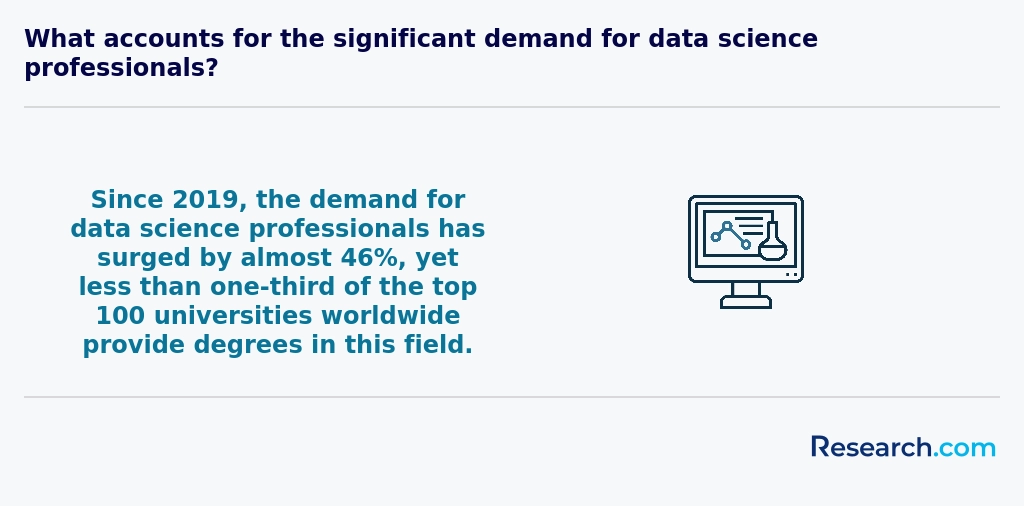
- Texas has strong job growth for data scientists, especially in technology, healthcare, finance, and energy sectors.
- Key skills in demand include programming, machine learning, and big data analysis, which are integral parts of most data science degrees.
How long does it take to complete data science degree in Texas?
Completing a data science degree in Texas generally requires patience and commitment, with bachelor's programs averaging around four years of full-time study. Graduates from Texas A&M University recount how balancing coursework and internships helped them build real-world skills, even if it meant extending their studies slightly. Similarly, students at The University of Texas at Austin appreciate flexible schedules that accommodate part-time attendance, allowing them to work while pursuing their master's degree, which typically takes one to two years full-time.
Many find value in programs that offer accelerated tracks or combined bachelor's/master's options, trimming the overall duration without sacrificing depth of learning. But it's also common for students to take a bit longer to absorb complex concepts and gain hands-on experience through internships or co-op opportunities. This reflective approach often leads to greater confidence and job readiness in the evolving field of data science.
Ultimately, the timeframe varies with enrollment status, personal goals, and the chosen institution's program design, but Texas universities strive to make this demanding journey both manageable and rewarding.
What's the difference between online and on-campus data science degree?
Choosing between online and on-campus data science degrees in Texas often comes down to lifestyle and learning style. Graduates from the University of Texas at Austin who studied on-campus often highlight the value of face-to-face mentoring and hands-on access to labs, which made complex topics like machine learning more tangible and fostered a sense of community. They describe lively discussions with peers and impromptu study sessions that enriched their experience beyond textbooks.
By contrast, alumni from Texas A&M who opted for online programs praise the flexibility to balance careers and family, describing how asynchronous classes allowed them to study after work without sacrificing income or relocating. They appreciate interactive platforms that still connect them with professors, though naturally miss the buzz of campus life.
Financially, while on-campus tuition for Texans is generally around $10,000 annually, online options can edge higher but save on housing and commuting costs. This trade-off makes each path uniquely suited to different priorities and life situations in Texas's dynamic data science job market.
What is the average cost of data science degree in Texas?
The average cost of a data science degree in Texas can vary widely depending on whether a student attends a public or private institution and their residency status. For those studying at popular public universities in Texas, the median in-state total cost hovers around $11,950, making it a relatively accessible option for many residents. Out-of-state students, however, may face significantly higher expenses, with total costs reaching around $52,304, which aligns with what graduates from prestigious Texas colleges often reflect on as a major financial consideration during their studies. Understanding these figures is crucial for prospective students weighing their educational investments in the state's growing tech hubs.
Graduates from well-known Texas institutions often share how balancing tuition with living costs in cities such as Austin or Dallas required careful planning but was worthwhile, thanks to Texas' expanding opportunities in data science. The average cost data science degree Texas expenses are not limited to tuition - books, supplies, and living expenses also factor heavily into the budget, sometimes adding thousands yearly. Many students appreciate how online degree options can ease these burdens; for example, universities in the University of Texas system offer online programs with tuition rates comparable to in-state costs, easing relocation fees and providing flexible schedules.
For those seeking more affordability or flexibility, exploring programs like a 1 year masters degree online can be a strategic choice. This approach not only shortens the time investment but can also reduce overall expenses, a factor highlighted by alumni navigating Texas data science degree program expenses. Ultimately, the demand for skilled data scientists in Texas' vibrant tech sector makes the cost a wise investment for many pursuing this path.
What financial aid is available to data science degree students in Texas?
When pursuing a data science degree in Texas, numerous financial aid options can make the journey significantly more manageable. Many graduates from the University of Texas at Austin recall how Pell Grants reduced their financial burden by covering up to $7,395 annually, easing tuition that otherwise ranges from $10,000 to $25,000 for in-state students. Such federal support is often the foundation for funding a degree.
State programs like the Texas Grant and TEOG prove invaluable, especially for those attending public institutions or two-year colleges aiming to transfer into four-year data science programs. Graduates from Texas A&M University often highlight merit-based scholarships that acknowledge academic excellence, delivering both motivation and monetary relief.
Graduate students frequently share experiences involving research and teaching assistantships, which not only help cover tuition but foster a deeper connection with their fields. Additionally, employer tuition reimbursement programs in Texas's tech sectors offer a practical boost, transforming education costs into investment opportunities.
Applying early through FAFSA and communicating with campus financial aid offices can unlock tailored assistance, ensuring every aspiring data scientist in Texas finds a path forward without overwhelming debt.
What are the prerequisites for enrolling in data science degree program in Texas?
Enrolling in a data science degree program in Texas means coming prepared with a solid academic foundation. Graduates from well-known Texas universities often reflect on how crucial their strong background in mathematics-especially algebra, calculus, and statistics-was for keeping pace with demanding coursework. For many undergraduates, excelling in high school math and science classes truly made the difference when applying to schools like the University of Texas or Texas A&M.
Graduate-level programs add another layer of expectation: a completed bachelor's degree in computing, mathematics, or related fields is essential. Familiarity with programming languages such as Python or R, gained either through prior study or hands-on projects, is a common thread among successful applicants. One graduate from a top Texas college shared how early experience with SQL helped her confidently tackle data analysis classes and internships.
Other prerequisites like letters of recommendation or personal statements also shape admissions decisions, reflecting a candidate's readiness and passion. Navigating these requirements thoughtfully can boost confidence and open doors to the growing Texas data science job market, which continues to expand year after year.
What courses are typically in data science degree programs in Texas?
Graduates from Texas universities like The University of Texas at Austin often recall how their data science curricula combined foundational and advanced topics to build confidence and real-world readiness. Core courses typically include Introduction to Data Science, which teaches the essentials of data cleaning and visualization - skills that prove invaluable when handling messy datasets from industries such as energy or healthcare.
Statistics and Probability classes sharpen analytical thinking and hypothesis testing, helping students interpret data with precision. Programming courses, frequently centered on Python and R, allow students to develop practical coding skills crucial for automating tasks and building models.
Many students express excitement about learning Data Mining and Machine Learning, where they uncover algorithms that can predict trends or customer behavior, directly applicable in Texas's booming finance sector. Courses on Database Management and Big Data equip them to efficiently navigate and organize vast information-a necessity in cloud computing environments popular across tech companies in Austin and Houston.
Electives such as data ethics and communication also resonate deeply; graduates share how mastering effective storytelling transforms complex results into understandable insights, making their work truly impactful.
What types of specializations are available in data science degree programs in Texas?
Students pursuing a data science degree in Texas often encounter a variety of specializations tailored to meet industry demands. Popular tracks include Machine Learning and Artificial Intelligence, which prepare graduates to develop smart algorithms used in finance and healthcare. Big Data Analytics is another focus area, addressing the challenges of managing massive datasets common in Texas's growing tech sector. Business Analytics targets those interested in how data influences corporate strategies, a field taught extensively at schools like Texas A&M University. Graduates often reflect on how Healthcare Data Science specialization gave them unique insights, especially given Texas's robust medical industry, equipping them for careers analyzing clinical and genomic data.
Many students appreciate the flexibility at universities like The University of Texas at Austin, where customizable specializations create a more personalized educational experience. These tailored paths ensure skills remain relevant to local job markets. For students considering alternatives, exploring options through the easiest bachelor's degree might reveal pathways that align both with personal strengths and market trends. Such focused programs are fundamental for building a fulfilling career in Texas's competitive data science environment.
How do you choose the best data science degree in Texas?
Choosing the right data science degree in Texas means focusing on programs that blend strong theoretical knowledge with practical experience. Graduates from the University of Texas at Austin often highlight how hands-on projects and internships connected to Austin's tech scene boosted their confidence and job prospects. Schools like Texas A&M provide curricula grounded in statistics and programming languages such as Python and R, essential tools for real-world data challenges.
Cost is another important factor; many students appreciate how affordable data science degrees in Texas can be, especially when scholarships or assistantships are available. In fact, exploring options like affordable online associate degree programs can offer flexible paths without sacrificing quality. Graduates often mention that balancing studies with part-time work became manageable thanks to such alternatives.
Finally, consider how each program connects with local industries. Houston and Dallas alumni recall how networking and partnerships opened doors to exciting roles in analytics and tech. Reflecting on these experiences can help you choose among the best data science degree programs Texas has to offer, aligning your education with your career dreams.
What career paths are available for data science degree students in Texas?
Graduates of data science programs in Texas often find themselves drawn to roles like data analyst, data scientist, and data engineer, each offering a unique blend of challenge and reward. For example, those coming from popular institutions such as The University of Texas at Austin have shared how starting as data analysts in bustling cities like Dallas or Houston allowed them to directly impact business decisions through statistical analysis and data visualization. This hands-on experience lays a solid foundation for advancing into more technical roles like data scientist, where predictive modeling and machine learning come into play, especially in Texas's thriving healthcare and energy sectors.
Another path that resonates with many graduates involves business intelligence, which successfully combines data skills with strategic thinking-a popular choice among those who studied at Texas A&M. These professionals help shape company strategies across retail and telecommunications departments. Reflecting on the Texas data science degree job prospects, many appreciate the variety and flexibility these careers offer, often balancing work and study by enrolling in programs at a top non profit accredited online university in Texas.
What is the job market for data science degree in Texas?
The data science job outlook Texas graduates experience is promising, especially for those coming from well-established programs in universities like the University of Texas at Austin or Texas A&M. Graduates often share how the state's vibrant tech scene and diverse industries make landing positions in places such as Austin's booming tech companies or Houston's energy firms more accessible. Many find themselves contributing to real projects during internships, which helps build confidence and practical skills valued by employers.
Texas data science employment opportunities extend beyond just tech hubs, reaching financial institutions in Dallas and healthcare organizations statewide, providing a broad spectrum of career paths. Graduates have expressed satisfaction not only with competitive salaries but also with the lower living costs compared to other major metropolitan areas, enhancing overall quality of life. For students balancing work and study, choosing one of the best affordable online colleges for working adults in Texas can be a wise investment, combining education with real-world experience.
Frequently Asked Questions About data science
Data science degree students in Texas can maximize their learning experience by actively engaging in hands-on projects and internships, which are vital for applying theoretical knowledge. Texas hosts numerous tech companies and startups, offering abundant internship opportunities that help students build practical skills and professional networks.
Utilizing resources at major Texas universities, such as research labs and faculty expertise, enhances understanding. According to the Texas Higher Education Coordinating Board, institutions like the University of Texas at Austin offer specialized data science centers that support student research collaborations.
Joining data science student organizations and attending industry conferences in Texas can foster connections and expose students to current trends. Students should also consider certifications or online courses to supplement their curriculum with the latest tools and technologies widely used in Texas's growing data-driven industries.
Emerging niches within the data science field reflect the evolving needs of technology and business sectors, especially in Texas. One growing area is healthcare analytics, driven by the state's expanding medical research and hospital networks. According to the Texas Department of State Health Services, demand for data professionals in healthcare is rising steadily. Another promising niche is energy data science, which leverages data to improve oil, gas, and renewable energy production-critical industries in Texas.
Additionally, urban data science is gaining attention, with smart city projects in Dallas and Austin using data to optimize traffic and public safety. Cybersecurity analytics is also expanding, responding to increasing digital threats. These niches offer distinct career paths within data science for Texas students.
Graduates with data science degrees in Texas should focus on building practical skills to succeed in the competitive job market. Employers value experience with programming languages like Python and R, as well as proficiency in machine learning and data visualization tools. Completing internships or cooperative education programs during studies is highly recommended, as Texas companies in Austin, Dallas, and Houston emphasize real-world experience.
Networking through local meetups, conferences, and professional organizations such as the Texas Data Science Association can open valuable job opportunities. According to the Texas Workforce Commission, data science jobs in Texas are projected to grow by over 20% through 2030, highlighting strong demand.
Certification courses from platforms like Coursera or LinkedIn Learning in specialized areas can also improve employability. Finally, crafting a tailored resume and preparing for technical interviews are essential steps to transition smoothly from graduation to employment.
Employers in Texas highly value data science graduates with strong skills in programming languages like Python, R, and SQL. These tools enable graduates to manage and analyze vast datasets efficiently. According to the Texas Workforce Commission, proficiency in machine learning and statistical analysis is also in high demand, as businesses increasingly rely on predictive analytics.
Communication skills are crucial for converting complex data insights into actionable business strategies. Texas companies prefer candidates capable of working in interdisciplinary teams, blending technical and domain-specific knowledge. Additionally, familiarity with cloud platforms such as AWS or Azure is becoming essential given the industry's technological shift.
Finding internships in Texas relevant to a data science degree often begins with leveraging university career centers, which regularly post industry-specific opportunities. Texas hosts numerous tech companies, including those in Austin and Houston, actively seeking data science interns. Websites like Handshake and LinkedIn are valuable platforms for spotting internships tailored to data science students.
Networking also plays a critical role. Attending local tech meetups, university-hosted job fairs, or participating in organizations like the Data Science Society at the University of Texas can increase exposure to potential employers. Additionally, firms in Texas' energy and healthcare sectors frequently offer internships that require data analysis skills.
According to the Texas Workforce Commission, data science roles have grown by over 20% in Texas over recent years, indicating expanding internship availability. Applying early and tailoring resumes to specific data science tools, such as Python or R, boosts prospects significantly.
Obtaining a data science degree in Texas significantly enhances career mobility and advancement opportunities. Texas hosts a growing tech industry, including major hubs in Austin, Dallas, and Houston, where demand for data science professionals has increased by over 20% in recent years, according to the Texas Workforce Commission.
Having a formal degree in data science equips graduates with analytical and technical skills critical to fields like healthcare, finance, and energy-major sectors in Texas. Employers often prefer candidates with strong educational backgrounds for roles such as data analysts, machine learning engineers, and data architects.
Moreover, advanced degrees can lead to higher salaries and leadership positions. The U.S. Bureau of Labor Statistics notes that data scientists in Texas earn a median annual wage around $105,000, with opportunities increasing alongside industry growth.
Studying for a data science degree in Texas equips students with skills that bridge multiple disciplines such as computer science, statistics, and domain-specific knowledge. Texas universities often emphasize practical experience through internships and collaborative projects with industries like energy, healthcare, and finance, which are major sectors in the state.
According to the Texas Higher Education Coordinating Board, data science programs integrate coursework in machine learning, data visualization, and ethics, preparing students to work alongside experts in diverse fields.
This approach fosters adaptability and problem-solving, essential for interdisciplinary roles requiring collaboration across technical and non-technical teams.
When choosing between a thesis and a non-thesis data science degree program in Texas, consider your career goals and learning preferences. Thesis programs focus on research, requiring students to complete an original study, which is ideal if you plan to pursue a PhD or work in research-driven roles. Non-thesis programs often emphasize practical skills and coursework, fitting for those aiming for industry positions.
Texas universities offering data science degrees, such as UT Austin, typically provide both options. According to the Texas Higher Education Coordinating Board, over 60% of STEM graduate students in Texas prefer non-thesis tracks for faster completion and workforce entry.
Cost and time commitment differ; thesis options may take longer and need faculty mentorship. Choose based on whether you want deep research experience or applied skills.
Students based in Texas seeking to study data science abroad have several pathways available, facilitated by partnerships between Texan universities and foreign institutions. Many Texas schools with strong data science programs encourage exchange or dual-degree options in countries like Canada, the United Kingdom, and Germany. According to NAFSA: Association of International Educators, Texas ranks among the top states for outbound student mobility, reflecting a growing trend of Texans pursuing international study.
Texas students often leverage education abroad programs to gain global perspectives on data analysis and machine learning. Some universities also support internships with international companies in the technology sector.
Financial aid and scholarships specifically designed for study abroad can help offset costs, making these options more accessible. The Texas Higher Education Coordinating Board reports increasing interest in global experiences among STEM students, including data science majors.
It's advisable for students to consult their home institution's international office for current data science-focused study abroad opportunities and eligibility requirements.
Part-time job opportunities in Texas that complement a data science degree are diverse and growing. Positions such as data analyst internships, research assistant roles in university labs, and part-time tech support in analytics firms provide practical experience. According to the Texas Workforce Commission, the state saw an 8% increase in demand for data-related roles from 2021 to 2023, reflecting local industry growth.
Companies in Houston, Dallas, and Austin often seek students for roles involving data cleaning, visualization, and basic machine learning tasks. These jobs not only build technical skills but also enhance understanding of business applications of data science.
Additionally, students might explore freelance opportunities on Texas-based platforms specializing in data services, allowing flexible hours and project diversity. Engaging in these roles aligns well with academic pursuits and strengthens resumes for future full-time employment in data science fields.
Data science students in Texas have access to numerous networking opportunities through universities, professional organizations, and industry events. Many Texas institutions, such as the University of Texas at Austin and Texas A&M, host data science clubs and hackathons that connect students with peers and local employers. According to the Texas Workforce Commission, the state's data analytics sector is growing rapidly, making networking valuable for internships and job placement.
Organizations like the Texas Data Science Meetup and local chapters of national groups such as the Data Science Association offer regular events featuring experts from Houston's energy sector and Austin's tech startups. These platforms help students build meaningful professional contacts.
Alumni networks provide significant advantages for data science degree students in Texas by creating strong professional connections. Graduates often share job leads, internships, and mentorship opportunities, helping current students navigate Texas's competitive job market.
Many Texas universities with data science programs have active alumni groups that organize events and workshops, enhancing practical learning beyond the classroom. For example, the University of Texas at Austin's alumni network supports career placement, leveraging ties with Austin's growing tech industry.
According to the Texas Workforce Commission, data science roles in Texas are expected to grow over 20% by 2030, making these networks valuable for securing positions in high-demand fields.
Customizing a data science degree in Texas to align with your career goals involves selecting programs that offer flexible curricula and specialized tracks. Many Texas universities allow students to focus on areas like machine learning, big data analytics, or business intelligence.
Elective courses enable learners to gain industry-relevant skills tailored to sectors prominent in Texas, such as energy, healthcare, and finance. For example, the Texas Workforce Commission highlights that data science roles in Texas are growing at twice the national average, so aligning your studies with these demands can increase job prospects.
Additionally, taking advantage of internships and partnerships between Texas schools and local companies can provide practical experience and networking opportunities. Schools often support interdisciplinary studies, letting students combine computer science with business or engineering to better fit unique career paths.
Data science students in Texas often face several challenges during their studies. One major hurdle is the rapidly changing technology landscape, which requires students to continually update skills in programming languages and tools. According to a 2023 report by the Texas Higher Education Coordinating Board, many programs struggle to keep curricula aligned with industry needs.
Another challenge is balancing the heavy coursework load, which includes statistics, machine learning, and large-scale data management. Students frequently report difficulties in mastering both theoretical and practical aspects simultaneously.
Additionally, access to internships and real-world data projects can be limited, especially outside major tech hubs like Austin and Dallas, impacting hands-on experience.
With a data science degree in Texas, you can pursue several professional certifications to enhance your skills and career prospects. Popular certifications include the Certified Analytics Professional (CAP), which is widely recognized in the U.S. and valued by Texas employers.
Another option is the Microsoft Certified: Azure Data Scientist Associate, reflecting the growing demand for cloud data expertise in Texas's technology sectors, especially in cities like Austin and Dallas. Additionally, the SAS Certified Data Scientist credential is highly respected among analytics professionals.
These certifications demonstrate proficiency in data analysis, machine learning, and data management-skills crucial in Texas's expanding data-driven industries. According to the Texas Workforce Commission, data science roles in Texas are projected to grow faster than the national average through 2030.
Writing a winning application for a data science program in Texas requires a clear presentation of your academic and practical skills. Most Texas universities expect applicants to have a strong quantitative background, including courses in mathematics, statistics, and computer science.
Highlighting relevant experience, such as internships or projects involving programming languages like Python or R, boosts your profile. According to the Texas Higher Education Coordinating Board, programs increasingly value hands-on data manipulation and machine learning competencies.
Applicants should also submit compelling personal statements that reflect clear goals and knowledge about the Texas data science job market, which is growing rapidly in cities like Austin and Dallas.
Strong letters of recommendation from professors or industry professionals familiar with your analytical abilities further strengthen applications.
Data science careers hold significant importance worldwide, with increasing demand driven by growth in technology and data-driven decision-making. In the United States, including Texas, the Bureau of Labor Statistics projects a 36% growth in data science jobs from 2021 to 2031, much faster than average for all occupations.
Globally, many industries like finance, healthcare, and retail rely on data scientists to analyze complex data sets. Texas, home to major tech hubs such as Austin and Dallas, has seen a rise in data science roles aligned with this trend. According to the Texas Workforce Commission, over 15,000 data science-related jobs were posted statewide in 2023.
Educational institutions in Texas are expanding data science programs to meet this demand, offering diverse degree options from bachelor's to doctoral levels. Globally, professionals with strong analytical and programming skills are highly sought after, making data science a versatile and valuable career path.
Gaining practical experience during a data science degree in Texas is crucial for career readiness. Many universities encourage students to participate in internships, which provide hands-on experience with real-world datasets and tools. Texas hosts numerous tech companies and startups offering internship opportunities, especially in cities like Austin, Dallas, and Houston.
Additionally, students can join research projects led by faculty members. According to the Texas Higher Education Coordinating Board, over 60% of data science programs incorporate applied research components. Participating in data competitions and hackathons hosted by organizations like Data Science Texas or local universities also builds valuable skills.
Networking through student organizations and industry events further connects students with professionals, enhancing job prospects after graduation. These practical experiences complement classroom learning and help students stand out in a competitive job market.
Choosing the right concentration within a data science degree program in Texas depends on your career goals and interests. Texas universities often offer concentrations like machine learning, big data analytics, or business intelligence. Research local industry demands: Austin and Dallas are hubs for tech and finance, while Houston focuses on healthcare and energy sectors. According to the Texas Workforce Commission, jobs in data analytics are expected to grow over 20% by 2030 in these areas.
Evaluate curriculum details to ensure courses align with your desired skills. Also, consider internship opportunities with Texas companies, as hands-on experience enhances employment prospects.
Related Data Science Rankings for Nearby States
- 2027 Most Valuable Data Science Degree Programs Ranking in Missouri
- 2027 Most Valuable Data Science Degree Programs Ranking in Arizona
- 2027 Most Valuable Data Science Degree Programs Ranking in Florida
- 2027 Most Valuable Data Science Degree Programs Ranking in Minnesota
- 2027 Most Valuable Data Science Degree Programs Ranking in Ohio
- 2027 Most Valuable Data Science Degree Programs Ranking in Michigan
- 2027 Most Valuable Data Science Degree Programs Ranking in Wisconsin
- 2027 Most Valuable Data Science Degree Programs Ranking in Pennsylvania
- 2027 Most Valuable Data Science Degree Programs Ranking in New York
- 2027 Most Valuable Data Science Degree Programs Ranking in Massachusetts
Top Trending Data Science Rankings
See What Experts Have To Say About Studying Data Science
Read our interview with Data Science experts

References
- Master’s in Data Science Programs in Texas https://www.mastersindatascience.org/schools/texas/
- Data Science Classes vs. Traditional College Programs: Which Gets You Hired Faster in 2025? https://onlineaitraining.com/blog-data-science-classes-vs-college
- Data Science Placements/Internships | Gradcracker - Careers for STEM Students https://www.gradcracker.com/search/computing-technology/data-science-work-placements-internships
- Data Science and Analytics Degree in Texas | Austin College https://www.austincollege.edu/academics/majors-and-minors/data-science-and-analytics
- Data science components | The interdisciplinary field of data science https://domino.ai/blog/3-key-components-of-the-interdisciplinary-field-of-data-science
- Best Data Science Degree Programs in Texas, 2026 Rankings https://hakia.com/degrees/data-science/texas/
- Your Guide to Data Science Careers (+ How to Get Started) - Moringa School https://moringaschool.com/blog/your-guide-to-data-science-careers-how-to-get-started/
- Data Science Course Fees and Duration 2026 - Great Learning https://www.mygreatlearning.com/data-science/courses/fees
- Best 7 Countries to Study Data Science & Analytics Abroad in 2026 https://www.studies-overseas.com/blogs/best-countries-to-study-data-science-and-analytics-abroad
- Data Science vs Traditional Degrees: Which Career Path is Better in 2026? https://www.shalyam.com/blog/@Neha%20N./data-science-vs-traditional-degrees/


