
2027 Most Valuable Data Science Degree Programs Ranking in Pennsylvania

Co-Founder and Chief Data Scientist
Choosing the right data science degree program in Pennsylvania can feel overwhelming. To help you navigate this important decision, the Research.com team of data scientists created the 2027 Most Valuable Data Science Degree Programs Ranking in Pennsylvania. This article highlights the top programs based on key factors that matter to students like you.
Reading this guide will give you clearer insights into which degrees offer strong career prospects and valuable skills. Pursuing a data science degree can open exciting opportunities, and we're here to help you find the best fit for your goals.
Key benefits of getting data science degree in Pennsylvania
- Salary prospects: Graduates with a data science degree in Pennsylvania can expect competitive salaries, such as $66,670 annually for Data Analysts and up to $119,040 for Data Consultants, reflecting strong demand in the field.
- Career paths: A graduate from a well-known Pennsylvania university can pursue diverse roles like Database Administrator or Marketing Analyst, benefiting from opportunities in industries from healthcare to finance.
- Online degree benefits: Completing a data science degree online offers flexibility for working students while maintaining quality education, as demonstrated by successful graduates from Pennsylvania institutions who balance work and study efficiently.
- Key benefits of getting data science degree in Pennsylvania
- What can I expect from data science degree in Pennsylvania?
- Where can I work with data science degree in Pennsylvania?
- How much can I make with data science degree in Pennsylvania?
- 2027 Most Valuable Data Science Degree Programs Ranking in Pennsylvania
- Key Findings
- How long does it take to complete data science degree in Pennsylvania?
- What's the difference between online and on-campus data science degree?
- What is the average cost of data science degree in Pennsylvania?
- What financial aid is available to data science degree students in Pennsylvania?
- What are the prerequisites for enrolling in data science degree program in Pennsylvania?
- What courses are typically in data science degree programs in Pennsylvania?
- What types of specializations are available in data science degree programs in Pennsylvania?
- How do you choose the best data science degree in Pennsylvania?
- What career paths are available for data science degree students in Pennsylvania?
- What is the job market for data science degree in Pennsylvania?
- Related Data Science Rankings for Nearby States
- Top Trending Data Science Rankings
- See What Experts Have To Say About Studying Data Science
What can I expect from data science degree in Pennsylvania?
The average cost of pursuing a data science degree in Pennsylvania varies but typically ranges between $20,000 and $50,000 per year for in-state students at top institutions. Graduates from universities like Pennsylvania State University and Carnegie Mellon University often describe the investment as worthwhile, recalling how their tuition opened doors to hands-on projects and internships in Pittsburgh's vibrant tech industry.
Many students appreciate the mix of rigorous coursework and real-world experience. For instance, those at the University of Pennsylvania highlight how their fees provided access to advanced computing facilities and collaboration with leading researchers in AI and healthcare analytics. This dynamic environment transforms classroom learning into exciting career preparation.
Online and hybrid programs add flexibility, allowing working professionals to manage both costs and schedules effectively. Students frequently express pride in making strides toward rewarding careers, supported by Pennsylvania's diverse industries where their skills are in high demand.
Where can I work with data science degree in Pennsylvania?
Graduates with a data science degree from well-known Pennsylvania schools often find themselves thriving in vibrant cities like Philadelphia and Pittsburgh, where opportunities abound. Imagine working at the University of Pennsylvania Health System or GlaxoSmithKline, analyzing patient data to help develop life-saving treatments. Many graduates share the excitement of contributing to such impactful projects in healthcare.
In Pittsburgh, alumni frequently join tech giants like Google or Apple, diving into cutting-edge AI and machine learning projects that shape the future of technology. The connection between local universities and these companies ensures a steady pathway to rewarding, innovation-driven roles.
Finance enthusiasts from Harrisburg or Philadelphia report fulfilling careers improving fraud detection and customer insights at banks and insurance firms. Manufacturing sectors in Lehigh Valley also attract data scientists eager to optimize processes and drive efficiency.
State and local government roles offer a unique chance to influence public policy and urban planning, making a real difference in communities across Pennsylvania. These diverse paths reveal how a data science degree opens doors to exciting, purposeful careers throughout the state.
How much can I make with data science degree in Pennsylvania?
Graduates with a data science degree from Pennsylvania's top institutions like the University of Pennsylvania or Drexel University often step into rewarding careers with impressive salaries. Starting as a data analyst, they can expect a mean annual wage around $66,670, which quickly grows as they gain experience and specialize.
Those who move into roles such as marketing analysts or database administrators enjoy even higher pay, averaging $83,190 and $104,810 respectively. These positions are common pathways for data science graduates entering Philadelphia's bustling tech and finance sectors.
For graduates aiming higher, becoming a data consultant offers outstanding earning potential, with mean salaries hitting $119,040 annually. Many find this role fulfills their passion for solving complex problems while contributing measurably to business success.
Furthermore, recent alumni from institutions like Carnegie Mellon or Penn State share inspiring stories of launching careers in data visualization, earning about $64,700, and growing skills that open doors to diverse industries throughout Pennsylvania.
The journey from classroom to career in Pennsylvania's data science landscape is both exciting and financially promising, powered by a state economy eager for data-driven talent.
2027 Most Valuable Data Science Degree Programs Ranking in Pennsylvania
How do we rank schools?
Investing in your education is a significant decision that can shape your future, and the Research.com team understands the importance of making informed choices. To support prospective students in Pennsylvania, we have carefully developed the "2027 Most Valuable Data Science Degree Programs Ranking in Pennsylvania." Our dedication to quality, credibility, and accuracy is demonstrated through rigorous research and data analysis behind this ranking.
We utilized the following reputable data sources to ensure a comprehensive evaluation of data science degree programs:
By exploring this ranking, readers will gain valuable insights into the most valuable data science degree programs in Pennsylvania, empowering them to make well-informed decisions about their educational and professional futures. For more information on how the ranking was created, please visit our Research.com methodology page.

# 2 position
Pennsylvania State University-Main Campus
Bachelor of Science in Data Sciences


Key Findings
- Pennsylvania has over 20 institutions offering data science degrees at bachelor's and master's levels, including Penn State and the University of Pennsylvania.
- In-state tuition at public universities ranges from $10,000 to $20,000 per year, while private and out-of-state tuition can be $30,000 to $50,000 annually.
- Entry-level data science salaries in Pennsylvania average between $70,000 and $85,000 per year.
- Mid-career salaries for data scientists in the state range from $100,000 to $130,000 annually.
- The job market is growing with an 18% projected increase in data-related employment over the next decade, especially in Philadelphia and Pittsburgh.
- Many universities offer internships and partnerships with local industries, plus online and hybrid degree options are available for flexible learning.
How long does it take to complete data science degree in Pennsylvania?
Completing a data science degree in Pennsylvania is an achievable milestone filled with opportunity and growth. Many students embark on a bachelor's degree journey that typically spans about four years of full-time study. Imagine immersing yourself in programming and machine learning courses at renowned universities, gaining hands-on experience that shapes your future career.
For those advancing to a master's degree, the timeline is often just 12 to 18 months of full-time dedication at institutions like Carnegie Mellon University or Penn State University. Graduates from these programs often share how their accelerated paths allowed them to quickly apply advanced analytics skills in real-world projects, fueling their confidence and success.
Flexible options abound in Pennsylvania, with part-time and online formats extending the duration to two or three years. This flexibility empowers working professionals to balance life while steadily moving toward their goals. Many find joy in pacing their learning around personal commitments without losing momentum.
- A standard bachelor's degree: about 4 years full-time
- Full-time master's degree: around 1 to 2 years
- Part-time or online master's degree: 2 to 3 years or more
What's the difference between online and on-campus data science degree?
Choosing between online and on-campus data science degrees in Pennsylvania opens exciting paths tailored to your lifestyle and ambitions. On-campus programs at universities like Penn State or the University of Pennsylvania immerse you in dynamic classroom environments where collaboration sparks innovation. Graduates often recall hands-on labs and engaging group projects that made complex concepts come alive while building lasting friendships and professional connections.
Meanwhile, online degrees from Drexel University or Temple University offer inspiring flexibility for those balancing work or family. These programs empower self-driven learners to study anytime, anywhere, embracing asynchronous coursework that fits their rhythm. Recent graduates share how virtual webinars and online forums became valuable spaces for networking and growing confidence in digital collaboration.
- Cost differences boost accessibility, with online options generally reducing expenses tied to housing and campus life, making your data science journey more manageable.
- Both formats nurture your expertise in cutting-edge skills like machine learning and statistical computing, preparing you to thrive in today's fast-evolving tech world.
What is the average cost of data science degree in Pennsylvania?
The average cost of a data science degree in Pennsylvania typically centers around $59,000 overall, with in-state students generally paying closer to $45,770. This balance offers an encouraging prospect for many aspiring data scientists looking to study at renowned institutions like Penn State or the University of Pennsylvania, where graduates often share how their investment in education unlocked vibrant career opportunities. Those pursuing a degree here appreciate how the tuition cost reflects strong academic value combined with access to cutting-edge resources and faculty expertise.
For students concerned about managing expenses, understanding data science degree tuition fees Pennsylvania-wide allows them to plan thoughtfully. Many find that public universities provide a more affordable route without sacrificing quality, while private institutions may have higher costs but also more robust financial support systems. Real-life accounts from recent graduates highlight how scholarships, part-time work, and smart budgeting helped them navigate tuition fees confidently, proving that smart choices lead to success.
Beyond tuition, Pennsylvania's moderate cost of living positively influences overall affordability, making it easier for students to focus on their studies and personal growth. By exploring program details thoroughly and considering options like fast online degree completion programs for working adults, prospective students gain flexibility and maintain momentum toward their goals. These pathways inspire many to take action knowing that a rewarding data science career in Pennsylvania is well within reach.
What financial aid is available to data science degree students in Pennsylvania?
Students pursuing data science degrees in Pennsylvania find a wealth of financial aid opportunities that make their academic journey more achievable and rewarding. Many graduates from Penn State World Campus share how institutional scholarships rewarded their academic excellence and leadership, easing their tuition burden and motivating them to excel further.
Federal aid remains a cornerstone, with Pell Grants providing substantial need-based support up to $7,395 annually. Completing the FAFSA opens the door to loans with favorable terms, empowering both undergraduate and graduate students to finance their education confidently. For those balancing work and study, employer tuition assistance often lightens financial pressures while building professional skills.
The Pennsylvania State Grant Program is another bright resource, offering up to $5,000 yearly to residents attending approved schools-fueling dreams with practical support. Work-study options allow students hands-on experience in technology fields, connecting classroom learning with real-world application and income.
- Private scholarships from organizations like the Data Science Association inspire and reward ambition, often targeting passionate Pennsylvania learners.
- Part-time students frequently benefit from flexible aid packages designed to support busy professionals eager to advance their data skills.
What are the prerequisites for enrolling in data science degree program in Pennsylvania?
To begin your journey toward a data science degree in Pennsylvania, you need a solid foundation built on enthusiasm and readiness to embrace new challenges. Most respected universities across the state, from the bustling campuses in Philadelphia to the innovative environments in Pittsburgh, look for applicants with a high school diploma and strong skills in algebra, calculus, and statistics. Imagine yourself confidently solving complex problems, just like graduates who thrived at these institutions by mastering these essential math skills early on.
Proficiency in programming languages such as Python, R, or SQL is another key prerequisite. Many successful students recall how their early experiences coding practical projects gave them a head start, turning abstract concepts into exciting data-driven discoveries. This hands-on familiarity opens doors to understanding real-world data analysis and machine learning scenarios encountered in Pennsylvania's dynamic academic settings.
For those aiming at graduate programs, holding a bachelor's degree in relevant fields like computer science or economics helps unlock advanced learning opportunities. Applicants often enhance their profiles with professional experience or meaningful projects, connecting theory with tangible impact, just as many local graduates have done to excel and innovate after their studies.

What courses are typically in data science degree programs in Pennsylvania?
Data science degrees in Pennsylvania immerse you in courses that ignite curiosity and sharpen your problem-solving skills. Graduates from institutions like Penn State and Carnegie Mellon often describe how foundational classes such as Introduction to Data Science and Programming for Data Science quickly build their confidence. Imagine mastering Python or R while creating projects that feel directly relevant to today's tech-driven world around you.
Core courses like Statistics and Probability train you to think critically and analyze data with precision, skills celebrated by many who have launched successful careers in Pennsylvania's thriving finance and healthcare sectors. Visualizing complex information through Data Analysis and Visualization classes brings data stories to life, an exciting experience reported by students across the state.
As you progress, advanced subjects like Machine Learning and Big Data sparkle with opportunity. Picture yourself working with Hadoop or Spark, tools that empower you to handle massive datasets just like professionals in Philadelphia's bustling tech scene. Ethical considerations in Data Science classes also inspire you to become a responsible innovator in this quickly evolving field.
With hands-on projects and internships at local companies, these courses directly prepare you for a vibrant career in Pennsylvania's dynamic economy, fueling your passion and purpose every step of the way.
What types of specializations are available in data science degree programs in Pennsylvania?
Data science degree specializations in Pennsylvania open doors to exciting paths like Machine Learning and Artificial Intelligence, where graduates from Carnegie Mellon University have crafted innovative healthcare AI tools improving patient care. At Penn State University, students often choose Business Analytics, mastering predictive models that transform how organizations make data-driven decisions. Those drawn to the state's renowned medical research thrive in Healthcare Data Science, turning clinical data into breakthroughs that enhance lives within Pennsylvania's medical community.
The best data science focus areas in Pennsylvania also include Big Data Engineering and Cybersecurity Analytics, where students learn to handle vast datasets and protect digital environments-skills highly sought after across technology sectors. Many graduates feel inspired by how their expertise directly impacts industries vital to Pennsylvania's economy. For those balancing education with other commitments, exploring opportunities among the top online college degrees for seniors offers flexibility without sacrificing quality.
How do you choose the best data science degree in Pennsylvania?
Choosing the best data science degree programs in Pennsylvania starts with focusing on quality and fit. Graduates from well-regarded universities like the University of Pennsylvania and Pennsylvania State University often share how accreditation and strong curricula gave them a confident foundation in statistics, machine learning, and real-world projects. Imagine yourself working on practical internships in Philadelphia's vibrant tech scene or Pittsburgh's innovative healthcare analytics sector-these experiences turn knowledge into opportunity.
Affordable data science colleges Pennsylvania also offer great benefits, especially if balancing tuition costs with living expenses is important. Many students find hybrid or online options helpful for managing studies alongside work or family, making it easier to pursue their career dreams. Remember, programs connected locally to industries bring exciting job prospects and mentoring support that alumni praise for launching their careers.
Consider exploring best paying bachelor degrees to align your passion with promising futures, turning your ambition into a rewarding data science journey in Pennsylvania.
What career paths are available for data science degree students in Pennsylvania?
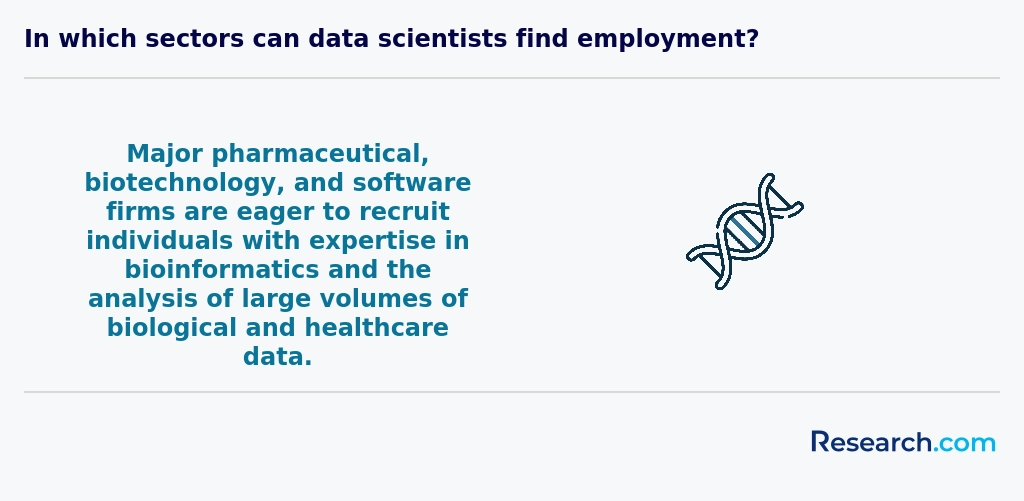
Graduates with a data science degree in Pennsylvania find themselves stepping into a world of exciting career possibilities. From healthcare to finance, the state's diverse industries eagerly welcome skilled data professionals. Many graduates from leading local institutions like Penn State and Temple University have moved into roles as data scientists or machine learning engineers, applying analytical skills to innovate patient care or optimize financial portfolios. These experiences highlight the real-world impact of data science in Pennsylvania's booming sectors.
Careers in data science are vibrant and varied here. Talented graduates often work as business intelligence analysts in Philadelphia's bustling finance scene, or as data analysts helping manufacturing firms improve efficiency. Exploring these paths showcases how students find meaningful work aligned with their passions. For those concerned about program accessibility, Pennsylvania also offers accredited online schools with no application fee, making quality education more attainable.
Embracing a data science degree opens doors for individuals eager to thrive in technology-driven roles, with Pennsylvania's growing demand ensuring a bright future. The variety of jobs with a data science degree in Pennsylvania assures every graduate a chance to make a difference while building a rewarding career.
What is the job market for data science degree in Pennsylvania?
The data science job outlook in Pennsylvania is vibrant and full of promise for graduates. Many who have earned their degrees from universities in Philadelphia or Pittsburgh find themselves in thriving industries, such as healthcare systems analyzing patient data to improve outcomes or finance firms developing cutting-edge predictive models. Graduates often share how their hands-on projects with local companies gave them confidence to enter a rapidly evolving job market, where opportunities are not only plentiful but also rewarding.
Students pursuing a data science degree in Pennsylvania benefit from competitive salaries, typically ranging from $90,000 to $120,000 annually. This strong career landscape is boosted by collaborations between universities and tech companies, especially around Pittsburgh's innovative hubs, creating an exciting environment rich in learning and career growth. Exploring great careers for introverts can also help students discover pathways that match their strengths within this dynamic field.
Pennsylvania data science career opportunities extend beyond tech alone, with universities and research institutions hiring graduates to support data-driven decision-making, making their education directly applicable to real-world challenges. Such an encouraging ecosystem makes this a fantastic time to follow a data science path in the state.
Frequently Asked Questions About data science
Students pursuing data science degrees in Pennsylvania can maximize their learning by engaging deeply with both academic coursework and practical experiences. Pennsylvania is home to several top-ranked universities offering data science programs, such as the University of Pennsylvania and Pennsylvania State University, known for strong research opportunities.
Internships at local tech companies, healthcare providers, and financial institutions provide valuable hands-on experience. According to the Pennsylvania Department of Labor, data science roles in the state are expected to grow by 15% through 2030, highlighting ample internship and job prospects.
Joining student organizations and attending industry meetups fosters networking and keeps students updated on emerging technologies. Utilizing resources like university career centers and online platforms can enhance skill development and job placement success.
The field of data science is evolving rapidly, creating new specialized areas for professionals to explore. In Pennsylvania, emerging niches include healthcare analytics, which leverages data to improve patient outcomes and reduce costs. According to the Pennsylvania Department of Health, the growth of digital health records fuels this demand.
Another niche is environmental data science, driven by Pennsylvania's focus on sustainable energy and climate monitoring. Institutions like Penn State emphasize this in their research initiatives.
Additionally, financial data analytics continues to expand, particularly in Philadelphia's growing fintech sector. The U.S. Bureau of Labor Statistics notes a steady increase in data science roles tied to financial services statewide.
To prepare for the job market after completing a data science degree in Pennsylvania, students should focus on building practical skills alongside their academic knowledge. Pennsylvania has a growing tech sector, with cities like Philadelphia and Pittsburgh hosting many data-driven companies. According to the U.S. Bureau of Labor Statistics, the state shows a steady increase in demand for data scientists, with an expected 15% growth over the next decade.
Gaining hands-on experience through internships or cooperative education programs offered by Pennsylvania universities significantly improves employability. Proficiency in programming languages such as Python and R, and familiarity with big data tools, are highly valued by employers.
Networking with local professional groups, like the Pennsylvania chapter of the Data Science Association, can provide valuable job leads and mentorship opportunities. Additionally, certifications in cloud platforms or machine learning can enhance a graduate's resume, helping them stand out in a competitive market.
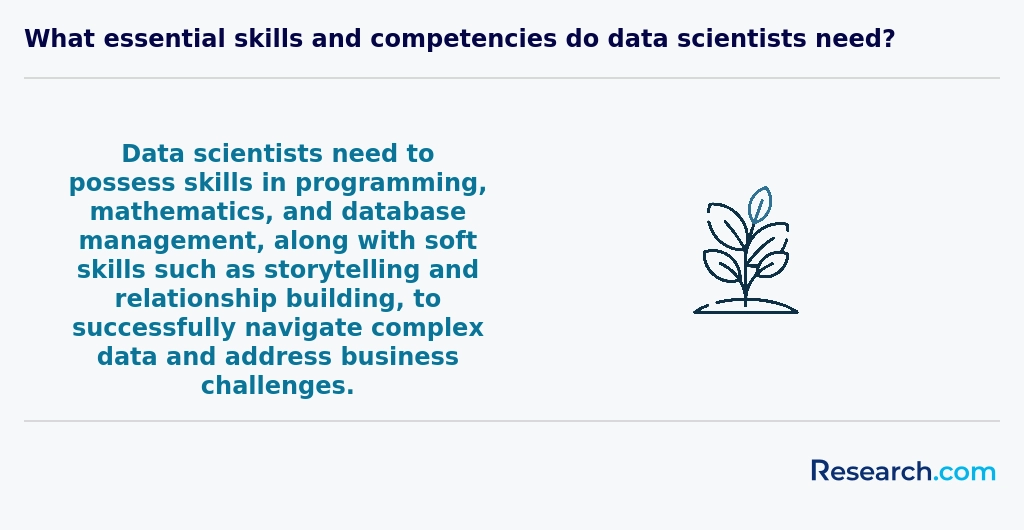
Employers in Pennsylvania seek data science graduates with a strong foundation in statistical analysis and programming languages like Python and R. According to the Pennsylvania Department of Labor & Industry, over 70% of local data science roles require proficiency in these languages.
Additionally, skills in machine learning and data visualization tools such as Tableau or Power BI are highly valued to interpret complex data effectively. Communication skills are equally important, as professionals must translate technical findings for non-expert stakeholders.
Knowledge of data management, including SQL and cloud computing platforms, is also essential in meeting industry demands across sectors like healthcare, finance, and manufacturing.
Finding internships in Pennsylvania for data science students involves leveraging university resources and local industry connections. Many universities, such as the University of Pennsylvania and Carnegie Mellon University, offer career services that list internship opportunities specifically in data science fields.
Students should also explore regional job platforms like the Pennsylvania Department of Labor & Industry's PA CareerLink, which regularly posts data-related internships. Additionally, tech hubs in cities like Philadelphia and Pittsburgh house companies actively seeking data science interns.
According to the Pennsylvania Department of Labor, data analytics roles are projected to grow by 20% over the next decade, increasing internship opportunities. Networking through professional groups like the Pittsburgh Data Science Meetup can also be beneficial.
In Pennsylvania, earning a data science degree significantly enhances career mobility and advancement prospects. The state's growing technology and healthcare sectors demand skilled data professionals, increasing job opportunities for graduates. According to the U.S. Bureau of Labor Statistics, employment for data scientists in Pennsylvania is projected to grow by approximately 15% from 2022 to 2032, faster than the average for all occupations.
Graduates with data science degrees often find opportunities in industries such as finance, pharmaceuticals, and education, which are prominent in the region. Advanced degrees also lead to higher earning potential and leadership roles, reflecting national trends reported by the National Center for Education Statistics.
Networking with local tech hubs like Pittsburgh and Philadelphia further supports career growth, making this degree a valuable asset in Pennsylvania's competitive job market.
Data science degrees in Pennsylvania equip students with skills that cross multiple disciplines, integrating computer science, statistics, and domain-specific knowledge. Many programs in the state emphasize practical experience through interdisciplinary projects, often collaborating with industries like healthcare, finance, and engineering.
For example, Penn State's data science curriculum includes courses designed to link data analysis with business strategies and public policy, preparing students to work in diverse environments. According to the Pennsylvania Department of Labor, employment in data-related fields is growing at 15% annually, highlighting demand for professionals who can adapt across industries.
This broad-based educational approach ensures graduates are well-prepared for interdisciplinary roles by fostering critical thinking and collaboration skills, key for problem-solving in complex real-world situations.
Choosing between a thesis and a non-thesis data science degree program in Pennsylvania depends largely on your career goals and learning preferences. Thesis programs require original research and are ideal if you plan to pursue a PhD or a research-focused role. They usually take longer to complete and demand strong analytical and writing skills.
Non-thesis programs focus on coursework and practical skills, appealing to students aiming for immediate industry employment. They often include internships or capstone projects, which build hands-on experience. According to the National Center for Education Statistics, Pennsylvania awards over 200 data science-related degrees annually.
Evaluating program curriculum, faculty expertise, and available resources helps you decide which path aligns best with your aspirations.
Students based in Pennsylvania seeking to study data science abroad have several pathways through their home institutions. Many Pennsylvania universities partner with international schools, offering exchange programs or dual degrees focused on data science. For example, Penn State and the University of Pennsylvania have established study abroad programs that allow students to gain global experience in fields related to analytics and big data.
In addition, online and hybrid programs accredited in the US enable learners to enroll in foreign universities while remaining in Pennsylvania. These options help students access global curricula without relocating.
According to NAFSA: Association of International Educators, Pennsylvania ranks among the top states sending students overseas, typically in the STEM fields, which include data science. This trend reflects the growing importance of international perspectives in data-driven careers.
Part-time job opportunities in Pennsylvania that complement data science degree education are abundant, particularly in technology hubs like Philadelphia and Pittsburgh. Many students find roles as data analysts, research assistants, or IT support specialists, which align well with coursework in statistics, programming, and machine learning.
According to the U.S. Bureau of Labor Statistics, Pennsylvania is projected to have a 15% growth in employment for computer and information research scientists through 2030, suggesting expanding job opportunities. Additionally, local companies often seek interns or part-time employees to help with data cleaning, visualization, or database management.
Engagement in such roles allows students to apply theoretical knowledge, build practical skills, and enhance their resumes before graduation.
Data science students in Pennsylvania benefit from a range of networking opportunities through universities, professional organizations, and local tech communities. Major universities like the University of Pennsylvania and Carnegie Mellon provide career fairs, industry panels, and alumni events tailored to data science fields.
Professional groups such as the Philadelphia Data Community and Pittsburgh Data Science Meetup host regular meetups and workshops, fostering connections among students, educators, and industry professionals.
According to the Pennsylvania Department of Labor & Industry, the state's growing tech sector, which employs over 300,000 workers, offers important internships and job placement networks for students.
Collaborations between academia and companies allow students to engage in real-world projects, enhancing professional contacts during their studies.
Alumni networks provide valuable support for data science students in Pennsylvania by opening doors to job opportunities through industry connections. Many universities in the state, such as Carnegie Mellon University and Penn State, maintain active alumni groups that host networking events and mentorship programs. According to the Pennsylvania Department of Labor & Industry, the data science field in Pennsylvania is growing rapidly, with a projected 20% increase in employment by 2030, making these connections crucial for student success.
Alumni often share insights about industry trends and hiring practices, helping students tailor their skills effectively. Additionally, alumni networks facilitate internships, which are vital for practical experience in the competitive data science job market. This ongoing support nurtures career growth and boosts students' confidence entering the workforce.
To customize a data science degree program in Pennsylvania, students should explore schools offering flexible curricula that allow concentration in areas such as machine learning, big data, or business analytics. Many universities let you choose electives aligned with your career goals, ranging from healthcare informatics to financial modeling.
Internships and cooperative education opportunities with Pennsylvania's growing tech sector, especially in cities like Philadelphia and Pittsburgh, can provide practical experience. According to the Pennsylvania Department of Labor, data science jobs in the state grew by over 25% in recent years, highlighting industry demand.
Additionally, students can engage in research projects or pursue certificates alongside their degree to develop specialized skills valued by employers.
Data science students in Pennsylvania face several key challenges throughout their academic journeys. One major obstacle is the rapid evolution of technology and analytical tools, requiring students to continually update their skills. Many programs emphasize proficiency in programming languages like Python and R, as well as knowledge in machine learning frameworks, which can overwhelm newcomers.
Additionally, Pennsylvania's diverse array of colleges and universities may differ widely in curriculum rigor and access to industry partnerships, affecting hands-on learning opportunities. According to the National Center for Education Statistics, students at public institutions often report limited availability of internships in local data industries, which impacts real-world experience.
Furthermore, balancing demanding coursework in mathematics, statistics, and computer science with part-time work is a common challenge. The growing competition for jobs in cities like Philadelphia and Pittsburgh means students must build strong portfolios beyond classroom performance to stand out.
With a data science degree from Pennsylvania, you can pursue several professional certifications to enhance your career prospects. Popular options include the Certified Analytics Professional (CAP), which is recognized nationally and focuses on analytics skills. Another sought-after credential is the Microsoft Certified: Azure Data Scientist Associate, emphasizing cloud-based data solutions.
Locally, Pennsylvania professionals benefit from growing industry demand; for instance, the Pennsylvania Department of Labor projects a 15% increase in data science jobs by 2030. Certifications like Google's Professional Data Engineer also align well with regional employers prioritizing cloud and big data expertise.
These certifications demonstrate practical knowledge beyond a degree, boosting employability and salary potential in Pennsylvania's competitive data science market.
Crafting a successful application for a data science program in Pennsylvania requires clear demonstration of your quantitative skills and relevant experience. Admissions committees often prioritize applicants with backgrounds in mathematics, statistics, computer science, or engineering. Highlight any coursework or projects involving programming languages like Python or R.
Including internships or work experiences in data analysis or related fields strengthens your profile. According to the National Center for Education Statistics, Pennsylvania awards over 300 data science-related degrees annually, making competition significant.
Strong letters of recommendation and a compelling personal statement that illustrates your passion for data science and career goals are essential. Lastly, ensure your GPA and standardized test scores meet program requirements to improve admission chances.
Data science is recognized globally as a critical and rapidly growing field, with strong career opportunities across many industries. In the United States, and specifically Pennsylvania, the demand for skilled data scientists is increasing steadily. According to the U.S. Bureau of Labor Statistics, employment of computer and information research scientists-which includes data scientists-is projected to grow 22% from 2020 to 2030, much faster than the average for all occupations.
Globally, organizations value data scientists for their ability to analyze complex data to drive decisions. Pennsylvania universities align their data science degrees with these global needs, incorporating skills like machine learning, statistical analysis, and big data management. Additionally, Pennsylvania's robust tech and healthcare sectors provide a strong local job market for graduates.
Understanding global perspectives helps students appreciate the universal applicability of data science skills, ensuring their education prepares them for diverse international challenges and remote collaboration opportunities.
Gaining practical experience while pursuing a data science degree in Pennsylvania is essential for career readiness. Many universities in the state offer internship programs that connect students with local industries, including healthcare, finance, and technology sectors. For example, Pennsylvania's Department of Labor highlights that internships increase employment chances by up to 60% in STEM fields.
Another common way is through cooperative education (co-op) programs, which combine classroom learning with paid work experience. Students can also participate in research projects led by faculty, often focusing on real-world problems.
Additionally, joining data science clubs, hackathons, or online competitions provides hands-on problem solving and networking opportunities with professionals.
Choosing the right concentration within a data science degree program in Pennsylvania depends on your career goals and interests. Many programs offer specializations such as machine learning, big data analytics, or business intelligence. Research Pennsylvania employment trends; for example, the Bureau of Labor Statistics reports that Pittsburgh and Philadelphia have growing demand for data scientists in healthcare and finance sectors.
Consider concentrations aligned with regional industries, like healthcare analytics near Pittsburgh or financial data analysis in Philadelphia. Evaluate the curriculum and practical opportunities like internships or projects. Accreditation and faculty expertise also matter. Checking labor market resources such as Pennsylvania's Center for Workforce Information can guide your decision.
Related Data Science Rankings for Nearby States
- 2027 Most Valuable Data Science Degree Programs Ranking in New York
- 2027 Most Valuable Data Science Degree Programs Ranking in Ohio
- 2027 Most Valuable Data Science Degree Programs Ranking in Massachusetts
- 2027 Most Valuable Data Science Degree Programs Ranking in Michigan
- 2027 Most Valuable Data Science Degree Programs Ranking in Florida
- 2027 Most Valuable Data Science Degree Programs Ranking in Missouri
- 2027 Most Valuable Data Science Degree Programs Ranking in Wisconsin
- 2027 Most Valuable Data Science Degree Programs Ranking in Minnesota
- 2027 Most Valuable Data Science Degree Programs Ranking in Texas
- 2027 Most Valuable Data Science Degree Programs Ranking in Arizona
Top Trending Data Science Rankings
See What Experts Have To Say About Studying Data Science
Read our interview with Data Science experts

References
- Data Science vs Traditional Degrees: Which Career Path is Better in 2026? https://www.shalyam.com/blog/@Neha%20N./data-science-vs-traditional-degrees/
- Data Science Master's Degree (Non-Thesis) https://www.istinye.edu.tr/en/postgraduate/programs/data-science-masters-degree-non-thesis
- Study Data Science Abroad - Top Universities for Masters, MBA, PhD Degree Programs https://studee.com/degree/abroad/data-science
- Guide to writing your cover letter (Data Science) https://en.itu.dk/programmes/msc-programmes/~/media/31FAE81C06A14E3E8EA8FFA52CD8B54D.ashx
- Alumni Network Matching Powered by Machine Learning and Human Insights | Joinee Articles https://www.joinee.io/articles/alumni-network-matching
- Data Science Connects Events Calendar https://www.datascienceconnects.com/DataScience/DataScience/Events/Events-calendar.aspx
- How an Online Data Science Degree Can Propel Your Career Forward https://www.ucumberlands.edu/blog/how-an-online-data-science-degree-can-propel-your-career
- 7 Common Data Science Challenges and Effective Solutions - GeeksforGeeks https://www.geeksforgeeks.org/data-science/7-common-data-science-challenges-and-effective-solutions/
- Student Perspectives: The Importance of Networking and Industry Collaboration in Data Science Education https://dscnextconference.com/importance-of-networking-data-science-education/
- Best 7 Countries to Study Data Science & Analytics Abroad in 2026 https://www.studies-overseas.com/blogs/best-countries-to-study-data-science-and-analytics-abroad


