
2027 Easiest Online Master's in Education Degree Programs Ranking in Michigan

Co-Founder and Chief Data Scientist
Choosing the right online master's in education program can be overwhelming, especially in Michigan's growing market. This article introduces the 2027 Easiest Online Master's in Education Degree Programs Ranking in Michigan, developed by the Research.com team of data scientists. It helps prospective students like you discover which programs are accessible and worth considering.
Reading this guide offers clarity and confidence in your decision-making process. Pursuing an education degree opens doors to rewarding careers and personal growth, making it a valuable step toward your future. We're here to support your journey every step of the way.
Key benefits of getting online education degree in Michigan
- Education degree graduates in Michigan can expect competitive salaries, such as Education Managers earning around $129,330 annually and Curriculum Specialists making about $77,200, reflecting strong financial prospects.
- Graduates from popular Michigan universities often pursue diverse careers like Education Program Managers or Consultants, benefiting from a wide range of roles in schools, nonprofits, and corporate training.
- Completing an education degree online offers valuable flexibility and convenience, allowing students to balance work and life while accessing quality programs from trusted institutions like Western Michigan University.
- Key benefits of getting online education degree in Michigan
- What can I expect from online education degree in Michigan?
- Where can I work with online education degree in Michigan?
- How much can I make with online education degree in Michigan?
- 2027 Easiest Online Master's in Education Degree Programs Ranking in Michigan
- Key Findings
- How long does it take to complete online education degree in Michigan?
- Essential Tips for Online Education Success in Michigan
- What's the difference between online and on-campus education degree?
- Licensure and Certification: Preparing for Michigan Teacher Certification
- What is the average cost of online education degree in Michigan?
- Accreditation, Certification, and State Licensure Requirements
- What financial aid is available to online education degree students in Michigan?
- Accreditation and Certification Requirements
- What are the prerequisites for enrolling in online education degree program in Michigan?
- Licensure and Certification Requirements in Michigan
- What courses are typically in online education degree programs in Michigan?
- What types of specializations are available in online education degree programs in Michigan?
- How do you choose the best online education degree in Michigan?
- What career paths are available for online education degree students in Michigan?
- What is the job market for online education degree in Michigan?
- Related Education Rankings for Nearby States
- Top Trending Education Rankings
- See What Experts Have To Say About Studying Education
What can I expect from online education degree in Michigan?
The average cost for an online education degree in Michigan typically ranges from $10,000 to $20,000 for the entire program. Graduates from institutions like Western Michigan University and Central Michigan University often share how this investment feels manageable when balanced with work and family life, thanks to flexible payment options and available financial aid. Many find that state grants and federal loans help reduce the financial burden, making the goal of earning a master's degree more attainable without straining their budgets.
One graduate described their experience juggling a part-time job and coursework delivered through video lectures and online discussions, highlighting how the cost paid off by opening doors to advanced teaching roles. The competitive tuition at Michigan public universities offers quality education accredited by CAEP, reassuring students that their degrees meet high standards required for licensure and certification.
With these programs designed to fit busy schedules and financial realities, pursuing an online education degree in Michigan is a practical step toward career advancement and greater job security.
Where can I work with online education degree in Michigan?
Graduates with an online education degree from Michigan schools like Western Michigan University or Central Michigan University often find rewarding careers in public and private K-12 schools. Many have successfully earned teacher certification online and now work as elementary or high school teachers, especially in high-demand subjects such as special education, math, and science. This pathway is ideal for those eager to impact young learners while balancing life responsibilities.
Others leverage their degrees to move into educational leadership roles, becoming instructional coordinators or curriculum developers. These professionals improve teaching quality and school performance across districts in Detroit or Grand Rapids. Graduates appreciate how their online programs prepare them for these roles without needing to pause their careers.
Some Michigan online education alumni thrive in community colleges or universities as academic advisors or counselors, guiding the next generation toward success. In addition, many find joy working in education technology firms or nonprofits, creating content or supporting educators with innovative tools, reflecting Michigan's growing tech investments in education.
How much can I make with online education degree in Michigan?
Graduates of online education programs in Michigan can expect competitive salaries that reflect their expertise and the state's demand for skilled educators. For instance, those stepping into roles as curriculum specialists earn an average of $77,200 annually, providing a solid income while directly impacting student learning strategies.
Education graduates moving into managerial positions enjoy even higher pay. Education program managers in Michigan earn around $104,920 per year, while education managers make about $129,330, showing a clear financial advantage in administrative and leadership roles. Graduates from popular Michigan institutions often highlight how advanced degrees open doors to these positions, offering growth that matches their passion for shaping educational systems.
Teaching professionals who advance to roles like higher education professors also find rewarding salaries-on average, around $96,570 annually. This path is appealing to those who want to influence future educators and continue their academic journey.
Choosing an online education degree in Michigan is strategic: the state's urban districts and colleges, such as those in Ann Arbor or Detroit, often provide the support and salary scales that help graduates thrive financially while making a real difference in education.
2027 Easiest Online Master's in Education Degree Programs Ranking in Michigan
How do we rank schools?
Investing in your education is a significant decision that can shape your future, and the Research.com team understands the importance of making informed choices. To assist prospective students in Michigan, we have meticulously crafted the "2027 Easiest Online Master's in Education Degree Programs Ranking in Michigan." Our commitment to quality, credibility, and accuracy is reflected in the extensive research and analysis conducted to compile this ranking.
We utilized the following reputable data sources to ensure a comprehensive evaluation of education programs:
By exploring this ranking, readers will gain valuable insights into the easiest and most accessible online master's in education programs in Michigan, empowering them to make informed decisions about their academic journeys. For more details on our methodology, please visit our Research.com methodology page.


Key Findings
- Tuition for online master's degrees in education in Michigan ranges from $12,000 to $25,000, with public universities offering more affordable options for in-state students.
- Many programs accept transfer credits and provide financial aid to help reduce the total cost of the degree.
- Early-career educators in Michigan earn an average salary of about $48,000 per year, which increases with experience and advanced certifications.
- After five to ten years, education graduates with a master's degree can expect an average salary above $65,000 annually, with higher pay for specialized roles.
- Most online education degrees in Michigan are from regionally accredited institutions, which is important for teacher certification and credit transfer.
- Job demand for qualified educators in Michigan is projected to grow moderately, creating opportunities in various educational settings over the next decade.
How long does it take to complete online education degree in Michigan?
Online education degrees in Michigan typically take about four years for bachelor's programs when studied full-time, closely matching traditional timelines. Graduates from institutions like the University of Michigan and Michigan State University often appreciate the flexibility of pacing options, which helped them balance jobs and family while finishing on their own schedules.
Master's degrees usually require 1.5 to 3 years, depending on enrollment status and program structure. Many Michigan master's students choose part-time study, which extends duration but fits perfectly with professional life. Some accelerated options enable completion in as little as 12 to 18 months, providing an exciting fast track for those eager to advance their careers quickly.
Practical strategies, such as using transfer credits or selecting specializations with fewer required credits, can shorten study time. Being aware of tuition costs around $13,100 per year helps students plan financing so they can maintain steady progress without overwhelming expenses. Michigan's online education programs are well-designed to support diverse lifestyles and ambitions.
Essential Tips for Online Education Success in Michigan
Navigating an online Education degree program successfully hinges on effective time management, proactive engagement with digital tools, and leveraging available student support services. To maximize your academic experience, consider establishing a consistent daily routine, setting clear short-term and long-term goals, and using productivity apps to organize your study schedule. Additionally, actively participate in online discussions and virtual group projects to build a robust network with peers and instructors, which can provide invaluable insights and support throughout your educational journey. Research suggests that students who make use of career services and alumni networks not only enhance their learning opportunities but also increase their likelihood of successful job placement after graduation. Exploring resources such as the cheapest education programs in michigan can also help you identify cost-effective pathways to achieve your educational goals. Lastly, don't hesitate to reach out to academic advisors to clarify any uncertainties related to course materials or future career prospects, ensuring that you remain on track and motivated throughout your program.
What's the difference between online and on-campus education degree?
Choosing between online and on-campus education degree programs in Michigan means weighing flexibility against face-to-face engagement. Graduates from Western Michigan University's online master's program often praise the ability to balance coursework with full-time jobs or family life, completing assignments anytime before deadlines without sacrificing quality. Conversely, students at Michigan State University who attended on-campus appreciate structured class times and in-person access to faculty, which fosters immediate feedback and stronger peer connections.
Cost differences also matter: while tuition rates tend to be similar, online learners save on commuting and housing. A graduate from an online program shared feeling relieved by these savings, making the investment feel more manageable. On-campus students value walking to the library and using campus facilities, enhancing their learning atmosphere.
Both formats meet Michigan's standards for teacher certification, so choosing depends on whether you thrive with flexible digital tools or prefer traditional classroom interaction and campus resources.
Licensure and Certification: Preparing for Michigan Teacher Certification
Earning an online Master’s in Education in Michigan is just the first step-securing state licensure ensures you’re qualified to teach in Michigan’s public schools. To navigate the certification process smoothly, consider these key requirements: • State-Approved Program Accreditation: Ensure your online program holds accreditation from the Higher Learning Commission (HLC) and is recognized by the Michigan Department of Education. Accreditation validates curriculum alignment with Michigan’s teacher preparation standards. • Michigan Test for Teacher Certification (MTTC): Complete the MTTC subject-area exams and the Professional Readiness Exam. Passing scores are mandatory before applying for a teaching certificate. • Background Clearance and Experience: Submit a fingerprint-based criminal history check and complete at least 100 hours of supervised field experience, as mandated by state law. • Application Timeline and Fees: • Fall admission candidates should apply by June 1; winter applicants by October 1. • Certification application fees range from $35 to $90 per endorsement. • Continuing Education and Renewal: Michigan certificates require renewal every five years, with 150 continuing education hours or an advanced degree earned during that period. For a comparison of affordable programs outside Michigan, see our Inexpensive Online Education Degree Programs Ranking in St. Davids, PA, which highlights cost-effective pathways to certification across state lines.
What is the average cost of online education degree in Michigan?
The average cost of an online education degree in Michigan typically centers around $19,648 for the entire program. This median figure helps frame what students can expect financially when pursuing a master's in education online through institutions like Wayne State University or Western Michigan University. Graduates often reflect positively on their investment, noting that the affordability paired with strong program offerings makes managing tuition costs worthwhile.
Many Michigan students find that public universities offer more accessible tuition fees compared to private options, enhancing the appeal of in-state education programs. Because tuition for online education degrees usually spans two years, budgeting around this median total cost allows learners to plan effectively. For those comparing Michigan online master's in education tuition fees, it's useful to consider not only the sticker price but also available financial aid, scholarships, and tuition reimbursement programs that can ease the payment burden.
Graduates appreciate how program flexibility lets them balance work and study, especially at reputable schools known for supportive online learning environments. Exploring the cheapest education programs in michigan can also uncover hidden opportunities to maximize value without sacrificing quality or accreditation. Taking these steps helps prospective students create a realistic expectation of costs while enabling them to focus on advancing their teaching careers with confidence.
Accreditation, Certification, and State Licensure Requirements
To ensure your online Master’s in Education is recognized by employers and satisfies Michigan Department of Education (MDE) standards, verify that the program holds regional accreditation-typically from the Higher Learning Commission (HLC). Accredited programs align with MDE-approved educator preparation providers (EPPs), which guarantee that your coursework meets state-mandated content, pedagogy, and student-teaching hours. After completing an accredited master’s program, you’ll apply for certification through the MDE’s online portal, submitting official transcripts, proof of a passing score on the Michigan Test for Teacher Certification (MTTC), and documented clinical experience. Programs often integrate MTTC prep modules, scaffolded field placements, and mentorship to streamline licensure. If you’re just beginning your journey, consider how foundational credentials can lead to advanced roles-many candidates start with an associate degree, then move into bachelor’s and master’s studies. Explore diverse career paths with education associate degree to chart a clear progression from entry-level classrooms to leadership positions. By choosing a fully accredited master’s program that maps directly to Michigan’s certification requirements, you’ll fast-track your eligibility for roles such as instructional coach, curriculum specialist, or district administrator.
What financial aid is available to online education degree students in Michigan?
Students enrolled in online education programs at Michigan State University or the University of Michigan often rely on federal financial aid to make their studies affordable. Completing the FAFSA is essential to access grants like the Pell Grant, which can provide up to $7,395 annually. Many graduates share how this support significantly eased their financial burdens, allowing them to focus on coursework without constant worry.
State-specific options also play a key role. For instance, the Michigan Competitive Scholarship and the Tuition Incentive Program (TIP) help residents from low-income families cover tuition costs at schools like Western Michigan University. These programs create real opportunities, turning dreams of becoming a teacher into achievable goals.
Institutional scholarships and employer tuition reimbursement programs further boost affordability. Online learners working in educational districts often praise how tuition support from employers helped them advance their degrees without stopping their careers. Combining these resources is a practical strategy many Michigan education students recommend for funding their online degrees effectively.
Accreditation and Certification Requirements
Choosing an online master’s in education in Michigan means confirming both academic quality and state licensure eligibility. Look for programs that meet these standards:
- Regional accreditation (e.g., Higher Learning Commission) ensures credits transfer and degrees are respected.
- Approval by the Michigan Department of Education guarantees the curriculum aligns with state teacher certification requirements.
- Specialized accreditation (CAEP or NCATE) reflects rigorous, education-specific quality benchmarks.
- Alignment with Michigan’s certification exams and field experience mandates prepares you for licensure.
Verifying these criteria helps secure a credential recognized by employers and schools. For more program options backed by strong accreditation, explore our top online degrees.
What are the prerequisites for enrolling in online education degree program in Michigan?
To enroll in an online education degree in Michigan, applicants must typically hold a bachelor's degree from an accredited institution. Many graduates from schools like Western Michigan University or the University of Michigan share how having a related undergraduate degree made the application smoother, though some programs welcome diverse academic backgrounds if prerequisite courses are completed.
Standardized tests like the GRE may be required, but several Michigan universities have made them optional, easing access for working professionals balancing jobs and family. This flexibility was greatly appreciated by many recent graduates who transitioned careers while studying.
Applicants should prepare key documents: official transcripts, recommendation letters from professors or employers, a personal statement detailing career goals, and a resume showcasing education-related work experience. These help admissions committees see your commitment clearly.
For those pursuing teacher certification, expect additional steps such as background checks and relevant coursework aligned with Michigan's Office of Educator Excellence standards. Graduates often describe these requirements as thorough but manageable with proper guidance from their universities.

Licensure and Certification Requirements in Michigan
Online master’s programs in education must align with Michigan Department of Education standards, ensuring graduates are eligible for state certification.
- Complete a Higher Learning Commission–accredited master’s program that includes supervised student teaching or practicum hours.
- Pass the Michigan Test for Teacher Certification (MTTC) in your subject area or grade band.
- Submit a complete application to the Michigan Department of Education, including official transcripts, test scores and a verification of field experience.
- Hold a provisional certificate while finishing any additional instructional hours or coursework required for a standard teaching certificate.
Those without an education foundation may consider affordable online bachelor degree programs to fulfill prerequisite credit hours before licensure.
What courses are typically in online education degree programs in Michigan?
Online education degree programs in Michigan typically include courses that blend foundational knowledge with practical skills essential for effective teaching and leadership. Graduates from universities like the University of Michigan and Michigan State University often share how courses such as Educational Psychology help them understand diverse learning needs, enabling them to connect with students more meaningfully in both virtual and physical classrooms.
Many students also emphasize the value of Curriculum Design and Instructional Strategies classes, which guided them through creating adaptable lesson plans suited for remote learning environments-an invaluable skill during recent shifts to online education.
Assessment and Evaluation courses teach how to use data to track student progress, allowing future educators to make informed decisions that boost achievement. Classroom Management training equips them to foster positive learning atmospheres, vital when leading hybrid or virtual classrooms.
Additionally, Educational Technology courses prepare students to seamlessly integrate digital tools, a must-have ability praised by graduates from Eastern Michigan University who found these lessons crucial for today's tech-driven education landscape.
What types of specializations are available in online education degree programs in Michigan?
Online education degree specializations Michigan students choose often include areas designed to directly impact school leadership and teaching effectiveness. Graduates from universities like Wayne State and Western Michigan appreciate specializations such as Educational Leadership and Administration, preparing them to become principals or program managers who confidently handle school operations. Others opt for Curriculum and Instruction, which focuses on practical strategies for designing engaging lessons and assessments that meet diverse student needs.
Special Education is a popular concentration as well, equipping educators with skills to support students with disabilities-a rewarding path many find fulfilling in Michigan's inclusive school environments. Early Childhood Education is ideal for those passionate about fostering early learning foundations, while Reading and Literacy prepares teachers to boost student reading success across grades. Educational Technology is another appealing specialization, enabling graduates to integrate digital tools to enhance classroom learning efficiently.
To explore how these align with practical career steps and to discover career paths with education associate degree, Michigan students have flexible options tailored for growth and impact.
How do you choose the best online education degree in Michigan?
To choose the best online education degree programs Michigan offers, start by confirming the program's accreditation, ideally by the Higher Learning Commission or CAEP. Graduates from well-known Michigan institutions often praise how accreditation helped them secure teaching positions quickly after graduation. Consider affordability too; many find affordable online teaching master's Michigan programs at public universities that balance cost and quality effectively.
Flexibility is crucial. Popular programs at Michigan colleges provide asynchronous courses allowing students to juggle work and family commitments smoothly, which graduates highlight as a key reason for their success. Look for strong student support services like career counseling and tech help tailored to online learners.
Specialize based on your career goals. Recent alumni focusing on special education or educational leadership report feeling confident and prepared because the curriculum matched Michigan's certification requirements. For cost comparisons, explore the Inexpensive Online Education Degree Programs Ranking in St. Davids, PA to get an idea of budget-friendly options outside your immediate area.

What career paths are available for online education degree students in Michigan?
Graduates with an online education degree in Michigan often pursue a variety of rewarding career paths tailored to the state's educational demands. Many choose to become licensed classroom teachers, benefiting from Michigan's alignment of online master's programs with state certification standards. These roles span elementary, special education, and secondary subjects like math and science, reflecting strong job growth especially in STEM fields. Graduates from institutions like Wayne State University and Michigan State University share how their programs prepared them effectively for licensure and classroom success.
Beyond teaching, many education degree holders advance into leadership positions such as school administrators or curriculum coordinators, roles that require a master's degree and state licensure. Graduates frequently express satisfaction in shaping school policies and improving educational outcomes, especially if they studied at universities with strong professional development support. Additionally, careers in educational technology, instructional coordination, or workforce development training provide alternatives guided by evolving district priorities.
For those exploring diverse opportunities, specialized roles like school counselors or educational psychologists also exist but often require extra certification. Many Michigan residents find programs offering tuition discounts and incentives, making studies affordable. Others explore certification programs that pay well to complement their degrees and broaden job prospects in this evolving field of online education degree jobs in Michigan.
What is the job market for online education degree in Michigan?
The job market for graduates holding an online education degree in Michigan remains strong, with steady demand across K-12 teaching, administration, and specialized education roles. Graduates from popular institutions like the University of Michigan and Michigan State University often report smooth transitions into school districts where online education degree jobs in Michigan are prioritized, especially when candidates have advanced credentials. These programs emphasize leadership, curriculum design, and technology integration-skills highly valued as classrooms increasingly adopt digital instruction.
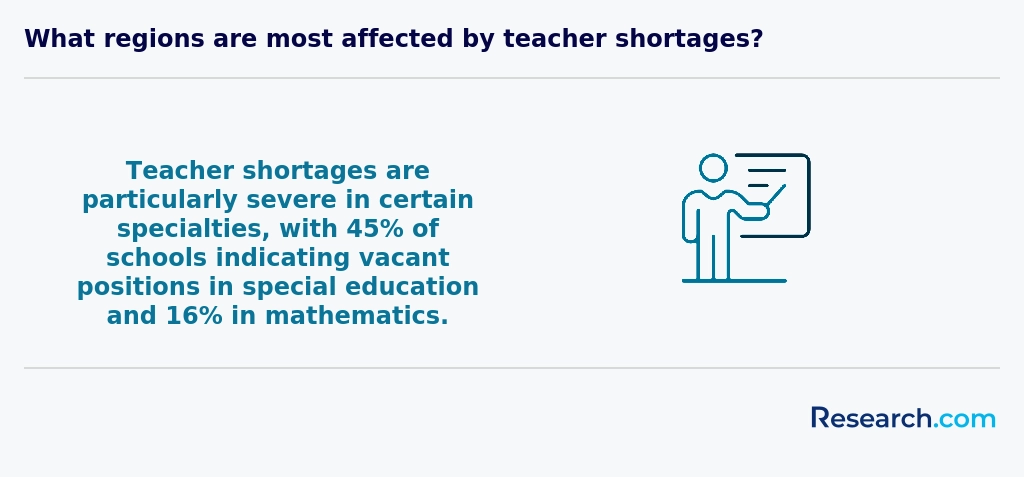
Teacher shortages in areas such as special education and STEM present opportunities for new educators, with the average Michigan teacher salary near $63,000 in 2023 providing a competitive incentive. Many graduates appreciate the flexibility of online programs that align with working professionals' schedules, helping them meet certification requirements while continuing their careers. For those weighing education options, exploring what's the easiest online degree to get? can clarify pathways into teaching and beyond.
Overall, the Michigan job outlook for education graduates is positive, with technology-savvy educators and those with specialized skills particularly well-positioned to secure rewarding roles that offer both stability and growth.
Frequently Asked Questions About education
Students pursuing online education degrees in Michigan can enhance their learning by actively engaging with available digital resources. Michigan State University Extension emphasizes the importance of setting a consistent study schedule to build discipline and ensure steady progress in coursework.
Utilizing virtual libraries and academic databases offered by Michigan colleges helps students access current research and teaching materials. Additionally, joining online discussion groups or study networks can foster collaboration and deeper understanding.
Technical support is vital; many Michigan institutions provide 24/7 help desks to resolve software or access issues quickly.
Finally, students should connect with academic advisors to tailor their degree paths effectively, as Michigan's Higher Education Coordinating Authority recommends to improve graduation rates.
Emerging niches within the education field in Michigan reflect growing demands for specialized skills and evolving learning environments. One significant area is educational technology, which integrates digital tools to enhance learning experiences. Given Michigan's push toward STEM education, many online degrees now focus on training educators in tech-driven classrooms.
Another expanding niche is special education, addressing diverse learner needs with updated strategies. The Michigan Department of Education reports rising demand for professionals skilled in autism spectrum disorder and behavioral intervention support.
Additionally, online master's programs increasingly emphasize leadership and administration, preparing educators for roles in school management and policy development. These areas align with statewide efforts to improve education quality and equity.
Preparing for the job market after earning an online education degree in Michigan involves specific steps to improve employability. First, students should obtain relevant teaching certifications recognized by the Michigan Department of Education, which are often required for K-12 positions. Networking is essential; joining local education associations like the Michigan Education Association can connect graduates to job openings and professional development.
Internships or practicum experiences completed during the degree program provide practical skills and add value to resumes. According to the Michigan Department of Labor, education professionals in the state earn a median annual wage of around $65,000, with continued demand in areas like STEM and special education.
Graduates should also develop strong digital literacy and classroom management skills, as Michigan schools increasingly integrate technology in teaching. Finally, using state-specific job boards and career services provided by online programs can increase chances of securing suitable roles promptly.
Employers in Michigan highly value education degree graduates who demonstrate strong communication and classroom management skills. Effective verbal and written communication is essential for engaging diverse student populations across K-12 settings. Classroom management expertise helps maintain a productive and inclusive learning environment, a frequent challenge reported by Michigan school districts according to the Michigan Department of Education.
Critical thinking and adaptability are also top skills sought by employers. With frequent updates to state standards and curriculum changes, educators must be flexible and innovative in their teaching approaches. The Michigan Association of Intermediate School Administrators emphasizes the need for problem-solving abilities in new teachers to address real-world classroom issues effectively.
Finally, digital literacy has become increasingly important due to the rise of remote and hybrid learning models. Proficiency with educational technology tools and platforms is a key requirement, especially as Michigan schools continue integrating technology post-pandemic.
Finding internships in Michigan related to an education degree involves utilizing multiple resources. Many Michigan school districts and educational organizations offer internships to support teacher preparation and professional development. The Michigan Department of Education website often lists opportunities and partnerships between universities and local schools.
Additionally, official university career centers linked to online education programs can connect students with internship placements tailored to their degree focus. For example, Michigan State University and the University of Michigan provide internship listings and guidance for education students.
Students should also explore job boards like Handshake and specific education-focused platforms. According to the National Center for Education Statistics, Michigan has over 2,000 public schools, offering a wide range of internship possibilities in both urban and rural settings.
Networking through professional organizations such as the Michigan Education Association (MEA) can further expand opportunities. Internships are essential to gaining practical classroom experience, which is required for teacher certification in Michigan.
Obtaining an online education degree in Michigan significantly enhances career mobility and advancement opportunities. According to the Michigan Department of Education, educators with advanced degrees often qualify for higher salary bands and leadership roles within schools and districts. Online programs provide flexible access to these credentials, helping working professionals upgrade skills without relocating.
More than 40% of Michigan's K-12 teachers hold a master's degree or higher, a factor linked to increased eligibility for administrative positions and specialized roles. Additionally, school districts recognize online degree accreditation, ensuring graduates meet state licensure requirements and remain competitive.
The ability to study remotely encourages continuous professional development, a key to promotion in an evolving education landscape. This is particularly valuable as Michigan schools adopt new technologies and curricula that require advanced expertise.
Studying for an education degree in Michigan offers substantial preparation for interdisciplinary roles by exposing students to a broad range of subjects beyond traditional teaching methods. Michigan universities incorporate coursework in psychology, technology, and sociology, encouraging future educators to understand diverse student needs.
Programs often emphasize collaboration and problem-solving, skills essential in roles that intersect education with social services, counseling, and administration. According to the Michigan Department of Education, 65% of online education programs include interdisciplinary practicum experiences that connect theory with real-world challenges.
This approach equips graduates to work effectively in varied settings, from schools to community organizations, reflecting the state's emphasis on holistic education strategies.
Choosing between a thesis and a non-thesis education degree program in Michigan depends largely on your career goals and learning preferences. Thesis programs typically require original research, which can be valuable if you aim for a career in academia or specialized educational roles. Non-thesis options focus more on practical skills and coursework, ideal for professionals seeking leadership or administrative positions in schools.
According to the National Center for Education Statistics, Michigan awarded over 5,000 master's degrees in education in recent years, with a growing number of online program options. Many Michigan institutions, such as Western Michigan University, offer both formats online.
Consider time commitment as thesis programs often require more months to complete due to research and writing, while non-thesis programs may offer faster paths to graduation.
Students in Michigan interested in studying education abroad have several practical options through U.S. universities offering online programs with international components. Many institutions provide virtual study abroad experiences or partnerships with foreign universities, enabling students to earn credits internationally without relocating. Michigan State University, for example, supports global learning through its Education Abroad office, facilitating short-term programs that complement online degrees.
Additionally, students can look for accredited online Master's in Education programs that include global perspectives in their curriculum. According to the Michigan Department of Education, approximately 30% of education students engage in some form of international study or collaboration, highlighting growing interest in global teaching practices.
U.S. federal financial aid generally supports such programs if the host institutions meet accreditation standards. Students should verify transfer credit policies and consult academic advisors to ensure program alignment with Michigan licensure requirements.
Michigan offers several part-time job opportunities that complement education degree studies, particularly for students pursuing online programs. Roles such as teacher assistants, substitute teachers, and tutoring are common options. According to the Michigan Department of Education, teacher assistant positions often require minimal certification and provide practical classroom experience.
Additionally, tutoring services, either independently or through local learning centers, allow students to apply educational theories while earning income. Substitute teaching, especially in districts like Detroit Public Schools Community District, offers flexible schedules suited to part-time learners.
These roles help build classroom management and instructional skills, enhancing resumes for future full-time teaching careers.
Online education students in Michigan have several networking opportunities despite the virtual format. Many universities offer virtual events, webinars, and workshops designed to connect online learners with peers and faculty. For example, institutions like Wayne State University and Michigan State University provide online forums and group projects to encourage professional networking.
In addition, state-wide organizations such as the Michigan Association of State Universities host events accessible to online students. Local education conferences and seminars, often streamed virtually, allow students to build connections within the Michigan education community.
According to the Michigan Department of Education, leveraging these networks can improve job placement and collaboration opportunities for graduates.
Alumni networks play a vital role in supporting online education degree students in Michigan by offering valuable connections and resources. Graduates from Michigan universities frequently participate in these networks, which help current students access mentorship and career advice. According to the Michigan Association of State Universities, strong alumni engagement often correlates with higher job placement rates post-graduation.
These networks provide opportunities for students to connect with professionals working in local school districts and educational organizations. This can lead to internships, job openings, and collaborative projects, enhancing real-world experience.
Additionally, alumni involvement fosters a sense of community, which can be especially important for online students who may feel isolated. This support system contributes positively to student retention and success rates in Michigan's growing online programs.
Customizing an online education degree program in Michigan allows students to align their studies with specific career goals. Many Michigan institutions offer flexible course selections and concentrations, such as curriculum development, special education, or educational leadership. According to the Michigan Department of Education, choosing relevant electives or certifications can boost job prospects in local districts.
Students can also pursue endorsements required for specialized teaching roles, often available entirely online. Programs frequently include practicum or internship opportunities tailored to Michigan schools, providing practical experience that matches individual career paths.
Additionally, some universities collaborate with Michigan school districts, offering pathways for licensure and career advancement. Utilizing academic advisors helps design a degree plan that fits both personal interests and regional employment demands.
Online education students in Michigan face several common challenges, including balancing coursework with work and family responsibilities. According to the Michigan Department of Education, more than 60% of online learners are part-time students, often juggling jobs and childcare.
Connectivity issues also affect some students, especially in rural areas where reliable high-speed internet can be limited. The Federal Communications Commission reports that roughly 12% of Michigan households lack broadband access, impacting online learning quality.
Additionally, students may experience feelings of isolation due to limited face-to-face interaction, which can hinder motivation and engagement. Time management and self-discipline remain key struggles, requiring strong organizational skills to succeed.
With an online education degree from Michigan, graduates can pursue several professional certifications to enhance their careers. The most common is Michigan's Professional Educator Certificate, which qualifies individuals to teach in K-12 public schools. According to the Michigan Department of Education, this certification requires passing the Michigan Test for Teacher Certification.
Additional certifications include endorsements in special education, TESOL (Teaching English to Speakers of Other Languages), and administration. Many online master's programs align their curricula with state certification requirements, facilitating licensure.
Some educators also seek National Board Certification, a voluntary advanced credential recognized nationwide that can improve job prospects and salary.
When applying to an online education program in Michigan, start by thoroughly researching each school's requirements. Many programs, including those at Michigan State University and the University of Michigan, require a bachelor's degree with a minimum GPA, typically around 3.0. Ensure your application highlights relevant academic achievements and work experience in education or related fields.
Write a clear, concise personal statement that explains your motivation for pursuing an online degree and how it aligns with your career goals. Michigan schools value applicants who demonstrate commitment to improving education within the state's communities.
Include strong letters of recommendation from professors or employers familiar with your skills and dedication.
Finally, carefully follow all submission guidelines and deadlines to avoid disqualification.
Globally, education careers are viewed as essential for societal development, with many countries prioritizing teacher training and professional growth. In the United States, and particularly in Michigan, there is a strong demand for qualified educators due to changing demographics and evolving educational standards.
According to the Michigan Department of Education, the state expects a steady increase in education job openings, particularly in special education and STEM fields, through 2030. This reflects a global trend emphasizing specialized skills and inclusive teaching methods.
Online education degrees from Michigan universities align with these trends by offering flexibility and updated curricula based on national and international research.
Gaining practical experience while pursuing an online education degree in Michigan is essential for career readiness. Many Michigan universities require fieldwork or student teaching hours as part of their curriculum, even for online programs.
Students often complete placements in local K-12 schools or community education settings to meet state licensure requirements. For example, Michigan's Department of Education mandates a minimum number of supervised teaching hours for certification. These experiences provide hands-on learning and networking opportunities.
Additionally, some programs partner with regional schools to facilitate virtual internships or practicum experiences. This helps students apply theory to real classroom challenges without relocating.
According to the Michigan Virtual Learning Research Institute, over 75% of Michigan educators have benefited from online practical training elements in recent years, highlighting its growing integration in teacher preparation.
Choosing the right concentration within an online education degree program in Michigan involves considering your career goals and the state's licensure requirements. Popular concentrations include curriculum design, educational leadership, and special education. Michigan's Department of Education outlines specific certifications tied to these areas, so aligning your choice with credentialing standards is essential.
Research from the Michigan Virtual University highlights that programs emphasizing technology integration are growing due to increasing demand for digital learning expertise. Additionally, the U.S. Bureau of Labor Statistics projects a 5% growth in educational roles statewide through 2031, particularly for those with specialized training.
Assess your interests and check if programs offer field-relevant practicum or internships. This hands-on experience is valuable in Michigan's diverse school environments.
Related Education Rankings for Nearby States
- 2027 Easiest Online Master's in Education Degree Programs Ranking in Ohio
- 2027 Easiest Online Master's in Education Degree Programs Ranking in Indiana
- 2027 Easiest Online Master's in Education Degree Programs Ranking in Wisconsin
- 2027 Easiest Online Master's in Education Degree Programs Ranking in Illinois
- 2027 Easiest Online Master's in Education Degree Programs Ranking in Minnesota
- 2027 Easiest Online Master's in Education Degree Programs Ranking in Pennsylvania
- 2027 Easiest Online Master's in Education Degree Programs Ranking in Kentucky
- 2027 Easiest Online Master's in Education Degree Programs Ranking in West Virginia
- 2027 Easiest Online Master's in Education Degree Programs Ranking in Iowa
- 2027 Easiest Online Master's in Education Degree Programs Ranking in Missouri
Top Trending Education Rankings
See What Experts Have To Say About Studying Education
Read our interview with Education experts

Nooshan Ashtari
Education Expert
Professor & Book Author
University of Southern California

Alan J. Singer
Education Expert
Professor of Teaching, Learning and Technology
Hofstra University

References
- Online Teaching Jobs | Elevate K-12 https://www.elevatek12.com/online-teaching-jobs/
- 10 Reasons Why Education Helps to Advance Your Career - Insight Training https://insight.edu.au/blog/career-advancement-through-education/
- Can Higher Education Improve Long-Term Career Success https://studysphereadvisors.com/how-higher-education-influences-long-term-career-growth/
- How To Write A Great Cover Letter For Teacher Training - Engage Education https://engage-education.com/blog/how-to-write-a-great-cover-letter-for-teacher-training/
- Is a thesis always mandatory in a master's degree program? - EFMU: The Euler-Franeker Memorial University and Institute https://euler.euclid.int/is-a-thesis-always-mandatory-in-masters-degree-program/
- Online Resources for Michigan Workers Displaced by Pandemic to Boost Skills - SEMCA Michigan Works! https://semcamiworks.org/return-to-work-playbook/
- Putting theory into practice: The value of an interdisciplinary approach to teaching https://my.chartered.college/impact_article/putting-theory-into-practice-the-value-of-an-interdisciplinary-approach-to-teaching/
- 5 Tips on Choosing the Right Course or Study Program - Edunation https://www.edunation.co/5-tips-on-choosing-the-right-course-or-study-program/
- Why Is Education Important in Your Career Advancement? - KWSP Malaysia https://www.kwsp.gov.my/en/w/article/career-advancement
- Pricing https://michiganvirtual.org/students/pricing


