
2027 Easiest Online Master's in Education Degree Programs Ranking in Wisconsin

Co-Founder and Chief Data Scientist
If you're considering advancing your career with a master's degree in education, this article is here to guide you. We present the 2027 Easiest Online Master's in Education Degree Programs Ranking in Wisconsin, created by the Research.com team of data scientists to help you find programs that fit your needs and lifestyle.
Choosing the right program can feel overwhelming, but reading this ranking makes it easier to compare your options confidently. Investing in an education degree opens doors to new opportunities and personal growth, all from the comfort of your home.
Key benefits of getting online education degree in Wisconsin
- Graduates with an education degree in Wisconsin can earn competitive salaries, such as Education Managers averaging $129,330 annually and Education Program Managers earning about $104,920 annually, providing strong financial stability.
- Career options are diverse, ranging from roles like Curriculum Specialist and Higher Education Professor to Education Consultant, offering rewarding opportunities to make a positive impact in schools and communities.
- Online education degrees from reputable Wisconsin schools offer flexibility and convenience, allowing students to learn at their own pace while balancing work or family, making career advancement more accessible and enjoyable.
- Key benefits of getting online education degree in Wisconsin
- What can I expect from online education degree in Wisconsin?
- Where can I work with online education degree in Wisconsin?
- How much can I make with online education degree in Wisconsin?
- 2027 Easiest Online Master's in Education Degree Programs Ranking in Wisconsin
- Key Findings
- How long does it take to complete online education degree in Wisconsin?
- Tips for Online Education Success in Wisconsin
- What's the difference between online and on-campus education degree?
- Licensure and Certification
- What is the average cost of online education degree in Wisconsin?
- Accreditation and Licensure
- What financial aid is available to online education degree students in Wisconsin?
- Student Support and Resources for Online Education Students in Wisconsin
- What are the prerequisites for enrolling in online education degree program in Wisconsin?
- Accreditation and Program Quality Assurance
- What courses are typically in online education degree programs in Wisconsin?
- What types of specializations are available in online education degree programs in Wisconsin?
- How do you choose the best online education degree in Wisconsin?
- What career paths are available for online education degree students in Wisconsin?
- What is the job market for online education degree in Wisconsin?
- Related Education Rankings for Nearby States
- Top Trending Education Rankings
- See What Experts Have To Say About Studying Education
What can I expect from online education degree in Wisconsin?
The average cost of an online education degree in Wisconsin typically ranges from $10,000 to $25,000, depending on the institution and program level. For example, graduates from UW-Milwaukee often share how the in-state tuition rates helped them manage costs effectively while balancing work and study. Similarly, UW-Whitewater students find value in affordable pricing paired with flexible schedules, making it easier to stay financially stable throughout their program.
Most programs offer competitive tuition compared to national averages, which is a significant relief for many working educators. Financial aid, scholarships, and employer tuition reimbursement frequently ease the burden further. One former student recalls how leveraging employer support allowed them to complete their master's without overwhelming debt, turning their investment into a rewarding career boost.
Considering the diverse options available, it's practical to research specific universities early. Planning for tuition alongside work commitments ensures you can focus on learning while handling costs confidently-a common positive experience reported by many Wisconsin education graduates.
Where can I work with online education degree in Wisconsin?
Graduates with an online education degree in Wisconsin typically find work as K-12 teachers across public schools, where demand remains steady due to over 430,000 enrolled students statewide. Many graduates from University of Wisconsin System campuses share they quickly secure roles teaching high-need subjects like special education or STEM, bringing a strong sense of fulfillment from directly impacting local youth.
Others transition into administrative roles such as educational coordinators or curriculum specialists. For instance, graduates have reported that working in school districts within the Madison or Milwaukee areas offers clear paths to leadership, supported by a projected 7% job growth in these positions through 2030.
Online education degrees also enable employment in higher education support at community colleges, where advisors and instructional designers help shape student success. Many grads appreciate the flexibility and creative input these roles allow, often citing experiences at colleges like Milwaukee Area Technical College.
Nonprofits and private tutoring centers also recruit education graduates to design programs and provide support. Working with organizations like United Way of Wisconsin, former students gain rewarding community outreach experience while improving local education access.
Salary ranges vary: starting as a public school teacher may bring a median income of $62,000 annually, while administrative or specialized positions offer higher earning potential, making these degree paths both meaningful and practical in Wisconsin.
How much can I make with online education degree in Wisconsin?
Graduates with an online education degree in Wisconsin can expect competitive earning potential, especially when leveraging opportunities from reputed institutions like the University of Wisconsin or Edgewood College. For example, a typical education manager earns a mean annual wage of about $129,330, reflecting leadership roles that experienced graduates may pursue.
Many graduates start in roles such as curriculum specialists, earning around $77,200 annually. Those who focus on coordinating educational programs often reach mean salaries near $104,920 as they gain experience and take on administrative responsibilities. Higher education professor roles command an average salary of $96,570, offering a pathway for grads interested in academic careers.
By engaging actively with their Wisconsin education networks and obtaining certifications, graduates have increased their salaries by 5-15%, echoing stories from those who studied online but applied lessons in urban districts like Milwaukee or Madison. Practical experience combined with education credentials can make these salary figures a realistic target within a few years of entry-level work.
2027 Easiest Online Master's in Education Degree Programs Ranking in Wisconsin
How do we rank schools?
Investing in your education is a significant decision that can shape your future, and the Research.com team understands the importance of making informed choices. To assist prospective students in Wisconsin, we have meticulously crafted the "2027 Easiest Online Master's in Education Degree Programs Ranking in Wisconsin." Our commitment to quality, credibility, and accuracy is reflected in the extensive research and analysis conducted to compile this ranking.
We utilized the following reputable data sources to ensure a comprehensive evaluation of education programs:
By exploring this ranking, readers will gain valuable insights into the most accessible online master's programs in education within Wisconsin, empowering them to make informed decisions about their academic and professional futures. For more details on our methodology, please visit our Research.com methodology page.
# 1 position
Concordia University Wisconsin
Master of Literacy--Reading Teacher or Reading Specialist Licensures (DPI #1316 & DPI #5017)


Key Findings
- Wisconsin offers accredited online education programs including bachelor's, master's, and certification options aligned with state licensure requirements.
- Average tuition for a master's degree in education ranges from $10,000 to $25,000, with public universities generally more affordable for in-state students.
- Demand is high for licensed teachers in special education, STEM, and early childhood education, with starting salaries around $44,000 annually.
- Experienced teachers can earn median salaries of $60,000 or more, especially in well-funded districts or specialized roles.
- Graduates must pass Wisconsin's Foundations of Reading and Praxis tests for certification, which many programs prepare students to take.
How long does it take to complete online education degree in Wisconsin?
Completing an online education degree in Wisconsin generally takes between 18 months and three years for a master's, depending on how you pace your studies and balance other commitments. For instance, a graduate from the University of Wisconsin's online education program finished within two years by taking a steady 9 to 12 credits each semester as a full-time student. On the other hand, a part-time student from another popular institution, like Carroll University, stretched their coursework across three years to manage work and family alongside classes.
Those eager to finish faster can take advantage of accelerated options available at some Wisconsin colleges, completing their degree in as little as 12 to 18 months by enrolling in extra courses and summer sessions. Balancing practicum requirements alongside coursework can be challenging, but many graduates found the coordinated scheduling at their school especially helpful to stay on track.
For bachelor's degrees, full-time study typically spans four years, though degree completion programs at schools like Marian University can shorten this to about two years if you already have college credits. This flexibility helps students tailor their path and keep motivation high throughout.
Tips for Online Education Success in Wisconsin
Succeeding in an online Education program requires strategic planning and dedication. Start by establishing a dedicated study schedule that mirrors a traditional classroom routine, ensuring you balance coursework, personal commitments, and professional responsibilities. It’s essential to take advantage of digital tools and online resources-like interactive webinars, discussion forums, and virtual tutoring sessions-to enhance your learning experience. Building a robust network with peers and faculty can also provide lasting support long after graduation. Moreover, consider opportunities at an affordable education school in wisconsin to not only reduce financial pressure but also to benefit from community-driven academic support. Lastly, continually set clear academic goals and actively seek feedback to refine your learning approach, ensuring that you remain focused and motivated throughout your program.
What's the difference between online and on-campus education degree?
Online and on-campus education degrees in Wisconsin differ mainly in flexibility and experience. Graduates from University of Wisconsin programs often share how online courses allowed them to balance family and work, accessing lectures on their schedules without commuting. This asynchronous structure fits busy lives but demands strong self-discipline and reliable internet.
In contrast, students attending on-campus programs at institutions like Marquette University benefit from direct interaction with professors and peers. They gain hands-on experience through classroom observations and practicum placements essential for teaching licensure. This face-to-face environment fosters networking and immediate access to campus resources like libraries and study groups.
Both paths offer accredited degrees recognized across the state. Tuition costs are similar, yet online learners save thousands on housing and commuting, easing financial pressures. Choosing between these paths depends on your need for flexibility versus on-site engagement-practical considerations that Wisconsin education graduates emphasize when reflecting on their success.
Licensure and Certification
Completing an online master’s in education in Wisconsin often leads directly to state teaching certification if you follow these steps:
- Enroll in a CAEP-accredited program approved by the Wisconsin Department of Public Instruction (DPI).
- Fulfill all required coursework, practicum hours and supervised student teaching.
- Pass the Wisconsin Foundations of Reading Test and the edTPA or applicable Praxis exams.
- Submit your application, official transcripts and fee to DPI for the Initial Educator License.
- Renew and advance your license by completing continuing education or additional endorsements every five years.
For educators exploring related graduate pathways, check out the most affordable online library degree programs.
What is the average cost of online education degree in Wisconsin?
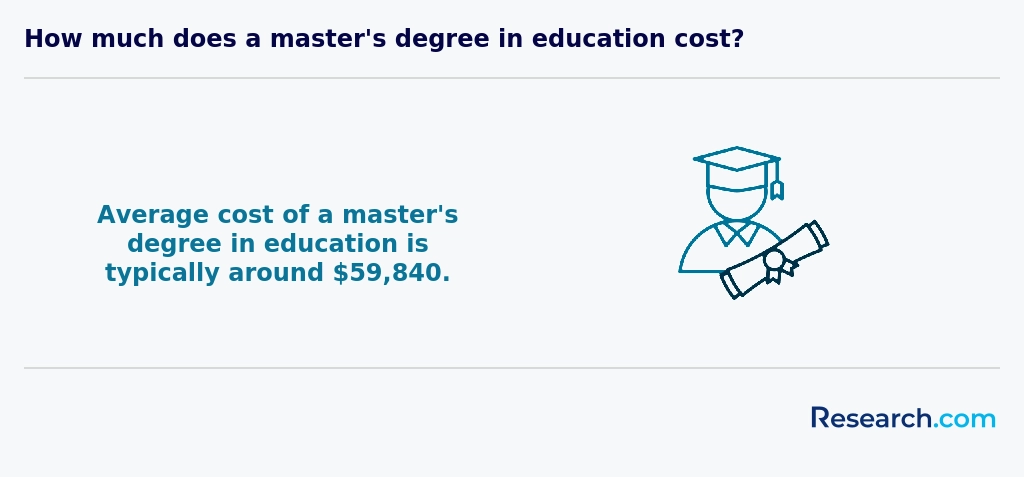
The average cost of an online education degree in Wisconsin typically centers around $14,895, reflecting a balance between in-state and out-of-state tuition rates. Graduates from well-known institutions such as the University of Wisconsin system often share how the affordability of these programs made it possible to pursue their goals without excessive financial strain. Public universities in Wisconsin tend to offer tuition that is more budget-friendly compared to private schools, which sometimes surpass $20,000 for the full program.
For most online master's degrees in education, the credit hours required usually range from 30 to 40, making it essential for students to carefully evaluate tuition and fees. Many learners appreciate that these programs also come with additional expenses such as technology use and course materials, but financial aid options often help offset these costs.
When planning for the tuition and fees for online master's in education Wisconsin programs, prospective students should also account for supplies like books and software, which can add to the overall expense. A number of graduates from popular Wisconsin colleges highlight the value of comprehensive support services and expert faculty in enhancing their educational experience despite moderate tuition.
To find the most suitable fit, consider exploring options through resources like this affordable education school in wisconsin guide, which can help identify economical programs that align with your personal and financial needs.
Accreditation and Licensure
Accreditation confirms program quality and eligibility for Wisconsin teaching credentials.
- Accredited by CAEP or approved by Wisconsin’s Department of Public Instruction to meet state licensure requirements
- Ensures seamless credit transfer and recognition by school districts across Wisconsin
- Aligns coursework with state exam and practicum prerequisites for initial and advanced teaching licenses
- Participation in federal aid programs and employer tuition reimbursement can reduce your net cost
- For additional cost-effective options, see our list of easy online degrees
What financial aid is available to online education degree students in Wisconsin?
Completing the FAFSA is the first crucial step for Wisconsin students pursuing online education degrees to access federal aid like Pell Grants and subsidized loans with manageable repayment terms. Graduates from the University of Wisconsin-Madison often mention how this aid was vital in bridging tuition costs that ranged widely but averaged $15,000 to $30,000 for master's programs.
State grants through the Wisconsin Higher Educational Aids Board (HEAB) also provide important support. While typically geared toward on-campus students, some online programs at institutions like UW-Milwaukee qualify, making it worth checking eligibility carefully.
Many Wisconsin colleges, including UW-La Crosse, offer scholarships specifically for education majors. These scholarships often require maintaining a good GPA or agreeing to teach in Wisconsin public schools after graduation, helping students reduce debt and feel rewarded by giving back.
Employer tuition reimbursement programs are another practical option. Several Wisconsin school districts encourage current educators to upskill with online degrees by covering part or all of the tuition, making career advancement feel achievable and supported.
Finally, joining organizations such as the Wisconsin Education Association Council (WEAC) can unlock exclusive scholarships and grants, creating community connections that boost both funding and motivation.
Student Support and Resources for Online Education Students in Wisconsin
Online education can feel isolating without the right support infrastructure, so Wisconsin institutions have developed comprehensive services to help you stay on track and succeed. From 24/7 technical assistance to personalized academic advising, prospective and current students benefit from a range of resources designed specifically for remote learners. For example, those exploring an early childhood education online degree program can access specialized webinars on child development, sample lesson plans, and digital toolkits for classroom management. Key support services typically include:
- Dedicated Academic Advisors: One-on-one sessions to plan course schedules, discuss career goals, and navigate program requirements.
- Online Library Access: Remote borrowing, interlibrary loans, and curated collections of peer-reviewed journals in education, instructional design, and leadership.
- Writing and Tutoring Centers: Virtual drop-in hours and appointment-based help with research, citation styles, and assignment feedback.
- Technical Help Desk: Round-the-clock troubleshooting for learning management systems, video conferencing platforms, and mobile learning apps.
- Career Services and Networking: Virtual job fairs, résumé workshops, and alumni panels that connect you with Wisconsin education professionals and district hiring managers. These support structures not only enhance your learning experience but also improve retention and completion rates. By leveraging these resources, online educators in Wisconsin can build meaningful connections, develop professionally, and gain the confidence needed to excel both in the virtual classroom and beyond.
What are the prerequisites for enrolling in online education degree program in Wisconsin?
To enroll in an online education degree program in Wisconsin, you'll first need a bachelor's degree from an accredited school. Graduates from universities like the University of Wisconsin-Madison emphasize that having this solid academic foundation made the transition to graduate studies smoother and more confident.
Most programs expect a minimum GPA around 3.0, but some allow slightly lower scores if supplemented by strong professional references or relevant work experience. Practical examples include graduates who successfully leveraged their teaching experience at local schools to strengthen their applications at institutions such as Marquette University.
If you aim for a master's specializing in fields like educational leadership or special education, prior experience in classrooms or a teaching license often proves essential. Many Wisconsin program alumni report this background helped them immediately connect theory with real-world practice, enhancing their learning journey.
Additional requirements often include submitting transcripts, letters of recommendation, and a clear statement of purpose. While GRE tests are rarely mandatory, some competitive programs may still ask for them. These steps collectively ensure you're prepared for the challenges ahead in Wisconsin's respected online education programs.
Accreditation and Program Quality Assurance
Ensuring that your online Master’s in Education program is accredited is crucial for credit transfer, federal financial aid eligibility, and employer recognition. In Wisconsin, look for programs accredited by the Higher Learning Commission (HLC) and endorsed by professional bodies such as the Council for the Accreditation of Educator Preparation (CAEP) or the National Council for Accreditation of Teacher Education (NCATE). Accredited programs typically offer:
- Rigorous curriculum aligned with state teaching standards
- Qualified faculty holding terminal degrees and active classroom experience
- Regular program reviews, outcome assessments, and continuous improvement plans
- Eligibility for state licensure and advanced certifications Before applying, verify accreditation status via the U.S. Department of Education’s Database of Accredited Postsecondary Institutions and Programs. Additionally, explore opportunities for specialized accreditation-such as CAEP for teacher preparation or NCATE for educational leadership-to ensure the highest quality of instruction and support. For those considering further study beyond Wisconsin, compare affordability and accreditation of doctoral programs in neighboring regions by visiting our Inexpensive Online Doctorate in Education Degree Programs Ranking in the Northeast.
What courses are typically in online education degree programs in Wisconsin?
When pursuing an online education degree in Wisconsin, you'll typically start with core courses that build a strong foundation. Graduates from popular programs at schools like the University of Wisconsin-Madison recall how Educational Psychology helped them understand student behavior, making classroom challenges easier to handle. Curriculum Design and Instruction courses guide you through practical lesson planning, much like creating tailored content for a virtual classroom at Marquette University.
Assessment and Evaluation classes teach you to use real data to improve student learning outcomes, a skill graduates valued when reflecting on their student teaching experiences. Classroom Management courses offer strategies to create respectful, productive environments-something many Wisconsin State graduates found essential for daily teaching success. Finally, Educational Technology coursework equips you with tools to engage students remotely, a vital skill praised by recent alumni navigating hybrid teaching settings.
Specializations like special education or administration add focused knowledge, ensuring your degree aligns with Wisconsin's state licensure requirements and real classroom demands.
What types of specializations are available in online education degree programs in Wisconsin?
Wisconsin's online education degree specializations cover practical areas to match varied career paths in education. Many students from popular colleges in Wisconsin appreciate how specializations like Curriculum and Instruction equip them with hands-on strategies to enhance classroom engagement, whether teaching elementary or secondary grades. Graduates often share how these focused skills helped them quickly adapt and see success in their classrooms.
Another sought-after area is Educational Leadership and Administration, tailored to those aiming for roles such as principals or district leaders. Wisconsin universities align their online programs with Department of Public Instruction standards, smoothing the transition for graduates into licensure and leadership positions. Graduates of these programs often highlight the balance of theory and real-world leadership challenges covered online.
Students also turn to specializations like Special Education, which prepares them to support students with diverse needs according to Wisconsin's strong inclusion policies and federal IDEA guidelines. Others explore educational technology, reading and literacy, or school counseling to meet various classroom and student needs.
For example, a graduate balancing work and family praise the flexibility of a Wisconsin online education program that includes options like an early childhood education online degree, reinforcing how these focused paths fit real life. This practical approach resonates with many planning their educational futures.
How do you choose the best online education degree in Wisconsin?
Start by verifying the accreditation of the online education degree program you're considering in Wisconsin. Many graduates from well-known institutions like the University of Wisconsin system emphasize how regional accreditation and CAEP approval gave them confidence their degree would be respected by employers and meet licensure requirements. Considering the affordable online master's in education Wisconsin offers, checking tuition and fees upfront helps manage your budget effectively. Graduates often praise programs that allow part-time enrollment, which fits well with balancing work and family life without overwhelming stress.
Look at course delivery methods to match your schedule-most programs include asynchronous options, letting you study at your own pace. However, be aware that practicum or student teaching might require occasional travel to local schools. Wisconsin schools that offer flexible scheduling ease these logistics, boosting job readiness. Many graduates recommend focusing on specializations in demand locally, such as special education or STEM, to increase employment chances.
Use resources like the Wisconsin Department of Public Instruction site for insights on teacher demand. You might also explore the Inexpensive Online Doctorate in Education Degree Programs Ranking in the Northeast for extended options. This thorough planning helped many graduates find programs that suited their needs and opened doors to satisfying careers in Wisconsin education.

What career paths are available for online education degree students in Wisconsin?
Graduates with an online education degree in Wisconsin often pursue teaching and education jobs Wisconsin demand, such as becoming licensed teachers in elementary, secondary, or special education. Many graduates from institutions like the University of Wisconsin-Madison report the satisfaction of stepping into classrooms prepared with strong, practical skills that meet state certification requirements. These roles allow graduates to contribute directly to student success, especially in high-demand areas like STEM and bilingual education.
Others take advantage of advanced online programs from colleges such as Edgewood to move into educational leadership roles, including school principals or curriculum coordinators. These positions require additional credentials, but graduates appreciate the flexibility of online master's degrees that enable them to keep working while advancing their careers. Another route includes roles outside traditional classrooms, like educational technology specialists or corporate trainers.
For those weighing financial and career outcomes, graduates often explore money making majors that combine education with other interests. Online education degree careers in Wisconsin offer versatile options suited to varied professional goals and lifestyles.
What is the job market for online education degree in Wisconsin?
The job market for those with an online education degree in Wisconsin remains robust, with about 6,000 teaching positions opening annually. Graduates from popular institutions like the University of Wisconsin or Marquette University often find opportunities in K-12 teaching, administration, or curriculum development. These roles respond directly to steady retirements and regional student growth, making the demand consistent for new educators.
A graduate recently shared how completing an online program not only fit their busy schedule but also prepared them for Wisconsin's rigorous licensure process, which combines state-approved coursework and exams. The relative affordability of online degrees at Wisconsin's public universities, typically costing $10,000 to $20,000 for a master's, adds to this program's appeal.
For those considering where to specialize, the Wisconsin job market for education graduates is promising in roles like educational leadership and special education. The state's competitive salaries, ranging from $55,000 for teachers to over $80,000 for administrators, help graduates feel confident about their investment. For a broader perspective on career earnings, consider exploring the best paying master's degrees.
Frequently Asked Questions About education
Students pursuing online education degrees in Wisconsin can maximize their learning by actively engaging with course materials and participating in virtual discussions. Research shows that learners who dedicate scheduled time daily to study tend to complete programs faster and with higher grades.
Utilizing resources from the Wisconsin Technical College System and the University of Wisconsin's online libraries can enhance understanding and provide access to scholarly articles. Additionally, networking with peers through online forums and study groups helps replicate the collaborative environment of traditional classrooms.
Given Wisconsin's diverse student population, learners benefit from seeking faculty feedback promptly and taking advantage of academic advising services. According to the Wisconsin Department of Public Instruction, students who frequently communicate with instructors report stronger academic outcomes in online education.
Emerging niches in the education field reflect shifts in society and technology, creating new opportunities for educators in Wisconsin. One growing area is educational technology, focusing on integrating digital tools into teaching and learning environments. According to the Wisconsin Department of Public Instruction, districts increasingly seek specialists who can design, implement, and assess tech-driven curricula.
Another developing niche is special education, where demand for professionals skilled in supporting diverse learners remains strong. The state reports a steady rise in the number of students with individualized education programs (IEPs), emphasizing the need for trained educators.
Additionally, leadership roles in education administration are expanding, driven by schools' evolving management challenges. Online master's programs in Wisconsin frequently emphasize these specialties to prepare graduates for these in-demand careers.
After completing an online education degree in Wisconsin, preparing for the job market involves several strategic steps. First, familiarize yourself with the Wisconsin Department of Public Instruction's licensing requirements if you plan to teach in public schools. Most teaching positions require a valid license, which includes passing specific exams and completing a background check.
Networking is also critical. Joining professional organizations like the Wisconsin Education Association Council (WEAC) can connect graduates with job openings and mentorship opportunities. Additionally, leveraging online job platforms focused on Wisconsin education can increase your reach.
Continuing professional development is important as well. Schools often look for candidates who engage in workshops or additional certifications. According to the Bureau of Labor Statistics, Wisconsin's demand for education professionals is expected to grow steadily, making timely preparation essential.
Employers in Wisconsin seek education degree graduates who demonstrate strong communication and classroom management skills. According to the Wisconsin Department of Public Instruction, effective communication is critical for fostering student engagement and collaboration with parents and colleagues.
Adaptability is another key skill, as educators must address diverse learning needs and integrate technology in classrooms increasingly reliant on digital tools. The Wisconsin Technical College System highlights critical thinking and problem-solving as essential for creating inclusive lesson plans and overcoming educational challenges.
Additionally, knowledge of state education standards and assessment methods reliably boosts employability. Leadership and teamwork abilities are important for contributing to school improvement initiatives, with over 70% of Wisconsin school districts valuing these traits highly. These skills prepare graduates to meet the demands of modern educational environments.
Finding internships in Wisconsin related to an education degree involves strategic research and networking. Many universities in the state, such as the University of Wisconsin system, offer dedicated internship resources that connect students to local schools and educational organizations. According to the Wisconsin Department of Public Instruction, internships provide practical experience that complements academic learning.
Students should explore partnerships between their online programs and nearby school districts, where hands-on teaching experiences are often available. Additionally, career services offices or online platforms like Handshake can list education internships statewide.
Volunteering in community programs or tutoring services can also lead to formal internship opportunities. Building contacts with educators and administrators in Wisconsin schools enhances chances of securing meaningful placements.
In Wisconsin, earning an online education degree can significantly enhance career mobility and advancement opportunities. According to the Wisconsin Department of Public Instruction, having an advanced degree is often a prerequisite for promotions, especially for leadership roles in schools. Online degrees provide flexibility, allowing working educators to continue professional development without interrupting their careers.
Data from the U.S. Bureau of Labor Statistics shows that educators with master's degrees in Wisconsin earn about 20% higher salaries on average compared to those with only bachelor's degrees. Additionally, many school districts in Wisconsin recognize online degrees accredited by regionally accepted bodies, ensuring graduates remain competitive for new roles.
By expanding qualifications through online programs, Wisconsin educators can access a broader job market, including administrative and specialized instructional positions. This versatility is essential in a state where education standards continue to evolve and demand for skilled teaching professionals grows.
Studying for an education degree in Wisconsin offers strong preparation for interdisciplinary roles by emphasizing collaboration across different fields. Wisconsin's online programs often integrate coursework that combines education theory, psychology, technology, and leadership.
Many universities incorporate practical training and research methods that equip students to work with diverse populations and adapt to various educational settings. According to the Wisconsin Department of Public Instruction, nearly 30% of educators engage in roles that require skills beyond traditional teaching, such as curriculum design, counseling, or administrative duties.
These programs emphasize adaptive problem-solving and communication, vital for working in teams with health professionals, social workers, or policymakers. This reflective approach aligns well with evolving demands in education within Wisconsin and nationwide.
Choosing between a thesis and a non-thesis online education degree program in Wisconsin depends largely on your career goals and learning preferences. Thesis programs often require original research and a formal thesis paper, suited for students aiming for doctoral studies or research-focused roles.
Non-thesis programs typically emphasize coursework and practical skills, appealing to those seeking immediate application in schools or education administration. According to the Wisconsin Department of Public Instruction, many educators in the state pursue non-thesis programs to meet licensure requirements efficiently.
Additionally, thesis programs may take longer to complete and demand strong research skills, while non-thesis degrees usually have shorter durations.
Students in Wisconsin interested in studying education abroad have several avenues to consider within the U.S. higher education system. Many Wisconsin universities with education programs partner with international institutions to offer study abroad opportunities, often integrated into online or hybrid degree options. For example, the University of Wisconsin system frequently supports global teaching experiences through exchange programs or summer abroad components.
Additionally, online master's programs in education often include global education courses that prepare students for teaching in diverse cultural contexts without leaving Wisconsin. The Wisconsin Department of Public Instruction reports that over 65% of educators in the state pursue continuing education, reflecting openness to innovative programs including international focus.
While direct enrollment in foreign universities is rare for Wisconsin students due to state licensure requirements, many leverage affiliated partnerships to gain international experience while earning an accredited degree. This combination of online study and abroad exposure provides flexibility and global perspective suited to modern educators.
Part-time job opportunities in Wisconsin that can complement the pursuit of an online education degree often involve roles in tutoring, teacher assistance, and childcare. Given Wisconsin's strong focus on education, students frequently find positions as paraprofessionals or after-school program aides. These roles provide hands-on experience with children and curriculum management, reinforcing classroom theories.
According to the Wisconsin Department of Public Instruction, paraprofessional positions in the state are expected to grow by 5% through 2030, reflecting steady demand. Additionally, tutoring roles-both in-person and online-allow education students to apply instructional strategies while maintaining flexible schedules.
Other relevant opportunities include substitute teaching and educational program coordination within community centers, which can broaden practical insights. These jobs not only supplement income but also strengthen resumes, enhancing employability after graduation.
Online education students in Wisconsin have several networking opportunities despite their remote study mode. Many universities offer virtual events, such as webinars and discussion groups, specifically designed to connect online students with peers and faculty. For example, the University of Wisconsin System hosts online career fairs and professional development workshops statewide.
Local professional organizations, including the Wisconsin Education Association Council, provide online memberships where students can engage with educators across the state. Participation in these groups can lead to mentorships and job leads.
Additionally, platforms like LinkedIn are widely used by Wisconsin students to build connections with alumni and regional education professionals. According to the Wisconsin Department of Public Instruction, over 50% of educators in the state engage in professional networking annually, suggesting strong opportunities for online students to join active communities.
Alumni networks offer significant benefits to students pursuing online education degrees in Wisconsin. These networks connect current students with graduates who have firsthand experience in the Wisconsin education system. They provide mentorship, career advice, and professional development opportunities that are crucial for career advancement.
In Wisconsin, many universities with online education programs maintain active alumni groups. According to the Wisconsin Alumni Association, these networks often host virtual events, workshops, and job fairs, which help students build local connections despite studying remotely.
Research shows that 85% of graduates who engaged with alumni networks reported improved job prospects within Wisconsin's education sector. This local support is especially valuable in understanding state-specific licensure and employment trends.
Customizing an online education degree program in Wisconsin allows students to tailor their studies to specific career goals. Many universities in the state offer flexible curricula, enabling students to choose specializations like curriculum development, educational leadership, or special education. According to the Wisconsin Department of Public Instruction, such focus areas align well with state licensure requirements.
Students can often select electives and practica that match their professional interests. Some programs also provide options for earning teaching certifications alongside a master's degree. This flexibility helps meet Wisconsin's diverse educational workforce needs, supported by data from the National Center for Education Statistics showing over 7,000 education-related degrees awarded statewide in recent years.
Advising and career services at Wisconsin institutions further assist students in aligning coursework with job market demands, ensuring a personalized education that advances individual goals.
Students pursuing online education degrees in Wisconsin often face challenges related to technology access. While Wisconsin has a broadband coverage rate of approximately 90%, rural areas still struggle with reliable internet connections, which can hinder smooth participation in live sessions or timely submission of assignments.
Time management is another common difficulty. Many online learners balance coursework with work or family obligations, making consistent study habits essential but hard to maintain.
Interaction with peers and instructors can also be limited, impacting collaboration and motivation. According to the Wisconsin Department of Public Instruction, about 30% of online students report feeling isolated during their studies.
Lastly, navigating financial aid and understanding accreditation are frequent concerns for prospective students in the state.
With an online education degree in Wisconsin, graduates can pursue several professional certifications to enhance their careers. The most common certification is the Wisconsin Teaching License, which allows you to teach in public schools across the state. To earn this, candidates must meet state testing and coursework requirements as outlined by the Wisconsin Department of Public Instruction (DPI).
Additionally, many education graduates pursue National Board Certification, a voluntary advanced credential recognized nationwide. This certification helps teachers demonstrate expertise and can lead to higher salaries.
Others seek certifications in specialized areas such as special education, English as a Second Language (ESL), or school counseling, each governed by DPI standards.
Writing a winning application for an online education program in Wisconsin begins with thorough research of the specific school's admission requirements. Many Wisconsin institutions, like the University of Wisconsin system, prioritize applicants with clear career goals and relevant experience in education. Highlight your commitment to teaching or educational leadership by including a well-crafted personal statement that reflects your passion and professional objectives.
Ensure that your academic transcripts demonstrate a strong foundation; Wisconsin's public universities often look for a minimum GPA of 3.0 for graduate education programs. Letters of recommendation from former professors or supervisors familiar with your abilities can significantly strengthen your application.
Additionally, some programs may require GRE scores or proof of prior educational experience. Check each school's requirements carefully to avoid missing components. According to the Wisconsin Department of Public Instruction, demonstrating awareness of state education standards and issues can also set your application apart.
The global perspective on an education career highlights the growing importance of skilled educators in an interconnected world. In the United States, including Wisconsin, teaching is valued not just as a local profession but as a crucial role in supporting global citizenship and cultural understanding.
According to the Wisconsin Department of Public Instruction, over 45,000 licensed teachers work statewide, reflecting a steady demand for qualified educators. Online education degrees in Wisconsin are designed to prepare candidates for diverse classrooms influenced by global trends.
International frameworks like UNESCO's Education 2030 emphasize lifelong learning and digital competency, aspects increasingly integrated into U.S. education programs. For Wisconsin students, an education degree online can build skills for teaching in a globally aware environment while meeting state certification requirements.
Students pursuing an online education degree in Wisconsin can gain practical experience through several key opportunities. Many programs incorporate mandatory fieldwork or practicum components, allowing students to work directly in K-12 classrooms under licensed educators' supervision. Wisconsin's Department of Public Instruction supports such partnerships, ensuring compliance with state licensure requirements.
Additionally, students can engage in virtual internships or collaborate on education research projects with local schools or education-focused organizations. According to the Wisconsin Educational Aids Board, about 75% of education graduate programs emphasize hands-on teaching experiences to prepare candidates effectively.
Finally, joining statewide teacher associations or professional networks can provide valuable workshops, mentorship, and community engagement, further enhancing practical skills during online studies.
Choosing the right concentration within an online education degree program in Wisconsin depends on your career goals and interests. Common focuses include curriculum development, educational leadership, special education, and educational technology. Each addresses different student needs and job markets.
Consider Wisconsin's teacher shortage in special education roles, which may influence your decision. According to the Wisconsin Department of Public Instruction (DPI), demand for special education teachers remains high, offering strong job prospects. Meanwhile, concentrations in educational leadership prepare students for administrative positions, often requiring certification.
Also, analyze whether your chosen concentration aligns with Wisconsin licensure requirements if you plan to work in public schools. Research individual programs for state-approved curriculum and practical components. Many online options provide flexible pacing to balance work and study.
Related Education Rankings for Nearby States
- 2027 Easiest Online Master's in Education Degree Programs Ranking in Minnesota
- 2027 Easiest Online Master's in Education Degree Programs Ranking in Iowa
- 2027 Easiest Online Master's in Education Degree Programs Ranking in Illinois
- 2027 Easiest Online Master's in Education Degree Programs Ranking in Michigan
- 2027 Easiest Online Master's in Education Degree Programs Ranking in Indiana
- 2027 Easiest Online Master's in Education Degree Programs Ranking in Missouri
- 2027 Easiest Online Master's in Education Degree Programs Ranking in South Dakota
- 2027 Easiest Online Master's in Education Degree Programs Ranking in Kentucky
- 2027 Easiest Online Master's in Education Degree Programs Ranking in North Dakota
- 2027 Easiest Online Master's in Education Degree Programs Ranking in Kansas
Top Trending Education Rankings
See What Experts Have To Say About Studying Education
Read our interview with Education experts

Nooshan Ashtari
Education Expert
Professor & Book Author
University of Southern California

Alan J. Singer
Education Expert
Professor of Teaching, Learning and Technology
Hofstra University

References
- Education Study Abroad | CIEE https://www.ciee.org/go-abroad/college-study-abroad/programs/subjects-disciplines/education-study-abroad
- Teaching Job Roles | Teach For Life https://www.teachforlife.com/teachingjobs/global-perspectives-teacher
- How to Gain Real-World Experience While Studying Online | American National University https://an.edu/how-to-gain-real-world-experience-while-studying-online/
- Is a thesis always mandatory in a master's degree program? - EFMU: The Euler-Franeker Memorial University and Institute https://euler.euclid.int/is-a-thesis-always-mandatory-in-masters-degree-program/
- How to Choose a Concentration for Your Master of Education 3 Questions to Consider https://www.aiuniv.edu/degrees/education/articles/how-to-choose-an-education-specialization
- Guide to Online Education Degrees | OEDb.org https://www.oedb.org/rankings/online-education-programs/
- Promising Niches in the Global EdTech Landscape - Blog https://rocketech.it/blog/post/global-edtech-landscape-what-niches-are-the-most-promising
- Skills Employers Look for in Business Graduates – EU Business School https://www.euruni.edu/blog/skills-employers-look-for-in-business-graduates/
- How To Write A Great Cover Letter For Teacher Training - Engage Education https://engage-education.com/blog/how-to-write-a-great-cover-letter-for-teacher-training/
- How to Pick Your Concentration for Your M.Ed. Degree | ACE Blog https://ace.edu/blog/how-to-pick-your-med-concentration/


