
2027 Most Popular Education Degree Programs Ranking in Burlington

Co-Founder and Chief Data Scientist
Choosing the right education degree program can shape your future in meaningful ways. This article presents the 2027 Most Popular Education Degree Programs Ranking in Burlington, crafted by Research.com's team of data scientists to guide you through the best options available.
By exploring this ranking, you'll gain clear insights into programs that align with your goals and passions. Pursuing a degree in education opens doors to rewarding careers, personal growth, and the chance to make a real difference in communities.
Discover which pathways stand out and feel confident taking the next step toward your bright future.
Key benefits of getting education degree in Burlington
- Salary for education degree graduates: Graduates in Burlington can expect rewarding salaries, such as $70,740 for elementary school teachers and $76,000 for special education teachers, offering financial stability and growth.
- Career paths: Education graduates from local universities often pursue diverse roles like instructional designers earning around $77,200 or early childhood educators with salaries near $41,410, allowing for flexible and meaningful careers.
- Online degree benefits: Earning an education degree online in Burlington provides flexible scheduling and often lower costs, enabling graduates to balance work and study effectively while preparing for impactful education careers.
- Key benefits of getting education degree in Burlington
- What can I expect from education degree in Burlington?
- Where can I work with education degree in Burlington?
- How much can I make with education degree in Burlington?
- 2027 Most Popular Education Degree Programs Ranking in Burlington
- Key Findings
- How long does it take to complete education degree in Burlington?
- Emerging Trends and Future Outlook for Education Degrees
- What's the difference between online and on-campus education degree?
- Future Trends in Education Degrees in Burlington, VT
- What is the average cost of education degree in Burlington?
- Most Popular Education Colleges and Their Impact on the Community
- What financial aid is available to education degree students in Burlington?
- Application Process and Key Deadlines
- What are the prerequisites for enrolling in education degree program in Burlington?
- Advanced Career Paths and Doctorate Opportunities
- What courses are typically in education degree programs in Burlington?
- What types of specializations are available in education degree programs in Burlington?
- How do you choose the best education degree in Burlington?
- What career paths are available for education degree students in Burlington?
- What is the job market for education degree in Burlington?
- Top Trending Education Rankings
- See What Experts Have To Say About Studying Education
What can I expect from education degree in Burlington?
Picture yourself walking through the leafy campus of the University of Vermont, where graduates share stories of balancing late-night lesson planning with hands-on classroom time. Here, education degrees are not just about theory-they're about real, boots-on-the-ground experiences that fuel passion and ignite purpose. The cost? For in-state students eyeing this rewarding path, tuition settles around $17,000 a year, making dreams of teaching more attainable than you might expect.
Graduates often recall how this investment felt like planting seeds-nurtured by community connections and rich local school collaborations. The financial commitment translates into immersive student teaching and lively dialogue on equity and inclusion, turning textbook pages into living classrooms. In Burlington, education programs weave together affordability with practical opportunities, crafting educators who feel ready and inspired, not just licensed.
Where can I work with education degree in Burlington?
With an education degree in Burlington, the world of work unfolds like a vibrant tapestry woven through the city's classrooms, campuses, and communities. Imagine stepping into one of the 15 public schools where fresh graduates from the University of Vermont eagerly greet curious K-12 learners, crafting lessons that spark joy and discovery. Or picture graduates at Champlain College, who, fueled by years of academic rigor, take on roles in curriculum design or student advising, quietly shaping future teachers and leaders.
Some graduates find their calling in cozy early childhood centers, guiding tiny hands through foundational play and learning. Others embrace the challenge of special education within Burlington's inclusive schools, transforming barriers into bridges for diverse students. And for those craving flexibility, tutoring and educational technology firms provide stages to innovate and inspire beyond traditional classrooms.
Vocational and adult education programs offer yet another realm, where graduates infuse energy into workforce development. Wherever they land, these education degree holders carry with them pride, purpose, and a spark ignited by Burlington's unique blend of academic opportunity and community spirit.
How much can I make with education degree in Burlington?
Graduates stepping out of Burlington's renowned education programs often find themselves navigating a vibrant spectrum of earnings, tailored by their specialization and ambition. Imagine a fresh graduate securing an elementary school teaching position, basking in an average annual salary around $70,740, gently climbing the ladder as years unfold.
For those with a passion for making a difference in special education, the path sparkles with opportunities at approximately $76,000 a year, reflecting the heartfelt expertise they bring to the classroom. ESL teachers, vital to Burlington's diverse communities, earn roughly $65,430 annually, turning their language skills into both impact and income.
Beyond the classroom, graduates venturing into instructional design enjoy a rewarding career with salaries near $77,200, crafting educational experiences that ripple through schools and colleges. Picture yourself attending a vibrant Burlington college, surrounded by peers who thrive knowing these figures mean not just stability, but a meaningful, growing career shaped by community and innovation.
2027 Most Popular Education Degree Programs Ranking in Burlington
How do we rank schools?
Investing in your education is a significant decision that can shape your future, and the Research.com team understands the importance of making informed choices. To assist prospective students in Burlington, we have meticulously crafted the "2027 Most Popular Education Degree Programs Ranking in Burlington." Our commitment to quality, credibility, and accuracy is reflected in the extensive research and analysis conducted to compile this ranking.
We utilized the following reputable data sources to ensure a comprehensive evaluation of education degree programs:
By exploring this ranking, readers will gain valuable insights into the most popular education degree programs available in Burlington, helping them make informed and confident decisions about their educational paths. For more details on our methodology, please visit our Research.com methodology page.


Key Findings
- Tuition for education degrees in Burlington ranges from $10,000 to $20,000 per year at public institutions and $25,000 to $40,000 at private schools.
- Additional costs include textbooks, supplies, and living expenses, adding several thousand dollars annually.
- Starting salaries for education graduates are between $45,000 and $50,000 annually, with potential increases to $65,000 to $75,000 for experienced educators in leadership roles.
- The job market is stable with steady demand for teachers in elementary, special education, and STEM fields in both public and private schools.
- Licensing in Vermont requires completing an accredited program and passing state certification exams, with local programs often providing support for these steps.
How long does it take to complete education degree in Burlington?
In Burlington, snagging a bachelor's degree in education often feels like embarking on a four-year adventure. Graduates from the University of Vermont recount the blend of classroom hustle, student teaching jitters, and that rewarding moment when theory snaps perfectly into practice. Picture late-night lesson planning mingling with lively campus camaraderie, all bubbling toward certification.
Master's candidates tread a more flexible path-some sprint through in one or two years, driven by focused programs in educational leadership or special education. Others savor a slower pace, stretching studies over three years or more while juggling work and life, embracing the chance to apply learning in real-time. This rhythm reflects the adaptable, busy lifestyles of Burlington's adult learners.
Doctoral aspirants dive deep for four to six years post-master's, navigating research storms and dissertation milestones. They tell tales of exhilaration at unraveling educational mysteries and shaping future policy, fueled by support from Burlington's close-knit academic community.
Local grads agree: external factors like course schedules, internships, and prior credits can speed up or slow down the journey-but the joy of molding the next generation keeps the experience vibrant.
Emerging Trends and Future Outlook for Education Degrees
The landscape of education is rapidly evolving, driven by technological innovation, shifting student demographics, and new pedagogical research. Prospective students should consider how advancements in educational technology-such as AI-driven adaptive learning platforms, virtual reality classroom simulations, and data analytics for personalized instruction-are transforming both teacher preparation programs and K–12 environments. These tools not only enhance student engagement but also equip future educators with cutting-edge skills that are increasingly in demand. Micro-credentials and stackable certificates are reshaping professional development pathways. Rather than pursuing a full master’s degree immediately, many educators now earn short-term credentials in areas like digital literacy, special education strategies, or STEM integration. This flexible approach allows current teachers to upskill between semesters and stay ahead of emerging instructional trends without significant time away from the classroom. As online and hybrid programs become more prevalent, cost and quality remain paramount. Burlington students exploring remote pathways may also wish to compare tuition rates and program structures with other regions. For instance, our Affordable Online Education Degree Programs Ranking in Virginia Beach, VA highlights budget-friendly options that balance affordability with accreditation standards. Staying informed about these trends will help you select a program that not only aligns with your career goals but also prepares you to excel in an education sector defined by innovation and lifelong learning.
What's the difference between online and on-campus education degree?
Imagine two paths to earning your education degree in Burlington-one where you join the buzz of the University of Vermont campus, swapping ideas in lively classrooms, and the other where your study nook is wherever you plug in your laptop, perhaps a cozy corner at home. On-campus students dive into hands-on experiences, soaking up the atmosphere of study halls and library stacks while forming friendships over coffee between lectures. Their days might include walking to student teaching placements, feeling the vibrant pulse of the city in every step.
Online learners, though, craft their academic journey around life's unpredictabilities. Whether juggling family dinners or a midday work break, they embrace flexibility, accessing courses from anywhere in Burlington or beyond. Graduates from Burlington College's online programs often recall the empowerment of self-paced learning, balancing real-world commitments with coursework tailored to them.
Both paths demand that essential student teaching phase, where theory meets practice under Vermont's watchful accreditation eye. Yet, while on-campus candidates enjoy immediate campus camaraderie, online students build virtual networks, turning challenges into bold independence and connection.
Future Trends in Education Degrees in Burlington, VT
As the landscape of teaching evolves, Burlington’s education degree programs are adapting to emerging trends that will shape the next generation of educators. One key development is the rise of micro-credentials and stackable certificates, allowing students to gain targeted skills-such as digital literacy or trauma-informed pedagogy-while completing their traditional degree. This modular approach responds to employer demand for specialized expertise and accelerates time to employability. Another significant trend is the integration of social-emotional learning (SEL) frameworks into curricula. Burlington institutions are increasingly embedding SEL courses that teach future educators how to support student well-being, resilience, and equity. Prospective teachers equipped with these skills will be better prepared to address diverse classroom dynamics and foster inclusive environments. Technology continues to revolutionize pedagogy. Blended and hybrid models, powered by adaptive learning platforms and virtual reality simulations, offer hands-on practice in safe digital environments. For students seeking flexible yet high-quality online pathways, explore our Affordable Online Education Degree Programs Ranking in Virginia Beach, VA to compare cost-effective strategies for remote learning. Finally, climate and sustainability education is gaining traction in Vermont’s schools. Future educators in Burlington can expect specialized coursework on environmental stewardship, preparing them to lead initiatives that connect classroom lessons to local ecosystems. By staying ahead of these trends, graduates will emerge as innovative, resilient, and socially conscious leaders in education.
What is the average cost of education degree in Burlington?
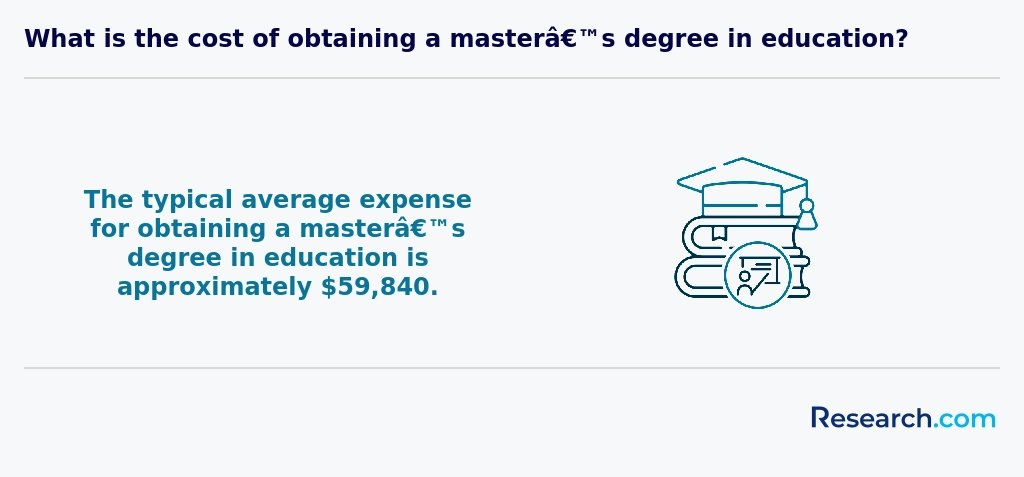
Picture yourself walking through the vibrant University of Vermont campus, where graduates fondly recall their journey fueled by determination and dreams-yet all aware that the average cost of an education degree in Burlington hovers around a median total of $62,730. This figure encompasses tuition and living expenses, painting a realistic picture of what it takes to become a teacher here. For in-state residents, the path is more affordable, with total costs closer to $19,058, a comforting contrast that lets ambition flourish without overwhelming debt.
Many students find the education degree tuition and fees Burlington offers a worthwhile investment, considering the quality of programs and the supportive community waiting on the other side of those lecture halls. Books, housing, and supplies stack up, to be sure-but so do the rich experiences and networking opportunities. Graduates often recount those late-night study sessions and practicum moments as some of the most formative and enriching.
Exploring the most popular education colleges in the region can reveal scholarships and financial aid options that soften the financial weight. Interested students should definitely check out most popular education colleges to navigate the best fit for their goals and budgets.
Most Popular Education Colleges and Their Impact on the Community
Pursuing an education degree from renowned institutions can have a profound impact on one's career and the community at large. To explore the various options available, considering factors such as program offerings, faculty expertise, and campus resources is essential. For those interested in learning more about the most popular education colleges, delving into the specifics of each program can provide valuable insights. Many of these colleges offer specializations in areas like early childhood education, special education, and educational leadership, catering to a wide range of interests and career goals. By choosing an institution that aligns with one's aspirations, individuals can embark on a fulfilling educational journey that prepares them to make a meaningful difference in the lives of students and contribute positively to the community.
What financial aid is available to education degree students in Burlington?
Imagine stepping onto a vibrant Burlington campus, your dreams fueled by the relief of a Pell Grant that doesn't demand repayment, easing the pressure of that $10,940 average tuition for in-state public universities. Graduates from local schools often celebrate the TEACH Grant-a golden ticket for those who pledge to inspire students in high-need classrooms, turning financial aid into a purposeful journey.
Over in Vermont, the Vermont Student Assistance Corporation (VSAC) stands as a steadfast ally, sprinkling scholarships and need-based grants designed specifically for education majors. Many Burlington education students reminisce about the merit-based scholarships from their colleges, which rewarded late-night study sessions and community dedication with crisp relief on tuition bills.
And the buzz doesn't stop there. Public Service Loan Forgiveness transforms a decade of teaching in Burlington's public schools into a future free from student debt, a lifeline praised by many recent grads. To top it off, work-study gigs around campus add cash in hand and hands-on experience, making the dream of teaching not just affordable, but deeply rewarding.
Application Process and Key Deadlines
When you’re ready to apply for an Education degree in Burlington, VT, understanding each step-and its associated timeline-can make the process seamless and stress-free. Most institutions, including the University of Vermont and Champlain College, follow a similar schedule and require the following materials:
- Official transcripts from all postsecondary institutions (and high school for first-time applicants)
- Personal statement or statement of purpose explaining your passion for teaching and how you’ll contribute to the Burlington community
- Two to three letters of recommendation from educators, employers, or community leaders who can speak to your academic potential and commitment
- Standardized test scores (SAT or ACT) if required-verify with each program, as some offer test-optional admissions
- Proof of English proficiency (TOEFL or IELTS) for international applicants Key application deadlines:
- Fall Semester Admission: January 15 (Priority); rolling until August 1
- Spring Semester Admission: October 1 (Priority); rolling until December 1
- Rolling Admission Programs: Accept applications year-round until cohort capacity is reached Tips for a successful application: begin collecting recommendation letters and drafting your personal statement at least three months before the deadline; attend virtual or in-person information sessions to learn program nuances; and verify your financial aid deadlines with the Vermont Student Assistance Corporation (VSAC). For those considering flexible and budget-friendly alternatives, explore our Affordable Online Education Degree Programs Ranking in Virginia Beach, VA to compare tuition and format options. By following these guidelines, you’ll position yourself for a timely review and increase your chances of acceptance into Burlington’s top education programs.
What are the prerequisites for enrolling in education degree program in Burlington?
To step into an education degree program in Burlington, you'll first need that trusty high school diploma or GED, your golden ticket to colleges like the University of Vermont or the bustling local community colleges. Imagine a graduate sharing how their SAT scores opened the door to deeper learning-many Burlington programs ask for standardized tests to make sure you're ready to thrive.
Picture submitting your transcripts, showcasing your solid command of English and math-skills as essential as chalk on a blackboard. A GPA around 2.5 often acts as the academic handshake, reassuring schools you're prepared for the journey ahead.
Then comes the serious part: background checks that echo the trust Burlington places in future teachers working with children. Graduates often recall how letters of recommendation and personal statements painted their passion for education, turning dreams into reality.
And if you're chasing a master's degree, you'll bring your bachelor's badge of honor along, sometimes buttressed by GRE scores or professional experience, preparing you for a classroom of your own someday.
Advanced Career Paths and Doctorate Opportunities
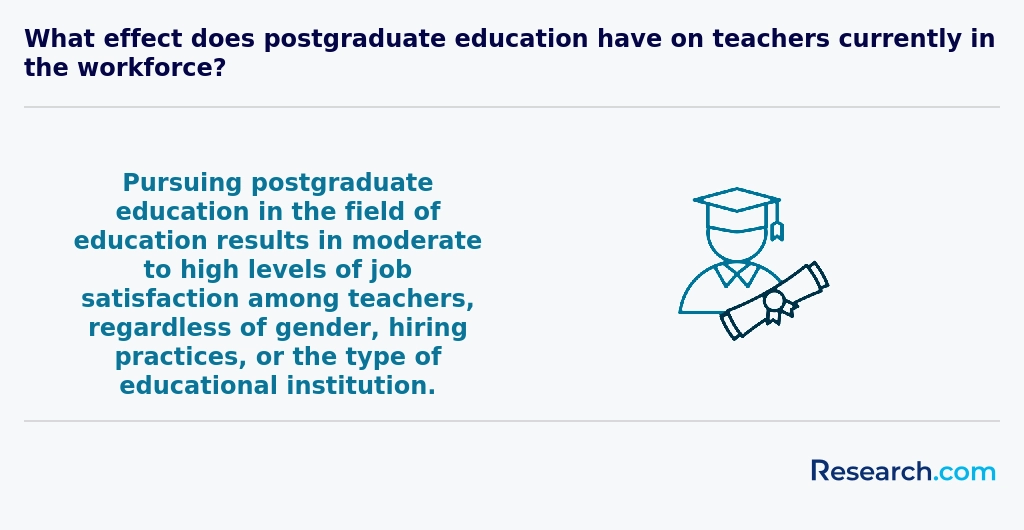
For many education professionals, graduation is just the beginning of an ever-evolving journey toward advanced expertise and leadership in the field. As you build on your foundational degree, exploring postgraduate studies can provide the specialized skills and research acumen needed to influence the future of education. Many ambitious educators consider advancing to a doctorate, particularly an online program that offers flexibility and cutting-edge curriculum. This pathway not only deepens your theoretical knowledge but also equips you with practical strategies to drive innovation in your school or district. Furthermore, pursuing advanced studies can open doors to higher-level administrative roles, policy-making positions, and opportunities to lead impactful research projects. For those interested in further academic advancement, you might explore what is the best online doctorate in higher education program, which offers insights into top-tier programs designed for modern education leaders. Embracing this next step not only enhances your teaching portfolio but also positions you as a thought leader in the dynamic landscape of education.
What courses are typically in education degree programs in Burlington?
Imagine diving into classrooms at a Burlington college, where education degrees blend passion with practice. Graduates often smile recalling tough yet rewarding courses like Foundations of Education, which opened their eyes to the rich history and social currents shaping schools. They describe sitting in vibrant discussions on how education mirrors society's values and challenges.
Core classes such as Child and Adolescent Development felt like unlocking a secret code to understanding youthful minds-learning why a sixth grader suddenly loves science or how emotions fuel classroom energy.
Hands-on courses like Classroom Management and Instructional Strategies had students role-playing teachers, experimenting with ways to spark curiosity and manage lively rooms. Many remember crafting lesson plans in Curriculum Planning and Assessment, imagining themselves guiding real students toward milestones.
At Burlington's universities, education isn't just theory. Graduates highlight the thrill of practicums where tech-savvy tools from Educational Technology classes empower future teachers to innovate and inspire. These courses weave together theory, empathy, and real-life classroom magic that make Burlington's education degrees truly transformative.
What types of specializations are available in education degree programs in Burlington?
Imagine waking up each day at a Burlington college, energized by the possibility of shaping young minds through tailored education degree specializations in Burlington. Graduates from the University of Vermont often reminisce about their days diving deep into Elementary Education, crafting lesson plans that turn math or reading into adventures for eager K-6 learners. Others reflect fondly on their Secondary Education focus, where mastering a subject like science or social studies was coupled with hands-on experiences in local classrooms, making every lesson come alive.
Some find their calling in Special Education, driven by the joy of creating inclusive environments for students with unique learning needs, a path cherished in Burlington's community-focused programs. Early Childhood Education students share stories of exploring developmental milestones and working closely with families, feeling the profound impact of their contributions. And for those stepping into leadership shoes, Educational Leadership and School Counseling specializations offer training that feels both visionary and deeply human, preparing graduates to influence not just classrooms but entire school cultures.
If you're curious about what is the best online doctorate in higher education program, Burlington's options inspire both practicality and passion, reflecting real-world teaching demands while nurturing the heart of education itself.
How do you choose the best education degree in Burlington?
Imagine standing at the crossroads of your future, where choosing the best education degree programs Burlington offers feels like picking the perfect seed to plant in your career garden. Graduates from Burlington's vibrant colleges often recall how selecting a program aligned with their passion for teaching specific age groups or subjects made their journey smoother. This clarity acts like a compass through the maze of options ranging from bachelor's to master's degrees.
Cost shouldn't be the villain in your story. Many turn to public institutions, whose tuition echoes the 2023 national average of about $10,940, blending quality and affordability. Private colleges may feel like a luxury ride with fees soaring above $30,000, but some students find the personalized attention worth every penny. Seeking affordable education degrees in Burlington means balancing your wallet and dreams wisely.
Picture yourself in a bustling classroom through practicums at local schools, embedded in communities that breathe Burlington's educational spirit. Graduates often speak of the invaluable hands-on experience that bridges theory and reality, especially when supported by programs accredited to prepare you well for Massachusetts licensure exams. If you want to extend your search beyond Burlington's borders, explore Affordable Online Education Degree Programs Ranking in Virginia Beach, VA to see alternative routes that might fuel your ambitions.

What career paths are available for education degree students in Burlington?
Graduates with an education degree in Burlington find themselves at a vibrant crossroads of possibilities, from the bustling classrooms of K-12 public schools to the quieter, nurturing spaces of early childhood centers. Those who studied at the University of Vermont often share stories of stepping into elementary schools ready to inspire young minds, thriving in a community where the demand for teaching jobs with education degree Burlington grows with each retiring educator. Others dive into educational support roles-becoming school counselors or coordinators-transforming curriculum and guiding teachers with the same passion that fueled their college projects.
Picture a recent graduate weaving technology and education together in a local nonprofit, or advocating for policy change from behind the scenes; Burlington's landscape invites such innovative career twists. The city's myriad childcare programs also beckon, where early childhood professionals cultivate future generations with warmth and care. For those eager to speed through their academic journey, many tap into accelerated college degrees, gaining momentum toward these fulfilling roles.
What is the job market for education degree in Burlington?
The education degree job outlook in Burlington hums with quiet promise, shaped by local schools and colleges that form the heart of the community. Graduates from well-known institutions often find themselves stepping into roles in public and private schools, or joining higher education faculties, where their passion meets steady demand. Picture a recent graduate from a Burlington college, energized by inclusive teaching philosophies, landing a role designing engaging STEM curriculum for local elementary students-this kind of opportunity blossoms here.
Salary trends underscore this stability; though teachers in Burlington earn around $58,000 annually, grads often start between $40,000 and $45,000, building toward higher earning power as they deepen their experience. The region's unique focus on special education and bilingual teaching creates valuable niches, encouraging careers that feel both fulfilling and impactful.
Considering the costs of studying education in Burlington, which can vary widely, this job market offers careful optimism. For those wondering what's the easiest doctorate to get, progress within the local educational sphere can be rewarding beyond just the paycheck, blending community connection with professional growth.
Frequently Asked Questions About education
Education degree students in Burlington can maximize their learning by actively participating in local schools through internships or student-teaching placements. Burlington-area schools often collaborate with nearby universities, providing practical experience that complements coursework. According to the Vermont Agency of Education, hands-on teaching opportunities improve job readiness by over 30% for education graduates statewide.
Students should also leverage Burlington's educational resources, such as libraries and community centers, for research and networking. Engaging in study groups and joining professional associations, like the Vermont National Education Association, further enhance skills and connections. Consistent use of Burlington's digital learning platforms can support academic success and keep students updated on education trends.
Emerging niches within the education field in Burlington reflect broader national trends emphasizing specialized skills and technology integration. One key area is educational technology, where degrees focus on digital tools to support remote and hybrid learning environments. According to the National Center for Education Statistics, programs incorporating instructional design and technology are growing by over 15% annually.
Another rising niche is special education with a focus on autism spectrum disorder and inclusive classroom strategies, responding to increasing demand for trained professionals in this area. Burlington's local schools report a 12% increase in special education hires in recent years.
Additionally, early childhood education with an emphasis on social-emotional learning is gaining traction, aligning with Massachusetts Department of Education priorities. These niches offer diverse career opportunities in the evolving educational landscape.
After completing an education degree in Burlington, graduates should focus on gaining practical experience to improve job market readiness. Participating in student teaching internships or volunteer opportunities within local schools can provide valuable classroom exposure.
Networking with Burlington-area educators through professional organizations such as the Vermont-NH NEA offers access to mentoring and job openings. According to Vermont's Department of Labor, education roles in the Burlington region are expected to grow about 5% by 2028, highlighting increasing opportunities.
Additionally, earning relevant teaching certifications and preparing a strong portfolio demonstrating lesson planning and classroom management skills can enhance employability. Staying updated on regional salary ranges, which average around $55,000 annually for early career teachers, helps set realistic expectations.
Employers in Burlington highly value education degree graduates who possess strong classroom management and effective communication skills. According to the Burlington School District's recent report, over 75% of hiring supervisors emphasize the importance of adaptability to diverse student needs and inclusive teaching methods. Additionally, proficiency in educational technology is increasingly sought, reflecting trends in modern classrooms. Knowledge of curriculum development and lesson planning also ranks among top competencies. Critical thinking and problem-solving abilities are essential as teachers frequently face dynamic challenges. These skills collectively prepare graduates to contribute professionally within Burlington's evolving education system, enhancing student learning outcomes and engagement.
Finding internships in Burlington related to an education degree involves a strategic approach combining local resources and academic support. Many universities offering education programs collaborate with nearby schools and educational centers to provide field experience.
Students should explore internship listings through Burlington School District partnerships, which often advertise opportunities for classroom observation and teaching assistance. According to the Vermont Agency of Education, local schools actively seek interns to support diverse learning environments.
Additionally, career services at institutions like the University of Vermont provide dedicated internship placement programs tailored for education majors. Online platforms such as Handshake also list Burlington-specific education internships, ensuring access to up-to-date openings.
Networking through local education conferences or events can further increase chances of securing internships, enabling students to connect directly with professionals in the field.
In Burlington, holding an education degree significantly enhances career mobility and advancement opportunities. According to recent data from the Bureau of Labor Statistics, educators with bachelor's or master's degrees in education are more likely to secure positions with higher salaries and leadership roles in schools.
Many school districts in Burlington require a teaching license tied to completing an accredited education program, which supports entry into the profession. Advanced degrees often qualify candidates for specialized roles such as curriculum coordinators or administrators, increasing their career options.
Local workforce reports also show that teachers with education degrees experience lower unemployment rates compared to those without formal credentials, highlighting degree holders' greater job security.
Studying for an education degree in Burlington equips students with skills essential for interdisciplinary roles by emphasizing collaboration across various fields. Programs often integrate courses in psychology, sociology, and technology, reflecting current US educational standards for holistic teaching approaches. This prepares graduates to work effectively in diverse settings like schools, community organizations, and educational technology firms.
The University of Vermont, located nearby, reports that 78% of its education graduates participate in interdisciplinary projects during their studies, enhancing practical experience. Additionally, local schools frequently partner with higher education institutions to provide real-world settings that foster cross-disciplinary problem-solving and innovation.
Choosing between a thesis and a non-thesis education degree program in Burlington depends largely on your academic and career goals. Thesis programs require conducting original research and writing a detailed paper, which suits those interested in pursuing doctoral studies or research-focused careers. Non-thesis options often emphasize coursework and practical application, ideal for professionals aiming to enhance teaching skills or advance in administrative roles more quickly.
According to the National Center for Education Statistics, thesis programs may take longer to complete but offer deeper specialization. Local institutions like the University of Vermont offer both tracks, reflecting diverse student needs in Burlington's education sector.
Students based in Burlington who wish to study education abroad have several options within the U.S. higher education system. Many universities offer exchange programs and partnerships that allow Burlington students to complete part of their education degrees overseas while maintaining credit transfer. For example, the University of Vermont, a prominent institution near Burlington, facilitates international study opportunities focused on education theory and practice.
The U.S. Department of Education reports that around 15% of undergraduate students in education fields take part in study abroad programs nationally, with common destinations including the United Kingdom, Canada, and Ireland, all easily accessed from Vermont. These programs often combine coursework with international classroom experience.
Additionally, Burlington students can consider enrolling in graduate-level education degrees with an international component, which may include internships or research projects abroad. Such options expand practical knowledge of global education systems and comparative education studies.
Students pursuing education degrees in Burlington can benefit from several part-time job opportunities that complement their academic training. Common positions include teacher assistants and after-school program coordinators, which provide hands-on experience in classroom management and curriculum support.
Nearby schools and community centers often hire education students for tutoring roles, helping improve literacy and numeracy among younger students. According to the Vermont Department of Labor, Burlington's public schools employed over 200 teaching aides in 2023, reflecting steady demand.
Volunteering or working in local libraries as literacy coaches also aids skill development. These roles enhance communication, lesson planning, and student engagement abilities, key for future educators in the region.
Education students in Burlington have access to various networking opportunities that can significantly enhance their career prospects. Local institutions like the University of Vermont offer education majors chances to connect with faculty and alumni through dedicated events and workshops. According to the university's 2023 career services report, over 60% of education graduates secured internships through campus networking programs.
Additionally, Burlington hosts community education forums and teacher association meetings that invite students to engage with practicing educators. Professional groups such as the Vermont-National Education Association provide conferences and local chapter meetings for networking.
These opportunities help Burlington education students build professional relationships and gain insights into regional school systems and job openings.
Alumni networks provide valuable support for education degree students in Burlington by connecting them with experienced graduates who have established careers in local schools and educational institutions. These networks often offer mentorship programs, which help current students navigate classroom challenges and career planning. According to the National Center for Education Statistics, mentorship significantly improves teacher retention rates, an important factor for Burlington's education community.
Furthermore, alumni connections can lead to internships and job opportunities within the Burlington school system. Many local districts prefer candidates recommended through trusted alumni, enhancing students' employment prospects. Networking events and workshops hosted by alumni associations also help students develop professional skills essential for their future roles.
In Burlington, education degree programs offer flexible curricula designed to align with diverse career goals. Many local institutions, including community colleges and universities, allow students to choose specialized concentrations such as early childhood education, special education, or educational technology. This customization helps students target specific teaching roles or administrative positions.
Students can often select electives, internships, and field experiences tied to their interests, which enhance practical skills and networking opportunities. According to the Burlington Department of Education, over 60% of education majors customize their study paths, boosting employability in regional schools and educational organizations.
Advising services in Burlington also support degree tailoring to meet state certification requirements and emerging job market trends.
Education students in Burlington often face several common challenges during their studies. One significant difficulty is balancing rigorous coursework with fieldwork requirements, as many programs demand practical teaching experience alongside academic study. According to the University of Vermont's College of Education, clinical placements can be time-consuming and stressful for students managing other responsibilities.
Additionally, funding is a concern; while some grants and scholarships exist, students frequently report financial strain due to tuition and living expenses. The National Center for Education Statistics notes that many teacher candidates nationwide accumulate debt, and this trend is reflected among Burlington students.
Another challenge involves adapting to diverse classroom settings. Burlington's education programs emphasize inclusive teaching strategies, but mastering these approaches requires significant preparation and cultural competence.
With a degree in education, students in Burlington can pursue various professional certifications to enhance their career prospects. One of the most common certifications is state licensure for teaching, required for public school educators in Vermont. This licensure often involves passing the Vermont Foundations of Reading Examination and completing a background check.
Beyond teaching certificates, graduates may also seek certifications in special education, English as a Second Language (ESL), or administration. For instance, administrative licensure is necessary for those aiming to become principals or school superintendents.
Additional options include becoming a National Board Certified Teacher (NBCT), a respected credential that can improve job opportunities and salary. This certification requires advanced teaching knowledge and experience documented through a portfolio and assessments.
These certifications align with Vermont Department of Education guidelines, ensuring educators meet regional standards and serve diverse student needs effectively.
To write a winning application for an education program in Burlington, start by researching programs thoroughly. Burlington offers various accredited colleges and universities with teaching degrees aligning with state standards. Tailor your personal statement to highlight your passion for education and any relevant experience, such as volunteering or tutoring.
Include strong letters of recommendation from educators or professionals familiar with your skills. Burlington-area schools often emphasize practical experience, so showcase internships or classroom observations.
Ensure your application meets all deadlines and follows each institution's specific guidelines. Scores from tests like the GRE or Praxis may also boost your chances, depending on the program requirements.
The field of education careers is increasingly viewed through a global lens, emphasizing the importance of cultural awareness and inclusive teaching methods. In the United States, including Burlington, educators are encouraged to adopt practices that reflect diverse student populations. According to the National Center for Education Statistics, over 25% of public school students in Burlington belong to minority groups, highlighting the need for culturally responsive teaching.
Globally, educators often engage in professional development that prepares them to work in diverse and dynamic environments. Skills like bilingualism and digital literacy are valued worldwide and can enhance career prospects.
Understanding global education trends helps Burlington students prepare for careers that recognize interconnectedness and evolving pedagogies. This approach aligns with U.S. Department of Education initiatives promoting equity and access to quality education for all learners.
Gaining practical experience while studying for an education degree in Burlington is essential for developing effective teaching skills. Many local colleges and universities partner with nearby schools, offering student-teaching opportunities and internships as part of their curricula. For example, institutions often require candidates to complete a semester of supervised classroom experience, allowing students to apply theory in real-world settings.
Additionally, Burlington benefits from community programs where education students can volunteer or assist with after-school tutoring. These experiences help build classroom management skills and student engagement techniques. According to the Vermont Agency of Education, hands-on experience greatly improves job placement rates for new teachers within the state.
Choosing the right concentration within an education degree program in Burlington involves aligning your interests with local career opportunities. Concentrations like Early Childhood Education, Special Education, or Secondary Education are popular based on Burlington's school district demands. According to the Vermont Agency of Education, there is a steady increase in demand for teachers specializing in special education and STEM subjects in the area.
Prospective students should research Burlington's public and private school needs, as well as licensing requirements in Vermont. It's useful to consider internship and practicum options offered by local universities to gain hands-on experience in your preferred field. Reviewing program accreditation and graduation outcomes in Burlington can also inform your decision.
Related Education Rankings for Nearby Cities
- 2027 Most Popular Education Degree Programs Ranking in Springfield
- 2027 Most Popular Education Degree Programs Ranking in Worcester
- 2027 Most Popular Education Degree Programs Ranking in Cambridge
- 2027 Most Popular Education Degree Programs Ranking in Providence
- 2027 Most Popular Education Degree Programs Ranking in Wilkes-Barre
- 2027 Most Popular Education Degree Programs Ranking in Philadelphia
- 2027 Most Popular Education Degree Programs Ranking in Erie
- 2027 Most Popular Education Degree Programs Ranking in Dover
- 2027 Most Popular Education Degree Programs Ranking in Baltimore
- 2027 Most Popular Education Degree Programs Ranking in Washington
Top Trending Education Rankings
See What Experts Have To Say About Studying Education
Read our interview with Education experts

Nooshan Ashtari
Education Expert
Professor & Book Author
University of Southern California


References
- 10 Reasons Why Education Helps to Advance Your Career - Insight Training https://insight.edu.au/blog/career-advancement-through-education/
- How to Build Work Experience While Studying - EN Global Education Ltd https://englobaleducation.co.uk/how-to-build-work-experience-while-studying/
- Teacher Education: Consecutive | Faculty of Education https://educ.queensu.ca/teacher-education/consecutive
- Career Centre, Burlington - Goodwill Industries - Free Services https://www.goodwillindustries.ca/burlington-career-centre/
- Financial Aid https://www.champlain.edu/financial-aid/
- Teaching Degree Requirements in 2023 | Teachers of Tomorrow https://www.teachersoftomorrow.org/blog/insights/teaching-degree-requirements/
- Education Degree Entry Requirements https://universitycompare.com/advice/student/education-degree-entry-requirements
- Teaching Job Roles | Teach For Life https://www.teachforlife.com/teachingjobs/global-perspectives-teacher
- Education Technology Trends to Watch in 2065: 10 Innovations Shaping the Future of Learning https://www.digitallearninginstitute.com/blog/education-technology-trends-to-watch-in-2026
- Networking Tips and Advice for Students https://schoolshouldbe.com/post/networking-tips-and-advice-for-students/


