
2027 Most Popular Education Degree Programs Ranking in Colorado Springs

Co-Founder and Chief Data Scientist
Choosing the right education degree program is a big step toward a rewarding career in Colorado Springs. Our article features the 2027 Most Popular Education Degree Programs Ranking in Colorado Springs created by the Research.com team of data scientists. This ranking helps you easily identify which programs stand out based on real data and trends.
By exploring this guide, you'll gain insight into strong program options that align with your goals. Pursuing an education degree opens doors to meaningful work, community impact, and personal growth. We're here to support you on this exciting journey.
Key benefits of getting education degree in Colorado Springs
- Salary for education degree graduates: Graduates can earn competitive salaries, with special education teachers making around $76,000 annually and instructional designers earning about $77,200 per year in Colorado Springs.
- Career paths: Education degree holders from local schools can pursue rewarding careers such as elementary school teachers, ESL instructors, or early childhood educators, offering diverse opportunities to impact young lives positively.
- Online degree benefits: Earning an education degree online from a recognized Colorado Springs university offers flexibility and convenience, allowing you to balance studies with work or family commitments while still gaining a respected qualification.
- Key benefits of getting education degree in Colorado Springs
- What can I expect from education degree in Colorado Springs?
- Where can I work with education degree in Colorado Springs?
- How much can I make with education degree in Colorado Springs?
- 2027 Most Popular Education Degree Programs Ranking in Colorado Springs
- Key Findings
- How long does it take to complete education degree in Colorado Springs?
- Application Process and Timeline
- What's the difference between online and on-campus education degree?
- Selecting the Right Education Program in Colorado Springs, CO
- What is the average cost of education degree in Colorado Springs?
- Typical Courses and Curriculum Overview
- What financial aid is available to education degree students in Colorado Springs?
- In-Depth Curriculum Insights
- What are the prerequisites for enrolling in education degree program in Colorado Springs?
- Understanding Colorado Teacher Licensure Requirements
- What courses are typically in education degree programs in Colorado Springs?
- What types of specializations are available in education degree programs in Colorado Springs?
- How do you choose the best education degree in Colorado Springs?
- What career paths are available for education degree students in Colorado Springs?
- What is the job market for education degree in Colorado Springs?
- Top Trending Education Rankings
- See What Experts Have To Say About Studying Education
What can I expect from education degree in Colorado Springs?
The average cost of pursuing an education degree in Colorado Springs typically ranges between $20,000 and $40,000 for a bachelor's program, depending on the institution and residency status. Graduates from the University of Colorado Colorado Springs (UCCS) often recall how they balanced affordable tuition with hands-on field experiences that made every dollar spent feel truly valuable.
Many students appreciate that tuition costs are complemented by accessible financial aid and scholarships, which lighten the financial load while they engage deeply with coursework and student teaching placements. Evening and online Master of Education (M.Ed.) programs also offer cost-effective options for working professionals aiming to advance their careers without sacrificing income.
With Colorado Springs schools actively seeking qualified educators, graduates frequently describe the investment as worthwhile, fueled by the excitement of entering a growing job market. The realistic integration of theory and practice, paired with manageable costs reflective of local standards, empowers students to envision a rewarding future in education close to home.
Where can I work with education degree in Colorado Springs?
Graduates with education degrees in Colorado Springs find themselves stepping into a dynamic job market, filled with opportunities that extend beyond traditional K-12 classrooms. Many alumni from the University of Colorado Colorado Springs share how their careers began in local public schools, teaching diverse classrooms while adapting to innovative methods in digital learning and inclusive education.
Special education roles continue to expand, with graduates passionately supporting students with disabilities through tailored intervention programs. These positions offer meaningful daily impact, fostering a sense of fulfillment among educators committed to equity.
Others pursue leadership paths, taking on administrative roles in charter schools or educational nonprofits like the Pikes Peak United Way, where they shape community learning initiatives. This trend highlights the growing value of education professionals who can blend management skills with pedagogical expertise.
Postsecondary opportunities also grow as UCCS graduates engage in research on educational technology and policy, fueling advancements in teaching methods that may soon redefine classrooms across Colorado Springs. This evolving landscape invites new educators to imagine impactful, multifaceted careers close to home.
How much can I make with education degree in Colorado Springs?
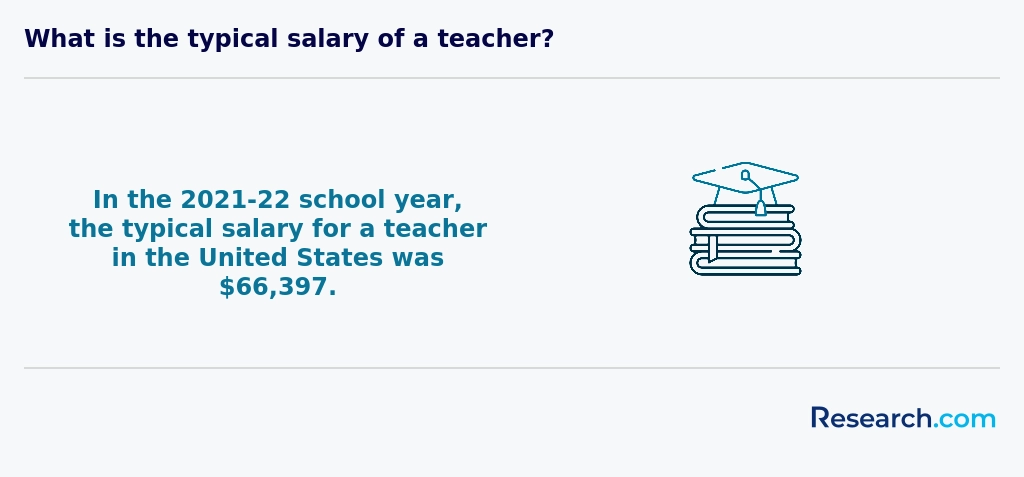
Graduates from education programs at institutions like the University of Colorado Colorado Springs often find promising salary prospects. Starting roles such as Early Childhood Educators typically earn around $41,410 annually, providing a strong financial foundation for those entering the field. As graduates gain experience and specialized skills, many move into positions like ESL Teachers, earning about $65,430 per year, or Special Education Teachers, with mean salaries near $76,000.
Instructional Designers, another common career path for education graduates, have even higher earning potential, with average annual wages around $77,200. This reflects growing demand for professionals who design effective learning materials and digital education experiences, especially as Colorado Springs schools integrate more technology.
Many graduates feel encouraged by these evolving opportunities, noting that their education degrees from respected local universities open doors to impactful careers with increasing financial rewards. The ability to combine passion for teaching with competitive salaries boosts confidence and long-term career satisfaction in the community.
2027 Most Popular Education Degree Programs Ranking in Colorado Springs
How do we rank schools?
Investing in your education is a significant decision that can shape your future, and the Research.com team understands the importance of making informed choices. To assist prospective students in Colorado Springs, we have meticulously crafted the "2027 Most Popular Education Degree Programs Ranking in Colorado Springs." Our commitment to quality, credibility, and accuracy is reflected in the extensive research and analysis conducted to compile this ranking.
We utilized the following reputable data sources to ensure a comprehensive evaluation of education degree programs:
By exploring this ranking, readers will gain valuable insights into the most popular education degree programs available in Colorado Springs, empowering them to make informed decisions about their academic and professional futures. For more details on how this ranking was created, please visit our Research.com methodology page.


Key Findings
- Colorado Springs has accredited education programs at institutions like the University of Colorado Colorado Springs and Colorado College.
- The cost of a bachelor's degree in education ranges from $25,000 to $40,000 per year, varying between public and private schools.
- Starting salaries for new teachers in the area are typically between $40,000 and $46,000 annually, with average salaries around $60,000 over time.
- There is strong demand for education graduates, especially in special education, STEM, and bilingual teaching, with sign-on bonuses and loan forgiveness options available.
- Certification in Colorado requires passing state exams and completing student teaching hours, plus ongoing professional development for licensure renewal.
How long does it take to complete education degree in Colorado Springs?
Completing an education degree in Colorado Springs usually takes about four years for a bachelor's when attending full-time at institutions like the University of Colorado Colorado Springs (UCCS). Graduates often recall balancing coursework with hands-on student teaching, building confidence through real classroom experiences that help them feel prepared and excited for their careers.
Master's degrees tend to wrap up in one to two years, with many graduates appreciating the flexibility of part-time or online options. This allows working teachers to deepen their expertise in areas like curriculum design or leadership while maintaining a work-life balance. Some find accelerated formats thrilling, finishing in as little as 12 to 18 months, which keeps motivation high and momentum strong.
Current Colorado licensure rules require supervised student teaching, adding valuable practice time but potentially extending program length. Still, students often describe this as a rewarding phase, connecting theory with the reality of local classrooms. These timelines, combined with adaptable program choices in Colorado Springs, create hopeful and personalized paths to becoming licensed educators.
Application Process and Timeline
Planning your application early is essential when pursuing an Education degree in Colorado Springs, CO. Most programs follow a Fall enrollment cycle, with deadlines typically between November 1 and February 15, and a Spring cycle running from August 1 to October 15. To streamline your application: 1. Research and Shortlist (9–12 Months Before Enrollment) - Identify accredited programs that align with your career goals. - Compare costs and delivery formats, and explore options like our curated list of Low Cost Online Bachelor’s in Education Degree Programs. 2. Prepare Required Documents (6–9 Months Before Enrollment) - High school or prior college transcripts (official sealed copies). - Standardized test scores (SAT/ACT), if required, noting that many institutions now offer test-optional policies. - Personal statement: craft a 500–700 word essay highlighting your passion for teaching, relevant volunteer or work experience, and career aspirations. 3. Secure Recommendations (4–6 Months Before Enrollment) - Request two to three letters of recommendation from educators, mentors, or employers who can attest to your communication skills and leadership potential. - Provide recommenders with your resume and personal statement draft to ensure focused, personalized endorsements. 4. Submit Application and Fees (3–4 Months Before Enrollment) - Complete the online application portal for each institution. - Pay application fees promptly to avoid processing delays. - Verify that all documents have been received by admissions. 5. Financial Aid and Interview (2–3 Months Before Enrollment) - File the FAFSA and, for Colorado residents, the CASFA by priority deadlines (often March 1). - Prepare for interviews or portfolio reviews by practicing responses to common questions about teaching philosophy, classroom management strategies, and your commitment to diversity in education. 6. Decision and Enrollment (1–2 Months Before Enrollment) - Review admission offers, financial aid packages, and program start dates. - Confirm enrollment by submitting your deposit and completing any orientation requirements. By following this timeline and attention to detail, you’ll maximize your chances of acceptance into the optimal Education program for your goals in Colorado Springs.
What's the difference between online and on-campus education degree?
Online education degrees in Colorado Springs offer remarkable flexibility, allowing graduates to balance studies with work or family life while attending institutions like the University of Colorado Colorado Springs. Many appreciate the ability to learn at their own pace without geographical constraints, creating a sense of autonomy and empowerment that fits modern lifestyles.
Conversely, on-campus programs at places such as Colorado College and Colorado Christian University provide a vibrant, interactive environment. Graduates often share how face-to-face interactions and hands-on practicum experiences, especially classroom management training, foster deeper connections and confidence. The lively campus atmosphere fuels motivation through real-time collaboration with peers and professors.
Cost-wise, students report that online options generally ease financial pressures by reducing commuting and housing expenses, though some note technology fees. In-person attendees value the campus's rich resources, from libraries to tutoring centers, which enhance their learning journey. Future trends may blend these experiences, but the personal ties and adaptability in Colorado Springs currently define each pathway's unique appeal.
Selecting the Right Education Program in Colorado Springs, CO
When deciding on an education program in Colorado Springs, it's crucial to consider various factors that align with your career aspirations and personal preferences. One of the key steps is to research and explore the best popular education colleges, which can provide insights into the quality of education, faculty expertise, and alumni success. Additionally, understanding the program's accreditation, curriculum structure, and field experience opportunities can significantly influence your decision. Many graduates have expressed the importance of mentorship and support services in their educational journey, highlighting the need to assess these aspects when choosing a program. By carefully evaluating these factors and considering your own strengths and interests, you can make an informed decision that sets you on the path to a fulfilling career in education.
What is the average cost of education degree in Colorado Springs?
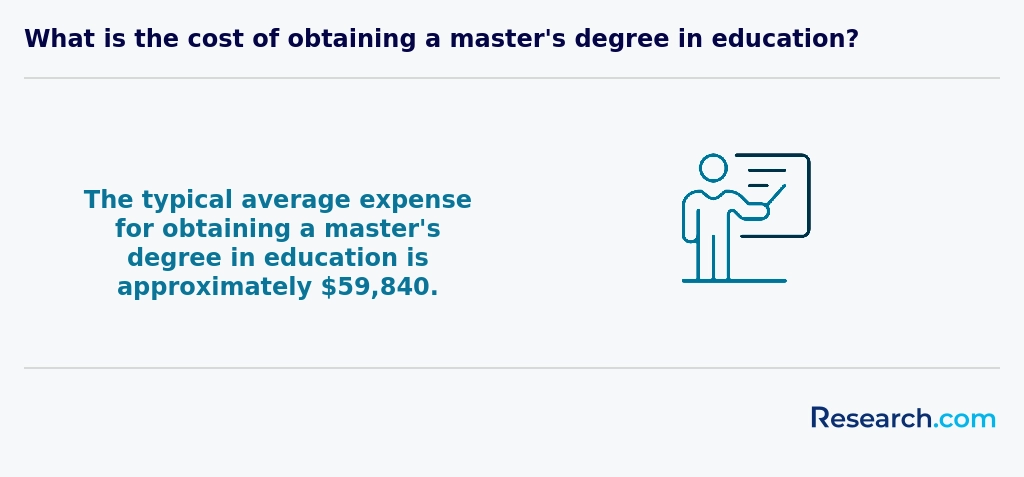
The average cost of an education degree in Colorado Springs currently centers around a median total of about $38,726, reflecting a balance between in-state tuition rates and out-of-state expenses. Many graduates from universities such as the University of Colorado Colorado Springs share stories of managing costs effectively by taking advantage of in-state tuition benefits, which average close to $10,149. These lower tuition rates help make education degrees more accessible and foster a more positive and hopeful outlook for future educators.
As students navigate the total tuition and fees for education degrees Colorado Springs offers, they often encounter a mix of mandatory expenses-tuition, books, fees, and living costs-that shape their budgeting decisions. Some graduates recall using scholarships or assistantships that significantly eased the financial burden, allowing them to focus on their passion for teaching instead of worry over high fees. Private colleges command higher rates, pushing the total cost well beyond that of public schools, but many find this investment worthwhile given the specialized programs and network opportunities available.
Looking ahead, rising awareness of financial aid programs and local support encourages new students to explore options sooner. This evolving landscape might reduce barriers further, making education degrees increasingly attainable. For those eager to find the best popular education colleges in Colorado Springs, staying informed about cost trends and resources is essential to planning a rewarding academic journey.
Typical Courses and Curriculum Overview
When pursuing an Education degree in Colorado Springs, students engage with a balanced mix of theory and practice designed to prepare them for diverse classroom environments. Most bachelor’s programs require around 120 credit hours, encompassing core education foundations, specialization courses, and hands-on practica. Common courses include:
- Foundations of Education: Explores historical, philosophical, and sociocultural contexts of schooling.
- Child and Adolescent Development: Examines cognitive, social, and emotional growth from birth through high school.
- Educational Psychology: Introduces theories of learning and motivation to inform effective teaching strategies.
- Classroom Management and Organization: Provides techniques for creating inclusive, respectful, and well-structured learning spaces.
- Instructional Methods in Literacy and Language Arts: Covers best practices for teaching reading and writing across grade levels.
- Assessment and Evaluation: Teaches formative and summative assessment design, data analysis, and feedback strategies.
- Integrating Technology in the Classroom: Focuses on digital tools and platforms that enhance student engagement and learning outcomes.
- Special Education Foundations: Reviews legal mandates, individualized education plans (IEPs), and differentiated instruction techniques.
- Subject-Specific Methods (Math, Science, Social Studies): Prepares future teachers with discipline-based pedagogy and curriculum design.
- Student Teaching Practicum: Culminating field experience under mentor supervision, critical for state licensure and real-world classroom readiness. Elective courses may allow deeper exploration into areas such as bilingual education, STEM integration, or educational leadership. Cost-conscious learners can balance quality with affordability by exploring our Low Cost Online Bachelor's in Education Degree Programs, which provide flexible, budget-friendly pathways without sacrificing academic rigor.
What financial aid is available to education degree students in Colorado Springs?
Students pursuing education degrees in Colorado Springs often find financial aid opportunities tailored specifically to their journey. Graduates from the University of Colorado Colorado Springs (UCCS) frequently recall how institutional scholarships eased their tuition burden by recognizing their community involvement and leadership skills. These targeted awards create a supportive environment that motivates students to excel both inside and outside the classroom.
Many education students also benefit from federal programs like Pell Grants, which provide essential non-repayable funds, making the dream of teaching careers more accessible. Imagine a Colorado College student able to cover a significant portion of their tuition through such grants, reducing financial stress and allowing more focus on mastering teaching methods.
Looking ahead, loan forgiveness through programs like the TEACH Grant and Public Service Loan Forgiveness could become even more prominent. Graduates express hope as they envision paying off debt while serving Colorado's high-need schools, inspiring others to join the profession. Local scholarships, such as those from the Colorado Education Association, further empower future educators to pursue lifelong learning and professional growth in their communities.
In-Depth Curriculum Insights
An Education degree is more than just textbooks and lectures-its curriculum is designed to equip you with practical skills that bridge theory and classroom practice. In this section, we explore the typical course structure and learning objectives that set top Colorado Springs education programs apart. Many programs begin with foundational courses in educational psychology, teaching methodologies, and curriculum design, ensuring that students develop a strong pedagogical base. As you progress, you will encounter specialized courses in areas such as classroom management, inclusive education, and student assessment, which are essential in preparing you for real-world teaching environments. Hands-on experiences, including student teaching internships and interactive workshops, are integrated throughout the curriculum to help you apply theoretical concepts in practical settings. These immersive experiences are complemented by seminars on innovative digital tools and curriculum development strategies that enhance modern education practices. For those exploring advanced study options, it's worth noting that the flexibility of online programs has opened new avenues for continued education; if you're wondering is online masters degrees in library science affordable, you'll find that many of the core competencies overlap and enrich your overall expertise in educational leadership. Ultimately, a robust curriculum not only prepares you for a dynamic career in education but also cultivates the critical thinking and adaptability needed for lifelong professional growth.
What are the prerequisites for enrolling in education degree program in Colorado Springs?
Enrolling in an education degree program in Colorado Springs commonly requires a high school diploma or equivalent for undergraduate studies, while graduate candidates must hold a bachelor's degree. Graduates from institutions like the University of Colorado Colorado Springs often recall the importance of submitting official transcripts meeting a minimum GPA, usually between 2.5 and 3.0, a threshold that signals readiness and commitment.
Many students appreciate that some Colorado Springs colleges are moving towards test-optional policies, easing standardized testing pressures and promoting equity. Practical experience, such as volunteering in local schools or tutoring peers, often shines on applications, reflecting real-world engagement that graduates found invaluable for building confidence and skill.
Background checks and fingerprint clearances are standard, reassuring all students that the community's trust is upheld. Letters of recommendation and personal statements allow prospective teachers to express their passion and goals, which past graduates have described as empowering steps that helped shape their academic journeys.
Financial awareness is key, with annual tuition around $10,600 for in-state public institutions, but many find scholarships and financial planning resources make pursuing these degrees achievable and rewarding.
Understanding Colorado Teacher Licensure Requirements
Graduates of an Education degree program in Colorado Springs must secure state licensure through the Colorado Department of Education (CDE) to teach in public schools. This multi-step process ensures that new educators meet rigorous standards of knowledge, instructional skill, and professional ethics. 1. Academic Preparation: Complete an accredited bachelor’s program with a minimum 2.75 GPA, including at least 100 hours of supervised field experience. For a budget-conscious pathway, prospective students can explore Low Cost Online Bachelor's in Education Degree Programs that meet CDE accreditation requirements. 2. Content-Area Exams: Pass the appropriate PRAXIS Subject Assessments or ACTFL Oral Proficiency Interview for language teachers. These exams validate subject mastery in areas such as Elementary Education, Special Education, or Secondary English. 3. Professional Exam: Satisfy the CDE’s Professional Teacher Education (PTE) requirement by passing the PRAXIS Principles of Learning and Teaching (PLT) test at the grade-level you plan to teach. 4. Background Checks & Ethics: Undergo fingerprinting and the CDE’s educator ethics training, including completion of the state’s “Ethics Disciplinary Standards” workshop, to ensure compliance with child-safety regulations. 5. Application & Renewal: Submit your licensing application via the CDE’s educator licensing portal, pay applicable fees, and provide official transcripts. Initial licenses are valid for three years; renewal requires evidence of ongoing professional development, such as approved workshops or graduate coursework. By understanding each requirement-academic, examination, and ethical-prospective educators can navigate the licensure journey with confidence, positioning themselves for successful careers in Colorado’s classrooms.
What courses are typically in education degree programs in Colorado Springs?
Education degree programs in Colorado Springs typically include courses that blend foundational theory with practical application. Graduates from institutions like the University of Colorado Colorado Springs often describe engaging deeply with subjects such as Educational Psychology, which helped them understand student behavior through real classroom observations during their field placements. This hands-on approach brings course concepts to life, making abstract ideas about cognitive and emotional development tangible and relatable.
Courses in Curriculum Development and Instructional Strategies are especially valued, as students learn to design dynamic lesson plans tailored to diverse classrooms. Many recall the excitement of integrating Educational Technology, experimenting with digital tools to enhance learning-skills increasingly crucial in today's evolving educational landscape.
Special Education and Classroom Management courses also stand out, as graduates feel empowered by strategies that support inclusive and respectful learning environments. These experiences not only build competence but also foster a genuine passion for teaching, perfectly reflecting the vibrant educational community in Colorado Springs.
What types of specializations are available in education degree programs in Colorado Springs?
Education degree specializations in Colorado Springs evolve to meet the dynamic needs of future educators. Popular colleges here offer programs like Elementary Education and Secondary Education with subject-specific tracks, enabling graduates to foster meaningful connections in diverse classrooms. Graduates often share how rewarding it feels to shape young minds, especially when utilizing innovative teaching methods tailored for Colorado Springs communities.
Special Education remains a vital specialization, driven by increasing demand and an empathetic understanding of inclusive classrooms. Graduates from Colorado Springs institutions express pride in supporting students with disabilities, feeling equipped to make real change. Emerging interest in Educational Leadership and Administration also signals a growing trend toward empowering educators to take on influential roles within schools and districts.
Students considering Colorado Springs education degree program options appreciate how programs now include School Counseling and Psychology, highlighting mental health awareness. This progressive approach enriches learning environments and nurtures student well-being. For those questioning the cost-benefit ratio, it's worth exploring why is online masters degrees in library science affordable also appeals to many education graduates expanding their expertise.
How do you choose the best education degree in Colorado Springs?
Choosing the best education degree programs Colorado Springs offers means looking beyond just the diploma. Graduates often reflect on how program flexibility at institutions like the University of Colorado Colorado Springs allowed them to balance work and study, making education more accessible and less stressful. Prioritizing programs with strong hands-on experiences, such as student teaching placements in local schools, helps students gain meaningful classroom insights that boost confidence and employability.
Accreditation is a critical factor graduates repeatedly highlight; it ensures their degrees meet national teaching standards and supports smoother licensure processes. Considering affordable education degrees Colorado Springs options is essential, too, especially with costs ranging widely-students found that exploring financial aid and scholarships dramatically eased their tuition burdens. Many also recommend checking graduation and job placement rates to gauge how effectively a program supports career launches.
Embracing emerging trends, online and hybrid courses are growing in popularity, providing flexibility for working adults. For those concerned about costs, the Low Cost Online Bachelor's in Education Degree Programs might be a practical path forward, combining affordability with quality training tailored to Colorado Springs' unique education landscape.
What career paths are available for education degree students in Colorado Springs?
Graduates with an education degree in Colorado Springs find a variety of career paths that extend well beyond traditional classroom teaching. Many take on roles in local K-12 schools, specializing in high-demand areas such as special education, STEM, and bilingual education, all vital to Colorado Springs' diverse communities. Others move into school counseling or educational administration, supporting student growth and managing district programs, which are growing fields given the proactive approach of local school districts.
Some graduates from popular colleges in Colorado Springs share exciting experiences pursuing curriculum development or adult education roles, where they shape innovative learning materials or work with community colleges and workforce centers to meet evolving education needs. These roles align perfectly with emerging trends for lifelong learning, providing new opportunities for education degree career options Colorado Springs.
Given the affordable tuition rates here, local students often explore further licensure or graduate studies, enhancing career trajectories. To explore affordable online options, many refer to Low Cost Online Bachelor's in Education Degree Programs, balancing cost and quality while positioning themselves for future leadership roles.
What is the job market for education degree in Colorado Springs?
The job market for education degree graduates in Colorado Springs shows consistent promise, fueled by steady growth in student populations and a persistent teacher shortage. Many graduates from local institutions like the University of Colorado Colorado Springs find rewarding opportunities within District 11, where demand is high in special education, STEM, and bilingual roles. These graduates often describe the satisfaction of stepping into classrooms eager for fresh, qualified educators able to meet diverse student needs.
Employment trends in Colorado Springs suggest a broadening of roles beyond traditional teaching, including positions in curriculum development and education coordination. This creates exciting pathways for those willing to pursue additional certifications or experience. Cost-conscious students appreciate that in-state tuition at UCCS keeps education accessible, helping them build careers without overwhelming debt.
For those exploring flexible options, engagement with fast college courses also presents a way to enter the workforce sooner, matching well with local hiring trends. The outlook for education degree job opportunities in Colorado Springs is ultimately optimistic, offering varied and lasting prospects for graduates eager to contribute to their community.
Frequently Asked Questions About education
Education degree students in Colorado Springs can maximize their learning experience by engaging in both theoretical and practical components of their programs. Local universities, such as the University of Colorado Colorado Springs, offer robust student teaching opportunities that help bridge classroom knowledge with real-world practice. According to the Colorado Department of Education, hands-on experience in local K-12 schools significantly improves teacher preparedness.
Students should also take advantage of Colorado Springs' numerous professional development workshops and networking events tailored for educators. Participating in education-focused organizations like the Colorado Education Association can enhance understanding of state standards and instructional strategies.
Furthermore, balancing coursework with fieldwork allows students to refine skills in classroom management, curriculum planning, and student assessment, essential for success in Colorado's diverse school environments.
The education field is evolving rapidly, with several emerging niches gaining momentum in Colorado Springs and across the United States. One key area is educational technology, which integrates digital tools and software to enhance learning experiences. Demand for specialists who can design and implement virtual classrooms has increased by over 25% since 2020, according to the U.S. Bureau of Labor Statistics.
Another growing niche is special education, focused on meeting the needs of diverse learners. Programs in Colorado Springs are expanding to train educators in inclusive teaching methods and behavioral intervention strategies.
Additionally, leadership roles in education administration are rising due to renewed focus on policy and school management, particularly in urban and charter schools.
After completing an education degree in Colorado Springs, preparing for the job market involves several strategic steps. First, obtaining Colorado Teaching Licensure is essential for most K-12 teaching positions. This requires passing state exams such as the Praxis series, which assess subject knowledge and teaching skills. According to the Colorado Department of Education, early preparation for these exams can improve hiring prospects.
Networking plays a crucial role: attending local education job fairs and joining professional organizations like the Colorado Education Association can help graduates connect with employers. Additionally, gaining practical experience through student teaching or internships during the degree program is highly valued by school districts.
Finally, researching salary ranges and district needs in the Colorado Springs area gives future educators an advantage when negotiating contracts and identifying suitable positions. The U.S. Bureau of Labor Statistics reports a median annual wage of about $60,000 for teachers in Colorado, reflecting competitive regional demand.
Employers hiring education degree graduates in Colorado Springs prioritize strong communication skills. Effective verbal and written communication is essential for working with students, parents, and colleagues. According to the Colorado Department of Education, nearly 75% of local school districts emphasize this skill during hiring.
Classroom management is another critical skill, enabling teachers to foster a positive learning environment. Graduates who demonstrate adaptability and problem-solving abilities are highly valued, as Colorado Springs schools often serve diverse student populations with varying needs.
Additionally, knowledge of educational technology is increasingly important. Many districts report integrating tech tools in daily teaching, so proficiency in digital resources can enhance job prospects.
Finding internships in Colorado Springs relevant to an education degree involves leveraging local educational institutions and community resources. Universities like the University of Colorado Colorado Springs and Colorado College often have established partnerships with nearby schools and districts, offering students practical training opportunities. The Colorado Springs School District 11 is one of the largest employers and frequently offers internships or student-teacher placements.
Students should contact their college's career services and education departments early to inquire about internship listings and application deadlines. Online platforms like Handshake and local job boards can also provide access to internships specifically for education majors. Networking through local education conferences and events hosted by organizations such as the Colorado Education Association offers additional pathways.
Obtaining an education degree in Colorado Springs significantly enhances career mobility and advancement opportunities. The region's public school districts, such as Colorado Springs School District 11, value candidates with formal education credentials, frequently requiring state licensure linked to degree completion. According to the Colorado Department of Education, teachers holding a bachelor's degree plus licensure have higher employability and potential for salary increases compared to non-degree holders.
Moreover, advanced degrees like a master's in education open pathways to leadership roles, including administrative positions and specialized instruction. The strong demand for qualified educators in Colorado Springs supports upward career movement, backed by regional trends reported by the Colorado Education Initiative.
Studying for an education degree in Colorado Springs equips students with versatile skills essential for interdisciplinary roles. Programs often emphasize collaboration across subjects such as psychology, sociology, and technology, preparing graduates to address diverse classroom challenges.
Local institutions integrate practical experiences with theory, strengthening problem-solving and communication abilities. According to the Colorado Department of Higher Education, nearly 65% of education graduates in Colorado Springs report proficiency in multiple content areas, a key asset for interdisciplinary work.
This approach meets the demand for educators who can innovate in varied learning environments, from traditional schools to community programs. Students also benefit from partnerships with local organizations, enhancing real-world application.
When choosing between a thesis and a non-thesis education degree in Colorado Springs, students should consider their career goals and preferred learning style. A thesis program typically involves conducting original research and writing a formal paper, which is suited for those interested in pursuing a doctoral degree or research-intensive careers. Non-thesis options focus more on coursework and practical skills, appealing to professionals aiming to enter or advance in teaching, administration, or counseling roles.
Local institutions like the University of Colorado Colorado Springs offer both options, reflecting trends found in U.S. Department of Education data showing a 30% preference toward non-thesis programs nationally in education fields. Understanding these distinctions helps students align their choices with personal goals.
Students based in Colorado Springs who wish to study education abroad have multiple pathways, though such opportunities often require coordination with their home institutions. Local universities like the University of Colorado Colorado Springs (UCCS) provide study abroad programs or partnerships that enable education majors to gain international experience while earning credits. These programs typically include placements in countries with established teacher training systems, such as the United Kingdom or Australia.
According to the Institute of International Education, about 2% of education majors nationwide participate in study abroad programs, which tends to be lower compared to other fields. Colorado Springs students benefit from tailored program options that focus on global education practices, curriculum development, and comparative pedagogy.
Additionally, scholarship opportunities specific to education students, such as Teach Abroad programs, can support funding. Students should consult academic advisors early to integrate study abroad experiences with their degree requirements efficiently.
In Colorado Springs, part-time job opportunities can greatly enhance the practical skills of students pursuing education degrees. Many local schools and community centers offer paraprofessional or teacher aide positions, providing hands-on classroom experience. According to the Colorado Department of Education, about 20% of education majors in the region work as substitutes or tutors during their studies.
Additionally, after-school program leaders and childcare workers are in demand, allowing students to develop classroom management and lesson planning skills. Nonprofits such as the Boys & Girls Clubs of America in Colorado Springs also offer part-time roles focused on youth development, complementing education coursework.
These roles help build résumés and support networking within the Colorado Springs educational community, critical for future teaching careers.
Education students in Colorado Springs benefit from various networking opportunities that connect them with local schools, districts, and education professionals. Colorado College and University of Colorado Colorado Springs (UCCS) offer regular events, including career fairs and guest lectures, where students can meet educators and administrators. The Pikes Peak Educational Consortium facilitates partnerships between colleges and K-12 institutions, promoting internships and student-teacher collaborations.
Local chapters of national organizations, such as the Colorado Education Association, provide networking forums and workshops. Additionally, Colorado Springs' public school district hosts occasional events for future teachers to engage with mentors and gain practical insights. These resources help students build valuable professional connections during their studies.
Alumni networks play a significant role for education degree students in Colorado Springs by providing valuable connections within the local teaching community. Graduates from regional institutions, such as the University of Colorado Colorado Springs (UCCS), benefit from these networks for job placement and mentorship. According to UCCS data, over 70% of education graduates find employment in Colorado Springs through alumni referrals. These networks frequently offer workshops, career fairs, and professional development opportunities tailored to the unique needs of educators in the area.
Additionally, alumni connections can facilitate classroom resource sharing and collaborative projects, enhancing practical learning. This support system helps students transition smoothly into their teaching careers in Colorado Springs schools.
In Colorado Springs, students pursuing education degrees can tailor their programs to align with their career goals through various specializations offered by local institutions. Popular concentrations include early childhood education, special education, and educational leadership. Many universities provide flexible course options, allowing students to focus on areas like curriculum development or educational technology.
Additionally, some programs offer practicum placements in nearby school districts, giving hands-on experience relevant to specific career paths. According to the Colorado Department of Education, integrating practical training with coursework increases job readiness by up to 30% for new educators.
Students are encouraged to consult academic advisors to create individualized plans that balance theory and practice to meet industry demand in the Colorado Springs education market.
Education students in Colorado Springs face various challenges during their academic journey. One common difficulty involves securing quality student teaching placements, as local schools can have limited availability and high competition. According to the Colorado Department of Education, balancing classroom demands with the required coursework can also strain students, especially those working part-time.
Another challenge includes adapting to evolving educational standards and technology integration, which demands continuous learning. Students often report time management struggles, influenced by the rigorous schedules in programs offered by institutions like the University of Colorado Colorado Springs. Financial constraints and navigating state certification requirements further complicate progress.
With an education degree in Colorado Springs, graduates can pursue several professional certifications to enhance their teaching credentials. One of the most common is the Colorado Initial Teaching License, which permits teaching in K-12 public schools across the state. Candidates typically need to pass the Praxis exams and complete a background check.
Additional certifications include Special Education Licenses, English as a Second Language (ESL) endorsements, and Gifted Education endorsements, which are all available through Colorado Department of Education programs. These certifications can improve job prospects and salary potential.
For non-teaching careers, options such as School Counseling and Educational Leadership certifications are also accessible, offering pathways into administrative roles.
When applying for an education degree program in Colorado Springs, start by thoroughly researching the specific requirements of local universities. Many institutions, such as the University of Colorado Colorado Springs, emphasize strong academic records and clear career goals in education.
Craft a compelling personal statement that highlights your passion for teaching and commitment to serving the community. Include relevant volunteer or work experience to demonstrate practical skills.
Standardized test scores like the GRE may be required, so ensure you prepare accordingly. GPA expectations generally hover around 3.0 for competitive programs.
Finally, secure strong letters of recommendation from educators or supervisors familiar with your academic or professional abilities, as these carry considerable weight at Colorado Springs institutions.
Globally, education careers are increasingly valued for their role in shaping societies and fostering development. In the United States, teaching remains a stable and essential profession, with the Bureau of Labor Statistics projecting a 5% growth in education jobs through 2031. Colorado Springs reflects this trend, where educators are in demand due to a growing population and expanding school districts, according to the Colorado Department of Education.
Education careers offer diverse opportunities, from classroom teaching to administration and counseling. Worldwide, educators also engage in cross-cultural exchanges, emphasizing global competence and inclusiveness.
Prospective students in Colorado Springs can benefit from local universities offering programs aligned with national standards, preparing graduates for both local and international education challenges.
Gaining practical experience is essential when pursuing an education degree in Colorado Springs. Many local universities, such as the University of Colorado Colorado Springs (UCCS), integrate fieldwork components into their teacher preparation programs. These typically include student teaching placements in nearby public schools, offering hands-on classroom experience under the supervision of certified educators.
Additionally, Colorado Springs benefits from partnerships between colleges and local school districts, enabling internships and practicum opportunities. According to the Colorado Department of Education, students completing such programs often accumulate 12 to 16 weeks of direct teaching experience before graduation.
Volunteering or substitute teaching in local schools can also supplement practical learning and help build professional networks early in a student's career.
Choosing the right concentration within an education degree program in Colorado Springs involves considering your career goals and the local job market. Common concentrations include early childhood, special education, and curriculum development. Each focus prepares you for different roles in schools or educational organizations.
Colorado Springs has a growing demand for special education teachers, reflecting nationwide trends reported by the Bureau of Labor Statistics. Understanding these labor needs can help align your studies with employment opportunities. Consulting with academic advisors at institutions like the University of Colorado Colorado Springs can provide personalized guidance based on your interests and strengths.
Researching program accreditation and state licensure requirements is also essential. Colorado mandates specific certifications depending on your concentration, especially for public school teaching roles.
Related Education Rankings for Nearby Cities
- 2027 Most Popular Education Degree Programs Ranking in Denver
- 2027 Most Popular Education Degree Programs Ranking in Salt Lake City
- 2027 Most Popular Education Degree Programs Ranking in Lubbock
- 2027 Most Popular Education Degree Programs Ranking in Wichita
- 2027 Most Popular Education Degree Programs Ranking in Abilene
- 2027 Most Popular Education Degree Programs Ranking in Phoenix
- 2027 Most Popular Education Degree Programs Ranking in Kansas City
- 2027 Most Popular Education Degree Programs Ranking in Denton
- 2027 Most Popular Education Degree Programs Ranking in Fort Worth
- 2027 Most Popular Education Degree Programs Ranking in Dallas
Top Trending Education Rankings
See What Experts Have To Say About Studying Education
Read our interview with Education experts

Alan J. Singer
Education Expert
Professor of Teaching, Learning and Technology
Hofstra University

Nooshan Ashtari
Education Expert
Professor & Book Author
University of Southern California

References
- Bachelor of Education Degree (Here's What To Expect) https://www.alleducationschools.com/teaching-degrees/bachelors-in-education/
- Putting theory into practice: The value of an interdisciplinary approach to teaching https://my.chartered.college/impact_article/putting-theory-into-practice-the-value-of-an-interdisciplinary-approach-to-teaching/
- Going to college in Colorado is costly. Here’s how to make it cheaper - or even free. https://www.chalkbeat.org/colorado/2024/09/12/help-pay-for-college-or-make-it-free-with-resources-for-colorado-students/
- Education Degree Entry Requirements https://universitycompare.com/advice/student/education-degree-entry-requirements
- The 10 Highest Paying Jobs With a Teaching Degree [Quiz] https://www.umassglobal.edu/blog-news/highest-paying-jobs-with-a-teaching-degree
- Practical Learning: Real-World Experience https://www.studiumalliance.com/post/how-practical-experience-enhances-learning
- Student Expectations and Perceptions of Higher Education - ACA https://aca-secretariat.be/newsletter/student-expectations-and-perceptions-of-higher-education/
- Skills Employers Look for in Business Graduates – EU Business School https://www.euruni.edu/blog/skills-employers-look-for-in-business-graduates/
- Best Colorado Teaching Degrees Online, Teacher Education https://www.teachingdegrees.com/st/colorado
- Financial Aid - IntelliTec https://intellitec.edu/financial-aid/


