
2027 Most Popular Education Degree Programs Ranking in Phoenix

Co-Founder and Chief Data Scientist
Choosing the right education degree program can feel overwhelming, especially with so many options available in Phoenix. This article introduces the 2027 Most Popular Education Degree Programs Ranking in Phoenix, created by the Research.com team of data scientists. It aims to guide you through the top programs worth considering.
By exploring this ranking, you'll gain helpful insights that make your decision easier and more confident. Pursuing an education degree opens doors to rewarding careers and meaningful impact, making this journey truly worthwhile.
Key benefits of getting education degree in Phoenix
- Graduates with an education degree in Phoenix can earn strong salaries, such as $76,000 for Special Education Teachers and $77,200 for Instructional Designers, offering financial stability in rewarding roles.
- Potential career paths include teaching at various levels, instructional design, or early childhood education, providing diverse options that match your interests and goals.
- Online education degrees from Phoenix universities offer flexibility and convenience, allowing you to balance work and study while still gaining quality training recognized by local employers.
- Key benefits of getting education degree in Phoenix
- What can I expect from education degree in Phoenix?
- Where can I work with education degree in Phoenix?
- How much can I make with education degree in Phoenix?
- 2027 Most Popular Education Degree Programs Ranking in Phoenix
- Key Findings
- How long does it take to complete education degree in Phoenix?
- Affordable Online Education Alternatives for Cost-Conscious Students
- What's the difference between online and on-campus education degree?
- Insider Tips for Success in Your Education Degree Program
- What is the average cost of education degree in Phoenix?
- Affordable Online Education Alternatives
- What financial aid is available to education degree students in Phoenix?
- Considering the Best Education Institutions
- What are the prerequisites for enrolling in education degree program in Phoenix?
- Return on Investment (ROI) for Education Degrees in Phoenix, AZ
- What courses are typically in education degree programs in Phoenix?
- What types of specializations are available in education degree programs in Phoenix?
- How do you choose the best education degree in Phoenix?
- What career paths are available for education degree students in Phoenix?
- What is the job market for education degree in Phoenix?
- Top Trending Education Rankings
- See What Experts Have To Say About Studying Education
What can I expect from education degree in Phoenix?
The average cost of an education degree in Phoenix typically ranges from $25,000 to $45,000, depending on the institution and level of study. Graduates from universities like Arizona State University and Grand Canyon University often share how the investment feels worthwhile, especially when considering the hands-on practicum experiences included in their programs. These practical opportunities, often embedded in tuition, help build confidence and skills in real classrooms, making the cost feel more like an investment in career readiness.
Many education students appreciate how Phoenix-based programs align well with certification requirements such as the Arizona Educator Proficiency Assessments, reducing additional expenses for exam prep outside the university. For those pursuing advanced degrees or specializations in bilingual or special education, the costs can be higher but also open doors to higher salaries and leadership roles in the future.
Graduates often describe feeling supported by the local school districts' partnerships, which sometimes provide stipends or tuition assistance, easing the financial burden and enhancing the value of their education in Phoenix's vibrant, diverse teaching environment.
Where can I work with education degree in Phoenix?
Graduates with an education degree in Phoenix often find rewarding roles in the city's diverse educational environment. For example, alumni from Arizona State University's downtown campus frequently secure positions within Phoenix Union High School District, where they apply innovative teaching methods to large, dynamic classrooms. These graduates express excitement about contributing to such a vibrant and fast-growing community.
Many graduates also explore specialized roles in special education or English as a Second Language programs, responding to Phoenix's rich cultural diversity. Those from Grand Canyon University reflect positively on hands-on experiences that prepared them to support bilingual students and foster inclusive classrooms.
Beyond K-12 schools, graduates enjoy emerging career paths in educational technology firms and community education centers, adapting to trends that blend technology with personalized learning. The growing demand for education professionals in administration and curriculum development allows new graduates to shape the future of learning locally.
This evolving landscape creates a sense of opportunity and excitement, motivating education students in Phoenix to envision impactful careers that grow alongside the city's educational needs.
How much can I make with education degree in Phoenix?
Graduates with an education degree in Phoenix can expect to enter a diverse job market with promising salary prospects. For instance, those stepping into roles as elementary school teachers can anticipate an average annual wage around $70,740, a figure that aligns well with Phoenix's evolving educational landscape. Special education teachers stand out with even higher earning potential, averaging $76,000 per year, reflecting strong demand and specialized skills.
Many recent graduates from Phoenix's prominent institutions, like Arizona State University or Grand Canyon University, often share excitement about securing positions as ESL teachers, earning about $65,430 annually. Imagine guiding students from diverse backgrounds in classrooms throughout the city while enjoying a competitive salary.
Emerging roles such as instructional designers, with a mean salary near $77,200, offer thrilling alternatives to traditional teaching, especially for those passionate about integrating technology and curriculum design. Meanwhile, early childhood educators earn around $41,410, opening doors to impactful careers from the start of a child's educational journey.
The combination of Phoenix's local educational growth and these salary figures offers a hopeful and motivating outlook for aspiring educators planning their futures.
2027 Most Popular Education Degree Programs Ranking in Phoenix
How do we rank schools?
Investing in your education is a significant decision that can shape your future, and the Research.com team understands the importance of making informed choices. To assist prospective students in Phoenix, we have meticulously crafted the "2027 Most Popular Education Degree Programs Ranking in Phoenix." Our commitment to quality, credibility, and accuracy is reflected in the extensive research and analysis conducted to compile this ranking.
We utilized the following reputable data sources to ensure a comprehensive evaluation of education degree programs:
By exploring this ranking, readers will gain valuable insights into the most popular education degree programs available in Phoenix, helping them make well-informed decisions about their educational paths. For more details on how this ranking was created, please visit our Research.com methodology page.

# 4 position
University of Phoenix-Arizona
Master of Arts in Education

# 5 position
University of Phoenix-Arizona
Bachelor of Science in Elementary Education
Key Findings
- Tuition for education degrees in Phoenix ranges from $8,000 to $15,000 per year at public universities and $20,000 to $35,000 at private institutions.
- The job market for education graduates in Phoenix is expected to grow by about 5% over the next decade.
- Starting salaries for new education graduates average around $41,000 per year, rising to about $57,000 within five to ten years.
- Many education programs in Phoenix are accredited by the Council for the Accreditation of Educator Preparation (CAEP).
- To obtain teaching licenses in Arizona, graduates must pass the Arizona Educator Proficiency Assessments (AEPA) and complete ongoing professional development.
How long does it take to complete education degree in Phoenix?
Completing an education degree in Phoenix generally spans from about two to six years, depending on the level of study and individual circumstances. For instance, graduates from Phoenix College, known for its solid associate programs, often find that their foundational two-year course provides a rewarding start, especially when balancing work or family life. Moving on to a bachelor's degree at Arizona State University, students typically invest around four years full-time, embracing comprehensive coursework and invaluable teaching practicums that prepare them fully for certification and classroom success.
Many graduates express excitement about ASU's flexible options, including part-time and accelerated tracks that cater to busy professionals eager to advance their careers quickly. Those pursuing a master's degree often appreciate the tailored specializations available, which can be completed in one to two years, with many opting for online or evening classes to fit their lifestyles.
Future trends hint at even more personalized pacing, where technology and credit transfer options may shorten timelines, allowing Phoenix students to celebrate their accomplishments sooner while cultivating the enthusiasm and dedication needed for impactful educational roles.
Affordable Online Education Alternatives for Cost-Conscious Students
Prospective educators in Phoenix, AZ, who seek flexibility and lower tuition rates can explore accredited online degree programs that balance quality with affordability. Online formats often reduce expenses related to housing, commuting, and campus fees, enabling students to invest more in their learning resources and professional development. Before enrolling, verify that the program holds regional accreditation and aligns with Arizona’s teaching licensure requirements to ensure seamless certification. When comparing online options, consider factors such as student support services, practicum placement assistance, and technology platforms. Programs that offer virtual classrooms, interactive simulations, and robust career services can replicate the community engagement found in on-campus settings. In addition, flexible scheduling allows working professionals to complete coursework around employment obligations, which can accelerate degree completion and reduce overall costs. For those willing to widen their search beyond Arizona, our Low Cost Online Education Degree Programs Ranking in Minnesota provides insight into highly rated, budget-friendly online degrees that may accept transfer credits or offer competitive tuition remission. Exploring these out-of-state options can reveal creative pathways to earn your education credential without compromising on quality. Always calculate total cost of attendance-including technology fees and practicum expenses-and investigate financial aid packages to maximize savings while advancing your teaching career.
What's the difference between online and on-campus education degree?
Graduates from Arizona State University in Phoenix often share how on-campus education degrees create a vibrant learning atmosphere through face-to-face interaction. They recall attending lively lectures, collaborating in person, and having immediate access to campus resources like libraries and advising centers, which foster a strong sense of community and motivation.
Conversely, those who pursued education degrees fully online from institutions like Grand Canyon University appreciate the flexibility to study around their demanding work or family schedules. They describe the freedom to engage with course materials and submit assignments at convenient times, reflecting how digital platforms are reshaping education in Phoenix.
Looking ahead, the blend of synchronous and asynchronous learning could redefine these experiences, merging real-time collaboration with personal flexibility. Imagine virtual reality classrooms hosted by Phoenix universities, where online students feel as connected as those physically present, helping address current challenges such as limited networking opportunities.
Both paths emphasize accredited training and exam readiness, but the choice often comes down to whether a student thrives best in a structured campus setting or a self-directed online environment that fits Phoenix's dynamic lifestyles.
Insider Tips for Success in Your Education Degree Program
When embarking on an education degree program, success often hinges on proactive planning and leveraging every available resource. Start by setting clear academic and career goals, and balance rigorous coursework with real-life teaching practice. Establish a study routine that includes regular feedback sessions with peers and professors to adjust your learning strategies in real time. Networking with local educators through workshops, seminars, and mentorship programs not only provides practical insights but also opens doors to future career opportunities. Additionally, integrating digital learning tools and exploring affordable advanced degree options can further enhance your skill set. For instance, many educators supplement their credentials by investigating cost-effective online offerings, such as what are the cheapest online library science masters degrees, which can boost long-term career growth. Finally, remain flexible and adaptive, as the education landscape continually evolves with new teaching methods and technologies.
What is the average cost of education degree in Phoenix?
The average cost of an education degree in Phoenix reflects a blend of tuition, fees, and living expenses, shaping the financial experience for many students pursuing this rewarding path. For instance, graduates from well-known institutions like Arizona State University often share how managing the median in-state cost of around $9,552 can be balanced with scholarships or part-time work. This cost covers tuition but also hints at the wider financial picture students must navigate when planning their education budget.
Many prospective students interested in the average cost of education degree Phoenix find that beyond tuition, fees typically add to the expense, along with essentials like textbooks and transportation. Living costs in Phoenix remain reasonable compared to larger metro areas, which encourages students to envision a manageable yet fulfilling college lifestyle. Graduate students note that while tuition increases, innovative financial aid opportunities make advanced degrees more accessible, helping to offset costs.
Community colleges and online programs present appealing alternative routes with lower tuition, often utilized by students eager to transfer credits to universities later. This flexibility allows for a customized, budget-conscious approach to earning an education degree. Students graduating from Phoenix's most respected campuses frequently highlight the practical value of their investment, evidenced by satisfying career starts in local schools.
Those seeking the most up-to-date details on education degree tuition and fees Phoenix can explore the most popular education colleges and connect with financial aid offices, ensuring informed decisions aligned with their goals and financial realities.

Affordable Online Education Alternatives
Many prospective educators in Phoenix are increasingly drawn to online degree programs that combine academic rigor with budget-friendly tuition. By comparing traditional on-campus costs with online alternatives, students can uncover significant savings without sacrificing quality or accreditation. Flexible schedules, self-paced modules, and digital resources empower learners to balance work, family, and studies while reducing living expenses. For those prioritizing affordability, reputable platforms often partner with accredited universities to deliver interactive coursework, virtual labs, and real-time feedback from experienced instructors. These programs frequently waive campus fees and offer streamlined pathways to state licensure exams, ensuring graduates meet Arizona standards. Additionally, scholarship opportunities and payment plans tailored for online learners can further alleviate financial strain. To benchmark cost structures and program features, you may also explore the Low Cost Online Education Degree Programs Ranking in Minnesota. This comparative insight can guide Phoenix students in selecting online degrees that deliver both value and outcomes, helping them make data-driven decisions about their educational investments.
What financial aid is available to education degree students in Phoenix?
Students pursuing education degrees in Phoenix often find relief through federal financial aid options, starting with FAFSA, which opens doors to grants, loans, and work-study programs. Imagine a recent graduate from Arizona State University recalling how the Pell Grant, offering up to $7,395 annually, significantly eased their tuition burden, making college life feel more achievable and less stressful.
Beyond federal aid, state programs like the Arizona Teachers Academy Scholarship stand out, providing up to $5,000 yearly for those who commit to teaching in local public schools. Graduates often express a sense of pride and motivation, knowing this support encourages them to contribute directly to their communities.
On-campus scholarships at Phoenix institutions further brighten the path by rewarding academic merit and dedication. One education student shared how an internal scholarship at their university covered a meaningful portion of tuition, allowing them to focus more on their studies and less on finances.
Looking ahead, evolving employer tuition reimbursement plans and expanding loan forgiveness programs promise even greater financial flexibility, empowering Phoenix aspiring educators to invest confidently in their futures.
Considering the Best Education Institutions
When searching for the most suitable education program, it's essential to consider various factors, including accreditation, curriculum quality, and faculty credentials. Prospective students can explore the most popular education colleges to find institutions that align with their academic and professional goals. By evaluating these aspects, students can make informed decisions about their educational futures and set themselves up for success in their chosen careers.
What are the prerequisites for enrolling in education degree program in Phoenix?
Enrolling in an education degree program in Phoenix typically starts with having a high school diploma or GED, a baseline that many graduates recall as a stepping stone to their academic journey. At universities like Arizona State University, students often mention the challenge and motivation behind meeting general admission criteria, including maintaining a GPA around 2.5. This requirement feels achievable and sets a positive tone for success.
Many prospective educators in Phoenix find passing the Arizona Educator Proficiency Assessments (AEPA) a pivotal moment, marking their readiness to contribute meaningfully to K-12 schools. Graduates describe this as both a validating and empowering experience that confirms their skills in reading, writing, and math.
Letters of recommendation and personal statements often serve as reflections of one's passion for teaching, helping candidates stand out. Background checks, while sometimes nerve-wracking, are seen as vital steps to ensure safety and trust in future classrooms.
Looking ahead, students foresee more integration of prerequisite courses in psychology or child development, especially through community colleges offering smooth transfer pathways to four-year programs, which many Phoenix graduates appreciate for their supportive environments and practical focus.
Return on Investment (ROI) for Education Degrees in Phoenix, AZ
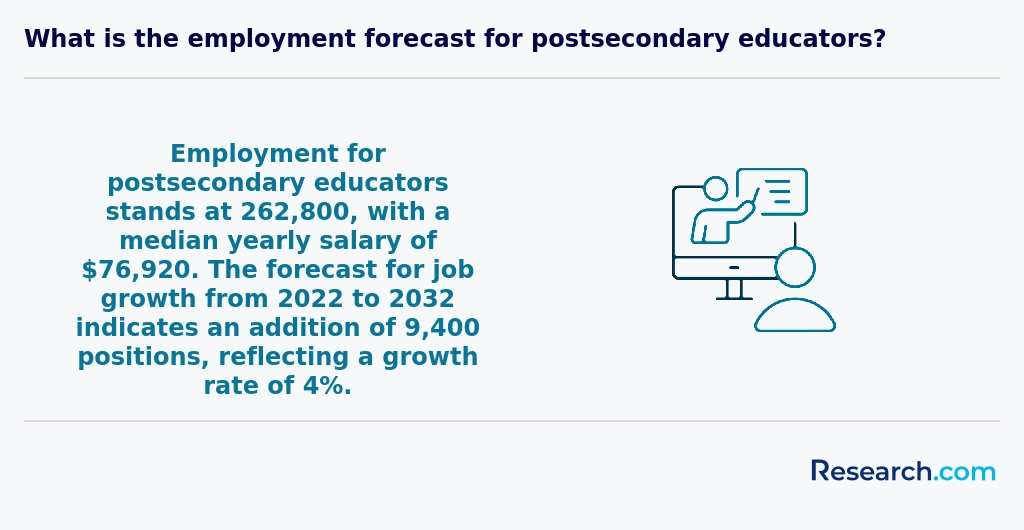
Investing in an education degree in Phoenix typically involves tuition and fees ranging from $9,750 to $38,768 per year, plus living expenses. When compared with mean annual wages-$38,640 for Early Childhood Educators, $63,130 for ESL teachers, and $73,080 for Instructional Designers-most graduates recoup their total cost of attendance within four to six years. This break-even period is calculated by dividing the net program cost by the incremental annual earnings over local median wages. For example, a bachelor’s graduate paying $27,146 annually and earning $63,130 per year sees an annual earnings premium of roughly $12,930 over the city’s median income of $50,200. At that rate, the total investment of approximately $108,584 (four years of combined costs) is offset in under nine years. Opting for an accelerated or online format can reduce tuition and opportunity costs, shortening the payback period. Prospective students seeking even lower tuition may explore our Low Cost Online Education Degree Programs Ranking in Minnesota to compare out-of-state online options. Beyond salary, ROI also includes intangible benefits: professional networking, licensure preparation, and access to mentorship. Education professionals who pursue advanced credentials-such as a master’s in Educational Leadership-often see salary increases of 10–20% post-graduation. When evaluating programs, applicants should perform a cost-benefit analysis that accounts for total cost, expected salary growth, scholarship or grant opportunities, and time-to-degree. By doing so, they ensure that their chosen pathway aligns with both financial goals and long-term career objectives.
What courses are typically in education degree programs in Phoenix?
Students pursuing education degrees in Phoenix can expect a dynamic mix of courses designed to prepare them for today's classrooms and tomorrow's challenges. Graduates from local universities often describe their experience with Educational Psychology as an eye-opening journey into understanding student behavior, which proved invaluable during their student teaching placements in diverse Phoenix schools. Curriculum Planning and Instruction courses help them craft lessons that resonate with the city's multicultural classrooms, making learning relevant and engaging for all students.
Classroom Management skills gained during their studies become essential when balancing lively classrooms typical of urban Phoenix schools. Assessment and Evaluation classes sharpen their ability to track progress effectively, ensuring no student is left behind. Many graduates appreciate specialized courses like Technology in Education, which prepare them to incorporate digital tools seamlessly into lessons.
Hands-on fieldwork in local districts gives students confident, real-world teaching experiences. This practical exposure, combined with electives like bilingual education, reflects Phoenix's diverse community and shapes educators ready to make a positive impact.
What types of specializations are available in education degree programs in Phoenix?
Students pursuing an education degree in Phoenix find a variety of specializations designed to meet the evolving needs of local schools and communities. Popular tracks include Elementary Education, focusing on foundational skills like literacy and math for kindergarten through 6th grade, and Secondary Education, where graduates often specialize in sought-after fields like math or science to serve middle and high school students. Graduates from Phoenix's top colleges often share how these specializations prepare them to confidently engage with diverse classrooms, reflecting the region's commitment to inclusive learning environments.
Special education remains a strong focus, driven by Phoenix public schools' growing demand for teachers skilled in behavioral management and individualized plans. Emerging trends include Educational Leadership for future administrators and Educational Technology, which graduates describe as an exciting frontier that incorporates digital tools to enhance teaching. For those exploring diverse options, Phoenix programs also offer Early Childhood Education, nurturing skills to teach children from birth to age 8. Prospective students interested in affordable paths often research what are the cheapest online library science masters degrees to complement their education backgrounds.
Engaging with these specializations in Phoenix not only taps into some of the best education programs Phoenix AZ offers but also aligns with future-focused careers that impact local schools and beyond.
How do you choose the best education degree in Phoenix?
Choosing the best education degree programs in Phoenix involves looking beyond basic accreditation and considering how each program aligns with your career goals. Graduates from well-known Phoenix universities often share how flexible scheduling and hands-on student teaching experiences shaped their confidence to enter classrooms. For example, programs offering evening or online classes helped working students balance life commitments while gaining essential practical skills. Reflecting on affordable education degrees Phoenix 2027, many prospective students find value in comparing tuition costs alongside scholarship availability to avoid financial stress and stay motivated.
Thinking ahead, the integration of technology and personalized learning pathways will likely transform how students experience education degrees in Phoenix. Graduates often emphasize the importance of internships and community partnerships in securing jobs quickly after graduation. Exploring options like the Low Cost Online Education Degree Programs Ranking in Minnesota may also offer insights into balancing cost and quality while planning your future steps.
What career paths are available for education degree students in Phoenix?
Graduates with an education degree in Phoenix find themselves stepping into a dynamic landscape of opportunities that extend well beyond the traditional classroom. Many embrace roles as K-12 teachers, especially in high-demand fields like STEM and bilingual education, where their impact feels immediate and rewarding. Others pursue leadership as school administrators or principals, inspired by the challenge of shaping educational policies within vibrant Phoenix school districts. These career paths align closely with education degree career opportunities in Phoenix, reflecting a city eager for innovation and inclusive learning environments.
Some graduates channel their passion into specialized roles, such as educational counselors or curriculum developers, helping schools adapt to evolving state standards while focusing on student success. Local universities and community colleges in Phoenix often serve as springboards for higher education positions, where graduates enjoy mentoring the next generation of educators. Many students report a sense of fulfillment knowing they contribute meaningfully to their communities, a feeling that draws them toward continuing their education through options like one year master's programs online.
Job prospects for education graduates Phoenix are further enhanced by opportunities in early childhood centers and nonprofit or governmental organizations, where innovative education policies and student services are emerging fields. With steady population growth fueling sustained demand, graduates often anticipate long-term career growth and the chance to shape the future of education in meaningful ways.
What is the job market for education degree in Phoenix?
The job market for education degree graduates in Phoenix remains promising, driven by steady growth in local school systems and targeted efforts to fill critical shortages in special education, bilingual programs, and STEM subjects. Graduates from Arizona State University and other popular colleges often share stories of landing positions quickly, energized by the city's expanding educational landscape and a supportive community eager for skilled educators. This positive environment encourages recent graduates to build strong networks and engage with workforce training that enhances their career readiness.
Employment outlook for education graduates Phoenix shows promising diversity beyond classroom teaching. Many find rewarding roles in educational administration, curriculum development, and student services, reflecting an evolving market that values versatile skills. The job opportunities for education degree in Phoenix continue to grow as demographic shifts increase demand, giving graduates much to look forward to in shaping future generations and community programs.
For those concerned about educational expenses, the cost of gaining a degree locally is balanced by available financial aid and practical experiences that make the investment worthwhile. Students interested in pursuing less challenging pathways might explore easy masters options offered by regional institutions, blending affordability with career relevance.
Frequently Asked Questions About education
Education degree students in Phoenix can enhance their learning experience by engaging actively with local school districts through internships and student teaching placements. Phoenix's diverse educational landscape offers practical exposure, helping students apply theoretical knowledge in real classroom settings.
Utilizing resources at universities such as Arizona State University, which reported over 10,000 education majors in recent years, provides access to mentorship programs and research opportunities. Furthermore, connecting with professional organizations like the Arizona Education Association can broaden networking and professional development.
Incorporating technology into studies is another effective strategy, as many Phoenix universities integrate digital learning tools aligned with modern educational methods. Staying informed about state standards and continuing education requirements in Arizona ensures that students meet relevant certification criteria efficiently.
Emerging niches within the education field in Phoenix reflect broader trends in the US, focusing on specialized skills and technology integration. One key area is educational technology, where degrees prepare teachers to use digital tools effectively. According to the Arizona Board of Regents, demand for educators skilled in technology is growing by 12% annually.
Another promising niche is special education, addressing diverse learner needs with an emphasis on inclusion and individualized support. The Maricopa County Community College District reports a 15% increase in special education program enrollments.
Additionally, bilingual education is expanding due to Phoenix's diverse population, creating opportunities for educators fluent in multiple languages. These niches emphasize adaptability in teaching methods to meet evolving student demographics and learning environments.
Preparing for the job market after completing an education degree in Phoenix involves several strategic steps. Graduates should start by gaining classroom experience through student teaching or internships, which most Arizona programs require. These practical experiences help develop essential skills and build professional networks.
The Arizona Department of Education reports a steady demand for qualified teachers, particularly in special education and STEM fields, so specializing in these areas can enhance job prospects. Additionally, obtaining state certification is mandatory to teach in public schools, which requires passing exams like the Arizona Educator Proficiency Assessments.
Networking through local education associations and career fairs at institutions such as Arizona State University provides valuable job leads. Finally, staying current with continuing education opportunities helps graduates remain competitive in Phoenix's evolving education job market.
Employers in Phoenix prioritize several key skills when hiring graduates with education degrees. Strong classroom management is essential, as it directly impacts student engagement and learning outcomes. According to a 2023 report by the Arizona Department of Education, over 70% of schools in Phoenix emphasized the need for effective communication skills in new teachers. Additionally, cultural competency is highly valued due to the city's diverse student population, enabling educators to create inclusive learning environments.
Technological proficiency is another critical skill, with many schools integrating digital tools into their curriculum. The ability to adapt to evolving educational technologies enhances teaching effectiveness. Finally, employers look for collaboration and problem-solving abilities, as teamwork with colleagues and addressing student challenges remain vital in Phoenix's dynamic educational landscape.
Finding internships in Phoenix relevant to an education degree involves multiple steps. Start by exploring local school districts such as the Phoenix Union High School District, which often partners with universities to offer internships for teacher candidates. According to the Arizona Department of Education, hands-on experience is a key requirement for licensure, so these placements are essential.
Many colleges in Phoenix, including Arizona State University's Mary Lou Fulton Teachers College, provide structured internship programs linking students to nearby schools. Additionally, websites like Handshake and the Arizona Job Connection list education internships available in the area.
Networking with educators and attending career fairs hosted by local universities can also open doors. Finally, contacting community organizations focused on youth education in Phoenix, such as Teach for America Arizona, may provide additional internship options.
Obtaining an education degree in Phoenix significantly enhances career mobility and advancement opportunities. According to the Arizona Department of Education, nearly 70% of teaching positions in Phoenix public schools require at least a bachelor's degree in education. This credential not only qualifies graduates for initial teaching roles but also opens pathways to specialized positions, such as curriculum coordinators or instructional coaches.
Furthermore, educators with advanced degrees or certifications often command higher salaries and increased job security. Data from the National Center for Education Statistics shows that in Arizona, educators with a master's degree earn on average 20% more than those with a bachelor's degree. This financial incentive encourages ongoing professional development.
Finally, the robust network of educational institutions in Phoenix provides ample opportunities for continuing education, which is essential for career growth in the local job market.
Studying for an education degree in Phoenix equips students with a multidisciplinary skill set essential for diverse roles in education and related fields. Programs often include coursework in psychology, sociology, communication, and technology integration, offering a broad understanding of how different disciplines impact learning.
Phoenix's educational institutions emphasize practical experience through internships and partnerships with local schools, allowing students to apply theories in real-world, interdisciplinary settings. This hands-on approach supports careers beyond traditional teaching, such as curriculum design, educational consulting, and policy development.
According to the Arizona Board of Regents, nearly 30% of education graduates in Arizona find work in interdisciplinary roles within five years, reflecting the region's growing demand for versatile educators.
Choosing between a thesis and a non-thesis education degree program in Phoenix depends largely on your career goals and learning preferences. A thesis option typically requires conducting original research and writing a substantial paper, which is ideal if you plan to pursue a doctoral degree or a career in academia. On the other hand, a non-thesis program focuses more on coursework and practical skills, suitable for educators seeking leadership roles or immediate application in schools.
Many universities in Phoenix, such as Arizona State University, offer both options. According to the National Center for Education Statistics, thesis programs usually take longer to complete, averaging two to three years, versus one to two years for non-thesis tracks. Evaluating your time commitment and professional aspirations can guide your decision effectively.
Students based in Phoenix who wish to study education abroad have several pathways to consider. Many local universities, including Arizona State University (ASU), offer study abroad programs tailored for education majors. These programs allow students to gain international teaching experience and understand global education systems.
According to ASU's Education Abroad Office, over 1,500 education students participate annually in such opportunities, exploring countries in Europe, Latin America, and Asia. These experiences often include classroom observation, teaching practicums, and cultural immersion.
Additionally, students can enroll in exchange programs through partnerships between Phoenix institutions and foreign universities. Financial aid and scholarships specifically for education majors are also available to help offset costs.
Students pursuing education degrees in Phoenix can benefit from several part-time job opportunities that align with their career goals. Positions such as teacher assistants, substitute teachers, and after-school program aides offer practical experience in classroom management and instructional support. According to the Arizona Department of Education, Phoenix schools often seek qualified candidates to fill these roles, especially given the local teacher shortage.
Additionally, tutoring roles are popular, with many families in Phoenix looking for academic support in subjects like reading and math. This experience enhances pedagogical skills. Early childhood education centers also frequently hire part-time staff, providing exposure to developmental learning practices.
Education students in Phoenix have access to diverse networking opportunities vital for career growth. Local universities like Arizona State University offer dedicated education clubs and student organizations that connect members with experienced educators and alumni. These groups often host workshops, guest lectures, and career fairs.
Additionally, Phoenix's strong ties with the public school system provide student-teaching placements and mentorship programs. Organizations such as the Arizona Education Association host statewide events, which are great for meeting professionals and staying informed on educational trends.
According to the U.S. Bureau of Labor Statistics, Arizona expects a 9% growth in education occupations through 2031, underscoring the value of networking in this region.
Alumni networks provide significant advantages to education degree students in Phoenix by offering professional connections and mentorship opportunities. Graduates from local universities such as Arizona State University often participate in active alumni groups that facilitate job placements within Arizona's school districts. These networks help students access exclusive workshops, career fairs, and internships, which improve employment outcomes.
According to the Arizona Board of Regents, 70% of recent education graduates found jobs within six months, partly due to alumni referrals. Alumni connections also support continuous learning and professional development, which are crucial in education careers where licensing and certifications evolve.
Customizing an education degree program in Phoenix involves selecting specializations and course options aligned with your career goals. Many universities in Phoenix offer flexible bachelor's and master's degrees in education, allowing students to focus on areas such as early childhood, special education, or educational leadership. According to the Arizona Board of Regents, nearly 70% of Phoenix-based education students choose emphasis tracks that enhance employability in local school districts.
Additionally, you can often integrate internships or practicum experiences in Phoenix-area schools, providing practical skills relevant to your intended career. Online and hybrid formats also offer flexibility for working professionals aiming to balance studies with job responsibilities.
Accessing academic advising in Phoenix institutions ensures your course selection matches certifications required by the Arizona Department of Education, supporting your preparation for roles like licensed teacher or instructional coordinator.
Education students in Phoenix often face significant challenges tied to both academic and practical demands. One common difficulty is balancing coursework with field experiences, as many programs require substantial student teaching hours in local schools. This time commitment can be demanding, especially for students who work or have family responsibilities.
Additionally, the cost of higher education remains a concern. According to the National Center for Education Statistics, the average annual tuition and fees for public four-year institutions in Arizona is around $10,000 for in-state students, which can add financial stress.
Another issue involves adapting to diverse classroom environments. Phoenix's schools serve a growing multicultural population, requiring future educators to develop strong cultural competence and inclusive teaching strategies.
Finally, passing state certification exams, such as Arizona's Educator Proficiency Assessments, poses a challenge for many candidates, with pass rates varying by institution and subject area.
Graduates with an education degree in Phoenix have access to multiple professional certifications that enhance their career prospects. The most common certification is the Arizona teaching certificate, required to teach in public schools. To earn this, candidates must complete an approved teacher preparation program and pass the Arizona Educator Proficiency Assessments (AEPA).
Additionally, educators can pursue certifications in special education, reading instruction, or English as a Second Language (ESL). These endorsements require specialized coursework and assessments. For example, Arizona's Special Education certification enables teachers to work with students needing additional support.
National certifications like the National Board Certification also appeal to Phoenix educators seeking advanced credentials. According to the Arizona Department of Education, teachers with certifications often experience better job security and salary benefits in the state.
Writing a winning application for an education program in Phoenix requires careful preparation and clear communication of your academic goals. Start by researching local institutions such as Arizona State University, which enrolls over 38,000 students, including many in education fields. Highlight relevant experience, such as volunteer work or teaching internships, which are highly valued by admissions committees. Use your personal statement to explain why you want to teach in Phoenix's diverse school settings, reflecting an understanding of local community needs. Additionally, ensure all transcripts and recommendation letters meet the U.S. higher education standards and submit all materials by stated deadlines.
The global view of an education career highlights its essential role in societies worldwide, including the United States. Educators are increasingly valued for their ability to adapt and foster skills needed in a global economy. In Phoenix, education degree programs reflect these trends by emphasizing cultural competence and digital literacy.
According to the U.S. Bureau of Labor Statistics, employment for preschool, primary, secondary, and special education teachers is projected to grow about 8% from 2022 to 2032, indicating steady demand. Phoenix's diverse population means teachers often work in multicultural environments, preparing students for a globalized world.
Furthermore, education degrees in Phoenix often include training aligned with international teaching standards, making graduates competitive worldwide. This global perspective enhances career mobility and the ability to impact education beyond local communities.
Gaining practical experience while studying for an education degree in Phoenix is essential for career readiness. Many local universities, such as Arizona State University and Grand Canyon University, integrate field experience through student teaching placements in nearby public schools. According to the Arizona Department of Education, these placements often involve 12 to 16 weeks of hands-on classroom teaching under certified teacher supervision.
Additionally, education students in Phoenix can participate in internships or mentorship programs offered by school districts. These opportunities provide real-world exposure to classroom management, lesson planning, and student assessment. Community partnerships also allow students to work with diverse populations, enhancing cultural competence. These practical experiences complement academic study and are often mandatory for teacher certification in Arizona.
Choosing the right concentration within an education degree program in Phoenix begins with understanding your career goals. Common concentrations include early childhood education, special education, and educational leadership. Research from the Arizona Department of Education shows that special education teachers are in high demand locally, with growth expected to increase by 10% over the next decade. Consider the student populations you wish to serve and the age groups you prefer to work with. Additionally, local school district needs can influence your choice; for example, Phoenix Unified School District actively seeks bilingual education specialists. Finally, review program curricula and practicum opportunities at Phoenix-area institutions to find the best fit.
Related Education Rankings for Nearby Cities
- 2027 Most Popular Education Degree Programs Ranking in Riverside
- 2027 Most Popular Education Degree Programs Ranking in San Diego
- 2027 Most Popular Education Degree Programs Ranking in La Jolla
- 2027 Most Popular Education Degree Programs Ranking in Irvine
- 2027 Most Popular Education Degree Programs Ranking in Los Angeles
- 2027 Most Popular Education Degree Programs Ranking in Salt Lake City
- 2027 Most Popular Education Degree Programs Ranking in Colorado Springs
- 2027 Most Popular Education Degree Programs Ranking in Denver
- 2027 Most Popular Education Degree Programs Ranking in Lubbock
- 2027 Most Popular Education Degree Programs Ranking in Stockton
Top Trending Education Rankings
See What Experts Have To Say About Studying Education
Read our interview with Education experts

Nooshan Ashtari
Education Expert
Professor & Book Author
University of Southern California

Alan J. Singer
Education Expert
Professor of Teaching, Learning and Technology
Hofstra University

References
- What Employers Actually Want From Graduates https://bodyswaps.co/resources/blog/what-employers-actually-want-from-graduates
- How to Choose a Concentration for Your Master of Education 3 Questions to Consider https://www.aiuniv.edu/degrees/education/articles/how-to-choose-an-education-specialization
- Putting theory into practice: The value of an interdisciplinary approach to teaching https://my.chartered.college/impact_article/putting-theory-into-practice-the-value-of-an-interdisciplinary-approach-to-teaching/
- Education Degree Entry Requirements https://universitycompare.com/advice/student/education-degree-entry-requirements
- Tuition Basics | University of Phoenix https://www.phoenix.edu/tuition-financial-aid.html
- The 8 challenges of education in a changing world https://casvitrescantos.com/en/the-8-challenges-of-education-in-a-changing-world/
- Home https://arizonacareerpathways.org/
- Financial Aid | OEDB.org https://www.oedb.org/financial-aid/
- The Pros and Cons of Online Learning vs. Traditional Education https://www.sophia.org/blog/higher-education/pros-cons-online-learning-vs-traditional-education/
- Student Expectations and Perceptions of Higher Education - ACA https://aca-secretariat.be/newsletter/student-expectations-and-perceptions-of-higher-education/


