
2027 Most Popular Education Degree Programs Ranking in Eugene

Co-Founder and Chief Data Scientist
Choosing the right education degree program can shape your future and open doors to rewarding career opportunities in Eugene. Our article introduces the 2027 Most Popular Education Degree Programs Ranking in Eugene, carefully crafted by the Research.com team of data scientists to guide you through the best options available.
By exploring this ranking, you'll gain valuable insights to help make an informed decision that fits your goals and passions. Earning an education degree is a meaningful step toward making a positive impact in your community and beyond.
Key benefits of getting education degree in Eugene
- Education degree graduates in Eugene can expect competitive salaries, such as Special Education Teachers earning around $76,000 annually and Instructional Designers making about $77,200 per year, offering strong financial stability.
- Graduates from popular Eugene universities often pursue rewarding careers in teaching, curriculum development, or educational technology, benefiting from a diverse range of opportunities in local schools and institutions.
- Completing an education degree online through a respected Eugene college allows for flexible scheduling and personalized learning, making it easier to balance work and study while still gaining valuable experience.
- Key benefits of getting education degree in Eugene
- What can I expect from education degree in Eugene?
- Where can I work with education degree in Eugene?
- How much can I make with education degree in Eugene?
- 2027 Most Popular Education Degree Programs Ranking in Eugene
- Key Findings
- How long does it take to complete education degree in Eugene?
- Expert Insights and Future Trends in Education
- What's the difference between online and on-campus education degree?
- Optimizing Your Education Career Path with Research.com Rankings
- What is the average cost of education degree in Eugene?
- Return on Investment of Education Degrees in Eugene, OR
- What financial aid is available to education degree students in Eugene?
- Teacher Certification and Licensing Requirements in Oregon
- What are the prerequisites for enrolling in education degree program in Eugene?
- 2024 Most Popular Education Degree Programs Ranking in Eugene, OR
- What courses are typically in education degree programs in Eugene?
- What types of specializations are available in education degree programs in Eugene?
- How do you choose the best education degree in Eugene?
- What career paths are available for education degree students in Eugene?
- What is the job market for education degree in Eugene?
- Top Trending Education Rankings
- See What Experts Have To Say About Studying Education
What can I expect from education degree in Eugene?
The average cost of an education degree in Eugene varies notably depending on residency status and program level, with the University of Oregon as a key example. Graduates often report that tuition for Oregon residents tends to be significantly more affordable than for out-of-state students. This affordability makes pursuing a degree locally feel more attainable, especially when coupled with state financial aid options such as the Oregon Opportunity Grant.
From a graduate's perspective, managing tuition alongside living expenses can still be challenging but not insurmountable, especially when practical fieldwork placements often count toward program completion without extra cost. These placements not only reduce financial strain but also add meaningful experience, increasing graduates' confidence in entering local schools.
Some graduates note that while public universities offer competitive tuition, private alternatives in Eugene, though less common for education majors, may have higher fees. Considering the balance between cost, hands-on experience, and program quality is crucial, as it shapes both financial and professional outcomes.
Where can I work with education degree in Eugene?
Graduates with an education degree in Eugene find varied career paths in both traditional and emerging educational settings. Many begin teaching within the Eugene School District 4J, where the demand for educators is strong, especially for those who have earned degrees from local institutions like the University of Oregon. Some graduates share that working in public K-12 schools provides a rewarding daily connection with students and community.
Others explore specialized roles such as special education or ESL instruction, responding to Eugene's growing cultural diversity and inclusive education initiatives. These positions offer meaningful challenges and the chance to make significant educational impacts in real classrooms.
Beyond K-12, graduates commonly secure roles in higher education as academic advisors or coordinators, often within the University of Oregon, applying their skills to support college students' success. Some also join community organizations focusing on youth development or adult literacy, which graduates describe as fulfilling opportunities to engage with broader social issues.
Administrative careers present another avenue, though additional certification is sometimes required, illustrating how graduates often must balance their passion for education with ongoing professional development. The rise of educational technology companies in Eugene also opens doors to innovative careers combining education and digital tools.
How much can I make with education degree in Eugene?
Graduates with education degrees in Eugene can anticipate varied earning potential based on their chosen career paths and experience levels. For instance, those aiming to become elementary school teachers often see mean annual wages around $70,740, reflecting Eugene's alignment with Oregon's state averages and local school district pay scales. Graduates working as special education teachers may enjoy higher salaries, with mean wages near $76,000, given the specialized skills and certifications required for these roles.
Others pursuing careers as English as a Second Language (ESL) teachers might expect about $65,430 annually, benefiting from Eugene's diverse student population which increases demand for these expertise areas. Instructional designers, a less traditional but increasingly vital education role, report mean wages near $77,200, illustrating strong income possibilities outside classroom teaching.
Graduates from universities like the University of Oregon often share how continued professional development and local networking in Eugene's supportive educational community play key roles in reaching these salary ranges. Experience combined with credentials frequently leads to incremental pay boosts, making education careers both fulfilling and financially viable in this region.
2027 Most Popular Education Degree Programs Ranking in Eugene
How do we rank schools?
Investing in your education is a significant decision that can shape your future, and the Research.com team understands the importance of making informed choices. To assist prospective students in Eugene, we have meticulously crafted the "2027 Most Popular Education Degree Programs Ranking in Eugene." Our commitment to quality, credibility, and accuracy is reflected in the extensive research and analysis conducted to compile this ranking.
We utilized the following reputable data sources to ensure a comprehensive evaluation of education degree programs:
By exploring this ranking, readers will gain valuable insights into the most prominent education degree programs in Eugene, helping them make well-informed decisions about their academic and professional futures. For more details on our methodology, please visit our Research.com methodology page.


Key Findings
- The University of Oregon offers comprehensive education degrees covering elementary, secondary, special education, and educational leadership.
- In-state tuition averages around $14,000 per year, while out-of-state tuition is close to $43,000 annually; total costs including living expenses range from $25,000 to $30,000 for residents.
- Starting salaries for entry-level teachers in Eugene are about $45,000, increasing to nearly $65,000 with experience or advanced degrees.
- The job market shows steady demand, especially for teachers in STEM, special education, and English language learning, with a projected 5% growth statewide over the next decade.
- Oregon teaching certification requires completing licensure through the state board, including passing exams and meeting ongoing education standards.
How long does it take to complete education degree in Eugene?
Completing an education degree in Eugene typically takes about four years for a bachelor's program at institutions like the University of Oregon. Many graduates describe the experience as challenging but rewarding, appreciating the balance between rigorous coursework and vibrant campus life. For those pursuing a master's degree, programs often add two years, though part-time options available at local colleges mean some stretch their studies over three or more years while working. This flexibility is a clear advantage for adult learners juggling jobs or families.
Doctoral candidates, frequently enrolled at Eugene's major universities, face a broader timeline of three to five years beyond a master's due to intensive research and dissertation demands. Graduates often share that the depth of investigation required fosters a strong sense of accomplishment but also necessitates thoughtful time management.
Factors such as transfer credits or accelerated evening classes can shorten or extend these periods. Ultimately, students value Eugene's blend of traditional and flexible programs, tailoring their paths according to personal and professional goals.
Expert Insights and Future Trends in Education
In today’s rapidly evolving educational landscape, staying ahead means understanding not only current rankings but also future trends shaped by technology, policy changes, and market demands. Leading experts predict a greater incorporation of blended and online learning models that accommodate the dynamic needs of modern students, prompting traditional institutions to adapt and innovate. Moreover, advancements in digital tools and adaptive learning technologies are transforming classroom dynamics, offering more personalized learning experiences that better prepare graduates for diverse career pathways. Industry professionals also stress the importance of comparing financial investments across various fields; for instance, understanding the cost of library science degree can provide prospective students with valuable insight into budgeting for higher education. By keeping abreast of research-driven insights and emerging trends, prospective students and educators alike can make informed strategic decisions that align with both their professional goals and the future direction of the education sector.
What's the difference between online and on-campus education degree?
Online and on-campus education degrees in Eugene offer distinct experiences that shape how students engage with their studies. Graduates from the University of Oregon often recall the vibrant campus life and face-to-face interactions with professors as key to their motivation and deeper understanding of teaching practices. Hands-on experiences, such as student teaching arranged through local schools, are more seamlessly integrated on campus, fostering a sense of community and immediate feedback.
Conversely, those who pursued online education degrees appreciate the flexibility to balance coursework with jobs or family responsibilities, especially when living outside Eugene's central areas. Online students still engage in required practicum locally, connecting them with Eugene's educational landscape despite remote class attendance. This flexibility can reduce stress related to commuting or housing, which some find empowering.
While tuition costs for both formats at institutions like the University of Oregon may be similar, the savings in time and daily expenses with online study often appeal to working adults. However, the choice depends heavily on individual learning preferences and life circumstances rather than clear-cut advantages.
Optimizing Your Education Career Path with Research.com Rankings
To make the most informed decision about your education degree, it's essential to explore the most popular education degree programs available. By understanding the nuances of each program and their respective rankings, prospective students can align their academic pursuits with their career aspirations, ultimately enhancing their job prospects in the competitive education sector. This alignment not only affects personal fulfillment but also contributes to the overall quality of education in Eugene, OR, as graduates are better prepared to meet the evolving needs of their students.
What is the average cost of education degree in Eugene?
The average cost of pursuing an education degree in Eugene reflects a blend of in-state and out-of-state tuition rates alongside various additional expenses. At the University of Oregon, a popular choice for many education students in Eugene, the median total cost of completing such a degree is about $58,734. However, in-state students often experience significantly lower expenses, with median total costs nearer to $16,137. This disparity emphasizes the financial advantage of local residency for those aiming to enter the education field here.
Graduates frequently mention that while tuition is a major component, total expenses for education degree programs Eugene also include textbooks, course materials, and living costs. Living expenses alone can approach $15,000 per year, factoring in housing, food, and daily transportation. These real-life costs help frame a more comprehensive picture of what students will commit financially during their studies. For example, many find budgeting for both tuition and these supplementary costs essential in planning their academic journey.
For students exploring flexible paths, private institutions and online options often carry higher price tags but may offer scholarships or financial aid. Accordingly, balancing cost against quality and convenience becomes a key consideration. Those interested in specifics might benefit from reviewing the most popular education degree programs in Eugene to compare offerings and financial requirements before deciding.

Return on Investment of Education Degrees in Eugene, OR
When evaluating the true value of an education degree in Eugene, OR, it’s essential to balance total program costs against expected earnings to calculate a realistic return on investment (ROI). With in-state tuition and fees averaging $9,750 per year (approximately $108,584 over four years) and an early-career mean salary of $63,130 for ESL teachers or $73,080 for instructional designers, graduates typically recoup their educational investment within 5–7 years of full-time employment. This calculation factors in average living expenses, state teaching grants, and standard repayment plans for federal loans, offering a transparent view of long-term financial gains versus upfront costs. Comparing ROI across delivery formats highlights additional savings: online Education degrees often reduce room and board expenses by 30–40%, shortening the break-even timeframe by up to two years. For students prioritizing cost efficiency without sacrificing program quality, our analysis of the most budget-friendly online alternatives can be particularly illuminating. For instance, explore the Affordable Online Education Degree Programs Ranking in St. Paul, MN to see how similar programs elsewhere achieve lower tuition rates and leveraging technology-driven pedagogy to maintain high outcomes. Ultimately, a data-driven ROI assessment empowers prospective educators in Eugene to select programs that not only align with their career goals but also ensure financial sustainability. By factoring in scholarship packages, state grants like the Oregon Opportunity Grant, and post-graduation salary projections, students can make informed decisions that maximize both professional fulfillment and economic return.
What financial aid is available to education degree students in Eugene?
Students pursuing an education degree in Eugene often rely on a combination of federal, state, and local financial aid to make their education affordable. For instance, graduates from the University of Oregon frequently mention using the FAFSA to access Pell Grants, which can cover a significant portion of tuition-up to $7,395 annually in 2024. This grant helps alleviate the financial burden without the stress of repayment.
State-specific aid, like the Oregon Opportunity Grant, also plays a crucial role for many. Eligible students attending public institutions in Eugene can receive up to $3,000 per year, easing costs beyond tuition, such as books and fees. Those focused on teaching careers find additional support through programs like the Teacher Scholars Program, which rewards commitments to high-need schools.
Work-study positions at local colleges provide not only income but valuable classroom experience, a benefit often praised by education graduates. Moreover, private scholarships from community organizations in Eugene add a layer of hope for students struggling to piece together funding, though these vary yearly. Together, these options form a realistic financial aid landscape that many education students in Eugene navigate with resilience and optimism.
Teacher Certification and Licensing Requirements in Oregon
Earning an education degree is only the first step; obtaining teacher certification in Oregon involves meeting specific licensure requirements set by the Oregon Teacher Standards and Practices Commission (TSPC). Candidates must hold at least a bachelor’s degree from a regionally accredited institution and complete an approved teacher preparation program. Key requirements include: • Praxis Assessments and edTPA: Applicants must pass the Praxis Core Academic Skills for Educators exams in reading, writing and mathematics, as well as relevant Praxis II subject tests. Many programs also require submission of an edTPA portfolio demonstrating effective lesson planning, instruction and assessment. • Background Check and Fingerprinting: Oregon mandates a fingerprint-based criminal background check via the FBI and Oregon Department of Public Safety Standards and Training (DPSST). Clearance must be obtained before student teaching placements. • Application Submission: Candidates submit official transcripts, test scores and program completion verification through the TSPC online portal. An application fee applies, and licenses are typically issued within 4–6 weeks of complete documentation. • Reciprocity and Endorsements: Out-of-state educators may qualify for reciprocal licensure if their program aligns with NCATE or CAEP standards. Additional endorsements-such as Special Education, ESOL or Reading Specialist-require supplementary coursework and Praxis content exams. For aspiring teachers seeking cost-effective program options or exploring online pathways, our Affordable Online Education Degree Programs Ranking in St. Paul, MN offers valuable insights into accredited programs that balance quality with affordability. Continuous professional development and renewal every five years, including proof of ongoing classroom experience or PDE-approved workshops, ensure that Oregon educators maintain the expertise and credentials needed to thrive in diverse educational settings.
What are the prerequisites for enrolling in education degree program in Eugene?
Enrolling in an education degree program in Eugene, especially at well-known institutions like the University of Oregon, involves clear academic and procedural prerequisites that align closely with state and federal standards. Many graduates recall needing to present a high school diploma with solid transcripts, often reflecting a GPA around 2.5 to 3.0, to qualify for undergraduate education programs. This baseline ensures students possess the foundational knowledge necessary to thrive.
For master's programs, the expectations deepen, requiring a relevant bachelor's degree coupled with foundational coursework. Some graduates describe navigating the GRE requirement-though increasingly waived-as a hurdle that tested their preparation and resilience. State licensure adds another layer, with candidates completing background checks, fingerprinting, and passing proficiency tests such as the NES or Praxis, which graduates often find reassuring in validating their readiness to teach.
International students attest to the significance of proving English language proficiency through TOEFL or IELTS, reflecting the program's commitment to effective communication. Meanwhile, the financial aspect remains a practical concern, with Eugene-based education students balancing tuition costs and seeking aid to make their aspirations a reality.
2024 Most Popular Education Degree Programs Ranking in Eugene, OR
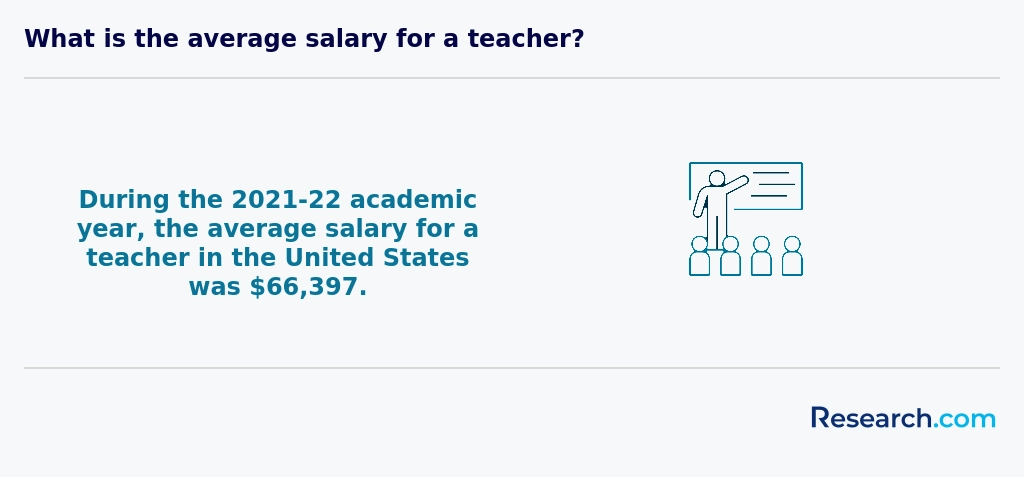
Discover the top education degree programs shaping Eugene’s teaching professionals in 2024. Whether you’re aiming for classroom excellence or innovative instructional design, these ranked programs represent the best blend of academic rigor, practical experience, and career outcomes. 1. University of Oregon – Bachelor of Science in Education • Rank: 1 • Highlights: Comprehensive curriculum in child development, hands-on student teaching partnerships with local schools, average in-state tuition of $9,750. • Career Outcomes: 88% job placement within 12 months; average starting salary of $48,000. 2. Lane Community College – Associate of Applied Science in Early Childhood Education • Rank: 2 • Highlights: Two-year program with practicum in leading preschools, Oregon Promise Grant eligibility, small class sizes. • Career Outcomes: Graduates report immediate hire in childcare centers; mean wage of $38,640. 3. University of Oregon – Master of Education in Curriculum & Instruction • Rank: 3 • Highlights: Advanced pedagogy seminars, research-driven practicum, strong faculty mentorship; average program length of 1.5 years. • Career Outcomes: Graduates move into instructional coordinator roles, earning up to $73,080. 4. Oregon State University – Online Master of Education in Education Technology • Rank: 4 • Highlights: Fully online delivery, flexible scheduling, focus on digital literacy and instructional design. Students seeking additional affordable online options can explore our Affordable Online Education Degree Programs Ranking in St. Paul, MN. 5. Northwest Christian University – Bachelor of Arts in Elementary Education • Rank: 5 • Highlights: Faith-integrated pedagogy, low student-faculty ratio, immersive community-based service learning. • Career Outcomes: 92% pass rate on licensure exams; graduates secure teaching positions across Lane County. 6. University of Oregon – Doctor of Education (Ed.D.) in Educational Leadership • Rank: 6 • Highlights: Cohort model, dissertation-in-practice option, partnerships with district administrators. • Career Outcomes: Alumni serve as principals and district leaders, with median salaries of $85,000. Each program is ranked on criteria including student outcomes, tuition value, faculty expertise, and real-world training. Use this guide to pinpoint the ideal degree pathway in Eugene, OR, and launch your career as an educational innovator.
What courses are typically in education degree programs in Eugene?
Education degree programs in Eugene commonly include courses that blend theory with practical application, preparing students for the realities of diverse classroom settings. Graduates from institutions like the University of Oregon often highlight how courses such as Foundations of Education and Child and Adolescent Development helped them understand not just educational frameworks but the lived experiences of their future students.
Classroom Management and Instructional Techniques frequently receive praise for equipping students with actionable strategies to create engaging and productive learning environments. For example, practicing lesson plan development during these courses offers a concrete way to connect academic concepts with the day-to-day challenges teachers face.
Many students also value their experiences in Special Education and Technology in Education, noting that these courses prepare them to address diverse learner needs with innovation and empathy. Hands-on student teaching placements in local Eugene schools often serve as pivotal moments, allowing students to apply theory in real classrooms, which many describe as both rewarding and affirming their career choice.
What types of specializations are available in education degree programs in Eugene?
Education degree specializations in Eugene typically include Elementary Education, Secondary Education, Special Education, Early Childhood Education, Educational Leadership, and English as a Second Language (ESL). For example, graduates from local universities often share how Elementary Education programs prepare them for hands-on experiences in nearby schools, fostering a sense of fulfillment as they help young children grasp foundational skills. Secondary Education students highlight the challenge and reward of mastering subject-specific pedagogy to meet the needs of diverse middle and high school learners within Eugene's public school system.
Special Education and ESL specializations reflect Eugene's commitment to inclusivity and equity in classrooms, addressing varying student needs with empathy and practical strategies. Educational Leadership pathways attract those who aspire to be principals or curriculum coordinators, aiming to influence policy and school climate positively.
Students weighing these popular teaching program options Eugene often consider how certification requirements align with their chosen paths. Additionally, for those concerned about expenses, local institutions provide insight into the cost of library science degree as a comparative benchmark, helping prospective educators plan financially.
How do you choose the best education degree in Eugene?
Choosing the best education degree programs in Eugene involves evaluating several key factors beyond just reputation. Graduates from the University of Oregon often highlight the importance of accreditation, such as the regional recognition by CAEP, which assures quality and aids in accessing licensure. Considering program offerings carefully is essential; some students found that selecting tracks like special education or educational leadership aligned better with their career goals, helping them feel more confident and satisfied during their studies.
Cost understandably influences decisions, but balancing tuition with local support services and community connections in Eugene can provide greater value. For example, students engaged in fieldwork through partnerships with Eugene schools often report enhanced practical learning, helping them transition more smoothly into employment. Moreover, those concerned with affordable education degrees Eugene Oregon options might explore various tuition assistance resources or policies highlighted in the Affordable Online Education Degree Programs Ranking in St. Paul, MN.
What career paths are available for education degree students in Eugene?
Graduates with an education degree in Eugene find diverse career paths beyond traditional classroom roles. Many step into teaching jobs and salaries in Eugene Oregon that align with the region's strong demand for K-12 educators, especially in specialized areas like math and special education. Alumni from the University of Oregon often share how their practicum experiences in Eugene School District 4J prepared them for these challenges, blending theory with real classroom dynamics.
Others pursue leadership or support roles such as school counselors, instructional coordinators, or administrators, balancing higher responsibility with varied salary ranges. This path requires further certification but opens doors to impactful decision-making positions within local schools. Early childhood education is another avenue, where graduates work in preschools and daycare centers, nurturing foundational skills in young learners-a rewarding choice noted by graduates from Eugene's community colleges.
Emerging fields like educational technology and curriculum design attract graduates eager to innovate learning in K-12 and higher education settings. For those considering flexible learning formats, exploring accelerated bachelor degree programs online provides alternative routes to certification. While opportunities are promising, it's crucial to critically evaluate each path's fit with personal goals and local labor market trends to navigate education degree career options in Eugene effectively.
What is the job market for education degree in Eugene?
The job market for education degree graduates in Eugene reflects steady opportunities, especially in K-12 public schools and specialized areas like special education, science, and math. Graduates from the University of Oregon often find their education well aligned with local demand, thanks to programs that emphasize practical training for these in-demand fields. For many, securing a position in Eugene School District 4J feels encouraging, as job openings for licensed teachers frequently appear, providing hope for recent grads navigating the early stages of their careers.
However, some graduates note the challenge of competition due to the saturation of entry-level roles caused by relatively moderate tuition costs, which attract many local students. Despite this, many find that the well-structured training and opportunities for advancement into administrative and counseling roles offer pathways to long-term career satisfaction. Students looking to balance cost and career prospects might consider easier pathways, such as the easiest 2 year degree to get, to start their educational journey efficiently.
Overall, those exploring teacher employment opportunities in Eugene benefit from the city's strong educational infrastructure and feel optimistic when navigating a job market shaped by consistent demand and supportive institutions.
Frequently Asked Questions About education
Education degree students in Eugene can maximize their learning by engaging with local school districts for classroom observation and student teaching opportunities. The University of Oregon, a leading institution in the area, offers extensive partnerships with nearby schools, allowing students to gain practical experience alongside theoretical knowledge. According to U.S. Department of Education data, hands-on practice improves skills for 85% of education majors nationwide.
Participating in study groups and attending local education workshops also enhances understanding of diverse teaching methods. Additionally, students should utilize Eugene's public library resources and education-focused community events to stay updated on current educational research and policies.
The education field is evolving rapidly, with new niches emerging to meet changing societal needs. In Eugene, one growing area is educational technology, driven by increased demand for digital learning tools in K-12 and higher education. According to the University of Oregon, enrollment in education technology courses has risen by 15% over the past two years. Special education remains critical, especially in adapting methods for students with learning differences and disabilities.
Another promising niche is bilingual education, reflecting Oregon's increasing cultural diversity. Programs focused on dual language instruction are expanding to support this trend. Lastly, education policy and administration are attracting professionals aiming to influence systemic changes at local and state levels.
Preparing for the job market after completing an education degree in Eugene involves several strategic steps. Graduates should engage in student teaching placements or internships, as local school districts often prefer candidates with hands-on experience. According to the Oregon Employment Department, the demand for qualified teachers in Eugene is steadily increasing, particularly in special education and STEM subjects.
Networking is crucial; attending events hosted by the Eugene Education Association can connect graduates with potential employers. Additionally, obtaining state licensure through the Oregon Teacher Standards and Practices Commission is mandatory to teach publicly, so early preparation for exams and background checks is essential.
Continuing education and professional development opportunities offered by the University of Oregon and Lane Community College can further enhance skills and job readiness.
Employers in Eugene prioritize several key skills when hiring education degree graduates. Among the top competencies are strong communication and classroom management abilities. These skills are essential for creating effective learning environments and engaging diverse student populations.
Additionally, critical thinking and problem-solving are highly valued, enabling educators to adapt lesson plans and address individual student needs. According to data from the Oregon Employment Department, education roles in Eugene require proficiency in technology integration to support modern teaching methods.
Understanding of state-specific curriculum standards and cultural competence also plays a significant role in meeting the needs of Eugene's diverse communities. These skills collectively prepare graduates for successful careers in education across the region.
Finding internships in Eugene relevant to an education degree involves utilizing local resources and university connections. The University of Oregon, a leading institution in Eugene, often coordinates internships through its College of Education, connecting students with nearby schools and educational organizations.
Local school districts, such as Eugene School District 4J, regularly offer internship and volunteer opportunities for education students seeking practical experience. Additionally, community centers and nonprofit groups focused on youth development can serve as valuable internship sites.
Research from the U.S. Bureau of Labor Statistics indicates that internships significantly improve job placement rates post-graduation. Students are encouraged to visit university career centers, attend job fairs like the annual Education Career Fair in Eugene, and explore online platforms listing internships specific to the region.
In Eugene, obtaining an education degree significantly enhances career mobility and advancement opportunities, especially within local school districts such as Eugene School District 4J and Bethel School District. The Oregon Employment Department reports that educators with formal degrees have access to higher starting salaries and more promotional tracks compared to those without degrees.
Additionally, an education degree is often required for obtaining teaching licenses in Oregon, which directly affects eligibility for positions like lead teacher, curriculum specialist, or administrative roles.
Ongoing professional development linked to education degrees can improve job stability and open doors to leadership roles in Eugene's expanding educational sector.
Studying for an education degree in Eugene offers a solid foundation for interdisciplinary roles by combining core teaching skills with exposure to varied academic disciplines. Local universities emphasize collaborative learning, integrating fields like psychology, sociology, and technology into their curricula. This approach helps students develop versatile problem-solving and communication skills necessary for diverse educational settings.
According to the Oregon Employment Department, education professionals in Eugene increasingly require knowledge beyond traditional teaching, including data analysis and digital literacy. Programs often include practicum experiences in multiple community contexts, preparing graduates to engage with varied populations and support holistic learning approaches.
Choosing between a thesis and a non-thesis education degree program in Eugene depends on your career goals and personal preferences. Thesis programs typically involve conducting original research and writing a detailed academic paper, which suits students interested in doctoral studies or research-oriented careers.
Non-thesis programs often focus on coursework and practical applications, ideal for those aiming to work directly in educational settings like schools or administration. According to the University of Oregon's Graduate School data, roughly 60% of education master's students opt for non-thesis tracks, emphasizing professional practice.
Consider your workload capacity, timeline, and whether you prefer research or hands-on experience before deciding.
Students in Eugene interested in studying education abroad have several practical pathways within the U.S. higher education framework. Many local institutions, including the University of Oregon, offer exchange programs and partnerships with universities in countries like the United Kingdom, Canada, and Australia. These programs enable students to earn credits toward their education degrees while gaining international experience.
Additionally, Eugene students can consider accredited online education degrees from universities abroad, which abide by U.S. accreditation standards. According to a 2023 report from the Oregon Higher Education Coordinating Commission, around 12% of Eugene's education students participate in study abroad or international exchange programs, reflecting increasing interest in global perspectives.
Financial aid and scholarships specifically for Eugene-based students studying education internationally are also available through federal grants and institutional funding, making these opportunities more accessible.
In Eugene, part-time job opportunities that complement education degree studies are widely accessible. Many students find roles as teacher assistants or tutoring providers in local schools, such as those in the Eugene School District 4J, which employs hundreds of educational aides. These positions offer practical classroom experience and strengthen instructional skills.
Additionally, more than 30% of education students in Oregon engage in after-school program jobs or youth mentoring, helping them apply child development theories in real settings. Libraries and community centers in Eugene also offer openings for education majors to lead reading or homework help sessions.
According to the Oregon Employment Department, education-related part-time roles tend to pay between $12 and $18 per hour, providing valuable income along with professional growth. These opportunities enable students to build networks within Eugene's education community while pursuing their degrees.
Education students in Eugene benefit from numerous networking opportunities linked to the city's established institutions. The University of Oregon, a leading local university, hosts professional events and workshops through its College of Education, fostering connections with regional school districts and educational organizations.
Students can also join local chapters of national education associations, such as the Oregon Education Association. These groups offer conferences and seminars where aspiring educators meet peers and experienced professionals.
Additionally, Eugene's public schools frequently collaborate with universities, providing students with internships and practicum placements that help build professional networks early in their careers.
Alumni networks offer significant benefits to education degree students in Eugene by providing valuable professional connections. Graduates from local institutions like the University of Oregon often maintain active networks that support new students through mentorship opportunities. These connections can lead to internships and job placements in Eugene's schools, which are vital given the city's competitive education job market.
According to the Oregon Employment Department, the demand for qualified teachers in Eugene is expected to grow by 8% through 2030. Alumni networks help students navigate this landscape by sharing insights and openings.
Additionally, such networks foster collaboration on research projects and continuing education, enhancing professional growth.
In Eugene, education degree programs offer opportunities to tailor your studies to match specific career goals. Many local institutions, including the University of Oregon, allow students to choose concentrations such as early childhood education, special education, or educational leadership. This customization helps align coursework with your intended career path.
Internships and practicum experiences within Eugene's diverse school districts provide practical skills and networking opportunities. Additionally, students can often select electives focused on curriculum development or educational technology, which are increasingly important fields.
Advisors in Eugene's programs typically work closely with students to design personalized study plans that meet licensure requirements and professional ambitions, ensuring graduates are well prepared for local and regional job markets.
Education students in Eugene often face several common challenges related to the demanding nature of their programs. Many must balance rigorous coursework with unpaid or low-paid student teaching placements, which are critical for hands-on experience but can strain time and finances. According to the Oregon Department of Education, securing diverse practicum sites in Eugene's varied school districts can be competitive and challenging, affecting students' ability to gain broad classroom exposure.
Additionally, staying current with evolving state certification requirements is a persistent concern. Students must navigate changing standards and testing criteria, including the Oregon Teacher Standards and Practices Commission mandates. These factors contribute to stress and uncertainty for many pursuing education degrees locally.
With an education degree in Eugene, graduates can pursue several professional certifications to enhance their teaching careers. The most common certification is the Oregon teaching license, which qualifies individuals to teach in public schools across the state. This license requires completing an approved teacher preparation program and passing the Oregon Educator Preparation Assessments.
Additionally, educators can obtain endorsements in areas such as Special Education, English as a Second Language (ESL), or Reading Instruction, which expand job opportunities.
For those interested in administration, certifications like the Oregon School Administrator license are available, requiring additional coursework and experience.
Local resources such as the University of Oregon's College of Education provide support for certification processes in the Eugene area, helping align with state requirements and labor market demands.
When applying for an education degree program in Eugene, it is essential to focus on clarity and relevance in your application. Start by carefully reviewing specific requirements from institutions like the University of Oregon, a leading educator in the region. Highlight your academic achievements, especially in teaching-related coursework or volunteer experience.
Emphasize your passion for education and commitment to community service, both highly valued in Eugene's educator programs. Include strong letters of recommendation from academic advisors or professionals familiar with your teaching potential.
Don't overlook the importance of a well-written personal statement that clearly states your goals and how attending a Eugene institution will help you achieve them.
Education careers in the United States, including Eugene, are shaped by global trends emphasizing cultural awareness and technological integration. According to the U.S. Bureau of Labor Statistics, employment for kindergarten and elementary school teachers is projected to grow by 5% from 2021 to 2031, reflecting steady demand. Educators in Eugene benefit from Oregon's commitment to inclusive and diverse curricula, aligning with international efforts to prepare students for a globalized world. Many programs encourage cross-cultural competence, which is key as classrooms become more diverse. Additionally, advances in educational technology seen worldwide are increasingly included in degree programs here, equipping future teachers with modern tools.
Gaining practical experience while studying for an education degree in Eugene can be achieved through several hands-on opportunities. Many local institutions, like the University of Oregon, offer field placements and student teaching as key components of their education programs. These experiences allow students to work directly in classrooms under the supervision of certified teachers.
Additionally, partnerships with nearby schools in Eugene enable students to participate in tutoring, mentoring, or assisting with after-school programs. These experiences help build classroom management and instructional skills.
According to the Oregon Higher Education Coordinating Commission, nearly 80% of education students in the state engage in practicum or internship experiences before graduation, highlighting the emphasis on applied learning within local degree pathways.
Choosing the right concentration within an education degree program in Eugene requires understanding your career goals and local job market demands. Popular concentrations include early childhood education, special education, and curriculum development. According to the Oregon Employment Department, special education teachers in Eugene earn an average annual wage of $63,000, indicating strong demand in this area.
Research area schools to compare available concentrations and their curricula. Consider programs offering fieldwork or practicum opportunities in Eugene, as hands-on experience is crucial. Additionally, check for Oregon Teacher Standards and Practices Commission (TSPC) certification alignment to ensure your chosen concentration leads to licensure.
Speak with academic advisors and current students at local institutions such as the University of Oregon for insights on specialization benefits and outcomes.
Related Education Rankings for Nearby Cities
- 2027 Most Popular Education Degree Programs Ranking in Portland
- 2027 Most Popular Education Degree Programs Ranking in Stockton
- 2027 Most Popular Education Degree Programs Ranking in San Francisco
- 2027 Most Popular Education Degree Programs Ranking in Salt Lake City
- 2027 Most Popular Education Degree Programs Ranking in Los Angeles
- 2027 Most Popular Education Degree Programs Ranking in Irvine
- 2027 Most Popular Education Degree Programs Ranking in Riverside
- 2027 Most Popular Education Degree Programs Ranking in La Jolla
- 2027 Most Popular Education Degree Programs Ranking in San Diego
- 2027 Most Popular Education Degree Programs Ranking in Phoenix
Top Trending Education Rankings
See What Experts Have To Say About Studying Education
Read our interview with Education experts

Alan J. Singer
Education Expert
Professor of Teaching, Learning and Technology
Hofstra University


References
- Latest Trends in the Field of Education - ICERT https://icert.org.in/latest-trends-in-the-field-of-education/
- Navigating Challenges In Education, Learning & Development - those who can https://www.thosewhocan.org/navigating-challenges-in-education-learning-and-development/
- What Can I Do With a Teaching Degree (Besides Teach)? https://www.alleducationschools.com/blog/what-can-i-do-with-a-teaching-degree-besides-teach/
- Networking For Educators: How To Grow A Professional Circle - Carlow University https://www.carlow.edu/networking-for-educators/
- Engaging Students in Meaningful Learning Experiences https://www.facultyfocus.com/articles/effective-teaching-strategies/engaging-students-in-meaningful-learning-experiences/
- How to Build Work Experience While Studying - EN Global Education Ltd https://englobaleducation.co.uk/how-to-build-work-experience-while-studying/
- 18 Highest Paying Jobs With an Education Degree (not teaching) | Devlin Peck https://www.devlinpeck.com/content/jobs-with-an-education-degree
- International teaching and education jobs https://www.tes.com/jobs/search/international
- Top Career Paths for Education Graduates https://www.umassglobal.edu/blog-news/top-career-paths-education-graduates
- Teaching Job Roles | Teach For Life https://www.teachforlife.com/teachingjobs/global-perspectives-teacher


