
2027 Most Popular Education Degree Programs Ranking in Illinois

Co-Founder and Chief Data Scientist
Choosing the right education degree program can shape your future in meaningful ways. This article presents the 2027 Most Popular Education Degree Programs Ranking in Illinois, crafted by the Research.com team of data scientists to guide you toward smart decisions.
By exploring this ranking, you'll gain insights into the most sought-after programs, helping you find options that align with your goals. Earning an education degree opens doors to rewarding careers that make a difference in communities across Illinois. Let this guide inspire and support your journey toward becoming an impactful educator.
Key benefits of getting education degree in Illinois
- Education degree graduates in Illinois can earn competitive salaries, such as $76,000 for Special Education Teachers and $77,200 for Instructional Designers, helping you build a stable and rewarding career.
- Graduates from Illinois universities often pursue varied career paths including teaching, curriculum design, and specialized education roles, offering diverse opportunities to make a positive impact.
- Completing an education degree online at an Illinois university provides flexibility, allowing you to balance work and study while gaining the same respected qualification as traditional students.
- Key benefits of getting education degree in Illinois
- What can I expect from education degree in Illinois?
- Where can I work with education degree in Illinois?
- How much can I make with education degree in Illinois?
- 2027 Most Popular Education Degree Programs Ranking in Illinois
- Key Findings
- How long does it take to complete education degree in Illinois?
- Return on Investment for Education Degrees in Illinois
- What's the difference between online and on-campus education degree?
- Long-Term Career Growth & Return on Investment
- What is the average cost of education degree in Illinois?
- Teacher Certification and Licensure Pathways in Illinois
- What financial aid is available to education degree students in Illinois?
- Affordable Online Master’s Programs in Education
- What are the prerequisites for enrolling in education degree program in Illinois?
- Affordability of Education Programs in Illinois
- What courses are typically in education degree programs in Illinois?
- What types of specializations are available in education degree programs in Illinois?
- How do you choose the best education degree in Illinois?
- What career paths are available for education degree students in Illinois?
- What is the job market for education degree in Illinois?
- Related Education Rankings for Nearby States
- Top Trending Education Rankings
- See What Experts Have To Say About Studying Education
What can I expect from education degree in Illinois?
The average cost of an education degree in Illinois varies depending on the institution, but many students find public universities like the University of Illinois and Illinois State University offer excellent value with in-state tuition rates that make earning a degree more accessible. Graduates often recall feeling relieved and motivated knowing their families were not under crushing financial strain, allowing them to focus fully on mastering teaching methods and gaining classroom experience.
Some students share how scholarships and financial aid programs tailored for education majors substantially lowered their costs, especially when committed to working in high-need schools post-graduation. These real-world savings create a sense of optimism about their future careers.
Those attending private colleges sometimes face higher tuition but often benefit from personalized support and smaller class sizes, making the investment feel worthwhile. The practical student teaching placements embedded in Illinois education programs also enhance this value by providing paid or low-cost opportunities to gain experience while still enrolled.
Where can I work with education degree in Illinois?
Graduates with an education degree in Illinois find a rich variety of career paths that extend far beyond traditional teaching. Many from well-known institutions in Illinois, such as those at the University of Illinois or Northern Illinois University, step confidently into roles in public and private K-12 schools as teachers, counselors, or administrators-roles that remain in strong demand as reflected by over 350,000 licensed educators statewide. Imagine working in a vibrant Chicago elementary school, innovating learning methods to inspire young minds daily.
Others pursue careers in early childhood education centers, where Illinois's growing investment in preschool programs creates vibrant opportunities for nurturing the youngest learners. Graduates often share stories of making meaningful impacts in communities through tailored early education interventions, a rewarding experience fostering real change.
Beyond classroom walls, education degree holders flourish in higher education support roles-academic advising or instructional coordination-especially at community colleges, helping students navigate their academic journeys with empathy and insight.
Special education is another promising direction; a 6% rise in special education positions signals expanding opportunities to make powerful differences for students with unique needs. Seizing such roles brings a profound sense of purpose and accomplishment.
Emerging trends show growing demand in government agencies, nonprofits, and corporate training sectors, where graduates leverage their skills in program development and leadership training, opening dynamic new frontiers. Illinois education grads envision futures where their expertise shapes policy, empowers communities, and redefines workplace learning.
How much can I make with education degree in Illinois?
Graduates from education programs in Illinois, such as those at the University of Illinois or Northern Illinois University, often find promising salary prospects across various teaching roles. For instance, elementary school teachers earn a mean annual wage of around $70,740, which matches well with the reported regional figures and offers a solid foundation for new educators starting their careers.
Special education teachers tend to earn even more, with an average salary near $76,000, reflecting the specialized skills and high demand for such professionals in Illinois schools. Those pursuing careers as ESL teachers can anticipate earnings about $65,430 annually, complementing the state's diverse student population.
Early childhood educators typically start with salaries near $41,410, a figure many recent graduates from Illinois colleges experience when entering the workforce. Meanwhile, instructional designers, which some education graduates transition into, enjoy attractive salaries upwards of $77,200, signaling growing opportunities beyond the classroom.
This range of earnings highlights the flexibility of education degrees in Illinois. Graduates appreciate how continuing education or certification can elevate their income, particularly within dynamic districts in Chicago or surrounding areas, where demand and pay often increase with experience.
2027 Most Popular Education Degree Programs Ranking in Illinois
How do we rank schools?
Investing in your education is a significant decision that can shape your future, and the Research.com team understands the importance of making informed choices. To assist prospective students in Illinois, we have meticulously crafted the "2027 Most Popular Education Degree Programs Ranking in Illinois." Our commitment to quality, credibility, and accuracy is reflected in the extensive research and analysis conducted to compile this ranking.
We utilized the following reputable data sources to ensure a comprehensive evaluation of education degree programs:
By exploring this ranking, readers will gain valuable insights into the most popular education degree programs in Illinois, enabling them to make well-informed decisions about their educational paths. For more details on our methodology, please visit our Research.com methodology page.


Key Findings
- Illinois offers various education degree programs, including bachelor's and master's degrees in teaching, administration, and special education.
- Tuition costs range from $15,000 to $20,000 annually at public universities for in-state students and can exceed $30,000 at private colleges.
- There is steady job growth in teaching roles, especially in elementary and secondary education, due to ongoing student enrollment and teacher shortages.
- Early-career educators in Illinois earn about $45,000 per year, with experienced teachers making up to $70,000 annually, particularly in suburban and urban areas.
- Licensure requires passing the Illinois Licensure Testing System (ILTS) exams to ensure educators meet state standards.
- Alternative certification programs are available for career changers and non-traditional teacher candidates to help meet demand.
How long does it take to complete education degree in Illinois?
Completing an education degree in Illinois typically unfolds over clearly defined timeframes, though students often find unique paths depending on their circumstances. Many graduates from popular institutions like the University of Illinois report finishing their traditional Bachelor's degrees in about four years, balancing rigorous coursework with hands-on student teaching. This immersive experience often sparks excitement and confidence as they step into classrooms.
For those pursuing a Master's in education, the journey usually extends one to two years beyond the bachelor's degree. Graduates from various Illinois universities recall the flexibility of part-time or full-time enrollment, allowing them to tailor their studies around work or family commitments. Programs such as Curriculum and Instruction or Educational Leadership inspire a deepened passion for shaping education systems.
Doctoral candidates, often drawn to schools with strong research reputations, embrace a three- to five-year commitment. These students describe a fulfilling challenge, engaging in original research that can influence educational policy and practice statewide. Alternate tracks, like special education certification, may add semesters but open doors to specialized and rewarding careers.
Return on Investment for Education Degrees in Illinois
Understanding the financial return on investment (ROI) of an education degree in Illinois helps prospective students measure long-term value beyond upfront costs. On average, in-state tuition at public universities runs about $15,868 per year, with graduates shouldering roughly $37,850 in federal student loan debt. Early Childhood Educators earn a mean annual wage of $38,640, ESL teachers average $63,130, and Instructional Designers command up to $73,080. When factoring living expenses and loan repayment, the typical payback period for a bachelor’s degree spans 7–9 years, while a master’s degree often accelerates earning potential, reducing the break-even point. Strategic choices-such as pursuing accredited programs with strong job-placement services, securing scholarships, and leveraging work-study or assistantship opportunities-can significantly enhance ROI. For students exploring budget-friendly advanced pathways and flexible schedules, our Inexpensive Online Master’s in Education Degree Programs Ranking in Ohio showcases models of affordability that highlight tuition savings and delivery formats transferable to Illinois. To further maximize ROI, consider federal loan forgiveness options for teaching in high-need districts, adjunct teaching roles, or partnerships with local schools that offer tuition remission. By evaluating cost per credit hour, projected salary trajectories, and total debt burden, prospective educators can make data-driven decisions that align their academic investments with long-term career and financial goals.
What's the difference between online and on-campus education degree?
Graduates from the University of Illinois at Urbana-Champaign often share how on-campus education degrees offered them immersive experiences, from engaging in vibrant study groups to gaining hands-on practice in nearby classrooms. This direct interaction fosters strong connections and real-time feedback, creating a supportive community that many find deeply motivating.
Meanwhile, students pursuing education degrees online from Illinois State University appreciate the flexibility to tailor studies around jobs or family life. One graduate recounted attending virtual lectures late at night after a full day of teaching, valuing the convenience without sacrificing access to quality instruction. This adaptability is increasingly attractive as life's demands continue to grow.
Looking ahead, Illinois institutions may blend these experiences further, using hybrid models that combine on-campus resources with dynamic digital platforms. Imagine being able to join a live classroom discussion while capturing internships locally-offering the best of both worlds in preparing educators for Illinois' diverse schools.
Long-Term Career Growth & Return on Investment
Beyond gaining immediate teaching skills and seizing diverse career pathways, an Education degree in Illinois sets the stage for lasting professional growth and financial stability. Graduates can expect the degree to serve as a robust foundation for long-term opportunities, including leadership positions, specialized roles, and career pivot options into related fields. Investing in your education becomes particularly rewarding when you consider factors like increased earning potential over time, enhanced job security, and the development of valuable networks within the educational community. Emphasizing both quantitative and qualitative returns, prospective students should evaluate metrics such as salary progression, job satisfaction, and career advancement opportunities. For those exploring additional affordable advanced options, it's worth checking if are online library science masters degrees affordable, as cross-disciplinary skills can further expand your career horizons. This comprehensive approach to analyzing long-term return on investment helps ensure that your educational journey not only meets immediate career goals but also supports sustained growth and resilience in a dynamic job market.
What is the average cost of education degree in Illinois?
The average cost of an education degree in Illinois typically falls around $32,200 for in-state students, a figure that reflects expenses across public universities known for strong education programs. Graduates from these institutions often recall managing tuition alongside living costs, textbooks, and fees, all essential parts of their academic journey. For example, students attending popular Illinois universities specializing in education budget carefully but feel reassured knowing that various financial aid options, including scholarships and federal aid, are available to ease their path.
Out-of-state students face a higher median cost, near $45,684, reflecting the tuition differences often found in competitive education programs. Many graduates describe the investment as worthwhile, emphasizing how the education degree opened doors to rewarding careers in teaching and administration across Illinois communities. Considering tuition reciprocity agreements and institutional aid can significantly reduce costs for some students, making the pursuit of these degrees more accessible.
When exploring the average cost of education degree in Illinois, it's important to factor in additional expenses beyond tuition, such as materials and living costs, which can add several thousand dollars yearly. Students from institutions with strong reputations in education share stories of balancing work and study but flourishing in supportive environments that prepare them well for their future roles. Prospective students should review options carefully and consider affordable education schools in Illinois for a practical and budget-conscious path forward.

Teacher Certification and Licensure Pathways in Illinois
Becoming a licensed teacher in Illinois requires meeting state-mandated coursework, assessment, and application standards set by the Illinois State Board of Education (ISBE). To begin, candidates must: • Complete an approved educator preparation program accredited by ISBE or a regional accreditor. • Achieve a minimum GPA (usually 2.5 or higher) and fulfill field experience hours, including student teaching. • Pass the required Illinois Licensure Testing System (ILTS) exams: Basic Skills Test, Content-Area Test, and, for some specializations, the edTPA performance assessment. • Undergo a criminal background check and submit official transcripts to ISBE. • Apply for the Initial Educator License online via the ELIS portal and pay the applicable fee. After earning an Initial Educator License, teachers must complete a two-year Professional Educator License (PEL) induction program-often hosted by school districts or preparation providers-during which they demonstrate effective teaching practices, reflection, and mentorship engagement. Upon successful completion, candidates can apply for a Standard Educator License valid for five years and eligible for renewal through continuing professional development (CPD) or by completing a master’s-level coursework sequence. For educators seeking advanced endorsements-such as special education, reading specialist, or administrative leadership-pursuing a master’s degree can streamline licensure upgrades. Candidates on a budget may find value in our Inexpensive Online Master's in Education Degree Programs Ranking in Ohio, which highlights flexible, cost-effective pathways to meet Illinois’ advanced credential requirements. Continuous engagement in CPD, mentoring new teachers, and participation in professional learning communities will ensure you maintain compliance with ISBE standards while advancing your career.
What financial aid is available to education degree students in Illinois?
Students pursuing education degrees in Illinois often find crucial financial support through federal Pell Grants, which relieve the burden of tuition at universities like the University of Illinois Urbana-Champaign. Many graduates recall how these grants made attending an in-state public university with average fees around $14,000 much more manageable. Beyond this, Federal Supplemental Educational Opportunity Grants (FSEOG) provide additional help for those with exceptional financial need, allowing students to focus more on their coursework and less on finances.
State aid also plays a major role. The Illinois Monetary Award Program (MAP) is frequently mentioned by education students at Illinois State University, who express gratitude for the program's support in covering tuition and fees. Many future teachers also benefit emotionally and financially from loan forgiveness programs tied to high-need school commitments, easing worries about debt after graduation.
- Federal Work-Study opportunities offer hands-on experience alongside financial aid, which students at Northern Illinois University describe as empowering and practical.
- Teacher-specific scholarships from boards like the Illinois State Board of Education encourage diversity and excellence, fostering hopeful ambitions.
- Institutional scholarships based on merit or need at colleges such as DePaul University supplement these efforts, helping students stay focused on their educational goals.
As funding evolves, there is growing enthusiasm that such financial aid will become even more personalized and accessible, encouraging passionate individuals across Illinois to pursue education degrees without the overwhelming stress of cost.
Affordable Online Master’s Programs in Education
As the demand for advanced credentials in education continues to grow, prospective students increasingly seek cost-effective, flexible pathways to earn their master’s degree without compromising quality. Online master’s programs offer the convenience of remote learning, allowing working professionals to balance coursework with career and family commitments. Moreover, by choosing accredited, budget-friendly options, students can minimize debt and maximize return on investment. To explore highly rated, low-cost programs, consider the Inexpensive Online Master’s in Education Degree Programs Ranking in Ohio, which highlights institutions renowned for affordability and academic excellence. These programs often include:
- Asynchronous coursework that fits any schedule
- Interactive virtual classrooms fostering collaboration
- Access to digital resources and dedicated online support services
- Streamlined practicum arrangements in local school districts By comparing tuition rates, credit requirements, and financial aid opportunities across top-ranked online master’s degrees, education professionals can make informed decisions that align with both career goals and budgetary constraints. This strategic approach ensures that advancing your education remains accessible, practical, and aligned with long-term professional growth.
What are the prerequisites for enrolling in education degree program in Illinois?
Enrolling in education degree programs in Illinois increasingly requires a blend of traditional academic benchmarks and personal engagement with the field. Graduates from universities like the University of Illinois Urbana-Champaign often highlight the importance of maintaining a minimum GPA of about 2.5 to 3.0, paired with submitting compelling personal statements that showcase genuine passion for teaching. These narratives help admissions committees see candidates as future educators, not just numbers.
Standardized tests such as the SAT or ACT remain relevant at some institutions, though many have embraced test-optional policies, reflecting evolving admission trends. Aspiring teachers at schools like Illinois State University find that gathering letters of recommendation and demonstrating volunteer experience in classroom settings build a well-rounded application that resonates with program expectations.
Graduate hopefuls preparing for a Master's in Education often experience a deeper level of scrutiny, needing at least a 3.0 GPA and sometimes GRE scores, though these requirements are loosening as institutions recognize diverse candidate strengths. Many also describe submitting professional resumes and statements of purpose as valuable opportunities to illustrate their unique educational journeys and aspirations.
Overall, these prerequisites emphasize readiness while encouraging applicants to express their dedication and practical exposure, creating an encouraging pathway toward becoming a teacher in Illinois's evolving educational landscape.
Affordability of Education Programs in Illinois
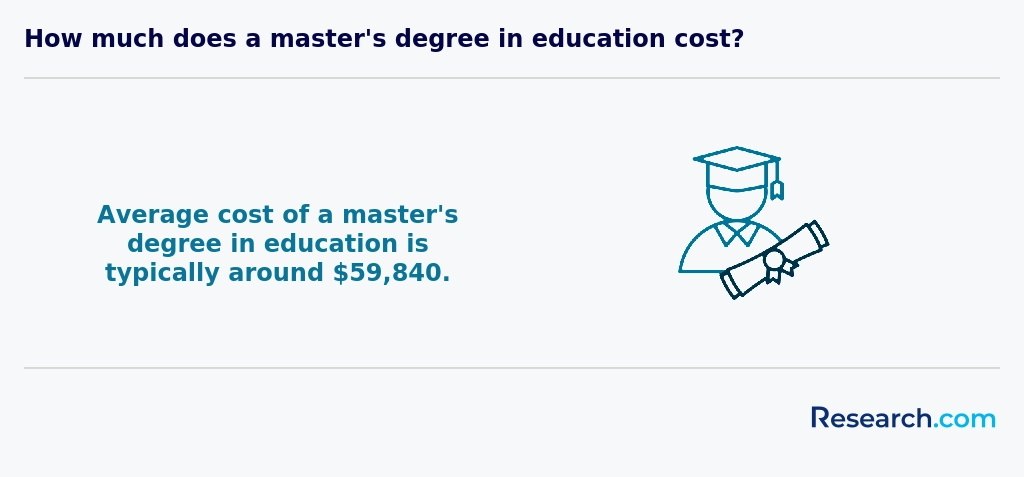
The affordability of education programs is a crucial factor for many students in Illinois, with the average cost of tuition and fees varying significantly across different institutions. For instance, public four-year universities charge in-state students an average annual tuition of approximately $15,868, while private nonprofit colleges average about $20,019 per year. Community colleges offer a more affordable option, with in-district tuition averaging around $3,885 annually, making it about 21.6% of the total cost of attendance. Students can also explore options for affordable education schools in Illinois to find programs that fit their budget. By considering these factors, prospective students can make informed decisions about their educational paths and choose affordable education programs that align with their aspirations and financial realities.
What courses are typically in education degree programs in Illinois?
Education degree programs in Illinois typically include courses like Foundations of Education, where graduates reflect on the evolving history and philosophy of teaching in the U.S., often discussing how those lessons shape their future classrooms. At universities such as the University of Illinois, students share excitement about applying Instructional Strategies tailored to diverse learning styles, preparing them to engage real students effectively.
Many graduates recall hands-on experiences from Student Teaching practicums, where classroom management techniques spring to life amid the energetic dynamics of Chicago-area schools. These immersive opportunities inspire confidence and creativity, blending theory with reality.
Courses in Assessment and Educational Technology spark enthusiasm, as students envision using innovative tools and data-driven methods to personalize learning in Illinois's diverse communities. Electives like special education and bilingual teaching open doors to serve wider populations, reflecting graduates' passion for inclusive education.
What types of specializations are available in education degree programs in Illinois?
Education degree specializations in Illinois span a dynamic spectrum, reflecting the state's commitment to preparing adaptable educators. Graduates from institutions like the University of Illinois and Northern Illinois University often highlight their focus in Elementary Education, mastering classroom management and child development for grades K-5. These students describe a rewarding experience as they learn to engage young minds with innovative strategies.
Another exciting concentration option lies within Secondary Education, where aspiring teachers dive deep into subjects like math or English while honing skills to connect with adolescent learners. Illinois colleges tailor this path to meet regional workforce demands, making it practical for graduates ready to impact middle and high schools.
Emerging trends in Illinois teaching degree concentration options include specializations in Instructional Technology and Leadership, responding to digital shifts and the need for skilled administrators. Special education continues thriving, with students eagerly embracing challenges tied to diverse student needs. Prospective students curious about digital tools in education might explore are online library science masters degrees affordable programs to complement their training and future roles.
How do you choose the best education degree in Illinois?
Choosing the best education degree in Illinois means imagining yourself thriving in settings like the University of Illinois at Urbana-Champaign or Illinois State University, where graduates often share how accessible in-state tuition helped them pursue their passion without overwhelming debt. Many emphasize the importance of programs that blend practical experience with theory, especially when internships and student-teaching placements prepare you for real classrooms, whether in bustling Chicago schools or smaller communities. This practical exposure fuels confidence and enthusiasm for the career ahead, making the journey feel both rewarding and attainable.
Looking ahead, affordable education degrees in Illinois might increasingly offer flexible online or hybrid options, letting you balance work and study without sacrificing quality. Graduates from recent cohorts highlight how accredited programs ensured their degrees opened doors statewide, reinforcing trust and career readiness. For those seeking cost-effective paths, exploring Inexpensive Online Master's in Education Degree Programs Ranking in Ohio can spark ideas for comparable routes nearby.

What career paths are available for education degree students in Illinois?
Graduates with an education degree in Illinois find a wealth of career paths reflecting both tradition and innovation. Many step into teaching jobs after education degree Illinois at popular institutions like the University of Illinois or DePaul University, where hands-on experience in diverse classrooms prepares them for roles in elementary, secondary, and special education. These graduates often describe the fulfillment of guiding young learners, especially in STEM and bilingual environments, where demand continues to grow.
Others pursue educational leadership, drawing on experiences from Illinois State University or Northern Illinois University, transitioning to administrative roles such as school principals or program coordinators. These positions let graduates influence policies and improve educational quality statewide. Some graduates are drawn to counseling and student services, where emerging mental health concerns in schools create new opportunities to support student well-being, often requiring further certification but promising fulfilling careers.
Meanwhile, those passionate about innovation explore curriculum development and instructional design, crafting next-generation learning experiences for school districts or the Illinois State Board of Education. Higher education roles in student affairs and academic advising also attract Illinois graduates who value mentorship and lifelong learning. For many seeking affordable options to advance their careers, programs recognized in the Inexpensive Online Master's in Education Degree Programs Ranking in Ohio offer a practical path forward, enhancing access to these diverse, rewarding career opportunities.
What is the job market for education degree in Illinois?
The job market for education degree holders in Illinois remains promising, fueled by a steady demand for skilled teachers and specialists across the state. Graduates from well-regarded institutions like the University of Illinois often find rewarding positions in K-12 schools or districts, where their efforts help shape the futures of more than two million public school students. Many have shared positive experiences about the support they receive from local schools eager to fill roles in classroom teaching, special education, and counseling, reflecting a vibrant employment landscape with consistent openings.
With Illinois education degree employment opportunities expected to grow by about 5% over the next decade, driven by retirements and population shifts, new educators report feeling confident about securing positions. Those pursuing advanced paths, such as principals or district administrators, especially at universities offering masters degree online 1 year programs, are tapping into rising demand for leadership roles. This trend opens doors for higher salaries and increased impact on educational policy and administration.
Frequently Asked Questions About education
Education degree students in Illinois can maximize their learning experience by actively engaging in both coursework and practical field experiences. Illinois requires teacher candidates to complete supervised student teaching, which offers vital hands-on experience in diverse classroom settings. Participating in internships or volunteer work alongside formal education helps deepen understanding of pedagogy and classroom management.
The Illinois State Board of Education emphasizes ongoing professional development. Students should take advantage of workshops, seminars, and networking events offered by universities and local education agencies. Additionally, leveraging resources such as Illinois' Online Regional Teacher Network can enhance skills through collaborative learning.
Research shows that Illinois education programs have a 90% completion rate, reflecting strong institutional support for student success (Illinois Board of Higher Education, 2023). Students should also prioritize building relationships with faculty advisors to tailor their academic path and explore contemporary educational technology trends.
Emerging niches within the education field in Illinois reflect shifts in technology, diversity, and student needs. One growing area is special education, especially in response to rising demands for inclusive classrooms. According to the Illinois State Board of Education, there was a 6% increase in the need for special education teachers from 2020 to 2023.
Another fast-growing niche is educational technology. Illinois colleges increasingly offer degrees focusing on integrating digital tools and online learning methods. With Illinois schools expanding remote learning, expertise in this area is highly valued.
Finally, bilingual education and English as a Second Language (ESL) teaching are expanding as Illinois' immigrant population grows, requiring skilled educators in culturally diverse environments.
Graduates with education degrees in Illinois can enhance their job prospects by gaining certification through the Illinois State Board of Education (ISBE). Earning a Professional Educator License is essential for teaching roles. Participating in student teaching experiences and internships during the degree program provides practical classroom skills highly valued by employers.
Networking through professional organizations like the Illinois Education Association can also improve job opportunities. According to the Illinois Board of Higher Education, the demand for qualified teachers in Illinois is projected to grow by 6% through 2030, especially in special education and STEM fields. Graduates should stay current with state education standards and consider additional endorsements to remain competitive.
Employers hiring education degree graduates in Illinois prioritize strong communication skills. Effective verbal and written communication is crucial for engaging students, parents, and colleagues. According to the Illinois State Board of Education, clear communication enhances classroom management and student understanding.
Another key skill is adaptability. Teachers must adjust teaching methods to diverse learning styles and rapidly changing educational standards in Illinois classrooms. The Illinois Education Association highlights flexibility as essential for new educators.
Additionally, critical thinking and problem-solving abilities are highly valued. Graduates who can develop innovative solutions improve student outcomes and classroom environments. Data from Illinois school districts show these skills contribute to higher student achievement rates.
Finally, proficiency in technology is increasingly important as Illinois schools integrate digital tools in teaching and administration.
Finding internships in Illinois that complement an education degree involves exploring various local resources and institutions. Many universities, such as the University of Illinois Urbana-Champaign and Northern Illinois University, maintain partnerships with nearby school districts to offer practicum and internship placements. Students can also utilize the Illinois Board of Higher Education's website, which provides listings of approved internship programs related to teacher preparation.
Additionally, organizations like the Illinois State Board of Education offer guidance on internships that meet certification requirements. It is important to contact school districts directly, especially in high-demand areas like Chicago, where nearly 40% of new teachers report gaining initial experience through internships or student teaching. Networking through professional education associations in Illinois also opens more practical internship opportunities.
Obtaining an education degree in Illinois significantly enhances career mobility and advancement opportunities. According to the Illinois Board of Higher Education, education graduates often experience faster job placement rates compared to other fields. This credential is highly valued due to teacher shortages in many districts.
With an education degree, individuals can pursue diverse roles such as classroom teaching, administration, curriculum development, or educational policy. Illinois also offers clear pathways for licensure upgrades, supporting career growth through endorsements or advanced degrees.
The state's investment in professional development and competitive salaries for licensed educators further incentivizes advancement within education careers.
Studying for an education degree in Illinois equips students with skills that extend beyond traditional teaching. Illinois universities emphasize interdisciplinary learning by integrating subjects such as psychology, sociology, and technology into their education programs. This approach prepares graduates to collaborate across various fields and adapt to diverse educational environments.
According to the Illinois Board of Higher Education, many programs incorporate practical experience through partnerships with local schools and community organizations. This hands-on training helps future educators develop problem-solving skills relevant to multiple disciplines.
Moreover, Illinois' focus on diverse student populations trains educators to address varied learning needs, fostering a holistic approach essential for interdisciplinary roles.
Choosing between a thesis and a non-thesis education degree program in Illinois depends largely on your career goals and learning preferences. Thesis programs generally require original research and an extensive written report, which suits those aiming for academic or research roles. According to the Illinois Board of Higher Education, about 40% of graduate education programs statewide offer thesis options, highlighting the emphasis on research skills.
Non-thesis programs focus more on coursework and practical application, appealing to professionals seeking to advance in educational leadership or administration quickly. The Illinois Center for Education Statistics reports that non-thesis degrees tend to have shorter completion times, averaging two years.
Consider your personal interests, time availability, and long-term plans when deciding, and consult specific Illinois institutions for program details.
Students based in Illinois seeking education degrees have several opportunities for studying abroad through partnerships established by Illinois universities. Many institutions, including the University of Illinois and Illinois State University, offer student exchange programs and study abroad options tailored for education majors. These programs often focus on comparative education, language immersion, and global teaching methods.
According to the Illinois Board of Higher Education, over 20% of Illinois college students participate in some form of study abroad experience, with education students increasingly opting for programs in Europe, Latin America, and Asia. Illinois education programs often support credit transfer, ensuring coursework abroad counts toward degree completion.
Additionally, some Illinois education degree programs provide internships or student teaching placements overseas, allowing practical experience in diverse classrooms. Financial aid and scholarships are frequently available to help offset study abroad costs.
Part-time job opportunities in Illinois that complement education degree programs often involve direct engagement with students and educational environments. Popular roles include teacher assistant positions, tutoring, and substitute teaching, which provide practical classroom experience. According to the Illinois Department of Employment Security, education-related jobs in the region have grown steadily, reflecting a robust demand for skilled educators.
Many students also find roles in after-school programs or as educational aides in special education, gaining valuable insight into diverse learning needs. These jobs not only build professional skills but also strengthen resumes for future teaching certification requirements in Illinois.
Education students in Illinois have access to a variety of valuable networking opportunities. Many universities, including the University of Illinois and Illinois State University, host teaching conferences and career fairs each year. These events connect students with local school districts and education professionals.
Additionally, organizations like the Illinois Education Association offer student memberships, providing access to workshops and mentorship programs. According to the Illinois Board of Higher Education, internships arranged through colleges often lead to direct connections with educators in public and private schools. These activities help students build professional relationships early in their careers, increasing employment prospects within the state.
Alumni networks play a significant role in supporting education degree students in Illinois by providing valuable connections and resources. Graduates from Illinois universities, such as the University of Illinois and Illinois State University, often join robust alumni associations that offer mentorship opportunities. These networks help current students with job placements in local school districts, which is crucial given Illinois' steady growth in teacher demand reported by the Illinois State Board of Education.
Additionally, alumni connections can facilitate access to workshops, seminars, and professional development events. According to recent data, Illinois education alumni associations organize an average of 15 networking events annually, enhancing career readiness. This engagement not only broadens students' professional networks but also provides guidance on navigating certification and licensing specific to Illinois education careers.
Customizing an education degree program in Illinois involves selecting specializations and electives aligned with your career goals. Many Illinois institutions offer concentrations such as early childhood, special education, or educational leadership. According to the Illinois Board of Higher Education, flexibility in course selection allows students to tailor their studies to roles like curriculum design or administration.
Illinois colleges often provide options for internships and field experiences that match your interests, helping build practical skills and professional networks. Additionally, pursuing endorsements or certifications, such as bilingual education or reading specialist credentials, can enhance career opportunities in the state's diverse school systems.
Online and part-time programs also support personalized schedules for working professionals. This adaptability in Illinois education degree pathways ensures alignment with evolving job markets and individual aspirations.
Education students in Illinois often face several common challenges throughout their academic journey. One significant issue is balancing rigorous coursework with practical field experiences, such as student teaching placements, which can be demanding alongside part-time work or family responsibilities. According to the Illinois Board of Higher Education, nearly 40% of education students report financial stress as a barrier to completion.
Additionally, students must navigate diverse classroom environments during their practicum, requiring strong cultural competency and adaptability. Meeting state certification requirements set by the Illinois State Board of Education also involves passing content and pedagogy exams, which can be a major hurdle for many.
Moreover, access to up-to-date technology and resources varies across institutions, impacting the quality of preparation for Illinois' evolving educational landscape.
With an education degree in Illinois, you can pursue various professional certifications that enhance your career opportunities in teaching and educational leadership. One prominent certification is the Illinois Professional Educator License (PEL), which qualifies graduates to teach in K-12 public schools after meeting specific testing and coursework requirements.
Additionally, educators may seek endorsements in specialized areas such as Special Education, Bilingual Education, or English as a Second Language (ESL), expanding their skill set and employability. According to the Illinois State Board of Education, these endorsements are essential for addressing the diverse needs of Illinois' student population.
For leadership roles, certifications like the Principal or Superintendent endorsements are available, typically requiring further graduate study and administrative experience.
Teachers can also obtain National Board Certification, a rigorous voluntary process that can increase salary and professional standing in Illinois school districts.
To write a winning application for an education program in Illinois, start by thoroughly researching the specific school and program requirements. Illinois hosts many reputable education institutions, such as the University of Illinois and Illinois State University, which often expect a clear statement of purpose emphasizing your passion for teaching and commitment to student success.
Highlight relevant experience, including volunteering or working in educational settings. According to the Illinois Board of Higher Education, applicants with practical experience tend to have stronger applications.
Ensure your academic transcripts reflect a solid foundation, especially in subjects related to education. Strong letters of recommendation from educational professionals can significantly boost your chances.
Proofread your essays carefully and adhere to submission deadlines strictly. Following these steps increases your likelihood of acceptance into competitive Illinois education programs.
Education careers in Illinois are influenced by global perspectives emphasizing adaptability, cultural awareness, and technology integration. Internationally, educators are expected to foster critical thinking and multicultural understanding, skills that are increasingly valued in Illinois classrooms. According to the Illinois State Board of Education, over 25% of K-12 students speak a language other than English at home, highlighting the need for culturally responsive teaching.
Globally, education professionals face rapid changes driven by digital tools, which aligns with Illinois' push for tech-enhanced learning environments. The state's universities offer programs focused on global education standards, preparing graduates to work in diverse and evolving settings. This global outlook promotes career flexibility and impact on a broader scale.
Gaining practical experience while pursuing an education degree in Illinois is essential for career readiness. Most Illinois universities and colleges require student teaching internships, where candidates spend 12 to 16 weeks in local schools under the supervision of experienced teachers. This hands-on approach allows students to apply theory in real classrooms.
Additionally, numerous institutions partner with nearby school districts to offer practicum placements and volunteer opportunities. According to the Illinois State Board of Education, over 80% of education programs include these field experiences. Such exposure is crucial for developing classroom management skills and understanding diverse student needs.
Students can also engage in tutoring, after-school programs, or educational workshops to further enhance their practical knowledge while studying.
Choosing the right concentration within an education degree program in Illinois requires understanding your career goals and interests. Illinois offers concentrations such as elementary education, special education, secondary education, and educational leadership. According to the Illinois State Board of Education, demand is growing for special education teachers, reflecting national trends. Researching state licensure requirements is essential since each concentration leads to specific certifications enabling you to teach in Illinois public schools.
Consider job outlook and salary data from the U.S. Bureau of Labor Statistics, which highlights expectations of steady growth for teachers in areas like special education and STEM. Additionally, evaluate the curriculum and practicum opportunities offered by Illinois institutions to ensure alignment with your professional targets.
Related Education Rankings for Nearby States
- 2027 Most Popular Education Degree Programs Ranking in Wisconsin
- 2027 Most Popular Education Degree Programs Ranking in Missouri
- 2027 Most Popular Education Degree Programs Ranking in Kentucky
- 2027 Most Popular Education Degree Programs Ranking in Tennessee
- 2027 Most Popular Education Degree Programs Ranking in Nebraska
- 2027 Most Popular Education Degree Programs Ranking in Kansas
- 2027 Most Popular Education Degree Programs Ranking in South Dakota
- 2027 Most Popular Education Degree Programs Ranking in North Dakota
- 2027 Most Popular Education Degree Programs Ranking in West Virginia
- 2027 Most Popular Education Degree Programs Ranking in Oklahoma
Top Trending Education Rankings
See What Experts Have To Say About Studying Education
Read our interview with Education experts


Alan J. Singer
Education Expert
Professor of Teaching, Learning and Technology
Hofstra University

References
- What else can I do with an education or teaching degree? https://targetjobs.co.uk/careers-advice/career-ideas/what-else-can-i-do-education-or-teaching-degree
- Engaging Students in Meaningful Learning Experiences https://www.facultyfocus.com/articles/effective-teaching-strategies/engaging-students-in-meaningful-learning-experiences/
- Can Higher Education Improve Long-Term Career Success https://studysphereadvisors.com/how-higher-education-influences-long-term-career-growth/
- Careers https://il.pathwaysineducation.org/careers/
- The Pros and Cons of Online Learning vs. Traditional Education https://www.sophia.org/blog/higher-education/pros-cons-online-learning-vs-traditional-education/
- Tips for Choosing Your Graduate Concentration - Graduate Programs for Educators https://www.graduateprogram.org/blog/tips-for-choosing-your-graduate-concentration/
- Promising Niches in the Global EdTech Landscape - Blog https://rocketech.it/blog/post/global-edtech-landscape-what-niches-are-the-most-promising
- Education Study Abroad | CIEE https://www.ciee.org/go-abroad/college-study-abroad/programs/subjects-disciplines/education-study-abroad
- Bachelor of Education Degree (Here's What To Expect) https://www.alleducationschools.com/teaching-degrees/bachelors-in-education/
- Teaching Degree Requirements in 2023 | Teachers of Tomorrow https://www.teachersoftomorrow.org/blog/insights/teaching-degree-requirements/


