
2027 Most Valuable Education Degree Programs Ranking in New York

Co-Founder and Chief Data Scientist
Choosing the right education degree program is an important step for students in New York seeking a rewarding career. Our article presents the 2027 Most Valuable Education Degree Programs Ranking in New York, developed by the Research.com team of data scientists. This ranking offers clear, data-driven insights to help you confidently explore programs that truly stand out.
By reading, you'll discover which education degrees offer strong value and opportunities. Pursuing a degree in education can open doors to impactful work and personal growth, making it a meaningful choice for your future.
Key benefits of getting education degree in New York
- Salary for education degree graduates: Graduates can earn competitive salaries, such as $76,000 for Special Education Teachers or $77,200 for Instructional Designers, reflecting rewarding financial prospects in education fields.
- Career paths: A New York education graduate from a well-known university may pursue roles from classroom teaching to curriculum development, showcasing diverse opportunities based on their passion and interests.
- Online degree benefits: Earning an education degree online from a respected New York school offers flexibility and convenience, allowing graduates to balance work and study while gaining valuable skills faster.
- Key benefits of getting education degree in New York
- What can I expect from education degree in New York?
- Where can I work with education degree in New York?
- How much can I make with education degree in New York?
- 2027 Most Valuable Education Degree Programs Ranking in New York
- Key Findings
- How long does it take to complete education degree in New York?
- Optimizing Your Education Degree Experience in New York
- What's the difference between online and on-campus education degree?
- Licensing and Certification Process for Educators in New York, NY
- What is the average cost of education degree in New York?
- Comparing Affordability and ROI: New York vs. the West
- What financial aid is available to education degree students in New York?
- What are the prerequisites for enrolling in education degree program in New York?
- Exploring Diverse Career Paths After Earning an Education Degree
- What courses are typically in education degree programs in New York?
- What types of specializations are available in education degree programs in New York?
- How do you choose the best education degree in New York?
- What career paths are available for education degree students in New York?
- What is the job market for education degree in New York?
- Top Trending Education Rankings
- See What Experts Have To Say About Studying Education
What can I expect from education degree in New York?
Navigating the cost of an education degree in New York often feels like unlocking a secret map-one marked by numbers that dance between opportunity and investment. Graduates from places like Hunter College or the University at Albany recall juggling tuition that averages between $25,000 and $40,000 per year for in-state students, with private institutions sometimes nudging that figure higher. This price tag blends classroom theory with firsthand experience, like stepping into bustling NYC classrooms during student teaching, where lessons extend beyond textbooks into real relationships and impactful moments.
Many recall the excitement of mastering educational technology or preparing for New York's demanding teacher certification exams, all while balancing budgets and dreams. Scholarships, financial aid, and part-time work weave seamlessly into this vibrant journey. The cost, though notable, feels like a gateway rather than a barrier-an investment in becoming part of New York's educational heartbeat, ready to shape futures in a city alive with diversity and possibility.
Where can I work with education degree in New York?
Graduates from education programs at places like Teachers College, Columbia University, or Hunter College often find themselves stepping into bustling New York classrooms, where they inspire tens of thousands of young minds across the city's vibrant public and private K-12 schools. Imagine the thrill of guiding a diverse classroom in Queens or Brooklyn, shaping futures one lesson at a time. Others take on leadership roles-becoming principals or curriculum architects-crafting policies that echo through school hallways and making real changes in neighborhoods they know well.
Some graduates embrace the challenge of special education, working alongside children with unique needs in schools or specialized centers scattered across the state. It's rewarding work that touches lives deeply and fosters inclusion in communities from Albany to Buffalo.
Career paths also stretch into counseling, social work, or instructional coordination-roles that transform student potential through empathy and strategy. Picture an education graduate from NYU navigating student wellness in a Manhattan high school or advising peers at SUNY campuses. Higher education and nonprofit sectors pulse with opportunities too, from mentoring university students to developing cutting-edge educational technologies that reshape learning experiences in New York's cultural melting pot.
How much can I make with education degree in New York?
Graduates from education programs at New York institutions like Hunter College and the City University of New York often find themselves stepping into roles that pay well above the national baseline. Imagine starting out as an early childhood educator earning around $41,410 annually-enough to live comfortably while gaining invaluable classroom experience in diverse city schools.
Those who specialize can unlock even greater salaries: special education teachers average about $76,000, reflecting the high demand and critical nature of their work. A recent graduate recalled landing a special ed position in Brooklyn, feeling proud to earn a salary that recognized both their passion and expertise.
English as a Second Language (ESL) teachers in New York can expect to make roughly $65,430 per year. Picture yourself working with vibrant immigrant communities across Queens, paid generously at $31.46 hourly for bridging language gaps.
Instructional designers, often graduates with a knack for innovative learning solutions, command salaries near $77,200. Graduates transitioning into curriculum development or educational tech roles at universities feel empowered by such rewarding pay, blending creativity with lucrative compensation in New York's dynamic education sector.
2027 Most Valuable Education Degree Programs Ranking in New York
How do we rank schools?
Investing in your education is a significant decision that can profoundly impact your future, and the Research.com team is fully committed to supporting informed choices. Aware of this responsibility, we have carefully developed the "2027 Most Valuable Education Degree Programs Ranking in New York" with a strong focus on quality, credibility, and accuracy. Our team conducted thorough research and analysis to ensure the ranking reflects the most reliable information available.
We utilized the following reputable data sources to create this ranking:
By consulting this ranking, readers will gain valuable insights into the most valuable education degree programs in New York, helping them make well-informed decisions about their educational investments. For a detailed explanation of our methodology, please visit our Research.com methodology page.
# 1 position
Touro University
Master of Education

# 2 position
Relay Graduate School of Education
Master of Arts in Teaching


# 4 position
Teachers College at Columbia University
Master of Education


# 8 position
Bank Street College of Education
Master of Arts in Teaching

# 9 position
Teachers College at Columbia University
Doctor of Education


# 17 position
Columbia University in the City of New York
Doctor of Education in Curriculum and Teaching


# 19 position
Boricua College
Bachelor of Science in Education

# 20 position
Boricua College
Master of Education
Key Findings
- Tuition for a bachelor's degree in education in New York ranges from $7,000 to $15,000 per year at public universities and $30,000 to $50,000 at private colleges.
- Additional costs such as fees, books, and supplies can raise the total yearly expense to about $25,000 at private institutions.
- Starting salaries for new teachers average around $59,000 annually, with mid-career educators earning between $75,000 and $85,000.
- Experienced educators in administrative roles can earn more than $100,000 per year.
- New York requires passing state certification exams including the Educating All Students test and content specialty exams for teacher certification.
- High demand exists for teachers in special education, STEM, and bilingual education fields across the state.
How long does it take to complete education degree in New York?
Imagine stepping into a SUNY classroom, notebooks brimming with fresh ideas-here, a bachelor's degree in education dances around four years of discovery, roughly 120 credits shaping your journey. Like many undergraduates, graduates often feel a blend of anticipation and pride as they balance theory with the hands-on pulse of student teaching, which the New York State Education Department insists on for at least 12 weeks. This real-world immersion isn't just a requirement; it's the magic that transforms textbooks into life-changing moments in classrooms.
Master's seekers at places like Teachers College, Columbia University, glide through intensive one- to two-year programs, merging passion with purpose, sometimes faster if they juggle accelerated paths. These graduates often describe their experience as electrifying, fueled by interactions with mentors and peers who inspire innovation.
Doctoral candidates embark on a lengthier expedition-three to seven years diving deep into research, with dissertations serving as their academic North Star. Whether full- or part-time, their journey is a tapestry woven with grit, curiosity, and the thrill of contributing new knowledge to education.
Optimizing Your Education Degree Experience in New York
To maximize the value of an education degree in New York, it's essential to considered all aspects that lead to a successful and fulfilling career, for example, learning more about a valuable education school in New York can offer insights into the highest-quality programs available in the state, guiding your educational journey towards a bright future in teaching or other education-related fields.
What's the difference between online and on-campus education degree?
Picture a graduate from Teachers College at Columbia savoring the buzz of campus life-lively classrooms, casual hallway chats, and instant feedback from professors face-to-face. This on-campus experience is a rich tapestry of real-time practice and hands-on learning, vital for grasping classroom dynamics firsthand. Meanwhile, a SUNY online student juggles lectures between shifts or family time, embracing flexibility that feels like molding education around life's unpredictable rhythm. In New York, on-campus degrees hover around $7,000 annually for locals, but this price tag attracts a community where spontaneous connections spark future teaching partnerships.
Online learners, on the other hand, dodge commuting costs and campus fees while navigating assignments with self-discipline and tech savvy. Their experience is a solo adventure through virtual hallways, yet still tethered to accredited programs that promise respected credentials. Whether it's the chatter-filled study spots at CUNY or the quiet hum of a home office, the choice boils down to how you want to weave education into your story-interactive and immersive or flexible and self-paced.
Licensing and Certification Process for Educators in New York, NY
Earning an education degree in New York, NY is only the first step toward a rewarding teaching career; obtaining state certification ensures you are qualified to lead classrooms and meet regulatory standards. Prospective educators must navigate a multi-stage process governed by the New York State Education Department (NYSED): 1. Complete an Approved Teacher Preparation Program - Enroll in a program accredited by NYSED or a regionally recognized agency. - Fulfill required coursework in pedagogy, subject content, and clinical practice. 2. Pass Required Examinations - Educating All Students (EAS) test to demonstrate knowledge of diverse learners. - Content Specialty Tests (CST) for your subject area (e.g., ESL, Childhood Education). - Assessment of Teaching Skills–Written (ATS–W) or edTPA portfolio assessment. 3. Fingerprinting and Background Check - Submit electronic fingerprints and clear a criminal history review through the NYSED Certification Unit. 4. Application for Initial Certificate - Submit official transcripts, test scores, and program completion verification via the TEACH online system. - Pay the application fee and monitor status for approval. 5. Complete Mentored Teaching Experience - Teach under mentorship for the Initial Certificate period (usually three years). - Receive positive annual professional performance reviews. 6. Upgrade to Professional Certificate - Accumulate at least three years of full-time teaching. - Complete 175 hours of continuing teacher and leader education (CTLE). - Apply for Professional Certificate renewal every five years. Navigating certification can feel complex, but choosing the right pathway makes all the difference. For those exploring affordable pathways to certification, our Affordable Online Education Degree Programs Ranking in the West highlights programs that balance cost with quality, ensuring you meet NYSED requirements without breaking the bank.
What is the average cost of education degree in New York?
Imagine stepping onto a bustling campus in New York, eager to pursue your education degree, knowing the average cost hovers around $46,974. This median total cost reflects the reality many graduates face, blending tuition, fees, and living expenses into a single figure that guides your financial choices. For in-state students, that number shrinks to about $22,450, which eases the burden but still demands strategic planning.
Walking through the lecture halls of a renowned public university or a prestigious private college, you'll notice that costs don't live in isolation-they intertwine with your daily life. Books and supplies, which can feel like small yet persistent companions, often add around $1,000 to $1,500 yearly, complementing a living expense range that some graduates found stretches from $15,000 to $25,000, depending on whether they chose a cozy apartment near campus or a more vibrant, pricier neighborhood.
Graduates from programs like those in Columbia University or New York University often speak not just of the hefty tuition but also of the value they gained, praising the worthwhile investment in their future careers. These experiences light the way for prospective students seeking a balance between cost and quality. To find a truly valuable education school in New York, many turn to trusted resources and rankings, ensuring their investment aligns with lifelong goals and passion for teaching.
When considering the average cost of education degree programs in New York, it's clear the journey is multifaceted. Understanding total tuition and fees for education degrees NY is an empowering step toward making that dream a reality.
Comparing Affordability and ROI: New York vs. the West
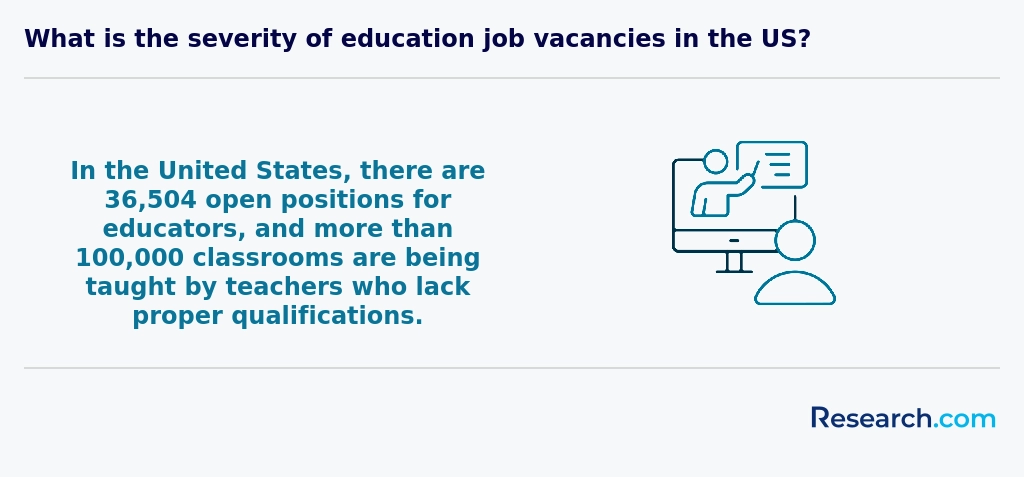
When weighing the true value of an education degree, it’s essential to compare not only program quality but also cost efficiency across regions. In New York, in-state tuition at public four-year institutions averages $9,750 per year, with total attendance costs often exceeding $27,000 once room, board, and fees are included. Private nonprofit universities push annual tuition closer to $38,421, driving four-year degree expenses above $230,000. By contrast, many western states offer public in-state tuition between $6,500 and $12,000 annually, resulting in a significantly lower total investment over the same period. Analyzing return on investment (ROI) sharpens the picture further. New York graduates command strong starting salaries-ESL teachers at ~$63,130 and instructional designers at ~$73,080-yet the high upfront costs can extend breakeven periods to 5–7 years. In western states, lower tuition often means graduates reach ROI milestones 2–3 years sooner, even if starting wages are modestly lower. Factoring in living expenses, western programs may deliver comparable net present value (NPV) with reduced debt burdens and faster financial recovery. For prospective students seeking budget-friendly yet reputable online options, our Affordable Online Education Degree Programs Ranking in the West offers a curated list of top-value degrees that rival New York’s offerings while maximizing long-term returns.
What financial aid is available to education degree students in New York?
Imagine stepping into a SUNY classroom, tuition weighing less heavily thanks to the Tuition Assistance Program (TAP), which can ease the burden by up to $5,665 annually. Many education students at CUNY campuses describe the relief of this aid as a lifeline, transforming the possibility of becoming a teacher from a distant dream into a tangible reality.
Federal support through FAFSA unlocks doors too-grants like Pell can pour up to $7,395 a year into a low-income student's journey, cushioning the cost like a soft landing. Graduates often recall how this aid let them focus not on finances but on their passion for teaching.
Scholarships and grants, such as NYSED's TEACH Grant, provide up to $4,000 yearly for those committed to high-need fields or underserved districts. Loan forgiveness programs meanwhile can erase up to $17,500 in federal debt, a powerful promise that many SUNY education graduates celebrate after five years of dedicated service in a New York classroom.
Work-study gigs within teacher prep programs blend income with real-world experience, making each dollar earned a step closer to the classroom chalkboard and a future full of promise.
What are the prerequisites for enrolling in education degree program in New York?
Imagine stepping onto the vibrant campuses of New York's education powerhouses, where the journey to becoming a teacher or educational leader begins with a mosaic of prerequisites designed to shape your future. For many fresh-faced undergraduates aiming for a Bachelor of Science in Education, the first key is a high school diploma or GED-your golden ticket into this world. Graduates from SUNY recall the balancing act of maintaining a solid GPA around 2.5 to 3.0 while gearing up for SATs or ACTs, though some schools now embrace test-optional policies, easing those nerves.
Graduate hopefuls, fresh from their bachelor's adventure, bring transcripts and polished applications to institutions like Teachers College at Columbia University. They know a 3.0 GPA isn't just a number; it's a signal of readiness. Whispered advice from past grads emphasizes letters of recommendation and personal statements as your heartfelt voice, backed by sometimes daunting GRE scores.
And in New York, the dance doesn't end there-clearance through the New York State Teacher Certification Exams, including the Educating All Students test, is a rite many describe as transformative rather than intimidating. Background checks and immunization proofs add layers to this voyage, ensuring you're ready not just mentally but responsibly for the classroom adventure ahead.
Exploring Diverse Career Paths After Earning an Education Degree
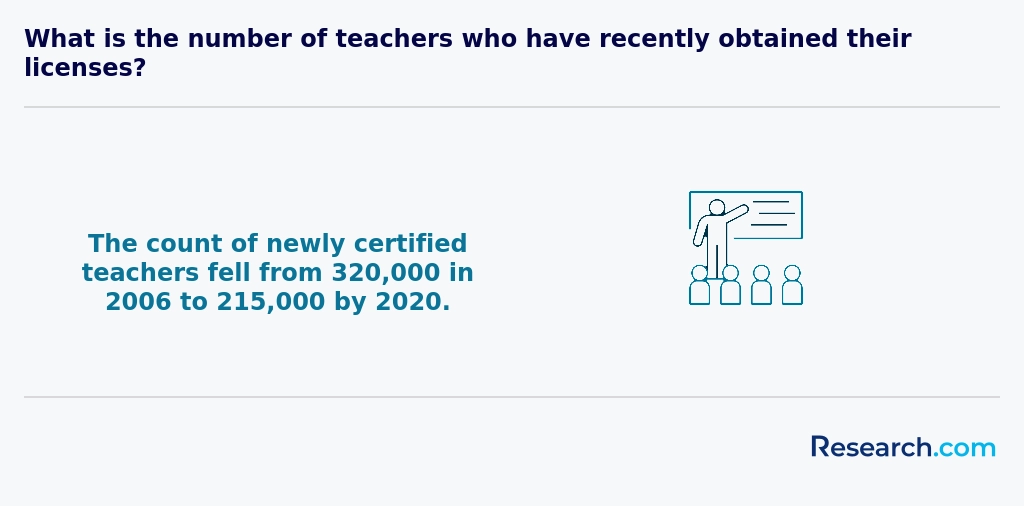
For many graduates, the journey doesn’t end upon receiving a degree-it’s just the starting point for a dynamic career. With an Education degree from New York, NY, you can explore a range of career paths that blend traditional teaching roles with leadership, policy development, and even corporate training. For example, experienced educators move into administrative roles such as school principals or curriculum directors, while others leverage their expertise in roles like instructional designers or educational consultants. In today's digital era, some graduates are also opting to upscale their skills further; if you’re interested in advancing your leadership capabilities, you might explore additional resources to see what are the most affordable masters degrees in educational leadership online. Other promising career paths include: • Classroom Instruction – From early childhood education to secondary education, inspiring students remains at the heart of teaching. • Special Education – Focusing on inclusive practices, graduates develop specialized curricula to support students with diverse needs. • Policy and Administration – Professionals working in school districts or government agencies shape the future of education by formulating and implementing policies. • Community and Non-Profit Organizations – Leveraging educational expertise to develop outreach programs and promote lifelong learning. • Corporate Training – Applying instructional strategies in private sector training programs to boost employee performance and professional development. These career avenues not only offer flexibility and growth potential but also provide a platform for making a meaningful impact within various communities.
What courses are typically in education degree programs in New York?
Imagine walking through a bustling campus in New York, where education students gather to decode the art and science of teaching. Their days whirl between inspiring Foundations of Education classes-exploring the cultural tapestry and philosophy shaping schools-and hands-on sessions in Classroom Management that transform theory into real-life strategies for calming a noisy classroom. Graduates recall late afternoons at CUNY or SUNY, designing lesson plans in Curriculum Development, weaving creativity and structure to ignite student curiosity.
In Educational Psychology, you dive into the minds of learners, understanding how children grasp language or wrestle with social challenges. Picture a Syracuse University student reflecting on how these insights turned their tutoring sessions into empowering experiences. Meanwhile, courses like Educational Technology introduce inventive digital tools, making lessons pop on screens and sparking new enthusiasm.
Fieldwork in New York's diverse schools brings everything alive-literacy instruction and culturally responsive teaching prepare you to meet vibrant, multilingual classrooms. These elements shape proud educators ready to inspire tomorrow.
What types of specializations are available in education degree programs in New York?
Diving into education degree specializations in New York is like stepping into a vibrant mosaic where every tile reflects a unique path. Some graduates from renowned colleges find themselves enchanted by Early Childhood Education, where the magic unfolds in classrooms filled with tiny explorers, fostering early literacy and creative curiosity. Others embrace Elementary Education, mastering the art of juggling subjects while unlocking each child's potential with warmth and insight taught at prestigious institutions across the state.
Popular education career paths New York also blossom in Secondary Education, where graduates specialized in math or English find thrilling challenges and rewarding moments shaping eager teens in vibrant city schools. Many discover the deeply impactful realm of Special Education or Teaching English as a New Language, driven by empathy and a desire to transform lives against the dynamic backdrop of New York's diverse communities.
For those imagining a leadership role beyond the classroom, programs in Educational Leadership and Administration are golden gateways, especially for veterans of teaching. Curious about costs and future possibilities? See what are the most affordable masters degrees in educational leadership online to chart your next smart move.
How do you choose the best education degree in New York?
Imagine walking the bustling halls of Teachers College at Columbia, feeling the pulse of educational innovation beneath your feet. Choosing the best education degree programs in New York means tuning into that rhythm-balancing passion with pragmatism. Graduates who thrived here often point to the seamless blend of rigorous certification paths and rich faculty expertise, which shape their readiness for classroom challenges. Picture a CUNY student juggling a hybrid program's late-night lectures alongside a full-time job, embodying the flexibility essential to adult learners forging new futures.
Affordability dances with ambition: knowing the true cost beyond tuition-room, board, and unexpected expenses-matters given New York's high living standards. Many find relief exploring scholarships and federal aid, or tapping into resources like the Affordable Online Education Degree Programs Ranking in the West, uncovering pathways that keep dreams intact without financial strain. Prospective students eyeing the future cast hopeful glances at schools like University at Albany, where strong job placement stats amplify confidence in their choice.
Keep your eyes peeled for official state certification alignment and CAEP accreditation, keys that unlock doors to teaching in New York public schools. The echoes of success stories remind us: when you blend reputation, cost, and program design uniquely suited to your journey, you don't just choose a degree-you ignite a lifelong educational adventure. This is your map for navigating the expansive world of affordable education degrees New York 2027 demands.

What career paths are available for education degree students in New York?
Graduates armed with an education degree in New York find themselves at a lively crossroads in the education realm, where traditional teaching roles blend seamlessly with innovative careers. Picture recent graduates from CUNY or SUNY navigating the buzzing hallways of public schools, inspiring young minds as certified teachers in subjects sharply in demand like math or special education. Their drive is fueled by the state's strong support and competitive salaries, creating a rewarding daily rhythm filled with impact and growth. Exploring beyond the classroom, some pivot towards curriculum development, crafting engaging materials that shape the future of city education.
Others dive into leadership, stepping into the shoes of principals or district administrators who orchestrate entire schools with vision and empathy. Roles such as school counselors and instructional coordinators reveal paths rich with purpose, offering emotional support and trailblazing teaching strategies. New York's education degree career options in New York are as vibrant as its city streets, bursting with opportunities for those eager to lead change or inspire learning in dynamic new ways.
For those hungry to expand their horizons, adult education beckons-imagine tutoring motivated learners or guiding professionals through lifelong skill-building. Graduates from institutions known for progressive degrees cherish how their credentials unlock doors to roles that are as diverse as the city's millions. And for individuals balancing life's demands, programs like a 6 month associate online degree offer flexible options to jumpstart their journey with speed and convenience.
What is the job market for education degree in New York?
Graduates with an education degree in New York navigate a vibrant job market fueled by a consistent demand for licensed teachers across urban and suburban schools. Those emerging from popular programs like CUNY's School of Education often share stories of landing positions quickly in high-need subjects such as STEM and special education, thanks to the state's ongoing shortages. The dynamic landscape means educators aren't just confined to classrooms; many find rewarding roles in administration, counseling, or curriculum innovation, bringing fresh energy to school systems that crave such expertise.
New York's competitive salaries-a reported average near $74,000 annually-offer a tangible reward for the commitment to shaping young minds, with higher pay in city schools balancing the local cost of living. For those weighing both cost and opportunity, public universities offer accessibility with tuition rates around $7,000, making New York a practical choice for those chasing the education degree job outlook New York residents consider promising.
Some graduates also explore flexible paths through easy master's degrees that pay well, blending passion with pragmatic career moves to thrive in this ever-evolving educational ecosystem.
Frequently Asked Questions About education
Education degree students in New York can maximize their learning experience by engaging with diverse internship opportunities. New York offers more than 300 school districts, providing abundant practical settings to apply theory in real classrooms, according to the New York State Education Department (NYSED).
Collaborating with faculty who have active research projects enhances understanding of current educational challenges. Participating in fieldwork, such as student teaching in urban and rural settings, develops adaptable teaching skills.
Utilizing resources from the City University of New York (CUNY) system, which serves over 275,000 students, allows access to workshops and networking events. Additionally, joining professional organizations like the New York State United Teachers can support ongoing professional growth.
Emerging niches within the education field in New York increasingly focus on technology integration and special education. For example, demand for educators skilled in digital learning tools has grown alongside New York State's push for enhanced remote and hybrid education models.
Special education remains a critical area due to the state's diverse student population and legal requirements to provide tailored support. According to the New York State Education Department, over 20% of public school students receive special education services, highlighting ongoing career opportunities.
Additionally, bilingual education and culturally responsive teaching are expanding fields driven by New York's multilingual communities, offering crucial support for English language learners.
After completing an education degree in New York, preparing for the job market requires strategic steps. Begin by obtaining New York State teacher certification, which is mandatory for public school teaching jobs. This involves passing the edTPA performance assessment and the NYSTCE exams, as outlined by the New York State Education Department.
Next, gain practical experience through student teaching placements or internships, which many programs in New York require. Networking is essential; joining local education associations such as the New York State United Teachers (NYSUT) can provide job leads and professional development.
Research from the New York State Education Department reports that literacy and special education roles are in high demand, so consider specializing accordingly.
Employers in New York value several key skills when hiring graduates with education degrees. Strong communication abilities are essential, as teachers need to convey complex ideas effectively to diverse student populations. Classroom management skills also rank high, with 78% of school administrators in New York citing it as critical, according to the New York State Education Department (NYSED).
Additionally, cultural competency is increasingly important due to New York's diverse student body. Analytical skills and adaptability are valued for curriculum development and integrating technology into lessons. Familiarity with state education standards and effective assessment techniques completes the list of top skills sought by employers across New York's school districts. These competencies prepare graduates for success in the state's evolving education landscape.
Finding internships in New York relevant to an education degree involves targeting schools, nonprofits, and government agencies focused on education. Many universities in New York, such as New York University and Columbia, offer dedicated career centers that connect students to local internship opportunities in classrooms, educational research, and policy organizations. According to the New York State Education Department, public school districts often post internships or student-teaching positions online. Networking through professional groups like the New York State Association for Supervision and Curriculum Development can also provide leads. Utilizing platforms like Handshake and Indeed, filtered for education roles within New York, is highly effective.
In New York, an education degree significantly enhances career mobility and advancement opportunities. According to the New York State Education Department, over 70% of K-12 teaching vacancies require state certification, which an education degree provides. This credential opens doors to licensed teaching positions statewide.
Higher qualifications, such as a master's degree in education, often lead to leadership roles like school administration or curriculum coordination. Data from the Bureau of Labor Statistics shows that educators with advanced degrees typically earn 15-20% more than their bachelor's-level counterparts in New York.
Additionally, New York's emphasis on continual professional development means education graduates can improve their skills and eligibility for promotions more readily.
Studying for an education degree in New York offers a strong foundation for interdisciplinary roles by integrating diverse subject knowledge and practical skills. Programs often combine education theory with psychology, sociology, and technology, preparing graduates to work in varied educational settings.
New York State education programs emphasize collaboration across fields, encouraging students to develop solutions for complex challenges such as equity and inclusion. According to the New York State Education Department (NYSED), many institutions require coursework in child development, special education, and digital literacy, embedding interdisciplinary approaches.
Moreover, New York's diverse population and urban environment provide real-world opportunities to apply interdisciplinary strategies. Graduates are equipped to address multiple learner needs, fostering adaptability crucial for roles beyond traditional teaching.
When choosing between a thesis and a non-thesis education degree program in New York, students should consider their career goals and learning preferences. Thesis programs typically emphasize research and require students to complete an original study, which can be ideal for those pursuing doctoral studies or research-focused careers. Non-thesis programs often focus more on practical skills and coursework, suiting those aiming for immediate application in educational settings or administrative roles.
The New York State Education Department reports that over 60% of education graduate students opt for non-thesis tracks due to their shorter duration and flexible schedules. Additionally, some New York universities, like SUNY and CUNY, offer hybrid options allowing students to tailor their experience. Careful evaluation of personal goals and program requirements, including time commitment and faculty mentorship, is essential for making the best decision.
Students based in New York who wish to study education abroad have multiple pathways to consider. Many New York institutions maintain partnerships with international universities, allowing students to participate in exchange programs or dual-degree options. For example, programs affiliated with the State University of New York (SUNY) system often include study abroad opportunities in countries with strong educational research traditions.
According to the Institute of International Education, around 20% of US study abroad students enroll in education-related fields, showing a steady interest in global educational perspectives. New York's diverse population and emphasis on multicultural competence make international study particularly valuable in this field.
Students should explore scholarships specific to education majors offered by organizations like the Fulbright Program or the New York State Education Department, which support international study experiences. Additionally, completing education degrees abroad may require evaluation for alignment with New York teacher certification standards.
Students pursuing education degrees in New York can enhance their learning through various part-time job opportunities. Working as teacher aides or paraprofessionals in public schools offers valuable classroom experience alongside academic studies. According to the New York State Education Department, paraprofessionals often assist with instructional support, helping students with diverse needs.
Another option is tutoring, either independently or via agencies. New York City reports a high demand for tutors in subjects like literacy and math, aligning well with education degree curricula. Additionally, roles in after-school programs or community educational centers provide practical exposure to youth development.
Employment in libraries or educational nonprofits also complements coursework while building relevant skills. These positions support a deeper understanding of educational resources and student services.
Education students in New York benefit from numerous networking opportunities through university-sponsored events, professional organizations, and community partnerships. Institutions like Teachers College at Columbia University and New York University host regular career fairs, workshops, and conferences connecting students with experienced educators and administrators.
Membership in the New York State United Teachers (NYSUT) and the New York City Public Schools' various teacher associations offers access to mentorship programs and local educational forums. According to the New York State Education Department, over 1,000 events annually encourage collaboration among education professionals statewide.
Additionally, many schools partner with local K-12 systems for internships and student teaching, fostering hands-on connections within New York's diverse educational landscape. These experiences enhance networking while building practical skills essential for future employment.
Alumni networks play a crucial role in supporting education degree students in New York. These networks connect current students with graduates working in schools and educational organizations across the state. According to the New York State Education Department, approximately 38% of education graduates find employment through contacts made via alumni connections. This access helps students secure internships and job placements in competitive districts like New York City and Long Island.
Furthermore, alumni offer mentorship and career advice tailored to local challenges in New York's diverse school systems. They often host workshops and networking events, creating opportunities for professional growth. Such support strengthens student confidence and employability within the state's education sector.
Customizing an education degree program in New York to fit your career goals begins with selecting the right concentration or specialization. Many universities offer options such as special education, educational leadership, or curriculum development, allowing you to focus on a specific career path. According to the New York State Education Department, programs must align with state certification requirements, so tailoring your coursework to meet these standards is essential.
Additionally, students can pursue internships or field placements in local schools to gain practical experience. Some institutions also provide flexible scheduling and online course options to accommodate working professionals. Using advising services helps ensure your program matches your professional aspirations while complying with New York's academic guidelines.
Education students in New York commonly face financial pressures, with tuition costs averaging $7,000 to $25,000 per year depending on the institution, as reported by the College Board. Balancing coursework and fieldwork requirements can also be demanding, especially during student teaching placements in diverse urban classrooms. Time management and stress are major issues, as many students juggle part-time jobs alongside their studies.
Additionally, navigating New York's complex state certification exams, including the edTPA and NYSTCE, poses significant challenges. Data from the New York State Education Department shows variable pass rates, indicating that exam preparation requires focused effort. Limited access to mentorship and practical resources further complicates student success in this field.
With an education degree in New York, graduates can pursue various professional certifications to enhance their teaching careers. One common certification is the New York State Initial and Professional Teaching Certification, required to teach in public schools. This includes different grade-level endorsements such as early childhood, childhood, or adolescent education.
Additionally, educators can earn certification in special education, bilingual education, or TESOL (Teaching English to Speakers of Other Languages). These allow teachers to address diverse learner needs.
Advanced certifications, such as School Building Leader or School District Leader, prepare educators for administrative roles. According to the New York State Education Department, over 70,000 teachers actively maintain certification in the state as of 2023.
Writing a winning application for an education degree program in New York requires clarity, preparation, and attention to specific requirements. Start by thoroughly researching programs through trusted resources like the New York State Education Department and university websites. Strong applications highlight relevant experience and a clear passion for teaching.
Include a concise personal statement that outlines your goals and explains why you chose education as a field. New York education programs often require letters of recommendation-select individuals who can attest to your academic abilities and commitment.
Make sure your transcripts reflect strong academic performance, especially in key subject areas like English and mathematics. Many programs in New York recommend or require standardized tests such as the GRE.
Finally, meet all deadlines and tailor each application to the specific program's focus, whether early childhood, special education, or administration.
Education careers, particularly those pursued through degrees in New York, are increasingly viewed within a global context. The U.S. education system emphasizes standards that align with international benchmarks, preparing graduates to engage in diverse, multicultural settings. According to the New York State Education Department, over 100,000 teachers work statewide, reflecting strong demand for qualified educators.
Globally, an education degree opens pathways beyond traditional classrooms, including policy-making and international program development. The OECD highlights that U.S. teachers rank above average in professional training, which benefits those educated in New York. Moreover, New York's diverse population gives future educators firsthand experience with multicultural classrooms, a valuable asset worldwide.
Students in New York can expect their degrees to be recognized internationally, providing flexibility for careers abroad. This global recognition is essential as education increasingly focuses on preparing students for interconnected societies.
Gaining practical experience while studying for an education degree in New York is essential for your career development. Many programs incorporate student teaching placements, which are supervised practicums in local schools. These placements allow you to apply theory in real classrooms while working under experienced educators. According to the New York State Education Department, student teaching is a required component for teacher certification.
In addition, internships in educational organizations and after-school programs provide valuable hands-on experiences. Some institutions partner with New York City public schools or community centers to offer placements. Joining education-related clubs or volunteering at schools can also deepen your understanding of diverse student needs.
Networking events and career fairs specific to education in New York help connect students with potential employers. Utilizing resources from the New York State United Teachers (NYSUT) can also enhance your practical learning opportunities.
Choosing the right concentration within an education degree in New York starts with understanding your career goals and interests. New York offers diverse specializations, such as early childhood education, special education, and educational leadership, each aligned with different job markets.
Consider state requirements: New York State Education Department mandates specific certifications depending on your concentration, which affects your licensure eligibility. For example, special education teachers must meet additional certification standards.
Labor market data from the New York State Department of Labor shows demand for STEM-related education fields is growing, influencing job prospects.
Finally, research programs' curriculum and practicum opportunities to ensure hands-on experience suited to your focus.
Related Education Rankings for Nearby Cities
- 2027 Most Valuable Education Degree Programs Ranking in Bronx
- 2027 Most Valuable Education Degree Programs Ranking in Queens
- 2027 Most Valuable Education Degree Programs Ranking in Wilkes-Barre
- 2027 Most Valuable Education Degree Programs Ranking in Dover
- 2027 Most Valuable Education Degree Programs Ranking in Providence
- 2027 Most Valuable Education Degree Programs Ranking in Washington
- 2027 Most Valuable Education Degree Programs Ranking in Buffalo
- 2027 Most Valuable Education Degree Programs Ranking in Pittsburgh
- 2027 Most Valuable Education Degree Programs Ranking in Erie
- 2027 Most Valuable Education Degree Programs Ranking in Cleveland
Top Trending Education Rankings
See What Experts Have To Say About Studying Education
Read our interview with Education experts

Alan J. Singer
Education Expert
Professor of Teaching, Learning and Technology
Hofstra University

Nooshan Ashtari
Education Expert
Professor & Book Author
University of Southern California

References
- 18 Highest Paying Jobs With an Education Degree (not teaching) | Devlin Peck https://www.devlinpeck.com/content/jobs-with-an-education-degree
- 10 Reasons Why Education Helps to Advance Your Career - Insight Training https://insight.edu.au/blog/career-advancement-through-education/
- What Can I Do With a Teaching Degree (Besides Teach)? https://www.alleducationschools.com/blog/what-can-i-do-with-a-teaching-degree-besides-teach/
- Teacher of Global Perspectives (IGCSE) https://www.scie.com.cn/jobs-global-perspectives/
- How to Pick Your Concentration for Your M.Ed. Degree | ACE Blog https://ace.edu/blog/how-to-pick-your-med-concentration/
- How to Build Work Experience While Studying - EN Global Education Ltd https://englobaleducation.co.uk/how-to-build-work-experience-while-studying/
- Education Study Abroad Programs | Go Overseas https://www.gooverseas.com/study-abroad/education
- The Future of Education: Emerging Trends Reshaping Learning Environments http://www.gesseducation.com/gess-talks/articles/future-education-emerging-trends-reshaping-learning-environments
- Benefits of Networking for Students https://www.melioeducation.com/blog/benefits-of-networking-for-students/
- Priority Jobs | NYC Public Schools https://teachnyc.net/why-teach-nycps/high-need-subjects


