
2027 Best Online Master's in Fine Arts Degree Programs Ranking in Virginia

Co-Founder and Chief Data Scientist
Exploring the right master's program in fine arts can shape your creative future and career. For students in Virginia, choosing an online degree that fits your goals and lifestyle is essential.
This article presents the 2027 Best Online Master's in Fine Arts Degree Programs Ranking in Virginia, developed by the Research.com team of data scientists. It offers clear, data-driven insights to help you identify quality programs worth considering.
Whether you're looking to expand skills or open new opportunities, this guide supports your journey toward a rewarding fine arts degree.
Key benefits of getting online fine arts degree in Virginia
- Fine arts degree graduates in Virginia can earn competitive salaries, such as Art Directors with a mean annual wage of $125,920 and Museum Curators earning around $70,870 per year, offering strong financial prospects.
- Graduates from Virginia's well-known universities often pursue diverse creative careers, including roles as Senior Graphic Designers or Art Historians, highlighting a range of exciting opportunities in arts and culture.
- Completing a fine arts degree online in Virginia offers flexibility and convenience, allowing students to balance studies with work or family while gaining valuable skills recognized by employers.
- Key benefits of getting online fine arts degree in Virginia
- What can I expect from online fine arts degree in Virginia?
- Where can I work with online fine arts degree in Virginia?
- How much can I make with online fine arts degree in Virginia?
- 2027 Best Online Master's in Fine Arts Degree Programs Ranking in Virginia
- Key Findings
- How long does it take to complete online fine arts degree in Virginia?
- What's the difference between online and on-campus fine arts degree?
- Tips for Achieving Success in Your Online Fine Arts Program
- What is the average cost of online fine arts degree in Virginia?
- What financial aid is available to online fine arts degree students in Virginia?
- Application Tips and Portfolio Best Practices
- What are the prerequisites for enrolling in online fine arts degree program in Virginia?
- Experiential Learning and Professional Development
- What courses are typically in online fine arts degree programs in Virginia?
- What types of specializations are available in online fine arts degree programs in Virginia?
- How do you choose the best online fine arts degree in Virginia?
- What career paths are available for online fine arts degree students in Virginia?
- What is the job market for online fine arts degree in Virginia?
- Related Fine Arts Rankings for Nearby States
- Top Trending Fine Arts Rankings
What can I expect from online fine arts degree in Virginia?
The average cost of pursuing an online fine arts degree in Virginia varies but typically starts around $8,000 annually for graduate programs at public universities. Many students find this investment worthwhile given the breadth of opportunities accessible through remote learning. For instance, graduates from well-regarded institutions often share how affordable tuition paired with scholarship options allowed them to focus on their creative growth rather than financial stress.
Private schools in Virginia may charge higher tuition, yet students frequently emphasize the value of personalized mentorship and access to cutting-edge digital studios that enhance their virtual experience. One graduate recalled how their ability to participate remotely in collaborative art projects and virtual gallery exhibitions felt as engaging as being on campus, which justified the cost.
Looking ahead, as technology advances and more institutions embrace hybrid models, students can expect greater financial flexibility coupled with enriched hands-on learning, making an online fine arts degree in Virginia an increasingly accessible and rewarding path.
Where can I work with online fine arts degree in Virginia?
Graduates from online fine arts programs at universities like Virginia Commonwealth University and George Mason University often find themselves thriving in diverse career paths throughout Virginia's vibrant arts scene. Many take on roles as professional artists, illustrators, or graphic designers within creative agencies or as freelancers, crafting visual branding for startups in Richmond's bustling design districts or Arlington's tech-driven marketing firms. These experiences bring a strong sense of creative fulfillment paired with financial opportunity.
Others leverage their skills in museums and galleries, contributing to dynamic exhibitions or educational programs at places such as the Virginia Museum of Fine Arts and the Chrysler Museum of Art. This work often offers a meaningful connection with the local community, blending artistry with cultural preservation.
Additionally, the rise of digital industries-especially in Northern Virginia's tech hubs-pushes fine arts graduates into emerging roles in game design, animation, and multimedia production, fostering exciting, forward-looking careers that integrate creativity with cutting-edge technology.
Many alumni also find rewarding teaching positions at public schools or community colleges, where they inspire the next generation of artists, embracing both tradition and innovation in arts education.
How much can I make with online fine arts degree in Virginia?
Graduates with an online fine arts degree from well-regarded Virginia institutions often find promising salary options aligned with their skills. For example, those stepping into roles as senior graphic designers typically earn a mean annual wage of $64,700, which reflects a healthy balance between creative fulfillment and financial stability. Museum curators in Virginia enjoy a mean wage of $70,870, combining their passion for art and history with a rewarding career path.
Art directors, another common goal for fine arts graduates, command even higher salaries, with an average yearly income around $125,920 in Virginia. This advanced role often attracts graduates who have honed leadership skills and built robust portfolios through their online programs, including those from notable schools like Virginia Commonwealth University and George Mason University.
Fine arts professors, frequently graduates themselves, earn an impressive $100,840 annually, showing a clear path for those wishing to impact future creatives while securing a steady income. Many graduates share that immersive online courses equip them with versatile skills, empowering them to navigate Virginia's vibrant art scenes in cities such as Richmond and Fairfax with confidence and enthusiasm.
2027 Best Online Master's in Fine Arts Degree Programs Ranking in Virginia
How do we rank schools?
Investing in your education is a significant decision that influences your professional and personal growth, and the Research.com team is committed to supporting you in making well-informed choices. To aid prospective students interested in fine arts, we have carefully developed the "2027 Best Online Master's in Fine Arts Degree Programs Ranking in Virginia." This ranking reflects our dedication to quality, credibility, and accuracy through extensive research and analysis.
We utilized the following reputable data sources to ensure a comprehensive evaluation of fine arts graduate programs:
By reviewing this ranking, readers will gain valuable insights into the top online master's in fine arts programs available in Virginia, empowering them to choose the best fit for their goals. For further details on how this ranking was created, please visit our Research.com methodology page.

Key Findings
- Tuition for online master's in fine arts in Virginia ranges from $12,000 to $30,000, varying between public and private institutions.
- The arts and media job sector in Virginia is expected to grow by about 5% over the next decade.
- The average starting salary for fine arts graduates is around $35,000 per year, increasing to $50,000-$65,000 with experience.
- Many programs focus on practical and theoretical skills and offer flexible schedules for working adults.
- Accreditation from NASAD or regional bodies ensures quality education and eligibility for financial aid.
How long does it take to complete online fine arts degree in Virginia?
Completing an online fine arts degree in Virginia typically takes between two and four years, but many students discover that flexible pacing options at institutions like Virginia Commonwealth University and George Mason University allow them to tailor the experience. Some graduates share how balancing part-time study with creative projects and personal commitments enhanced their learning journey without rushing through it.
Master's programs, such as the MFA, often stretch to three years due to intensive studio work and final thesis projects. Yet online formats increasingly offer accelerated courses or summer semesters, letting motivated students finish sooner while maintaining high-quality practice and research.
Transfer credits and elective choices further shape individual timelines. One graduate appreciated starting with prior credits, shortening their path and freeing up time for apprenticeships or collaborations within Virginia's vibrant art communities.
With emerging digital tools and changing curricula, future students might complete degrees faster, driven by personalized, project-based learning designed for today's artistic professionals.
What's the difference between online and on-campus fine arts degree?
The difference between online and on-campus fine arts degrees in Virginia centers on how students experience creative learning. Graduates from traditional programs at universities like the Virginia Commonwealth University often describe vibrant studio sessions and face-to-face critiques as essential to their artistic growth. They treasure the tactile engagement with materials and immediate feedback in bustling campus galleries. Imagining sculpting alongside peers or showcasing work in a local exhibition highlights the richness of in-person connection.
Online students, such as those enrolled in George Mason University's virtual fine arts offerings, embrace flexibility without sacrificing community. They share the excitement of real-time video critiques and collaborative projects through digital platforms, allowing them to balance art with other life demands. Many appreciate the freedom to develop digital portfolios that reflect contemporary art trends while connecting deeply with mentors across Virginia.
Looking ahead, emerging technologies may further blur these lines, with virtual reality studios or AI-enhanced feedback creating immersive, personalized experiences for Virginia fine arts students regardless of location.
Tips for Achieving Success in Your Online Fine Arts Program
Success in an online Fine Arts program hinges on a strategic blend of time management, proactive networking, and the creative use of available resources to build both your skills and portfolio. To thrive, create a structured schedule that adheres to assignment deadlines while dedicating time to personal projects that showcase your unique style. Engage actively with your instructors and peers by participating in live critiques, online forums, and virtual studio sessions, as this interaction not only refines your technique but also opens the door to valuable professional connections. Additionally, make the most of your institution’s career support services by seeking internship opportunities, portfolio reviews, and mentorship programs that can bridge the gap between academic learning and the competitive job market. For students looking for budget-friendly options without compromising educational quality, exploring the most affordable fine arts schools in virginia could also provide a pragmatic pathway to achieve your academic and career goals. By implementing these strategies, you’ll be well-equipped to excel in your studies and position yourself for a successful future in the creative industry.
What is the average cost of online fine arts degree in Virginia?
The average cost of an online fine arts degree in Virginia typically centers around $44,910, with variations depending on whether students are in-state or out-of-state. Graduates from popular programs at universities like Virginia Commonwealth University often share how this investment reflects both their artistic growth and access to quality resources. The median in-state total cost tends to be around $52,440, which includes tuition and necessary fees, while out-of-state students may face higher expenses, averaging about $53,640 in total.
For students pursuing a Virginia online MFA tuition and fees, these figures suggest a balanced approach between affordability and comprehensive education. Many appreciate how financial aid, scholarships, and in-state tuition rates available at public institutions can ease the burden, allowing them to focus more on creative development rather than financial stress. Alumni often recall the flexibility of online coursework paired with occasional on-campus residencies, which provided vital hands-on experiences.
Looking ahead, the trajectory of fine arts education costs in Virginia could see innovative models blending technology and tradition, potentially affecting tuition. Meanwhile, those exploring art-focused degrees alongside other interests might investigate options like the best online master's in librarianship, which complement creative skills with expanding career opportunities.
Understanding the average cost online fine arts degree Virginia programs helps future students visualize their path and plan accordingly, while also recognizing the emotional rewards of fully engaging in Virginia's rich fine arts community.
What financial aid is available to online fine arts degree students in Virginia?
Online fine arts students in Virginia currently benefit from a rich mix of financial aid options that could only expand in the near future. Imagine a graduate from a well-known Virginia university who leveraged federal Pell Grants and state programs like the Virginia Tuition Assistance Grant to fund her studies without accumulating heavy debt. This blend of federal and state aid, including Direct Subsidized Loans, often forms the backbone for many students' budgets.
Looking ahead, emerging trends may bring more targeted scholarships from organizations such as the Virginia Commission for the Arts, designed to reward not just talent but innovation in digital media and interdisciplinary arts. Graduates recall how merit-based aid and assistantships offered through their institutions eased financial strain, hinting at a growing emphasis on personalized support.
Work-study roles tied directly to virtual art studios and gallery management could become more common, allowing online learners to gain valuable industry experience. As universities evolve their financial assistance, prospective students might find more flexible aid packages tailored to Virginia's vibrant arts community and the unique demands of virtual study environments.
Application Tips and Portfolio Best Practices
Your application package for an online Master’s in Fine Arts degree in Virginia is only as strong as your portfolio and supporting materials. Follow these expert guidelines to showcase your creativity and professionalism: • Curate a Cohesive Body of Work: Select 10–15 pieces that demonstrate technical skill, conceptual depth, and range. Include both traditional media (painting, sculpture) and digital work (photography, graphic design) if applicable. • Optimize Image Quality: Save high-resolution JPEGs or PNGs (at least 300 dpi) and organize them in a PDF portfolio. Label each file with title, medium, dimensions, and year to help reviewers navigate easily. • Craft a Compelling Artist Statement: In 300–500 words, outline your creative vision, influences, and how the MFA program in Virginia will advance your practice. Use clear, active language and avoid jargon. • Demonstrate Technical Proficiency: If your focus is digital media, include video samples or interactive projects. Compress files to under 100 MB and provide streaming links (Vimeo or YouTube) with clear timestamps. • Secure Strong Recommendations: Request three letters of recommendation from professors or professionals who can attest to your artistic growth, work ethic, and readiness for graduate-level critique. • Highlight Academic Credentials: Submit transcripts that reflect a solid foundation in art history, theory, and studio practice. If your bachelor’s GPA falls below program thresholds, emphasize exceptional portfolio elements or relevant work experience. • Meet Submission Deadlines and Formatting Requirements: Double-check each university’s portal guidelines-file types accepted, naming conventions, and maximum page counts-to avoid last-minute technical issues. For candidates building their undergraduate foundation before leaping into graduate study, you may also explore affordable bachelor’s pathways in nearby states. For example, the Cheapest Online Bachelor's in Fine Arts Degree Programs Ranking in Missouri can help you strengthen your portfolio without breaking the bank.
What are the prerequisites for enrolling in online fine arts degree program in Virginia?
Enrolling in an online fine arts degree in Virginia typically hinges on meeting clear academic and artistic prerequisites tailored to prepare students for advanced creative work. Graduates from renowned programs at universities like Virginia Commonwealth University often share that holding a bachelor's degree, whether in art or a related field, creates a strong foundation, though some have successfully transitioned with professional artistic experience as well.
Applicants usually submit academic transcripts verifying a GPA around 3.0, reflecting their readiness for graduate study. They also compile portfolios that vividly showcase their personal style and skill-imagine a student presenting digital paintings and sculptures alongside traditional drawings, highlighting versatility and innovation. This portfolio becomes a compelling narrative of one's creative journey, resonating with admissions committees.
Supporting materials such as letters of recommendation and personal essays emphasize motivation and future artistic goals. Online candidates from universities like George Mason University often express excitement about this reflective process, noting it deepens their commitment and clarity. Virginia's competitive tuition rates for in-state residents make these accessible opportunities even more appealing for blossoming artists aiming to grow through remote learning.
Experiential Learning and Professional Development
Experiential learning bridges the gap between studio practice and professional success, and many Online Fine Arts programs in Virginia offer structured opportunities to develop real-world skills. You can expect to:
- Participate in virtual internships with local galleries, museums like the Virginia Museum of Fine Arts, and creative agencies, gaining hands-on experience in curation, exhibition design, or arts administration.
- Engage in online residencies and portfolio showcases, where you receive one-on-one mentorship from established artists and instructors, refine your creative voice, and build a compelling digital portfolio.
- Collaborate on community art projects, public installations, and virtual art fairs that connect you with Virginia’s vibrant arts ecosystem and enhance your professional network.
- Access career services workshops focused on grant writing, freelance business development, and pitch presentations, equipping you to launch your own studio practice or join innovative design studios.
- Expand your digital toolkit through specialized modules-digital photography being a key example-offered alongside Fine Arts coursework, such as those found in the most affordable bachelor’s in digital photography online, to create multimedia installations and portfolio assets. By integrating internships, residencies, and targeted skill-development workshops, these programs ensure that graduates leave not only with a Master’s in Fine Arts but also with the professional acumen and industry connections essential for a thriving career in the arts.
What courses are typically in online fine arts degree programs in Virginia?
Online fine arts programs in Virginia typically include a vibrant mix of courses designed to ignite creativity while sharpening technical skills. At well-known institutions like Virginia Commonwealth University and George Mason University, students often share how foundational classes such as drawing, painting, and sculpture became pivotal in shaping their artistic confidence early on.
In these programs, digital media and graphic design are increasingly prominent, reflecting a future-oriented approach that embraces technology's expanding role in art. Graduates recall developing cutting-edge projects using digital tools, preparing them to navigate an evolving creative landscape with enthusiasm and flexibility.
Art history and criticism courses enrich this experience by fostering critical thinking about cultural influences and trends. Learners describe these classes as eye-opening, allowing them to connect traditional techniques with contemporary expressions in meaningful ways.
- Fundamentals of Drawing and Painting
- Sculpture and 3D Design
- Digital Media and Graphic Design
- Art History and Criticism
- Visual Culture and Contemporary Art
- Portfolio Development and Professional Practices
Electives like creative writing or interdisciplinary arts provide additional pathways to explore personal interests, making each student's journey in Virginia's online fine arts programs both unique and inspiring.

What types of specializations are available in online fine arts degree programs in Virginia?
Online fine arts degree specializations in Virginia are evolving to meet the dynamic needs of creative professionals. Graduates from prominent Virginia universities often praise the flexibility to focus on areas like Visual Arts, Graphic Design, and Multimedia Arts, where skills in digital storytelling and interactive media are increasingly vital. These programs equip students with tools to craft compelling content suited for expanding industries such as gaming and virtual reality.
Virginia's online MFA program concentration options also embrace creative writing and art education, reflecting a commitment to nurturing both expression and community impact. Graduates involved in art education often find inspiration by integrating their studies with practical strategies for diverse classrooms, enhancing teaching career paths across the state.
Institutions recognized for their fine arts offerings encourage students to engage with virtual exhibitions and portfolio development, preparing them for future opportunities where remote collaboration and digital presence are paramount. These experiences foster confidence and professional resilience highly valued in today's arts landscape.
How do you choose the best online fine arts degree in Virginia?
Choosing the best online fine arts degree in Virginia involves more than just reviewing course catalogs. Graduates from respected Virginia institutions often highlight the importance of programs with strong faculty connections to the local arts community, offering mentorship and virtual studio critiques that simulate real-world artistic collaboration. Imagine engaging in a virtual critique session where experienced artists provide personalized feedback, sparking new creative ideas and deeper growth.
Prospective students should also explore affordable online MFA programs Virginia offers, balancing cost with access to industry-relevant learning. Online flexibility empowers many to juggle careers or family while advancing their skills asynchronously, something highlighted by recent graduates navigating the changing demands of creative professions. Considering post-graduation outcomes, many find programs that link students to internships in Virginia's vibrant cultural hubs invaluable for launching careers.
Finally, aligning your degree choice with future prospects is vital. For those curious about lucrative futures in the arts, exploring bachelor degrees with best earning potential can clarify how your fine arts training fits broader career goals in Virginia's competitive arts scene.

What career paths are available for online fine arts degree students in Virginia?
Graduates with an online fine arts degree in Virginia are discovering diverse career options that extend well beyond traditional painting and sculpture. Many find fulfilling roles as visual artists or graphic designers, using their creativity in Richmond's vibrant art scene or working remotely for digital media firms. Others pursue careers in education, thriving by teaching art in public schools or community centers after securing necessary certifications, often inspired by the Washington teaching license application process as a model.
Emerging trends include art therapy and curatorial work in museums, especially around cultural hubs like Charlottesville and Virginia Beach, where employers value the blend of artistic vision and organizational skills. Graduates from top Virginia colleges report positive experiences combining strong fine arts foundations with new media technology, enhancing their job prospects. These online fine arts degree career options Virginia resonate with creative minds eager to impact growing industries through versatile roles tailored to the state's supportive economic landscape.
For those interested in Virginia fine arts degree jobs and salaries, the ongoing development of digital platforms and community arts initiatives signals expanding opportunities that promise both artistic fulfillment and financial stability.

What is the job market for online fine arts degree in Virginia?
Graduates who pursue an online fine arts degree in Virginia often find a vibrant job market energized by the state's rich cultural environment. Many fine arts careers in Virginia thrive within the state's museums, galleries, and performing arts scenes, particularly in cities like Richmond and Alexandria. For example, students from popular institutions such as Virginia Commonwealth University report engaging internship opportunities that often lead to roles in exhibit design or arts administration. The Virginia job outlook for fine arts graduates suggests steady growth, especially for those with skills in digital media and education.
Online fine arts careers in Virginia frequently meld creativity with technology, as seen in expanding demand for graphic designers and animators working remotely with marketing firms. Graduates who combine practical experience with their degree enjoy competitive salaries and flexible work arrangements. Some find the path parallels others pursuing an online master's degree in reading education, balancing personal commitments with career development while advancing artistic expertise.
Frequently Asked Questions About fine arts
Online fine arts degree students in Virginia can enhance their learning by actively engaging with digital resources and faculty. Utilizing virtual studios, discussion boards, and video critiques helps replicate in-person experiences. Students should also participate in local art communities or workshops to gain hands-on practice, as Virginia offers several art centers and museums supporting emerging artists.
Scheduling consistent studio time and seeking personalized feedback are crucial. According to the Virginia Foundation for the Humanities, connecting with regional artists enriches creative perspectives. Additionally, leveraging online libraries and databases available through Virginia's public universities gives access to vast research materials.
Finally, focusing on time management and setting clear goals improves progression in a flexible online environment.
Emerging niches within the fine arts field reflect evolving technology and new cultural trends. In Virginia, areas like digital animation and virtual reality (VR) art are gaining traction, supported by the growth of tech hubs such as Northern Virginia. According to the National Endowment for the Arts, digital media arts have seen steady employment growth nationwide.
Additionally, fine arts programs increasingly include courses on interactive design and user experience, blending creativity with technology. Sustainable art practices are also emerging, focusing on eco-friendly materials and themes, which resonates with Virginia's environmental initiatives. These niches offer unique career paths for students pursuing online fine arts degrees interested in the state's regional opportunities.
Graduates with an online fine arts degree in Virginia can enhance their job prospects by building a strong portfolio showcasing diverse work. According to the Virginia Employment Commission, visual arts jobs are projected to grow by about 5% through 2028, emphasizing the need for practical experience. Internships or freelance projects during or after studies are vital to develop real-world skills.
Networking within local art communities, such as the Virginia Museum of Fine Arts or regional galleries, helps graduates connect with potential employers and collaborators. Additionally, understanding grant opportunities and state arts funding can support early career projects, increasing professional visibility.
Employers in Virginia's fine arts sector prioritize creativity and technical proficiency in graduates. Fine arts degree holders must demonstrate strong skills in visual communication, critical thinking, and proficiency with digital tools like Adobe Creative Suite. According to the Virginia Employment Commission, adaptability and collaborative abilities are also highly valued, as many artists work on multidisciplinary teams.
Communication skills are essential for presenting ideas clearly and working with clients. Additionally, knowledge of art history and contemporary trends helps graduates stay relevant. Practical experience, such as internships or portfolio development, increases employability. Emphasizing these skills aligns with labor market demands outlined in recent Virginia arts workforce reports.
Finding internships in Virginia related to a fine arts degree involves leveraging local art institutions, galleries, and universities. Many fine arts students connect with the Virginia Museum of Fine Arts, which offers internship programs focusing on curation, education, and administration. Additionally, universities such as Virginia Commonwealth University provide internship resources through their career centers.
Online students should explore Virginia's regional arts councils and nonprofit organizations for opportunities supporting artists. Networking through Virginia's creative communities on platforms like LinkedIn and attending virtual arts events can also open doors. According to the Virginia Employment Commission, arts-related internships contribute to career readiness by enhancing practical skills and professional connections in the state's creative economy.
An online fine arts degree in Virginia can significantly enhance career mobility and advancement for artists and creative professionals. According to the Virginia Employment Commission, the state's arts-related occupations are projected to grow by 4% through 2030, which is slightly above the national average. Earning a master's or bachelor's fine arts degree online allows flexibility and access to Virginia's expanding creative industries, such as digital media, design, and gallery management.
Employers increasingly value candidates with accredited online degrees due to their demonstrated self-discipline and mastery of current technologies. Additionally, Virginia's vibrant art communities in cities like Richmond and Charlottesville provide networking opportunities that graduates can leverage for career growth. Accredited online programs can also prepare students for leadership roles by strengthening both technical skills and critical thinking.
Studying for a fine arts degree in Virginia offers students a strong foundation for interdisciplinary roles by integrating diverse skills and perspectives. Programs often include coursework in digital media, design, and critical theory, enhancing adaptability across fields.
Virginia's universities emphasize collaboration, encouraging students to engage with technology, business, and cultural studies. According to the National Center for Education Statistics, over 30% of arts graduates in Virginia pursue careers involving multiple disciplines, reflecting this preparation.
This flexibility prepares graduates for roles in education, marketing, and multimedia production, where creativity meets practical application, fostering versatile career pathways.
Choosing between a thesis and a non-thesis online fine arts degree in Virginia depends on your career goals and learning preferences. A thesis program typically involves conducting original research or creating a significant art project, which can be beneficial if you plan to pursue a PhD or academic career. Non-thesis options often focus on practical skills, offering more coursework and professional development experiences.
Virginia's fine arts programs, accredited by regional bodies like SACSCOC, ensure quality education regardless of the track chosen. According to the National Center for Education Statistics, most MFA candidates favor thesis paths for deeper specialization.
Consider time commitment, as thesis projects generally require more months to complete due to research demands.
Students based in Virginia seeking to study fine arts abroad have several viable paths linked to U.S. institutions. Many Virginia universities with strong fine arts programs, such as Virginia Commonwealth University (VCU), offer study abroad opportunities that allow students to gain international experience while earning credits towards their degree.
Online fine arts degree students can also participate in exchange programs or short-term residencies in countries with renowned art traditions, including Italy and France, coordinated through their home university's international office. According to the Institute of International Education, about 15% of U.S. art students engage in study abroad programs focused on hands-on creative learning.
These options let Virginia-based students combine global exposure with the convenience of online coursework, supporting professional growth in the arts field.
Students pursuing an online fine arts degree in Virginia can benefit from several part-time job opportunities that enhance practical experience. Local art galleries and museums often seek assistants for exhibition setup and visitor engagement, providing valuable industry insight. Additionally, many Virginia-based community centers and nonprofit organizations hire part-time art instructors to lead workshops, allowing students to develop teaching skills while earning income.
Freelance opportunities in graphic design or illustration are also common, particularly in cities like Richmond and Arlington, where creative industries are growing. According to the Virginia Employment Commission, the arts and design sector employs over 15,000 workers statewide, showing steady demand. These roles help students build portfolios and professional networks relevant to their fine arts education.
Online fine arts students in Virginia benefit from various networking opportunities despite the remote format. Many universities offer virtual events such as guest lectures, workshops, and portfolio reviews that connect students with established artists and industry professionals. For example, institutions like Virginia Commonwealth University provide online platforms where students can showcase work and receive feedback.
Additionally, statewide arts organizations such as the Virginia Commission for the Arts support virtual exhibitions and collaborative projects, offering students exposure beyond their campus. Online forums and social media groups specific to Virginia's fine arts community also facilitate peer-to-peer networking and job leads.
According to the National Endowment for the Arts, Virginia ranks high in public arts funding, which helps maintain active professional networks that online students can tap into.
Alumni networks play a significant role in supporting online fine arts degree students in Virginia. These networks offer valuable opportunities for mentorship, connecting current students with graduates who understand the challenges of fine arts careers.
In Virginia, where the arts sector contributes over $6 billion annually to the economy, networking can lead to crucial professional contacts and job referrals. Alumni often share information about exhibitions, internships, and freelance opportunities, helping students gain practical experience alongside their studies.
Additionally, strong alumni associations can provide workshops, portfolio reviews, and guest lectures, enhancing the educational experience beyond the virtual classroom. This support system is vital for creative fields where personal connections often drive career advancement.
Customizing an online fine arts degree in Virginia involves selecting courses and specializations that align with your career ambitions. Many Virginia institutions allow students to choose electives in areas such as digital media, studio art, or art history to build relevant skills.
Advisors play a key role, helping tailor your program to fields like graphic design, teaching, or creative writing. Virginia's higher education system supports this flexibility, with programs following national guidelines from the National Association of Schools of Art and Design.
Internships and project choices also enhance practical experience. According to the National Center for Education Statistics, Virginia boasts increasing enrollment in fine arts, reflecting growing demand for tailored online options.
Online fine arts students in Virginia often face challenges unique to their field and learning format. A primary difficulty is limited access to specialized studio equipment and materials, which on-campus programs typically provide. Hands-on learning, crucial in fine arts, can be harder to replicate through virtual instruction. Additionally, students may experience feelings of isolation due to fewer networking opportunities with peers and faculty, impacting critique and collaboration experiences.
Technical issues such as reliable internet access also affect some learners, particularly in rural areas of Virginia. According to the Virginia Department of Education, about 15% of households lack high-speed internet, which can hinder participation in synchronous sessions. Lastly, balancing creative practice with self-directed online coursework demands significant time management and motivation.
With an online fine arts degree in Virginia, graduates can pursue several professional certifications that enhance career opportunities. One popular path is obtaining a teaching license through the Virginia Department of Education, enabling individuals to work as certified art educators in public schools.
Additionally, artists may seek certification with organizations such as the National Art Education Association (NAEA), which supports art teachers and professionals nationwide. While Virginia does not have a unique fine arts certification outside of teaching credentials, national certifications can boost credibility.
For those interested in arts administration or curation, certifications in museum studies or nonprofit management may complement the fine arts degree, though these are not Virginia-specific.
Applying to an online fine arts program in Virginia requires careful preparation and a clear presentation of your artistic vision. Start by thoroughly researching each program's specific requirements, as Virginia institutions often emphasize a strong portfolio showcasing a variety of media and styles. According to the National Endowment for the Arts, portfolios that demonstrate creativity and technical skill improve acceptance chances.
Write a focused personal statement explaining your artistic goals and how the online format suits your needs. Highlight any relevant experience in arts education or professional work. Schools in Virginia value applicants who articulate a clear connection between their past work and future studies.
Request strong letters of recommendation from professionals or educators familiar with your work. Finally, pay close attention to deadlines and ensure all materials meet submission guidelines. Virginia's Council of Higher Education recommends early application to secure funding and scholarships.
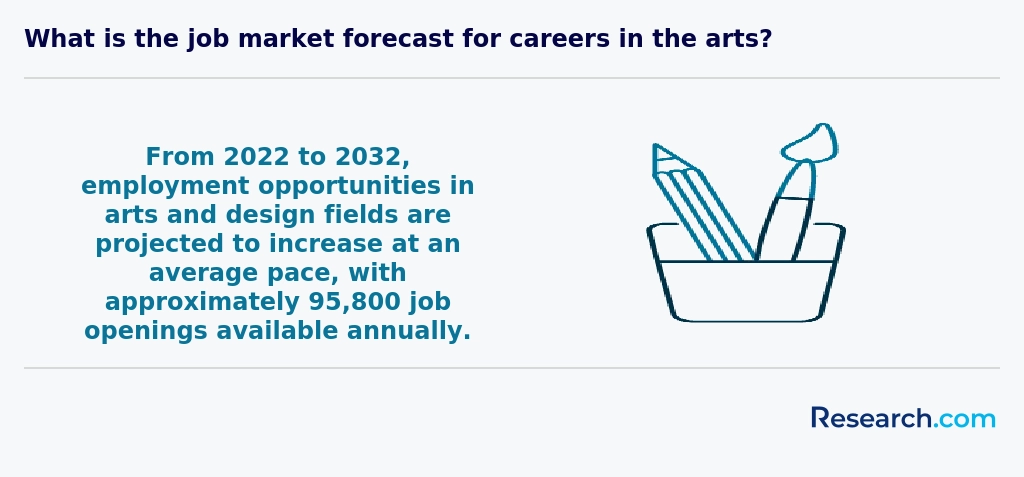
The global perspectives on a fine arts career emphasize versatility and cultural exchange. Artists trained in the U.S., including Virginia, often engage with diverse audiences through digital platforms, reflecting a growing international market for creative work. According to the Virginia Employment Commission, fine arts jobs in the state are projected to grow by 5% from 2022 to 2032, mirroring national trends.
In the U.S., fine arts careers now blend traditional craftsmanship with technology, fostering cross-cultural collaboration. This global approach enhances opportunities such as exhibitions, residencies, and digital commissions worldwide. Understanding global art movements is increasingly valuable for students pursuing online fine arts degrees in Virginia.
Students pursuing an online fine arts degree in Virginia can gain practical experience through a variety of methods. Many Virginia institutions encourage virtual internships with local galleries, museums, or arts organizations to build real-world skills. Additionally, students might participate in community art projects or virtual exhibitions, which provide portfolio-building opportunities. Some programs also offer access to art workshops and studios through partnerships, enabling hands-on practice despite the online format. According to the Virginia Commission for the Arts, engaging in local arts initiatives enhances career prospects for fine arts graduates, reflecting a growing emphasis on experiential learning in online education.
Choosing the right concentration within an online fine arts degree in Virginia depends on your career goals and artistic interests. Common areas include visual arts, creative writing, theater, and digital media. Virginia hosts several schools offering such programs, with specializations that align with current industry demands. For example, the Virginia Department of Arts notes increasing opportunities in digital arts and multimedia. Investigate faculty expertise and course offerings to ensure alignment with your passion and career plans.
Additionally, consider local market trends. According to the Virginia Employment Commission, creative industries contribute over $13 billion annually to the state economy, highlighting diverse opportunities. Finally, evaluate the program flexibility and resources available online for your chosen concentration.
Related Fine Arts Rankings for Nearby States
Top Trending Fine Arts Rankings
References
- Arts, History and Humanities in Global Perspective https://u-paris.fr/language/en/arts-history-and-humanities-in-global-perspective-en/
- An IDEAL Learning Experience for Both Students and a New College Graduate - Arts for Learning Virginia https://arts4learningva.org/an-ideal-learning-experience-for-both-students-and-a-new-college-graduate/
- 2025 Most Affordable Online Colleges for Art Degrees https://www.onlineu.com/most-affordable-colleges/art-design-degrees
- ArtsConnection Alumni Network - ArtsConnection https://artsconnection.org/artsconnection-alumni-network/
- Download Our App Now https://www.nifafinearts.com/online-classes
- Is a thesis always mandatory in a master's degree program? - EFMU: The Euler-Franeker Memorial University and Institute https://euler.euclid.int/is-a-thesis-always-mandatory-in-masters-degree-program/
- Know more about thesis vs non- thesis: what is the difference? https://studyfans.com/en/blogs/816
- Visual Art & Design I - Virtual Virginia https://virtualvirginia.org/course/visual-art-design-i/
- Complete guide to studying Fine Arts - TAI Arts https://taiarts.com/en/blog/guide-to-studying-fine-arts/
- Internships https://www.mfa.org/working-at-the-mfa/internships


