
2027 Easiest Online Bachelor's in Fine Arts Degree Programs Ranking in the USA

Co-Founder and Chief Data Scientist
Thinking about pursuing a bachelor's degree in fine arts but want to find an option that fits your lifestyle? This article introduces the 2027 Easiest Online Bachelor's in Fine Arts Degree Programs Ranking in the USA, carefully crafted by the Research.com team of data scientists. It's designed to help you discover programs that make earning your degree both accessible and rewarding.
Choosing the right program can open doors to creative careers and personal growth. By exploring this ranking, you'll gain valuable insights to make an informed decision that suits your goals. Getting a fine arts degree online has never been more achievable, and this guide is here to encourage and support your journey.
Key benefits of getting online fine arts degree in America
- Graduates with fine arts degrees in America can earn competitive salaries, such as Animators who make about $109,630 annually and Illustrators earning around $71,420, showing strong earning potential in creative fields.
- A fine arts degree opens diverse career paths, including graphic design, animation, or art therapy, highlighted by successful alumni from schools like the Savannah College of Art and Design who thrive in varied artistic roles.
- Online fine arts degrees offer flexible learning schedules and accessibility, as experienced by graduates from institutions like the Academy of Art University, allowing students to balance life while gaining valuable skills and credentials.
- Key benefits of getting online fine arts degree in America
- What can I expect from online fine arts degree in America?
- Where can I work with online fine arts degree in America?
- How much can I make with online fine arts degree in America?
- 2027 Easiest Online Bachelor's in Fine Arts Degree Programs Ranking in the USA
- Key Findings
- How long does it take to complete online fine arts degree in America?
- Accreditation and Industry Recognition
- What's the difference between online and on-campus fine arts degree?
- What is the average cost of online fine arts degree in America?
- What financial aid is available to online fine arts degree students in America?
- Accreditation and Program Quality
- What are the prerequisites for enrolling in online fine arts degree program in America?
- What courses are typically in online fine arts degree programs in America?
- What types of specializations are available in online fine arts degree programs in America?
- How do you choose the best online fine arts degree in America?
- What career paths are available for online fine arts degree students in America?
- What is the job market for online fine arts degree in America?
- Top Trending Fine Arts Rankings
What can I expect from online fine arts degree in America?
The average cost of an online fine arts degree in America often surprises aspiring students who expect sky-high tuition fees typical of elite arts schools. Graduates from well-known universities like Savannah College of Art and Design or Ohio State share how their total expenses ranged between $20,000 to $40,000, far less than traditional on-campus programs. This price range reflects tuition, technology fees, and minimal commuting costs, making arts education more accessible than ever before.
Many find joy in balancing rigorous online coursework with personal studio time at home, which reduces the need for costly on-campus resources. The freedom to create in a familiar environment while engaging with faculty and peers across the country challenges the belief that quality fine arts education requires physical presence or exorbitant spending.
Yet, it's crucial to scrutinize accreditation and program structure to ensure that these financially appealing options still provide a portfolio-worthy experience. The careful navigation of cost versus quality taught to students at schools like Ringling College underscores a growing trend: art education can be both inspiring and economically achievable through online paths.
Where can I work with online fine arts degree in America?
Graduates from online fine arts programs at institutions like the Savannah College of Art and Design or the Rhode Island School of Design find themselves stepping into a spectrum of creative careers in America that defy traditional expectations. Far beyond the canvas, they bring their visual expertise to roles in animation studios crafting characters for blockbuster games or in advertising agencies shaping powerful brand identities. Many reflect on how an online degree fueled their ability to innovate within digital content creation, a booming field where their art meets technology.
Others embrace teaching, obtaining certification to inspire the next generation of artists in public schools, echoing the impact of educators who once mentored them. Freelance paths blossom too-artists balance studio time with the hustle of selling commissioned work through vibrant online platforms, transforming passion into sustainable business ventures.
In sectors like film or museums, graduates describe the thrill of curating exhibits or designing immersive visual effects, tapping into America's rich cultural fabric. These opportunities reveal how an online fine arts degree becomes a versatile passport rather than a single destination.
How much can I make with online fine arts degree in America?
Graduates from online fine arts programs in America can anticipate a wide earnings spectrum depending on their chosen career path. For instance, those stepping into graphic design roles often see mean annual wages around $64,700, a solid figure that reflects both creative skill and commercial demand. Meanwhile, illustrators, who bring stories and ideas to life visually, earn about $71,420 annually, demonstrating how specialized artistic abilities translate into rewarding careers.
Graduates from institutions like the Savannah College of Art and Design or the School of the Art Institute of Chicago often share experiences of gradually increasing freelance opportunities that lead to steady incomes. Animators, combining art with technology, can expect even higher rewards, with average salaries nearing $109,630. This illustrates how embracing digital media can significantly boost earning potential.
Meanwhile, art therapists with backgrounds in fine arts enjoy median wages around $75,660, highlighting diverse career applications beyond traditional art roles. These figures challenge the stereotype of artists struggling financially, showing that with the right focus and connections during their studies, American fine arts graduates can craft both meaningful and financially viable careers.
2027 Easiest Online Bachelor's in Fine Arts Degree Programs Ranking in the USA
How do we rank schools?
Investing in your education is a significant decision that can shape your future, and the Research.com team understands the importance of making informed choices. To assist prospective students, we have meticulously crafted the "2027 Easiest Online Bachelor's in Fine Arts Degree Programs Ranking in the USA." Our commitment to quality, credibility, and accuracy is reflected in the extensive research and analysis conducted to compile this ranking.
We utilized the following reputable data sources to ensure a comprehensive evaluation of online Fine Arts programs:
By exploring this ranking, readers will gain valuable insights into the easiest online Fine Arts bachelor's degree programs in the USA, enabling them to make well-informed educational decisions. For more information on how the ranking was created, please visit our Research.com methodology page.
# 1 position
Full Sail University
Bachelor of Computer Animation


# 6 position
Western Governors University
Bachelor of User Experience Design


# 10 position
SUNY Empire State College
Bachelor of The Arts
Key Findings
- Online fine arts programs are offered by many accredited universities, allowing students to study remotely and focus on skills like painting, graphic design, and digital media.
- Tuition costs vary, with public universities charging $12,000 to $30,000 per year for in-state students and private or out-of-state schools charging over $40,000 annually.
- Starting salaries for fine arts graduates average around $35,000 per year, potentially rising to about $55,000 with experience and a strong portfolio.
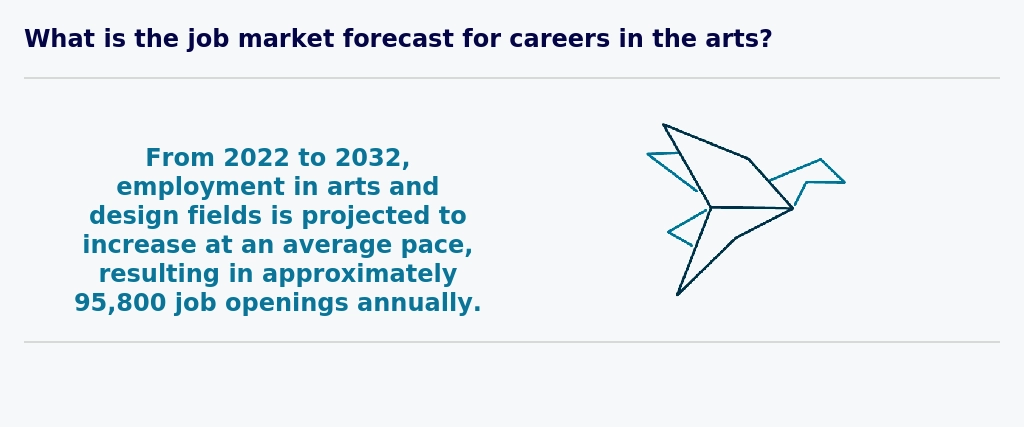
- Employment growth in fine arts fields is projected at 3% over the next decade, which is slower than average compared to other occupations.
- Fine arts careers often require real-world experience and portfolios that many online programs help build through projects and virtual exhibitions.
How long does it take to complete online fine arts degree in America?
Completing an online fine arts degree in America often takes around four years for full-time students, mirroring traditional undergraduate programs. Yet, this standard timeline doesn't capture the nuanced experiences of many graduates from institutions like the Savannah College of Art and Design or the California College of the Arts. Some find themselves extending their studies to six years or more, especially if balancing part-time enrollment with creative work or financial challenges.
Others embrace accelerated options available at universities such as the School of the Art Institute of Chicago, motivated to finish sooner by leveraging prior credits or an intensive course load. One graduate shared how juggling studio projects and theory classes online often shaped their pace differently than in-person peers, highlighting that flexibility can be both a blessing and a challenge.
The reality is that while four years is a solid benchmark, online fine arts students frequently navigate personal rhythms, program structures, and material costs that influence their journey's length. This makes completion time a deeply individual story rather than a fixed expectancy.
Accreditation and Industry Recognition
Choosing an accredited online Fine Arts program ensures your degree is valued by employers, transferable between institutions, and eligible for federal financial aid. In the United States, regional accreditation bodies such as the Higher Learning Commission (HLC), Middle States Commission on Higher Education (MSCHE), and Southern Association of Colleges and Schools Commission on Colleges (SACSCOC) validate institutional quality. Additionally, programmatic accreditation from the National Association of Schools of Art and Design (NASAD) guarantees that art-specific standards-like curriculum rigor, faculty qualifications, studio facilities, and student outcomes-meet or exceed industry expectations. When reviewing program accreditation: • Verify regional accreditation on the U.S. Department of Education’s Database of Accredited Postsecondary Institutions and Programs. • Look for NASAD or CAA (College Art Association) endorsements to confirm that specialized art courses follow best practices in fine arts education. • Confirm that credits will transfer smoothly if you later pursue graduate study or cross-enroll in partner institutions. Accreditation also opens doors to licensure and certification pathways, such as teaching credentials or museum curation certificates, expanding career versatility. For students balancing budget with quality assurance, it’s wise to compare accredited programs that offer competitive tuition rates-our Cheapest Fine Arts Degree Programs Ranking in Kentucky highlights regionally accredited options where cost-effectiveness meets academic excellence. By prioritizing accreditation and industry recognition, you invest not only in creative skill-building but also in a credential that commands respect across the art world.
What's the difference between online and on-campus fine arts degree?
Choosing between an online and on-campus fine arts degree in America often feels like deciding between two distinct worlds. Graduates from institutions like the Rhode Island School of Design cherish the tactile energy of campus studios, where the smell of paint and the hum of tools spark spontaneous creativity. Hands-on access to galleries and face-to-face critiques creates a dynamic feedback loop that some say is irreplaceable.
Conversely, alumni of online programs from universities such as the Savannah College of Art and Design often highlight the liberating flexibility of digital learning. They describe how asynchronous video lectures and virtual mentorships allowed them to balance art with work or family life, often feeling empowered rather than constrained.
Still, the absence of a physical studio space can make replicating that "in-the-moment" creative exchange challenging. Students must adapt by curating their own environments or forging local collaborations. Yet, many find this independence nurtures self-discipline and innovation in unexpected ways.
Understanding these differences means reflecting honestly on your own learning style, life commitments, and how you envision your artistic growth unfolding within America's fine arts landscape.
What is the average cost of online fine arts degree in America?
The average cost of an online fine arts degree in America often hovers around the median total cost of $58,800, but this number can shift noticeably based on residency and institution choice. For many students attending popular universities with strong fine arts programs, the distinction between in-state and out-of-state tuition is a vital consideration. Graduates recall balancing aspirations and budgets as they navigated costs ranging from roughly $42,290 for in-state residents to about $46,275 for out-of-state students. These figures challenge the simplistic notion that all online programs are more affordable, highlighting an essential nuance in the broader discussion of the average cost of online fine arts degree USA.
Imagine a student studying from a renowned art school in California; the excitement of mastering digital techniques from home is tempered by the financial commitment, which includes not just tuition but often fees for specialized software and equipment upgrades. Such candid reflections reveal how the total expenses for online fine arts degree 2027 extend beyond mere tuition figures. They encourage prospective students to consider hidden costs that paint a truer picture of the investment required.
Amid these financial realities, stories of resourcefulness emerge-graduates leveraging scholarships, financial aid, and even employer tuition assistance to bridge gaps. This dynamic underscores the significance of researching programs thoroughly. For those curious about affordable pathways within the creative disciplines, exploring options such as the best affordable master of architecture online degree might provide valuable perspective on managing educational expenses in related fields.

What financial aid is available to online fine arts degree students in America?
Many graduates from top institutions like the Rhode Island School of Design or Savannah College of Art and Design find federal aid to be a lifeline in affording their fine arts studies online. The FAFSA opens doors to Federal Pell Grants, awarding up to $7,395 annually based on financial need-free money that removes the burden of debt for countless students. Meanwhile, Federal Direct Loans offer flexible borrowing options, including subsidized loans that ease stress by pausing interest during school. Graduates often recall how Federal Work-Study programs provided meaningful, part-time positions that connected their academic life with real-world experience.
State-specific grants add a crucial layer, with programs like California's Cal Grant or New York's Tuition Assistance Program giving residents substantial support, especially in competitive fine arts disciplines. Many online fine arts programs also extend merit scholarships that celebrate creativity and academic excellence, easing the financial strain for passionate artists.
What resonates deeply for many is the availability of private scholarships from art-focused organizations, which can be game-changers in transforming access to education. Thoughtful use of these diverse aid pathways can turn the daunting cost of fine arts education in America into a manageable, even inspiring journey.
Accreditation and Program Quality
Ensuring your online Fine Arts degree is backed by recognized accreditation is essential for credit transferability, employer confidence, and eligibility for federal aid. The most respected accrediting body for Fine Arts programs in the United States is the National Association of Schools of Art and Design (NASAD), which evaluates institutions on curriculum rigor, faculty credentials, and student outcomes. Regional accreditation-granted by agencies such as the Higher Learning Commission (HLC) or the Southern Association of Colleges and Schools Commission on Colleges (SACSCOC)-further validates that a school meets high academic standards and that your coursework will be honored by other universities. When researching your program, verify both institutional and programmatic accreditation on the university’s official website or the U.S. Department of Education’s Database of Accredited Postsecondary Institutions and Programs (DAPIP). Accredited programs often provide detailed reports on graduation rates, employment statistics, and portfolio showcases-critical factors in a comprehensive decision-making process. Similar diligence applies across disciplines; for instance, prospective designers might review the best affordable master of architecture online degree to ensure it holds NAAB accreditation, reflecting the same commitment to quality and graduate success. In addition to formal accreditation, look for schools that participate in professional partnerships and offer access to virtual libraries, digital studios, and career mentorship services. These resources not only enhance your learning experience but also signal an institution’s investment in long-term student achievement. By prioritizing accredited online Fine Arts programs, you safeguard your educational investment and position yourself competitively in a dynamic creative industry.
What are the prerequisites for enrolling in online fine arts degree program in America?
Enrolling in an online fine arts degree program in America typically starts with possessing a high school diploma or GED, a requirement that grounds applicants in essential academic readiness. Graduates from institutions like the Savannah College of Art and Design often recall the initial challenge of gathering their art portfolios-diverse collections of digital paintings or sculpture photographs-which vividly showcased their creative journeys and helped admissions committees recognize both skill and potential.
Beyond technical talents, these programs often invite letters of recommendation from art instructors, reflecting the applicant's passion and dedication. Surprisingly, many top art colleges have embraced test-optional policies post-pandemic, alleviating pressure centered on standardized scores and instead focusing on artistic voice and innovation.
Financial considerations are equally real: the difference between public schools offering annual tuitions near $10,000 and private colleges exceeding $35,000 adds complexity to the decision. Graduates frequently share how exploring scholarships and grants made art supplies and specialized software accessible, transforming daunting costs into manageable investments in their futures.
What courses are typically in online fine arts degree programs in America?
Online fine arts degree programs in America challenge the idea that studio work must be confined to a physical classroom. Graduates from well-known institutions often reflect on foundational courses like drawing, painting, and sculpture as transformative, even when adapted for virtual assignments. These classes demand creative discipline and adaptability, skills that students cherish deeply as they evolve their craft from home studios.
Art history and criticism courses immerse students in cultural narratives spanning classical to contemporary times, helping them see their work within a broader artistic conversation. For example, a student at a prominent college might find themselves analyzing Renaissance techniques one week, then critiquing modern digital art the next-fueling a dynamic understanding of art's shifting roles.
Technical proficiency, especially in tools like Adobe Creative Suite or 3D modeling, often surprises students by becoming a source of excitement rather than intimidation. Many celebrate how digital art and multimedia courses open unexpected paths, blending traditional creativity with cutting-edge innovation.
Portfolio and professional development courses resonate deeply, offering practical guidance on how to present work confidently in galleries or client meetings-an essential skill graduates appreciate as they launch their careers.
What types of specializations are available in online fine arts degree programs in America?
Online fine arts degree specializations USA go far beyond the traditional image of painting or sculpture. Graduates from popular institutions known for their fine arts programs in America often recount the thrill of engaging with digital arts or multimedia design, areas demanded by industries like advertising and entertainment. Imagine a student at a well-known college experimenting with animation software, turning ideas into vivid digital storytelling-this blend of creativity and technology is a growing hallmark of fine arts education today.
Others find fulfillment pursuing art education specializations that prepare them to inspire future generations, combining artistic skill with teaching credentials through online platforms. Meanwhile, schools renowned for their rich arts culture provide paths in art history or curatorial studies, where graduates experience the profound satisfaction of preserving cultural heritage in museum contexts. With such variety, students can tailor their studies to fit personal aspirations and industry needs, reflecting the evolving landscape of arts education in America.
For those mindful of costs, institutions featured in the Cheapest Fine Arts Degree Programs Ranking in Kentucky demonstrate that pursuing these specializations online can be both accessible and affordable, empowering hopeful artists nationwide.
How do you choose the best online fine arts degree in America?
Choosing the best online fine arts degree in America is not just about picking a school with a famous name or the cheapest tuition. Graduates from leading institutions often reflect that real value comes from programs accredited by NASAD or comparable bodies, ensuring that what you learn is both credible and relevant in the art world. Imagine a student at a well-known university balancing digital arts courses with vigorous critiques and portfolio development-this blend fuels genuine artistic growth rather than just ticking boxes.
Many find that the best online fine arts degree programs USA offer flexibility vital for working adults, allowing them to engage deeply without sacrificing other responsibilities. Such flexibility, combined with faculty who are practicing artists, breeds enthusiasm and practical insight. Affordability matters too; some graduates emphasize that online options in America can reduce costs significantly, especially when compared to relocating for traditional campuses. Exploring scholarships and financial aid is an essential part of the process.
For those looking for speedier completion, reviewing options like the top 6-month associate degree programs online can provide a focused pathway. Ultimately, aligning program structure, costs, and faculty experience with personal artistic goals will make a fine arts degree feel not just attainable but deeply rewarding.

What career paths are available for online fine arts degree students in America?
Graduates with an online fine arts degree in America discover a spectrum of career paths that far exceed stereotypes of isolated studio work. Many find fulfillment in graphic design, crafting compelling visuals for brands while balancing freelance gigs and client deadlines, a reality many graduates from top programs like the Savannah College of Art and Design embrace confidently. Others dive into illustration and animation, contributing to dynamic projects in gaming or film, thriving amid the digital demand that complements their creative talents.
Career opportunities for fine arts graduates in America often involve roles in education or therapy, where alumni of universities such as the Rhode Island School of Design use their skills to inspire young minds or support mental health through innovative art therapy techniques. Their experiences spotlight the versatility of an online fine arts degree, offering flexibility to pursue passions without geographic constraints.
Those pursuing museum work, art direction, or multimedia production highlight how this degree shapes adaptable professionals ready for evolving creative industries in America. For those curious about advancing their education affordably while exploring these avenues, some explore options like the cheapest master degree online to broaden their expertise and opportunities.
What is the job market for online fine arts degree in America?
The job market for an online fine arts degree in America is often misunderstood-many expect clear-cut opportunities, but the reality is nuanced. Graduates from institutions renowned for fine arts, like the Rhode Island School of Design or the School of the Art Institute of Chicago, find that breaking into creative fields requires more than just a degree. Success frequently hinges on persistence, innovative portfolios, and networking. While entry-level roles such as graphic designers may start with modest pay, these positions provide a foothold for creative expression and skill development.
The career opportunities for fine arts graduates in America extend beyond traditional art roles into marketing, digital content, and multimedia, where adaptability is prized. Graduates relish the flexibility that online study offers, balancing projects with learning tools like Adobe Creative Suite. Real-world experience and internships often open doors, supplementing formal education with practical skills.
Prospective students should also consider costs carefully. Many turn to online options with competitive tuition while exploring which colleges offer dual degree programs, merging art with complementary disciplines to increase employability. This strategic choice reflects a deeper understanding of the evolving professional landscape for those holding an online fine arts degree job market USA.
Frequently Asked Questions About fine arts
Online fine arts degree students in America can maximize their learning by actively engaging with digital studios and virtual critique sessions. According to the National Center for Education Statistics, students benefit from consistent interaction with faculty and peers, which enhances skill development. Utilizing high-quality art supplies at home and uploading portfolio work regularly also supports practical learning.
Choosing programs with strong internship opportunities in local galleries or art organizations can provide valuable real-world experience. Additionally, leveraging library resources and attending virtual workshops from institutions like the College Art Association can deepen theoretical knowledge. Time management remains crucial given the creative demands of fine arts studies.
The fine arts field in the United States is evolving with several emerging niches gaining popularity, especially within online degree programs. Digital art and animation are rapidly expanding areas, fueled by the $43 billion U.S. video game industry and increased demand for streaming content, according to the Entertainment Software Association.
Another growing niche is interactive media design, which blends fine arts with technology to create user experiences for websites, apps, and virtual reality.
Additionally, art therapy programs are gaining traction as awareness of mental health rises, offering opportunities to combine creativity and psychology.
These niches reflect how fine arts careers in America are adapting to technological advances and social trends.
Graduates with an online fine arts degree in America should focus on building a strong portfolio that showcases their skills and creativity. According to the Bureau of Labor Statistics, fine artists had a median annual wage of $71,730 in 2022, but competition remains high. Networking is crucial; joining professional organizations like the College Art Association can open career opportunities. Internships or freelance work provide valuable experience and industry contacts. Additionally, staying updated on digital tools and platforms used in art production enhances employability. Understanding business practices, including marketing and contracts, is also essential for success in the competitive fine arts job market.
Employers in the American fine arts sector prioritize creativity and technical skill as essential qualities in graduates. Strong proficiency in digital tools, such as Adobe Creative Suite, is increasingly important, reflecting industry trends toward digital media and design. According to the National Endowment for the Arts, over 70% of arts organizations seek candidates adept in both traditional media and digital platforms.
Additionally, communication skills and the ability to collaborate on multidisciplinary projects are highly valued. Employers want graduates who can present concepts clearly and work effectively within creative teams, as the arts industry often requires partnership across various fields.
Critical thinking and adaptability also rank high, enabling artists to innovate and navigate the evolving market. Recent surveys from the College Art Association report that nearly 80% of employers look for graduates who can apply artistic knowledge to solve real-world problems.
Finding internships relevant to a fine arts degree in America involves several strategic steps. Start by consulting your online program's career services, which often provide exclusive internship listings and employer contacts tailored to fine arts students. According to the National Association of Colleges and Employers (NACE), nearly 60% of internships in the arts sector lead to job offers.
Networking is essential; join organizations like the College Art Association or local arts councils that promote internship opportunities. Many internships in galleries, museums, and design studios are found through professional connections and alumni networks.
Additionally, platforms like Handshake and LinkedIn allow fine arts students to filter internships by location, discipline, and remote options, vital for online learners. The U.S. Department of Labor's O*NET database also helps identify employers actively seeking fine arts interns, ensuring your search is informed and targeted.
Online fine arts degrees in America have grown in credibility, helping students improve career mobility and advancement. Accredited programs offer the same curriculum as traditional ones, allowing graduates to meet industry standards and qualify for diverse roles such as graphic designers, art directors, and museum curators.
According to the U.S. Bureau of Labor Statistics, fine arts occupations are expected to grow 4% from 2022 to 2032, highlighting emerging opportunities. An online degree provides flexibility, enabling students to gain practical skills while working, which enhances resumes and portfolios.
Moreover, many employers increasingly recognize the value of accredited online fine arts degrees, especially when paired with a strong creative portfolio. This recognition broadens prospects in competitive creative fields across America.
Studying for a fine arts degree in America offers comprehensive training that equips students for interdisciplinary roles in various creative industries. Many programs emphasize collaboration across fields such as digital media, design, and communication, preparing graduates for careers beyond traditional art spaces. According to the National Endowment for the Arts, 64% of working artists engage in interdisciplinary practices, highlighting the demand for versatile skills.
Online fine arts degrees often integrate courses in technology, business, and liberal arts, fostering adaptability. This approach enables students to develop critical thinking and problem-solving skills useful in marketing, education, and entertainment sectors. Such programs reflect evolving job market needs by combining artistic techniques with practical applications.
When choosing between a thesis and a non-thesis fine arts degree program in America, consider your career goals and learning style. A thesis program typically requires creating an original project or research paper, suitable for students aiming for advanced study or academic careers. The non-thesis option often focuses more on practical skills and coursework, ideal for those seeking direct entry into creative industries.
Statistics from the National Center for Education Statistics show that about 60% of fine arts graduates pursue professional work immediately, highlighting the popularity of non-thesis programs.
Cost and time commitments can differ, so review each program's structure carefully.
American students interested in studying fine arts abroad have several pathways, particularly through partnerships between US institutions and foreign art schools. Many US universities offer study abroad programs lasting from a semester to a full year, allowing students to earn credits toward their degrees while immersing themselves in international art traditions.
Online fine arts degrees increasingly incorporate opportunities for international study as part of their curriculum, blending virtual instruction with short-term travel experiences. According to the National Center for Education Statistics, over 10% of US art students participate in study abroad programs annually.
Additionally, scholarships and exchange programs sponsored by organizations such as the Fulbright Program support US fine arts students pursuing education overseas.
Part-time job opportunities in America can effectively complement fine arts degree education by providing practical experience and financial support. Common roles include art gallery assistants, where students gain exposure to art curation and sales. According to the U.S. Bureau of Labor Statistics, jobs such as graphic designers or freelance illustrators offer flexible schedules ideal for students.
Teaching art classes or workshops part-time is another option, helping students refine communication skills. Additionally, working as museum attendants or event coordinators in cultural institutions allows for networking within the arts community.
These opportunities not only enhance resumes but also deepen understanding of the art market and industry trends, which are crucial for fine arts graduates aiming to build successful careers.
Online fine arts students in America benefit from multiple networking opportunities designed to connect them with peers, faculty, and industry professionals. Many accredited online programs offer virtual workshops, guest lectures, and collaborative projects, fostering regular interaction despite geographic distances.
Students often access online art forums and social media groups dedicated to fine arts, where they can share work and get feedback. National organizations such as the College Art Association provide memberships and virtual events that support networking and professional growth.
According to the National Endowment for the Arts, about 34% of fine arts graduates actively participate in professional art organizations, highlighting the importance of these connections in career advancement.
Alumni networks play a crucial role in supporting students pursuing online fine arts degrees in America. These networks connect students with graduates who have established careers, fostering mentorship opportunities and professional guidance. According to the National Association of Colleges and Employers, 85% of jobs are filled through networking, making connections vital in the competitive fine arts sector.
Additionally, alumni networks often provide access to exclusive job postings, exhibitions, and collaborative projects. For students of online programs, these connections help bridge the gap created by geographic distance. Research from Art Basel and UBS reports that the U.S. fine arts market reached $6 billion in sales in 2023, highlighting the importance of networks in such a dynamic economy.
Engagement with alumni communities also enhances students' understanding of industry trends and creative practices. This real-world insight supplements academic learning, preparing graduates for diverse careers in art, design, and media.
Customizing an online fine arts degree in America allows students to align their education with specific career goals. Most programs offer a variety of electives and specialized tracks, such as graphic design, animation, or studio art. According to the National Center for Education Statistics, over 60% of fine arts students choose to tailor degrees through concentrations and minors. Additionally, some institutions provide flexible capstone projects or portfolio development courses that reflect individual interests. Students can also benefit from internships or mentorship opportunities, often coordinated virtually, which enhance practical skills relevant to their career paths. This flexibility supports diverse professional ambitions in the arts sector.
Online fine arts students in America often face unique challenges related to the practical nature of their discipline. Since fine arts involves hands-on activities such as painting, sculpture, and performance, replicating these experiences virtually can limit skill development. According to the National Endowment for the Arts, access to studio space and materials is often a barrier for remote learners. Additionally, many students report difficulties in receiving real-time feedback and personalized instruction, which are critical in arts education.
Technical issues and reliable internet access remain significant hurdles, especially for those in rural areas. Furthermore, the lack of peer interaction can affect collaboration and networking opportunities, crucial for artistic growth. These challenges are common but can be mitigated by programs that provide hybrid options or material kits shipped to students.
Graduates with an online fine arts degree in the United States have multiple certification options to enhance their careers. One common path is obtaining a state teaching license if they wish to teach art at K-12 schools. Requirements vary by state but usually involve passing the Praxis exam and completing a teacher preparation program. For artists aiming to work in museums or galleries, certifications such as the Certified Archivist or memberships with the American Alliance of Museums offer valuable credentials. Additionally, some pursue certification in art therapy, requiring further specialized graduate study and licensure.
According to the National Endowment for the Arts, professional certification can boost employment prospects in creative industries, which employed nearly 5 million workers in 2022. The Bureau of Labor Statistics highlights that certified professionals in fine arts-related fields often see improved salary and job security. Obtaining certifications after an online fine arts degree demonstrates commitment to professional standards and can open doors to diverse career opportunities.
Writing a winning application for an online fine arts program in America requires clear communication of your artistic goals and experience. Start by crafting a strong personal statement that highlights your passion for art and how the program aligns with your career aspirations. According to the National Endowment for the Arts, nearly 40% of fine arts students emphasize portfolio quality in admissions, so carefully select and present your best work.
Many universities ask for a digital portfolio-ensure images or videos are high resolution and well organized. Also, include letters of recommendation from art professionals or instructors who can attest to your skills and dedication. Meeting application deadlines and following submission guidelines precisely will strengthen your chance for acceptance.
Fine arts careers are increasingly viewed through a global lens, with American-trained artists often engaging in international exhibitions, collaborations, and markets. According to the National Endowment for the Arts, over 4.6 million adults in the U.S. were employed in arts and culture-related jobs as of recent reports, highlighting the sector's significant role in the economy.
Globally, fine arts professionals benefit from diverse cultural influences, which enrich their creative practices and career opportunities. Online fine arts degrees from accredited American institutions are respected worldwide and provide flexible access to global art networks.
Many U.S. programs emphasize digital arts and multimedia skills, reflecting evolving trends that increase graduates' competitiveness in international art industries. This adaptability is crucial for artists aiming to exhibit or work abroad, as well as in growing U.S. urban art hubs.
Gaining practical experience while studying for an online fine arts degree in America is essential to develop your skills and build a professional portfolio. Many accredited programs integrate virtual studio projects, allowing students to create and submit artwork digitally. You can also pursue internships with galleries, museums, or creative agencies that accept remote participants. According to the National Endowment for the Arts, nearly 9% of working artists report internships as critical to career development.
Additionally, joining online art communities and participating in virtual exhibitions helps you network and showcase your work. Some schools offer mentorship programs connecting students with industry professionals for tailored guidance.
Choosing the right concentration within an online fine arts degree program in America starts with understanding your interests and career goals. The National Center for Education Statistics shows that popular concentrations include studio arts, graphic design, and art history. Each focus offers different skills, so consider whether you want to create, analyze, or apply art in digital or traditional formats.
Research the curriculum specifics, as some schools emphasize practical skills while others focus on theory. Investigate faculty expertise and alumni outcomes, which often indicate program strengths. Accreditation by agencies recognized by the U.S. Department of Education ensures a quality education and eligibility for federal aid, which matters for most students.
Finally, check for flexibility and support services tailored to online learners, since these impact your success in an online environment.
Top Trending Fine Arts Rankings
References
- What is an art niche? And how to recognize yours - Arts To Hearts Project https://artstoheartsproject.com/how-to-define-your-niche-as-an-artist/
- Networking for Artists: Unlocking Opportunities in the Art World - Ceri Hand https://cerihand.com/networking-for-artists/
- Complete guide to studying Fine Arts - TAI Arts https://taiarts.com/en/blog/guide-to-studying-fine-arts/
- Download Our App Now https://www.nifafinearts.com/online-classes
- Create a Niche Market for Your Art in a Sea of Artists https://lorimcnee.com/create-a-niche-market-for-your-art-in-a-sea-of-artists/
- Jobs | Academy of Fine Art https://academy-of-fine-art.com/en/jobs-en/
- Experiences and Studies - cedfa https://www.cedfa.org/experiences-and-studies
- MFA Statement of Purpose: The Artist Statement + Academic Goals Hybrid https://gradpilot.com/news/mfa-statement-of-purpose-artist-statement-guide
- Is a thesis always mandatory in a master's degree program? - EFMU: The Euler-Franeker Memorial University and Institute https://euler.euclid.int/is-a-thesis-always-mandatory-in-masters-degree-program/
- Art Internships: Your Complete Guide | Sotheby's Institute of Art https://sothebysinstitute.com/articles/art-internships-your-complete-guide/


