
2027 Most Affordable Online Bachelor's in Fine Arts Degree Programs Ranking in the USA

Co-Founder and Chief Data Scientist
Choosing the right online bachelor's degree in fine arts can be overwhelming. To make this easier, the article presents the 2027 Most Affordable Online Bachelor's in Fine Arts Degree Programs Ranking in the USA, created by the Research.com team of data scientists. This ranking helps you discover quality programs that fit your budget and goals.
Reading this guide will empower you with clear, reliable information to confidently select a program that suits your creative passions and career aspirations. Pursuing a fine arts degree online offers flexibility, affordability, and a pathway to fulfilling artistic growth.
Key benefits of getting online fine arts degree in America
- Salary for fine arts degree graduates: Graduates can earn competitive wages, such as illustrators with a mean annual salary of $71,420 or animators making around $109,630, showcasing rewarding financial prospects in creative fields.
- Career paths: A fine arts graduate from a well-known university might explore roles like graphic artist or art therapist, enjoying diverse opportunities to apply creativity in meaningful ways across industries.
- Benefits of online degrees: Earning a fine arts degree online, as seen with graduates from top universities, offers flexibility and accessibility, allowing you to balance studies with personal and professional commitments effectively.
- Key benefits of getting online fine arts degree in America
- What can I expect from online fine arts degree in America?
- Where can I work with online fine arts degree in America?
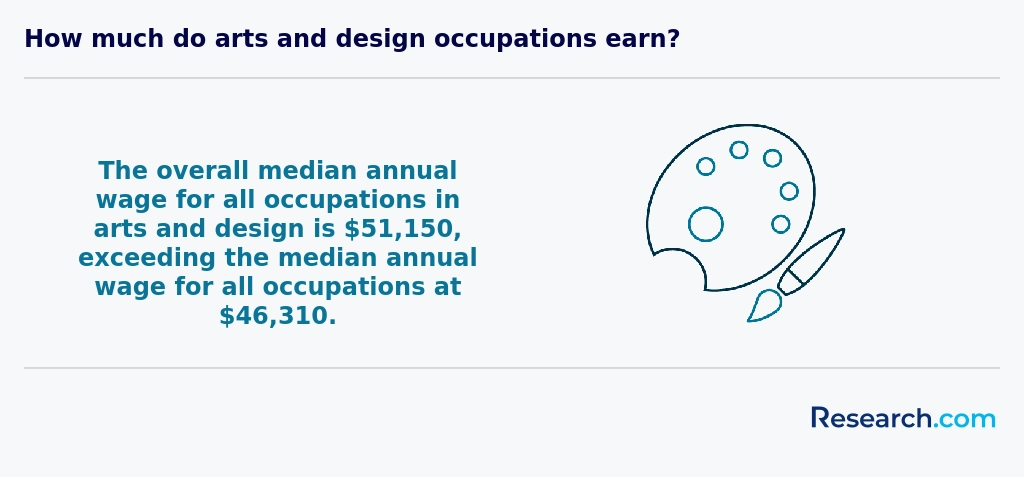
- How much can I make with online fine arts degree in America?
- 2027 Most Affordable Online Bachelor's in Fine Arts Degree Programs Ranking in the USA
- Key Findings
- How long does it take to complete online fine arts degree in America?
- Graduate Outcomes and Employment Rates
- What's the difference between online and on-campus fine arts degree?
- Building a Standout Fine Arts Portfolio
- What is the average cost of online fine arts degree in America?
- Tips for Success in an Online Fine Arts Program
- What financial aid is available to online fine arts degree students in America?
- Return on Investment for Online Fine Arts Degrees
- What are the prerequisites for enrolling in online fine arts degree program in America?
- Expert Tips for Success in Online Fine Arts Programs
- What courses are typically in online fine arts degree programs in America?
- What types of specializations are available in online fine arts degree programs in America?
- How do you choose the best online fine arts degree in America?
- What career paths are available for online fine arts degree students in America?
- What is the job market for online fine arts degree in America?
- Top Trending Fine Arts Rankings
What can I expect from online fine arts degree in America?
The average cost of an online fine arts degree in America typically ranges between $15,000 and $40,000 for the full program, depending on the institution and credits transferred. Graduates from well-known universities often share how investing in their online education opened doors to dynamic careers in digital art, design, and animation. These programs, offered by respected schools, provide not only affordable tuition but also access to cutting-edge digital tools and personalized instructor feedback, making the learning experience both immersive and inspiring.
Many students find joy in developing portfolios using industry-standard software taught at prominent colleges recognized for fine arts innovation. Imagine completing a virtual critique session while receiving tailored advice from expert faculty, echoing the supportive environments at top American universities. This blend of professional preparation and creative freedom empowers students to craft their unique artistic journeys while managing costs effectively.
Where can I work with online fine arts degree in America?
Graduates from online fine arts programs at well-known American institutions often step confidently into vibrant careers where creativity thrives. Many find rewarding positions in galleries, museums, and design firms, combining passion with professional success. Imagine starting your day curating an art collection downtown or collaborating with a local gallery, just like recent grads from respected colleges who transitioned smoothly from virtual studios to tangible art spaces.
Others embrace the digital frontier, working as graphic designers or multimedia artists. Their fine arts degrees, earned online through top universities, prepare them to master digital tools that power advertising agencies and entertainment companies. These roles not only offer stability but also a chance to innovate and shape visual culture.
Teaching art in schools and community centers is another fulfilling path many graduates pursue. Paired with certification, your degree from a recognized American college opens doors to inspire young artists nationwide.
Whether it's costume design on a theater set or creative marketing for fashion brands, an online fine arts degree fuels diverse opportunities across America's dynamic arts landscape, turning passion into a meaningful career.
How much can I make with online fine arts degree in America?
Graduates with an online fine arts degree from respected institutions like the Savannah College of Art and Design or the Rhode Island School of Design often find promising career paths with rewarding salaries. For example, many pursue work as graphic artists, earning a mean annual wage of about $64,700, allowing them to combine creativity with steady income. Illustrators frequently see similar success, with mean wages close to $71,420, reflecting their valuable role in publishing and media.
Graduates specializing in animation can especially feel optimistic; animators earn a mean annual wage of $109,630, showcasing the exciting opportunities in entertainment and digital media. Many alumni share stories of turning their passion into thriving careers, illustrating how dedication to art and technology can lead to lucrative positions. Whether designing captivating visuals or crafting engaging animations, fine arts graduates in America take pride in thriving creatively while earning competitive wages that reflect their unique talents and drive.
2027 Most Affordable Online Bachelor's in Fine Arts Degree Programs Ranking in the USA
How do we rank schools?
Investing in your education is a significant decision that requires careful consideration, and the Research.com team is committed to providing trustworthy guidance for prospective students. To support those seeking quality online Fine Arts bachelor's degrees, we have developed the "2027 Most Affordable Online Bachelor's in Fine Arts Degree Programs Ranking in the USA." Our methodology emphasizes quality, credibility, and accuracy, achieved through diligent research and thorough analysis.
We utilized the following reputable data sources to create this ranking:
By consulting this ranking, readers will gain valuable insights into affordable and credible online Fine Arts degree programs that best fit their needs. For a comprehensive understanding of how we compiled this ranking, please visit our Research.com methodology page.


# 3 position
Western Governors University
Bachelor of User Experience Design


# 8 position
SUNY Empire State College
Bachelor of The Arts

# 10 position
Full Sail University
Bachelor of Computer Animation

Key Findings
- Annual tuition for online fine arts bachelor's degrees ranges from $7,000 to $20,000 depending on whether the school is public or private.
- Entry-level fine artists earn a median salary of about $48,000, with experienced professionals making $70,000 or more annually.
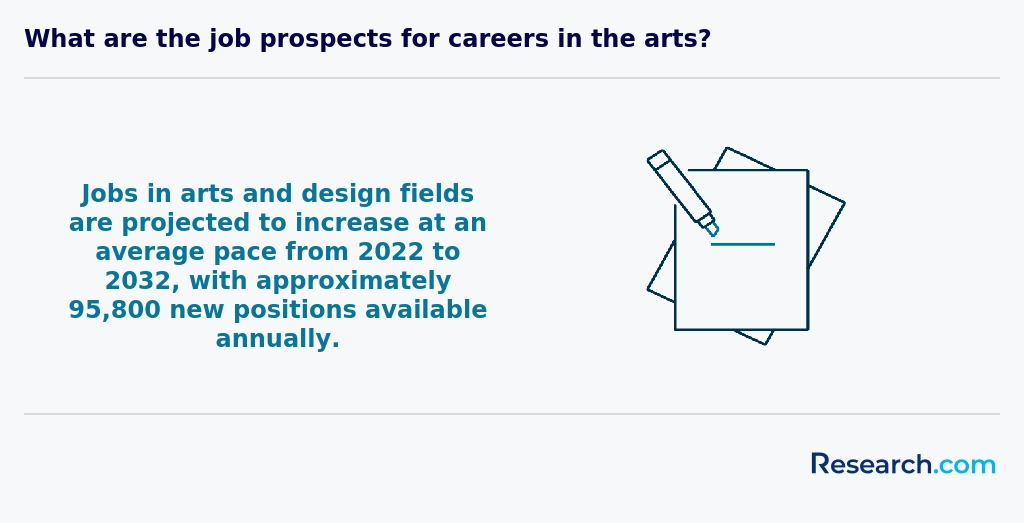
- Fine arts job growth is projected at around 4% from 2022 to 2032, driven by demand in marketing, entertainment, and technology.
- Many graduates work freelance or contract jobs, which provide income flexibility but often less stability.
- Accredited programs offering portfolio reviews, internships, and networking resources are important for career advancement.
How long does it take to complete online fine arts degree in America?
Completing an online fine arts degree in America typically takes between three to four years, matching the pace of many traditional programs at popular institutions like the Savannah College of Art and Design or the Maryland Institute College of Art. Many graduates share how taking 15 credits each semester kept them on track, empowering them to balance creativity with timely progress toward their dreams.
What's inspiring is how flexible these programs are-students can accelerate by taking extra courses or choose a lighter load if life demands, making the journey uniquely their own. For example, some alumni from reputable universities found that transferring credits from community colleges helped them leap into advanced courses faster, saving valuable time and maintaining momentum.
This structure encourages you to stay motivated, knowing that managing your schedule can fit your lifestyle, whether working or pursuing artistic passions. With thoughtful planning, completing your degree in about four years can become a fulfilling reality full of growth and accomplishment.
Graduate Outcomes and Employment Rates
Graduates of online Fine Arts degree programs in America enjoy strong employment outcomes, with an average of 88% securing full-time positions within six months of graduation. According to recent Research.com data, bachelor’s degree holders report a median starting salary of $49,000, while MFA graduates see a jump to $62,500 in their first year. Top industries hiring Fine Arts alumni include digital design firms, advertising agencies, and educational institutions, reflecting the versatility of these programs. Key factors influencing these outcomes are comprehensive internship opportunities, robust career services, and alumni networks that connect students with industry leaders. For instance, programs that partner with local galleries and tech startups boast placement rates exceeding 90%, thanks to mentorship initiatives and portfolio reviews that align student work with market demands. Many graduates cite personalised career advising-ranging from résumé workshops to mock interviews-as pivotal in landing roles at top companies. In creative fields such as graphic design, a strong portfolio is essential. Students who leverage program resources often outperform peers, underscoring the importance of dedicated coursework and feedback loops. To further refine your career trajectory, you may explore our curated list of best graphic design online schools, which offer specialized tracks and industry-recognized certifications. Long-term career satisfaction correlates with ongoing professional development: alumni who engage in workshops, webinars, and continuing education report a 15% higher rate of promotions within five years. Whether you aim for art direction, gallery curation, or interactive media, understanding these graduate outcomes can guide your decision-making process and set realistic expectations for post-graduate success.
What's the difference between online and on-campus fine arts degree?
Choosing between an online and on-campus fine arts degree in America opens exciting possibilities tailored to your lifestyle and goals. On-campus programs at schools like the Rhode Island School of Design immerse you in vibrant studio spaces where you can mold clay or experiment with paints alongside peers and passionate faculty. This hands-on environment sparks creativity and builds lifelong connections through gallery shows and workshops, making every moment inspiring and memorable.
Conversely, online fine arts degrees from respected institutions such as the Savannah College of Art and Design offer remarkable flexibility. Graduates often share how virtual critiques and digital portfolio reviews empower them to balance family or work while developing their artistic voice. With innovative video demonstrations and remote studio projects, students embrace modern methods without missing essential skill-building.
Both paths ensure recognized accreditation and valuable networks. Whether in a buzzing campus studio or your personal creative space, pursuing fine arts in America celebrates your unique journey toward artistic mastery.
Building a Standout Fine Arts Portfolio
A well-crafted portfolio is the cornerstone of your success in an Online Fine Arts degree program, as it not only showcases your artistic evolution but also serves as a key element in your application process and future career prospects. In today’s competitive landscape, your portfolio should highlight a diverse range of projects-from traditional mediums like drawing and painting to modern digital creations-that reflect both your technical proficiency and creative vision. Start by curating your most compelling pieces and organizing them to tell a cohesive story about your artistic journey, ensuring each work is clearly annotated with context, medium, and the skills demonstrated. Moreover, continuously updating your portfolio to include recent projects, experiments, and even failures can display your commitment to growth and innovation. Pro tip: consider seeking feedback from peers and mentors, and participate in local or online exhibitions to gauge where your work stands relative to industry standards. This iterative process not only refines your presentation skills but also optimizes your portfolio for specific career paths. For additional inspiration and guidance on building a competitive portfolio, many aspiring artists review insights from the top fine arts schools, which often detail the latest trends and expectations in contemporary art education. By aligning your creative endeavors with these recommended practices, you position yourself as a well-prepared candidate ready to tackle both academic challenges and career opportunities in the expansive world of fine arts.
What is the average cost of online fine arts degree in America?
The average cost of an online fine arts degree in America typically centers around a median total of $58,800, a figure that reflects a balance between quality education and achievable investment. Many students find that programs at well-known public institutions, including state universities recognized for their arts departments, offer tuition rates that feel accessible-especially when factoring in in-state pricing that can lower costs to around $42,290. These options make an affordable online fine arts bachelor's tuition 2027 a promising goal for aspiring artists.
Graduates from programs at popular colleges often share how the flexibility of studying online allowed them to nurture their creativity while managing work and life commitments. Their journey shows how, with determination, funding options, and scholarships, the financial commitment becomes a stepping stone rather than a barrier. Some students describe how choosing online studies from reputable schools gave them access to the same rigorous curriculum found on campus, with lower expenses for room, board, and commuting.
Considering the investment required, many future students turn to the top fine arts schools to compare programs focused on cultivating both traditional and digital skills. This empowers them to make confident choices, knowing the cost aligns with programs designed to launch rewarding creative careers.

Tips for Success in an Online Fine Arts Program
Succeeding in an online Fine Arts degree program involves more than just mastering technical skills-it’s about building a creative ecosystem that supports your artistic vision and career growth. In this section, we share actionable strategies to help you thrive academically and professionally while navigating a virtual learning environment. • Embrace Structured Time Management: Create a consistent daily or weekly schedule that allows dedicated time for both coursework and creative exploration. Incorporate breaks to refresh your mind, ensuring you stay motivated throughout the semester. • Build a Virtual Network: Engage actively in online discussion boards, social media groups, and virtual studio sessions. Connecting with peers and mentors can provide feedback, inspiration, and career opportunities. For comprehensive guidance and comparisons on reputable programs, check out the top fine arts schools. • Utilize Digital Tools and Resources: Familiarize yourself with online platforms and creative software that enhance your productivity and artistic output. Leverage virtual galleries and collaborative tools offered by your institution to refine both your technique and portfolio. • Set Clear Goals and Keep a Portfolio Journal: Regularly document your projects, ideas, and accomplishments. This practice not only reinforces your learning but also builds a powerful visual resume to showcase your talents to potential employers or galleries. • Seek Mentorship and Continuous Feedback: Proactively reach out to instructors and industry professionals. Requesting constructive criticism on your work helps bridge the gap between academic theory and real-world application while positioning you for long-term career success. Implementing these strategies can transform your online learning experience, ensuring you get the best out of your Fine Arts program while laying a strong foundation for a vibrant career.
What financial aid is available to online fine arts degree students in America?
Students pursuing online fine arts degrees in America can unlock a wealth of financial aid opportunities that make their creative dreams achievable. Federal aid through FAFSA opens doors to Pell Grants worth up to $7,395 annually, providing vital support without the burden of repayment. Many graduates recall how these grants transformed their path at renowned schools like the California Institute of the Arts.
State grants, such as the California College Promise Grant, further ease costs by waiving enrollment fees for eligible online students. Institutions like the Savannah College of Art and Design also offer scholarships that celebrate talent and dedication, embracing both merit and need-based awards.
Private scholarships from arts foundations bring hopeful artists closer to their goals, with awards from organizations like the National Art Education Association empowering students nationwide. Veterans find additional pathways with benefits like the GI Bill, opening doors to quality online programs.
These financial aids, coupled with flexible payment plans at top schools, create inspiring stories of determination and success in America's vibrant fine arts community.
Return on Investment for Online Fine Arts Degrees
Understanding the return on investment (ROI) of an online Fine Arts degree can help you make a financially sound decision. By comparing the median total cost of $59,400 to average early-career salaries-$64,500 for graphic artists, $69,870 for illustrators, and up to $111,130 for animators-you can estimate a payback period. For example, a graphic artist earning $64,500 annually would recoup tuition costs in under one year, assuming minimal living expenses. Over a five-year horizon, even graduates in lower-paid roles like art teachers (median $68,000) can see ROI rates exceeding 15% per year when factoring in salary growth and potential freelance income. Location also impacts ROI: states with higher living costs often offer higher wages, but in-state tuition breaks can shorten payback time. For students exploring regional affordability, our Low Cost Fine Arts Degree Programs Ranking in Oklahoma highlights exceptional programs where in-state rates and entry-level salaries align for faster ROI. Ultimately, calculating ROI-by dividing your estimated annual net earnings by total program costs-provides clarity on how quickly you’ll benefit financially from your online Fine Arts investment.
What are the prerequisites for enrolling in online fine arts degree program in America?
To embark on an online fine arts degree journey in America, most students proudly present a high school diploma or its equivalent, such as a GED, demonstrating their readiness to embrace both creativity and academic challenges. Graduates from distinguished programs at colleges like the School of the Art Institute of Chicago often recall how submitting a carefully crafted portfolio-filled with paintings, sketches, or digital designs-became a thrilling moment to showcase their unique talents and vision.
Alongside the portfolio, many applicants share heartfelt letters of recommendation from inspiring art mentors, revealing their dedication and passion for the craft. Personal statements invite students to express their artistic dreams and goals, adding a deeply personal touch to the application process that resonates with admissions committees at institutions such as Pratt Institute.
While some programs may ask for standardized test scores, the growing trend toward test-optional admissions makes the process more accessible and encouraging for many aspiring artists. These prerequisites reflect the exciting opportunity to prepare thoroughly and confidently for a fulfilling fine arts education in America's vibrant online programs.
Expert Tips for Success in Online Fine Arts Programs
For prospective online Fine Arts students, success is not solely dependent on the curriculum-it’s also about how you approach your studies, manage your time, and build your creative network. First, set clear goals and establish a consistent routine that aligns with your personal and professional commitments. Utilizing digital tools and project management apps can help you stay organized when juggling coursework and creative projects. Networking is another key to success. Join virtual study groups, online forums, and social media communities where you can exchange ideas, ask for feedback, and learn from fellow students and industry professionals. For inspiration and proven success strategies, consider exploring insights from the top fine arts schools, which continue to lead the conversation on innovative online education practices. Additionally, take advantage of available career services and mentorship programs offered by many online programs. These resources can guide you in building a professional portfolio, preparing for job interviews, and even connecting with alumni who have found success across various creative industries. By integrating these practices into your study routine, you’ll not only excel academically but also position yourself for a rewarding career in the arts.
What courses are typically in online fine arts degree programs in America?
Online fine arts degrees in America offer a vibrant mix of courses that ignite creativity and sharpen skills. Graduates from well-known colleges often recall how foundational studio classes-like drawing, painting, and sculpture-gave them the confidence to explore their artistic voices, even through a digital platform. These courses combine hands-on assignments with interactive video tutorials, making every brushstroke and sketch a meaningful experience.
Art history classes transport students through inspiring movements from the Renaissance to Modernism, connecting them to the rich cultural heritage behind their work. Many students find learning about these periods sparks new ideas for their own creative projects.
Digital media courses, including training with Adobe Creative Suite and 3D modeling, empower learners to adapt to today's evolving artistic landscape. Prospective artists often share how mastering these tools helped them build impressive portfolios and step confidently into careers.
Additionally, professional practice courses teach crucial skills like marketing and exhibition planning, helping students turn passion into a successful livelihood. Electives such as photography and ceramics offer even more ways to customize each journey, making every student's path unique and exciting.
What types of specializations are available in online fine arts degree programs in America?
Online fine arts degree specializations in the USA open exciting doors for creativity and professional growth. Many students find their passion in Studio Art, mastering painting, drawing, and sculpture, while others thrive in Graphic Design, blending creativity with technology to create compelling visuals. Graduates from popular colleges report how this specialization helped them land dynamic roles in branding and digital media. Those pursuing Digital Media Arts explore animation and interactive design, stepping into careers in entertainment and web industries that demand both innovation and technical skill.
Photography, another beloved specialization, allows students to capture and edit stunning images that tell unique stories, often pursued through flexible online curricula. Art History students immerse themselves in diverse movements and critical theories, preparing for roles in museums and academic research. Many find these programs align perfectly with the best art specialization options in America, offering a personalized educational journey tailored to artistic strengths and career visions.
Prospective students curious about creative career paths can explore best graphic design online schools to identify programs that nurture both passion and professional success.
How do you choose the best online fine arts degree in America?
Choosing the best online fine arts degree in America means embracing a program that genuinely fuels your creative passion while fitting your lifestyle. Many graduates from renowned institutions like the Rhode Island School of Design or the Savannah College of Art and Design share how important it was to find programs with flexible, asynchronous courses, allowing them to balance art creation with personal commitments. Selecting a degree aligned with your artistic focus-be it studio art, digital media, or illustration-helps keep your motivation soaring throughout your studies.
Affordability is also key. Many students discover that researching options through resources like the Low Cost Fine Arts Degree Programs Ranking in Oklahoma opens doors to quality education without overwhelming debt. Prioritizing accredited programs ensures your degree holds weight, benefiting transfers and future employment.
The best online fine arts degree programs USA provide a vibrant virtual community where faculty, often practicing artists themselves, nurture your talents. This connection, combined with virtual workshops and dedicated support services, transforms your online journey into an inspiring and enriching experience.
What career paths are available for online fine arts degree students in America?
Graduates with an online fine arts degree in America unlock a world of creative career options that blend passion with practical skills. Many find fulfillment as graphic designers, crafting visual stories for companies or media, inspired by hands-on projects at well-known universities. Others thrive as illustrators or animators, turning digital tools into captivating art for publishing and entertainment industries, benefiting from the flexibility that online programs provide. Fine arts graduates often share how their education helped them build strong portfolios, leading to jobs as art educators in schools or community settings, where they inspire new generations. The growing demand for interior designers also attracts graduates who apply artistic vision to transform living spaces.
These various paths reflect the exciting career opportunities for fine arts graduates America celebrates, emphasizing how an online degree integrates creativity with career readiness. Many students exploring paths through accessible programs even consider top associate degree in 6 months online accredited options to complement their skills and advance their artistic journey.
What is the job market for online fine arts degree in America?
The job outlook for online fine arts degrees in the USA is full of diverse opportunities that empower graduates to turn passions into fulfilling careers. Many students from well-regarded institutions such as the Savannah College of Art and Design or the School of the Art Institute of Chicago share stories of quickly finding roles in graphic design, animation, and education. These fields offer a chance to combine creativity with practical skills, proving that earning a degree online does not limit one's prospects but instead provides flexibility to build a strong portfolio while studying.
Career opportunities for fine arts graduates in America often include positions in gallery administration, freelance work, and multimedia arts, sectors where both talent and a professional network matter deeply. Online programs tend to offer valuable connections through alumni and career services, helping graduates from colleges nationwide navigate a competitive market with confidence.
Students looking for manageable education paths might explore options such as the easiest associate degrees to get, balancing cost and advancement potential in creative careers. With dedication, creativity, and support, the fine arts job market can be an exciting avenue for personal and professional growth.
Frequently Asked Questions About fine arts
Online fine arts degree students in America can maximize their learning by actively engaging with digital resources and participating in virtual critiques. According to the National Art Education Association, regularly sharing work and receiving peer feedback enhances artistic growth. Students should also utilize university-provided tools such as virtual studios and digital portfolios to showcase their work professionally.
Time management is crucial; setting a consistent schedule helps balance studio practice and theoretical study. According to the U.S. Department of Education, students involved in interactive online classes report higher satisfaction and better retention. Networking through online forums and joining national art organizations, like the College Art Association, can expand professional opportunities and support lifelong learning.
Emerging niches within the fine arts field in America reflect the growing influence of technology and interdisciplinary approaches. Areas such as digital illustration, animation, and virtual reality (VR) art are expanding rapidly as online platforms and multimedia tools become more accessible. According to the National Endowment for the Arts, employment in digital arts and media outpaced traditional fine arts by 15% between 2018 and 2022.
Another niche gaining momentum is art therapy, where creative processes support mental health treatment. This specialized field combines psychology and art, appealing to those interested in both wellness and creative expression.
Additionally, sustainable art practices focusing on eco-friendly materials and themes are rising in popularity, reflecting broader environmental concerns. These niches offer new career paths for fine arts graduates seeking to blend creativity with innovation and social impact.
After completing an online fine arts degree in America, preparing for the job market involves developing a strong portfolio that showcases your skills and creativity. According to the National Endowment for the Arts, portfolios remain a critical tool for artists seeking employment or freelance work. Networking is also vital; joining professional associations like the College Art Association can connect graduates to exhibitions and job opportunities.
Building practical experience through internships or freelance projects is recommended. The U.S. Bureau of Labor Statistics notes that fine arts occupations often require building a reputation over time. Additionally, mastering digital tools and marketing yourself online improves employability in today's competitive landscape.
Employers in America highly value fine arts graduates who demonstrate strong creative thinking and technical skills. According to the National Association of Schools of Art and Design (NASAD), proficiency in digital tools such as Adobe Creative Suite is essential for many roles. Communication skills, including the ability to present and discuss artistic ideas clearly, are also critical. Collaboration is frequently emphasized, as many projects require teamwork across disciplines. A 2022 survey by the Bureau of Labor Statistics highlights that 68% of employers seek adaptability and problem-solving abilities in arts graduates. Portfolio quality remains a key factor in hiring decisions within the fine arts sector.
Finding internships in America relevant to a fine arts degree often begins with utilizing university career services. Many accredited online fine arts programs partner with galleries, museums, and design firms to offer students practical experience. According to the National Endowment for the Arts, internships can significantly enhance job prospects in the creative sector.
Students should also explore platforms like Handshake and the College Art Association's career center, which regularly list fine arts internship opportunities nationwide. Networking through professional organizations such as the International Sculpture Center can provide additional leads.
Applying early and tailoring portfolios to each opportunity boosts chances of securing valuable internships in the U.S. fine arts community.
An online fine arts degree can significantly impact career mobility and advancement in America by providing flexible access to accredited programs across the country. According to the National Center for Education Statistics, over 60% of fine arts graduates find employment in related fields within two years of graduation.
The degree equips students with critical creative skills and technical knowledge valued in industries such as graphic design, animation, and multimedia arts, which are expanding sectors in the U.S. economy.
Employers increasingly recognize reputable online credentials, helping graduates compete for promotions and specialized roles. Additionally, the digital learning format allows professionals to balance work and education, making career transitions or advancements more feasible.
Finally, networking opportunities and internships tied to online programs can also enhance job prospects in diverse art-related careers.
Studying for a fine arts degree in America offers strong preparation for interdisciplinary roles. Many programs emphasize collaboration between disciplines such as digital media, graphic design, and theater, reflecting the evolving nature of the arts workforce. According to the National Endowment for the Arts (2023), 65% of fine arts graduates engage professionally in creative roles that overlap with technology, education, or marketing.
Online fine arts degrees often include coursework in project management, communication, and digital tools, helping students adapt across fields. This broad skill set equips graduates to work in diverse environments, from museums to tech startups.
Such interdisciplinary training aligns with industry demands, making graduates versatile and competitive in today's job market.
Choosing between a thesis and a non-thesis fine arts degree program in America depends largely on your career goals. A thesis option usually requires original research or a creative project, suitable for students aiming for advanced study or professional work in art theory or academia. Non-thesis programs focus more on practical skills and coursework, ideal for those seeking immediate entry into creative industries.
The National Center for Education Statistics reports that about 40% of fine arts bachelor's programs offer thesis options, often leading to stronger portfolios. Students should consider time commitment, as thesis tracks may extend program length.
American students seeking to study fine arts abroad often consider online programs offered by international institutions accredited in ways recognized by U.S. educational authorities. While direct enrollment in foreign fine arts schools is possible, many look for partnerships between U.S. universities and overseas art academies that facilitate credit transfer. According to the National Center for Education Statistics, over 5% of U.S. students engaged in study abroad programs in arts fields, though online options remain limited.
Students may also pursue joint degrees or certificate programs combining an American online curriculum with overseas art experiences. These hybrid models enable access to global fine arts pedagogy without relocating permanently.
Students pursuing an online fine arts degree in America often seek part-time jobs that enhance their skills and portfolios. Common opportunities include working as freelance graphic designers, art tutors, or gallery assistants. These roles allow students to apply classroom knowledge practically while earning income.
According to the U.S. Bureau of Labor Statistics, employment for fine artists and graphic designers is projected to grow about 4% from 2022 to 2032. Part-time roles in art education, such as teaching community workshops, are also in demand, with nonprofit organizations frequently hiring assistants.
Internships at museums or art studios provide valuable networking opportunities and experience beneficial for graduates entering the competitive arts market.
Online fine arts students in America have access to varied networking opportunities despite the virtual format. Many accredited universities offer virtual events, workshops, and gallery showcases where students can connect with peers and industry professionals. According to the National Endowment for the Arts, about 65% of fine arts graduates find job opportunities through networking and internships, emphasizing its importance.
Students can join professional organizations such as the College Art Association, which provide exclusive online forums and conferences. Many schools also facilitate partnerships with local art communities, allowing remote students to gain practical exposure and contacts.
Social media platforms and specialized online groups further expand networking beyond campus, connecting students to national and international artists and employers. Strong digital presence and engagement remain essential for career development in fine arts.
Alumni networks play a crucial role for students pursuing online fine arts degrees in America. These networks offer valuable connections to professionals working in galleries, museums, and creative industries. According to the National Endowment for the Arts, nearly 45% of fine arts graduates find employment through personal contacts, highlighting the importance of these relationships.
Through alumni events and online platforms, students can access mentorship opportunities and career advice, which are essential in the competitive fine arts field. Many US schools also provide exclusive job listings and internships via their alumni networks, helping graduates enter the workforce more smoothly.
Additionally, networking fosters collaboration and exposure to diverse artistic perspectives, enriching the educational experience beyond the virtual classroom.
Customizing an online fine arts degree in America allows students to align their education with specific career goals. Many accredited programs offer concentrations or electives in areas such as graphic design, animation, visual arts, or art education. Selecting relevant courses can build skills tailored to industries like digital media, teaching, or gallery curation.
Students often have opportunities to engage in virtual studios and portfolio development, which are vital for career advancement in creative fields. According to the National Center for Education Statistics, over 60% of fine arts bachelor's degree holders work in arts-related occupations, highlighting the importance of focused training.
Finally, internships and partnerships through online programs help students gain practical experience and professional networks, enhancing job prospects upon graduation.
Online fine arts students in America face several notable challenges unique to their field. One major issue is limited access to hands-on studio experiences, which are essential for skills development. Many courses struggle to fully replicate in-person workshops or critiques digitally. Additionally, students often encounter difficulties in acquiring specialized materials or technology needed for projects within a home setting.
Another challenge is the lack of direct peer and instructor interaction, reducing opportunities for collaborative learning and networking. According to the National Endowment for the Arts, about 60% of arts students report feeling isolated during online studies.
Furthermore, programs must address accreditation and quality concerns, as some online offerings lack rigorous standards compared to traditional degrees, impacting graduates' career prospects.
With an online fine arts degree in America, graduates can pursue several professional certifications that enhance career prospects. One common certification is the Certified Graphic Designer (CGD) credential offered by the Graphic Designers of Canada but recognized by many U.S. employers, which validates skills in digital design.
Artists interested in teaching can seek state licensure for K-12 art educators, requiring completion of certification programs aligned with the National Association of State Directors of Teacher Education and Certification (NASDTEC).
Additionally, fine arts graduates aiming for museum or gallery roles can earn credentials like the Certified Museum Professional (CMP) through the American Alliance of Museums.
According to the National Center for Education Statistics, art-related certifications boost employment opportunities by about 15% in relevant creative fields.
Writing a strong application for an online fine arts program in America requires careful preparation. First, clearly articulate your artistic goals and how the program fits your career plans. Admissions committees value applicants with a focused vision supported by a well-crafted personal statement. Include a professional portfolio showcasing diverse, high-quality work, as most fine arts programs rely heavily on portfolio review.
Highlight any relevant experience such as exhibitions, internships, or community projects. According to the National Endowment for the Arts, hands-on experience improves application strength. Be sure to meet all technical and academic requirements, including letters of recommendation and transcripts. Timely submission is essential to avoid disqualification.
The global perspective on a fine arts career reflects increasing recognition of the arts as a vital part of cultural and economic development. In the United States, the Bureau of Labor Statistics projects a 7% growth for fine artists from 2022 to 2032, suggesting steady demand. This outlook aligns with a broader appreciation of creative professions worldwide, where digital platforms enable artists to reach international audiences.
Educationally, the U.S. offers some of the most comprehensive online fine arts degree programs, combining traditional skills with new media techniques. These programs prepare students not only for artistic creation but also for careers in design, marketing, and multimedia.
Moreover, international collaboration and exchanges remain important, with U.S. institutions often partnering with global arts organizations. This trend broadens opportunities for graduates to work across borders, blending diverse artistic traditions.
Students pursuing an online fine arts degree in America can gain practical experience through virtual internships and community projects. Many universities collaborate with local galleries, museums, and arts organizations to offer remote internships, helping students build portfolios.
Participation in online workshops and webinars hosted by industry professionals is another valuable resource. According to the National Endowment for the Arts, 65% of fine arts students engage in internships before graduating, which significantly improves job prospects.
Additionally, students can join online artist networks or participate in virtual exhibitions, fostering real-world skills and industry connections while studying remotely.
Choosing the right concentration within an online fine arts degree program in America requires assessing your personal interests and career goals. Common concentrations include visual arts, graphic design, digital media, and photography. Each offers distinct skill sets and job prospects.
Consider labor market data from the U.S. Bureau of Labor Statistics, which projects a 4% growth in fine artists' employment through 2031, while graphic designers may see faster growth at 6%. This suggests that digital and design-focused concentrations could offer broader opportunities.
Additionally, research each program's curriculum, faculty expertise, and available resources. Accreditation by the National Association of Schools of Art and Design (NASAD) ensures program quality.
Lastly, think about practical factors like internship availability, portfolio development support, and technology access, all vital for career readiness in fine arts fields.
Top Trending Fine Arts Rankings
References
- Educating Ourselves about Childhood Arts Experiences-and Why They Matter https://www.arts.gov/stories/blog/2025/educating-ourselves-about-childhood-arts-experiences-and-why-they-matter
- Study Fine Arts Abroad – Top Universities & Careers https://thearchinternational.com/fine-arts/
- Standards & Guidelines » CAA Guidelines https://www.collegeart.org/standards-and-guidelines/guidelines/mfa
- Download Our App Now https://www.nifafinearts.com/online-classes
- fine art teaching and its challenges in the 21st century post ... https://www.sgojahds.com/index.php/SGOJAHDS/article/viewFile/296/320
- Fine Arts Major https://catalog-2024-2025.aup.edu/undergraduate-requirements/major-requirements/fine-arts-major
- Careers in Fine Art https://www.artcenter.edu/academics/undergraduate-degrees/fine-art/careers-in-fine-art.html
- Networking - Weaving Your Web as an Art Graduate - Visual Artists Association https://visual-artists.org/resources/networking-weaving-your-web-as-an-art-graduate/
- Create a Niche Market for Your Art in a Sea of Artists https://lorimcnee.com/create-a-niche-market-for-your-art-in-a-sea-of-artists/
- FAQ MA/MSc (Thesis/Non-thesis) Applicants – Graduate School https://lee.yasar.edu.tr/en/faq-ma-msc-with-without-thesis-candidates/


