
2027 Most Affordable Online Fine Arts Degree Programs Ranking in Virginia

Co-Founder and Chief Data Scientist
If you're in Virginia and dreaming of a career in fine arts, finding an affordable online degree program can be challenging. This article introduces the 2027 Most Affordable Online Fine Arts Degree Programs Ranking in Virginia, carefully crafted by the Research.com team of data scientists.
Our goal is to help you discover quality programs that fit your budget and aspirations. Pursuing a fine arts degree opens up exciting creative opportunities and personal growth. Reading this guide empowers you to make an informed choice and take confident steps toward your future in the arts.
Key benefits of getting online fine arts degree in Virginia
- Graduates with a fine arts degree in Virginia can pursue rewarding careers such as Animator, earning around $109,630 annually, or Illustrator, with a mean salary of $71,420, offering strong financial stability.
- Many fine arts graduates from universities like Virginia Commonwealth University find diverse career paths in animation, graphic design, and art therapy, reflecting vibrant opportunities for creativity and professional growth.
- Online programs from schools such as Old Dominion University provide flexible learning schedules and access to expert faculty, allowing you to balance life and education while gaining valuable skills in your own space.
- Key benefits of getting online fine arts degree in Virginia
- What can I expect from online fine arts degree in Virginia?
- Where can I work with online fine arts degree in Virginia?
- How much can I make with online fine arts degree in Virginia?
- 2027 Most Affordable Online Fine Arts Degree Programs Ranking in Virginia
- Key Findings
- How long does it take to complete online fine arts degree in Virginia?
- Curriculum Overview: Core Courses and Electives
- What's the difference between online and on-campus fine arts degree?
- What is the average cost of online fine arts degree in Virginia?
- Internship and Practicum Opportunities
- What financial aid is available to online fine arts degree students in Virginia?
- What are the prerequisites for enrolling in online fine arts degree program in Virginia?
- What courses are typically in online fine arts degree programs in Virginia?
- What types of specializations are available in online fine arts degree programs in Virginia?
- How do you choose the best online fine arts degree in Virginia?
- What career paths are available for online fine arts degree students in Virginia?
- What is the job market for online fine arts degree in Virginia?
- Related Fine Arts Rankings for Nearby States
- Top Trending Fine Arts Rankings
What can I expect from online fine arts degree in Virginia?
The average cost of an online fine arts degree in Virginia tends to be more affordable than traditional on-campus programs, especially for in-state students. Public institutions like Old Dominion University and Virginia Commonwealth University typically charge lower tuition rates for online courses, reflecting savings on housing and commuting expenses. According to data from the National Center for Education Statistics, tuition fees for public universities in Virginia remain competitive, often ranging between $8,000 and $12,000 per year for residents. Graduates frequently note that these programs provide excellent value without compromising academic quality.
Students benefit from rigorous coursework that combines theory, such as art history and digital media, with practical studio assignments delivered through virtual classrooms. Many find the flexible schedules helpful for balancing studies with personal commitments. At these universities, hands-on workshops and internships complement online learning, allowing students to develop portfolios and real-world skills appreciated by employers and graduate programs alike.
Where can I work with online fine arts degree in Virginia?
Graduates with an online fine arts degree in Virginia find diverse career opportunities across the state's arts and cultural sectors. For instance, many Richmond and Charlottesville-based alumni secure roles in institutions like the Virginia Museum of Fine Arts or community art centers, working as exhibit designers or arts educators. Such positions provide session-by-session fulfillment and steady professional growth.
Educational careers are also prominent. Graduates from schools like Virginia Commonwealth University report obtaining teaching certifications, enabling them to work in public schools or as adjunct faculty at community colleges. These roles leverage both academic credentials and artistic portfolios, fostering meaningful student engagement.
The expanding creative economy in Virginia cities supports jobs in graphic design, animation, and video game production. Alumni from institutions known for fine arts, such as Old Dominion University, find rewarding employment at local advertising agencies and tech startups, blending creativity with commercial impact.
Nonprofits and arts festivals, especially in Northern Virginia, also employ degree holders in program management and outreach positions. These roles often stem from active involvement in state-wide artist networks, boosting both community connection and career satisfaction.
How much can I make with online fine arts degree in Virginia?
Graduates with online fine arts degrees in Virginia often find competitive salary opportunities across various creative roles. For instance, fine arts alumni working as graphic artists can anticipate mean annual wages around $64,700, reflecting the demand for both artistic and digital skills. Those pursuing careers as illustrators typically earn slightly more, with an average salary near $71,420, demonstrating strong potential for visual storytelling professionals.
Art therapists in Virginia command salaries averaging $75,660 per year, merging fine arts knowledge with therapeutic practices. Notably, animators-who blend creativity with advanced technology-see the highest earnings, with mean wages surpassing $109,000 annually, making this an attractive option for graduates willing to specialize further.
Many graduates from notable Virginia institutions such as Virginia Commonwealth University or George Mason University have leveraged these paths, combining rigorous fine arts training with evolving media skills. These examples underscore how diversifying abilities and focusing on in-demand roles in Virginia's growing arts sector can significantly enhance earning potential and career satisfaction.
2027 Most Affordable Online Fine Arts Degree Programs Ranking in Virginia
How do we rank schools?
Investing in your education is a significant decision that can shape your future, and the Research.com team understands the importance of making informed choices. To assist prospective students in Virginia, we have meticulously crafted the "2027 Most Affordable Online Fine Arts Degree Programs Ranking in Virginia." Our commitment to quality, credibility, and accuracy is reflected in the extensive research and analysis conducted to compile this ranking.
We utilized the following reputable data sources to ensure a comprehensive evaluation of fine arts programs:
By exploring this ranking, readers will gain valuable insights into the most affordable online fine arts degree programs available in Virginia, helping them make confident and well-informed decisions about their educational paths. For more details on our methodology, please visit our Research.com methodology page.

Key Findings
- In-state tuition for online fine arts degrees in Virginia ranges from $9,000 to $15,000 per year, while private schools charge between $25,000 and $40,000 annually.
- Entry-level salaries for fine arts graduates average $35,000 to $40,000 per year, increasing to $55,000 to $65,000 with mid-career experience.
- The job market for fine arts roles in Virginia is expected to grow by 4% to 7% over the next decade, especially in urban areas like Richmond and Northern Virginia.
- Online programs often offer practical projects, virtual studios, and portfolio reviews, and reputable ones are accredited by bodies such as SACSCOC.
- Financial aid options include scholarships for arts majors and employer tuition reimbursement, making degrees more affordable for many students.
How long does it take to complete online fine arts degree in Virginia?
Completing an online Bachelor of Fine Arts (BFA) degree in Virginia generally takes around four years for students attending full-time. For example, graduates from well-known institutions like Virginia Commonwealth University often share how this timeline aligns well with their work and family commitments, providing a fulfilling balance between study and life. Part-time enrollment, common among many online learners, can extend this period beyond four years, though it offers valuable flexibility.
Associate degrees at Virginia's community colleges typically take two years, serving those aiming for foundational skills or planning to transfer into a bachelor's program later. These programs accommodate busy schedules, allowing students to pace themselves effectively.
Graduate-level degrees such as the Master of Fine Arts (MFA) generally require two to three years of full-time study. Many students appreciate programs at institutions like George Mason University, where part-time options enable completion within three to five years, making it feasible to balance education with professional life.
Ultimately, credit hour requirements and course costs impact pacing decisions, making time to degree a personalized path for Virginia's online fine arts students.
Curriculum Overview: Core Courses and Electives
When you enroll in an Online Fine Arts degree in Virginia, you can expect a balanced mix of foundational studio classes, art theory, and flexible electives designed to build both technical skills and critical thinking. Core courses typically include: • Drawing Fundamentals: Techniques in line, form, and composition to establish strong observational skills. • Digital Media and Design: Introductory and advanced modules covering software tools, digital illustration, and multimedia workflows. • Art History and Visual Culture: Surveys of global art movements, contextual analysis, and research methods that inform creative practice. • Portfolio Development: Structured guidance on creating, refining, and presenting a professional body of work. • Virtual Studio Practice: Live online critiques, collaborative projects, and peer reviews to simulate hands-on studio environments. Elective specializations allow you to tailor your studies to your interests, such as: • 3D Sculpture and Ceramics • Photography and Mixed Media • Animation and Motion Graphics • Art Therapy Foundations Students seeking interdisciplinary enrichment often combine fine arts coursework with complementary fields. For example, pairing your studio practice with an in-depth study of art history can provide valuable context for your creative projects-explore our most affordable history degree for insights into building a robust humanities background. By completing a curriculum that balances hands-on artmaking, digital innovation, and scholarly analysis, graduates emerge with a versatile skill set poised for success in galleries, studios, digital agencies, and beyond.
What's the difference between online and on-campus fine arts degree?
On-campus fine arts degrees in Virginia, such as those at Virginia Commonwealth University (VCU) and Radford University, emphasize hands-on learning through studio classes, in-person critiques, and direct access to extensive art facilities. Graduates from these programs often highlight the value of real-time feedback from experienced instructors and collaboration with peers in shared creative spaces. The average annual tuition for in-state students at public universities in Virginia ranges from $9,000 to $13,000, reflecting a competitive investment in practical, immersive education.
Online fine arts programs provide flexibility for students unable to relocate or balance other commitments, using digital platforms for lectures, virtual critiques, and digital portfolios. Many online students appreciate the convenience but acknowledge the challenge of independently sourcing studio space and supplies. Tuition fees for online formats are often comparable to on-campus rates, though some schools add technology fees. Students pursuing online degrees value the autonomy and adaptability, finding satisfaction in balancing creative work with personal schedules while maintaining access to quality instruction.
- Networking opportunities: On-campus students enjoy richer mentorship through face-to-face interactions with faculty and visiting artists.
- Learning style: On-campus suits structured learners; online fits self-motivated students comfortable with digital tools.
- Program availability: Specialized disciplines often require on-campus attendance due to equipment needs.
- Accreditation and outcomes: Both options hold regional accreditation, but alumni networks and reputation may differ.
What is the average cost of online fine arts degree in Virginia?
The average cost of an online fine arts degree in Virginia reflects a balance between public and private institution tuition along with additional expenses. Median total costs show that in-state students typically invest around $52,440 to complete their degree. Out-of-state students can expect to pay closer to $53,640, while the overall median total cost for all students is roughly $44,910. These figures include not just tuition but also fees, supplies, and other necessary expenses, which are crucial considerations for potential fine arts students budgeting their education.
Graduates from Virginia's well-known institutions offering fine arts programs frequently share that managing costs effectively is key to a rewarding educational experience. For example, students at a public university such as Virginia Commonwealth University often find affordability paired with strong program quality, enabling them to explore creative passions without overwhelming financial burdens. These experiences resonate positively, making the investment feel worthwhile despite extra costs related to art materials and technology fees.
Searching for affordable online fine arts programs Virginia offers can lead students to diverse options that fit varying budgets. Alongside direct tuition costs, it's important to remember that acquiring an online degree in fine arts often includes purchasing specialized supplies or enrolling in studio courses, which can add to overall costs. Prospective students considering their career trajectory might also explore intersections with library science advantages to broaden post-graduate opportunities.

Internship and Practicum Opportunities
Virginia’s online Fine Arts programs emphasize real-world learning through structured internships and practicum experiences that bridge academic study with professional practice. Students often collaborate with local art galleries, museums, design studios, and community centers-engaging in roles such as curatorial assistants, digital exhibit coordinators, and studio technicians. These placements allow you to: • Apply classroom theories to live projects, from mounting exhibitions to developing virtual galleries. • Build relationships with industry professionals, mentors, and potential employers across Virginia’s rich cultural institutions. • Develop specialized skills-such as gallery management software, digital archiving, and client liaison-that enhance your resume and portfolio. For example, graduates from an online program at Virginia Commonwealth University report securing summer practicum positions at the Virginia Museum of Fine Arts, where they contributed to installation design and public outreach campaigns. Similarly, students have completed remote internships with emerging digital art platforms, producing interactive web exhibits and gaining expertise in UX-driven design. To maximize your internship experience: 1. Identify placements that align with your specialization (e.g., animation studios for animators or local theaters for set designers). 2. Leverage your institution’s career services for application guidance, resume workshops, and interview preparation. 3. Document your projects through an online portfolio and reflective journals to showcase outcomes to future employers. For prospective students seeking alternative affordable options, consider exploring the Affordable Fine Arts Degree Programs Ranking in Maryland, which also highlights robust practicum and internship pathways tailored to diverse artistic interests.
What financial aid is available to online fine arts degree students in Virginia?
Online fine arts students in Virginia typically access a mix of federal, state, and institutional financial aid to manage tuition costs that range from $10,000 to $15,000 annually at public colleges. Many students begin by completing the FAFSA, making them eligible for Pell Grants up to $7,395 per year. A graduate from a prominent university in Richmond recalled how this grant substantially reduced her educational debt, allowing her to focus on creativity without constant financial stress.
State aid, such as the Virginia Tuition Assistance Grant, supports those attending nonprofit private colleges with online fine arts programs. Students who start at a community college within the Virginia Community College System often benefit from scholarships that ease the transfer to four-year institutions. This path was praised by a recent graduate from Northern Virginia Community College, who highlighted the boost these funds gave her confidence to pursue advanced studies.
Additionally, scholarships from organizations like the National Art Education Association and local arts councils provide targeted funding. Many universities reserve merit-based and need-based institutional scholarships specifically for fine arts majors. Employer tuition reimbursement and private scholarships further supplement finances, creating a network of support that empowers many Virginia students to pursue their artistic ambitions online with less burden.
What are the prerequisites for enrolling in online fine arts degree program in Virginia?
Applicants to online fine arts degree programs in Virginia must hold a high school diploma or an equivalent credential like a GED. For bachelor's degrees, official transcripts from prior education are required, ensuring students demonstrate solid academic preparation. Graduates from programs at institutions such as George Mason University highlight the value of submitting a portfolio showcasing original artwork or performances, which some universities emphasize as essential evidence of creative potential.
Test requirements vary by school; while many programs have adopted a test-optional approach, SAT or ACT scores may still be requested if academic records are incomplete. Practical readiness for online learning is also critical-students need reliable internet access and sometimes specialized software for digital art creation. Some Virginia colleges offer introductory digital art courses to support skill development.
Additional prerequisites often include letters of recommendation from art mentors, personal statements expressing artistic goals, and proof of Virginia residency to access in-state tuition rates ranging typically from $9,000 to $15,000 annually, making education affordable compared to national averages.
What courses are typically in online fine arts degree programs in Virginia?
Online fine arts degree programs in Virginia consistently include foundational courses such as Drawing, Painting, and 2D and 3D Design, which focus on developing both technical skills and creative problem-solving. Students at institutions like Virginia Commonwealth University highlight how these core classes build confidence in expressing artistic ideas across different media.
Art History is another essential component, providing context on influential movements and artists, helping learners understand their own work in a broader cultural narrative. Graduates often mention how this theoretical grounding deepened their appreciation for contemporary practice.
In line with digital trends, programs include Digital Arts and Graphic Design courses, equipping students with software proficiency critical to careers in visual communication. At schools such as George Mason University, online learners praise the practical nature of these offerings for preparing them for the job market.
Specialized classes in Photography, Ceramics, and Printmaking enable exploration of specific techniques. Students progressing through Virginia's programs note the senior capstone projects as a rewarding way to integrate their skills and showcase creativity in a professional portfolio.
Professional practice courses covering portfolio development and art marketing also prepare students for real-world opportunities, reinforcing a positive outlook on entering the competitive arts sector from an online learning environment.
What types of specializations are available in online fine arts degree programs in Virginia?
Online fine arts degree programs in Virginia offer a range of specializations catering to diverse creative interests. Popular options include Visual Arts, focusing on painting, drawing, and sculpture, which allow students to develop strong technical skills alongside artistic expression. Graduates from universities in Virginia often highlight how these concentrations helped refine their personal style, essential for gallery or freelance success. Graphic Design, another sought-after specialization, combines creativity with digital tools, preparing students for thriving careers in advertising and media.
Many students also choose Photography, gaining expertise in both technical skills and digital editing, applicable in fields like media production. Animation and Digital Media is increasingly popular due to the growing market for 2D and 3D content, with graduates from institutions like Virginia Commonwealth University praising the practical, industry-oriented curriculum. Art History and Criticism offers an academic pathway focused on analysis and theory, appealing to those interested in museum work or education.
Those exploring online fine arts specializations Virginia will find many programs offer interdisciplinary courses, blending elements like graphic design with multimedia arts or community education, fostering versatile career paths. Affordability complements these options, making Virginia a preferred choice. Prospective students balancing specialization choices and tuition should also consider associated costs carefully, similarly to how they evaluate options like the Illinois teaching certification cost.
How do you choose the best online fine arts degree in Virginia?
Choosing the best online fine arts degree Virginia programs involves assessing accreditation, curriculum, faculty expertise, cost, and flexibility. Virginia's well-regarded institutions, such as those with Southern Association of Colleges and Schools Commission on Colleges (SACSCOC) accreditation, ensure your credits have value and facilitate transfers or graduate studies. Graduates often highlight how balanced curricula blending core disciplines like painting and digital arts with electives keep their learning engaging and relevant.
Affordability plays a key role; average annual tuition for in-state fine arts students in public Virginia universities typically ranges from $9,000 to $12,000. Many students appreciate online programs offering differential tuition and financial aid tailored toward arts students, supporting affordable fine arts programs Virginia-wide. Flexible course delivery with asynchronous classes allows working professionals to manage studies efficiently, a feature praised by numerous alumni. Hands-on virtual studios and access to industry-standard software emulate in-person experiences effectively.
Faculty with active professional experience enrich learning through mentorship and contemporary critiques. Additionally, engagement with local organizations like the Virginia Museum of Fine Arts enhances career prospects. Online programs providing career services or internship opportunities assist graduates in bridging education with the Virginia arts scene. For those interested in interdisciplinary pathways, understanding the child life specialist certificationprocess can offer complementary career options within creative fields.
What career paths are available for online fine arts degree students in Virginia?
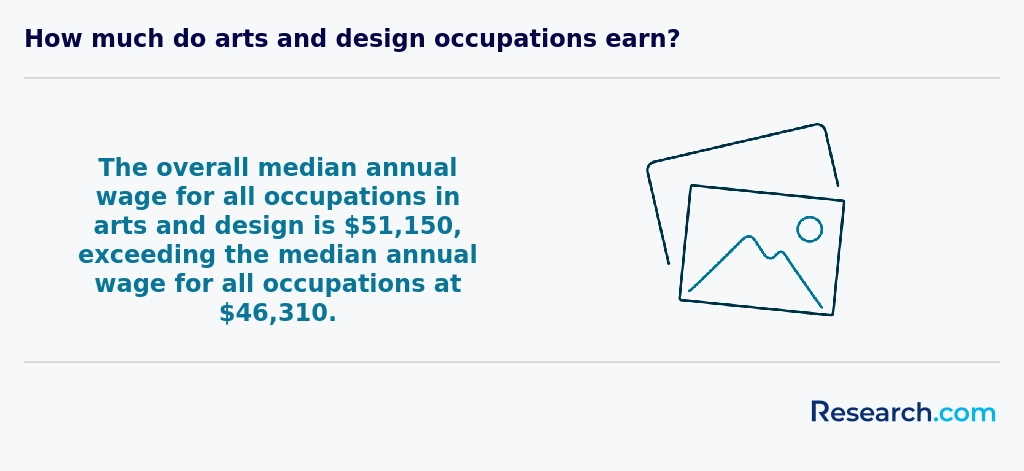
Graduates holding an online fine arts degree in Virginia have access to diverse career paths that combine creativity with practical expertise. Visual artists, such as painters and sculptors, benefit from Virginia's supportive job market, with the Bureau of Labor Statistics reporting a median fine artist wage of $49,120 nationally in 2022. Graphic designers often find roles in Virginia's expanding tech and media sectors, where digital artistry is in high demand. Art educators with additional licenses can teach in Virginia's public schools, leveraging online fine arts degree programs that prepare students for certification. Careers as curators or museum specialists take advantage of Virginia's rich cultural institutions, while art therapists merge psychology and art, requiring further study. These options make fine arts degree job prospects Virginia-focused and promising for emerging professionals.
Fine arts graduates from universities like Virginia Commonwealth University often praise the blend of online coursework and local internship opportunities that enhance career readiness. Engaging with internships remotely, students cultivate skills and networks critical for success across fine arts career opportunities Virginia provides. Some students simultaneously explore pathways through online curriculum and instruction phd programs, broadening their scope within education-related professions linked to the arts.
What is the job market for online fine arts degree in Virginia?
The job market for an online fine arts degree in Virginia offers diverse opportunities in creative fields, particularly in vibrant regions like Richmond, Northern Virginia, and Virginia Beach. Graduates from institutions known for their fine arts programs often secure roles as graphic designers or art instructors, benefiting from Virginia's steady arts sector growth. Virginia remote fine arts employment opportunities include freelance digital media projects, gallery positions, and emerging roles in art therapy, supported by local arts funding and tourism investments.
For example, graduates have reported finding rewarding work in community organizations or creative agencies, leveraging skills gained through online studies to build their portfolios and professional networks. The Virginia Employment Commission highlights that arts-related jobs constitute about 2.5% of state employment with positive projections through 2030. However, students should weigh the costs carefully; exploring the most affordable history degree options could provide insights into balancing financial and educational goals.
Frequently Asked Questions About fine arts
Online fine arts degree students in Virginia can maximize their learning by engaging actively with digital resources and virtual art communities. Many Virginia institutions provide access to extensive online libraries and software essential for digital art and design work. Utilizing these tools enhances practical skills and creativity.
Participating in online critiques and collaborative projects offered through coursework allows students to gain diverse perspectives, a key factor in artistic growth. Students should also seek internships or partnerships with local galleries and art organizations to gain real-world experience.
Maintaining a disciplined schedule and setting clear goals helps students manage studio time effectively. According to the Virginia Department of Education, arts enrollment has increased, emphasizing the growing availability of statewide support networks and resources.
The fine arts field is evolving with several emerging niches, especially relevant for students in Virginia pursuing online degrees. Digital art and animation are growing rapidly due to advances in technology and demand in the entertainment industry. Additionally, art therapy is gaining recognition within healthcare, combining creativity with mental wellness practices.
Interactive media and virtual reality (VR) art are other expanding areas, supported by Virginia's investments in tech and creative sectors. According to the National Endowment for the Arts, Virginia's arts employment has increased by 5% since 2020, reflecting new career paths.
These niches offer innovative opportunities for fine arts graduates to blend traditional skills with modern technology.
After completing an online fine arts degree in Virginia, preparing for the job market involves building a strong portfolio showcasing your work. Employers and galleries value diverse samples demonstrating technical skill and creativity.
Networking is essential in the fine arts community. Virginia offers access to organizations like the Virginia Museum of Fine Arts and local art guilds, which can provide valuable connections and exhibition opportunities.
Internships and volunteer roles with arts organizations in Virginia improve both experience and professional relationships. According to the National Endowment for the Arts, graduates with practical experience are 30% more likely to secure employment within a year.
Additionally, developing digital skills for online promotion and sales is increasingly important given the growth of e-commerce in art markets.
Employers in Virginia highly value fine arts graduates who demonstrate strong creativity and visual communication skills. According to the National Endowment for the Arts and Virginia's Department of Education, effective use of digital tools and proficiency in software like Adobe Creative Suite are essential for many entry-level roles.
Additionally, critical thinking and problem-solving abilities help graduates adapt to evolving artistic trends and client needs. Collaboration and interpersonal skills are also crucial, as many projects require teamwork and presentations.
Some Virginia employers emphasize portfolio quality and versatility in various media. Time management and self-motivation are particularly important for graduates working remotely or in freelance roles.
Finding internships in Virginia relevant to a fine arts degree begins with exploring opportunities offered by local museums, galleries, and arts organizations. Major cities like Richmond and Virginia Beach have active arts communities that often provide internships geared towards students. The Virginia Commission for the Arts and regional arts councils frequently list available internships on their websites.
Additionally, many Virginia universities with fine arts programs maintain partnerships with cultural institutions, so contacting your school's career services can be invaluable. According to the National Endowment for the Arts, Virginia supports over 3,500 arts-related nonprofits, providing a wide pool for internship placements.
Online job platforms such as Handshake and LinkedIn are also useful for locating internships tailored to fine arts students within Virginia, often posted directly by employers looking for emerging talent.
An online fine arts degree can significantly improve career mobility and advancement for students in Virginia by providing flexible access to accredited programs recognized statewide. Graduates gain skills in creative techniques and digital tools, meeting growing demands in Virginia's arts and entertainment industries. According to the National Endowment for the Arts, Virginia had over 80,000 arts-related jobs in 2022, with many employers valuing formal education in fine arts.
Online degrees enable professionals to balance work and study while expanding portfolios, which is crucial for career growth. Additionally, Virginia's support for remote learning and creative enterprises fosters networking opportunities, enhancing job prospects. The Virginia Department of Education highlights that graduates with bachelor's degrees in fine arts see a 15% higher employment rate compared to those without such credentials.
Studying for a fine arts degree in Virginia offers students strong interdisciplinary preparation through diverse coursework that integrates visual arts, digital media, and communication. Virginia institutions emphasize collaboration across fields such as technology, education, and cultural studies, preparing graduates to adapt in multifaceted creative roles.
Many programs incorporate project-based learning and internships with local museums, galleries, and design firms, reflecting Virginia's active art community. According to the National Endowment for the Arts, Virginia supports over 10,000 arts-related jobs, demonstrating career opportunities beyond traditional fine arts positions.
This practical exposure, combined with critical thinking and digital skills training, equips students for careers that blend artistic expertise with other professional disciplines.
When choosing between a thesis and a non-thesis online fine arts degree program in Virginia, consider your career goals and learning preferences. A thesis program involves original research and a substantial project, ideal for students aiming for advanced studies or academic careers. Non-thesis options typically focus on coursework and practical skills, suited for those seeking immediate professional application in areas like graphic design or art education.
The Virginia Department of Education notes that fine arts graduates often enter diverse fields, so aligning your program with state job market demands is key. Additionally, thesis programs may take longer and require strong self-motivation to complete independent research.
Students based in Virginia seeking to study fine arts abroad often explore online programs with international connections or study-abroad partnerships. While Virginia institutions offer a few online fine arts degrees, options for direct overseas fine arts degrees are limited due to accreditation and credit-transfer complexities.
Collaborative programs, such as faculty-led study abroad or virtual exchange courses, provide valuable global art perspectives without full relocation. For example, Virginia Commonwealth University supports immersive art residencies abroad, enhancing online learning experiences with international exposure.
The National Center for Education Statistics reports approximately 1,200 fine arts degrees awarded annually in Virginia, highlighting growing student interest and institutional support for global opportunities within online formats.
Students pursuing an online fine arts degree in Virginia can benefit from various part-time job opportunities that enhance their education and build professional experience. Positions such as gallery assistants, art teachers for community programs, and freelance graphic designers are common options that align well with fine arts skills.
Virginia's robust arts scene, including institutions like the Virginia Museum of Fine Arts, often hires part-time staff and interns, providing practical exposure. According to the Virginia Employment Commission, the arts and design sector expects a growth rate of 5% through 2028, offering increasing opportunities for students.
Additionally, jobs in local theaters or museums allow students to apply artistic knowledge while networking in the creative community.
Online fine arts students in Virginia have several networking opportunities that connect them with professionals, peers, and local art communities. Many online programs encourage participation in virtual workshops, artist talks, and collaborative projects, which help build meaningful relationships despite distance learning.
Virginia hosts numerous annual art events and exhibitions, such as those organized by the Virginia Museum of Fine Arts and local galleries. Online students often access internships and residencies through university partnerships and statewide arts organizations.
Additionally, professional networks like the Virginia Commission for the Arts provide grant opportunities and networking events that support emerging artists. These resources help online students build industry connections while completing their degrees.
Alumni networks offer significant benefits to students pursuing online fine arts degrees in Virginia. These networks connect graduates with industry professionals, fostering mentorship and career guidance. According to the National Association of Colleges and Employers, 85% of jobs are secured through networking, highlighting the importance of these connections. For fine arts students, this can mean access to exclusive exhibitions, workshops, and job opportunities in Virginia's growing arts scene.
Many Virginia institutions encourage active alumni engagement, creating forums and events that help students build professional relationships. These connections often lead to collaborations and increased visibility in art communities statewide.
Students pursuing online fine arts degrees in Virginia have several options to tailor their programs based on career objectives. Many Virginia institutions allow selection of specialized courses such as digital media, painting, or graphic design, enabling focus on specific artistic skills.
To align studies with career goals, students can often choose electives or minors related to art history, business of art, or art education. This combination is beneficial for careers in galleries, teaching, or arts management.
Virginia's State Council for Higher Education provides guidelines ensuring flexibility in online programs, helping students balance practical skills with creative development. Research from the National Endowment for the Arts shows tailored arts programs often improve employment outcomes in creative industries.
Online fine arts students in Virginia often face challenges related to practical skill development. Many fine arts programs require hands-on studio work, which can be difficult to replicate in a virtual environment. This limits opportunities for direct feedback and in-person critique.
Connectivity issues and the need for specialized equipment, such as high-quality cameras or art supplies, can also pose obstacles. According to the National Endowment for the Arts, about 15% of Virginia households lack reliable high-speed internet, impacting online learning experiences.
Additionally, networking opportunities are often less accessible online, which may affect students' ability to build professional connections in the local arts community.
With an online fine arts degree in Virginia, students can pursue several professional certifications to enhance their career prospects. One popular option is the Certified Visual Arts Educator (CVA) credential, which prepares graduates for teaching roles in K-12 schools. The Virginia Department of Education provides licensure pathways requiring a fine arts degree and successful completion of relevant exams.
For artists focused on digital or multimedia arts, certifications such as Adobe Certified Expert (ACE) can be valuable. These certifications validate technical skills widely recognized in creative industries.
Additionally, fine arts graduates interested in arts administration may consider Certified Arts Administrator (CAA) credentials to build leadership credentials.
Writing a winning application for an online fine arts program in Virginia begins with thorough research on the institution's requirements. Many Virginia schools seek portfolios that showcase original artwork, emphasizing creativity and technical skill. According to the Virginia Department of Education, applicants should include a statement of purpose explaining their artistic goals and how the program supports those goals.
Highlighting any art-related experience, such as exhibitions or internships, strengthens your application. Include academic transcripts demonstrating readiness for college-level work. Attention to detail and clear, error-free writing in your essays further distinguishes your submission.
Some Virginia programs may require letters of recommendation from art professionals or instructors familiar with your work, so choose recommenders wisely. Lastly, meet all deadlines and follow application instructions precisely to avoid disqualification.
The global perspective on a fine arts career highlights a growing appreciation for creativity in industries worldwide. In the United States, including Virginia, fine arts graduates regularly contribute to cultural development and the expanding creative economy. According to the National Endowment for the Arts, nearly 5 million Americans were employed in arts-related fields in 2022, reflecting steady job opportunities.
Virginia's fine arts sector benefits from its rich cultural history and presence of museums, galleries, and theaters, fostering robust demand for artistic professionals. Online fine arts degrees offer flexibility for students balancing education with work or family commitments.
Internationally, artists increasingly engage in global collaborations, using digital platforms to showcase work. This trend benefits Virginia graduates by expanding their reach and career possibilities beyond local markets.
Students pursuing an online fine arts degree in Virginia can gain practical experience through virtual internships offered by local museums, galleries, and arts organizations. Programs often encourage participation in community art projects or partnerships with cultural institutions like the Virginia Museum of Fine Arts. Additionally, many universities provide digital portfolios and critique sessions, which simulate real-world feedback and professional development.
Students may also engage with statewide arts networks such as the Virginia Commission for the Arts, which supports emerging artists with grants and mentorship. These opportunities help develop hands-on skills while maintaining a flexible online schedule.
Choosing the right concentration within an online fine arts degree program in Virginia involves evaluating your personal interests and career goals. Virginia offers diverse options, including studio art, graphic design, and art education, reflecting the state's rich cultural heritage. To make an informed choice, consider job market demands; data from the U.S. Bureau of Labor Statistics shows growing opportunities for graphic designers and multimedia artists nationwide, including Virginia.
Look for programs with experienced faculty and strong alumni networks. Additionally, verify that concentrations align with your desired skillset and post-graduation plans, such as teaching, gallery work, or digital media. Exploring course offerings at Virginia Commonwealth University or Old Dominion University can provide insight into specialization options available online.
Related Fine Arts Rankings for Nearby States
- 2027 Most Affordable Fine Arts Degree Programs Ranking in North Carolina
- 2027 Most Affordable Fine Arts Degree Programs Ranking in Tennessee
- 2027 Most Affordable Fine Arts Degree Programs Ranking in Kentucky
- 2027 Most Affordable Fine Arts Degree Programs Ranking in Pennsylvania
- 2027 Most Affordable Fine Arts Degree Programs Ranking in Ohio
- 2027 Most Affordable Fine Arts Degree Programs Ranking in New Jersey
- 2027 Most Affordable Fine Arts Degree Programs Ranking in Georgia
- 2027 Most Affordable Fine Arts Degree Programs Ranking in Indiana
- 2027 Most Affordable Fine Arts Degree Programs Ranking in Florida
- 2027 Most Affordable Fine Arts Degree Programs Ranking in Connecticut
Top Trending Fine Arts Rankings
References
- How to Network as an Artist - AGI Fine Art Blog https://agifineart.com/advice/the-art-of-reputation-how-to-network-if-youre-an-emerging-artist/
- Why I chose to study Fine Art https://www.falmouth.ac.uk/student-voice/why-i-chose-to-study-fine-art
- Financial Aid | Online Art & Graphic Design | Sessions College https://www.sessions.edu/financial-aid/
- Internships https://www.mfa.org/working-at-the-mfa/internships
- How to Use Art Challenges to Push Your Creative Boundaries - OCAD https://artcoursework.com/how-to-use-art-challenges-to-push-your-creative-boundaries/
- Create a Niche Market for Your Art in a Sea of Artists https://lorimcnee.com/create-a-niche-market-for-your-art-in-a-sea-of-artists/
- Alumni network - ESMA https://www.esma-artistique.com/en/outreach/alumni-network/
- INTERDISCIPLINARY EMPHASIS https://www.muw.edu/art/bfa/interdisciplinary/
- Know more about thesis vs non- thesis: what is the difference? https://studyfans.com/en/blogs/816
- Complete guide to studying Fine Arts - TAI Arts https://taiarts.com/en/blog/guide-to-studying-fine-arts/


