
2027 Most Popular Fine Arts Degree Programs Ranking in Kansas

Co-Founder and Chief Data Scientist
Choosing the right fine arts degree program is an exciting step for students in Kansas passionate about creativity and expression. To help you navigate your options, this article introduces the 2027 Most Popular Fine Arts Degree Programs Ranking in Kansas created by the Research.com team of data scientists.
By exploring this ranking, you'll gain valuable insights into programs that stand out for quality and popularity. Understanding these options can make your decision clearer and boost your confidence in pursuing a rewarding fine arts education.
Discover programs that align with your artistic goals and take a confident step toward a bright creative future.
Key benefits of getting fine arts degree in Kansas
- Salary for fine arts degree graduates: Graduates can earn competitive wages such as $64,700 annually for graphic artists, $71,420 for illustrators, and up to $109,630 for animators, showing promising financial opportunities in the arts.
- Career paths: Kansas fine arts graduates often find rewarding careers in animation, illustration, or graphic design, benefiting from local networks and arts communities that support creative growth and job placement.
- Online degree benefits: Earning a fine arts degree online from universities in Kansas offers flexible scheduling and personalized learning, making it easier to balance work and studies while building a strong professional portfolio.
- Key benefits of getting fine arts degree in Kansas
- What can I expect from fine arts degree in Kansas?
- Where can I work with fine arts degree in Kansas?
- How much can I make with fine arts degree in Kansas?
- 2027 Most Popular Fine Arts Degree Programs Ranking in Kansas
- Key Findings
- How long does it take to complete fine arts degree in Kansas?
- Emerging Trends in Fine Arts Education and Industry in Kansas
- What's the difference between online and on-campus fine arts degree?
- Student Life and Campus Culture in Kansas Fine Arts Programs
- What is the average cost of fine arts degree in Kansas?
- Boosting Career Success: Networking, Mentorship, and Student Support
- What financial aid is available to fine arts degree students in Kansas?
- Portfolio Preparation: Tips for a Standout Application
- What are the prerequisites for enrolling in fine arts degree program in Kansas?
- Industry Trends and Future Opportunities in Kansas Fine Arts Education
- What courses are typically in fine arts degree programs in Kansas?
- What types of specializations are available in fine arts degree programs in Kansas?
- How do you choose the best fine arts degree in Kansas?
- What career paths are available for fine arts degree students in Kansas?
- What is the job market for fine arts degree in Kansas?
- Related Fine Arts Rankings for Nearby States
- Top Trending Fine Arts Rankings
What can I expect from fine arts degree in Kansas?
The average cost of pursuing a fine arts degree in Kansas tends to be quite reasonable compared to national figures. For example, students attending the University of Kansas or Wichita State University often report annual in-state tuition fees ranging from $7,000 to $10,000. Graduates frequently share how this affordability allowed them to focus on developing their creative skills without overwhelming financial stress.
One graduate from Kansas State University described investing saved funds into art materials and community exhibitions instead of accruing large debts. This practical financial balance supports artistic exploration and professional growth simultaneously. Financial aid and scholarships targeted at arts students further ease the burden, encouraging more Kansan students to pursue degrees confidently.
As these universities continue adapting to evolving educational models, we might see more hybrid learning options reducing costs and expanding accessibility. Emerging programs that incorporate digital media and interdisciplinary arts could also attract more funding, potentially lowering student expenses further while enhancing creative opportunities.
Where can I work with fine arts degree in Kansas?
Graduates with fine arts degrees from universities like the University of Kansas and Pittsburg State often find themselves thriving in educational roles, becoming art teachers in vibrant K-12 settings or adjunct instructors at local colleges. Many share the excitement of shaping young creative minds while staying connected to their own artistic growth.
In Kansas City and Wichita, fine arts alumni frequently land dynamic jobs in graphic design and multimedia arts, collaborating with marketing firms or media companies. Imagine crafting compelling visual campaigns that influence regional audiences while building a rewarding career. These urban hubs support a creative economy ripe with opportunity.
Others join museums and galleries as curators or exhibition coordinators, experiencing the joy of preserving and showcasing art that resonates with local communities. The state's lively theater and independent film scenes also welcome graduates as set and costume designers, fueling passion projects and professional production work.
Freelancing remains a popular choice, with many artists participating in festivals like the Prairie Fire Art Festival, celebrating vibrant artistic independence and community engagement-all integral to Kansas's flourishing creative landscape.
How much can I make with fine arts degree in Kansas?
Graduates with a fine arts degree in Kansas often find diverse income opportunities influenced by their chosen career path. For instance, illustrators can anticipate earning around $71,420 annually nationally, a figure that brightens the prospects for those emerging from programs at institutions like the University of Kansas or Wichita State University. These graduates frequently speak of the excitement in applying their craft to commercial projects, seeing incomes climb as they build reputations.
Animators represent another promising avenue, with an impressive mean annual wage of approximately $109,630. Graduates entering this field often remark on how combining traditional fine arts skills with digital techniques, often emphasized in Kansas colleges, enhances employability and salary potential.
Art teachers in the state find stable roles with mean salaries near $70,740 annually, reflecting both community appreciation and steady demand in Kansas public schools. Many fine arts alumni share fulfilling experiences mentoring younger artists while earning competitive wages.
Graphic artists, averaging about $64,700 per year nationwide, are also common among Kansas graduates expanding their artistic skills into digital media. The blend of creativity and technology nurtured in Kansas fine arts programs fuels these positive career trajectories.
2027 Most Popular Fine Arts Degree Programs Ranking in Kansas
How do we rank schools?
Investing in your education is a significant decision that can shape your future, and the Research.com team understands the importance of making informed choices. To assist prospective students interested in fine arts, we have meticulously crafted the "2027 Most Popular Fine Arts Degree Programs Ranking in Kansas." Our commitment to quality, credibility, and accuracy is reflected in the extensive research and analysis conducted to compile this ranking.
We utilized the following reputable data sources to ensure a comprehensive evaluation of fine arts programs:
By exploring this ranking, readers will gain valuable insights into the most popular fine arts degree programs in Kansas, empowering them to make confident and well-informed decisions about their educational paths. For more details on our methodology, please visit our Research.com methodology page.


Key Findings
- Kansas offers both public and private schools with in-state tuition for fine arts programs typically between $9,000 and $11,000 per year.
- The average starting salary for fine arts graduates in Kansas is about $35,000 annually, increasing to around $50,000 with experience.
- Job growth for fine arts professionals in Kansas is projected at approximately 4% over the next decade.
- Major cities like Wichita, Kansas City, and Topeka provide more job opportunities in creative fields such as agencies, theaters, and museums.
- State programs and scholarships support fine arts students, often encouraging internships and community art projects for real-world experience.
How long does it take to complete fine arts degree in Kansas?
Completing a fine arts degree in Kansas generally takes about four years for full-time students, just as graduates from the University of Kansas and Kansas State University often share from their own journeys. Imagine dedicating each semester to a mix of intensive studio hours, art history lectures, and collaborative critiques, feeling the excitement of portfolio development alongside classmates equally passionate about creativity. This traditional timeline is both a challenge and a rewarding process, shaping students into accomplished artists by the time they graduate.
Looking ahead, the pathway may become more flexible with emerging trends like hybrid course models and accelerated programs designed to fit diverse lifestyles. Some graduates reflect on how balancing part-time enrollment or internships extended their studies, yet enriched their creative experiences and networks within Kansas's vibrant art community. As Kansas universities evolve, future students might find tailored routes that honor personal pace and ambition without compromising the depth of studio practice essential for success in fine arts.
Emerging Trends in Fine Arts Education and Industry in Kansas
Kansas’ fine arts education scene is evolving rapidly as technology and creative innovation reshape traditional practices. One significant trend is the integration of digital media and interdisciplinary approaches within fine arts curricula, allowing students to experiment with new techniques, from 3D printing to virtual reality installations, that broaden their creative capabilities. These emerging trends also reflect industry demands where adaptability and technical proficiency are highly valued by employers. For example, many institutions are collaborating with local galleries and businesses to create hands-on learning experiences that simulate real-world artistic challenges. Exploring resources like affordable fine arts schools in kansas can provide valuable insights into programs that blend creative artistry with innovative technology at competitive costs. Moreover, networking opportunities and industry-centric events are increasingly integral to the student experience, equipping graduates with the skills and professional connections needed to navigate a dynamic arts market. Keeping abreast of these trends is crucial for prospective students eager to build a future-proof career in the arts while contributing to Kansas’ vibrant cultural landscape.
What's the difference between online and on-campus fine arts degree?
Graduates from Kansas universities like the University of Kansas often recall the energizing atmosphere of on-campus fine arts programs, where hands-on studio sessions and face-to-face critiques spark immediate growth. The tactile experience of working in specialized studios, surrounded by peers and mentors, fuels creativity in ways that are hard to duplicate online. On the other hand, alumni of programs offering online or hybrid formats, such as Fort Hays State University, emphasize the freedom to fit their coursework into busy lives without sacrificing foundational skills.
Looking ahead, Kansas institutions seem poised to blend these strengths even more. Imagine a hybrid model combining virtual galleries and remote critiques with occasional in-person workshops at places like Wichita State University. This could deliver both flexibility and the irreplaceable energy of physical collaboration, helping students develop dynamic portfolios while balancing personal commitments.
Envision a future where technology bridges the tactile gap-augmented reality might soon allow Kansas fine arts students to interact with virtual tools as intuitively as those on campus. This evolving landscape encourages students to choose paths that reflect their unique lifestyle and artistic ambitions.
Student Life and Campus Culture in Kansas Fine Arts Programs
Kansas fine arts programs are not just about rigorous coursework and honing technical skills-they also offer an enriching campus culture that can profoundly shape your creative journey. From collaborative studio projects and student-led exhibitions to art clubs, open mic nights, and community outreach, students find themselves immersed in an environment that nurtures personal growth and artistic expression. Many universities foster connections among students by hosting frequent workshops, guest lectures from established artists, and cultural events that celebrate local art traditions. This active campus life not only provides opportunities to build lifelong friendships but also helps you develop critical soft skills like teamwork, communication, and problem-solving-qualities highly valued in the professional world. For those exploring options, checking out programs at affordable fine arts schools in kansas can give you a clearer idea of how vibrant student communities complement the academic experience. Whether you’re seeking a close-knit community or a campus buzzing with creative energy, understanding the student life and campus culture can be as important as evaluating the curriculum. This insight ensures that you’re not only choosing a program that advances your skills but also one where you feel inspired and supported throughout your academic journey.
What is the average cost of fine arts degree in Kansas?
The average cost of a fine arts degree in Kansas reflects both affordability and investment in creative potential. Graduates from popular institutions such as the University of Kansas or Wichita State University often recall managing costs around $12,102 for in-state tuition, a figure that aligns closely with the median total cost reported for fine arts degree programs Kansas-wide. This balance allows students to pursue their artistic ambitions without overwhelming financial stress, encouraging many to focus deeply on their craft.
Many in-state students find this cost manageable compared to out-of-state tuition, which can be significantly higher. The out-of-state median total cost approaches $41,139, presenting a distinct consideration for prospective students from outside the region. These numbers suggest a growing trend where local students take advantage of state university offerings to access quality education at a competitive price.
Aside from tuition, future fine arts students should anticipate expenses for supplies and studio fees, which can vary but typically add an extra $1,000 to $2,500 annually. Graduates often speak positively about how scholarships tailored to fine arts fields, including opportunities from the Kansas Board of Regents and other local programs, helped ease this financial burden.
Exploring options for affordable fine arts schools in kansas can lead to surprising opportunities. Many students find a strong sense of community and creative encouragement at these institutions, fueling their passion and career growth. For those interested, detailed information is available about affordable fine arts schools in kansas, providing valuable guidance on making education both accessible and inspiring.

Boosting Career Success: Networking, Mentorship, and Student Support
Fine Arts students can benefit enormously from robust support services that extend beyond the classroom. Many institutions provide dedicated career centers, mentorship programs, and networking events tailored specifically for emerging artists. These resources not only help you refine your portfolio and creative skills but also connect you with industry professionals, alumni, and potential employers. Engaging with on-campus art clubs, galleries, and community workshops can lead to invaluable internship opportunities and collaborations that pave the way for a successful career. Moreover, several schools offer specialized seminars and guest lectures to keep you updated on the latest market trends and artistic innovations. For students looking for cost-effective options while still accessing top-notch professional resources, you might consider checking out affordable fine arts schools in kansas, where quality education and comprehensive student support go hand in hand. Building a strong network during your academic journey is key to transitioning smoothly into the competitive world of Fine Arts.
What financial aid is available to fine arts degree students in Kansas?
Fine arts students in Kansas often find vital support through federal and state financial aid that helps transform their creative dreams into reality. Graduates from the University of Kansas recall how Pell Grants and the Kansas State Scholarship significantly eased their tuition burdens, making a rigorous fine arts education feel accessible rather than overwhelming. These funds, sometimes combined with merit-based scholarships awarded for artistic portfolios and academic excellence, open doors that might otherwise remain closed.
Imagine attending Wichita State University and receiving a scholarship that not only rewards your talent but also fuels your motivation to refine your craft. Many fine arts students describe the empowering experience of balancing work-study roles within campus galleries or arts departments, gaining both income and hands-on expertise. Emerging trends hint at a growing emphasis on assistantships and internships that offer stipends, blending financial aid with invaluable real-world opportunities.
Looking forward, external scholarships from national arts associations continue to expand, welcoming Kansas residents who demonstrate commitment and passion for their artistic discipline, making the future of funding for fine arts students more hopeful.
Portfolio Preparation: Tips for a Standout Application
A compelling portfolio is your ticket into top Fine Arts programs in Kansas. Begin by selecting 10–15 pieces that showcase both technical mastery and personal voice. Mix media-include a drawing, painting, sculpture, digital illustration, and a photograph of a 3D work-to demonstrate versatility. For each piece, craft a brief annotation explaining the concept, materials, and techniques used; this not only contextualizes your work but also highlights your critical thinking and artistic intent. Organize your portfolio logically: start with a strong opening piece, group similar works together, and close with a memorable project that illustrates growth or experimentation. Ensure high-quality images by photographing artwork in natural light against a neutral background; include close-ups for details. If submitting digitally, optimize file sizes (under 2MB) and name files clearly (e.g., “LastName_Title_Medium.jpg”). Show progression by including early sketches alongside finalized pieces-admissions committees value evidence of your creative process and willingness to iterate. Solicit feedback from mentors or peers and revise accordingly; a polished portfolio reflects dedication and resilience. Finally, keep an eye on program requirements, as some schools may ask for specific mediums or themes. For aspiring graduate students, researching low cost mfa online programs can help you plan long-term goals and ensure your undergraduate portfolio aligns with future specialization interests. Continuous refinement now will set you apart when you apply to Kansas’s leading Fine Arts degree programs.
What are the prerequisites for enrolling in fine arts degree program in Kansas?
To enroll in a fine arts degree in Kansas, students typically need a high school diploma or equivalent, laying a solid educational foundation. Graduates from well-known institutions like the University of Kansas often recall submitting portfolios filled with diverse creative works-paintings, sketches, or digital art-that vividly showcased their unique artistic voices. This practice remains a crucial prerequisite, allowing admissions teams to see genuine potential and passion in applicants.
Looking ahead, programs may increasingly emphasize holistic assessments, combining portfolios with interviews or auditions to capture an applicant's creative spirit and dedication. Some Kansas colleges already ask for letters of recommendation from art teachers, which personalize the application and highlight real-world artistic growth.
Emerging trends suggest that future requirements might include digital portfolio submissions or virtual interviews, transforming the application experience while maintaining a personalized touch. Applicants often share a sense of excitement and accomplishment after these processes, feeling their work truly valued within Kansas's vibrant fine arts communities.

Industry Trends and Future Opportunities in Kansas Fine Arts Education
As the landscape of Fine Arts education continuously evolves, staying informed about current industry trends and emerging opportunities is crucial. In Kansas, advancements in digital technology, sustainability in art practices, and interdisciplinary collaborations are reshaping both academic programs and career prospects. For example, many educational institutions are now incorporating augmented reality projects and digital installations into their curriculum, equipping students with innovative skills that bridge classic techniques with modern technology. Additionally, the growing local and national art scenes are encouraging partnerships between universities and creative industries, leading to internships and collaborative projects that can significantly boost post-graduation employment prospects. This proactive approach not only enriches the educational experience but also helps graduates gain a competitive edge-whether they aim to work independently, join established firms, or contribute to community-based art initiatives. For those looking to balance high-quality education with cost-effectiveness, exploring affordable fine arts schools in kansas can be a strategic move. With increasing emphasis on practical skills, digital competencies, and real-world networking, Kansas Fine Arts programs are well-positioned to prepare students for a dynamic future in the industry.
What courses are typically in fine arts degree programs in Kansas?
Students pursuing fine arts degrees in Kansas often dive into courses like drawing, painting, and sculpture that build strong foundational skills while encouraging personal expression. Graduates from institutions such as the University of Kansas recall hands-on experiences in sculpture studios where working with clay and metal sparked their creativity and problem-solving abilities.
Art history classes connect students to centuries of artistic movements, enriching their understanding of context and cultural impact. Many students find these lessons especially meaningful when combined with visits to local galleries in Lawrence or Wichita, where theory meets the vibrant Kansas art scene.
Emerging trends push programs to incorporate digital arts, including graphic design and animation, reflecting the evolving landscape of creative work. Students describe the excitement of mastering new software alongside traditional techniques, preparing them for diverse career paths.
Portfolio development workshops foster confidence, helping students showcase their best work for professional opportunities, while interdisciplinary courses in theater or music add depth to their artistic perspective, making the Kansas fine arts journey both practical and inspiring.
What types of specializations are available in fine arts degree programs in Kansas?
Fine arts degree specializations in Kansas offer a dynamic blend of traditional and forward-looking paths that inspire creativity. Graduates from institutions like the University of Kansas and Wichita State University often speak of the transformative experience in visual arts, where hands-on work in drawing and painting is paired with deep exploration of art history. These programs foster not only refined technical skills but also a sense of artistic identity that evolves with emerging cultural trends.
Students engaged in Kansas fine arts programs and concentrations benefit from graphic design courses that embrace cutting-edge digital tools, enabling them to craft compelling visual narratives for advertising and digital media. Many graduates express excitement about learning to integrate emerging technologies, which amplifies their competitiveness in creative industries.
Opportunities in photography and digital arts encourage experimentation with new media, from video production to animation. Meanwhile, art education tracks empower students passionate about teaching with pedagogical strategies tailored to evolving classroom needs in Kansas. For those seeking flexible pathways, exploring low cost mfa online programs could expand future artistic and professional horizons.
How do you choose the best fine arts degree in Kansas?
To choose the best fine arts degree in Kansas, imagine walking through bustling studios at a popular Kansas university where graduates fondly recall how hands-on experiences shaped their artistic voice. Emphasizing quality instruction, students often prioritize programs with strong faculty expertise and resources, such as advanced technology labs and well-equipped galleries. These elements foster creativity and professional growth.
Many emerging artists in Kansas appreciate affordable fine arts colleges Kansas that balance cost with rich opportunities. Graduates frequently share how finding scholarships or financial aid helped ease the burden of both tuition and the extra expenses of art supplies, making their education feel more accessible and rewarding.
Looking ahead, programs offering specialized fields like digital media or graphic design align well with evolving art markets. Also, the presence of career services and local internships in Kansas City's vibrant cultural scene support real-world connections and job prospects after graduation.
For those exploring career options beyond fine arts, pairing arts degrees with knowledge of healthcare certifications that pay well offers a unique blend of creativity and stability.
What career paths are available for fine arts degree students in Kansas?
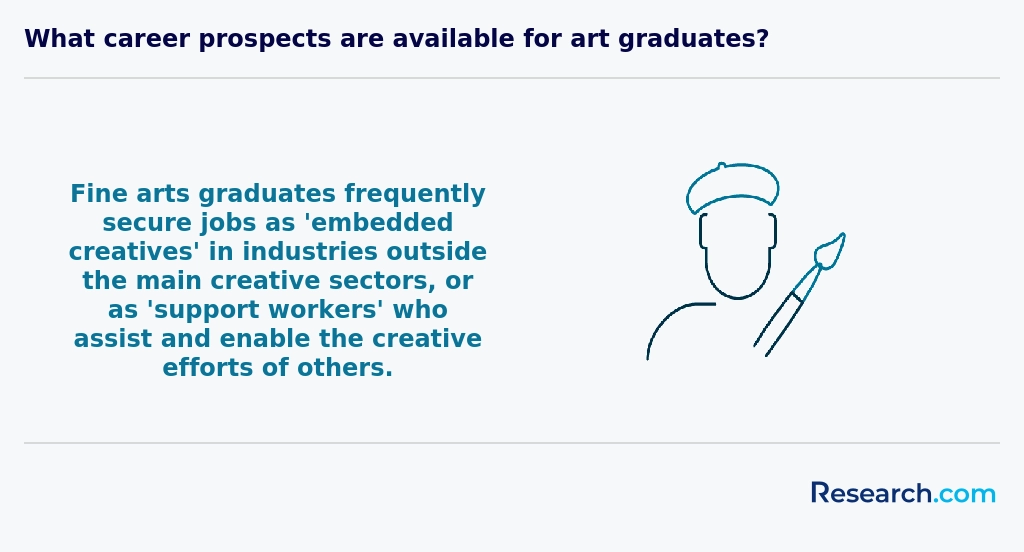
Graduates with a fine arts degree in Kansas find an expanding landscape of career paths, from visual artists crafting unique galleries to innovative multimedia creators shaping the future of entertainment. Those who studied at institutions like the University of Kansas often share how their experiences preparing portfolios and engaging with local communities fueled their career ambitions. Kansas fine arts degree job prospects also include graphic design and art direction, where graduates bring fresh perspectives to advertising and media production across urban centers such as Kansas City.
Emerging trends show a growing need for creative professionals who combine traditional art skills with digital technology, opening doors in animation and interactive media industries. Many graduates enhance their employability by gaining business acumen, recognizing that success in the arts increasingly requires entrepreneurial spirit.
Students inspired by peers at colleges throughout Kansas can envision themselves thriving in roles such as museum curators or educators. For those considering further education, exploring affordable online phd programs may provide a strategic advantage, blending advanced study with career aspirations tied to fine arts career opportunities in Kansas.
What is the job market for fine arts degree in Kansas?
Graduates with a fine arts degree in Kansas often find a dynamic job market that rewards creativity in settings like universities, community colleges, and local galleries. Many have transitioned smoothly into careers in public school art education or digital media firms, reflecting strong Kansas fine arts career opportunities. Those studying at institutions like the University of Kansas or Kansas State University report gaining hands-on experience that plants them firmly in the creative economy, especially in urban hubs like Wichita and Overland Park.
Increasing demand for digital arts roles also inspires graduates to explore animation, game design, and multimedia production. As competition builds, fine arts degree job prospects Kansas favor individuals building versatile skills blending traditional techniques with technology.
Tuition costs at Kansas public universities offer an affordable path to a fine arts degree, encouraging more students to pursue this field without heavy debt. Graduates often express optimism fueled by expanding grant programs and community support. Some even consider advancing their education with a shortest doctorate degree to boost career prospects in academia or arts administration.
Frequently Asked Questions About fine arts
Fine arts degree students in Kansas can enhance their education by engaging deeply in both academic and practical experiences. Many Kansas institutions, such as the University of Kansas and Wichita State University, offer extensive studio facilities and access to local galleries. Participating in internships and community art projects helps students build real-world skills and professional networks.
Students should also consider joining art clubs and attending state-wide events like the Kansas Art Educators Association conference. According to the National Center for Education Statistics, active involvement in extracurricular activities correlates with higher academic success among fine arts students. Leveraging these opportunities creates a richer educational environment.
Emerging niches within the fine arts field in Kansas reflect both technological advances and cultural shifts. One notable area is digital art, including animation and game design, which is growing rapidly due to increasing demand in entertainment and media industries. According to the Kansas Department of Commerce, creative tech jobs have risen by 12% over the last five years.
Another promising niche is arts therapy, combining psychology and creative practices to support mental health. This field is expanding, especially within community health programs across Kansas.
Additionally, sustainable art practices focusing on eco-friendly materials and social activism are gaining traction among Kansas artists, aligned with global environmental concerns.
Preparing for the job market after earning a fine arts degree in Kansas involves gaining both practical experience and professional connections. Many graduates start by building a strong portfolio that showcases varied skills and projects completed during their studies. Participating in local art exhibitions, galleries, or community events can help increase visibility and network with industry professionals.
Fine arts students should also consider internships or apprenticeships with Kansas-based artists or cultural institutions to gain hands-on experience. According to the National Endowment for the Arts, creative job openings in the Midwest, including Kansas, grow steadily, emphasizing the importance of early career networking.
Supplementary skills such as digital media proficiency and business acumen are increasingly valuable. Local resources like the Kansas Creative Arts Industries Commission provide support and may help graduates connect to job opportunities within the state's arts sector.
Employers in Kansas value fine arts graduates who demonstrate strong creative and technical skills. According to the National Endowment for the Arts, professionals with fine arts degrees must show proficiency in visual communication and digital media tools. In Kansas, fine arts graduates who can combine traditional techniques with modern technology, such as graphic design software, tend to be more competitive.
Artistic versatility and problem-solving abilities are highly sought after, especially in fields like advertising and education. The Kansas Department of Labor highlights that effective collaboration and communication skills also rank among the top employer priorities, as many fine arts roles require teamwork.
Overall, fine arts programs emphasizing both creativity and practical skills better prepare students for the Kansas job market.
Finding internships in Kansas for fine arts students requires targeted strategies that connect education with local arts communities. Universities such as the University of Kansas and Wichita State University often provide internship listings through their career centers, highlighting opportunities linked to galleries, theaters, and design firms across the state.
Students should also explore partnerships between Kansas arts organizations and colleges. The Kansas Creative Arts Industries Commission offers resources and listings relevant to fine arts internships statewide. Additionally, local museums like the Nelson-Atkins Museum of Art in Kansas City provide internships that enhance practical experience.
Networking at art events and applying through statewide job platforms like KansasWorks can increase chances. According to the National Endowment for the Arts, Kansas employs over 15,000 arts professionals, suggesting strong internship prospects in fine arts fields.
A fine arts degree in Kansas offers diverse opportunities for career mobility and advancement, especially in growing creative sectors. Graduates often find roles in education, design, media, and gallery management. According to the U.S. Bureau of Labor Statistics, the Kansas arts and cultural sector contributes significantly to the state's economy, with steady job growth projected through 2030.
Students with fine arts qualifications can leverage specialized skills in digital media, ceramics, or painting to move into leadership or entrepreneurial positions. Networking through local arts organizations such as the Kansas Creative Arts Industries Commission also enhances career prospects. Additionally, obtaining a degree often qualifies candidates for higher salaries compared to non-degree holders in similar roles.
Studying for a fine arts degree in Kansas offers students a diverse and flexible education that supports interdisciplinary career paths. Many Kansas universities integrate fine arts curricula with technology, communications, and humanities programs. This structure encourages collaboration across fields, preparing students for roles in design, media, education, and cultural management.
According to the National Center for Education Statistics, Kansas awarded over 200 fine arts bachelor's degrees in recent years, reflecting a growing interest in creative fields combined with other disciplines. These programs emphasize critical thinking, problem-solving, and digital skills, essential for multidisciplinary workplaces.
Hands-on experiences through internships and community projects further enhance practical learning and adaptability.
When choosing between a thesis and a non-thesis fine arts degree program in Kansas, consider your career goals and learning preferences. Thesis programs often require original research or a creative project, which is ideal if you plan to pursue advanced studies or a career in academia. Non-thesis programs focus more on coursework and practical skills, appealing to students aiming for professional art careers or immediate employment.
In Kansas, universities like the University of Kansas and Wichita State offer both options. According to the National Center for Education Statistics, over 40% of fine arts graduate students in the state opt for non-thesis tracks, reflecting the program's practical focus.
Evaluating faculty expertise and available resources can also guide your choice, as thesis work demands close mentorship and access to specialized facilities.
Students based in Kansas interested in studying fine arts abroad have several pathways available through partnerships and exchange programs affiliated with Kansas institutions. Universities such as the University of Kansas and Wichita State University often collaborate with European and Asian art schools, enabling students to spend a semester or more overseas. These programs provide hands-on experience and exposure to diverse artistic traditions.
Financing options may include scholarships and federal financial aid that transfer abroad for accredited study programs. According to Open Doors data, approximately 2,500 Kansas students studied abroad annually across disciplines, with fine arts participants steadily increasing.
These opportunities enhance academic credentials and global cultural understanding for aspiring artists from Kansas.
Students pursuing fine arts degrees in Kansas can find several part-time job opportunities that complement their education and enhance practical skills. Working as art assistants or gallery attendants at local museums and galleries, such as the Nelson-Atkins Museum of Art in Kansas City, offers exposure to professional art environments. Additionally, many students take on roles as teaching assistants in university art departments or provide private art lessons, which help develop communication skills and deepen subject knowledge.
Positions in local art supply stores or freelance graphic design are also common, allowing students to gain business experience. According to the Kansas Department of Labor, the arts and entertainment sector in Kansas has grown by 4% in recent years, indicating increasing opportunities for fine arts students.
Fine arts students in Kansas benefit from several strong networking opportunities that connect them with local and regional art communities. Universities like the University of Kansas and Wichita State University host events, workshops, and art exhibitions that encourage interaction between students, faculty, and professional artists. According to the Kansas Arts Commission, over 60% of fine arts students engage in internships or community projects during their studies, fostering valuable professional connections.
Moreover, local galleries in cities such as Kansas City and Lawrence frequently collaborate with colleges to showcase student work. Students also have access to statewide networks like the Kansas Artists Coalition, which provides resources and networking events dedicated to visual artists.
Alumni networks play a significant role in supporting fine arts degree students in Kansas. Graduates from Kansas institutions often join active alumni groups that provide mentorship, internships, and job leads within the local and regional arts communities. This networking is crucial in fields like fine arts, where professional opportunities frequently arise through personal connections.
According to the Kansas Board of Regents, alumni engagement in arts programs has contributed to a 15% increase in student internship placements over the past five years. These connections also help students access galleries, exhibitions, and arts organizations throughout Kansas, enhancing both their experience and visibility.
Many Kansas fine arts programs encourage students to tap into these networks early to build relationships that support career growth after graduation.
Students pursuing a fine arts degree in Kansas can tailor their programs by selecting specialized tracks such as painting, sculpture, graphic design, or digital media depending on their career goals. Many Kansas universities offer elective courses and studio options that allow focus on either traditional or contemporary art forms.
Internships and community art projects provide practical experience, often facilitated through partnerships with local galleries or cultural institutions. According to the National Center for Education Statistics, Kansas institutions emphasize hands-on learning, which helps bridge academic study with professional practice.
Additionally, students may combine fine arts with complementary fields such as art history, business, or education, preparing for varied careers in teaching, curation, or arts management.
Fine arts students in Kansas often face financial challenges due to the high costs of materials, supplies, and studio fees that are not always fully covered by tuition or financial aid. According to the National Endowment for the Arts, Kansas ranks lower in state funding per student in arts education compared to the national average. This can limit access to resources and specialized facilities.
Additionally, many students must balance academic workloads with part-time jobs to support their education, which may impact their creative focus. Employment opportunities in fine arts remain limited within the state, creating uncertainty about career prospects after graduation.
Kansas fine arts programs also face pressures to adapt curricula to evolving digital media and interdisciplinary arts, which some institutions may find difficult due to budget constraints. Moreover, students report challenges in networking and gaining exposure beyond regional art scenes, impacting professional development.
With a fine arts degree in Kansas, graduates can pursue several professional certifications to enhance their careers. For those interested in teaching, obtaining a Kansas Teaching License with an emphasis in Visual Arts is a common path. This certification requires completing an educator preparation program and passing state exams. According to the Kansas State Department of Education, this credential enables you to teach art in K-12 schools statewide.
Artists and designers can also pursue certifications such as Adobe Certified Expert (ACE) to validate their digital skills, which is valuable in creative industries. Additionally, certifications from organizations like the National Art Education Association (NAEA) offer professional development and credentials that may boost employability.
Applying to a fine arts program in Kansas requires careful preparation and attention to detail. Start by researching schools such as the University of Kansas, Wichita State University, and Emporia State University, which offer respected fine arts degrees. These programs often require a portfolio showcasing your best creative work. Your portfolio should demonstrate variety, technical skill, and personal style.
Additionally, most applications ask for a personal statement. Use this to explain your passion for art and your career goals clearly and authentically. Meeting all deadlines and following specific submission guidelines is critical to avoid disqualification.
According to the National Center for Education Statistics, Kansas awards around 120 fine arts degrees annually, reflecting competitive but accessible opportunities in the state.
The global perspective on a fine arts career recognizes the value of creativity in diverse cultural and economic contexts. In the US, including Kansas, fine arts degrees offer opportunities to engage with both traditional and digital media, preparing students for a competitive international market.
According to the National Endowment for the Arts, nearly 7% of US artists work internationally or collaborate across borders, highlighting expanding global connections. Kansas institutions often emphasize integrating global art history and contemporary practices into their curricula to meet this demand.
Students earning a fine arts degree in Kansas may pursue careers not only locally but also in galleries, museums, and media worldwide, benefiting from a growing appreciation of cross-cultural artistic expression.
Students pursuing a fine arts degree in Kansas can gain practical experience through various hands-on opportunities offered by colleges and local organizations. Many universities encourage involvement in student art exhibitions, galleries, and theater productions, providing real-world exposure in creative environments.
Internships at Kansas-based art museums, such as the Spencer Museum of Art, or community art centers can also help develop professional skills. Additionally, partnerships between schools and local theaters, design studios, or public art projects offer chances to work on live projects.
Engaging in these activities not only enhances portfolios but also builds valuable connections within Kansas's growing arts community.
Choosing the right concentration within a fine arts degree program in Kansas depends on your personal interests, career goals, and the strengths of available programs. Kansas universities offer concentrations like painting, sculpture, graphic design, and photography. Researching faculty expertise and facilities at schools such as the University of Kansas or Wichita State University can guide your decision.
Consider how each concentration aligns with Kansas's local art scene and job market. For example, graphic design may offer more employment opportunities due to growing digital demands. According to the Kansas Arts Commission, fine arts jobs grew by 3% statewide from 2019 to 2023.
Visiting campuses and speaking with current students or advisors can also clarify your fit within a concentration. Additionally, reviewing internship and exhibition chances may influence your choice significantly.
Related Fine Arts Rankings for Nearby States
- 2027 Most Popular Fine Arts Degree Programs Ranking in Missouri
- 2027 Most Popular Fine Arts Degree Programs Ranking in Arkansas
- 2027 Most Popular Fine Arts Degree Programs Ranking in South Dakota
- 2027 Most Popular Fine Arts Degree Programs Ranking in Wisconsin
- 2027 Most Popular Fine Arts Degree Programs Ranking in Mississippi
- 2027 Most Popular Fine Arts Degree Programs Ranking in North Dakota
- 2027 Most Popular Fine Arts Degree Programs Ranking in Kentucky
- 2027 Most Popular Fine Arts Degree Programs Ranking in Michigan
- 2027 Most Popular Fine Arts Degree Programs Ranking in Indiana
- 2027 Most Popular Fine Arts Degree Programs Ranking in Florida
Top Trending Fine Arts Rankings
References
- Complete guide to studying Fine Arts - TAI Arts https://taiarts.com/en/blog/guide-to-studying-fine-arts/
- What careers can you do with a Fine Art degree? | University for the Creative Arts https://www.uca.ac.uk/blogs/careers-with-a-fine-art-degree/
- Fine Arts https://www.wits.ac.za/course-finder/undergraduate/humanities/fine-arts/
- Alumni Network at Moore https://moore.edu/alumni/
- Arts, History and Humanities in Global Perspective https://u-paris.fr/language/en/arts-history-and-humanities-in-global-perspective-en/
- Home https://kcai.edu/
- How do you build up an international network? | Flanders Arts Institute https://www.kunsten.be/en/advice-orientation/hoe-bouw-je-een-internationaal-netwerk-op/
- Jobs | Academy of Fine Art https://academy-of-fine-art.com/en/jobs-en/
- fine art teaching and its challenges in the 21st century post ... https://www.sgojahds.com/index.php/SGOJAHDS/article/viewFile/296/320
- BA Hons Fine Art Enrolment Form https://www.oca.ac.uk/courses/ba-fine-art/


