
2027 Most Popular Fine Arts Degree Programs Ranking in New Orleans

Co-Founder and Chief Data Scientist
Choosing the right fine arts degree program in New Orleans can feel overwhelming. To help, this article presents the 2027 Most Popular Fine Arts Degree Programs Ranking in New Orleans, created by the Research.com team of data scientists.
By exploring this ranking, you can discover which programs offer strong opportunities and align with your creative goals. A fine arts degree not only nurtures your passion but also opens doors to exciting careers.
Whether you dream of painting, design, or performance, this guide supports your journey toward success in the arts.
Key benefits of getting fine arts degree in New Orleans
- Fine arts degree graduates in New Orleans can enjoy competitive salaries, such as $71,420 annually for illustrators and $109,630 for animators, making it a rewarding career choice financially.
- A graduate from a New Orleans university might explore diverse careers like graphic artist, animator, or art therapist, benefiting from the city's vibrant cultural scene to grow creatively and professionally.
- An online fine arts degree offers flexibility for busy students, allowing them to balance work and study while connecting with local art communities in New Orleans through virtual platforms and events.
- Key benefits of getting fine arts degree in New Orleans
- What can I expect from fine arts degree in New Orleans?
- Where can I work with fine arts degree in New Orleans?
- How much can I make with fine arts degree in New Orleans?
- 2027 Most Popular Fine Arts Degree Programs Ranking in New Orleans
- Key Findings
- How long does it take to complete fine arts degree in New Orleans?
- Student Life and Community Engagement: Beyond the Studio Walls
- What's the difference between online and on-campus fine arts degree?
- Cost of Living and Student Lifestyle in New Orleans, LA
- What is the average cost of fine arts degree in New Orleans?
- Campus Life and Student Experience at New Orleans Fine Arts Programs
- What financial aid is available to fine arts degree students in New Orleans?
- Continuing Education and Online Animation Programs
- What are the prerequisites for enrolling in fine arts degree program in New Orleans?
- Campus Life and Student Experience in New Orleans
- What courses are typically in fine arts degree programs in New Orleans?
- What types of specializations are available in fine arts degree programs in New Orleans?
- How do you choose the best fine arts degree in New Orleans?
- What career paths are available for fine arts degree students in New Orleans?
- What is the job market for fine arts degree in New Orleans?
- Top Trending Fine Arts Rankings
What can I expect from fine arts degree in New Orleans?
The average cost of pursuing a fine arts degree in New Orleans varies notably between public and private institutions. Graduates from the University of New Orleans often highlight how its in-state tuition rates made their creative education more financially accessible compared to the higher fees typically found at private schools like Tulane University. This affordability allows students to focus more on their artistic growth rather than financial stress.
Many fine arts students at these universities experience hands-on learning without the heavy burden of tuition, enabling them to dive into studio work, collaborative projects, and internships with local arts organizations. For example, students working alongside the Contemporary Arts Center New Orleans often discuss how affordable education combined with real-world opportunities fueled their confidence and professional readiness.
While scholarships for fine arts are competitive, several graduates recommend actively seeking out financial aid, especially those offered by schools known for their arts programs in the city. These efforts can significantly ease costs and make a vibrant arts education within New Orleans both inspiring and attainable.
Where can I work with fine arts degree in New Orleans?
With a fine arts degree in New Orleans, your career options reflect the vibrant cultural tapestry of this city. Graduates from Tulane University and the University of New Orleans often find themselves working in local galleries, museums like the New Orleans Museum of Art, or dynamic cultural centers. Imagine collaborating on an exhibition or helping shape public displays that echo the city's unique artistic heritage.
Many graduates thrive in New Orleans' lively performing arts scene, securing roles in theater production, set design, or lighting for music venues, bringing creative visions to life on stage. The tourism industry also offers exciting paths, where artists contribute to cultural tours or public art projects, blending creativity with community engagement.
Independent freelancing is another rewarding route, supported by regular festivals such as the New Orleans Jazz & Heritage Festival. This environment fosters connection, growth, and the opportunity to monetize artwork. Many alumni enjoy teaching art at local schools or universities, passing on their craft while continuing their own artistic journeys.
How much can I make with fine arts degree in New Orleans?
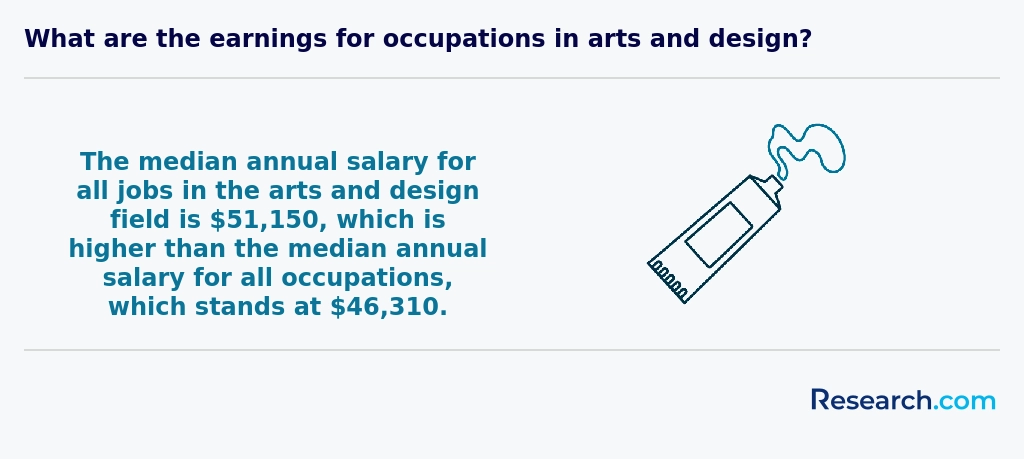
Graduates with a fine arts degree in New Orleans can realistically expect to earn a range of salaries depending on their chosen career paths and experience. For example, graphic artists in the area often start with salaries in the upper $40,000 range but can quickly progress to an average annual wage of about $64,700 as they gain digital design skills, like UX/UI or multimedia. This reflects the evolving demand in New Orleans' thriving creative sector supported by institutions such as Tulane University and the University of New Orleans.
Many graduates who pursue careers as illustrators find rewarding opportunities with starting salaries near $71,400, a reflection of the strong local arts culture. Those teaching art at colleges or local schools enjoy dependable salaries around $70,740, offering a balance of passion and financial stability, especially in vibrant academic environments like Loyola University New Orleans.
For graduates aiming high, becoming an animator can be incredibly lucrative, with mean annual salaries reaching $109,630 nationally. Witnessing peers from New Orleans institutions reaching these heights inspires confidence that with dedication and skill-building, a fine arts degree here can unlock impressive earnings and creative fulfillment.
2027 Most Popular Fine Arts Degree Programs Ranking in New Orleans
How do we rank schools?
Investing in your education is a significant decision that can shape your future, and the Research.com team understands the importance of making informed choices. To assist prospective students in selecting the best fine arts degree programs in New Orleans, we have meticulously developed the "2027 Most Popular Fine Arts Degree Programs Ranking in New Orleans." Our commitment to quality, credibility, and accuracy is reflected in the rigorous research and thorough analysis involved in compiling this ranking.
We utilized the following reputable data sources to ensure a comprehensive evaluation of fine arts programs:
By reviewing this ranking, readers will gain valuable insights into the most popular and respected fine arts degree programs in New Orleans, empowering them to make well-informed educational decisions. For more details on our methodology, please visit our Research.com methodology page.


Key Findings
- Annual costs for fine arts degrees in New Orleans range from $20,000 to $40,000, including tuition, fees, and supplies.
- In-state students at public universities typically pay between $10,000 and $15,000 per year, while private schools may charge over $30,000 annually.
- Starting salaries for fine arts graduates average around $35,000 per year, increasing to about $50,000 after five to ten years of experience.
- Job opportunities often include roles like graphic designer, art educator, curator, and performance artist within galleries, theaters, and cultural institutions.
- Internships and networking through studios, galleries, and community arts organizations are important for career development in the arts sector.
- Scholarships and financial aid specifically for fine arts students in New Orleans can help reduce education costs significantly.
How long does it take to complete fine arts degree in New Orleans?
Completing a fine arts degree in New Orleans usually takes about four years of full-time dedication, just as it does nationwide. Graduates from places like the University of New Orleans or Tulane University often share stories about deeply enriching studio sessions and hands-on projects that fill their schedules throughout those years. Imagine balancing painting workshops, art history classes, and portfolio development-all building skills that define your unique artistic voice.
Some students may take extra time, especially if they work part-time or explore multiple concentrations like sculpture and digital media. Others find that enrolling in summer courses helps them finish faster, making the journey more flexible to fit their lifestyle. This balance is common for local students striving to grow their craft while managing costs and personal commitments.
For those inspired to go further, Master of Fine Arts programs in New Orleans generally demand two to three additional years, inviting students into a vibrant art community with opportunities to showcase advanced work. It's a path that nurtures talent while respecting your individual pace and ambitions.
Student Life and Community Engagement: Beyond the Studio Walls
While the academic curriculum plays a vital role in your Fine Arts education, the overall student experience in New Orleans offers a unique blend of creative energy, cultural immersion, and community connection. Fine Arts students not only hone their artistic techniques in the studio but also thrive through vibrant campus events, gallery openings, and local art festivals that make New Orleans a dynamic backdrop for creativity. Engaging with diverse art communities-whether through student-led exhibitions, collaborative projects with local artists, or informal meetups-can significantly enrich your educational journey. Many prospective students explore additional resources to find guidance on making the most out of their Fine Arts pursuits. For example, discovering a popular fine arts school can open doors to mentorship programs, internships, and alumni networks that extend far beyond classroom learning. The city's distinctive cultural heritage, paired with active community engagement, fosters an environment where innovation and collaboration are standard practices, equipping you with both technical skills and lifelong professional connections. By embracing opportunities outside the traditional classroom-whether through attending local art shows, collaborating on community projects, or participating in campus clubs-you can build a well-rounded profile that not only enhances your portfolio but also prepares you for an ever-evolving professional landscape. This holistic approach to education in New Orleans ensures that your time as a Fine Arts student becomes a transformative experience, blending rigorous academic training with practical insights gained from active community involvement.
What's the difference between online and on-campus fine arts degree?
Choosing between online and on-campus fine arts degrees in New Orleans means weighing different experiences. On-campus programs at Tulane University or the University of New Orleans immerse you in a vibrant studio atmosphere, where graduates recall the energy of live critiques and hands-on workshops that sharpen their skills in painting or theater. Being physically present nurtures deep connections with local artists and the city's rich cultural events, fueling inspiration and growth.
In contrast, online degrees offer a flexible path, especially suited for those balancing work or family. Graduates from online programs often highlight the freedom to dive into digital media and design courses at their own pace, using virtual studios that push creative boundaries differently. Although remote learners may miss immediate access to physical studios, the programs adapt with digital critiques and networking opportunities.
Ultimately, the difference lies in the environment: an on-campus fine arts degree enchants with tactile, community-driven learning in New Orleans' artistic heart, while online programs provide adaptable, modern routes to mastering your craft without stepping away from home.
Cost of Living and Student Lifestyle in New Orleans, LA
New Orleans offers a vibrant, culturally rich environment for Fine Arts students, but understanding the local cost of living and lifestyle is crucial for budgeting and maximizing your creative experience. Monthly Expenses (approximate):
- Rent (one-bedroom near campus): $1,000–$1,300
- Utilities (electricity, water, internet): $150–$200
- Groceries and dining out: $300–$400
- Transportation (streetcar pass or rideshare): $30–$50
- Art supplies and studio fees: $100–$250 Beyond these essentials, New Orleans delivers an art-centric lifestyle:
- Free and low-cost gallery nights in the French Quarter and Bywater
- Student discounts at local theaters, concert venues, and museums
- Community workshops and pop-up artist markets, fostering networking and portfolio exposure
- Affordable co-working studio spaces in the Warehouse District, starting at $150/month Tips for Stretching Your Budget:
- Apply for student memberships at institutions like the Ogden Museum of Southern Art for discounted workshops and exhibition invites.
- Leverage campus resources-many universities provide free access to kiln rooms, darkrooms, and digital labs.
- Join local artist collectives or cooperative housing to share rent and equipment costs.
- Attend free public art events during Mardi Gras and Jazz Fest season to build connections without spending. Balancing creativity with cost management ensures you can fully immerse yourself in New Orleans’s dynamic art scene. For students prioritizing affordability, explore our Most Affordable Fine Arts Degree Programs Ranking in North Carolina to compare regional tuition and living expenses.
What is the average cost of fine arts degree in New Orleans?
The average cost of a fine arts degree in New Orleans typically falls around $46,201 for the entire program, reflecting a balance between public and private institution tuition rates. In-state students generally experience lower expenses, averaging about $28,733 in total, which makes staying local a financially smart choice for many aspiring artists. Graduates from popular fine arts schools in the city often recount how thoughtful budgeting combined with scholarships helped manage costs while still fully immersing themselves in their creative studies.
Many students attending universities like Loyola University New Orleans or the University of New Orleans find that alongside tuition, additional costs such as art supplies and studio fees meaningfully impact their budgets. However, the environment of these institutions encourages not only skill development but also vibrant connections within the city's artistic communities, making every dollar spent feel like an investment in both craft and opportunity.
For those exploring more affordable paths, community colleges in New Orleans present an attractive option with associate degrees costing roughly $3,500 per year for in-district students. Starting at such schools can be a practical step before transferring to a four-year program while keeping the average cost of fine arts degree in New Orleans manageable.
Many prospective students benefit from seeking out merit-based scholarships offered by local schools, designed to reward talent and portfolio strength. Learning from graduates who took advantage of these opportunities can inspire you as you prepare your own journey. To discover more about your options, consider looking into schools recognized as a popular fine arts school in the region, which can guide your path both creatively and financially.

Campus Life and Student Experience at New Orleans Fine Arts Programs
New Orleans offers rich campus life and extensive student resources that play a crucial role in shaping your fine arts journey. Beyond academic rigor, students benefit from vibrant communities that foster creative collaboration, hands-on workshops, and networking events that connect emerging artists with industry professionals. Many institutions host regular gallery shows, art fairs, and cultural festivals that offer firsthand exposure to the city’s thriving art scene. These experiences not only enhance learning but also help students develop soft skills such as teamwork, communication, and project management. For example, studying at a popular fine arts school in New Orleans can provide opportunities to engage in community outreach projects and internships that bridge classroom theory with real-world practice. Moreover, passionate student organizations and mentorship programs create supportive networks that can last a lifetime, aiding both personal and professional development. Embracing campus life fully allows you to maximize your college experience, ensuring that you not only hone your artistic skills but also build the connections necessary to launch a successful creative career.
What financial aid is available to fine arts degree students in New Orleans?
If you're dreaming of pursuing a fine arts degree in New Orleans, know that financial aid options can truly open doors. Graduates from the University of New Orleans often share how Pell Grants helped lighten the load, providing up to $7,395 annually without repayment. Filling out the FAFSA early is the first crucial step-this unlocks access to federal aid, including Direct Subsidized Loans, where the government covers interest while you study.
State programs like the Louisiana Go Grant or TOPS have been game changers for many in-state students at institutions such as Loyola University New Orleans. These awards reduce tuition costs, making creativity more affordable.
Also, don't overlook institutional scholarships offered by schools like Tulane University, which reward artistic talent and academic dedication. And beyond that, local groups like the New Orleans Arts Council provide private scholarships meant specifically for aspiring artists, often requiring portfolios or auditions that showcase your unique skills.
Combining these resources can transform your fine arts journey, easing financial stress so you focus on thriving creatively in New Orleans' vibrant art scene.
Continuing Education and Online Animation Programs
As the digital landscape reshapes creative industries, Fine Arts graduates can greatly benefit from augmenting their studio training with specialized animation and new media courses. By pursuing targeted online programs, you’ll master industry-standard software-such as Maya, Blender, and Adobe After Effects-while developing key skills in storyboarding, 3D modeling, and motion graphics. These credentials can set you apart whether you aim to work in local New Orleans studios or branch out into global markets. Many students find that enrolling in a highly ranked online curriculum helps bridge gaps in their portfolio and amplifies their employability. For instance, you might explore the best online computer animation degree to compare course offerings, faculty expertise, and virtual lab access. Such programs often include interactive projects, peer reviews, and mentorship opportunities, ensuring you build a standout demo reel. When selecting an online animation program, consider factors like accreditation, alumni success stories, and access to virtual career services. Look for institutions that partner with industry professionals for guest lectures and portfolio reviews, and those that offer flexible scheduling to fit alongside your Fine Arts classes. By strategically combining on-campus studio work with online animation training, you’ll expand your creative toolkit and position yourself for roles ranging from character animator to digital effects artist.
What are the prerequisites for enrolling in fine arts degree program in New Orleans?
To embark on your fine arts journey in New Orleans, you'll first need to meet some fundamental academic requirements, like having a high school diploma or GED. This foundation is crucial as it prepares you for the challenges of college-level coursework while nurturing your creative passions.
Beyond academics, your artistic talent must shine through. Think of assembling a portfolio as telling your story with your strongest, most heartfelt pieces-a collection that captures your growth and unique perspective. Graduates from the University of New Orleans often share how their portfolios, filled with paintings and digital art, opened doors and sparked conversations with admissions committees.
Many programs also value recommendations from art teachers who can vouch for your dedication and character, as well as personal essays where you voice your dreams and artistic ambitions. While standardized tests like the SAT are sometimes required, they carry less weight in these creative fields, allowing your work and passion to take center stage.

Campus Life and Student Experience in New Orleans
New Orleans offers a unique blend of academic excellence and vibrant cultural immersion that extends well beyond the classroom. Prospective Fine Arts students can expect an atmosphere where creativity and community thrive side by side. From dynamic campus events and artist-led workshops to local festivals and gallery tours, the city's rich history and artistic flair create an inspiring backdrop for both learning and personal growth. Students benefit from access to collaborative spaces, state-of-the-art studios, and networking opportunities with established artists and alumni. Many institutions also encourage community projects, enabling students to engage directly with New Orleans’ diverse art scene, which further fuels their passion and professional development. For instance, research shows that joining organizations and events can pave the way for mentorship and lifelong connections-key to launching a successful career. If you're looking to get a head start, check out our detailed ranking of popular fine arts school options in the region to explore which environment best suits your artistic ambitions. Embracing campus life in New Orleans means experiencing both academic enrichment and the soulful rhythm of the city, shaping a well-rounded art education that prepares you for professional success in the ever-evolving creative world.
What courses are typically in fine arts degree programs in New Orleans?
When pursuing a fine arts degree in New Orleans, you'll immerse yourself in a variety of courses designed to sharpen both your creativity and technique. Expect to dive into studio-based classes, where you can experiment with painting, drawing, sculpture, and printmaking-skills that graduates from the University of New Orleans often describe as transformative in shaping their artistic voices.
Alongside these hands-on experiences, art history and theory will deepen your understanding of the rich cultural tapestry influencing New Orleans artists. These courses allow you to connect your work to centuries of evolving styles and local traditions, a perspective frequently highlighted by Tulane University alumni as inspiring and grounding.
You'll also explore digital media, graphic design, photography, and video art, vital for today's cross-disciplinary art scene. Many students thrive in portfolio development and professional practices classes, which prepare them for the bustling creative industries this city is known for. These courses encourage you to engage with galleries, community exhibitions, and internships, turning your passion into real-world impact.
What types of specializations are available in fine arts degree programs in New Orleans?
When exploring fine arts degree specializations in New Orleans, you'll find an inspiring mix rooted in the city's lively culture. Many graduates from institutions like Tulane University and the University of New Orleans highlight visual arts as a transformative pathway, focusing on painting, drawing, and sculpture. Their hands-on projects often draw from the city's rich history, blending technical mastery with creative expression to build compelling portfolios.
Another popular concentration is digital arts and design, where students combine technology with creativity. From animation to digital media production, graduates frequently mention the advantage of real-world applications and industry connections, which prepare them for dynamic careers. For those interested, there are also specialized courses in photography, perfectly suited to capturing New Orleans' unique vibrancy, whether through documentary or artistic lenses.
Many programs additionally emphasize theater arts or performance-based specializations, nurturing talents in acting, directing, and stage design. The city's renowned music and performing arts scene offers exciting opportunities to immerse yourself fully in creative production. Students seeking to broaden their skills can explore the best online computer animation degree, an option that complements New Orleans fine arts program concentrations beautifully.
How do you choose the best fine arts degree in New Orleans?
Choosing the best fine arts degree programs New Orleans offers means immersing yourself in a vibrant creative community where culture pulses through every corner of the city. Graduates from top institutions often highlight how a curriculum blending traditional skills with digital media fueled their artistic growth. Beyond textbooks, the real magic comes from faculty who are practicing artists actively engaged in local galleries and festivals, offering mentorship that opens doors in the New Orleans art scene.
Being connected to this dynamic ecosystem can transform your education into hands-on experiences, internships, and exhibitions that shape your future. Financial considerations are vital too; many aspiring artists seek affordable fine arts colleges in New Orleans, balancing tuition and material costs. To explore options outside Louisiana that maintain quality and affordability, check out the Most Affordable Fine Arts Degree Programs Ranking in North Carolina for inspiration.
What career paths are available for fine arts degree students in New Orleans?
Graduates with a fine arts degree in New Orleans have the opportunity to step into a diverse range of careers that truly reflect the city's vibrant culture. Many find themselves thriving as visual artists, showcasing their paintings, sculptures, or photographs in local galleries and festivals. Others become art educators, sharing their passion with students at community centers or universities like the University of New Orleans. For those drawn to multimedia, graphic design roles at marketing firms or theater groups in New Orleans provide dynamic outlets for creativity. Some graduates take on administrative roles, curating exhibits at institutions such as the New Orleans Museum of Art, which allows them to blend artistic insight with organizational skills. Freelance artists also flourish, benefitting from the city's lively art markets where direct engagement with patrons fuels artistic growth. If you're balancing work and study, exploring the quickest online degree completion programs for working adults can help you advance your career while living in this inspiring city.
These fine arts careers in New Orleans thrive because the city embraces both tradition and innovation, encouraging graduates to build unique paths that celebrate their talents and entrepreneurial spirit. With many New Orleans fine arts degree jobs connected to cultural organizations and creative businesses, your skills can open doors in a community that values artistry and creative expression.
What is the job market for fine arts degree in New Orleans?
The fine arts degree job opportunities in New Orleans are shaped by the city's vibrant cultural scene and strong community support for the arts. Graduates from local institutions like the University of New Orleans or Tulane University often find roles in gallery management, art education, or set design, benefiting from New Orleans' thriving festivals and numerous museums. Many alumni share how internships with organizations such as the New Orleans Contemporary Arts Center provided them with invaluable networking and hands-on experiences that propelled their careers.
Freelance work is also a key avenue, allowing artists to build unique portfolios through commissioned pieces or event installations across the city. While the income can be unpredictable, dedication and community ties often lead to steady projects. Those concerned about the financial investment should explore options carefully, especially since tuition can vary widely. If you are wondering what is the easiest associate's degree to get, consider how pairing degrees might create flexible paths.
Understanding the New Orleans fine arts employment outlook is vital, as the local market leans on cultural tourism and active arts organizations, supporting roles beyond traditional studios. Graduates who embrace the city's unique arts ecosystem often find rewarding careers that connect their passion with community impact.
Frequently Asked Questions About fine arts
Fine arts degree students in New Orleans can maximize their learning by actively engaging with the city's rich cultural scene. New Orleans is home to numerous galleries, museums, and annual art events like the Prospect New Orleans biennial, offering students real-world exposure beyond classroom study. Enrolling in local internships or collaborative projects with organizations such as the New Orleans Museum of Art helps build practical skills and professional networks. According to the National Endowment for the Arts, Louisiana dedicates significant funding to arts education, which can support students through grants and scholarships. Participation in community-based art programs also enhances both technical ability and cultural understanding.
The fine arts field in New Orleans is evolving with several emerging niches gaining prominence. One key area is digital arts, including animation and virtual reality (VR) design, driven by growing local media and entertainment industries. According to the National Endowment for the Arts, demand for digital artists in Louisiana increased by 12% between 2018 and 2023.
Another rising niche is arts entrepreneurship, where students learn to combine creativity with business skills. This is particularly relevant in New Orleans' thriving arts economy, which supports independent galleries and cultural festivals.
Additionally, community-engaged art practices are expanding, reflecting the city's social and cultural diversity. Artists here increasingly focus on public art projects that address local history and social issues, encouraged by grants from organizations like the New Orleans Arts Council.
Preparing for the job market after earning a fine arts degree in New Orleans involves building a diverse professional portfolio. Graduates should focus on developing strong networking connections, especially by participating in the city's rich arts scene, including events like the New Orleans Jazz & Heritage Festival and local gallery exhibitions. According to the National Endowment for the Arts, artists in Louisiana often supplement income with freelance work and community projects, so gaining varied experience is vital.
Internships and apprenticeships with local studios or organizations such as the Contemporary Arts Center can enhance practical skills and employability. Additionally, familiarity with digital tools and online self-promotion helps artists reach wider audiences beyond the local market.
Employers in New Orleans value fine arts graduates who combine strong artistic skills with practical abilities. Creativity and technical proficiency in various media, such as painting, sculpture, and digital design, remain essential. According to the National Endowment for the Arts, 78% of employers seek graduates with adaptability and collaboration skills, crucial in New Orleans' vibrant, community-oriented art scene.
Communication skills are also highly regarded, enabling artists to present and promote their work effectively. Additionally, knowledge of local culture and history enhances relevance in New Orleans' unique market. Employers prefer candidates familiar with digital tools like Adobe Creative Suite, as 65% of positions require such technical skills (Bureau of Labor Statistics, 2023).
Finding internships in New Orleans for fine arts students involves leveraging local cultural institutions and educational resources. The city boasts a rich arts culture with organizations like the New Orleans Museum of Art and the Contemporary Arts Center offering internship programs relevant to fine arts fields. According to the Louisiana Endowment for the Humanities, internships often focus on gallery management, curation, and community arts engagement. Universities such as the University of New Orleans and Tulane University provide career services that connect students with local arts nonprofits and galleries. Networking at art events and exhibitions is also essential to securing valuable internship opportunities.
A fine arts degree in New Orleans significantly enhances career mobility and advancement opportunities within the city's vibrant cultural sector. The local arts scene, boosted by tourism and festivals like Mardi Gras and Jazz Fest, creates demand for skilled artists, designers, and creative professionals. According to the U.S. Bureau of Labor Statistics, arts-related employment in the New Orleans metropolitan area has grown steadily, with a 5% increase projected over the next decade.
Graduates often find roles in galleries, theaters, media companies, and education institutions, where formal training is highly valued. Networking through local arts organizations further supports career progression.
Studying for a fine arts degree in New Orleans offers unique interdisciplinary opportunities due to the city's rich cultural and artistic heritage. Many programs integrate traditional arts with digital media, performance, and community engagement, preparing students to work in varied creative environments. According to the National Endowment for the Arts, New Orleans boasts a high concentration of artists per capita, fostering collaborations across disciplines like music, theater, and visual arts.
Local institutions emphasize experiential learning, where students participate in projects that combine fine arts with fields such as urban studies, history, and technology. This approach equips graduates with diverse skills valued in nonprofit, commercial, and educational sectors.
When deciding between a thesis and a non-thesis fine arts degree program in New Orleans, students should consider their career goals and learning preferences. A thesis program typically requires extensive research and the creation of a substantial project or written work, ideal for those interested in academia or advanced artistic research. Non-thesis programs focus more on practical skills and coursework, appealing to students aiming for immediate entry into professional art fields.
New Orleans offers diverse fine arts programs influenced by its rich cultural heritage. According to the National Center for Education Statistics, many art programs here emphasize experiential learning, which can be found in both track options.
Cost and time commitment are factors: thesis programs may extend your study duration, whereas non-thesis paths often have a quicker completion timeline.
Students based in New Orleans seeking to study fine arts abroad have several pathways through their U.S. academic institutions. Many universities with strong fine arts programs, such as the University of New Orleans and Tulane University, offer study-abroad opportunities that allow students to earn credits while immersing themselves in international art scenes.
Popular destinations include European cultural hubs like Paris and Florence, known for historic and contemporary art. Exchange programs are increasingly structured to align with fine arts curricula, ensuring relevant coursework.
Additionally, scholarships and grants from organizations such as the National Art Education Association support New Orleans students pursuing studies abroad. According to the U.S. Department of Education, approximately 10% of U.S. fine arts students participate in study abroad annually, reflecting growing interest.
Students pursuing fine arts degrees in New Orleans can find valuable part-time job opportunities that enhance their education. Local art galleries and museums, such as the New Orleans Museum of Art, often hire assistants and educators, providing hands-on experience with art curation and public engagement. Additionally, the city's vibrant arts scene supports freelance work in mural painting, illustration, and graphic design, offering practical creative outlets and income.
According to the Greater New Orleans Arts Council, arts-related jobs comprise about 3.6% of the city's workforce, highlighting steady demand. Working at local theaters or community art centers can also strengthen skills in stage design and event coordination. These roles help students build portfolios and professional networks while studying.
Fine arts students in New Orleans benefit from a rich network of opportunities that connect them with local artists, galleries, and cultural institutions. The city hosts numerous art festivals, such as the New Orleans Jazz & Heritage Festival, which attract thousands of creative professionals annually, offering students valuable chances to engage and collaborate. Many universities, including the University of New Orleans, provide events like artist talks, exhibitions, and workshops. Additionally, organizations such as the New Orleans Arts Council facilitate internships and mentorship programs specifically for emerging fine arts talents, helping students build professional relationships.
Local galleries and studios often hold open calls and art walks, giving students spaces to showcase work publicly and meet potential collectors or collaborators. According to a 2023 report by the Greater New Orleans Arts Council, over 75% of fine arts students participating in these programs reported making meaningful industry connections that aided their career growth. Networking in New Orleans's tight-knit art community is further supported by active alumni groups from local institutions, which frequently offer networking nights and portfolio reviews.
Alumni networks play a vital role for fine arts degree students in New Orleans by providing access to professional connections and local art communities. Graduates often assist current students with internships, job placements, and exhibition opportunities in a city rich with cultural heritage. According to the National Endowment for the Arts, New Orleans supports a robust arts sector with over 7,000 creative workers, meaning networks can directly influence career prospects.
Alumni events often include portfolio reviews and workshops, helping students refine their craft with expert feedback. Furthermore, connections within alumni groups open doors to collaborations and funding opportunities unique to the New Orleans arts scene.
Customizing a fine arts degree program in New Orleans allows students to align their studies with specific career goals. Many universities in the city offer flexible curricula, enabling students to choose concentrations such as painting, sculpture, digital media, or theater arts. Electives and interdisciplinary courses help tailor skills to niche markets, like gallery curation or art therapy. Students can also benefit from local internships and collaborations with New Orleans' vibrant art community, including opportunities linked with the Contemporary Arts Center and the New Orleans Museum of Art. According to the National Center for Education Statistics, U.S. fine arts programs increasingly emphasize personalized learning paths to improve employability.
Fine arts students in New Orleans often face financial challenges related to tuition and living costs. According to the National Center for Education Statistics, art programs typically have limited funding, causing many students to seek part-time work or additional scholarships. Another common challenge is access to specialized studio spaces and equipment, which can be scarce given budget constraints of local institutions. Additionally, students frequently encounter competitive job prospects post-graduation, as the creative sector in New Orleans, while vibrant, can be unpredictable. Balancing academic work with networking opportunities in the city's arts scene is also demanding for many fine arts students.
With a fine arts degree in New Orleans, graduates can pursue several professional certifications to enhance their careers. While the degree itself emphasizes creative skills, certifications such as Certified Arts Administrator (CAA) offer credentials in arts management. This is ideal for those interested in gallery or museum administration.
Additionally, teaching certifications allow fine arts graduates to instruct in public and private schools. In Louisiana, candidates must complete state-approved teacher preparation programs and pass the Praxis exams to earn licensure.
For artists, certifications in digital media or graphic design software programs, like Adobe Certified Expert (ACE), can boost employability in multimedia fields.
According to the Louisiana Workforce Commission, arts-related jobs in New Orleans grew by 3.5% from 2018 to 2023, indicating a rising demand for certified professionals in this sector.
To write a winning application for a fine arts program in New Orleans, start by crafting a strong personal statement that clearly expresses your artistic vision and passion. Highlight any local influences, as New Orleans' vibrant culture often inspires admissions committees.
Submitting a well-prepared portfolio is crucial. Include diverse work demonstrating technical skill and creativity. According to the National Association of Schools of Art and Design (NASAD), portfolios remain one of the most important admission elements.
Meet all deadlines and provide letters of recommendation from art instructors or professionals familiar with your work. Many New Orleans schools, like the University of New Orleans and Tulane University, emphasize these components in their guidance.
The global perspective on a fine arts career emphasizes both cultural exchange and professional adaptability. Fine arts graduates in the US, including those from New Orleans, often find opportunities abroad, particularly in creative hubs like London, Paris, and Tokyo. According to the National Endowment for the Arts, more than 1.5 million Americans were employed in arts-related fields in 2022, highlighting the sector's steady growth. New Orleans, known for its rich cultural heritage, offers unique networking opportunities that can enhance global career prospects. Students trained here gain skills valuable in diverse international markets, blending traditional art with modern digital media techniques.
Gaining practical experience while studying for a fine arts degree in New Orleans is essential for career readiness. Many local institutions encourage students to engage with the city's vibrant arts scene through internships at galleries, museums, and theaters.
Students can participate in community art projects or collaborate with organizations like the Contemporary Arts Center, which offers internship opportunities tailored to fine arts majors.
Additionally, universities often provide hands-on workshops, exhibitions, and live portfolio reviews to build professional skills. According to the National Endowment for the Arts, New Orleans ranks highly in arts employment, making practical experience valuable for networking and job prospects.
Choosing the right concentration within a fine arts degree program in New Orleans involves considering your personal interests, career goals, and the city's rich artistic culture. New Orleans has a vibrant arts scene, with strong opportunities in areas like visual arts, music, and performance. According to the National Endowment for the Arts, Louisiana supports numerous artist communities, which influence program offerings locally. Visiting schools and reviewing course curricula can help identify concentrations that emphasize practical experience or theory, depending on your preference. Additionally, consider concentrations that align with the city's cultural heritage, such as jazz studies or traditional crafts, to maximize local opportunities and networking.
Related Fine Arts Rankings for Nearby Cities
- 2027 Most Popular Fine Arts Degree Programs Ranking in Mobile
- 2027 Most Popular Fine Arts Degree Programs Ranking in Houston
- 2027 Most Popular Fine Arts Degree Programs Ranking in Memphis
- 2027 Most Popular Fine Arts Degree Programs Ranking in Atlanta
- 2027 Most Popular Fine Arts Degree Programs Ranking in Dallas
- 2027 Most Popular Fine Arts Degree Programs Ranking in Nashville
- 2027 Most Popular Fine Arts Degree Programs Ranking in Denton
- 2027 Most Popular Fine Arts Degree Programs Ranking in Jacksonville
- 2027 Most Popular Fine Arts Degree Programs Ranking in San Antonio
- 2027 Most Popular Fine Arts Degree Programs Ranking in Saint Louis
Top Trending Fine Arts Rankings
References
- fine art teaching and its challenges in the 21st century post ... https://www.sgojahds.com/index.php/SGOJAHDS/article/viewFile/296/320
- Complete guide to studying Fine Arts - TAI Arts https://taiarts.com/en/blog/guide-to-studying-fine-arts/
- Bachelor of Fine Arts in Art & Design (BFA) https://www.ualberta.ca/en/art-design/undergraduate-programs/bfa-art-and-design.html
- How to Use Art Challenges to Push Your Creative Boundaries - OCAD https://artcoursework.com/how-to-use-art-challenges-to-push-your-creative-boundaries/
- Fine Arts https://en.uap.edu.pl/admission/programmes/fine-arts/
- MFA Statement of Purpose: The Artist Statement + Academic Goals Hybrid https://gradpilot.com/news/mfa-statement-of-purpose-artist-statement-guide
- How to Network as an Artist - AGI Fine Art Blog https://agifineart.com/advice/the-art-of-reputation-how-to-network-if-youre-an-emerging-artist/
- Fine Arts https://www.wits.ac.za/course-finder/undergraduate/humanities/fine-arts/
- BA Hons Fine Art Enrolment Form https://www.oca.ac.uk/courses/ba-fine-art/
- The New Orleans Academy of Fine Arts https://www.noafa.org/


