
2027 Most Popular Fine Arts Degree Programs Ranking in Rochester

Co-Founder and Chief Data Scientist
Choosing the right fine arts degree program can shape your future in exciting ways. This article presents the 2027 Most Popular Fine Arts Degree Programs Ranking in Rochester, crafted by the Research.com team of data scientists to guide you toward the best options available.
By exploring this ranking, you'll gain clear insights into programs that truly stand out, helping you make an informed decision. Pursuing a fine arts degree opens doors to creativity, personal growth, and rewarding careers.
Discover which programs resonate with your passion and goals, and take the first step toward your artistic journey confidently.
Key benefits of getting fine arts degree in Rochester
- Fine arts graduates in Rochester can earn competitive salaries, such as $109,630 annually for animators and $71,420 for illustrators, making the degree a smart investment for creative professionals.
- Career paths are diverse, ranging from graphic artists to art therapists, giving graduates the freedom to find fulfilling roles that match their passion and skills.
- Getting a fine arts degree online offers flexibility and convenience, allowing students in Rochester to balance studies with life while gaining the same valuable knowledge as traditional programs.
- Key benefits of getting fine arts degree in Rochester
- What can I expect from fine arts degree in Rochester?
- Where can I work with fine arts degree in Rochester?
- How much can I make with fine arts degree in Rochester?
- 2027 Most Popular Fine Arts Degree Programs Ranking in Rochester
- Key Findings
- How long does it take to complete fine arts degree in Rochester?
- Experience Rochester: Campus Life & Local Arts Community
- What's the difference between online and on-campus fine arts degree?
- Local Art Scene and Community Engagement
- What is the average cost of fine arts degree in Rochester?
- Industry Trends and Future Opportunities in Fine Arts
- What financial aid is available to fine arts degree students in Rochester?
- Navigating Your Fine Arts Journey: Essential Tips & Next Steps
- What are the prerequisites for enrolling in fine arts degree program in Rochester?
- Pursuing an MFA: Affordable Online Options
- What courses are typically in fine arts degree programs in Rochester?
- What types of specializations are available in fine arts degree programs in Rochester?
- How do you choose the best fine arts degree in Rochester?
- What career paths are available for fine arts degree students in Rochester?
- What is the job market for fine arts degree in Rochester?
- Top Trending Fine Arts Rankings
What can I expect from fine arts degree in Rochester?
The average cost of obtaining a fine arts degree in Rochester varies depending on the institution, but students typically incur annual tuition fees ranging from $30,000 to $55,000 at prominent universities like the Rochester Institute of Technology (RIT) and the University of Rochester. Graduates often report that these costs reflect the comprehensive access to advanced studio facilities, specialized equipment, and cutting-edge digital arts technology provided during their studies. For example, at RIT, the investment supports experiential learning through hands-on projects and exhibitions, which many alumni describe as invaluable to their artistic growth.
Financial aid and scholarships specific to fine arts are commonly available, significantly offsetting tuition expenses for many students. Those who leverage these options find greater focus on creative work without the heavy burden of debt. Graduates also note that the balance of rigorous academic coursework and professional development opportunities justifies the costs, equipping them with a competitive edge in dynamic artistic careers.
Where can I work with fine arts degree in Rochester?
Fine arts graduates in Rochester often find diverse employment opportunities within the city's robust creative and cultural sectors. Many secure roles in galleries and museums, such as at the Memorial Art Gallery, where they work as curators, exhibit designers, or educational coordinators. Graduates from Rochester-area institutions frequently share how these positions allow them to actively engage with the local arts community while applying their academic skills.
Teaching art in Rochester's public and private schools is another common career path. Schools in the Rochester City School District consistently seek certified art instructors to enhance their curricula, providing stable employment for fine arts alumni. This demand is supported by regional education data confirming ongoing needs for talented art educators.
Additionally, Rochester's expanding creative economy offers many jobs in graphic design, illustration, and multimedia, with local agencies and startups valuing fine arts graduates for visual communication roles. Freelance opportunities also abound through community arts projects, festivals, and city commissions-connecting artists with meaningful work and a chance to contribute to Rochester's cultural vibrancy.
How much can I make with fine arts degree in Rochester?
Graduates with fine arts degrees from institutions like Rochester Institute of Technology or the University of Rochester can anticipate varied earnings based on their chosen career path within the local arts ecosystem. For example, graphic designers in Rochester earn a mean annual wage around $64,700, reflecting steady demand for digital and print design skills in the city's diverse business environment.
Illustrators in Rochester report even higher average wages near $71,420 per year, benefiting from freelance opportunities and local gallery connections that many graduates actively cultivate. Animator roles offer some of the most lucrative options, with mean annual salaries reaching approximately $109,630, rewarding those who develop specialized skills in motion graphics and visual storytelling.
Art therapists, combining creativity with healthcare, earn a solid mean wage of $75,660, representing another promising niche for fine arts alumni seeking meaningful work with competitive pay. These figures align with positive anecdotes from recent graduates who highlight how Rochester's artistic community and educational resources facilitate career growth and financial stability.
2027 Most Popular Fine Arts Degree Programs Ranking in Rochester
How do we rank schools?
Investing in your education is a significant decision that can shape your future, and the Research.com team understands the importance of making informed choices. To assist prospective students in Rochester, we have meticulously crafted the "2027 Most Popular Fine Arts Degree Programs Ranking in Rochester." Our commitment to quality, credibility, and accuracy is reflected in the extensive research and analysis conducted to compile this ranking.
We utilized the following reputable data sources to ensure a comprehensive evaluation of fine arts degree programs:
By exploring this ranking, readers will gain valuable insights into the most popular fine arts degree programs in Rochester, helping them make informed decisions about their educational paths. For more details on our methodology, please visit our Research.com methodology page.


Key Findings
- The total cost for a fine arts degree in Rochester ranges from $30,000 to $60,000 for in-state students, with private schools often charging over $40,000 annually.
- Additional expenses typically include materials and studio fees due to the specialized supplies required in fine arts programs.
- Entry-level salaries for fine arts graduates in Rochester average between $35,000 and $40,000 per year, depending on the job sector.
- Rochester has a growing arts job market with opportunities in galleries, museums, education, design, and media companies, but competition remains strong.
- Organizations like the Rochester Art Club support networking and career development to help students connect with local arts employers.
- Internships and practical experience, often a requirement in degree programs, are key for gaining hands-on skills and improving job prospects.
How long does it take to complete fine arts degree in Rochester?
Completing a fine arts degree in Rochester typically takes around four years for a Bachelor of Fine Arts (BFA), aligning with common national timelines. Graduates from institutions like the Rochester Institute of Technology often describe a rewarding journey that balances intensive studio work with academic coursework and senior projects.
Associate degrees in fine arts offered by local community colleges usually require about two years of full-time study. These programs build foundational skills and often appeal to students seeking a more flexible or affordable path before transferring to a four-year college.
For students pursuing advanced study, Master of Fine Arts (MFA) programs in Rochester generally add two to three years beyond the bachelor's degree. This level of study deepens artistic expertise and research, preparing graduates for careers in teaching or professional art practice.
Factors impacting completion time include part-time enrollment, transfer credits, and engagement in internships or local exhibitions. Many graduates appreciate how Rochester's vibrant art scene integrates practical experiences into their education without extending graduation timelines.
Experience Rochester: Campus Life & Local Arts Community
Rochester isn’t just home to exceptional Fine Arts programs-it’s also a vibrant hub for art enthusiasts and creative professionals. Beyond the classroom, students have countless opportunities to immerse themselves in a rich local culture, from community-operated galleries and artist-run studios to citywide art festivals and cultural events that celebrate creativity in all its forms. Engaging with the local arts community not only enriches your academic experience but also provides invaluable networking opportunities, real-world projects, and insights from working professionals who are active in shaping the region’s creative landscape. Recent graduates have shared how frequent visits to landmarks like the Memorial Art Gallery and participation in local art meetups have greatly influenced their artistic journey, helping them transition smoothly into the professional world. For those eager to explore the best academic options alongside these cultural benefits, our comprehensive ranking of the popular fine arts degree programs provides a clear guide to finding the institution that aligns with both your educational goals and lifestyle preferences. This blend of academic rigor and community engagement uniquely positions Rochester as a city where aspiring artists can thrive both intellectually and creatively.
What's the difference between online and on-campus fine arts degree?
Online and on-campus fine arts degrees in Rochester differ primarily in delivery and hands-on experience. On-campus programs at institutions like Rochester Institute of Technology offer direct access to specialized facilities such as ceramics kilns and printmaking presses. Graduates often describe immersive studio time and face-to-face critiques as invaluable for developing practical skills and building artistic confidence.
In contrast, online fine arts degrees emphasize flexibility. Students attend video lessons and virtual critiques, benefiting those balancing work or distant living. Many programs supplement learning with local studio partnerships or brief residencies, though tactile engagement is more limited. Graduates appreciate the convenience but note less spontaneous peer interaction.
Cost also varies: on-campus tuition averages around $30,000 yearly at private Rochester colleges, while online options may reduce fees due to lower facility use. Both formats offer comparable financial aid opportunities. Overall, the choice hinges on a student's need for immersive art practice versus accessibility and scheduling freedom.
Local Art Scene and Community Engagement
Rochester’s Fine Arts students thrive beyond the studio through a rich tapestry of galleries, festivals, and collaborative spaces that foster creativity and professional growth. Key highlights include: • Memorial Art Gallery Collaborations: Students regularly assist with exhibitions, gaining hands-on experience in curation, installation, and public programming at one of the region’s premier art institutions. • Rochester Contemporary Art Center (RoCo): Through RoCo’s open-call shows and juried exhibitions, emerging artists can showcase work alongside established professionals, build portfolios, and earn critical feedback. • Rochester Fringe Festival & FLUX Festival: Annual performing-arts events where Fine Arts majors can participate in multidisciplinary projects-from set design and lighting to live painting and interactive installations. • Community Printmaking Co-op and Woodwork Collective: Affordable studio access and group critiques, ideal for honing technical skills in a peer-driven environment. • Internships with Local Nonprofits: Partnerships with Art Therapy Studio Rochester and Visual Studies Workshop provide real-world practice in art education, therapy, and multimedia publishing. Engaging with these communities not only enriches artistic perspective but also strengthens networks with curators, art directors, and grant committees. For students exploring cost-effective alternatives or out-of-state options, consider our Inexpensive Fine Arts Degree Programs Ranking in Mississippi to compare tuition rates and campus culture. By embedding yourself in Rochester’s vibrant art ecosystem and evaluating affordable programs elsewhere, you’ll position yourself for creative success and long-term career resilience.
What is the average cost of fine arts degree in Rochester?
The average cost of obtaining a fine arts degree in Rochester generally centers around $68,000 for the total duration of the program. This figure reflects the median total cost, which includes both tuition and fees, and provides a realistic benchmark for students budgeting their education. Graduates who chose institutions like the Rochester Institute of Technology or the University of Rochester often recall the significant investment, yet many emphasize the value gained from specialized courses and industry connections fostered during their studies.
For in-state students, the total tuition and fees for a fine arts degree typically amount to approximately $59,000. These students benefit from lower rates at public universities, making the degree more accessible financially while still delivering strong artistic training and resources. Conversely, out-of-state students face costs closer to the median total cost of $68,000, reflecting higher tuition rates but access to top-tier fine arts programs.
Choosing a community college or smaller local college for initial coursework can ease financial burdens, offering more affordable options before transferring to four-year schools. Many fine arts students detail their positive experiences starting at such institutions, where tuition is notably lower yet supportive of foundational skills. For more information on options in this region, prospective students can explore the rising popularity of programs by visiting the popular fine arts degree rankings in Rochester.
Industry Trends and Future Opportunities in Fine Arts
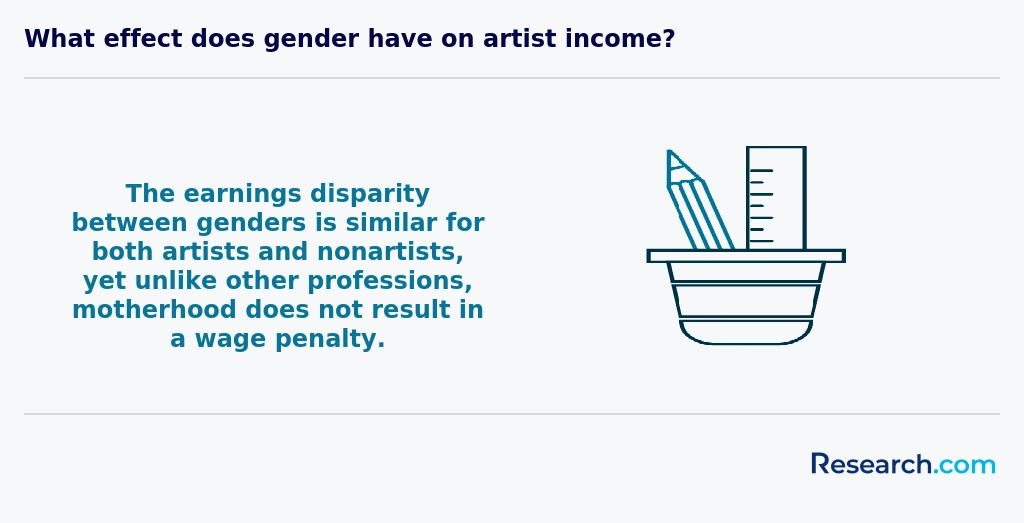
As the art world evolves, staying informed about emerging industry trends is crucial for aspiring artists and Fine Arts graduates in Rochester, NY. Today’s creative landscape is shifting rapidly with advancements in digital media, immersive technologies, and collaborative platforms that redefine artistic expression. For example, increasing demand in areas such as digital illustration, augmented reality art installations, and interactive design has paved the way for innovative career paths that merge technology with traditional art skills. Understanding these trends not only boosts your creative confidence but also positions you as a competitive candidate in both local and global markets. Moreover, exploring what makes a popular fine arts degree helps you identify programs that are adapting their curriculums to incorporate digital tools and interdisciplinary approaches. Faculty and industry experts advise that combining technical proficiency with creative experimentation is the future of Fine Arts education. Staying ahead means continuously learning-attending webinars, engaging in online communities, and participating in local exhibitions are excellent ways to keep your work relevant. By embracing new media and innovative practices, you pave the way for unique opportunities in freelance projects, technology-integrated art installations, and collaborative ventures that bridge the gap between art and modern industry demands. This proactive approach not only enhances your portfolio but also prepares you for a dynamic, ever-changing career in the arts.
What financial aid is available to fine arts degree students in Rochester?
Fine arts students in Rochester benefit from a layered financial aid system that helps make education more affordable. Graduates from institutions like the Rochester Institute of Technology often highlight the significance of Pell Grants, which provide up to $7,395 annually without repayment obligations. Completing the FAFSA early is essential to access this federal aid. Beyond federal support, New York state's Tuition Assistance Program (TAP) grants can reduce annual costs by up to $5,665 for eligible residents, particularly beneficial for attendees at public colleges such as the University of Rochester.
Many students note the impact of institutional scholarships based on artistic merit and academic performance. For example, RIT offers dedicated scholarships specifically designed for arts and design students, requiring portfolio reviews or auditions, which reward creative excellence and ease financial stress.
Additional funding often comes from local organizations, including grants from the Arts Council of Greater Rochester. Work-study programs further supplement income possibilities, allowing fine arts students to gain relevant campus employment while offsetting living expenses.
Navigating Your Fine Arts Journey: Essential Tips & Next Steps
Embarking on a Fine Arts degree in Rochester, NY is not only about academic rigor but also about personal and professional growth. In this section, we share actionable tips and resources to help you excel from the moment you decide to pursue your passion. Start by researching your preferred programs thoroughly and attending virtual or on-campus open houses. Familiarize yourself with the campus facilities, extracurricular art clubs, and community events that enrich student life. Building a robust portfolio early on can make a significant difference; consider enrolling in preparatory workshops or short courses to refine your skills. Networking is another essential aspect of your journey. Leverage alumni connections, mentorship opportunities, and local art exhibitions to gain real-world insights. We recommend checking out our detailed ranking of top programs, which includes insights on the popular fine arts degree options to understand the quality of education offered and the career prospects post-graduation. Lastly, stay updated with emerging trends in the art world by following industry publications and participating in creative forums. Applying for internships and live projects can provide valuable hands-on experience, setting you apart in a competitive field. With careful planning and an active approach to learning, you can maximize your potential and turn your artistic aspirations into a thriving career.
What are the prerequisites for enrolling in fine arts degree program in Rochester?
To enroll in fine arts degree programs in Rochester, applicants must first have a high school diploma or an equivalent certification, which serves as the fundamental entry requirement. For those pursuing graduate studies, holding a bachelor's degree is necessary, with many programs welcoming candidates from varied academic backgrounds if they present compelling artistic skills.
A critical prerequisite for most Rochester fine arts programs is the submission of a portfolio. This collection vividly represents an applicant's creativity and talent through drawings, sculptures, digital art, or paintings. Graduates from prominent Rochester colleges often reflect that preparing their portfolios was both challenging and rewarding, enabling them to showcase their unique voice and style.
Letters of recommendation, especially from art educators or professionals, frequently bolster applications by validating artistic dedication. Some institutions also ask for a personal statement, allowing students to express their motivation and passion for fine arts. While standardized tests like the SAT are less emphasized due to evolving policies, having strong artistic credentials remains paramount.
Pursuing an MFA: Affordable Online Options
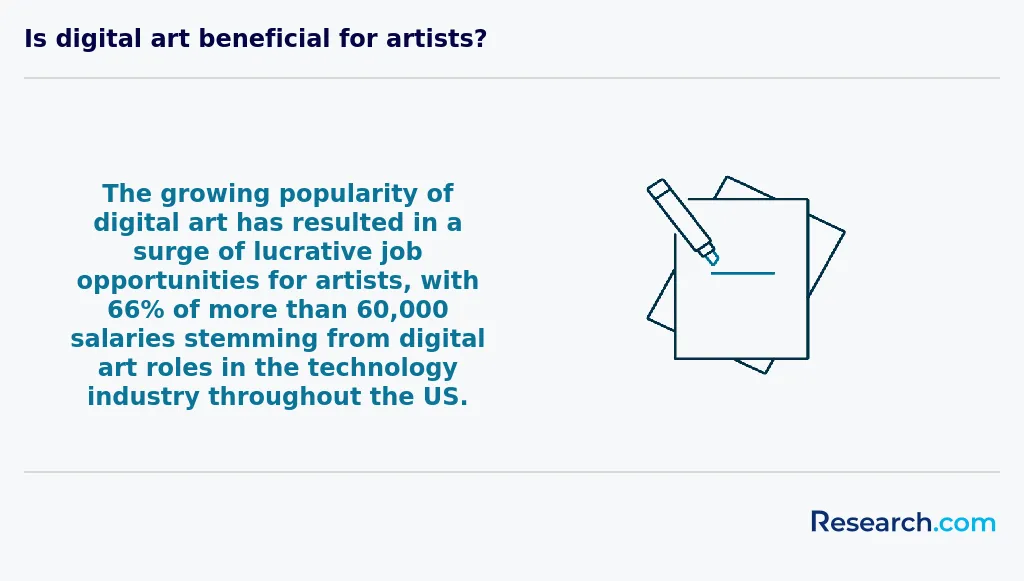
For students aiming to elevate their artistic practice and unlock higher-level teaching or leadership roles, a Master of Fine Arts (MFA) is often the natural next step. Yet relocating or paying steep on-campus tuition can be prohibitive. By researching low cost mfa programs online, you can find accredited, fully online MFAs that offer the same rigorous curriculum-covering advanced studio practice, art history seminars, and professional development workshops-without the hefty price tag. Key benefits of choosing an affordable online MFA:
- Flexibility to complete critiques, lectures, and portfolio reviews around your current work or teaching schedule.
- Access to virtual studios and digital collaboration tools that mirror cutting-edge campus facilities.
- Opportunities for networking through online residencies, guest artist lectures, and cohort-based critiques.
- Significant savings on relocation, housing, and campus fees, enabling you to invest more in specialized materials or exhibition costs. When comparing programs, prioritize those with National Association of Schools of Art and Design (NASAD) accreditation, transparent tuition breakdowns, and clear thesis or capstone requirements. A focused search for affordable online options allows you to chart a cost-effective path to advanced credentials while building a stronger portfolio, deeper theoretical knowledge, and expanded professional network-all from your own studio.
What courses are typically in fine arts degree programs in Rochester?
Fine arts degree programs in Rochester commonly include a core set of courses designed to build both technical proficiency and critical thinking skills. Graduates from local institutions often recall hands-on experiences in courses like Introduction to Drawing and Painting, which emphasize foundational techniques in visual composition, allowing students to experiment with different media early on.
Other key courses include Sculpture and 3D Design, where students engage directly with materials to understand form and spatial relationships. Digital Art and New Media classes teach essential skills in graphic design and animation, reflecting the city's growing tech-art blend. Art History and Criticism classes provide a critical lens on major art movements, enhancing students' analytical abilities and enriching their studio work.
Students also benefit from specialized workshops in Photography and Figure Drawing, gaining practical understanding of camera techniques and anatomical accuracy. Printmaking courses teach traditional processes like etching and screen printing, with many students describing these classes as particularly rewarding due to their blend of creativity and craftsmanship.
Interdisciplinary electives in film or creative writing available at Rochester colleges allow students to contextualize their art within a wider creative industry, fostering a strong, connected community feeling.
What types of specializations are available in fine arts degree programs in Rochester?
Fine arts degree specializations Rochester students pursue typically include painting and drawing, sculpture, photography, graphic design, printmaking, art education, and ceramics. For example, graduates from Rochester's prominent institutions, such as the Rochester Institute of Technology and the University of Rochester, have praised the balance of traditional and contemporary focus in their programs. One graduate highlighted how the photography specialization reflects the city's historical imaging industry, offering strong digital and experimental opportunities.
Many students specializing in graphic design appreciate the blend of creativity and technical skill development, preparing them for Rochester's growing digital media market. Those focusing on ceramics or sculpture benefit from hands-on studio work and connections with local galleries, nurturing both functional and sculptural art practices.
The availability of these specializations varies by college but remains centered on equipping students for diverse artistic careers. Prospective students interested in affordable options might explore low cost mfa programs online. The choices reflect Rochester fine arts program options that cater well to the city's cultural landscape.
How do you choose the best fine arts degree in Rochester?
Choosing the best fine arts degree programs in Rochester requires assessing curriculum flexibility, faculty expertise, and available resources. Graduates from well-regarded Rochester colleges often praise programs that blend practical studio work in painting or digital media with strong art theory foundations, enabling them to develop robust portfolios. Understanding how courses align with personal artistic goals is essential for sustained motivation and career growth.
Cost is another significant consideration. Annual tuition can vary widely, with public institutions charging approximately $7,000 to $15,000 for in-state students, while private colleges in Rochester may exceed $40,000. Many students seek financial aid options or assistantships to offset expenses, contributing to a more positive and feasible experience. For students prioritizing affordability, exploring options from the Inexpensive Fine Arts Degree Programs Ranking in Mississippi might offer useful insights despite geographic differences.
Finally, integrating into Rochester's vibrant arts network through local internships, gallery collaborations, and campus culture adds value beyond academics. Graduates frequently highlight how these engagements enhanced their job placement success, reinforcing the advantage of choosing affordable fine arts colleges Rochester NY with strong community ties.

What career paths are available for fine arts degree students in Rochester?
Graduates with a fine arts degree in Rochester have diverse options reflecting the local arts ecosystem. Many enter visual arts careers such as professional artists or photographers, where strong portfolios and gallery representation are crucial. Median annual wages for artists in 2023 averaged $50,550 according to BLS data, though income varies by reputation and sales. Rochester's vibrant cultural institutions provide fertile ground for these roles.
Another prominent career path is art education, where alumni often teach in K-12 or community programs. Public and private schools in Rochester prioritize arts integration, boosting demand for certified art teachers. Fine arts graduates from universities like the University of Rochester report enthusiasm for this fulfilling profession that blends creativity with community impact.
Arts administration offers roles in curation, event management, and fundraising within galleries and museums. Graduates in Rochester leverage organizational skills to support the city's cultural institutions. Additionally, Rochester's expanding digital media sector opens opportunities in graphic design and animation, with entry-level salaries between $55,000 and $65,000. For tailored career growth, students may also explore 6 month online courses that pay well.
The fine arts career opportunities in Rochester are wide-ranging, blending traditional art roles with educational, administrative, and digital pathways that highlight the city's supportive arts community.
What is the job market for fine arts degree in Rochester?
The job market for fine arts degree holders in Rochester offers steady opportunities with a focus on roles in galleries, museums, and local media. Graduates from institutions such as the Rochester Institute of Technology often find positions in graphic design, illustration, and art education, reflecting the practical skill sets developed during their studies. Employment opportunities for fine arts graduates Rochester show consistent demand, although many positions are contract-based or freelance, requiring graduates to build strong portfolios and networks.
Rochester's moderate living costs balance the median annual wage for fine artists, around $52,340 nationally, making the city a reasonable choice for career starters. Graduates frequently supplement income through teaching or commercial art, a trend encouraged through internships and community connections. Those considering education costs, typically $10,000 to $20,000 per year at local universities, benefit from understanding this return on investment.
For those motivated to thrive in this competitive environment, combining traditional fine arts skills with commercial applications is essential. Exploring options such as top college courses for older adults online can offer additional pathways to success within this evolving market.
Frequently Asked Questions About fine arts
Fine arts degree students in Rochester can maximize their learning experience by actively engaging with the city's vibrant arts community. Rochester offers access to renowned institutions such as the Memorial Art Gallery, providing students opportunities to study diverse collections and attend exhibitions. Participating in internships or workshops at local galleries, theaters, and arts organizations enhances practical skills and networking.
Students should also take advantage of collaborative projects and interdisciplinary courses offered by local colleges, which can deepen their understanding of various art forms. According to the National Center for Education Statistics, Rochester area institutions saw a 12% increase in fine arts enrollment from 2018 to 2023, demonstrating growing opportunities for peer engagement and creative exchange.
The fine arts field in Rochester is expanding into several emerging niches that reflect broader trends in technology and cultural shifts. One key area is digital arts, which includes animation, virtual reality (VR), and interactive media. Local institutions report increased enrollment in digital arts programs, responding to demand from multimedia companies based near Rochester.
Another growing niche is art therapy, merging psychology and creativity to support mental health. The American Art Therapy Association highlights a steady rise in job opportunities across New York State, including Rochester.
Additionally, sustainable and environmental art practices are gaining prominence. Artists explore ecological themes and use recycled materials, responding to heightened climate awareness. This trend is visible in Rochester's vibrant arts community and exhibitions focused on environmental issues.
After completing a fine arts degree in Rochester, preparing for the job market involves a blend of skill development and networking. Many artists benefit from building a strong portfolio that showcases diverse work, which is crucial for landing galleries, commissions, or teaching roles.
Internships and apprenticeships with local galleries, museums, or art studios offer valuable hands-on experience and professional connections. Rochester's rich cultural scene, including institutions like the Memorial Art Gallery, provides important opportunities.
According to the Bureau of Labor Statistics, fine artists nationally face a competitive market with a median annual wage around $49,000, highlighting the need for additional skills such as digital art or marketing.
Joining local artist groups and attending exhibitions helps to build visibility and create job leads. Online presence, through websites and social media, also plays an increasingly important role.
Employers in Rochester value fine arts graduates who demonstrate strong creativity and technical proficiency. Skills in digital media, graphic design, and multimedia art are increasingly sought after, as local studios and galleries integrate technology with traditional art forms. According to the Rochester Arts & Cultural Council, more than 60% of employers prioritize candidates who can adapt to evolving art software and tools.
Communication skills are also essential. Graduates must effectively present their ideas and collaborate on projects within multidisciplinary teams. Problem-solving and project management abilities are highly regarded, especially in smaller organizations where artists often handle multiple roles.
Portfolio quality remains a critical factor for hiring decisions. A well-curated body of work showcasing diversity, innovation, and personal style significantly improves job prospects in the Rochester fine arts market.
Finding internships in Rochester relevant to a fine arts degree involves leveraging local resources and institutions. Start by exploring opportunities at organizations like the Rochester Museum & Science Center and the Memorial Art Gallery, which frequently offer internships in art curation and exhibition design.
Many area colleges such as the Rochester Institute of Technology (RIT) have dedicated career centers that list fine arts internships and provide guidance on applications. The New York State Council on the Arts reports a growing arts sector in Rochester, with nonprofit arts organizations increasing by 8% between 2018 and 2023.
Networking through local arts events and joining groups like the Rochester Makers Network can also connect students with industry professionals offering internships. Using online platforms specifically focused on internships for creative fields may help locate relevant openings.
A fine arts degree in Rochester can significantly enhance career mobility by equipping graduates with versatile skills applicable across creative industries. According to the U.S. Bureau of Labor Statistics, arts-related occupations in the Rochester Metropolitan Area are expected to grow by 5% through 2030, indicating rising demand.
Graduates often find opportunities in galleries, media, education, and design sectors, where creative problem-solving and technical expertise are valued. Local employers, such as art studios and cultural institutions, tend to prioritize candidates with formal training, improving chances for advancement.
Moreover, Rochester's strong network of art organizations and events offers valuable professional connections, which can lead to leadership roles or entrepreneurial ventures within the regional arts economy.
Studying for a fine arts degree in Rochester offers students a unique advantage in preparing for interdisciplinary roles. Many local institutions emphasize collaboration between fine arts, technology, and business fields, reflecting the city's growing creative economy. For example, Rochester Institute of Technology integrates design, digital media, and entrepreneurship into its fine arts curriculum.
Students gain experience working on projects that combine visual art with emerging technologies such as 3D printing and augmented reality. According to the National Endowment for the Arts, about 35% of fine arts graduates nationally pursue careers requiring cross-disciplinary skills, a trend echoed in Rochester's diverse arts sector.
This regional focus equips graduates with adaptability, critical thinking, and teamwork skills, all crucial for navigating complex creative industries today.
Choosing between a thesis and a non-thesis fine arts degree program in Rochester largely depends on your career goals and learning preferences. A thesis program requires conducting original research or creating a major project, which can enhance critical thinking and prepare you for advanced studies or teaching roles. According to the National Center for Education Statistics, thesis options often suit students targeting academic or research careers.
In contrast, non-thesis programs usually emphasize coursework and practical skills, appealing to those seeking to enter the professional art world quickly. Rochester's fine arts schools, such as the Rochester Institute of Technology, offer both formats to accommodate diverse student needs.
Cost and program length may also differ, with thesis tracks occasionally demanding more time and resources.
Students based in Rochester seeking to study fine arts abroad have several pathways primarily through university-affiliated study abroad programs. Institutions such as the Rochester Institute of Technology and the University of Rochester offer partnerships with art schools across Europe and Asia, allowing students to earn credits abroad while studying disciplines like painting, sculpture, and digital media.
According to recent data from the Institute of International Education, about 14% of U.S. fine arts undergraduates participate in some form of study abroad, highlighting growing interest among arts students. Many programs focus on immersive cultural experiences important for artistic development.
Additionally, students can apply to international fine arts conservatories independently, often leveraging scholarships targeted at U.S. students. When planning, it is essential to consider transfer policies and accreditation to ensure smooth credit recognition back in Rochester.
Rochester offers various part-time job opportunities that complement fine arts degree education, allowing students to gain practical experience. Positions in local art galleries and museums, such as the Memorial Art Gallery, provide roles in exhibit coordination and visitor services. These jobs help students understand art curation and public engagement. Additionally, freelance roles like graphic design or illustration for small businesses and nonprofits are common, leveraging digital skills developed during studies.
Art education assistant positions in community centers or schools also provide hands-on teaching experience. According to the Rochester Regional Workforce Development Board, creative sector jobs in Rochester grew by 4% between 2020 and 2023, reflecting rising opportunities for fine arts students.
Fine arts students in Rochester benefit from diverse networking opportunities that support both their education and career growth. Local institutions like the Rochester Institute of Technology (RIT) and the University of Rochester host regular workshops, exhibitions, and art fairs, providing students a platform to connect with established artists and industry professionals.
Community organizations such as the Rochester Contemporary Art Center and the Rochester Arts & Cultural Council offer memberships, networking events, and artist talks tailored to emerging creatives. These venues foster collaboration and mentorship essential for career development.
Furthermore, Rochester's active art scene includes over 30 galleries and public art programs, which serve as frequent gathering points for students and professionals. According to the National Endowment for the Arts, New York State supports strong arts funding, indirectly enhancing these networking platforms.
Alumni networks play a crucial role for fine arts degree students in Rochester by providing valuable professional connections. Graduates from institutions like the Rochester Institute of Technology and SUNY Brockport often stay active within these networks, offering mentorship and career advice.
These connections can lead to internships, gallery exhibitions, and job opportunities in the local art scene, which is vibrant yet competitive. According to the Rochester Arts Council, nearly 60% of fine arts graduates find employment through alumni referrals within the first year after graduation.
Additionally, alumni events foster collaboration and skill-building, helping students stay informed about industry trends and exhibitions in Rochester and beyond.
Students pursuing fine arts degrees in Rochester have several options to customize their programs to better align with career goals. Many local institutions allow choosing specialized tracks such as painting, sculpture, digital media, or art education. Elective courses and independent study projects can also tailor skills toward specific industries.
Internship opportunities with Rochester's vibrant arts scene, including galleries and museums, provide practical experience. Additionally, students benefit from faculty mentorships tailored to professional aspirations.
According to the National Center for Education Statistics, nearly 40% of fine arts students in New York state select interdisciplinary courses, reflecting a growing trend toward program flexibility.
Fine arts students in Rochester often face significant financial challenges. According to the National Endowment for the Arts, tuition and supply costs for fine arts programs can be higher than for other disciplines due to specialized materials and equipment.
Another challenge is the competitive nature of the local art scene. Rochester's vibrant but small market means students must work hard to build professional networks and gain exhibition opportunities.
Additionally, balancing studio time with required academic coursework can be demanding. Many students report struggles with managing intensive hands-on practice alongside theory classes.
Finally, limited part-time job options related to fine arts in Rochester can affect students' ability to sustain income while studying.
With a fine arts degree in Rochester, you can pursue several professional certifications that enhance your career opportunities. One popular path is becoming a Certified Art Therapist, which requires additional graduate education and certification through the Art Therapy Credentials Board. This certification allows professionals to use art in therapeutic settings, combining creativity and psychology.
Another option is obtaining a teaching license if you plan to teach in public schools. In New York State, this involves passing the New York State Teacher Certification Exams (NYSTCE) and completing an approved teacher preparation program.
Additionally, certification in graphic design or digital arts software, such as Adobe Certified Expert (ACE), can strengthen your credentials for roles in commercial art fields.
When applying to fine arts programs in Rochester, crafting a strong application begins with a well-curated portfolio. Most institutions, including the Rochester Institute of Technology and other local colleges, emphasize quality and creativity over quantity. Aim for 10 to 15 pieces that showcase your range and technical skills.
Accompany your portfolio with a personal statement that clearly explains your artistic vision, motivations, and career goals. Tailoring this essay to reflect Rochester's vibrant arts community can strengthen your case.
Additionally, letters of recommendation from art instructors or professionals familiar with your work are crucial. According to the National Association of Schools of Art and Design, applicants with strong references have a higher acceptance rate.
Finally, meeting all deadlines and following specific application guidelines set by Rochester institutions is essential, as compliance is often a deciding factor.
The global perspective on a fine arts career increasingly values versatility and adaptability. In the U.S., and specifically in Rochester, fine arts graduates often combine traditional skills with digital media and design, reflecting worldwide trends. According to the National Endowment for the Arts, fine arts employment in the U.S. is projected to grow about 3% from 2020 to 2030, highlighting steady demand.
Globally, fine arts professionals may pursue diverse roles such as educators, curators, or multimedia artists. Rochester benefits from its rich cultural institutions like the Rochester Contemporary Art Center, fostering opportunities for emerging artists. Awareness of global art markets enhances a fine arts career, making international networking crucial today.
Students pursuing a fine arts degree in Rochester can gain valuable practical experience through internships and cooperative education programs offered by local universities and art institutions. For example, Rochester Institute of Technology partners with regional galleries and design firms to provide hands-on opportunities. Internships allow students to apply classroom knowledge in real-world settings, enhancing portfolios and professional networks.
The city's vibrant arts scene, including institutions like the Memorial Art Gallery, offers volunteer and exhibition possibilities. Additionally, students can engage in community art projects or freelance work to build experience. According to the National Endowment for the Arts, practical training greatly improves post-graduate employment prospects in the arts sector.
Choosing the right concentration within a fine arts degree program in Rochester starts with understanding your personal interests and career goals. Rochester offers diverse options like painting, sculpture, photography, and digital media, with programs designed to develop both technical skills and creative expression.
Researching local institutions, such as the Rochester Institute of Technology, reveals that concentrations in digital arts and animation have grown by over 15% enrollment in recent years, reflecting job market trends. Visiting campuses and speaking with faculty can clarify what each concentration emphasizes.
Consider how each focus aligns with employment opportunities in Rochester's arts community, including galleries, theaters, and multimedia firms, since practical experience often complements academic learning.
Related Fine Arts Rankings for Nearby Cities
- 2027 Most Popular Fine Arts Degree Programs Ranking in Buffalo
- 2027 Most Popular Fine Arts Degree Programs Ranking in Ithaca
- 2027 Most Popular Fine Arts Degree Programs Ranking in Pittsburgh
- 2027 Most Popular Fine Arts Degree Programs Ranking in Cleveland
- 2027 Most Popular Fine Arts Degree Programs Ranking in New York
- 2027 Most Popular Fine Arts Degree Programs Ranking in Brooklyn
- 2027 Most Popular Fine Arts Degree Programs Ranking in New Haven
- 2027 Most Popular Fine Arts Degree Programs Ranking in Baltimore
- 2027 Most Popular Fine Arts Degree Programs Ranking in Detroit
- 2027 Most Popular Fine Arts Degree Programs Ranking in Washington
Top Trending Fine Arts Rankings
References
- FAB Market Insights https://www.fineartbrokers.com/fine-art-brokers-in-the-news/what-to-look-for-in-emerging-contemporary-art
- MFA Statement of Purpose: The Artist Statement + Academic Goals Hybrid https://gradpilot.com/news/mfa-statement-of-purpose-artist-statement-guide
- Art Internships: Your Complete Guide | Sotheby's Institute of Art https://sothebysinstitute.com/articles/art-internships-your-complete-guide/
- Networking for Artists: Unlocking Opportunities in the Art World - Ceri Hand https://cerihand.com/networking-for-artists/
- Careers in the Arts: Who Stays and Who Leaves? https://snaaparts.org/findings/reports/careers-in-the-arts-who-stays-and-who-leaves
- How do you build up an international network? | Flanders Arts Institute https://www.kunsten.be/en/advice-orientation/hoe-bouw-je-een-internationaal-netwerk-op/
- Challenges in Undergraduate Art Education - Arts Education Partnership https://www.aep-arts.org/challenges-in-undergraduate-art-education/
- Create a Niche Market for Your Art in a Sea of Artists https://lorimcnee.com/create-a-niche-market-for-your-art-in-a-sea-of-artists/
- Alumni network - ESMA https://www.esma-artistique.com/en/outreach/alumni-network/
- Standards & Guidelines » CAA Guidelines https://www.collegeart.org/standards-and-guidelines/guidelines/mfa


