
2027 Easiest Online Master's in Healthcare Degree Programs Ranking in Arizona

Co-Founder and Chief Data Scientist
If you're considering advancing your career in healthcare, finding the right master's program that fits your lifestyle is essential. Our article introduces the 2027 Easiest Online Master's in Healthcare Degree Programs Ranking in Arizona, thoughtfully created by the Research.com team of data scientists to help you make an informed decision.
Whether you're balancing work, family, or other commitments, this ranking highlights programs designed to offer flexibility and support. Exploring these options can bring you closer to achieving your professional goals while enjoying the benefits of a rewarding healthcare degree.
Key benefits of getting online healthcare degree in Arizona
- Salary for healthcare degree graduates: Graduates can expect competitive salaries, such as a Healthcare Consultant earning an average of $115,530 annually and a Healthcare Compliance Manager earning about $80,190 per year, making this field financially rewarding.
- Career paths: Arizona healthcare degree holders from universities like Arizona State University often pursue roles in consulting, compliance, and project management, offering diverse opportunities to impact patient care and healthcare operations.
- Benefits of online degrees: Online healthcare programs from universities such as the University of Arizona provide flexible schedules and accessibility, allowing students to balance work and study while gaining the same respected credentials as traditional degrees.
- Key benefits of getting online healthcare degree in Arizona
- What can I expect from online healthcare degree in Arizona?
- Where can I work with online healthcare degree in Arizona?
- How much can I make with online healthcare degree in Arizona?
- 2027 Easiest Online Master's in Healthcare Degree Programs Ranking in Arizona
- Key Findings
- How long does it take to complete online healthcare degree in Arizona?
- What's the difference between online and on-campus healthcare degree?
- What is the average cost of online healthcare degree in Arizona?
- What financial aid is available to online healthcare degree students in Arizona?
- What are the prerequisites for enrolling in online healthcare degree program in Arizona?
- What courses are typically in online healthcare degree programs in Arizona?
- What types of specializations are available in online healthcare degree programs in Arizona?
- How do you choose the best online healthcare degree in Arizona?
- What career paths are available for online healthcare degree students in Arizona?
- What is the job market for online healthcare degree in Arizona?
- Related Healthcare Rankings for Nearby States
- Top Trending Healthcare Rankings
- See What Experts Have To Say About Studying Healthcare
What can I expect from online healthcare degree in Arizona?
When considering the average cost of an online healthcare degree in Arizona, students often find the reality pleasantly surprising. Graduates who pursued their degrees at major institutions like Arizona State University report that tuition tends to be more affordable online, especially with in-state rates applying even for remote learners. For many, the total expense falls well below traditional on-campus programs, typically ranging from $10,000 to $30,000 depending on the length and depth of the program.
One graduate vividly recalled balancing coursework with family life, appreciating how online affordability eased stress about finances. Their program blended asynchronous lectures with occasional virtual group projects, allowing flexibility without sacrificing quality. Several students highlight that financial aid and scholarships tailored specifically to healthcare disciplines further reduce costs, making advanced education achievable without burdening debt.
In Arizona's competitive healthcare job market, this cost-effective pathway not only opens doors but also empowers students to confidently invest in their futures while contributing meaningfully to community health systems.
Where can I work with online healthcare degree in Arizona?
Graduates from online healthcare programs at institutions like Arizona State University and the University of Arizona often find themselves welcomed in diverse, fast-growing Arizona workplaces. Picture a recent online healthcare graduate stepping confidently into a hospital like Banner Health, managing patient care logistics or healthcare technology, empowered by credentials earned remotely.
Public health agencies across the state seek professionals who understand both policy and practical community health-roles an ASU online graduate found fulfilling, directly impacting local health initiatives. This connection between theory and hands-on impact challenges the notion that online degrees are less relevant for frontline and administrative healthcare work.
Outpatient clinics and telehealth services offer dynamic career paths where graduates manage operations or innovate patient care remotely. One graduate's experience leading telehealth programs in Phoenix highlights the growing demand for skilled professionals in virtual settings.
Long-term care facilities also value online degree holders, especially as Arizona's aging population expands, opening doors for graduates to improve elder care through compassionate leadership. These real-world opportunities reveal that an online healthcare education in Arizona is a powerful launchpad for meaningful, varied careers.
How much can I make with online healthcare degree in Arizona?
Graduates with an online healthcare degree in Arizona often find salaries that defy expectations and reflect the state's vibrant healthcare landscape. For instance, healthcare consultants-many of whom studied at institutions like Arizona State University or the University of Arizona-report mean annual wages around $115,530, anchoring their careers in roles requiring both healthcare insight and strategic thinking.
Meanwhile, healthcare compliance managers, a role well suited for those with specialized online degrees, earn a mean annual wage of approximately $80,190 in Arizona. These figures resonate with graduates navigating the complex regulatory environment and safeguarding patient care standards.
Consider a graduate from a popular online program at Grand Canyon University who leverages their degree into a consulting position, steadily increasing their earning potential above $110,000, or a compliance manager in Phoenix whose online training led to a six-figure salary trajectory.
These numbers illuminate that an online healthcare degree in Arizona can open doors to financially rewarding careers where leadership, expertise, and adaptability intersect-challenging the notion that online degrees limit earning power.
2027 Easiest Online Master's in Healthcare Degree Programs Ranking in Arizona
How do we rank schools?
Investing in your education is a significant decision that can shape your future, and the Research.com team understands the importance of making informed choices. To assist prospective students in Arizona, we have meticulously crafted the "2027 Easiest Online Master's in Healthcare Degree Programs Ranking in Arizona." Our commitment to quality, credibility, and accuracy is reflected in the extensive research and analysis conducted to compile this ranking.
We utilized the following reputable data sources to ensure a comprehensive evaluation of healthcare degree programs:
By exploring this ranking, readers will gain valuable insights into accessible and high-quality online healthcare master's programs in Arizona, empowering them to choose the path that best fits their needs. For more details on our methodology, please visit our Research.com methodology page.

# 2 position
Aspen University
Master of Nursing


# 4 position
Arizona State University Campus Immersion
Master of Clinical Research Management - Regulatory Science

# 5 position
Trident University International
Master of Health Administration

Key Findings
- Online healthcare degree programs in Arizona cover fields such as nursing, healthcare administration, and public health with flexible options for working students.
- Tuition costs typically range from $10,000 to $25,000 for a bachelor's or master's degree, with lower rates available at some community colleges and state universities for in-state students.
- Entry-level salaries for healthcare graduates in Arizona start around $50,000, while mid-career professionals earn about $75,000 annually on average.
- Healthcare employment in Arizona is expected to grow by over 16% through 2030, exceeding the average growth rate for all occupations.
- Many online programs hold accreditation from bodies like the CCNE and CEPH, ensuring recognized quality for graduates.
How long does it take to complete online healthcare degree in Arizona?
How long it takes to complete an online healthcare degree in Arizona isn't as fixed as many expect. Graduates from institutions like Arizona State University or Northern Arizona University often recount finishing associate degrees in about two years while balancing work and family commitments, highlighting the flexibility these programs offer. Bachelor's degrees typically span around four years, but accelerated tracks can cut this down significantly, making it possible for someone with prior credits or an associate degree to graduate sooner.
For master's degrees, such as a Master of Health Administration, graduates appreciate the option to study part-time over two to three years, allowing them to maintain full-time jobs and still advance their careers without sacrificing income or stability. Certificates and postgraduate diplomas can be earned in less than a year, perfect for those eager to specialize quickly and see immediate career growth.
What truly shapes the timeline are factors like transfer credits, program format, and personal pacing choices. These realities challenge the notion that degree timelines are rigid, showing Arizona's online healthcare education is crafted around real lives and ambitions.
What's the difference between online and on-campus healthcare degree?
Choosing between online and on-campus healthcare degrees in Arizona often comes down to how you value flexibility versus immersion. Graduates from the University of Arizona recall the vibrant campus life-face-to-face mentorship, instant access to labs, and spontaneous study groups-that fueled their confidence and sharpened their clinical skills. Meanwhile, online students from Arizona State University appreciate carving their own schedules around work or family, accessing lectures and virtual simulations anytime, anywhere, without sacrificing the crucial hands-on clinical hours arranged locally.
Costs also shape decisions: online learners often save on housing and commuting, but sometimes face added fees for technology and clinical placements. Both paths demand discipline-online students must stay self-motivated navigating coursework remotely, while on-campus students thrive in structured daily routines.
Importantly, Arizona's accredited programs-whether virtual or in-person-ensure graduates are equally prepared for the state's expanding healthcare job market, where completing your degree timely can make all the difference.
What is the average cost of online healthcare degree in Arizona?
The average cost of an online healthcare degree in Arizona hovers around $29,843, a figure that surprises many when weighed against the common assumption that online degrees are always more affordable. Graduates from Arizona State University Online often describe their investment as balancing on the edge of premium and value, considering that the flexibility and access they gain compensate for the financial outlay. Unlike typical narratives emphasizing just tuition, these students know their true expenditure includes textbooks, technology fees, and clinical practicum expenses-all crucial to a hands-on healthcare education.
For those seeking more budget-friendly options, community colleges in Arizona offer attractive pathways with significantly lower tuition rates, prompting many to explore the quickest associate degree online before progressing to bachelor's or master's levels. This strategy appeals especially to students mindful of affordability while still aiming for solid career prospects.
The reality of paying for an online healthcare degree here challenges the simplified notion of cost alone. It's about aligning educational value, career outcomes, and financial comfort. Affordable online master's healthcare programs Arizona offer attest to this balance, often reflecting a range from $15,000 to $30,000 for a master's, which can feel like an investment in tangible career advancement rather than just an expense. Choosing the right program means grappling with these variables rather than settling for surface-level comparisons.
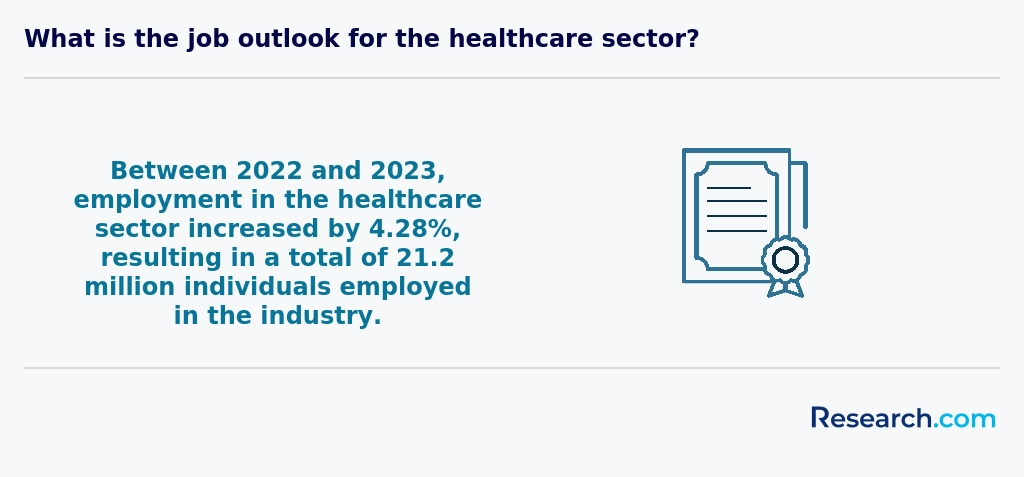
What financial aid is available to online healthcare degree students in Arizona?
Choosing an online healthcare degree in Arizona often triggers concerns about the hefty cost of education, yet many graduates recall how navigating federal aid like FAFSA unexpectedly lightened their financial load. For instance, securing the Pell Grant-offering up to $7,395 annually-transformed the experience for undergraduates at institutions such as the University of Arizona, making ambitious healthcare goals feel within reach rather than out of grasp.
State-specific programs, such as AzLEAP, add another layer of possibility by matching tuition funds, especially for those enrolled in healthcare or STEM tracks at Arizona State University. Graduates frequently share how tapping into these resources made the difference between postponing their studies and progressing confidently.
Beyond this, institutional scholarships tailored to healthcare students-often emphasizing community service or merit-reflect a deeper investment in the future workforce. Employers in healthcare sectors also openly encourage continuing education through tuition reimbursement, a real game-changer for working professionals balancing study and career.
With these varied avenues, the financial journey toward a healthcare degree in Arizona becomes less daunting, more personal-and uniquely hopeful.
What are the prerequisites for enrolling in online healthcare degree program in Arizona?
Enrolling in an online healthcare degree program in Arizona demands more than just meeting basic educational requirements; it requires a strategic approach to align with the state's rigorous standards. Many graduates from popular institutions like Arizona State University share how starting with a clear high school diploma or GED was just the beginning. For undergraduate programs, bridging the gap with prerequisite courses in biology or chemistry proved crucial to feeling confident and prepared.
At the graduate level, students often reflect on the importance of holding a bachelor's degree in a related field and maintaining a GPA around 3.0. These benchmarks, alongside one to three years of healthcare work experience, helped them connect theory with practice, enriching their online learning experience at universities such as the University of Arizona.
Moreover, successful applicants emphasize submitting strong letters of recommendation and personal statements that express genuine passion. Navigating state licensure approval also adds a layer of complexity, reminding prospective students that their online degree isn't just academic-it prepares them for real-world impact in Arizona's demanding healthcare environment.

What courses are typically in online healthcare degree programs in Arizona?
Graduates from online healthcare programs at Arizona State University and University of Arizona often recall how courses like Healthcare Systems and Policy reshaped their understanding of the complex U.S. healthcare landscape, especially with Arizona's unique state regulations. These classes aren't just theoretical-they prepare students to navigate real challenges, such as addressing healthcare disparities in rural communities or collaborating with Native American health services.
Many students find Health Informatics particularly empowering, as it teaches them to harness technology for better patient care, a skill critical in today's digital age. Imagine managing electronic health records that directly improve outcomes in Phoenix hospitals.
Courses such as Healthcare Finance and Economics reveal the delicate balance of budgeting and funding in a state where costs can vary dramatically by region. Those who master these skills often describe a newfound confidence in making strategic decisions for diverse populations.
Leadership and Management in Healthcare builds essential skills for guiding teams through complex challenges, fostering a sense of purpose and resilience.
Research Methods grounded in evidence-based practice inspire students to question assumptions, aligning with Arizona's push for innovative, data-driven healthcare solutions.
What types of specializations are available in online healthcare degree programs in Arizona?
Online healthcare degree specializations in Arizona challenge the one-size-fits-all mindset by offering diverse pathways that reflect the state's unique healthcare demands. Graduates from prominent universities in Arizona often highlight their hands-on learning in Healthcare Administration, managing real-world challenges in hospitals and long-term care settings. Others pursuing Public Health find themselves deeply engaged with community health issues, especially addressing rural populations and demographic diversity, which often sparks a profound sense of purpose.
A growing number of nurses embrace Nursing Leadership and Education to step beyond bedside care, fueled by Arizona's high demand for nursing roles. These students describe the rewarding experience of shaping future healthcare teams and improving patient outcomes. Specializations like Health Informatics bring a technological edge, immersing students into data-driven healthcare innovations prevalent in Arizona's hospitals. For those drawn to improving systems, Healthcare Quality and Safety focuses sharpen their skills in patient safety and continuous quality improvement.
Working professionals appreciate the flexibility of asynchronous coursework at popular Arizona colleges, allowing them to advance careers without sacrificing their current jobs. For more information on enrollment options, explore open enrollment colleges known for supporting healthcare students with varying schedules.
How do you choose the best online healthcare degree in Arizona?
Choosing the best online healthcare degree in Arizona demands more than surface-level research-it's about aligning your ambitions with programs that truly fit your lifestyle and career goals. Graduates from popular Arizona universities often emphasize the value of programs offering asynchronous coursework paired with local clinical rotations, enabling them to juggle family or full-time jobs while gaining essential hands-on experience. Affordable healthcare master's programs Arizona-wide tend to balance cost and quality, with many students expressing relief at tuition rates tempered by state funding and residency benefits.
Accreditation is non-negotiable. Look beyond the label-graduates recall how recognized accreditations like CCNE or AUPHA opened doors for licensing and employment, transforming their daunting job search into a rewarding journey. Consider how a curriculum focusing on leadership and technology mirrors the real-world demands within Arizona's expanding healthcare industry, fostering adaptability and growth. Navigating these choices can feel overwhelming, but with resources like online doctoral programs without dissertation, innovative paths are within reach.
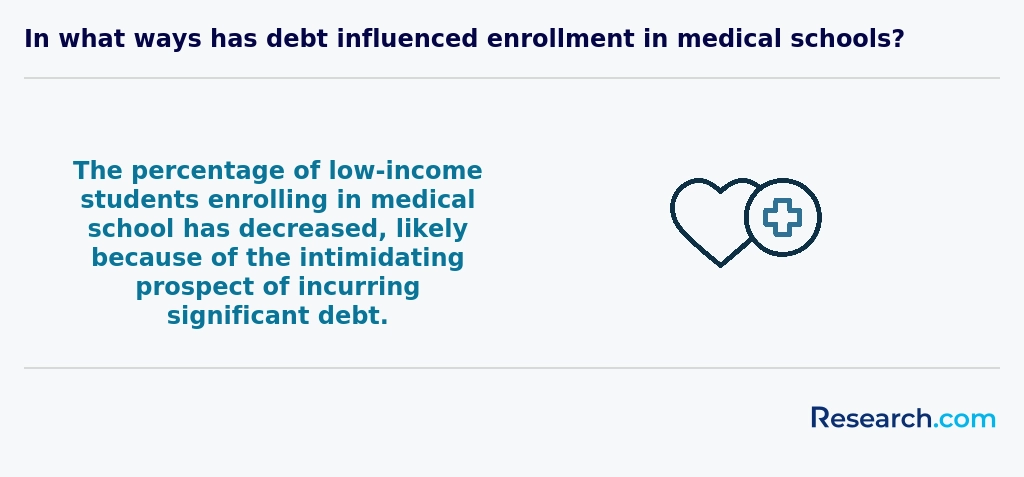
What career paths are available for online healthcare degree students in Arizona?
Graduates with an online healthcare degree in Arizona often imagine a narrow set of career paths, but the reality is far richer. From health services managers who orchestrate complex operations in hospitals across Phoenix, to public health specialists driving community wellness initiatives in Tucson, the spectrum is broad and impactful. For example, alumni from popular programs at Arizona State University report fulfilling roles in nursing leadership, where they lead teams to enhance patient care, demonstrating the state's robust demand for skilled nursing professionals.
Another transformative path is health informatics analysis, a field exploding in growth as Arizona embraces advanced electronic health records. Graduates find themselves at the crossroads of technology and care, turning raw data into critical improvements in medical services. This demonstrates how an online healthcare degree jobs Arizona graduates open doors not only to traditional roles but also to innovative healthcare challenges.
Many choose programs at Arizona's universities knowing that alongside core education, financial aspects matter. Those seeking affordable options often look into the cheapest online university opportunities, balancing quality and cost while preparing for these diverse healthcare careers.
What is the job market for online healthcare degree in Arizona?
The job market for online healthcare degree holders in Arizona defies simple predictions, growing far beyond typical expectations. Graduates from popular healthcare programs at institutions like Arizona State University report entering a workforce hungry for expertise in hospitals and outpatient centers, especially in the rapidly expanding urban hubs of Phoenix and Tucson. These graduates find themselves uniquely positioned to meet the state's evolving healthcare demands, leveraging skills that align with sectors such as health informatics and public health administration. This vibrant demand creates opportunities that challenge anyone thinking the local market is saturated.
For those wondering about the practical outcomes of pursuing online healthcare jobs in Arizona, many graduates describe the flexibility of their programs as crucial for balancing work and study, enabling career advancement without uprooting their lives. Health insurance companies and government health agencies are also actively recruiting, drawn by candidates with advanced online credentials. Prospective students curious about their educational options often explore resources like best trade schools online to find competitive, affordable programs.
Overall, the Arizona healthcare degree job outlook reveals a robust trajectory, with entry salaries starting near $45,000 and scaling upward as experience deepens, underscoring a market that rewards perseverance and innovation within the state's healthcare system.
Frequently Asked Questions About healthcare
Online healthcare degree students in Arizona can maximize their learning by actively engaging with their coursework and utilizing available resources. Time management is critical; setting a consistent study schedule helps balance work, family, and education demands. Participating in virtual discussion forums strengthens understanding through peer interaction.
Arizona's healthcare sector is growing rapidly, with a 15% job increase projected by 2030 according to the Arizona Office of Economic Opportunity. Students should seek programs accredited by recognized agencies like the Commission on Accreditation of Allied Health Education Programs (CAAHEP) to ensure quality education and eligibility for certifications.
Taking advantage of local clinical placement opportunities enhances real-world skills. Arizona's numerous healthcare facilities provide practical experience critical for careers in nursing, administration, or public health. Using university career services for networking and internships also supports career readiness.
The healthcare field in Arizona is experiencing notable growth in emerging niches, driven by advances in technology and demographic shifts. One key area is telehealth, which expanded rapidly during the COVID-19 pandemic and remains vital in Arizona's rural regions, where access to in-person care is limited. According to the Arizona Department of Health Services, telemedicine usage increased by over 70% between 2019 and 2023.
Another promising niche is health informatics, which combines healthcare with data analytics to improve patient outcomes. Arizona hospitals and clinics increasingly seek professionals skilled in electronic health record management and data security.
Additionally, geriatric care is expanding as Arizona's population ages, with growing demand for specialists in eldercare and chronic illness management.
After completing an online healthcare degree in Arizona, preparing for the job market involves several key steps. First, gaining relevant experience through internships or clinical placements is crucial, as many healthcare roles require hands-on skills. Arizona has a growing healthcare sector, expecting a 19% increase in healthcare jobs by 2030 according to the Arizona Department of Labor. Networking with local healthcare professionals and joining professional organizations can open doors to job opportunities. Additionally, obtaining certifications like Certified Nursing Assistant (CNA) or Registered Health Information Technician (RHIT) enhances employability. Finally, tailoring your resume to highlight both online education and practical skills is essential for standing out.
Employers in Arizona increasingly value a combination of technical and interpersonal skills in healthcare degree graduates. Clinical competence, such as proficiency in electronic health records (EHR) and patient care, remains essential. According to the Arizona Department of Health Services, familiarity with updated healthcare technologies enhances job prospects.
Communication skills are critical, as healthcare professionals must work effectively with diverse patient populations and interdisciplinary teams. Cultural sensitivity and empathy are often highlighted, reflecting Arizona's diverse demographics.
Additionally, problem-solving and critical thinking are vital for adapting to fast-changing healthcare environments. Leadership and teamwork abilities also rank highly, preparing graduates to contribute positively in collaborative settings.
Finding internships in Arizona related to healthcare degrees involves several strategic steps. Start by exploring partnerships that online healthcare programs often have with local hospitals, clinics, and health organizations. Arizona's healthcare sector is robust, with major employers including Banner Health and Mayo Clinic, which frequently offer internship opportunities. According to the Arizona Department of Health Services, healthcare jobs in the state are projected to grow 15% by 2030, indicating increasing internship availability.
Students should also utilize resources like the Arizona Career Information Network and university career centers. Networking with professionals in healthcare associations such as the Arizona Healthcare Executives Forum can provide leads. Applying early and tailoring applications to reflect relevant healthcare skills improves chances of placement.
Obtaining an online healthcare degree in Arizona can significantly enhance career mobility and advancement opportunities. Arizona's growing healthcare sector, projected to increase by 20% through 2030 according to the Arizona Office of Economic Opportunity, demands skilled professionals for various roles.
Online degrees offer flexible access to accredited programs, allowing working adults to upskill without interrupting their careers. This flexibility supports quicker transitions to leadership or specialized clinical roles, which often require advanced credentials.
Employers in Arizona increasingly value online healthcare degrees that meet regional accreditation standards, recognizing them as valid for promotions and salary increases.
Furthermore, Arizona's emphasis on telehealth expansion creates new positions that online-trained candidates are well-prepared to fill.
Overall, an online healthcare degree can be a practical pathway to new job roles and higher earning potential within Arizona's dynamic healthcare job market.
Studying for a healthcare degree online in Arizona equips students to excel in interdisciplinary roles by emphasizing collaboration across diverse healthcare fields. Arizona's programs integrate coursework in clinical practice, healthcare management, and technology, encouraging graduates to communicate effectively with professionals from nursing, pharmacy, social work, and public health.
According to the Arizona Department of Health Services, interdisciplinary healthcare teams improve patient outcomes, making these skills vital. Programs often include simulations and case studies focused on teamwork and problem-solving in real-world settings. This approach prepares students for complex environments, particularly in Arizona's growing healthcare industry, projected to add over 30,000 jobs by 2030 (Bureau of Labor Statistics).
When choosing between a thesis and a non-thesis healthcare degree program in Arizona, consider your career goals and time commitment. Thesis programs require conducting original research, ideal for students interested in clinical practice, policy development, or doctoral studies. Non-thesis options emphasize practical skills and coursework, often attracting professionals seeking career advancement without research demands.
Arizona's healthcare sector is growing, with a 16% employment increase projected by 2030 (Bureau of Labor Statistics), which may influence the program type you choose. Universities like ASU offer both pathways online, addressing diverse student needs. Check if your target employers value research experience, which can guide your decision.
Students based in Arizona seeking to study healthcare abroad have several options, primarily through online programs offered by international universities. While physically relocating abroad may involve visa and licensing challenges, many reputable institutions provide fully online degrees focused on healthcare fields that are accessible from Arizona.
These online programs from abroad often align with U.S. accreditation standards, making credits more transferable and degrees recognized by healthcare employers. Arizona students can choose specialties ranging from public health to healthcare administration.
The Arizona Department of Health Services reports steady growth in healthcare employment, making such international online programs attractive for career advancement without interrupting local work commitments.
Additionally, some universities offer joint or dual degrees in partnership with U.S. institutions, increasing acceptance and local relevance.
Arizona offers a range of part-time job opportunities that effectively complement online healthcare degree studies. Many students find roles as medical assistants, which allow practical experience in clinical settings while maintaining flexible hours. According to the Arizona Department of Economic Security, medical assistant positions are expected to grow by 23% through 2030, reflecting strong demand.
Other viable options include working as patient service representatives or pharmacy technicians. These roles build communication and organizational skills, essential for healthcare careers. Additionally, roles in telehealth support services have increased, matching the rise in virtual care across the state.
Such part-time roles provide hands-on exposure that enriches academic learning and enhances resumes for future healthcare professionals.
Online healthcare students in Arizona have several networking opportunities despite the remote format. Many Arizona universities offering online healthcare degrees host virtual career fairs and webinars featuring local healthcare employers. These events help students connect directly with Arizona's healthcare industry, which employs over 300,000 people statewide, according to the Arizona Department of Employment Security (2023).
Students can also join statewide professional organizations like the Arizona Healthcare Forum and local chapters of national groups such as the American Public Health Association. These organizations often provide online meetups and mentorship programs.
Additionally, internships and clinical placements are frequently coordinated with Arizona healthcare facilities, fostering in-person connections in major cities like Phoenix and Tucson.
Alumni networks play a crucial role for online healthcare degree students in Arizona by providing access to professional connections across the state's expanding healthcare industry. According to the Arizona Department of Health Services, healthcare employment in the region is expected to grow by nearly 16% through 2030, increasing job opportunities for graduates. Alumni networks offer mentoring, career advice, and job referrals, which can be vital in a competitive field. These networks also host events and webinars, allowing students to engage with experienced professionals despite studying remotely. Thus, alumni connections help bridge the gap between education and employment in Arizona's healthcare sector.
Arizona offers a variety of online healthcare degree programs that allow students to tailor their studies to match specific career objectives. Many universities in the state provide customizable course options such as healthcare management, public health, or health informatics. This flexibility enables students to gain expertise in areas with growing employment opportunities, like Arizona's expanding healthcare system, which employs over 300,000 individuals according to the Arizona Department of Economic Security. Students can also select electives and specialized certifications to align their education with industry demands, enhancing their readiness for roles in hospitals, clinics, or health policy organizations.
Additionally, most programs support part-time study, accommodating working professionals aiming to balance education with career advancement. Integration of practicum or internship experiences with local healthcare facilities in Arizona often helps customize practical skills, relevant to the region's healthcare challenges and trends. Such personalization ensures the degree fits personal ambitions while meeting state and national healthcare standards.
Online healthcare students in Arizona often face several key challenges. One common issue is balancing coursework with demanding work schedules, especially since many students are already employed in healthcare roles. This can create time management difficulties when paired with clinical practicum requirements, which cannot be completed fully online.
Another challenge is limited local access to accredited clinical placements. Arizona's growing healthcare industry means competition for high-quality practicum sites is intense, affecting timely progress in some programs. According to the Arizona Department of Health Services, healthcare employment is projected to grow 15% by 2030, increasing demand for practical training spots.
Technology access and digital literacy also impact students differently. Reliable internet and familiarity with online learning platforms are essential but not guaranteed for all, particularly in rural areas. Moreover, students may encounter less face-to-face interaction, which can affect networking and learning opportunities compared to traditional programs.
With an online healthcare degree in Arizona, you can pursue a variety of professional certifications that enhance your career prospects. Common certifications include Certified Medical Manager (CMM), Certified Professional in Healthcare Quality (CPHQ), and Registered Health Information Technician (RHIT). These credentials demonstrate specialized skills and knowledge relevant to healthcare management, quality, and information systems.
For advanced clinical roles, students may consider certifications such as Certified Nurse Manager and Leader (CNML) or credentials from the American Society of Health-System Pharmacists (ASHP). Arizona's healthcare industry is growing, with a 15% projected employment increase through 2030, according to the Arizona Department of Economic Security, underscoring the value of these certifications.
Many online programs prepare graduates for certification exams by aligning curricula with national standards from organizations like the National Association of Healthcare Quality (NAHQ) and the American Health Information Management Association (AHIMA).
To write a winning application for an online healthcare program in Arizona, start by clearly demonstrating your commitment to the healthcare field. Highlight relevant work experience or volunteer activities, as Arizona's healthcare sector often values practical knowledge alongside academic achievements. Tailor your personal statement to reflect your goals and how the program aligns with Arizona's growing healthcare needs, especially given the state's expanding population and demand for healthcare workers noted by the Arizona Department of Health Services.
Ensure you meet all application requirements, including transcripts and letters of recommendation from professionals familiar with your skills. Arizona standards emphasize the importance of strong academic records, so showcase your undergraduate GPA and any continuing education. Finally, proofread carefully to avoid errors, portraying professionalism and attention to detail appreciated by admissions committees in this competitive field.
The global perspective on a healthcare career highlights strong demand and growing opportunities worldwide. In the United States, healthcare roles are among the fastest-growing professions, with Arizona experiencing a 19% growth rate in healthcare employment from 2021 to 2031, according to the U.S. Bureau of Labor Statistics.
Internationally, healthcare professionals are vital for responding to aging populations and rising chronic diseases. This global need supports remote collaboration and telehealth, expanding job possibilities for those with degrees from US institutions.
For Arizona students, pursuing an online healthcare degree means entering a dynamic, globally relevant field with local and international impact.
Gaining practical experience while studying for an online healthcare degree in Arizona is crucial for career readiness. Many accredited programs incorporate clinical placements or internships as part of their curriculum. Students typically arrange these experiences at nearby healthcare facilities, such as hospitals or clinics, through partnerships facilitated by the university.
Arizona hosts numerous healthcare providers, including Banner Health and Mayo Clinic, offering diverse opportunities for hands-on learning. Additionally, some programs require students to complete a specified number of clinical hours, often ranging from 500 to 1,000 hours, to meet licensing or certification standards.
Virtual simulations and telehealth practicums are increasingly popular, providing flexible options for remote students to develop clinical skills.
Choosing the right concentration within an online healthcare degree program in Arizona requires careful consideration of your career goals and the state's healthcare demands. Arizona's healthcare sector is growing rapidly, with a projected 14% increase in healthcare jobs by 2030 according to the Arizona Office of Economic Opportunity.
Research areas such as public health, healthcare administration, nursing, or informatics. Compare each specialization's curriculum and how it aligns with Arizona's needs, especially given its aging population.
Consider also licensing requirements in Arizona, as certain concentrations may lead to certifications necessary for local employment. Consulting the Arizona Department of Health Services can provide guidance on state-specific regulations.
Related Healthcare Rankings for Nearby States
- 2027 Easiest Online Master's in Healthcare Degree Programs Ranking in New Mexico
- 2027 Easiest Online Master's in Healthcare Degree Programs Ranking in Colorado
- 2027 Easiest Online Master's in Healthcare Degree Programs Ranking in Texas
- 2027 Easiest Online Master's in Healthcare Degree Programs Ranking in Kansas
- 2027 Easiest Online Master's in Healthcare Degree Programs Ranking in North Dakota
- 2027 Easiest Online Master's in Healthcare Degree Programs Ranking in Missouri
- 2027 Easiest Online Master's in Healthcare Degree Programs Ranking in Iowa
- 2027 Easiest Online Master's in Healthcare Degree Programs Ranking in Minnesota
- 2027 Easiest Online Master's in Healthcare Degree Programs Ranking in Wisconsin
- 2027 Easiest Online Master's in Healthcare Degree Programs Ranking in Illinois
Top Trending Healthcare Rankings
See What Experts Have To Say About Studying Healthcare
Read our interview with Healthcare experts

References
- Universities' Role in Arizona Healthcare: Education ... https://acheaz.org/universities/universities-role-in-arizona-healthcare/
- Online Healthcare Degree Programs | ABHES Accredited https://www.ultimatemedical.edu/campuses/online/
- Highest-Paying Healthcare Degrees Online https://www.edumed.org/articles/highest-paying-healthcare-degrees/
- Explore Top Health Care Careers in Arizona https://www.healthcarepathway.com/states/arizona-health-care/
- Online Healthcare Degrees https://teach.com/online-ed/healthcare-degrees/
- Online Health Administration Degree Program https://www.phoenix.edu/online-healthcare-degrees/health-administration-bachelors-degree.html
- Complete Guide to Mastering Arizona Nursing Prerequisites https://www.prereqcourses.com/mastering-arizona-nursing-prerequisites/
- 2026 Most Affordable Online Healthcare Administration ... https://www.onlineu.com/most-affordable-colleges/healthcare-administration-degrees
- Different Careers in the Medical & Healthcare Industry https://www.onlinedegree.com/career/medical-healthcare/
- Medical Schools in Arizona: How to Get In (2026) https://www.shemmassianconsulting.com/blog/medical-schools-in-arizona


