
2027 Easiest Online Master's in Healthcare Degree Programs Ranking in Massachusetts

Co-Founder and Chief Data Scientist
If you're considering advancing your career with a healthcare master's degree but need flexibility, this article is here to help. We've put together the 2027 Easiest Online Master's in Healthcare Degree Programs Ranking in Massachusetts created by the Research.com team of data scientists to guide your decision-making process.
You'll find valuable insights into programs that balance quality and accessibility, making it easier to find a fit that suits your busy lifestyle. Pursuing a healthcare degree can open doors to rewarding opportunities and meaningful work in a growing field.
Take this step toward your future with confidence and clarity.
Key benefits of getting online healthcare degree in Massachusetts
- Salary for healthcare degree graduates: Healthcare consultants in Massachusetts earn a mean annual wage of $115,530, while healthcare compliance managers make about $80,190 per year, showing strong earning potential.
- Career paths: Graduates from institutions like the University of Massachusetts can pursue diverse roles such as consulting, compliance management, or project leadership within healthcare, offering rewarding and dynamic opportunities.
- Benefits of online degrees: Online healthcare degrees from schools like Northeastern University offer flexibility and convenience, allowing you to balance work and study while gaining the same respected credentials as traditional programs.
- Key benefits of getting online healthcare degree in Massachusetts
- What can I expect from online healthcare degree in Massachusetts?
- Where can I work with online healthcare degree in Massachusetts?
- How much can I make with online healthcare degree in Massachusetts?
- 2027 Easiest Online Master's in Healthcare Degree Programs Ranking in Massachusetts
- Key Findings
- How long does it take to complete online healthcare degree in Massachusetts?
- Strategies for Success in Online Healthcare Programs
- What's the difference between online and on-campus healthcare degree?
- Emerging Trends in Online Healthcare Education in Massachusetts
- What is the average cost of online healthcare degree in Massachusetts?
- What financial aid is available to online healthcare degree students in Massachusetts?
- Accreditation and Professional Certification for Online Healthcare Programs in Massachusetts
- What are the prerequisites for enrolling in online healthcare degree program in Massachusetts?
- Emerging Trends and Future Outlook in Online Healthcare Education
- What courses are typically in online healthcare degree programs in Massachusetts?
- What types of specializations are available in online healthcare degree programs in Massachusetts?
- How do you choose the best online healthcare degree in Massachusetts?
- What career paths are available for online healthcare degree students in Massachusetts?
- What is the job market for online healthcare degree in Massachusetts?
- Related Healthcare Rankings for Nearby States
- Top Trending Healthcare Rankings
- See What Experts Have To Say About Studying Healthcare
What can I expect from online healthcare degree in Massachusetts?
Tuition for online healthcare degrees in Massachusetts varies widely, but most public institutions like the University of Massachusetts system offer more affordable rates for in-state students. Graduates often share how these competitive prices made pursuing their degree manageable while working full-time. On average, students should expect to pay between $10,000 and $25,000 for a complete online program, depending on the degree level and length. Private colleges may charge more, sometimes exceeding $30,000, but many provide financial aid and scholarships to ease costs.
For example, students enrolled at popular Massachusetts universities benefit from programs designed to fit around busy schedules, allowing them to continue working while progressing academically. They appreciate the balance of online coursework combined with local clinical placements, which keep expenses like travel and lodging low. Researching financial aid options offered by these schools can make a significant difference in overall affordability.
By carefully comparing tuition costs and available support at Massachusetts institutions, prospective students can find an online healthcare degree that aligns with their budget and career goals.
Where can I work with online healthcare degree in Massachusetts?
Graduates with an online healthcare degree in Massachusetts frequently find rewarding roles in hospitals like Massachusetts General Hospital or Boston Children's Hospital, where their skills directly impact patient care and administration. Many alumni from institutions such as UMass Amherst and Northeastern University report securing positions as healthcare administrators or clinical coordinators, managing day-to-day operations in both large urban hospitals and smaller community health centers.
Others pursue careers in health services management or public health analysis, often working with the Massachusetts Department of Public Health or nonprofit organizations focused on health promotion. The growing emphasis on health technology in Boston and Cambridge opens doors for graduates skilled in healthcare IT and data management, where employers value their ability to innovate and improve systems.
Insurance companies, pharmaceutical firms, and medical equipment suppliers also seek graduates for roles in compliance, billing, and quality improvement, providing diverse career opportunities beyond hands-on patient care. Many successful graduates emphasize how their flexible online programs allowed them to balance study with real-world work experience, boosting confidence and job readiness in this competitive market.
How much can I make with online healthcare degree in Massachusetts?
Graduates holding an online healthcare degree in Massachusetts often find rewarding salary opportunities, especially in roles like healthcare consulting and compliance management. For example, healthcare consultants typically earn a mean annual wage of around $115,530, reflecting the demand for their expertise in navigating complex healthcare systems. Meanwhile, healthcare compliance managers earn about $80,190 annually, which highlights solid earning potential even at managerial levels.
Massachusetts students graduating from institutions such as the University of Massachusetts or Boston University report feeling confident as they step into these roles, appreciating how their practical, online coursework prepared them for real-world challenges. One graduate shared how working on compliance strategies during their program translated directly into a lucrative position with a local healthcare provider.
With a focus on building specialized skills in healthcare management or consulting, graduates can leverage the state's strong healthcare sector to secure positions offering competitive pay and upward mobility. This makes an online healthcare degree from Massachusetts schools not just a stepping stone but a launchpad for a fulfilling, financially stable career.
2027 Easiest Online Master's in Healthcare Degree Programs Ranking in Massachusetts
How do we rank schools?
Investing in your education is a significant decision that can impact your career and future, and the Research.com team recognizes the importance of making well-informed choices. To support prospective students in Massachusetts, we have carefully developed the "2027 Easiest Online Master's in Healthcare Degree Programs Ranking." Our dedication to quality, credibility, and accuracy is evident through the thorough research and analysis undertaken to create this ranking.
We utilized the following reputable data sources to ensure a comprehensive and reliable evaluation of healthcare programs:
By reviewing this ranking, readers will gain valuable insights that simplify their search for accessible and high-quality online master's healthcare degrees in Massachusetts. For a deeper understanding of how we compile and verify our rankings, please visit our Research.com methodology page.


# 7 position
University of Massachusetts Lowell
Master of Health Information Management: Health Service Management Option


Key Findings
- Massachusetts has a strong healthcare sector with leading hospitals and research centers, driving high demand for healthcare professionals.
- Tuition for online master's programs in healthcare administration usually ranges from $20,000 to $45,000, with public universities generally offering lower costs.
- The healthcare and social assistance sector makes up over 15% of employment in Massachusetts, creating thousands of new job openings each year.
- Entry-level salaries for graduates with a healthcare master's degree range from $60,000 to $75,000 annually, with potential to exceed $100,000 in specialized roles.
- Students should verify that their online program meets Massachusetts licensing and accreditation requirements for their chosen healthcare profession.
How long does it take to complete online healthcare degree in Massachusetts?
Completing an online healthcare degree in Massachusetts typically ranges from about two to four years, depending on the level and study pace. For example, graduates from well-known colleges like UMass Online or Bay Path University often finish associate degrees in roughly two years, preparing quickly for technical roles.
Bachelor's degrees usually take around four years, but many students share how accelerated programs helped them finish in three years by taking extra credits or year-round courses. This flexibility allows working adults, such as those balancing family and jobs, to progress faster without sacrificing quality.
Master's degrees tend to span 1.5 to 3 years, especially when offered part-time at institutions like Simmons University or Northeastern University. Graduates appreciate schedules that accommodate their full-time work commitments and real-world clinical placements, making degree completion feel attainable and rewarding.
Students should assess transfer credit options and program formats early, as these can significantly shorten timelines. Engaging with academic advisors from Massachusetts institutions can clarify options and ensure a smooth, motivating path to graduation.
Strategies for Success in Online Healthcare Programs
Balancing rigorous coursework with work, family, and personal commitments can be challenging in an online environment, but with the right strategies, your academic journey can be both manageable and rewarding. Successful students often start by setting a structured schedule that mirrors traditional classroom routines, carving out dedicated study times and leveraging digital calendars to keep track of deadlines. It’s also beneficial to utilize available learning management systems and virtual collaboration tools to engage with instructors and peers, enhancing your ability to absorb complex healthcare concepts and participate in exciting group projects. Moreover, don’t overlook the importance of proactively seeking support services such as academic advising, technical assistance, and career counseling, which many online programs offer to ensure student success. For instance, exploring options that provide additional resources can be a great way to reduce educational costs while maximizing learning outcomes-resources can be found among the cheapest healthcare programs in massachusetts, which not only help ease the financial burden but also provide a strong foundation for your future in the healthcare industry. In addition to these strategies, maintaining a healthy work-life balance through practical time-management techniques-like using breakout study sessions and setting clear short-term goals-can lead to academic excellence and long-term career success in the evolving field of healthcare.
What's the difference between online and on-campus healthcare degree?
Online healthcare degrees in Massachusetts provide flexibility that suits working professionals or parents balancing family responsibilities. Graduates from programs at schools like UMass Amherst often share how the ability to attend lectures remotely lets them manage unpredictable work shifts while staying on track academically. This contrasts with on-campus degrees at institutions such as Boston University, where students benefit from hands-on access to simulation labs and face-to-face mentoring, fostering deep interpersonal connections and immediate feedback.
Both formats incorporate clinical placements essential for licensure, but online students arrange these locally through partnerships facilitated by their programs. This hybrid structure lets students remain in their communities while gaining practical experience in Massachusetts hospitals.
Cost comparisons frequently influence decisions. For example, Massachusetts public university graduates note on-campus tuition around $20,000-$25,000 annually, plus living expenses, whereas online programs can offer savings by reducing commuting and housing costs. Confidence grows among online learners using interactive tools like video calls and forums, which ease isolation and build supportive networks despite physical distance.
Emerging Trends in Online Healthcare Education in Massachusetts
As the healthcare landscape rapidly evolves, online degree programs in Massachusetts are also embracing cutting-edge trends that reshape how students learn and prepare for future careers. One of the most significant developments is the integration of advanced technologies-such as virtual reality simulations, telehealth practice sessions, and AI-driven analytics-that provide students with innovative, hands-on experiences in a virtual environment. These tools not only enhance the learning process but also mirror the digital transformation occurring in today’s healthcare industry. Another emerging trend is the growing emphasis on interprofessional education (IPE), where online programs foster collaboration among students from various healthcare disciplines. This approach improves communication skills, promotes real-world problem solving, and better prepares graduates for the collaborative challenges of modern healthcare settings. Furthermore, many programs are now prioritizing flexible learning modules combined with robust support networks, offering mentorship opportunities, career advising, and networking events that are crucial for success in a competitive job market. For students mindful of balancing cost with quality, exploring options like the cheapest healthcare programs in massachusetts can be invaluable. These programs often showcase innovative teaching methods alongside affordable tuition rates, ensuring that future healthcare professionals are well-equipped both academically and financially for the challenges ahead. Staying informed about these trends can help prospective students make educated decisions when selecting an online Healthcare degree program. Embracing technology, interprofessional learning, and supportive educational ecosystems not only leads to a richer academic experience but also positions graduates as competitive and forward-thinking leaders in the rapidly transforming field of healthcare.
What is the average cost of online healthcare degree in Massachusetts?
The average cost of an online healthcare degree in Massachusetts typically centers around $30,560 for most students. Graduates from public institutions, such as the University of Massachusetts system, often experience tuition rates between $800 and $950 per credit hour, resulting in total program costs that fit this median range. Many students find that these rates are both reasonable and reflective of the quality education they receive, emphasizing hands-on learning and strong faculty support tailored for online learners.
Massachusetts online healthcare master's tuition fees can sometimes reach higher levels at private colleges, where costs may exceed $1,000 per credit hour. This pushes total costs for some programs to $40,000 or more. However, graduates from these private schools frequently highlight the smaller class sizes and specialized faculty as key benefits that make the investment worthwhile. These factors can enhance career prospects and provide personalized support throughout the program.
In order to manage expenses effectively, prospective students should explore all available financial aid options, including employer tuition reimbursement and scholarships. Being informed about costs beyond tuition, such as fees for books and technology, which may add up to $1,000-$3,000 annually, helps avoid surprises. Researching the cheapest healthcare programs in massachusetts can reveal affordable paths that align with both career goals and budget constraints.
What financial aid is available to online healthcare degree students in Massachusetts?
Massachusetts residents pursuing an online healthcare degree can access a variety of financial aid options to ease the burden of tuition. Many graduates from schools like Northeastern University recall relying on federal aid through FAFSA, which opens October 1 annually and helps secure Pell Grants and student loans with manageable repayment plans. This federal support often forms the backbone of funding for online learners.
State-specific grants, such as the MassGrant, primarily target undergraduates but may assist some transitioning to healthcare master's degrees. Graduates often find scholarships from professional organizations-like the Massachusetts League of Community Health Centers-especially valuable when committed to working locally after graduation.
- Tuition reimbursement partnerships between online programs and local hospitals provide working professionals a practical way to study without financial strain.
- Private scholarships in nursing and public health, offered by groups like the American Association of Colleges of Nursing, further support degree completion.
- Internal scholarships from colleges recognizing online healthcare study needs enhance affordability and accessibility.
For many, employer-sponsored tuition assistance offers relief that transforms the pursuit of advanced healthcare credentials from a financial challenge into a joyful accomplishment.
Accreditation and Professional Certification for Online Healthcare Programs in Massachusetts
Ensuring that your online healthcare master’s degree is accredited by a recognized agency is critical for both academic quality and career credibility. In Massachusetts, reputable programs hold institutional accreditation from the New England Commission on Higher Education (NECHE) and may also carry programmatic accreditation from bodies such as the Commission on Accreditation of Healthcare Management Education (CAHME), the Council on Education for Public Health (CEPH), or the Commission on Collegiate Nursing Education (CCNE). Choosing a CAHME-accredited online master’s in healthcare administration or a CEPH-accredited public health program guarantees that the curriculum meets national standards and that your degree will be recognized by employers, licensing boards, and graduate schools nationwide. Beyond institutional accreditation, many graduates pursue professional certifications to distinguish themselves in the job market. Popular credentials include the Certified Healthcare Administrative Professional (cHAP), Fellow of the American College of Healthcare Executives (FACHE), and Certified Public Health (CPH) designation. Accredited programs often integrate exam preparation into core coursework-offering practice questions, case studies, and capstone projects aligned with certification requirements-which can significantly boost pass rates and accelerate your path to leadership roles. For students balancing cost and quality, it’s worth comparing Massachusetts offerings with more budget-friendly alternatives in neighboring states. For example, prospective enrollees interested in tuition savings alongside strong accreditation track records should explore the Most Affordable Online Healthcare Degree Programs Ranking in New Jersey, where several CAHME- and CEPH-accredited programs deliver robust career preparation at a lower sticker price.
What are the prerequisites for enrolling in online healthcare degree program in Massachusetts?
Enrolling in an online healthcare degree in Massachusetts typically requires a bachelor's degree from an accredited institution, often in fields like health sciences or nursing. Graduates from schools such as UMass Amherst or Boston College share how having a solid academic background made their applications stand out. Even if your degree isn't directly related, relevant professional experience can strengthen your profile significantly.
Many programs ask for official transcripts with a minimum GPA around 3.0, matching the standards of Massachusetts schools. Hands-on experience is highly valued-clinicals or internships in healthcare settings help you connect theory to real practice, something graduates frequently highlight as key to their success.
Some universities require prerequisite courses like anatomy or medical ethics. If you haven't taken these, you may need to complete them early in the program. While GRE requirements are fading, it's wise to check specific rules at each Massachusetts institution to avoid surprises.
Emerging Trends and Future Outlook in Online Healthcare Education
As the healthcare landscape continues to evolve, so do the opportunities in online education. Today’s programs are integrating cutting-edge technologies-such as telemedicine, artificial intelligence, and advanced data analytics-to keep pace with the rapidly changing demands of the industry. Students are now offered specialized coursework that not only covers traditional management and policy topics but also emphasizes digital innovation, patient-centered care, and emerging technological tools. This evolution prepares graduates to thrive in a competitive job market where adaptability and tech-savviness are increasingly essential. For those looking to broaden their expertise, exploring complementary fields can be advantageous; many students find that diversifying their skill set through specialized courses, like those in medical sonography online programs, further enhances their career prospects. As online healthcare programs continue to adopt flexible, interactive, and enriched learning formats, prospective students can expect not only academic rigor but also practical exposure to real-world challenges through virtual simulations and collaborative projects. Staying informed about these trends can empower students to choose programs that align with future industry needs, ensuring they are well-prepared to lead and innovate in healthcare.
What courses are typically in online healthcare degree programs in Massachusetts?
Online healthcare degree programs in Massachusetts typically include courses tailored to both clinical and administrative skills, ensuring students are well-prepared for the state's dynamic healthcare environment. Graduates from well-known Massachusetts colleges often highlight foundational courses like Healthcare Systems and Delivery, which explains how Massachusetts' renowned healthcare networks operate daily, providing a real-world context that energizes their learning experience.
Certain courses such as Health Informatics resonate strongly, as students gain hands-on familiarity with electronic health records and data analytics-skills essential for managing patient information efficiently in local hospitals. Others find value in Healthcare Finance and Budgeting, learning to navigate the complexities of Massachusetts' high healthcare costs, which equips them to manage budgets confidently in their future workplaces.
Practical topics like Quality Improvement and Patient Safety connect theory to their internship experiences, often at major Boston-area healthcare centers, fostering a sense of readiness and responsibility. The inclusion of Leadership and Organizational Behavior helps graduates envision themselves stepping into impactful roles within healthcare teams across the state.
What types of specializations are available in online healthcare degree programs in Massachusetts?
Online healthcare degree specializations in Massachusetts cover several in-demand fields designed to help students excel in a competitive job market. Graduates from top institutions often highlight programs in Healthcare Administration, where they learn to navigate complex policies and leadership challenges within hospitals or health systems. Nursing remains a popular choice, with advanced tracks like Nurse Practitioner providing both clinical skills and flexibility through online study.
Health Informatics is another promising specialization, blending healthcare expertise with IT skills to manage electronic health records and telehealth solutions widely used in Massachusetts hospitals. Those pursuing a public health focus find opportunities analyzing community health trends and creating impactful policies, which is especially relevant given Massachusetts' high public health expenditures. A practical option for those passionate about community wellness is Health Education and Promotion, where students design programs to encourage healthier lifestyles.
Students have successfully balanced these rigorous programs with work by choosing from various healthcare master's program options Massachusetts offers, often benefiting from the state's flexible credit requirements. For more specialized training, consider exploring medical sonography online programs, another growing area in regional healthcare education.
How do you choose the best online healthcare degree in Massachusetts?
When choosing the best online healthcare degree in Massachusetts, start by verifying the accreditation to ensure your program is respected by employers and licensing boards. Graduates from well-known institutions in the state often highlight how accredited programs helped them gain confidence and credibility in the workforce.
Consider how the curriculum aligns with your career goals. For example, some students pursuing healthcare administration degrees at popular Massachusetts colleges appreciate curricula that incorporate local healthcare policies and state-specific regulations, making their education directly applicable to the Massachusetts job market. If you need flexibility, choose programs that fit your schedule, especially if you are working in healthcare already.
Cost is a major factor. Many students research affordable online healthcare programs in Massachusetts, checking for scholarships, financial aid, or employer tuition assistance to manage expenses. Understanding the average costs can prevent surprises; for instance, exploring bachelors in public health cost helps clarify financial planning.
Finally, look into practical experiences like clinicals or practicums. Graduates often share how completing these in local Massachusetts healthcare facilities enhanced their learning and job readiness, creating valuable industry connections right after graduation.
What career paths are available for online healthcare degree students in Massachusetts?
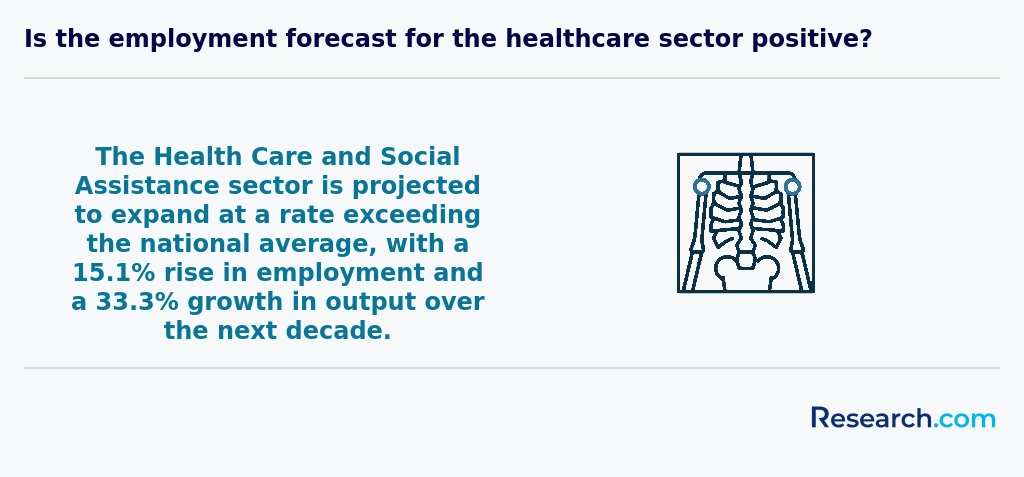
Graduates with an online healthcare degree in Massachusetts find rewarding job opportunities across several dynamic career paths. Many take on healthcare administration and management roles, overseeing hospital operations, budgeting, and staff-a natural fit since Massachusetts employed over 120,000 healthcare managers in 2022. Others advance into nursing leadership or clinical specialist roles, especially after earning degrees from institutions like Northeastern University or UMass Boston, which provide strong clinical partnerships enhancing real-world readiness.
Health informatics is another expanding option, blending IT skills with healthcare knowledge-vital in Massachusetts' tech-driven medical centers. Public health careers focusing on community wellness and epidemiology also appeal to graduates eager to impact statewide health outcomes directly. For those passionate about shaping policy, roles in health advocacy are rewarding, influencing legislation and access to care.
Students pursuing healthcare career opportunities in Massachusetts often appreciate flexible online programs paired with practical internships, boosting confidence and employability. For cost-conscious learners aiming for value, exploring the Most Affordable Online Healthcare Degree Programs Ranking in New Jersey can offer insights into economical options nearby.
What is the job market for online healthcare degree in Massachusetts?
The job market for graduates with online healthcare degrees in Massachusetts is thriving, supported by the state's strong healthcare infrastructure and expanding medical services. Graduates from recognized institutions such as those in Boston and Worcester often report smooth transitions into roles like Registered Nurse (RN), Nurse Practitioner, and Health Services Manager. These positions benefit from the state's healthcare industry's demand and typically offer salaries well above national averages, providing both financial reward and career stability. For example, many local graduates find themselves quickly employed in top hospitals or healthcare networks, enjoying satisfying work environments where their skills directly impact community health.
For those exploring healthcare degree career opportunities Massachusetts offers, specializing in health informatics has proven especially promising due to growing telemedicine and electronic health record needs. Online programs emphasize practical skills and continuing education, with many graduates praising the flexibility that allows them to balance studies with work. Prospective students should consider enhancing their qualifications by enrolling in highly rated 12 month master's programs to accelerate entry into this competitive job market.
Frequently Asked Questions About healthcare
Students pursuing online healthcare degrees in Massachusetts can enhance their learning by actively engaging with course materials and faculty. Massachusetts is home to numerous accredited institutions offering flexible online programs designed for working professionals. According to the Massachusetts Department of Higher Education, successful learners use virtual study groups and participate in online discussions to deepen understanding.
Additionally, leveraging local healthcare partnerships for internships or practicum experiences can provide practical exposure critical to healthcare careers. The state's strong healthcare infrastructure, including renowned hospitals like Massachusetts General, offers valuable resources.
Staying updated on state licensing requirements and continuing education ensures that students meet Massachusetts standards post-graduation.
The healthcare sector in Massachusetts is rapidly evolving, with several emerging niches gaining prominence. One key area is health informatics, which integrates information technology with healthcare to improve patient outcomes and system efficiency. The Massachusetts eHealth Collaborative reports a growing demand for professionals skilled in electronic health records management and data analysis.
Another developing field is telehealth, accelerated by the COVID-19 pandemic. The state's extensive telemedicine infrastructure enables remote patient monitoring, creating new roles for specialized practitioners.
Geriatric care also presents opportunities due to Massachusetts' aging population, requiring healthcare professionals focused on elder care management and chronic disease.
These niches offer promising career paths for students pursuing online healthcare degrees in Massachusetts.
After earning an online healthcare degree in Massachusetts, job market preparation is crucial. First, understanding the state's healthcare landscape helps. Massachusetts has a high concentration of healthcare employers, including renowned hospitals and biotech companies, making networking essential. Joining local professional groups like the Massachusetts Health & Hospital Association can provide valuable connections.
Internships or clinical placements, even post-graduation, enhance practical skills and employability. Massachusetts has one of the lowest healthcare unemployment rates in the US, around 2.8% as of 2023 (BLS data), but competition remains strong.
Certification and licensing matter deeply; verify if your specialty requires Massachusetts-specific credentials.
Consider updating your resume to highlight relevant skills and use state job boards focused on healthcare opportunities.
Employers in Massachusetts increasingly demand healthcare graduates with a strong mix of technical and interpersonal skills. Critical thinking and clinical decision-making top the list, reflecting the growing complexity in patient care documented by the Massachusetts Health Policy Commission. Graduates must also demonstrate proficiency with electronic health records and health informatics, given the state's push towards digital healthcare systems.
Communication skills are vital for collaboration within interdisciplinary teams, essential in Massachusetts's integrated care models. Additionally, cultural competency is highly valued to serve the state's diverse population effectively. According to a 2023 Massachusetts Department of Public Health report, empathy and ethical judgment are key traits employers seek alongside clinical expertise.
Finding internships in Massachusetts relevant to a healthcare degree involves strategic research and networking. Many healthcare organizations and hospitals in Massachusetts, such as Massachusetts General Hospital and Boston Children's Hospital, offer structured internship programs.
Students should explore opportunities through their online program's career services, which often partner with local providers. Additionally, platforms like the Massachusetts Department of Public Health website provide listings of healthcare internships statewide. Networking with alumni and attending local healthcare job fairs can also open doors.
According to the Massachusetts Executive Office of Labor and Workforce Development, healthcare jobs are projected to grow 15% by 2030, increasing internship availability in this field.
Obtaining an online healthcare degree in Massachusetts can significantly enhance career mobility and advancement opportunities. With the state's growing healthcare sector, professionals who hold advanced degrees often find greater access to leadership roles and specialized positions. According to the Massachusetts Executive Office of Labor and Workforce Development, healthcare occupations are expected to grow 15% between 2020 and 2030, higher than the national average.
Online degrees allow working professionals to upskill while maintaining employment, making it easier to meet licensing and certification requirements specific to Massachusetts. Higher education credentials can potentially increase salaries; for example, nurse practitioners in Massachusetts earned a median wage of over $120,000 in 2022 (BLS).
Employers in Massachusetts often prefer candidates with accredited healthcare degrees, whether earned online or on-campus, as they demonstrate discipline and expertise necessary for career progression in this competitive market.
Studying for an online healthcare degree in Massachusetts equips students with skills essential for interdisciplinary collaboration. Massachusetts is home to some of the nation's top healthcare institutions, fostering a learning environment that emphasizes teamwork among various healthcare professionals.
Programs in the state integrate coursework in communication, ethics, health informatics, and policy, preparing graduates to work effectively across fields like nursing, public health, and medical administration. The Massachusetts Department of Public Health highlights the growing need for professionals who can navigate complex healthcare systems collaboratively.
Many online programs also incorporate case studies and virtual simulations, mirroring real-world scenarios that require interdisciplinary problem-solving. This approach aligns with national healthcare trends advocating for integrated care teams to improve patient outcomes and efficiency.
When choosing between a thesis and a non-thesis online healthcare degree program in Massachusetts, consider your career goals. Thesis programs focus on research and preparing students for doctoral studies or roles in healthcare policy and advanced clinical research. Non-thesis paths often emphasize practical skills and can be completed faster, fitting professionals aiming for leadership or administrative roles.
Massachusetts is home to numerous healthcare institutions requiring evidence-based practice skills. According to the Massachusetts Department of Higher Education, nearly 40% of healthcare graduate students pursue research-based programs.
Assess program flexibility, time commitment, and whether you prefer a project or comprehensive exams instead of a thesis.
Students in Massachusetts seeking to study healthcare abroad have several options primarily through partnerships between U.S. institutions and international universities. Many Massachusetts-based online healthcare programs offer study abroad components or global health specializations, allowing students to gain international experience while completing most coursework remotely.
Massachusetts is home to top-ranked healthcare programs that sometimes collaborate with global medical schools in Europe and Asia for exchanges or research projects. According to the Massachusetts Department of Higher Education, such programs can enhance cultural competence and global medical knowledge.
However, students should ensure that any foreign institution is properly accredited and that credits will transfer back to their home program in Massachusetts. Licensing requirements for healthcare professionals trained abroad must also be considered.
Part-time jobs in Massachusetts can greatly enhance learning for students pursuing online healthcare degrees. Many healthcare facilities, including hospitals and clinics in the state, offer roles such as medical assistants, patient care technicians, or administrative support. These positions allow students to gain practical experience while maintaining flexible hours.
Massachusetts consistently ranks among the top states for healthcare employment, with a 2023 report from the Massachusetts Executive Office of Labor and Workforce Development noting a 5% growth in healthcare jobs. This trend creates ample opportunities for part-time work aligned with academic goals.
Other roles include pharmacy aides and health educators, both of which complement coursework and professional skills development.
Online healthcare students in Massachusetts have access to varied networking opportunities despite remote learning. Many universities offer virtual career fairs and webinars connecting students with local healthcare employers such as Massachusetts General Hospital and Boston Children's Hospital. Professional organizations like the Massachusetts Health Council also provide virtual meetups and industry webinars tailored for healthcare professionals in the state.
The state's robust healthcare sector-with over 15% employment growth projected from 2020 to 2030 per the Massachusetts Executive Office of Labor and Workforce Development-creates strong demand for networking. Students can join statewide online discussion groups and alumni networks to build relationships with peers and experts. These connections often support job placement and internships.
Alumni networks offer significant advantages for online healthcare degree students in Massachusetts. These networks connect graduates and current students, fostering professional relationships that can lead to job opportunities within the state's robust healthcare sector. Massachusetts is home to top medical institutions, so networking often results in valuable mentorships and access to exclusive job openings.
Participation in alumni events or online groups enhances students' awareness of local healthcare trends and innovations. Research from the Massachusetts Department of Higher Education highlights that 76% of graduates find employment through such connections. Alumni support also provides career advice and guidance tailored to Massachusetts' healthcare industry, helping students navigate licensure and certifications specific to the state's regulations.
Massachusetts offers a variety of online healthcare degree programs that can be tailored to meet your specific career goals. Many schools allow students to select concentrations such as healthcare administration, public health, or nursing leadership. This flexibility helps align your studies with in-demand roles in the state's robust healthcare system, which employs over 300,000 professionals according to the Massachusetts Executive Office of Labor and Workforce Development.
Programs often provide options to choose electives or complete capstone projects related to your area of interest. Additionally, some institutions partner with local hospitals and health organizations, allowing for practical experiences that complement online coursework.
Advanced certifications can also be integrated into degree paths. For example, earning credentials like Certified Professional in Healthcare Quality (CPHQ) alongside your master's can boost your qualifications within the state's competitive healthcare job market.
Online healthcare students in Massachusetts often face the challenge of balancing demanding coursework with personal and professional responsibilities. Many programs require rigorous study hours while students juggle jobs or family care. Another significant obstacle is securing clinical placements locally, as Massachusetts has strict regulations on healthcare training sites, limiting available options. Technical issues also affect students; stable internet access and familiarity with digital platforms are vital for success.
According to the Massachusetts Department of Higher Education, about 30% of online learners report difficulties coordinating hands-on practice with their online schedules. Additionally, limited peer interaction can impact motivation and networking opportunities.
With an online healthcare degree from Massachusetts institutions, students can pursue several professional certifications that enhance career opportunities. Common certifications include the Certified Healthcare Administrator (CHA), Certified Medical Manager (CMM), and Registered Health Information Administrator (RHIA).
Massachusetts healthcare employers value certifications affiliated with national organizations such as the American Health Information Management Association (AHIMA) and the American Academy of Professional Coders (AAPC). According to the Massachusetts Executive Office of Labor and Workforce Development, healthcare occupations in the state are expected to grow by 15% through 2030, increasing demand for certified professionals.
Many online programs prepare students to sit for these exams by covering crucial topics like healthcare management, policy, and informatics. Achieving certification often leads to higher salaries and career advancement in the competitive Massachusetts healthcare market.
Writing a winning application for an online healthcare program in Massachusetts requires clear focus and preparation. Start by thoroughly researching the specific program's prerequisites, as many Massachusetts schools emphasize clinical experience and a strong science background. Highlight any relevant work in healthcare settings, including internships or volunteering.
Strong letters of recommendation from healthcare professionals or academic mentors can significantly boost your profile.
Personal statements should convey your passion for healthcare and your goals clearly; Massachusetts healthcare employers value candidates who understand the state's leading role in healthcare innovation and patient care quality. Referencing Massachusetts health statistics or trends can show your informed perspective.
Finally, ensure your academics meet typical GPA expectations, often around 3.0 or higher, with competitive GRE scores if required.
The healthcare industry is a rapidly growing field worldwide, offering diverse career opportunities. In the United States, including Massachusetts, healthcare professions are highly valued due to aging populations and increasing chronic illnesses. According to the U.S. Bureau of Labor Statistics, healthcare employment is projected to grow 13% from 2021 to 2031, much faster than the average for all occupations.
Globally, healthcare workers must adapt to evolving technologies and cultural differences in patient care. Massachusetts is renowned for its advanced medical research and teaching hospitals, positioning online healthcare degrees as a stepping stone to careers in both local and international healthcare settings. This global relevance enhances the appeal of these programs for students focused on versatile healthcare roles.
Gaining practical experience is essential when pursuing an online healthcare degree in Massachusetts. Many accredited programs incorporate clinical rotations or practicum requirements, ensuring students apply theory in real-world settings. Students often collaborate with local hospitals, clinics, or community health organizations to fulfill these hours.
Massachusetts is home to leading healthcare institutions, such as Massachusetts General Hospital and Boston Children's Hospital, which may offer placement opportunities. Additionally, students can engage in internships or volunteer work to build skills and professional networks.
The Massachusetts Department of Higher Education emphasizes that hands-on experience improves job readiness, and about 80% of healthcare employers in the state prefer candidates with clinical exposure (Massachusetts Workforce Development Report, 2023).
When choosing a concentration within an online healthcare degree in Massachusetts, start by identifying your career goals. Popular options include healthcare administration, public health, and nursing leadership, each aligned with distinct job markets. Massachusetts had over 7% employment growth in healthcare occupations from 2019 to 2029, according to the U.S. Bureau of Labor Statistics, highlighting strong demand.
Consider the type of healthcare settings you want to work in, such as hospitals, community organizations, or policy roles. Research each program's curriculum to ensure it matches your interests and offers practical skills.
Additionally, verify that the program is accredited, as this affects licensure and employment prospects within Massachusetts. Finally, review state-specific licensing requirements if your focus is clinical, since these vary across healthcare professions.
Related Healthcare Rankings for Nearby States
- 2027 Easiest Online Master's in Healthcare Degree Programs Ranking in New Hampshire
- 2027 Easiest Online Master's in Healthcare Degree Programs Ranking in New York
- 2027 Easiest Online Master's in Healthcare Degree Programs Ranking in Maine
- 2027 Easiest Online Master's in Healthcare Degree Programs Ranking in Pennsylvania
- 2027 Easiest Online Master's in Healthcare Degree Programs Ranking in Maryland
- 2027 Easiest Online Master's in Healthcare Degree Programs Ranking in Virginia
- 2027 Easiest Online Master's in Healthcare Degree Programs Ranking in West Virginia
- 2027 Easiest Online Master's in Healthcare Degree Programs Ranking in Kentucky
- 2027 Easiest Online Master's in Healthcare Degree Programs Ranking in North Carolina
- 2027 Easiest Online Master's in Healthcare Degree Programs Ranking in South Carolina
Top Trending Healthcare Rankings
See What Experts Have To Say About Studying Healthcare
Read our interview with Healthcare experts

References
- Nursing Assistant and Home Health Aide Training Tuition & ... https://www.pathwayvoc.com/healthcare-training-nursing-assistant-and-home-health-aide-training-tuition-and-fees
- How Long Does It Take to Earn a Healthcare Administration ... https://campus.edu/blog/hash-campus/how-long-does-it-take-to-earn-a-healthcare-administration-degree-online
- Enhancing Clinical Education: Evidence-Based Strategies https://esmed.org/enhancing-clinical-education-evidence-based-strategies/
- Online Learning, Degree, and Certificate Programs https://www.massbay.edu/academics/online-learning/programs
- Massachusetts Medical Society: Online CME Courses https://www.massmed.org/Continuing-Education-and-Events/Online-CME/Online-CME-Courses/
- Developing the Health Care Workforce of the Future https://www.uma-foundation.org/flagship-focus-developing-the-health-care-workforce-of-the-future
- Online Degrees in Massachusetts: Affordable Education https://ace.edu/tuition-and-admissions/ace-vs-other-schools/online-degrees-massachusetts/
- Building Student Pathways to Careers in Health https://www.mbae.org/building-student-pathways-to-careers-in-health/
- Online Health Science Degrees with Financial Aid https://www.edumed.org/online-schools/health-science-degrees/financial-aid/
- Health Care Schools in Massachusetts – MA https://www.healthcarepathway.com/states/massachusetts-health-care/


