
2027 Easiest Online Master's in Healthcare Degree Programs Ranking in Michigan

Co-Founder and Chief Data Scientist
Are you a Michigan resident considering advancing your career in healthcare? Choosing the right online master's program can be overwhelming, but we're here to simplify your search.
This article features the 2027 Easiest Online Master's in Healthcare Degree Programs Ranking in Michigan, created by Research.com's team of data scientists. It's designed to guide you toward programs that balance quality and accessibility, making your educational journey smoother.
Reading this will help you confidently find programs suited to your goals and lifestyle, opening doors to rewarding healthcare opportunities.
Key benefits of getting online healthcare degree in Michigan
- Healthcare degree graduates in Michigan can expect strong earning potential, with roles like Healthcare Consultant offering a mean annual wage of $115,530 and Healthcare Compliance Manager earning around $80,190.
- Graduates from Michigan State University's healthcare programs often pursue diverse careers including consulting, compliance, and project management, reflecting varied and rewarding opportunities.
- Completing a healthcare degree online through a school like the University of Michigan-Flint offers flexibility and convenience, helping students balance work and study while gaining respected credentials.
- Key benefits of getting online healthcare degree in Michigan
- What can I expect from online healthcare degree in Michigan?
- Where can I work with online healthcare degree in Michigan?
- How much can I make with online healthcare degree in Michigan?
- 2027 Easiest Online Master's in Healthcare Degree Programs Ranking in Michigan
- Key Findings
- How long does it take to complete online healthcare degree in Michigan?
- Accreditation: Ensuring Quality and Recognition
- What's the difference between online and on-campus healthcare degree?
- Accreditation and Quality Assurance for Online Healthcare Master’s Programs
- What is the average cost of online healthcare degree in Michigan?
- Tips for Success in an Online Healthcare Program
- What financial aid is available to online healthcare degree students in Michigan?
- Career Paths for Online Healthcare Graduates in Michigan
- What are the prerequisites for enrolling in online healthcare degree program in Michigan?
- Expert Tips for Succeeding in Your Online Healthcare Program
- What courses are typically in online healthcare degree programs in Michigan?
- What types of specializations are available in online healthcare degree programs in Michigan?
- How do you choose the best online healthcare degree in Michigan?
- What career paths are available for online healthcare degree students in Michigan?
- What is the job market for online healthcare degree in Michigan?
- Related Healthcare Rankings for Nearby States
- Top Trending Healthcare Rankings
- See What Experts Have To Say About Studying Healthcare
What can I expect from online healthcare degree in Michigan?
Students pursuing online healthcare degrees in Michigan can generally expect tuition costs to align closely with in-state rates at public universities, often ranging between $10,000 and $20,000 for a full program. Graduates from well-regarded institutions like the University of Michigan or Michigan State University often share how this pricing struck a balance between quality education and affordability, especially when combined with scholarships or financial aid tailored for healthcare studies.
Many report that the investment is worthwhile given the flexible learning schedules and local clinical placements these programs provide. One graduate described managing a full-time job while advancing their degree online, highlighting how the reasonable tuition helped ease financial stress. This cost-effectiveness makes these programs attractive for working professionals eager to upskill within Michigan's growing healthcare sector.
Looking ahead, there's potential for tuition to remain competitive as schools emphasize accelerated tracks and part-time options. These formats not only support diverse student needs but could also optimize expenses by shortening time to completion or spreading costs. Michigan's expanding healthcare workforce continues to fuel demand, encouraging institutions to maintain accessible pricing structures for online learners.
Where can I work with online healthcare degree in Michigan?
Graduates with an online healthcare degree in Michigan often find themselves stepping into dynamic roles across hospitals, long-term care facilities, and public health organizations. Many alumni from universities like the University of Michigan and Wayne State University share how their degrees helped them secure positions in major hospital systems such as Henry Ford Health System and Ascension Michigan, where they manage clinical operations or healthcare data analytics.
Others find rewarding careers in assisted living centers or rehabilitation facilities, supporting Michigan's aging population by coordinating patient care and ensuring regulatory compliance. Working in these settings often brings a deep sense of fulfillment and community impact, as graduates feel they are directly improving lives.
Online healthcare graduates also explore careers in government agencies like the Michigan Department of Health and Human Services, contributing to public health initiatives and disease prevention programs. Private companies, including Michigan-based insurers like Blue Cross Blue Shield, increasingly seek professionals skilled in health informatics and administration, opening new doors that align with evolving healthcare technologies and data-driven decision-making.
These career paths reflect the rich, expanding healthcare environment in Michigan, inspiring graduates to engage in meaningful work that grows with advancing industry demands.
How much can I make with online healthcare degree in Michigan?
Graduates from online healthcare programs in Michigan can anticipate competitive salaries that reflect their specialized skills and the state's expanding healthcare sector. For example, healthcare consultants typically earn a mean annual wage of about $115,530, illustrating the lucrative potential of strategic roles following a degree. Graduates from programs at universities like the University of Michigan or Wayne State often share stories of stepping into these high-impact positions with strong confidence in their salary prospects.
Healthcare compliance managers, another important role, command mean annual wages near $80,190. Many online graduates find this career attractive due to the growing need for regulatory adherence in Michigan's healthcare facilities, a trend fueled by digital health record adoption and evolving policies.
These salary figures highlight exciting opportunities for online healthcare students in Michigan to grow professionally and financially. Earning strong wages close to metro areas like Detroit and Ann Arbor enhances lifestyle choices and career satisfaction, encouraging more students to pursue flexible online degrees without relocating.
2027 Easiest Online Master's in Healthcare Degree Programs Ranking in Michigan
How do we rank schools?
Investing in your education is a significant decision that can shape your future, and the Research.com team understands the importance of making informed choices. To assist prospective students in Michigan, we have carefully developed the "2027 Easiest Online Master's in Healthcare Degree Programs Ranking in Michigan." Our commitment to quality, credibility, and accuracy is demonstrated through the extensive research and analysis involved in compiling this ranking.
We utilized the following reputable data sources to ensure a comprehensive evaluation of healthcare degree programs:
By exploring this ranking, readers will gain valuable insights into accessible online healthcare master's programs in Michigan, empowering them to make well-informed educational decisions. For further details on how this ranking was created, please visit our Research.com methodology page.


Key Findings
- Healthcare jobs in Michigan are expected to grow by about 20% from 2020 to 2030, indicating strong employment opportunities.
- Tuition for online healthcare degrees at Michigan public universities ranges from $12,000 to $18,000 per year for in-state students, while private schools may charge over $30,000 annually.
- Entry-level salaries for healthcare graduates with a bachelor's degree in Michigan typically range from $50,000 to $60,000 per year.
- Experienced healthcare workers in the state can earn between $75,000 and $90,000 annually, depending on their role and credentials.
- Many online healthcare programs in Michigan prepare students for state-specific licensing and certification requirements.
- Programs offered include nursing, healthcare management, public health, and health informatics, often accredited by recognized bodies like CCNE or ACBSP.
How long does it take to complete online healthcare degree in Michigan?
Completing an online healthcare degree in Michigan typically spans from about 18 months to four years, depending on the level pursued and the program structure. Graduates from universities like the University of Michigan and Michigan State University often share how accelerated master's programs enabled them to balance work and study, wrapping up their degrees in just under two years. This flexibility energizes students eager to advance swiftly in healthcare careers without sacrificing income or time with family.
For those aiming for bachelor's degrees, traditional timelines hover around four years, though some programs at institutions like Western Michigan University offer accelerated tracks that reduce this duration. Many students find that part-time enrollment extends their timeline but preserves a manageable pace amid busy lives.
Transfer credits and prior healthcare certifications frequently shorten degree completion, allowing learners in Michigan's online programs to capitalize on their past experience. This adaptability reflects a growing trend toward personalized education paths tailored to individual goals, making the journey both efficient and rewarding.
Accreditation: Ensuring Quality and Recognition
Accreditation is a critical marker of program quality, signaling that an online healthcare master’s in Michigan meets rigorous academic and industry standards. Regional accreditation from bodies like the Higher Learning Commission (HLC) ensures federal financial aid eligibility and smooth credit transfers, while specialized accreditation-such as CAHME for healthcare management or CCNE for nursing leadership-validates program-specific excellence. Before applying, verify your chosen school’s status on the U.S. Department of Education’s database and confirm recognition by relevant professional associations. Graduates from accredited programs report higher employer trust, easier licensure pathways, and expanded opportunities for advanced certifications. Additionally, accredited institutions often partner with local healthcare systems for practicum placements, strengthening practical experience. For students seeking related online credentials, it’s also wise to explore guides like our best accredited medical billing and coding schools online to compare accreditation criteria and outcomes. By prioritizing accredited Michigan programs, you safeguard your educational investment, enhance workforce competitiveness, and lay a solid foundation for lifelong professional growth in the dynamic healthcare landscape.
What's the difference between online and on-campus healthcare degree?
Online healthcare degrees in Michigan offer a flexibility that many working professionals and parents find liberating. Imagine a graduate from the University of Michigan navigating their coursework late at night after long hospital shifts, appreciating the self-paced structure that fits their demanding schedule. They save on commuting and housing costs while accessing accredited programs that align with Michigan's healthcare standards.
Conversely, on-campus experiences at institutions like Michigan State University deliver vibrant social engagement and immediate access to labs and clinical resources. Graduates often recall the energizing campus atmosphere and face-to-face mentorship that deepened their practical skills. Clinical placements in Detroit's leading healthcare centers brought real-world challenges that were easier to tackle with direct faculty support.
Looking ahead, hybrid models might blend these strengths-offering remote lectures with local hands-on labs-tailored to Michigan's evolving healthcare landscape. This could allow future students to thrive both academically and personally, integrating the best of online flexibility with immersive, hands-on education.
Accreditation and Quality Assurance for Online Healthcare Master’s Programs
Accreditation is the hallmark of program quality and ensures that an online Healthcare master’s degree meets rigorous academic and industry standards. In Michigan, reputable programs hold regional accreditation from bodies like the Higher Learning Commission (HLC) and programmatic accreditation from the Commission on Accreditation of Healthcare Management Education (CAHME) or the Commission on Accreditation for Health Informatics and Information Management Education (CAHIIM). These endorsements guarantee that your coursework is relevant, faculty are qualified, and credits transfer seamlessly to doctoral programs or licensure pathways. Before you apply, verify accreditation status on the U.S. Department of Education’s Database of Accredited Postsecondary Institutions and Programs (DAPIP). Accredited programs also often reimburse certification exam fees for credentials such as Certified Healthcare Quality Professional (CHQP) or Registered Health Information Administrator (RHIA). While accreditation secures educational value, cost remains a key factor. For a comparative look at affordable, accredited options, explore our Inexpensive Online Master’s in Healthcare Degree Programs Ranking in Colorado to see how Michigan institutions measure up on price and quality. Investing in an accredited degree not only enhances your résumé but also optimizes your return on investment by aligning with employer expectations and licensure requirements.
What is the average cost of online healthcare degree in Michigan?
The average cost of an online healthcare degree in Michigan typically centers around $35,998, making it a financially feasible choice compared to national figures. Graduates from Michigan State University's online Master of Healthcare Administration program often highlight the value of a predictable fixed tuition cost, which eliminates many surprises often experienced with per-credit fees. Such affordability allows students to focus more on learning and less on financial stress, a sentiment echoed by those who have pursued similar degrees at public Michigan universities.
Students choose online healthcare degrees in Michigan not only because of cost-effectiveness but also due to the quality and flexibility these programs offer. Affordable online master's healthcare programs Michigan have made pursuing advanced education more accessible, especially for working professionals balancing career and family commitments. Some graduates share how this accessibility enabled them to enhance their skill sets without relocating or sacrificing income, highlighting the real-world benefits of these programs.
Additional costs like textbooks and technology fees remain relatively modest, often around $1,000 to $2,000 for the entire degree, which students deem manageable within their budget plans. Moreover, many programs encourage students to explore savings through federal aid or employer tuition reimbursement. Prospective students looking to compare and identify affordable options can refer to resources such as the Michigan Virtual University. For a deeper dive into cost-effective pathways, check out the ranking of affordable mba in healthcare management online program.
Tips for Success in an Online Healthcare Program
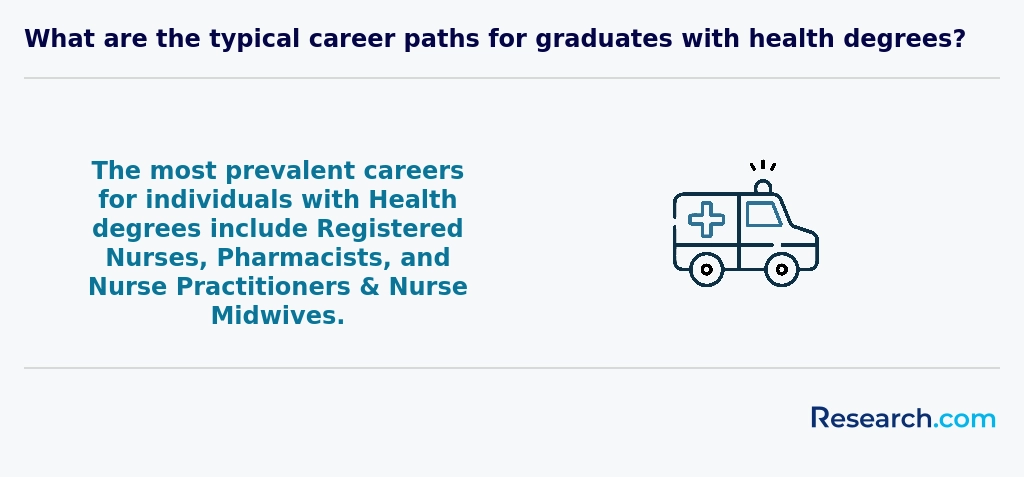
Students aiming for success in Michigan’s online healthcare programs can benefit from actionable strategies and well-planned routines that bridge academic rigor with practical experience. Embrace clear goal-setting by outlining your short-term and long-term career objectives; this keeps you motivated and helps align course selections with your professional ambitions. Regular interaction with faculty and peers is key-take advantage of virtual office hours, online study groups, and learning management system forums to ask questions and share resources. Building a dedicated workspace with minimal distractions and a stable internet connection further enhances learning efficiency. Additionally, consider creating a structured schedule that blends coursework, clinical simulations, and self-study time. Utilize available support services such as tutoring, career counseling, and alumni networks to secure mentorship and real-world insights. Lastly, stay updated with emerging digital tools and certifications in healthcare informatics and telemedicine to continuously expand your skill set and remain competitive in a dynamic job market.
What financial aid is available to online healthcare degree students in Michigan?
Many online healthcare students in Michigan find crucial support through a mix of federal and state financial aid options that help ease tuition costs ranging from $20,000 to $50,000 for advanced degrees. Graduates from universities like the University of Michigan or Michigan State University often recall how completing the FAFSA early unlocked access to Pell Grants and federal loans, reducing anxiety over finances while balancing work and study.
State programs such as the Michigan Competitive Scholarship and Tuition Incentive Program have been game-changers for in-state students, enabling them to focus more on mastering their healthcare skills instead of stressing about bills. Some graduates from private institutions in Michigan mention merit scholarships or assistantships as vital resources that boosted both their finances and confidence.
Looking ahead, growing employer tuition reimbursement programs within Michigan's healthcare sector promise dynamic new ways for working professionals to pursue degrees online, making advanced education feel more achievable. Membership scholarships from groups like the Michigan Nurses Association add another hopeful layer, inspiring many to envision a future where quality healthcare education is accessible without overwhelming debt.
Career Paths for Online Healthcare Graduates in Michigan
Graduates with an online Healthcare degree in Michigan can pursue a wide range of rewarding career paths that capitalize on both their clinical expertise and adaptability in a digitally driven healthcare environment. By blending theoretical knowledge with practical, real-world applications learned during their studies, alumni are well-positioned to enter roles in patient care, administration, and specialized technical fields. Some common career trajectories include: • Clinical Manager – Overseeing patient services in hospitals, clinics, and community health centers while ensuring high-quality care and operational efficiency. • Health Information Manager – Leveraging strong digital literacy to manage electronic health records, enforce data compliance, and drive quality improvement through data analysis. • Healthcare Consultant – Advising organizations on process optimizations, cost-effective strategies, and innovative patient care solutions based on current industry trends. • Public Health Officer – Designing and implementing community health initiatives, disease prevention campaigns, and policy-driven programs that significantly impact local populations. • Telehealth Coordinator – Expanding access to care by integrating modern technology into patient assessments and virtual consultations, particularly relevant as telemedicine continues to grow. These positions not only reflect a dynamic job market in Michigan but also offer competitive salaries, robust professional growth, and continuous opportunities for additional certifications and specialization. Moreover, innovative online programs provide built-in career services and alumni networks that help graduates transition smoothly from virtual classrooms to professional settings. By choosing the right specialization and leveraging internships, networking opportunities, and mentorship programs, online healthcare graduates are empowered to forge successful, transformative careers in Michigan’s evolving healthcare landscape.
What are the prerequisites for enrolling in online healthcare degree program in Michigan?
Enrolling in an online healthcare degree in Michigan commonly requires a completed bachelor's degree from an accredited institution, ideally in health sciences, nursing, or related fields. Graduates from universities like the University of Michigan or Wayne State often share how having a strong academic foundation boosted their confidence as they transitioned into master's programs.
Many programs expect a minimum GPA around 3.0, though some value relevant healthcare experience equally. For instance, professionals with clinical roles at Michigan Medicine found their hands-on experience opened doors despite slightly lower GPAs, showing that real-world skills matter deeply.
While standardized tests such as the GRE are becoming optional, a few programs still request them to gauge readiness. Prerequisite courses in anatomy, physiology, or statistics are common, especially for those shifting fields. Students from colleges like Ferris State often describe the reassurance these courses provided, preparing them well for complex healthcare topics ahead.
Most importantly, healthcare work experience - whether as a nurse, technician, or administrator - enriches applications. Michigan's robust healthcare industry encourages this blend of education and practice, making programs there uniquely responsive to evolving healthcare demands.

Expert Tips for Succeeding in Your Online Healthcare Program
Navigating an online healthcare degree can be as rewarding as it is challenging. To optimize your learning experience and build a strong foundation for your future career, consider these expert tips and strategies: • Time Management and Routine: Develop a consistent study schedule that balances coursework, virtual seminars, and personal commitments. Setting daily or weekly goals helps maintain progress and reduces the overwhelm that often accompanies an online learning environment. • Leveraging Student Support Services: Take full advantage of online tutoring, career counseling, and technical support offered by your institution. Connecting regularly with academic advisors and participating in virtual discussion forums not only deepens your understanding of core concepts but also fosters a sense of community, which is vital for remote learners. • Engaging in Practical Applications: Supplement your theoretical studies with hands-on experiences. Seek out opportunities such as remote internships, virtual labs, or part-time roles in healthcare settings. These experiences are instrumental in bridging academic concepts with real-world practices and can significantly boost your confidence before entering the workforce. • Financial Planning and Resourcefulness: Create a realistic budget that accounts for tuition, study materials, and additional tech tools. For those exploring advanced management or complementary healthcare studies, our ranking of affordable mba in healthcare management online program offers insights that can help you make informed financial decisions while broadening your educational scope. • Continuous Learning and Adaptability: The healthcare sector is ever-evolving, so staying current with industry trends and innovations is crucial. Subscribe to relevant journals, participate in webinars, and join professional online communities to enhance your adaptability and forge a successful career path. Implementing these tips can transform your online education journey into one that is both enriching and strategically aligned with your long-term professional objectives.
What courses are typically in online healthcare degree programs in Michigan?
Typical online healthcare degree programs in Michigan immerse students in courses like Healthcare Systems and Delivery, offering an understanding of how services operate across the state's diverse urban and rural areas. Graduates from the University of Michigan often describe how this knowledge helped them navigate real-world challenges at local clinics and hospitals.
Health Policy and Ethics classes bring Michigan's evolving healthcare laws to life, making students feel empowered to engage in meaningful change. Healthcare Informatics stands out as well, teaching data management skills that graduates found immediately useful when working with electronic health records in state-funded health organizations.
Courses in Public Health Principles connect students to ongoing Michigan initiatives, encouraging practical applications in disease prevention and health promotion. Meanwhile, Healthcare Finance and Management prepares students for leadership roles, as graduates from Michigan State University recall confidently managing budgets and projects shortly after completing their studies.
Research Methods in Healthcare equips students to analyze data and support evidence-based decisions, crucial in Michigan's fast-changing healthcare scene. These courses combined create a dynamic learning environment that reflects the state's healthcare future.
What types of specializations are available in online healthcare degree programs in Michigan?
Online healthcare degree specializations Michigan students pursue often include nursing, healthcare administration, and public health, reflecting the state's growing sector needs. Graduates from notable schools in Michigan frequently share how advanced nursing tracks like nurse practitioner or nurse educator align perfectly with local workforce demands, ensuring they graduate feeling confident and ready for the nearly 20% projected job growth in nursing by 2030.
Healthcare administration graduates recall mastering leadership and healthcare law through online programs offered by respected Michigan universities. These skills translate directly to managing facilities in Michigan's booming $55 billion healthcare industry, opening doors to rewarding leadership roles in hospitals and community health systems.
Public health remains a dynamic online specialization, with students engaging in epidemiology and disease prevention, essential for addressing statewide health challenges. Many find that emerging fields like health informatics and occupational therapy offer exciting new pathways, combining technology and patient care in ways that resonate with their passion for innovation and community impact. Opportunities also expand through specialized programs, some of which bridge into niche areas like physical therapy or nutrition.
Prospective students interested in expanding their options may explore the best accredited medical billing and coding schools online, adding valuable certifications that complement their healthcare master's degree options in Michigan.
How do you choose the best online healthcare degree in Michigan?
Choosing the best online healthcare degree in Michigan means looking beyond just the program name. Future students often find it rewarding to explore schools like the University of Michigan or Wayne State University, where graduates share how real-world clinical opportunities within Michigan's hospitals enriched their experience while balancing online study. Considering flexible scheduling and strong support services can make the difference when managing work and family commitments; many students mention feeling confident and connected thanks to accessible academic advising and technology support.
Affordability plays a big role, especially for those comparing tuition rates across institutions. Those seeking affordable online master's in healthcare Michigan programs appreciate options offering in-state tuition and payment plans, helping reduce financial stress. One graduate reflected on how selecting a CEPH-accredited public health program aligned perfectly with their career goals in state agencies, enhancing job prospects through Michigan's vast healthcare network.
With an eye on emerging trends like telehealth and data analytics, reviewing curricula for relevant and up-to-date content is crucial. Graduates from Michigan colleges emphasize the value of faculty actively engaged in cutting-edge healthcare research. For those interested, check out the Inexpensive Online Master's in Healthcare Degree Programs Ranking in Colorado for comparable tuition options in the region, offering a broader outlook on cost-effective pathways.
What career paths are available for online healthcare degree students in Michigan?
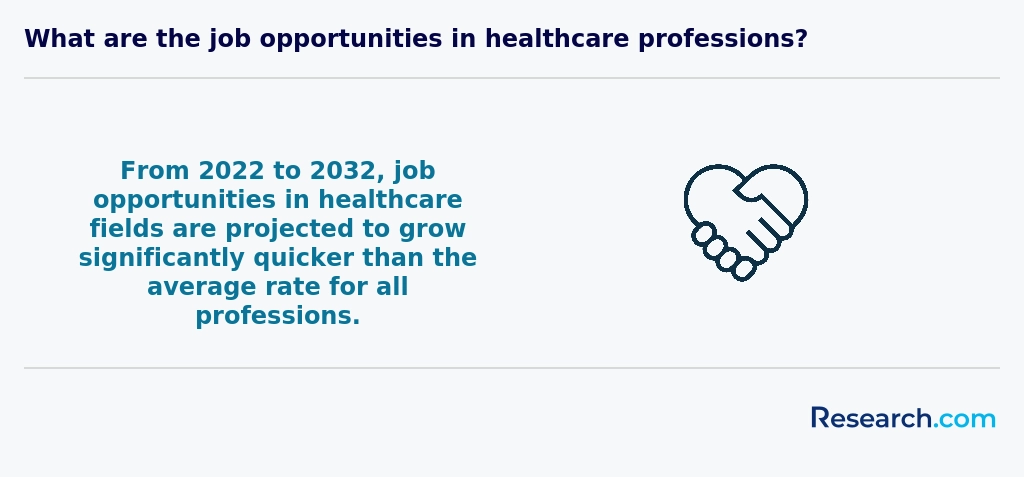
Graduates with an online healthcare degree in Michigan find diverse career paths fueled by the state's expanding healthcare sector. Many embark on roles as registered nurses or healthcare administrators, particularly after completing programs at institutions like Wayne State University or Michigan State University, where graduates share how flexible online studies allowed them to balance work and family while preparing for strong job prospects.
Others pursue emerging fields such as health information management, benefiting from Michigan's growing emphasis on telehealth and digital health records. These new roles offer opportunities to help modernize healthcare delivery, especially in rural areas. Public health careers also appeal to graduates eager to impact community wellness, reflecting the state's response to ongoing public health challenges.
Students interested in quicker entry routes often explore fast associate degree programs online, which help them jump into occupations with promising outlooks. This practical flexibility highlights how online healthcare degree careers Michigan can open doors to rewarding positions aligned with evolving industry demands, leaving graduates optimistic about their futures.
What is the job market for online healthcare degree in Michigan?
The job market for online healthcare degree holders in Michigan is poised for strong expansion, driven by the region's aging population and growing telehealth sector. Graduates from institutions like the University of Michigan and Wayne State University often share how enrolling in online programs helped them balance work and family while gaining skills highly sought after by employers across Detroit, Grand Rapids, and Ann Arbor. This demand is especially clear in roles such as registered nurses and healthcare administrators, where job growth is projected to continue steadily.
Many students pursuing online healthcare degrees appreciate how the programs emphasize practical experience alongside theory, preparing them for evolving technology-centered healthcare environments. With Michigan's diverse healthcare settings-from hospitals to outpatient centers-graduates find themselves well positioned to meet workforce needs. Those looking for more affordable options can consider exploring the cheapest phd programs in usa, which offer financial aid opportunities to make education more accessible.
Overall, the Michigan healthcare degree employment outlook is positive for proactive students ready to enter a dynamic and rewarding field.
Frequently Asked Questions About healthcare
Online healthcare degree students in Michigan can maximize their learning by actively engaging with their course materials and instructors. Regular participation in discussion boards and virtual study groups helps deepen understanding and fosters a professional network.
Utilizing Michigan-based healthcare resources, such as partnerships with local hospitals and clinics, can provide valuable practical insights even during online studies. According to the Michigan Department of Health and Human Services, the state faces a growing demand for healthcare professionals, making hands-on experience essential.
Time management is crucial; creating a consistent study schedule improves retention and balances work-life commitments. Additionally, students should explore Michigan's healthcare industry trends through resources like the Michigan Health Council to stay informed on current challenges and opportunities.
Emerging niches within the healthcare field reflect ongoing technological and demographic shifts, creating new career opportunities. In Michigan, telehealth has grown significantly, driven by rural healthcare needs and expanded insurance reimbursement policies. According to the Michigan Department of Health and Human Services, telemedicine usage increased by over 60% from 2020 to 2023.
Another expanding area is healthcare data analytics, which supports improved patient outcomes and operational efficiency. Institutions like the University of Michigan emphasize this in their online healthcare programs.
Additionally, gerontology and chronic disease management are growing fields, responding to Michigan's aging population, which is projected to increase by 20% over the next decade. These niches offer promising prospects for online healthcare degree students.
After completing an online healthcare degree in Michigan, preparing for the job market involves several key steps. First, obtaining the appropriate Michigan state licensure or certification relevant to your profession is essential. Many healthcare jobs require credentials aligned with state regulations, such as those overseen by the Michigan Board of Nursing or the Michigan Department of Health and Human Services.
Networking within local healthcare systems can also increase job prospects. Michigan's healthcare sector employs over 500,000 workers, making connections through internships or professional associations like the Michigan Health Council valuable. Additionally, developing practical skills through clinical rotations or volunteer experiences enhances employability.
Staying informed about in-demand roles in Michigan, such as registered nurses and healthcare administrators, can guide job searches. The Michigan Department of Labor forecasts healthcare occupations will grow 9% from 2021 to 2031, reflecting a steady demand.
Employers in Michigan's healthcare sector prioritize a blend of technical and interpersonal skills in graduates with healthcare degrees. Critical thinking and clinical competence are essential, given Michigan's diverse patient population and complex healthcare needs, as noted by the Michigan Department of Health and Human Services (MDHHS).
Strong communication skills rank highly, enabling professionals to effectively collaborate with patients and multidisciplinary teams. Additionally, adaptability and proficiency with healthcare technologies, such as electronic health records (EHR), are increasingly important in the state's advancing medical landscape.
Leadership and ethical decision-making also stand out, especially for roles requiring management abilities. According to a 2023 survey by the Michigan Healthcare Human Resources Network, 78% of employers seek graduates able to balance technical expertise with compassionate care.
Finding internships in Michigan relevant to a healthcare degree involves a strategic approach combining university resources and local healthcare networks. Start by contacting your online program's career services, as many Michigan schools partner with hospitals and clinics statewide.
The Michigan Department of Health and Human Services offers listings and programs that encourage internships, especially in public health. Additionally, the state has over 150 hospitals and specialized healthcare centers, including the University of Michigan Health System, which frequently provide internship opportunities for students.
Join professional healthcare organizations in Michigan, such as the Michigan Health & Hospital Association, for networking and internship postings. Many internships require background checks and immunizations, so prepare documentation early to meet these criteria.
Obtaining an online healthcare degree in Michigan can significantly enhance career mobility and advancement. The state's healthcare sector employs over 600,000 workers, making it one of the largest employers, according to the Michigan Department of Labor and Economic Opportunity (LEO).
Online degrees offer flexibility, allowing working professionals to gain advanced skills without leaving their current roles. This often leads to promotions and access to specialized positions, such as healthcare administration or nursing management.
Moreover, Michigan hospitals and health systems increasingly value accredited online education, particularly programs aligned with regional certifications. Graduates report improved earning potential and leadership opportunities.
Studying for an online healthcare degree in Michigan equips students with skills essential for interdisciplinary roles in the state's evolving health sector. Michigan colleges emphasize collaborative coursework involving nursing, public health, administration, and social services. This approach aligns with statewide healthcare needs, as reported by the Michigan Department of Health and Human Services, which highlights integrated care models to address chronic conditions affecting over 3 million residents.
Programs encourage teamwork through case studies and virtual simulations, reflecting real-world settings where professionals from various fields coordinate. The state's growing focus on telehealth and community-based care further prepares graduates to work seamlessly across disciplines.
When choosing between a thesis and a non-thesis healthcare degree program in Michigan, consider your career goals carefully. Thesis programs focus on research and require a formal project, which is ideal if you plan to pursue a doctorate or work in academic or clinical research. Non-thesis options emphasize coursework and practical skills, better suited for those aiming for administrative or clinical roles.
Michigan's healthcare sector employs over 300,000 workers, highlighting a diverse job market where both research and applied knowledge are valuable (Michigan Department of Labor, 2023). Funding and time commitment also differ; thesis programs often take longer and may require balancing research with coursework.
Reflect on your learning style and professional aspirations to select the path that aligns best with your needs.
Students in Michigan who want to study healthcare abroad while pursuing an online degree have several options. Many U.S. universities partner with international institutions, allowing students to complete portions of their coursework or clinical experiences overseas. This hybrid approach suits those aiming to gain global healthcare perspectives without leaving the U.S. entirely.
Michigan has strong ties with healthcare programs worldwide due to its robust healthcare industry, which employs nearly 330,000 residents as of 2023 (Michigan Department of Labor). Some programs include virtual exchanges or international internships to enhance cultural competence, a valuable skill in today's healthcare environment.
Before enrolling, students should verify that foreign coursework meets accreditation standards recognized by U.S. bodies such as the Commission on Collegiate Nursing Education (CCNE) or the Accreditation Council for Pharmacy Education (ACPE).
In Michigan, several part-time job opportunities can effectively complement healthcare degree education, providing practical experience and financial support. Positions such as medical assistants, certified nursing assistants (CNAs), and patient care technicians are commonly available and align well with healthcare studies. According to the Michigan Department of Labor and Economic Opportunity, healthcare support jobs are projected to grow by 15% from 2020 to 2030, reflecting strong demand in the state.
Working in pharmacies or outpatient clinics also allows students to apply their academic knowledge while gaining patient interaction skills. These roles often offer flexible hours, ideal for balancing coursework and employment.
Additionally, health information technicians provide part-time opportunities for students interested in medical records and data management, an area growing rapidly with digital healthcare trends.
Online healthcare students in Michigan benefit from various networking opportunities designed to connect them with professionals and peers. Many universities offer virtual career fairs and webinars featuring local healthcare leaders and employers. These events help students build relationships and learn about internships or job openings.
Professional organizations such as the Michigan Health & Hospital Association provide student memberships, granting access to conferences, workshops, and online forums. Engaging with these groups allows students to stay informed about industry trends and expand their network statewide.
Additionally, Michigan's strong healthcare sector, including over 500 hospitals and numerous clinics, supports robust alumni networks that welcome online learners seeking mentorship and career advice.
Alumni networks offer significant advantages for students pursuing online healthcare degrees in Michigan. These networks connect current students with graduates who have experience in Michigan's healthcare industry, fostering valuable professional relationships. According to the Michigan Health & Hospital Association, healthcare employment in the state is projected to grow by 13% through 2028, making networking crucial for job placement.
Through alumni events, online forums, and mentorship programs, students gain insights into local healthcare trends and career opportunities. Such connections often lead to internships, job referrals, and guidance on navigating Michigan's healthcare certifications. Additionally, alumni support can provide emotional encouragement and practical advice during studies.
Michigan offers many options to customize online healthcare degree programs, allowing students to align their studies with specific career goals. Many universities provide concentrations such as healthcare administration, nursing leadership, or public health to tailor skills.
Students can often select electives or specialize in areas like healthcare informatics, policy, or patient care management. This flexibility helps meet local workforce demands, as Michigan is home to over 400 healthcare facilities employing more than 300,000 workers (Michigan Department of Labor, 2023).
Additionally, some programs offer internships or practicum experiences with Michigan health systems, providing practical experience that enhances job readiness in the state's diverse healthcare market.
Online healthcare students in Michigan often face several challenges unique to their mode of study. Access to quality clinical placements is a primary concern, as hands-on experience is essential for healthcare programs but can be limited depending on location. Michigan's healthcare system, while robust, has uneven distribution of clinical sites, particularly in rural areas, complicating internship opportunities.
Time management is another common obstacle. Many students juggle work, family, and studies, making it difficult to meet demanding schedules. According to the Michigan Department of Health and Human Services, nearly 30% of healthcare students work part-time or full-time alongside their education.
Finally, technical difficulties and limited in-person support can affect engagement and learning outcomes, with some students reporting challenges adapting to online platforms and remote instruction.
With an online healthcare degree in Michigan, graduates can pursue several professional certifications to enhance their careers. Popular certifications include Certified Professional in Healthcare Quality (CPHQ) and Registered Health Information Administrator (RHIA). These certifications validate expertise in managing healthcare operations and health information systems.
Michigan's growing healthcare sector, which employs over 300,000 professionals, supports demand for roles in administration, informatics, and quality management (Bureau of Labor Statistics, 2023). Certifications like Certified Case Manager (CCM) and Certified Healthcare Financial Professional (CHFP) are also valuable for advancing in specialized fields.
Many of these certifications require relevant experience alongside your degree. They improve job prospects and salary potential in Michigan's competitive healthcare job market.
Writing a winning application for an online healthcare program in Michigan requires clear focus and thorough preparation. Start by highlighting your relevant work experience and academic achievements. Michigan's healthcare industry employs over 680,000 professionals, making practical experience a strong asset (Michigan Department of Labor, 2023).
Be sure to tailor your personal statement to emphasize your commitment to healthcare improvement in Michigan. Mentioning local healthcare challenges, such as access disparities in rural areas, shows your awareness of regional needs.
Include strong letters of recommendation from supervisors or professors familiar with your healthcare skills. Finally, maintain accuracy in transcripts and test scores, as Michigan schools prioritize academic rigor for online programs.
The global perspective on a healthcare career highlights the increasing demand for skilled professionals due to aging populations and chronic diseases worldwide. In the US, and specifically Michigan, healthcare occupations are projected to grow 14% from 2021 to 2031, much faster than average, according to the Bureau of Labor Statistics.
Internationally, healthcare systems vary, but a common focus is on improving access and quality of care. Online degrees in healthcare allow Michigan students to gain skills that meet global standards while benefiting from local industry connections.
Michigan's healthcare sector employed over 400,000 people in 2022, emphasizing a strong regional market aligned with national trends. Institutions often integrate global health topics into curricula, preparing graduates to address diverse healthcare challenges.
Students pursuing an online healthcare degree in Michigan can gain practical experience through clinical placements, internships, and practicum courses required by many programs. These hands-on opportunities are often arranged by the university with local healthcare facilities across Michigan.
Michigan has a strong healthcare sector, with institutions like the Henry Ford Health System and Spectrum Health offering diverse clinical settings. Students are usually responsible for securing approval for placements, ensuring they meet program and state requirements.
Additionally, some programs incorporate simulation labs or virtual practicums, providing practical skills training remotely. The Michigan Department of Health and Human Services supports partnerships that facilitate such experiential learning for students across the state.
When choosing a concentration within an online healthcare degree program in Michigan, start by assessing your career goals and interests. Michigan's healthcare sector is diverse, with strong demand in nursing, healthcare administration, and health informatics, reflecting statewide employment trends from the Michigan Department of Labor and Economic Opportunity. Research concentrations aligned with high-growth areas in the state to maximize job prospects.
Consider program curriculum closely, ensuring it covers skills required by Michigan healthcare employers. Accreditation and faculty expertise are also crucial; accredited programs maintain quality standards recognized by industry professionals.
Finally, look into clinical or practicum opportunities offered virtually or locally, as hands-on experience is vital for licensure and employment in Michigan's healthcare field.
Related Healthcare Rankings for Nearby States
- 2027 Easiest Online Master's in Healthcare Degree Programs Ranking in Indiana
- 2027 Easiest Online Master's in Healthcare Degree Programs Ranking in Wisconsin
- 2027 Easiest Online Master's in Healthcare Degree Programs Ranking in Illinois
- 2027 Easiest Online Master's in Healthcare Degree Programs Ranking in Minnesota
- 2027 Easiest Online Master's in Healthcare Degree Programs Ranking in Pennsylvania
- 2027 Easiest Online Master's in Healthcare Degree Programs Ranking in Kentucky
- 2027 Easiest Online Master's in Healthcare Degree Programs Ranking in West Virginia
- 2027 Easiest Online Master's in Healthcare Degree Programs Ranking in Iowa
- 2027 Easiest Online Master's in Healthcare Degree Programs Ranking in Missouri
- 2027 Easiest Online Master's in Healthcare Degree Programs Ranking in New York
Top Trending Healthcare Rankings
See What Experts Have To Say About Studying Healthcare
Read our interview with Healthcare experts

References
- Online Medical Billing & Coding Schools in Michigan https://www.edumed.org/online-schools/medical-billing-coding/michigan-mi/
- Skilltrade https://michiganvirtual.org/skilltrade
- Best Online Colleges in Michigan https://www.onlineu.com/best-online-colleges/michigan
- Best Online Colleges In Michigan https://www.affordablecollegesonline.org/online-colleges/michigan/
- Health Sciences https://www.lakemichigancollege.edu/academics/health-sciences
- Online Programs https://semcamiworks.org/youth/young-professionals/online-programs/
- Scholarships and Training https://mihospitalcareers.com/talent-resources/
- Financial Assistance | Healthcare Training in Michigan https://toptierhctc.com/financial-assistance
- How service-learning experiences can help undergraduate ... https://www.ijsed.com/article/123671-how-service-learning-experiences-can-help-undergraduate-students-choose-a-health-related-profession-a-perspective
- Medical Assistant (MA) | Mid Michigan College - Harrison, MI https://midmich.edu/degrees-programs/programs/ma/


