
2027 Easiest Online Master's in Healthcare Degree Programs Ranking in the West

Co-Founder and Chief Data Scientist
Choosing the right online master's degree in healthcare can feel overwhelming, especially with so many options available in the West. This article introduces the 2027 Easiest Online Master's in Healthcare Degree Programs Ranking in the West, created by the Research.com team of data scientists to support students in making well-informed decisions.
Whether you're looking to advance your career or enter the healthcare field with confidence, this ranking highlights programs that combine accessibility with quality education. Discover pathways that fit your lifestyle and goals, and take a positive step toward a fulfilling and impactful future.
Key benefits of getting online healthcare degree in the West
- Salary benefits: Graduates with an online healthcare degree can expect rewarding salaries, such as healthcare consultants earning an average annual wage of $115,530 and healthcare compliance managers making about $80,190. These competitive salaries reflect strong demand and valuable skills in the healthcare sector.
- Career paths: Graduates from popular Western universities often pursue diverse roles in healthcare administration, consulting, or compliance management, offering opportunities to impact patient care and organizational efficiency. This variety ensures you can find a path that fits your interests and strengths.
- Online degree advantages: Earning a healthcare degree online allows for flexible scheduling, making it easier to balance studies with personal and professional life, as seen with graduates from respected Western online programs. This flexibility can speed up career advancement while gaining practical knowledge.
- Key benefits of getting online healthcare degree in the West
- What can I expect from online healthcare degree in the West?
- Where can I work with online healthcare degree in the West?
- How much can I make with online healthcare degree in the West?
- 2027 Easiest Online Master's in Healthcare Degree Programs Ranking in the West
- Key Findings
- How long does it take to complete online healthcare degree in the West?
- Curriculum Overview: Core Courses and Electives
- What's the difference between online and on-campus healthcare degree?
- Boosting Your Credentials with Targeted Certifications
- What is the average cost of online healthcare degree in the West?
- Career Paths and Advancement Opportunities
- What financial aid is available to online healthcare degree students in the West?
- Career Paths and Advancement Opportunities
- What are the prerequisites for enrolling in online healthcare degree program in the West?
- Accreditation and Licensure
- What courses are typically in online healthcare degree programs in the West?
- What types of specializations are available in online healthcare degree programs in the West?
- How do you choose the best online healthcare degree in the West?
- What career paths are available for online healthcare degree students in the West?
- What is the job market for online healthcare degree in the West?
- Top Trending Healthcare Rankings
- See What Experts Have To Say About Studying Healthcare
What can I expect from online healthcare degree in the West?
The average cost of an online healthcare degree in the Western United States often surprises many prospective students. While tuition can range widely, programs at public universities like those in California's State University system typically fall between $8,000 and $15,000 per year for in-state students. Graduates from these programs frequently mention the relief of balancing affordable tuition with the flexible, asynchronous classes that fit their demanding work schedules.
Community colleges also offer accessible pathways, with some students spending under $5,000 annually for foundational healthcare courses before transferring to four-year institutions. These affordable options challenge the assumption that quality healthcare education is prohibitively expensive.
Private institutions in the West may charge higher tuition-sometimes upwards of $20,000 per year-but they often provide personalized support and strong clinical placement networks. Graduates from such programs often recall the value of hands-on experience obtained through local healthcare partnerships, which turned abstract theories into practical skills.
Ultimately, the cost must be weighed against access to accredited programs emphasizing current healthcare trends like telemedicine, ensuring graduates remain competitive in a rapidly evolving field.
Where can I work with online healthcare degree in the West?
Graduates from online healthcare programs at institutions like the University of Washington or California State University often step into roles that challenge traditional job expectations. Many find themselves in bustling hospital environments across Seattle or San Francisco, where their patient care skills meet real-world urgency and compassion daily. The excitement of contributing directly to community health is palpable as these professionals balance cutting-edge medical technology with heartfelt service.
Others discover unexpected paths in outpatient clinics or specialized facilities in places like Denver or Portland. Here, their expertise in health informatics and patient coordination turns into a vital force behind efficiently managing growing populations and emerging healthcare needs. The adaptability learned through online studies proves invaluable when navigating these dynamic settings.
It's common to hear from graduates at Western regional colleges how telehealth roles open doors to reshaping healthcare access in vast rural areas of states like Oregon and Montana. Empowering patients through remote consultations offers both emotional fulfillment and professional growth, disrupting the notion that impactful healthcare only happens face-to-face.
Public health positions at state agencies often become surprisingly rewarding options, as alumni engage in managing infectious disease control and health policy development. Their efforts echo beyond statistics, touching lives in meaningful, community-centered ways across the Western United States.
How much can I make with online healthcare degree in the West?
Graduates from online healthcare programs in the Western U.S. often find their earning potential surpasses expectations, especially when compared to national averages. For instance, healthcare consultants-a common career path for degree holders-earn a mean annual wage of about $115,530, reflecting the high demand for strategic expertise in health systems across states like California and Washington.
Many graduates from universities renowned in the West for their healthcare curricula, such as the University of Washington or California State Universities, share how their degrees have unlocked these robust salaries. Working as healthcare compliance managers, they report earning around $80,190 annually, balancing regulatory responsibilities with their passion to improve patient care quality.
The strong salaries are fueled by the West's innovative healthcare landscape and growing need for skilled professionals. These roles aren't just about numbers; they translate to tangible impacts in communities. A graduate working remotely in a vibrant city like Seattle or San Diego may feel empowered knowing their expertise contributes to better health outcomes while earning a competitive income.
2027 Easiest Online Master's in Healthcare Degree Programs Ranking in the West
How do we rank schools?
Investing in your education is a significant decision that can shape your career, and the Research.com team is deeply aware of the importance of making informed choices. To assist prospective students in the West, we have carefully developed the "2027 Easiest Online Master's in Healthcare Degree Programs Ranking." Our dedication to quality, credibility, and accuracy is evident in the extensive research and analysis that underpin this ranking. We relied on the following reputable data sources to provide a thorough evaluation of healthcare programs:
By consulting this ranking, readers can gain valuable insights into accessible online healthcare master's degree options, empowering them to make confident and well-informed educational decisions. For a comprehensive overview of how this ranking was created, please visit our Research.com methodology page.


# 14 position
Aspen University
Master of Nursing

# 15 position
Colorado Christian University
MBA - Healthcare Administration


# 20 position
Arizona State University Campus Immersion
Master of Clinical Research Management - Regulatory Science

Key Findings
- Tuition for online healthcare degrees in the Western U.S. ranges from $10,000 to $40,000 depending on the institution and degree level.
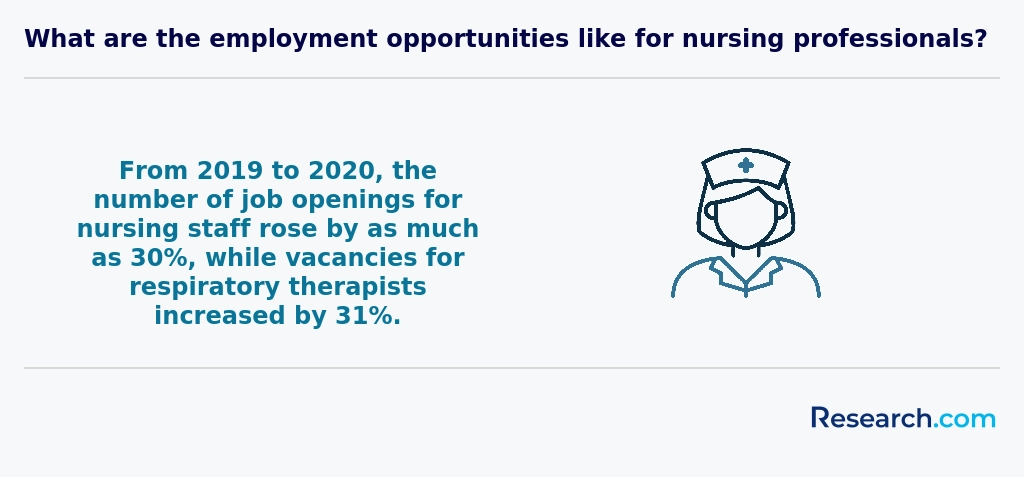
- Healthcare jobs in states like California, Oregon, and Washington are projected to grow by about 15% from 2020 to 2030.
- Starting salaries for graduates typically range from $55,000 to $70,000 annually, with specialized clinical roles often starting higher.
- Many programs require practical in-person clinical hours or internships for licensure and certification.
- Specializations available include health informatics, healthcare administration, public health, and nursing.
How long does it take to complete online healthcare degree in the West?
Many assume an online healthcare degree in the West rigidly demands four years or more, but the reality is far more dynamic. At well-known institutions like the University of Washington or Arizona State University, graduates often recount tailoring their journey-some finished an associate degree in about two years full-time, while others, juggling work and family, spread their studies part-time, extending completion but maintaining balance.
Accelerated bachelor's degrees can compress what's traditionally four years into as few as three, empowering students eager to enter the workforce faster. Master's degree completers share stories of navigating 18 to 24 months of intensive study, balancing clinical requirements and internships that bring both challenge and rewarding hands-on experience.
This flexible pacing sparks optimism; students feel empowered rather than boxed in. The human element shines-someone renewing their healthcare career through night classes at Western public colleges, or a parent at home cherishing every moment of progress. The timelines aren't just numbers-they're journeys shaped by individual lives, ambitions, and determination.
Curriculum Overview: Core Courses and Electives
When you enroll in an Online Healthcare master’s program in the West, you can expect a structured curriculum that balances theory, practical skills, and industry trends. Typical courses often include: • Healthcare Policy and Ethics: Examine current legislation, regulatory frameworks, and ethical considerations that shape patient care and organizational compliance. • Epidemiology and Population Health: Learn to analyze disease patterns, develop intervention strategies, and apply statistical methods to public health challenges. • Healthcare Informatics and Data Analytics: Gain proficiency in electronic health records, data visualization, and decision-support tools that drive evidence-based practice. • Financial Management in Healthcare: Master budgeting, reimbursement mechanisms, and cost‐benefit analysis to optimize resource allocation in diverse settings. • Quality Improvement and Patient Safety: Implement methodologies such as Lean and Six Sigma to reduce errors, improve outcomes, and foster a culture of continuous improvement. • Leadership and Organizational Behavior: Develop skills in team dynamics, change management, and strategic planning essential for executive roles. Elective options vary by institution but frequently include: • Telehealth Operations and Technology Integration • Global Health Management • Advanced Health Informatics Security • Medical Billing and Coding Fundamentals For students interested in administrative competencies like billing and coding, exploring specialized tracks can be invaluable. Complement your master’s coursework by reviewing our Best Accredited Medical Billing and Coding Schools Online to strengthen your credentials in healthcare revenue cycle management. Each course integrates interactive virtual labs, case studies, and group projects that mirror real-world healthcare scenarios. This curriculum design ensures you graduate ready to navigate complex systems, lead multidisciplinary teams, and implement innovative solutions across urban and rural Western healthcare environments.
What's the difference between online and on-campus healthcare degree?
Choosing between online and on-campus healthcare degrees in the Western US often hinges on a student's lifestyle and learning preferences. Graduates from public universities like the University of Washington recall how online programs allowed them to balance full-time jobs while completing coursework late at night, savoring the freedom that remote learning unlocked. Yet, others from institutions such as UCLA speak fondly of the energy found in on-campus labs and face-to-face interactions that sharpened their clinical skills more directly.
The distinction is real: online learning delivers content through digital platforms with flexibility, ideal for those in rural Montana or working parents in California. But many online students must travel periodically to local clinics for hands-on practice, blending convenience with essential in-person rigor. On-campus students at Western universities experience structured schedules and rich networking opportunities, feeding their motivation through community support.
Cost differences add complexity. Some online programs lower tuition but add tech fees, while on-campus attendees pay for amenities that deepen immersion. Reflecting on these experiences reveals an essential truth-success in healthcare education in the West depends less on format and more on choosing the right fit for one's commitments and ambitions.
Boosting Your Credentials with Targeted Certifications
Many prospective online healthcare students are increasingly finding value in supplementing their master’s degree journey with focused certifications. These shorter programs not only reinforce essential clinical and administrative skills but also offer a competitive edge in a constantly evolving industry. Incorporating practical credentials can significantly enhance your resume and provide immediate benefits, such as updated technical know-how and specialized expertise that employers look for. For those looking to establish a strong foundation early on, consider exploring entry-level healthcare certifications that pave the way for long-term career advancement. This integrated approach ensures you remain versatile in the learning process, easily balancing core academic requirements with agile, job-oriented training designed to meet the rapid shifts in the healthcare market. Embracing both comprehensive degree programs and targeted certifications reinforces a well-rounded skill set, equipping you to excel in increasingly competitive and dynamic professional roles.
What is the average cost of online healthcare degree in the West?
The average cost of an online healthcare degree in the West generally centers around $31,905, a figure that challenges many students' initial expectations but speaks to the value offered by regional institutions. For students balancing family and work, this investment often feels tangible and justified, especially at schools like the University of Southern California or California State University, where graduates frequently highlight how their programs' flexibility and quality outweigh the financial commitment.
Many learners drawn to affordable online master's healthcare programs Western region find themselves weighing in-state versus out-of-state tuition differences, with median in-state total costs near $21,000 versus roughly $30,815 for out-of-state students. This variance forces a deeper reflection on residency status and program accessibility, often influencing where they apply and how they budget for the journey ahead.
Costs extend beyond tuition, including technology fees and required materials, yet many students appreciate how financial aid and employer tuition reimbursement programs soften the burden. These supports enable more people to access education without compromising their personal or professional lives.
For those seeking entry into healthcare swiftly, along with degrees, exploring entry-level healthcare certifications has become a practical alternative, reducing upfront expenses while still opening career doors in the robust Western healthcare market.
Career Paths and Advancement Opportunities
Choosing an online Healthcare degree in the West opens a diverse spectrum of career pathways that extend well beyond traditional clinical roles. Graduates can enter positions ranging from healthcare administration and health informatics to patient advocacy and community outreach. For instance, many alumni find rewarding careers managing hospital operations, coordinating telehealth services, or leading public health initiatives-roles that benefit from a blend of technical expertise and strategic leadership. Recent success stories illustrate this journey vividly: one graduate leveraged their analytical background to secure a managerial role in a large metropolitan hospital, while another combined clinical insights with digital health innovations to drive improvements in remote patient care. These career trajectories highlight not only immediate job placement but also robust opportunities for advancement, ongoing professional development, and leadership within multifaceted healthcare environments. The dynamic landscape of the Western healthcare market means that advanced certifications, specialized training, and networking through industry events can further propel career growth. As more healthcare institutions embrace technological innovation and value flexible learning paths, graduates with an online degree are uniquely poised to rise quickly through the ranks, contributing innovative solutions that enhance patient outcomes and operational efficiency. Embracing a career in online healthcare is thus not a static choice-it’s a pathway to continuous growth and success, supported by dedicated career services, mentorship from experienced practitioners, and the evolving demands of a vibrant healthcare industry.
What financial aid is available to online healthcare degree students in the West?
Many students pursuing online healthcare degrees at institutions like the University of Washington or California State University find federal aid indispensable in tackling tuition that can range between $7,000 and $12,000 annually. Federal Pell Grants, often covering several thousand dollars, have transformed the experience for numerous graduates who once feared overwhelming debt. Applying early through FAFSA becomes a game-changer, enabling access to Direct Unsubsidized and Grad PLUS Loans tailored to diverse financial realities.
State-specific programs add another layer of support. In California, the Cal Grant program-merging merit and need-has empowered countless nursing and public health students to stay focused on their ambitions without distraction. Similarly, Washington's workforce scholarships specifically address healthcare shortages, which graduates often cite as a motivator to give back to their communities.
Institutional scholarships at these universities celebrate academic excellence and dedication to healthcare disciplines, making financial stress less daunting. Employer tuition reimbursements and association scholarships further lighten the load, imbuing students with confidence that investing in their education aligns with viable career advancement.
Career Paths and Advancement Opportunities
Graduates earning an online Healthcare degree in the West are well-positioned to explore a diverse range of career trajectories that extend well beyond traditional clinical roles. With a robust curriculum that fuses healthcare administration, technology integration, and policy education, alumni can move into dynamic positions such as Healthcare Administrators, Health Informatics Specialists, Clinical Managers, and Policy Analysts. These roles often serve as stepping stones to leadership opportunities in hospitals, government agencies, and private healthcare firms. Key career path highlights include: • Healthcare Administration – Directing operational strategies in hospitals and clinics, with opportunities to advance into executive roles. • Health Informatics – Leveraging data analytics and digital tools to enhance patient care and operational efficiency. • Clinical Management – Integrating clinical expertise with management principles to improve service delivery in varied healthcare settings. • Public Health and Policy – Engaging in research, policy development, and community health initiatives to address regional and national challenges. • Telehealth Services – Pioneering remote patient care models that are increasingly vital across the Western healthcare landscape. These positions not only offer competitive compensation but also provide a platform for continuous professional growth and innovation in patient care. Whether you are driven by a passion for technology, leadership, or direct patient impact, the expansive career opportunities available to online Healthcare degree graduates empower you to shape a fulfilling and influential career in today’s evolving healthcare industry.
What are the prerequisites for enrolling in online healthcare degree program in the West?
Many aspiring healthcare professionals in the Western United States find that enrolling in an online healthcare degree demands more than just academic credentials-it calls for a blend of preparation and real-world readiness. Graduates from well-known Western institutions often recall how having a bachelor's degree, even outside healthcare, was critical, but supplementing it with coursework in anatomy or health sciences truly paved their way.
Consider a student at a prominent California university who strengthened their application by showcasing healthcare experience alongside official transcripts with a solid 3.0 GPA or higher. These tangible achievements offer admissions committees confidence in the candidate's capability to succeed in rigorous online programs.
Some students remember feeling challenged when asked for letters of recommendation and personal statements, yet this allowed them to reflect deeply on their motivations and future impact in healthcare. Meanwhile, licensing or certification requirements in specialized tracks, like nursing, highlight the balance between academic theory and professional practice essential in the West's healthcare education landscape.
Accreditation and Licensure
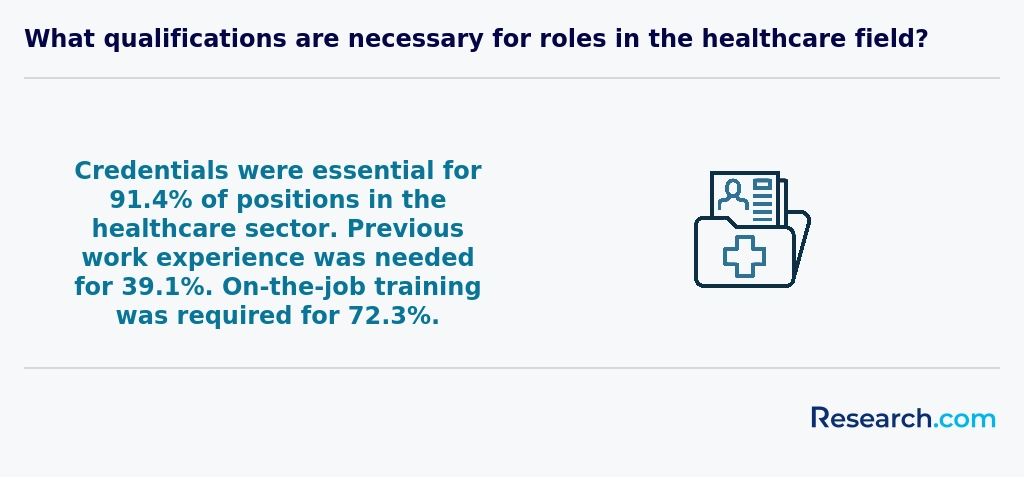
Choosing an accredited online master’s in healthcare program is essential for ensuring quality education, eligibility for federal aid, and meeting state licensure requirements. Accreditation signals that a school’s curriculum, faculty, and resources meet rigorous industry standards set by recognized bodies such as the Commission on Accreditation of Healthcare Management Education (CAHME), the Commission on Collegiate Nursing Education (CCNE), or the Council on Education for Public Health (CEPH). Here’s what you need to know: • Regional vs. Programmatic Accreditation: – Regional accreditation, granted by one of six U.S. accrediting agencies recognized by the U.S. Department of Education, validates the institution as a whole. – Programmatic accreditation focuses on specific healthcare disciplines (e.g., nursing, health informatics), ensuring specialized coursework aligns with professional competencies. • Impact on Licensure and Certification: Graduates from accredited programs are typically eligible to sit for board exams and obtain state licensure. For example, many nursing and health informatics certifications require completion of a CCNE- or CAHME-accredited curriculum. • Verification Steps: 1. Visit the Department of Education’s Database of Accredited Postsecondary Institutions and Programs. 2. Confirm programmatic accreditation on the school’s official website. 3. Check your state board of healthcare professions for any additional prerequisites. • Transferability and Financial Aid: Credits from accredited programs transfer more easily between schools, and only accredited institutions qualify for federal grants and loans. Accreditation not only secures your eligibility for professional pathways but also reassures employers of your academic preparation. If affordability is also a top priority, consider our Low Cost Online Master's in Healthcare Degree Programs Ranking in Washington, DC for accredited, budget-friendly options.
What courses are typically in online healthcare degree programs in the West?
When you enroll in an online healthcare degree program in the West, expect a curriculum that goes far beyond textbooks. Graduates from prominent institutions in California and Washington often recall diving deep into courses like Healthcare Ethics and Law, confronting real dilemmas like patient confidentiality and resource allocation. These classes challenge students to think critically about their future roles.
Healthcare Informatics and Data Management courses push students to master skills crucial for today's digitized systems, blending theory with hands-on learning through interactive case studies. At Oregon-based universities, students have praised these classes for making complex data feel relevant and manageable.
Public Health Principles and Epidemiology offer vivid insights into regional challenges, from rural healthcare access to indigenous health disparities-issues Western students find compelling and deeply personal. Leadership and communication modules prepare learners for interdisciplinary teamwork, a must-have skill in the dynamic settings graduates face every day.
Specialized electives such as telehealth or chronic disease management echo the evolving demands in Western healthcare, helping students feel empowered to lead transformative changes in their communities.
What types of specializations are available in online healthcare degree programs in the West?
In the West, students pursuing an online healthcare degree often find specializations uniquely tailored to regional demands, challenging the idea that healthcare education is one-size-fits-all. Graduates from prominent West Coast colleges emphasize how programs in Healthcare Administration prepare them to lead sprawling hospital systems in California or Washington, reflecting real workplace dynamics. Public Health specializations push learners to tackle challenges like rural healthcare disparities or pandemic responses, making coursework immediately relevant beyond theory.
Nursing Leadership and Management attract registered nurses aiming to shift from bedside care to impactful administrative roles-a transition many graduates describe as empowering, given the West's critical nursing shortages. Meanwhile, Health Informatics resonates deeply with those immersed in the West's tech-driven economies, illustrating how data analytics and patient care intersect in practical settings. Additional options like Mental Health Counseling and Occupational Therapy highlight the region's evolving healthcare landscape, inviting students to explore fields often underrepresented yet vital.
For students balancing studies with work, these specializations fit within the flexible structures of healthcare master's program options Western US schools offer, linking career advancement with meaningful impact. For those interested in health administration, exploring pathways through Best Accredited Medical Billing and Coding Schools Online can add valuable skills enhancing career prospects.
How do you choose the best online healthcare degree in the West?
Choosing the best online healthcare degree in the West means looking beyond surface-level rankings and really assessing how a program fits your life and goals. Graduates from well-known Western universities often emphasize how regional accreditation, such as by the WASC Commission, ensured their degree was respected by employers throughout states like California and Oregon. But accreditation alone isn't enough; the curriculum must resonate with your career focus-whether that's nursing, health informatics, or administration. Many students report feeling more confident when programs include practical components and strong clinical partnerships within their own communities, making the online experience feel grounded and accessible.
Affordability remains a top concern. Aware of this, some public universities in the West offer competitive tuition rates that appeal especially to in-state and out-of-state learners. Prospective students curious about Low Cost Online Master's in Healthcare Degree Programs Ranking in Washington, DC can see how costs vary widely, helping to narrow choices wisely. Flexibility in course scheduling and career support after graduation frequently surface as decisive factors, as those juggling work and family thrive in programs designed with their realities in mind. These elements reveal why the best online healthcare degrees in the West meld quality, cost-efficiency, and community-connected learning.
What career paths are available for online healthcare degree students in the West?
Graduates with an online healthcare degree in the West often find themselves navigating diverse career paths that defy simple categorization. From healthcare administration roles at major institutions like the University of Washington to nursing leadership positions fostered by programs at Arizona State University, these professionals shape healthcare delivery amidst the West's rapid demographic shifts.
Health informatics careers particularly resonate with students familiar with California's tech landscape, where electronic health records and telemedicine create dynamic opportunities. Graduates reflect on how programs at top Western colleges helped them harness data analytics to improve patient outcomes-a tangible way to contribute beyond direct caregiving.
Moreover, public health management graduates frequently lead vital initiatives tackling pressing social issues, such as opioid addiction, emphasizing the value of community-focused work. With the continuous healthcare job opportunities in Western states, students find themselves equipped to respond meaningfully to regional health challenges.
A growing number of prospective students seeking agile options also explore top 6 month associate degree programs, which echo the flexibility and practicality prized in Western education approaches.
What is the job market for online healthcare degree in the West?
The job outlook for online healthcare degrees in the West defies simple predictions. Graduates from universities like the University of Washington or California State University immerse themselves in dynamic healthcare environments, finding their skills in increasing demand across urban and rural settings alike. Their online education, often praised for its flexible pacing and rigorous accreditation, prepares them for an expanding range of roles-from nurse practitioners to health informatics specialists-reflecting the evolving needs of the region.
Employment opportunities West region reveal that sectors such as telehealth and culturally competent care offer unexpected avenues for passionate graduates. Many recall feeling both challenged and supported as they adapted to real-world scenarios in Oregon's growing hospitals or California's tech-driven clinics. With median salaries between $80,000 and $115,000, the financial incentives reinforce confidence in their career choice. For those seeking a smoother path, some even explore options through an easiest masters degree to enhance employability and growth potential.
Frequently Asked Questions About healthcare
Students pursuing online healthcare degrees in the Western US can maximize their learning by engaging actively with digital resources and faculty. Research from the Western Interstate Commission for Higher Education shows that over 60% of enrolled healthcare students benefit greatly from interactive webinars and virtual labs.
Balancing coursework with clinical experience is crucial. Many Western programs incorporate local practicum placements to bridge theory and practice, which enhances skill development.
Utilizing academic advising and peer networking platforms can also improve outcomes. Online students who connect regularly with mentors report higher satisfaction and retention rates, according to the National Center for Education Statistics.
Finally, staying updated on healthcare trends in the Western region helps students apply relevant knowledge effectively in their careers.
The healthcare field in the Western US is rapidly evolving, creating new opportunities for online degree seekers. Emerging niches include telehealth, which expanded by over 50% between 2019 and 2023 as reported by the American Telemedicine Association. This growth is driven by increasing demand for remote patient care and digital health services.
Another niche is healthcare informatics, combining healthcare knowledge with data management. The Bureau of Labor Statistics projects a 15% job growth in this area through 2030.
Lastly, gerontology focuses on the aging population, crucial in the West where senior residents are increasing. These areas reflect significant demand for specialized healthcare professionals.
Preparing for the job market after completing an online healthcare degree in the West involves multiple strategic steps. First, gaining relevant experience through internships or clinical placements is critical, as many employers value hands-on skills alongside academic credentials. Networking with local healthcare professionals and joining associations such as the California Nurses Association can open doors to job opportunities. According to the California Employment Development Department, healthcare jobs are projected to grow 15% from 2020 to 2030, highlighting strong demand in the region.
Certification or licensure is often required, depending on the healthcare role. It is essential to research state-specific requirements in states like California, Oregon, and Washington. Online graduates should also refine soft skills such as communication and adaptability, as healthcare employers increasingly prioritize these. Additionally, leveraging career services and job fairs offered by many online programs can help in transitioning smoothly into the healthcare workforce.
Employers in the Western United States highly value healthcare graduates who demonstrate strong clinical and technical skills. According to the Bureau of Labor Statistics, proficiency in electronic health record (EHR) systems is essential due to widespread digital adoption. Communication skills remain critical, as healthcare providers must effectively collaborate with patients and interdisciplinary teams.
Problem-solving and critical thinking abilities are also prioritized, allowing graduates to handle complex patient care scenarios. Additionally, cultural competence is increasingly important because of the West's diverse population, enhancing patient trust and outcomes. Leadership and adaptability are valued as healthcare constantly evolves with new technologies and regulations, as reported by the California Healthcare Foundation in 2023.
Finding internships in healthcare within the Western United States requires strategic planning. Start by contacting your online degree's career services, as many programs partner with local hospitals and clinics for internship placements. The Western region, including California, Washington, and Oregon, hosts a large concentration of healthcare facilities, offering numerous opportunities.
Additionally, use platforms like the California Health Corps and regional professional networks to identify openings. According to the California Employment Development Department, healthcare internships have grown by 15% in the past three years, reflecting sector demand.
Networking at virtual conferences and healthcare job fairs can also uncover unadvertised internships relevant to your degree focus.
Online healthcare degrees offer significant benefits for career mobility and advancement in the Western United States. They provide flexibility for working professionals, allowing them to balance education with current job responsibilities. According to the U.S. Bureau of Labor Statistics, healthcare jobs in the West are projected to grow by over 15% from 2021 to 2031, creating strong demand for advanced skills.
Graduates with online healthcare degrees often access higher-level positions, such as healthcare management or specialized clinical roles. Many employers in states like California and Washington recognize accredited online programs, valuing their focus on current healthcare challenges and technology integration.
With increasing emphasis on telehealth and digital care, an online degree equips students with relevant skills to lead in evolving healthcare settings.
Studying for a healthcare degree in the Western United States offers a strong foundation for interdisciplinary roles by emphasizing collaboration across multiple healthcare fields. Many programs integrate coursework in public health, health informatics, and management, preparing students to navigate complex healthcare environments.
The region's universities often partner with local hospitals and organizations, providing practical experience that enhances teamwork skills. According to the Western Interstate Commission for Higher Education (WICHE), interdisciplinary training improves patient outcomes by promoting comprehensive care strategies.
Online programs in the West also utilize digital platforms to foster communication between students of various healthcare disciplines, reflecting real-world professional settings.
Choosing between a thesis and a non-thesis online healthcare degree program in the West depends largely on your career goals and learning preferences. Thesis programs emphasize research and critical analysis, requiring an original research project. They suit students aiming for doctoral studies or research roles. Non-thesis programs focus on coursework and practical skills, often preferred by professionals seeking advancement or specific certifications.
According to the Western Association of Schools and Colleges, about 35% of healthcare master's students in the West opt for thesis programs, reflecting strong academic or research interests. Additionally, non-thesis formats typically offer shorter completion times, appealing to working professionals.
Consider your future plans and time commitment when choosing.
Students based in the Western United States have several options for pursuing online healthcare degrees from accredited institutions within the country. Many Western universities offer fully online master's programs in healthcare administration, nursing, public health, and health informatics. For example, schools in California, Washington, and Colorado provide flexible schedules tailored to working professionals.
The Western region also benefits from a high concentration of top-ranked public universities that support online learning. According to the National Center for Education Statistics, approximately 30% of graduate students in healthcare fields nationwide were enrolled in distance education in 2022, with the West showing strong participation rates.
Students can access programs accredited by bodies such as the Commission on Accreditation of Healthcare Management Education (CAHME), ensuring quality and recognition across the U.S.
Furthermore, financial aid and employer tuition assistance are commonly available to support online healthcare students, making these degrees accessible and affordable.
Part-time job opportunities that complement healthcare degree education in the Western US are plentiful, especially within clinical and administrative settings. Many students work as medical assistants, which allows them to gain hands-on experience with patient care while supporting healthcare providers. According to the Bureau of Labor Statistics (BLS), the Western region shows a steady demand growth of 16% for medical assistants through 2030.
Other common roles include pharmacy technicians and home health aides. These positions provide practical exposure to medication management and patient interaction, strengthening the skills needed for advanced healthcare roles. Additionally, administrative jobs in hospitals or clinics offer insight into healthcare management and systems.
Gaining part-time experience in these roles often enhances resume strength and networking opportunities, which is valuable for career progression in healthcare. The versatility and accessibility of these jobs make them ideal for students balancing studies and work.
Online healthcare students in the Western United States benefit from a variety of networking opportunities tailored to virtual learning. Many Western universities with online healthcare programs offer access to professional groups, alumni networks, and virtual career fairs. For example, California and Washington schools often connect students through online forums and webinars featuring regional healthcare leaders.
Students can also join national organizations like the American Public Health Association or state-specific groups, which frequently hold virtual events. According to the Western Interstate Commission for Higher Education (WICHE), 65% of online healthcare students in the West report improved career connections thanks to these platforms. Employers in Western healthcare sectors value such network engagement, improving job prospects for graduates.
Alumni networks offer significant benefits to online healthcare degree students in the Western United States. These networks provide access to a community of graduates working across various healthcare sectors, enabling valuable professional connections. According to the Western Governor's University, 70% of healthcare students report that alumni connections helped them secure employment or internships.
Students can tap into mentorship opportunities, receiving guidance on career advancement and industry trends. Alumni often share insights about regional healthcare markets, which is crucial given the diverse healthcare demands across states like California, Oregon, and Washington.
Furthermore, networking through alumni groups facilitates collaboration on research, continuing education, and job referrals, enhancing students' long-term career prospects in a competitive field.
Customizing an online healthcare degree program in the West allows students to align education with specific career goals. Many universities offer elective courses or specializations, such as healthcare administration, public health, or informatics, enabling focused skill development. For example, schools in California and Washington provide tailored tracks to meet regional healthcare demands.
Students can also choose flexible scheduling options, including part-time study, to balance work and education. According to the National Center for Education Statistics, flexibility increases program completion rates among adult learners.
Additionally, some programs include practicum placements or partnerships with local healthcare providers, enhancing real-world experience relevant to Western healthcare systems.
Online healthcare students in the Western United States often confront unique challenges compared to traditional learners. One major hurdle is securing quality clinical placements, as many healthcare programs require hands-on experience and local facilities may be limited. According to the California Health Care Foundation, clinical site availability dropped by 15% in some regions in 2023. Students also face technical difficulties, including access to reliable internet, which remains a barrier in rural areas of the West. Furthermore, balancing coursework with professional and family obligations is a common struggle, particularly for working adults.
Additionally, navigating accreditation and licensing requirements can be complex, as states vary widely. The Western Interstate Commission for Higher Education highlights that about 40% of online healthcare programs face accreditation challenges impacting graduates' eligibility for licensure. These factors combined emphasize the importance of thorough program research before enrollment.
With an online healthcare degree, you can pursue several professional certifications that enhance your career prospects in the Western United States. Popular options include Certified Professional in Healthcare Quality (CPHQ) and Certified Medical Manager (CMM), which are recognized nationally and valued by employers in California, Washington, and Oregon.
Nursing professionals often seek the Certified Nurse Manager and Leader (CNML) certification, which supports leadership roles in healthcare settings. Additionally, healthcare administration graduates can pursue the Certified Healthcare Administrative Professional (cHAP) credential for management positions.
According to the Bureau of Labor Statistics, demand for healthcare certifications in the West has grown by over 10% in recent years, reflecting expanding healthcare services and increasing regulatory requirements.
Writing a winning application for an online healthcare program in the West requires clear focus on academic and professional achievements. Admissions committees in U.S. universities typically value a strong GPA, relevant healthcare experience, and well-written personal statements.
Highlighting your clinical or administrative healthcare roles demonstrates practical knowledge, which is crucial, given the growing demand for healthcare professionals in Western states like California and Washington. According to the U.S. Bureau of Labor Statistics, healthcare occupations in these regions are projected to grow by over 15% through 2030.
Additionally, tailor your personal statement to reflect understanding of the healthcare challenges unique to the West, such as rural health access. Be sure to include measurable accomplishments and articulate how the degree supports your career goals.
Healthcare careers are highly valued worldwide due to growing populations and aging societies. In the West, particularly in the US, there is an increased demand for healthcare professionals, with the Bureau of Labor Statistics projecting a 16% growth in healthcare jobs from 2021 to 2031.
Globally, healthcare roles offer strong job security, competitive salaries, and opportunities for advancement. Western healthcare education emphasizes flexible online degree programs that allow students to balance work and study.
Internationally, healthcare standards vary, but US-based online degrees are respected for their rigorous accreditation and practical focus. This makes graduates competitive in many global markets, especially within Western countries.
Gaining practical experience while studying for an online healthcare degree in the West is essential for career readiness. Many programs incorporate clinical placements or internships in local healthcare facilities, allowing students to apply theoretical knowledge in real-world settings. State regulations often require documentation of clinical hours completed under supervision. According to the Western Interstate Commission for Higher Education (WICHE), students in online healthcare programs can partner with hospitals and community clinics within their state to fulfill these requirements.
Some universities also offer virtual simulation labs that mimic clinical environments, enhancing practical skills when in-person experiences are limited. Networking through regional healthcare organizations can provide additional opportunities for hands-on work. These combined approaches ensure students meet professional standards while studying remotely.
When choosing a concentration within an online healthcare degree program in the Western US, consider local job market trends. California, Washington, and Oregon show rising demand in fields like healthcare administration, nursing leadership, and health informatics, according to the Bureau of Labor Statistics (BLS).
Assess your career goals carefully-some concentrations, such as public health or health policy, may prepare you for roles in government agencies or nonprofits, while clinical informatics suits those interested in technology integration in care.
Check if your chosen program offers state-specific licensure preparation, especially important in nursing or therapy fields due to differing regional regulations.
Finally, research faculty expertise and partnerships with local healthcare providers, which can enhance networking and practical experience opportunities.
Top Trending Healthcare Rankings
See What Experts Have To Say About Studying Healthcare
Read our interview with Healthcare experts

References
- Online Healthcare Degree Programs | ABHES Accredited https://www.ultimatemedical.edu/campuses/online/
- The Complete Online Health Science Degree Guide https://mycollegeguide.org/online-health-science-degrees/
- How Nursing Education Programs Prepare Students for Real ... https://executivenursefellows.org/how-nursing-education-programs-prepare-students-for-real-world-challenges.php
- Highest-Paying Healthcare Degrees Online https://www.edumed.org/articles/highest-paying-healthcare-degrees/
- Experiential Learning to Enhance ... https://annalsofglobalhealth.org/articles/10.5334/aogh.4537
- Hybrid and Online Healthcare Certificates and Degrees https://www.chcp.edu/degrees-certificates/online/
- How service-learning experiences can help undergraduate ... https://www.ijsed.com/article/123671-how-service-learning-experiences-can-help-undergraduate-students-choose-a-health-related-profession-a-perspective
- West Coast University | Healthcare & Business Programs https://westcoastuniversity.edu/
- 2026 Most Affordable Online Healthcare Administration ... https://www.onlineu.com/most-affordable-colleges/healthcare-administration-degrees
- The Benefits of Hands-On Healthcare Experience https://www.dearne-coll.ac.uk/blog/hands-on-healthcare-experience/


