
2027 Easiest Online Healthcare Degree Programs Ranking in Vermont

Co-Founder and Chief Data Scientist
Are you considering a healthcare degree but unsure where to start in Vermont? This article presents the 2027 Easiest Online Healthcare Degree Programs Ranking in Vermont, created by the Research.com team of data scientists. It's designed to help you make an informed choice about which programs fit your goals and lifestyle.
Getting a healthcare degree opens doors to meaningful careers that make a difference. Reading this guide will give you clear insights and confidence to take the next step toward a rewarding future.
Key benefits of getting online healthcare degree in Vermont
- Graduates with a healthcare degree in Vermont can earn competitive salaries, such as Medical Assistants making around $43,350 annually and Patient Care Technicians earning about $60,790 per year.
- Healthcare degree holders from local institutions often find diverse career paths including roles like Health Information Technicians or Clinical Research Coordinators, offering flexibility and growth in the healthcare field.
- Online healthcare degrees offer the advantage of flexible scheduling and reduced commuting, allowing students to balance work and study effectively while gaining the same valuable skills as traditional students.
- Key benefits of getting online healthcare degree in Vermont
- What can I expect from online healthcare degree in Vermont?
- Where can I work with online healthcare degree in Vermont?
- How much can I make with online healthcare degree in Vermont?
- 2027 Easiest Online Healthcare Degree Programs Ranking in Vermont
- Key Findings
- How long does it take to complete online healthcare degree in Vermont?
- What's the difference between online and on-campus healthcare degree?
- Effective Strategies to Succeed in Your Online Healthcare Program
- What is the average cost of online healthcare degree in Vermont?
- Typical Courses Offered in Online Healthcare Programs in Vermont
- What financial aid is available to online healthcare degree students in Vermont?
- Professional Certification and Continuing Education
- What are the prerequisites for enrolling in online healthcare degree program in Vermont?
- Typical Coursework and Curriculum Overview
- What courses are typically in online healthcare degree programs in Vermont?
- What types of specializations are available in online healthcare degree programs in Vermont?
- How do you choose the best online healthcare degree in Vermont?
- What career paths are available for online healthcare degree students in Vermont?
- What is the job market for online healthcare degree in Vermont?
- Related Healthcare Rankings for Nearby States
- Top Trending Healthcare Rankings
- See What Experts Have To Say About Studying Healthcare
What can I expect from online healthcare degree in Vermont?
The average cost of pursuing an online healthcare degree in Vermont typically ranges from $300 to $500 per credit hour for in-state students, according to Vermont State Colleges. Graduates often recount balancing this investment with the reassurance of quality education, especially at institutions like the University of Vermont, where affordability meets strong clinical integration. Many appreciate how this cost aligns with the practical benefits-such as flexible asynchronous coursework and local clinical placements-making the financial commitment feel worthwhile.
For example, graduates reflect on how scholarships and financial aid specifically aimed at healthcare students helped ease the expenses, allowing them to focus more on mastering vital skills than on tuition worries. This financial accessibility encourages a focus on long-term goals, like advancing in nursing or health administration, without the stress of overwhelming debt. Vermont's approach to combining reasonable costs with supportive resources creates an environment where students feel both challenged and valued, fostering confidence in their educational journey and future careers.
Where can I work with online healthcare degree in Vermont?
Graduates with an online healthcare degree from institutions like Champlain College or the University of Vermont often find rewarding employment in a range of local settings. Many start their careers in large hospitals such as the University of Vermont Medical Center in Burlington, gaining hands-on experience in nursing or health informatics. Others feel fulfilled working in smaller community clinics, especially in rural areas where healthcare access is vital. These real-life roles provide a meaningful connection between the knowledge gained online and the urgent needs of Vermont's diverse populations.
Some graduates have shared how working in long-term care facilities or rehabilitation centers allowed them to apply their skills in elder care and physical therapy, bringing tangible improvements to patients' lives. Public health departments and nonprofits also frequently engage these professionals in program coordination and health education, reflecting Vermont's focus on prevention and mental wellness.
Opportunities in healthcare administration and telehealth have similarly grown, offering flexible careers that embrace technology and innovation. Graduates often express pride in serving communities while balancing their personal lives, thanks to the adaptability offered by their online degrees.
How much can I make with online healthcare degree in Vermont?
Graduates with online healthcare degrees in Vermont often find encouraging salary prospects that mirror the state's strong demand for skilled professionals. For instance, medical assistants typically earn around $43,350 annually, which aligns well with the steady entry points into healthcare careers many alumni report after studying at institutions like the University of Vermont.
Other roles, such as patient care technicians, bring in mean wages near $60,790, reflecting both the technical skills learned and the hands-on experience students gain through clinical components integrated into programs at Vermont Technical College. Health information technicians also see comparable earnings, averaging about $43,380 yearly, supporting the vital administrative side of healthcare.
For those advancing into leadership or specialized roles, the rewards can be substantial. Graduates stepping into quality improvement coordinator positions, often after further training or experience, can expect salaries over $100,000, highlighting the value of continued education.
These figures underscore how an online healthcare degree in Vermont not only opens doors but fosters meaningful career growth, echoing the shared success stories of many local graduates balancing studies and real-world impact.
2027 Easiest Online Healthcare Degree Programs Ranking in Vermont
How do we rank schools?
Investing in your education is a significant decision that can shape your future, and the Research.com team understands the importance of making informed choices. To support prospective students in Vermont, we have carefully developed the "2027 Easiest Online Healthcare Degree Programs Ranking in Vermont." Our dedication to quality, credibility, and accuracy is demonstrated through thorough research and detailed analysis undertaken to produce this ranking.
We utilized the following reputable data sources to ensure a comprehensive evaluation of programs:
By reviewing this ranking, readers will gain valuable insights into the easiest and most accessible online healthcare degree programs in Vermont, empowering them to make well-informed decisions about their educational journeys. For additional information on how the ranking was developed, please visit our Research.com methodology page.


# 4 position
Vermont State University - Randolph
Bachelor of Dental Hygiene
Key Findings
- Tuition for online healthcare bachelor's degrees in Vermont ranges from about $12,000 to $25,000, depending on the school and program length.
- The healthcare job market in Vermont is growing, with strong demand projected through 2030 for roles like registered nurses, medical assistants, and health service managers.
- Starting salaries for new healthcare graduates typically fall between $45,000 and $60,000 annually.
- Experienced healthcare professionals in Vermont earn median salaries from $65,000 to over $80,000.
- Many programs require clinical practicum placements, and students should confirm availability of local clinical training options.
How long does it take to complete online healthcare degree in Vermont?
Completing an online healthcare degree in Vermont varies, but most students find their path shaped by the degree level and their life circumstances. For example, graduates from Champlain College who pursued associate degrees often finish in about two years, appreciating the clear structure and foundational skills gained for entry-level roles. Yet, those enrolled in bachelor's programs at the University of Vermont frequently share how balancing work and study stretched their timeline closer to four years, even if flexible pacing helped maintain stability.
Graduate students, particularly those pursuing a Master of Healthcare Administration or Nursing through online tracks at Norwich University, often juggle part-time enrollment and professional duties, extending their studies from 1.5 up to 3 years. Many express satisfaction in this balance, valuing the ability to keep their careers while advancing their education.
Factors like transfer credits or program acceleration offer hopeful avenues to shorten completion times, though clinical practicum requirements sometimes require patience. Vermont's growing healthcare sector encourages students to follow a pace matching their goals and life rhythm, blending ambition with practicality.
What's the difference between online and on-campus healthcare degree?
Online healthcare degrees in Vermont offer a flexibility that many students deeply appreciate, especially those balancing jobs or family commitments. Graduates from programs like those at Champlain College often reflect on how being able to study remotely allowed them to stay connected to their local communities while advancing their education. This is especially meaningful in rural areas where traveling to campus can be a major hurdle.
On-campus degrees at institutions such as the University of Vermont provide rich face-to-face interactions and invaluable access to clinical experiences through affiliated hospitals. Graduates often recall how working alongside instructors and peers in person helped them build confidence and hands-on skills critical for licensure. The practical clinical hours, required by Vermont's licensing boards, are typically more direct and structured on campus.
Both paths demand commitment, but online programs shine in accessibility and adaptability without sacrificing accreditation or quality, while traditional formats emphasize immersive training. Understanding these differences through the lens of Vermont's unique healthcare landscape helps students make choices that truly fit their lives.
Effective Strategies to Succeed in Your Online Healthcare Program
Navigating an online healthcare degree requires more than selecting the right program-it demands a dedicated strategy for success. Start by creating a structured daily schedule that prioritizes study time, virtual lab sessions, and regular instructor interactions. Establish a quiet, organized workspace to enhance focus and minimize distractions, and make it a habit to engage actively in online discussions to build a supportive learning community. Additionally, leverage available academic resources such as digital libraries and tutoring services to reinforce complex course material. For those balancing work and study, efficient time management tools and regular self-assessments can help track progress and adjust study plans as needed. Remember, success in this environment also comes with building professional connections; participate in virtual networking events, and consider exploring further career development opportunities. For more insights into managing your educational investments, you might find our ranking of cheapest mba in healthcare management online programs beneficial, as the same principles of discipline and resourcefulness apply. Ultimately, by combining practical time-management techniques with proactive engagement, you can maximize your online learning experience and set the stage for a thriving career in healthcare.
What is the average cost of online healthcare degree in Vermont?
The average cost of an online healthcare degree in Vermont typically centers around a median total of $23,841, reflecting a balance between affordability and quality education. Graduates from well-known institutions such as the University of Vermont and Champlain College often share stories of managing costs effectively while pursuing their degrees online, highlighting accessible tuition paired with valuable learning experiences. This blend of reasonable pricing and comprehensive programs offers reassurance to those exploring affordable online healthcare degrees in Vermont.
Many students find that selecting an online program at a Vermont community college or state university helps keep expenses within manageable ranges. For instance, an associate degree in healthcare administration or nursing at these colleges might cost significantly less overall, often falling into a budget-friendly window that encourages steady progress toward career goals. This practical approach has helped numerous students feel confident and positive about investing in their futures without overwhelming financial strain.
When considering pursuit of advanced credentials, it's helpful to explore options like the University of Vermont's or Champlain College's online bachelor's degrees. These programs, while carrying higher tuition, offer a well-rounded education that prepares students thoroughly for their careers. Prospective students interested in advancing further may also consider MSN admission criteria and requirements, easily accessible through Vermont's online platforms, ensuring a clear path to specialized growth and career advancement.
Experience shows that planning ahead, researching financial aid, and understanding tuition structures are key steps for anyone considering the average cost of online healthcare degree Vermont. With these insights, students can approach their studies with optimism and resilience, knowing they are making an informed decision that aligns with both their ambitions and budgets.
Typical Courses Offered in Online Healthcare Programs in Vermont
Students enrolling in online healthcare degree programs in Vermont can expect a well-rounded curriculum that combines theoretical knowledge with practical application. These programs typically feature courses designed to build foundational skills and offer advanced insights into critical areas of healthcare. Key courses often include: • Introduction to Healthcare Systems – Covering the structure of healthcare organizations, patient management processes, and the evolution of modern medical practices. • Medical Terminology and Anatomy – Providing essential vocabulary and an in-depth understanding of human anatomy and physiology, critical for clinical applications. • Health Informatics – Focusing on digital health records, data analytics, and the integration of technology in improving patient care. • Clinical Decision-Making and Patient Care – Combining case studies, simulation exercises, and real-life scenarios to sharpen diagnostic and intervention skills. • Medical Ethics and Law – Exploring the ethical considerations and regulatory frameworks that govern healthcare practices. • Healthcare Administration and Management – Offering insights into budgeting, resource allocation, and leadership within healthcare facilities. These courses are often supported by interactive modules, virtual labs, and continuous feedback from experienced instructors. By integrating academic instruction with simulated real-world experiences, Vermont’s online healthcare programs prepare students for the dynamic challenges of today’s medical environment while enhancing their readiness for a successful career in the field.
What financial aid is available to online healthcare degree students in Vermont?
Students pursuing online healthcare degrees in Vermont often find federal financial aid to be a crucial support. Completing the FAFSA opens doors to Pell Grants, which can cover up to $7,395 annually, easing the burden for many. Graduates from institutions like the University of Vermont have shared how these grants transformed their ability to focus on studies rather than financial stress.
The Vermont Student Assistance Corporation (VSAC) is a unique local resource offering state grants and low-interest loans tailored specifically for Vermont residents. For example, the Vermont Grant Program awards up to $2,800 yearly to those who meet income requirements, a benefit many students from Champlain College relied on to afford accredited online healthcare programs.
Employer tuition assistance is another lifeline for those already working in healthcare. Many find that their employers actively invest in their growth, making education feel like a shared journey toward career development. Scholarships, while competitive and requiring residency commitments, often come from local healthcare organizations and add a valuable layer of support.
Professional Certification and Continuing Education
After earning an online healthcare degree in Vermont, many graduates enhance their credentials-and their marketability-by pursuing professional certifications and targeted continuing education. Employers increasingly seek candidates with industry-recognized credentials such as Registered Health Information Technician (RHIT), Certified Professional Coder (CPC), or Certified Nursing Assistant (CNA). These certifications not only validate specialized skills but often fulfill state licensure requirements and open doors to higher-paying roles. Key certification pathways and continuing education options include: • Registered Health Information Technician (RHIT) through AHIMA – Ideal for graduates focusing on health informatics and electronic health records management. • Certified Professional Coder (CPC) from AAPC – A critical credential for those working in medical coding and billing to ensure compliance with coding standards. • Certified Nursing Assistant (CNA) – Meets state‐level requirements for direct patient care roles and can be accelerated through hybrid online programs. • Advanced certifications in healthcare management, such as Certified Health Executive (CHE) or Project Management Professional (PMP), for graduates aiming for administrative leadership. For students interested in streamlined pathways to coding and billing expertise, our medical billing and coding programs with federal aid provide flexible online certificate courses backed by financial assistance. Beyond formal certifications, engaging in webinars, boot camps, and professional workshops helps healthcare professionals stay current with evolving regulations and best practices-boosting both clinical competence and long-term career growth.
What are the prerequisites for enrolling in online healthcare degree program in Vermont?
Enrolling in an online healthcare degree program in Vermont often begins with demonstrating foundational readiness. Graduates from institutions like the University of Vermont recall that holding at least a high school diploma or GED is non-negotiable, setting the stage for more advanced study. For those pursuing bachelor's degrees through schools such as Champlain College, prior college credits or an associate degree in related sciences can make the path smoother and build confidence.
Many programs expect a minimum GPA around 2.5 to 3.0, reflecting a student's ability to manage demanding coursework remotely. One graduate shared how maintaining a steady GPA helped them stay motivated through anatomy and physiology courses, which are common prerequisites. These prerequisite courses-often including microbiology, chemistry, and statistics-serve to ground students in the skills needed for success on clinical placements, particularly in Vermont's rural healthcare settings.
Applicants should also be ready to meet practical requirements. For example, some nursing programs ask for prior healthcare experience or certifications like CNA credentials. Access to reliable technology and readiness for background checks are vital, echoing the real-world typical preparation graduates describe when recalling their journey to licensure and employment in Vermont's healthcare sector.
Typical Coursework and Curriculum Overview
A typical online Healthcare degree program in Vermont combines foundational knowledge with specialized skills to prepare you for diverse roles in the healthcare sector. Core courses you’re likely to encounter include: • Introduction to Healthcare Systems (3 credits): Explore the structure, financing, and policy implications of U.S. healthcare. • Medical Terminology and Human Anatomy (4 credits): Master the language and systems crucial for clinical communication. • Health Informatics and Data Analytics (3 credits): Learn to manage electronic health records and analyze patient data. • Healthcare Ethics and Law (3 credits): Understand regulatory compliance, patient rights, and ethical decision-making. • Principles of Public Health (3 credits): Study epidemiology, community health, and prevention strategies. Beyond these essentials, programs often offer electives or concentrations to align with your career goals, such as: • Telemedicine Technologies and Remote Patient Monitoring • Healthcare Quality Improvement and Patient Safety • Management of Long-Term Care Services • Emergency Preparedness and Crisis Management Most bachelor’s tracks require 120 credits, typically completed over four years, while accelerated associate programs may span 60 credits. Coursework is delivered through interactive lectures, virtual labs, and case-study assignments, fostering critical thinking and real-world application. Continuous formative assessments, including quizzes and peer reviews, ensure mastery before advancing to clinical simulations or capstone projects. For those planning to pursue graduate-level studies, you can compare program costs and outcomes via our Cheapest Online Master’s in Healthcare Degree Programs Ranking in Iowa, helping you map a seamless educational pathway from associate to master’s level.
What courses are typically in online healthcare degree programs in Vermont?
Online healthcare degree programs in Vermont typically blend foundational knowledge with practical skills that graduates find invaluable. Courses like anatomy, physiology, and medical terminology give students a strong grasp of the human body and the language they'll use daily. Graduates from popular schools in Vermont often reflect on how these classes built their confidence, making clinical environments feel less intimidating and more approachable.
Many also encounter healthcare ethics and law courses, which are especially important in Vermont due to state-specific healthcare regulations and patient privacy laws. Students appreciate this focus, often sharing how it prepares them to act responsibly and compassionately in real-world settings.
Programs frequently include healthcare management and policy classes, providing insight into Vermont's community-focused healthcare system. Graduates mention how understanding rural healthcare challenges helped them see beyond the clinic to the broader impact of their work.
Other enriching subjects like health informatics, nutrition, pharmacology, emergency care, and research methods round out the curriculum, creating a well-rounded, practical education trusted by Vermont's healthcare professionals.
What types of specializations are available in online healthcare degree programs in Vermont?
Online healthcare degree specializations Vermont students choose often include nursing, healthcare administration, public health, health informatics, medical laboratory science, and clinical mental health counseling. Graduates from popular institutions such as the University of Vermont and Champlain College share how these programs provide practical skills that fit both rural and urban healthcare settings across the state.
Many students pursuing a nursing pathway find programs that support their transition from Registered Nurse to Bachelor of Science in Nursing or Nurse Practitioner tracks especially fulfilling. These options reflect strong job growth and real-world needs within Vermont's healthcare economy. Those interested in management appreciate the focus on healthcare administration, preparing them to lead local hospitals or clinics effectively.
Others are drawn to public health or health informatics, where they learn to improve community wellness or streamline patient data systems. Personal experiences from graduates attest that Vermont's online offerings include valuable support through internships and clinical placements tied to state providers, making these fields feel both accessible and rewarding. For more tailored opportunities, exploring nursing degree concentrations offers deeper insight into these pathways.
How do you choose the best online healthcare degree in Vermont?
Choosing the best online healthcare degree in Vermont means focusing on accreditation and program relevance. Graduates from popular colleges here often emphasize how degrees from accredited healthcare degree programs Vermont residents trust, like those accredited by ACEN, paved the way for respected careers. It's not just about prestige; these programs ensure you gain practical skills that suit Vermont's unique healthcare landscape.
Cost matters, but so does value. Graduates recall that although tuition at the University of Vermont can be higher than average, the investment felt worthwhile due to strong student support and flexible scheduling. Many found part-time study options invaluable, allowing them to balance work, family, and clinical placements offered in local facilities.
When considering specialization, reflect on your goals. For instance, some alumni found their path through degrees emphasizing healthcare administration or public health, while others pursued nursing or explored X-ray technician advancement opportunities. Searching for the best affordable online healthcare degrees Vermont offers can lead you to programs that align well with your aspirations and circumstance.

What career paths are available for online healthcare degree students in Vermont?
Graduates of online healthcare degree programs in Vermont often find themselves drawn to roles that deeply impact their communities. For example, many take on positions as Registered Nurses, benefiting from comprehensive BSN programs offered by local institutions like the University of Vermont that prepare them for diverse settings from bustling hospitals to long-term care facilities in rural areas.
Others pursue healthcare administration roles, gaining satisfaction from shaping how services meet Vermont's unique community needs. Graduates who studied health informatics at Champlain College have reflected on the rewarding challenge of improving patient data systems, a growing field aligned with statewide technological advances. These career opportunities Vermont graduates find are enriched by the state's focus on rural health and its aging population.
Those interested in public health often embrace roles in epidemiology or preventive care, inspired by Vermont's proactive healthcare culture. Additionally, some graduates explore related fields, such as mental health, by seeking specialized knowledge through resources like the West Virginia mental health pathways, broadening their impact beyond traditional healthcare.
What is the job market for online healthcare degree in Vermont?
The job market for online healthcare degree graduates in Vermont remains strong and steadily growing, mirroring national trends but with unique regional benefits. Many students from well-regarded Vermont colleges find rewarding paths as registered nurses or health services managers, where wages are notably competitive, often surpassing national averages. These graduates often share how flexible online study options allowed them to balance work, family, and education without leaving Vermont.
Considering the Vermont healthcare degree employment outlook, graduates frequently succeed in rural and community healthcare settings, where there is high demand for bilingual professionals and telehealth expertise. Nurses and healthcare administrators trained online are often sought after for their ability to address local healthcare needs efficiently. These roles offer more than just jobs-they provide meaningful careers that directly impact Vermont's well-being.
Many prospective students benefit from exploring the ranking of cheapest mba in healthcare management online programs, which can offer affordable pathways to advance in this thriving sector and fully leverage Vermont's evolving healthcare landscape.
Frequently Asked Questions About healthcare
Students pursuing online healthcare degrees in Vermont can enhance their learning by actively engaging with virtual resources and local healthcare networks. Vermont's healthcare sector, employing nearly 25,000 professionals, offers various clinical placement opportunities that online students should seek for hands-on experience.
Utilizing virtual simulation tools and telehealth training platforms strengthens practical skills crucial for modern healthcare roles. Staying connected with Vermont-based organizations like the Vermont Department of Health helps students remain informed about state-specific health policies and trends.
Time management and consistent communication with instructors further support academic success. According to the National Center for Education Statistics, students who balance study with practical work achieve higher retention and job placement rates in healthcare fields.
Emerging niches in the healthcare field are expanding rapidly, especially for students pursuing online degrees in Vermont. One key area is telehealth, which saw a 30% increase in use across the US during the COVID-19 pandemic. Vermont's rural communities have embraced this technology to improve access to care.
Another growing specialty is health informatics, combining healthcare and data management. With Vermont hospitals investing in electronic health records, demand for professionals skilled in health IT is rising. According to the Vermont Department of Labor, jobs in health information grew 15% from 2019 to 2023.
Mental health services also remain a vital niche, with online counseling and psychiatric nursing programs gaining popularity. Vermont's focus on mental health support reflects a nationwide trend emphasizing integrated, accessible care for all populations.
After completing an online healthcare degree in Vermont, graduates should focus on building practical experience to enhance employability. Many healthcare roles require state licensure or certification, so researching Vermont-specific requirements early is crucial. Participating in internships or volunteer opportunities within local hospitals or clinics can provide valuable hands-on skills.
Networking is also essential. Joining Vermont healthcare professional associations can connect graduates to job openings and mentors. According to the Vermont Department of Labor, healthcare occupations in the state are projected to grow by 10% through 2030, reflecting steady demand.
Finally, crafting a tailored resume highlighting relevant skills and continuing education through certifications will further prepare graduates for the Vermont job market.
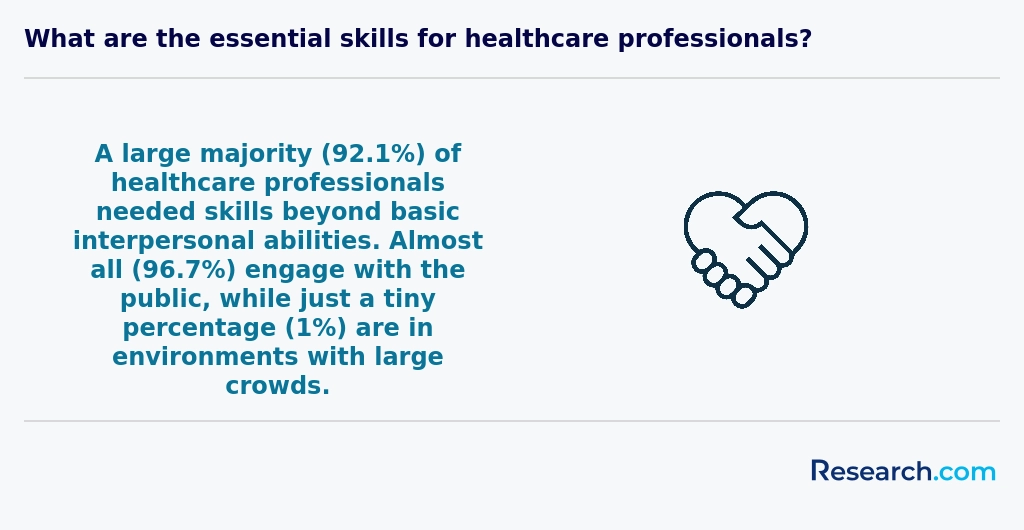
Employers in Vermont's healthcare sector prioritize several key skills when hiring graduates from online healthcare degree programs. Communication skills stand out, as healthcare workers must clearly convey information to patients and colleagues. Critical thinking and problem-solving abilities are essential, especially in fast-paced clinical environments.
Technical proficiency, including familiarity with electronic health records (EHR) systems, is highly valued due to Vermont's ongoing digital healthcare initiatives. Additionally, teamwork and adaptability are crucial since healthcare delivery often involves collaboration across diverse care teams.
According to the Vermont Department of Labor, healthcare job openings are expected to grow by 12% through 2030, highlighting the demand for professionals who combine clinical knowledge with strong interpersonal skills.
Finding internships in Vermont that align with an online healthcare degree involves several strategic steps. Start by exploring healthcare facilities such as the University of Vermont Medical Center, which is the state's largest medical institution and often offers internship opportunities for students.
Connecting with Vermont's local healthcare organizations and community clinics can also provide practical placements. The Vermont Department of Health supports internship programs and may provide listings or guidance.
Additionally, many online degree programs partner with Vermont providers to arrange clinical experiences, ensuring students meet licensure requirements. Utilizing school career services and state-specific job boards like Vermont JobLink can help identify current internships in healthcare fields.
According to the Vermont Department of Labor, healthcare employment is projected to grow by 13% through 2030, increasing internship availability.
Obtaining an online healthcare degree can significantly enhance career mobility and advancement opportunities for professionals in Vermont. The state's healthcare sector is growing steadily, with employment projected to increase by 12% between 2020 and 2030, according to the Vermont Department of Labor.
Online degrees provide flexibility, allowing students to continue working while earning credentials recognized by Vermont employers. These programs often include updated curricula aligned with national healthcare standards, which support eligibility for various certifications and licenses required in the state.
Graduates with online healthcare degrees tend to access higher-paying roles and leadership positions, especially in nursing and health administration fields. For example, registered nurses with bachelor's degrees in Vermont earn a median salary about 15% higher than those with associate degrees, based on data from the U.S. Bureau of Labor Statistics.
This flexibility and credential recognition make online healthcare education a practical pathway to career growth within Vermont's healthcare industry.
Studying for a healthcare degree in Vermont equips students with skills needed for interdisciplinary roles by emphasizing collaboration across multiple healthcare fields. Vermont's online programs often integrate courses in nursing, public health, management, and social services. This broad approach reflects the state's healthcare environment, where 62% of healthcare jobs involve teamwork among different specialists, according to the Vermont Department of Labor (2023).
Programs focus on communication, ethical decision-making, and systems thinking, essential for coordinating care. Students learn to work alongside physicians, therapists, and administrators, increasing their adaptability and improving patient outcomes.
Vermont's small population and rural areas further highlight the value of versatile healthcare professionals able to fill multiple roles effectively.
Choosing between a thesis and a non-thesis healthcare degree program in Vermont depends on your career goals and learning preferences. Thesis programs involve conducting original research and writing a formal paper, ideal for students aiming for research roles or further graduate study.
Non-thesis programs focus on coursework and practical skills, better suited for professionals seeking to enter or advance in clinical settings quickly. According to Vermont's higher education data, healthcare jobs are growing by 12% through 2030, emphasizing applied skills in many roles.
Online programs in Vermont often offer both options, allowing flexibility based on your interests and time availability.
Students based in Vermont who wish to study healthcare abroad have multiple online options that align with U.S. educational standards. Many accredited U.S. universities partner with international institutions, offering hybrid degree programs that allow students to complete coursework online while gaining global healthcare perspectives.
Vermont's healthcare industry employs over 65,000 people, creating local demand for skilled professionals with diverse training, including international healthcare exposure (Vermont Department of Labor, 2023). Given this, students can benefit from programs offering specialized online study abroad opportunities, such as virtual internships or collaborative research courses with foreign healthcare institutions.
Furthermore, some programs provide access to global networks, enhancing students' understanding of different healthcare systems without relocating. These options enable Vermont residents to earn reputable healthcare degrees remotely while gaining valuable international insights.
Part-time job opportunities in Vermont that complement online healthcare degrees often include roles such as medical assistants, home health aides, and pharmacy technicians. These positions provide practical experience and reinforce the theoretical knowledge gained in coursework.
Vermont's healthcare sector employed over 44,000 people in 2023, with steady growth expected through 2030 according to the Vermont Department of Labor. This growth creates demand for flexible, part-time roles suitable for students balancing work and study.
Home health aides, for example, are projected to grow by 20% statewide. These jobs help students develop patient care skills essential for many healthcare careers.
Pharmacies and clinics near major education centers such as the University of Vermont often hire part-time staff, offering convenient opportunities for hands-on learning alongside online studies.
Online healthcare students in Vermont have several networking opportunities to connect with professionals and peers. Many accredited Vermont schools offering online healthcare programs provide virtual events, webinars, and discussion forums designed to foster student interaction. For example, the University of Vermont's Larner College of Medicine often hosts online seminars that are accessible to students statewide.
Additionally, students can join statewide healthcare associations such as the Vermont State Nurses Association or the Vermont Public Health Association, which offer membership benefits including conferences and local meetups.
According to the Vermont Department of Health, healthcare employment in Vermont grew by 6.7% between 2015 and 2021, highlighting expanding professional networks in the state. These connections may facilitate mentorships and job placements for online students.
Alumni networks provide valuable support for online healthcare degree students in Vermont by fostering connections with experienced professionals. These networks help students access mentorship opportunities, which are crucial for career guidance in the healthcare sector. According to the Vermont Department of Health, the state has seen a 10% growth in healthcare employment from 2015 to 2022, increasing the demand for well-prepared graduates.
Through alumni events and online platforms, students gain access to job openings and internships not always publicly advertised. The University of Vermont, a key institution in the state, reports that graduates involved in alumni networks have a 20% higher employment rate within six months after graduation.
Networking also facilitates knowledge exchange about Vermont's specific healthcare needs, such as rural healthcare challenges. This enhances a student's readiness to serve local communities effectively.
Customizing an online healthcare degree in Vermont begins with selecting programs that offer elective courses aligned with your career goals. Many accredited Vermont institutions provide flexible curricula where students can focus on areas like public health, nursing, or healthcare administration.
Students can also enhance their education through internship opportunities in local Vermont healthcare facilities, gaining practical experience while maintaining their online studies. Additionally, some programs allow credit transfer from previous coursework, expediting degree completion based on prior knowledge.
According to the Vermont Department of Health, careers in healthcare administration and nursing are projected to grow significantly, so tailoring your degree toward these fields can improve job prospects. Choosing certifications or specializations recognized in Vermont is essential for career advancement.
Online healthcare students in Vermont often face challenges related to limited clinical placement opportunities. Vermont's rural nature means fewer local healthcare facilities available for required hands-on training, a critical component of most healthcare programs. According to the Vermont Department of Health, the state has one of the lowest population densities, impacting access to diverse clinical sites.
Another common issue is the need for balancing studies with personal and professional responsibilities. Many students pursuing online healthcare degrees are working adults managing family and jobs simultaneously. This can lead to stress and time management difficulties.
Additionally, some students encounter technical barriers. Reliable high-speed internet access is essential for online learning, but parts of Vermont still have limited broadband availability, per the FCC's latest reports.
With an online healthcare degree, Vermont students have access to a range of professional certifications that can enhance their career prospects. Common certifications include Certified Nursing Assistant (CNA), Licensed Practical Nurse (LPN), and Registered Nurse (RN) credentials. For those interested in administration or specialized fields, certifications such as Certified Medical Assistant (CMA) or Certified Health Education Specialist (CHES) offer valuable opportunities.
Vermont's healthcare industry strongly supports these certifications, as approximately 14% of the state's workforce is involved in healthcare roles, per the Vermont Department of Labor. Earning a certification can improve job placement and salary potential across hospitals, clinics, and long-term care facilities throughout the state.
Additionally, certifications like the Certified Professional in Healthcare Quality (CPHQ) or certifications in health informatics are gaining relevance as Vermont's healthcare system modernizes and integrates technology-driven solutions.
Writing a winning application for an online healthcare program in Vermont requires clear focus and attention to state-specific factors. Start by thoroughly researching programs accredited by the New England Commission of Higher Education (NECHE) to ensure quality and eligibility for licensure.
Highlight any relevant healthcare experience, as Vermont values practical skills in its growing healthcare sector. Tailor your personal statement to emphasize your commitment to serving Vermont's communities, where healthcare access remains a priority.
Include strong letters of recommendation, preferably from healthcare professionals familiar with Vermont's system.
Finally, proofread carefully, and meet all deadlines, showing professionalism and readiness for online study.
The global perspective on healthcare careers highlights a growing demand for qualified professionals. In the US, healthcare is among the fastest-growing sectors, with employment projected to increase by 13% from 2021 to 2031, according to the Bureau of Labor Statistics. Vermont reflects this trend, particularly in nursing and allied health roles, where shortages are notable.
Healthcare careers offer opportunities to work internationally or with diverse populations, emphasizing cultural competence. Online degrees allow Vermont students to gain skills recognized both nationally and globally, promoting mobility within the healthcare workforce. Understanding global health challenges, such as pandemics and aging populations, enriches a healthcare professional's education and career outlook.
Gaining practical experience while studying for an online healthcare degree in Vermont is essential for career readiness. Many programs incorporate clinical placements, internships, or practicum requirements in partnership with local healthcare facilities. This allows students to complete hands-on training close to home.
In Vermont, healthcare providers like the University of Vermont Medical Center often collaborate with educational institutions to offer such opportunities. According to Vermont's Department of Health, nearly 30% of healthcare roles require supervised clinical experience.
Additionally, some programs encourage volunteering or part-time work in clinics and community health organizations, helping students build skills and professional networks while completing coursework.
When choosing a concentration within an online healthcare degree program in Vermont, it's important to consider the state's specific healthcare needs and job market trends. Vermont has a growing demand for professionals in fields like nursing, public health, and healthcare administration, reflecting data from the Vermont Department of Labor. Research programs that align with these areas to improve employment prospects.
Review curriculum details closely to ensure courses match your interests and career goals. Many programs offer concentrations such as gerontology, health informatics, or community health, each targeting distinct roles in the healthcare system.
Also, check for program accreditation and flexibility, key factors for successful online study in Vermont's rural and urban areas.
Related Healthcare Rankings for Nearby States
- 2027 Easiest Online Healthcare Degree Programs Ranking in New York
- 2027 Easiest Online Healthcare Degree Programs Ranking in New Jersey
- 2027 Easiest Online Healthcare Degree Programs Ranking in Pennsylvania
- 2027 Easiest Online Healthcare Degree Programs Ranking in Virginia
- 2027 Easiest Online Healthcare Degree Programs Ranking in West Virginia
- 2027 Easiest Online Healthcare Degree Programs Ranking in Kentucky
- 2027 Easiest Online Healthcare Degree Programs Ranking in North Carolina
- 2027 Easiest Online Healthcare Degree Programs Ranking in South Carolina
- 2027 Easiest Online Healthcare Degree Programs Ranking in Tennessee
- 2027 Easiest Online Healthcare Degree Programs Ranking in Indiana
Top Trending Healthcare Rankings
See What Experts Have To Say About Studying Healthcare
Read our interview with Healthcare experts

References
- Health Careers Resources from CVAHEC https://cvahec.org/careers.htm
- Best Online Master's Degrees in Vermont: Comparing Schools https://www.onlinemastersdegrees.org/best-programs/vermont-vt/
- MedQuest gives local students hands-on introduction to ... https://vermontbiz.com/news/2026/august/07/medquest-gives-local-students-hands-introduction-health-care-careers
- Nursing Online Degree Completion https://vermontstate.edu/academic-programs/nursing-bsn-online/
- Healthcare Programs https://ccv.edu/academics/areas-of-study/healthcare/
- Discover Accredited Online Colleges In Vermont https://www.accreditedschoolsonline.org/vermont/
- Public Health Schools and MPH Programs in Vermont https://www.publichealthdegrees.org/st/vermont/
- Health Professions Students https://nvtahec.org/health-professions-students/
- 5-Month Vermont Medical Assistant Certification Program https://www.stepful.com/program/vermont-medical-assistant-certification-program
- Flexible Degree Completion https://www.vsc.edu/continuing-professional-education/flexible-degree-completion/


