
2027 Easiest Online Healthcare Degree Programs Ranking in the West

Co-Founder and Chief Data Scientist
Choosing the right healthcare degree program can be overwhelming, especially with so many options available online. This article introduces the 2027 Easiest Online Healthcare Degree Programs Ranking in the West, created by the Research.com team of data scientists to guide you through the best choices.
By exploring this ranking, you'll gain valuable insights into programs that balance quality and accessibility. Pursuing a healthcare degree offers rewarding career opportunities and meaningful work helping others. Let this article inspire and support your educational journey toward a brighter future.
Key benefits of getting online healthcare degree in the West
- Healthcare degree graduates in the West can earn competitive salaries, such as Quality Improvement Coordinators who make about $103,150 annually and Patient Care Technicians earning around $60,790.
- Graduates from popular Western universities often find diverse career paths, from Clinical Research Coordinators to Health Information Technicians, allowing flexibility and growth in various healthcare fields.
- Completing a healthcare degree online offers convenience and flexibility, as demonstrated by graduates from leading online programs who balance work, family, and studies while gaining valuable skills without relocating.
- Key benefits of getting online healthcare degree in the West
- What can I expect from online healthcare degree in the West?
- Where can I work with online healthcare degree in the West?
- How much can I make with online healthcare degree in the West?
- 2027 Easiest Online Healthcare Degree Programs Ranking in the West
- Key Findings
- How long does it take to complete online healthcare degree in the West?
- Accreditation and Quality Assurance
- What's the difference between online and on-campus healthcare degree?
- What is the average cost of online healthcare degree in the West?
- Essential Application Tips for Online Healthcare Degrees
- What financial aid is available to online healthcare degree students in the West?
- Professional Certifications and Licensure Requirements
- What are the prerequisites for enrolling in online healthcare degree program in the West?
- Emerging Trends in Healthcare Education and Career Opportunities
- What courses are typically in online healthcare degree programs in the West?
- What types of specializations are available in online healthcare degree programs in the West?
- How do you choose the best online healthcare degree in the West?
- What career paths are available for online healthcare degree students in the West?
- What is the job market for online healthcare degree in the West?
- Top Trending Healthcare Rankings
- See What Experts Have To Say About Studying Healthcare
What can I expect from online healthcare degree in the West?
The average cost of an online healthcare degree in the Western United States typically ranges between $15,000 and $45,000, depending on the institution and the level of study. Graduates from well-known public universities in California often share how affordable tuition combined with flexible scheduling eases both financial and personal commitments. For example, students at universities like Oregon State or Washington State appreciate that their investment covers not only coursework but also vital hands-on clinical experiences close to home.
Many learners find value in the balance these programs strike-costs are manageable while still offering access to cutting-edge technology training and exam preparation for certifications like the NCLEX-RN. This practical approach energizes students, helping them envision a fulfilling career ahead. Whether attending a community college's online program or a larger state university, students in the West often describe their journey as empowering, knowing their degree is both accessible and respected by local healthcare employers.
Where can I work with online healthcare degree in the West?
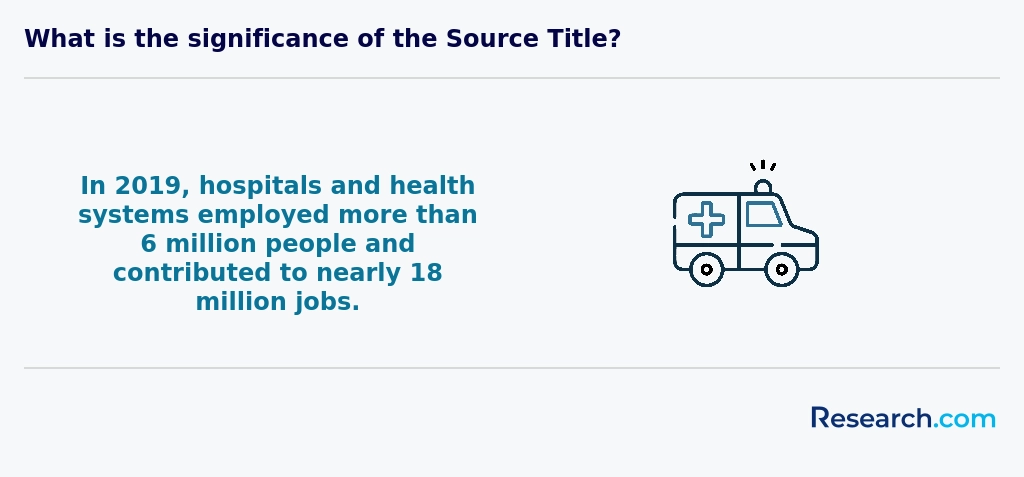
With an online healthcare degree earned through institutions like the University of Washington or Arizona State University, graduates in the West find themselves stepping confidently into a robust job market. Many secure fulfilling roles in hospitals and healthcare systems around California or Oregon, impacting patient care as registered nurses or healthcare administrators. The excitement of contributing to dynamic environments where growth is evident-like California's projected healthcare job surge-fuels their passion.
Others discover rewarding careers in outpatient clinics or medical offices, applying their skills managing electronic health records to keep patient care efficient and accurate. Graduates from programs in Nevada or Washington often share how their education prepared them to thrive in these fast-paced settings.
Public health and government agencies also eagerly hire graduates, especially those focused on health policy or community wellness. Working with organizations such as state health departments brings the meaningful challenge of improving population health-something many graduates proudly embrace.
Telehealth is another vibrant avenue, especially after the pandemic reshaped healthcare delivery. Graduates who specialized in nursing or health IT find joy in connecting patients remotely across the West, supported by strong urban broadband infrastructure. The variety of options ensures that as a student in the West, your online degree is your gateway to diverse, impactful careers.
How much can I make with online healthcare degree in the West?
Graduates from online healthcare programs in the Western U.S. often find rewarding salary prospects that match their dedication and skill. For instance, those stepping into roles like Medical Assistant can expect an average annual wage around $43,350, translating to about $20.84 an hour. Many graduates from respected institutions such as Arizona State University or the University of Washington have shared success stories of starting their careers with these salaries while gaining valuable hands-on experience.
For students advancing to positions like Patient Care Technician or Health Information Technician, median wages increase, with annual earnings near $60,790 and $43,380 respectively. These roles offer strong entry points for applying education learned in online settings, particularly in dynamic urban centers like Seattle or San Francisco, where healthcare demand is high.
More specialized roles, such as Quality Improvement Coordinators, can bring significantly higher salaries, with averages around $103,150 annually. Graduates advancing to these positions often leverage their education from highly regarded online programs and enjoy the mix of attractive pay and meaningful impact.
These figures highlight real opportunities for students in the West, where the combination of flexible online study and regional demand for healthcare professionals creates a pathway to financial stability and fulfilling careers.
2027 Easiest Online Healthcare Degree Programs Ranking in the West
How do we rank schools?
Investing in your education is a significant decision that can shape your future, and the Research.com team understands the importance of making informed choices. To assist prospective students in the Western region, we have meticulously crafted the "2027 Easiest Online Healthcare Degree Programs Ranking in the West." Our commitment to quality, credibility, and accuracy is reflected in the extensive research and analysis conducted to compile this ranking.
We utilized the following reputable data sources to ensure a comprehensive evaluation of healthcare degree programs:
By exploring this ranking, readers will gain valuable insights into the easiest online healthcare degree programs in the West, enabling them to make confident and well-informed educational decisions. For additional information about how this ranking was created, please visit our Research.com methodology page.


# 16 position
California State University, Dominguez Hills
Bachelor of Nursing degree completion program


Key Findings
- Tuition for online healthcare bachelor's degrees in the Western US ranges from $15,000 to $30,000 at public universities, while private schools often charge over $40,000.
- Entry-level salaries for healthcare graduates typically start between $50,000 and $60,000 annually, with registered nurses earning about $65,000 on average.
- Experienced healthcare professionals in the region can earn $90,000 or more per year, especially in specialized or leadership roles.
- Healthcare jobs in the Western US are projected to grow by 14% from 2022 to 2032, exceeding the national growth rate.
- Accreditation from organizations like CCNE or ACBSP is important to ensure program quality and eligibility for licensure or certification.
- Most online programs offer asynchronous courses, allowing students to study while managing work or personal commitments.
How long does it take to complete online healthcare degree in the West?
Completing an online healthcare degree in the Western United States varies by level, but there's an inspiring sense of achievement in every milestone. For those pursuing associate degrees, which many graduates from community colleges in California or Washington have chosen, expect about 18 months to 2 years. These programs quickly prepare you for entry-level roles and can often be finished on an accelerated schedule, giving you a head start in the healthcare field.
Bachelor's degrees, like nursing (BSN) or health administration, typically take around 4 years full-time. However, many students in Oregon and Arizona balance work and study part-time, extending their program to 5 or 6 years without sacrificing quality or flexibility.
Graduate degrees, such as the MSN, offer accelerated options too. Some students at Western online universities complete these in as little as 18 months, while part-time learners might take up to 3 years.
Doctoral programs, like the online DNP, usually require 3 to 5 years, involving in-depth clinical work or research. Many find this journey rewarding, knowing it advances their careers in meaningful ways.
Accreditation and Quality Assurance
One of the most critical factors when choosing an online healthcare degree program in the West is accreditation. Accredited institutions have undergone rigorous peer review to ensure they meet high standards of curriculum quality, faculty qualifications, and student support services. Regional accreditation-through agencies such as the Western Association of Schools and Colleges (WASC)-confirms overall institutional excellence, while programmatic accreditation from bodies like the Commission on Accreditation of Healthcare Management Education (CAHME) or the National Accrediting Agency for Clinical Laboratory Sciences (NAACLS) validates specific healthcare curricula. Accreditation affects • Eligibility for federal financial aid and scholarships • Smooth transfer of credits between institutions • Preparation for professional licensure exams and certifications • Employer recognition and confidence in graduates’ competencies When comparing programs, review each school’s accreditation status on official databases and cross-check required licensure pathways for your intended career. For a cost-focused perspective on reputable, accredited offerings, explore our Affordable Online Healthcare Degree Programs Ranking in Mount Pleasant, MI, which highlights programs recognized for both quality and value.
What's the difference between online and on-campus healthcare degree?
Choosing between online and on-campus healthcare degrees in the Western US hinges on your lifestyle and career goals. Graduates from well-known institutions like the University of Washington often share how online programs gave them the freedom to juggle family and work while advancing their education. Imagine logging in after your shift, completing coursework at your own pace without the stress of commuting across Seattle's busy streets.
On the other hand, students attending traditional campuses like Oregon Health & Science University cherish the hands-on clinical labs and direct interactions with instructors and peers. These experiences foster confidence and immediate support, which are invaluable in nursing or clinical fields.
Financially, many find online programs reduce housing and travel costs, a crucial factor in the West with its high living expenses. Yet, some flexible online degrees still maintain strong accreditation and rigorous coursework, ensuring you meet state licensing requirements without sacrificing quality.
- Online degrees develop strong self-discipline and time management-skills praised by graduates balancing diverse responsibilities.
- On-campus programs provide immersive access to resources like simulation labs, enhancing practical skills.
- Both pathways require clinical training aligned with state regulations, sometimes arranged locally for online students.
What is the average cost of online healthcare degree in the West?
Understanding the average cost of online healthcare degree programs in the West is crucial when planning your educational journey. On average, students pursuing these degrees can expect a total tuition and fees amounting to around $33,852, with in-state students benefiting from lower costs near $21,000, while out-of-state learners face closer to $31,607. Graduates from well-known institutions like the University of Washington and Oregon State University often share stories of overcoming financial challenges by strategically using financial aid and scholarships.
Many students find that selecting programs from public universities in the West allows them to achieve high-quality education without overwhelming debt. Their experiences reveal that focusing on reputable and transparent schools helps manage expenses and smoothly navigate the complexities of healthcare education costs. Community colleges, too, offer affordable starting points, making it easier for students to transition into more advanced healthcare roles.
If you're curious about exploring your options, examining the offerings at the top online healthcare schools in colorado can be an excellent step. These institutions provide clarity on expenses and tailored support, allowing students to map out budgets confidently. The total tuition cost reflects more than just classes-it includes clinical experiences and certification fees, all vital parts of building a successful healthcare career.
By recognizing these costs early and seeking advice from peers and mentors, you can take control of your educational finances while pursuing a rewarding healthcare degree in the West.

Essential Application Tips for Online Healthcare Degrees
When deciding on an online healthcare program, understanding the admissions process is crucial for a smooth application experience. Prospective students should begin by researching each program’s specific requirements, including prerequisite courses, standardized test scores, and required documentation such as transcripts and letters of recommendation. Start by drafting a clear personal statement that reflects your passion for the healthcare field and aligns with your career goals. Additionally, pay close attention to application deadlines and prepare to submit early to avoid technical issues or last-minute delays. It’s also beneficial to reach out to admissions advisors for personalized guidance regarding financial aid inquiries or program-specific questions. For insights on institution quality and program comparisons, you might find it helpful to explore the top online healthcare schools in colorado, as these insights can provide additional context on what to expect from accredited programs. By systematically preparing your application materials, researching every school’s prerequisites, and staying organized, you can significantly improve your chances of being admitted to a program that best fits your professional ambitions.
What financial aid is available to online healthcare degree students in the West?
When pursuing an online healthcare degree in the West, financial aid options can make your journey more achievable and less stressful. Graduates from institutions like the University of California and Oregon Health & Science University often share how federal aid, especially Pell Grants, helped lift a huge financial burden. These grants provide up to $7,395 annually for eligible students and don't require repayment, which means you can focus fully on your studies without added debt pressure.
State-specific programs are another valuable resource. For example, many students in California benefit from Cal Grants, receiving as much as $12,570 yearly, significantly easing tuition costs.
Beyond government support, don't overlook scholarships and grants offered directly by Western universities and professional healthcare organizations. Many online learners find merit-based awards tailored to healthcare fields, sometimes with less competition than on-campus scholarships.
For working professionals, employer tuition reimbursement programs in the healthcare sector offer an inspiring way to advance your education while maintaining your job and financial stability.
Professional Certifications and Licensure Requirements
Many employers in the healthcare sector require graduates to hold both an academic degree and one or more industry-recognized certifications or state licenses. Earning a professional credential not only validates your expertise but can also significantly boost earning potential and job mobility. Common certifications and licensure pathways include:
- Certified Medical Assistant (CMA): Offered by the American Association of Medical Assistants, this certificate demonstrates proficiency in clinical and administrative tasks, with entry-level salaries starting around $36,000 annually.
- Registered Health Information Technician (RHIT): Administered by the American Health Information Management Association (AHIMA), RHIT credential holders specialize in medical coding, health data management, and compliance-roles that command mean wages near $45,000 per year.
- Certified Pharmacy Technician (CPhT): Recognized by the Pharmacy Technician Certification Board, CPhT professionals assist pharmacists in dispensing medication and advising patients, often earning between $32,000 and $40,000 annually.
- State Licensure for Nursing and Allied Health: Roles such as Licensed Practical Nurse (LPN) and Radiologic Technologist require passing state board exams and maintaining continuing education units (CEUs). To explore additional options and compare expected salaries, consider reviewing our guide to healthcare certifications that pay well. Pairing your online healthcare degree with strategic certifications ensures compliance with regulatory standards, enhances your resume, and positions you for faster career advancement.
What are the prerequisites for enrolling in online healthcare degree program in the West?
To enroll in an online healthcare degree in the West, you'll need a solid foundation that shows your readiness to thrive. Most programs at renowned institutions like the University of Washington or Arizona State University expect applicants to hold a high school diploma or GED. Graduates often share how having completed key courses like biology and anatomy before starting gave them confidence to tackle advanced subjects.
Maintaining a GPA around 2.5 to 3.0 is common, reflecting your academic strength to handle demanding healthcare content. For example, students entering nursing programs frequently speak about how these expectations prepared them for clinical success. Transcripts verifying these benchmarks are crucial for admission.
Some colleges in the West may ask for background checks or immunizations-especially if your path includes hands-on clinical work. Personal statements and letters of recommendation also help schools understand your passion and commitment.
Remember, meeting these prerequisites isn't just a checklist. It's your first step in joining a caring community dedicated to making a real difference in health and healing.
Emerging Trends in Healthcare Education and Career Opportunities
As the healthcare industry continues to evolve rapidly, staying informed about emerging trends is crucial for both current students and graduates of online healthcare degree programs. Innovations like telehealth, artificial intelligence, and data-driven patient care are reshaping traditional healthcare delivery models. These transformative trends not only enhance patient outcomes but also create new roles in healthcare management, informatics, and strategic planning. Moreover, graduates are encouraged to explore interdisciplinary opportunities to further boost their career prospects. For example, integrating complementary fields such as exercise science can open doors to specialized wellness programs and preventive care initiatives. To learn more about how complementary disciplines can enhance your skillset, you might find this list of most affordable online exercise science degree program particularly useful. By keeping an eye on these trends and continuously updating their expertise, online healthcare degree graduates can remain competitive and adapt to the future demands of the healthcare sector while driving improvements in patient care and organizational efficiency.
What courses are typically in online healthcare degree programs in the West?
If you're pursuing an online healthcare degree in the West, expect a curriculum rich in foundational courses like anatomy, physiology, and medical terminology. These classes form the backbone of your knowledge, essential for understanding patient care and communication in real healthcare settings.
Graduates from leading regional schools often recall how courses in healthcare ethics and law deepened their appreciation for the responsibility they hold in protecting patient rights and safety. Imagine navigating challenging scenarios with confidence, backed by solid legal and moral guidance.
Programs at renowned Western colleges also emphasize public health and healthcare management, addressing local community needs such as rural healthcare delivery. Many students find themselves inspired when learning how innovative policies shape healthier populations across the West.
Digital skills are critical, too. Health informatics and electronic health records training prepare you to thrive in fast-evolving digital environments, a skill set highly valued by employers in states like California and Washington.
Specialized courses in nursing, pharmacology, or emergency care further refine your expertise-just as they did for dedicated graduates now making a difference in diverse healthcare roles across the region.
What types of specializations are available in online healthcare degree programs in the West?
Online healthcare degree specializations in the West offer diverse options that empower students to tailor their careers to emerging and traditional roles. Graduates from popular universities in California or Washington often share how nursing pathways like Registered Nurse (RN) to Bachelor of Science in Nursing (BSN) or Master of Science in Nursing (MSN) opened doors to roles in family practice or pediatric nursing. These flexible online programs help busy professionals balance life while advancing their skills.
Healthcare administration is another strong choice, especially in healthcare hubs like Seattle or Los Angeles, where managing innovative patient care systems is vital. Many students pursuing healthcare degree programs with specializations West highlight the chance to make meaningful impact through policy and leadership roles, energized by the growing demands of their local job markets.
Other promising areas include health informatics, physical therapy assistant programs, and public health with a focus on epidemiology and community health. Those interested in wellness and preventive care might explore health coaching or medical laboratory science. For practical budgeting advice, check out this list of most affordable online exercise science degree program that some healthcare students in the West have used to plan their education path effectively.
How do you choose the best online healthcare degree in the West?
When choosing the best online healthcare degree in the West, prioritize programs with strong accreditation from bodies like CCNE or ACEN to ensure you meet licensure requirements and receive quality education. Graduates from universities in California and Washington praise their flexible course schedules, allowing them to balance family and work while advancing their careers. This flexibility is crucial, especially if you are seeking affordable online healthcare degrees in the West that fit your personal and financial needs.
Consider tuition carefully-public institutions here typically offer more budget-friendly options compared to private colleges. Many students I've spoken with found that evaluating graduation and job placement rates gave them confidence in their choice; strong industry connections in cities like Portland or Seattle often translate into better career opportunities. Also, don't overlook valuable student supports such as virtual labs and counseling services that enhance your learning experience.
For those wanting to quickly enter the field, exploring healthcare certifications that pay well can be an excellent complement to your degree and boost your prospects.
What career paths are available for online healthcare degree students in the West?
Graduates with an online healthcare degree in the West have a wealth of career options that span clinical, administrative, and specialized fields. Many find fulfilling roles as registered nurses or medical laboratory technicians, especially those who completed programs at well-known institutions like California State University. These graduates often share how the flexibility of online coursework allowed them to balance work and family while preparing for NCLEX licensing exams.
Healthcare career options for online graduates in the Western US also include thriving non-clinical positions such as healthcare administrators and health information managers. These roles are critical in streamlining healthcare operations, and graduates often speak about the satisfaction of improving patient care through better management systems. Others leverage specialized degrees to enter emerging areas like public health or healthcare informatics, actively contributing to telehealth expansion across Western communities.
For those mindful of costs, exploring resources like the Affordable Online Healthcare Degree Programs Ranking in Mount Pleasant, MI can be a practical step. Many graduates emphasize that gaining post-graduation certifications is key to boosting employability and accessing competitive salaries in this rewarding field.
What is the job market for online healthcare degree in the West?
The job market for graduates with online healthcare degrees in the Western US is vibrant and full of opportunity. Many find rewarding roles in hospitals, clinics, and telehealth companies across California, Washington, and Oregon, where demand continues to rise. Graduates from well-known universities in these states often share how their flexibility in online studies enabled them to gain hands-on experience locally while completing their degrees. This blend of education and practical exposure makes them highly attractive to employers.
For those wondering about job outlook for healthcare degrees in the West, states like California report hundreds of thousands of healthcare job openings annually, supported by strong salary growth. The rise of telehealth has created new paths, allowing grads to excel without being tied to traditional settings. In fact, some who pursued an accelerated associates degree online found it a quick route into positions that offered both challenges and satisfaction.
Frequently Asked Questions About healthcare
Students pursuing online healthcare degrees in the Western US can enhance their learning by actively engaging with interactive course materials and virtual simulations, which are commonly integrated into accredited programs. Research from the Western Interstate Commission for Higher Education emphasizes the importance of hands-on practice, even in online settings, to prepare for clinical roles.
Joining online study groups and networking with peers and faculty can deepen understanding and provide support. Providers like California State University offer robust virtual communities which improve student outcomes. Additionally, leveraging local healthcare facilities for in-person practicums or internships supplements virtual education with real-world experience.
Staying organized with time management tools is crucial, as Western students often balance work and study. According to the National Center for Education Statistics, students with structured schedules are 30% more likely to complete degrees on time. Finally, utilizing academic advising and career services helps align coursework with evolving healthcare demands in the West, fostering successful careers.
Emerging niches within the healthcare field reflect the evolving needs of society and advances in technology. In the Western US, telehealth continues to grow rapidly, driven by increased digital access and a demand for remote care. According to the California Health Care Foundation, telehealth visits surged by over 50% between 2020 and 2023. Another key area is health informatics, focusing on managing electronic health records, which the U.S. Bureau of Labor Statistics projects to grow 15% through 2031.
Behavioral health is also gaining attention, with mental health professionals increasingly integrated into primary care. Furthermore, gerontology offers expanding opportunities due to aging populations in states like Washington and Oregon. These specialties offer promising pathways for online healthcare degrees, combining flexibility with high demand in the Western region.
After completing an online healthcare degree in the West, preparing for the job market requires strategic steps. Start by obtaining necessary licensure or certifications, which vary by profession and state. For example, California and Washington often have specific credential requirements for nurses and allied health workers.
Networking plays a key role; joining local healthcare organizations helps graduates connect with employers. According to the California Employment Development Department, healthcare occupations offer about 15% faster job growth than average, making early engagement valuable.
Internships or clinical placements, even post-graduation, aid practical experience. Additionally, tailoring resumes to highlight technical and remote healthcare skills is essential for modern job searches.
Continuous learning, such as short courses or certifications relevant to healthcare technology, can improve employability in the evolving market of the Western U.S.
Employers in the Western US healthcare sector prioritize both technical and interpersonal skills in graduates with online healthcare degrees. Critical thinking and clinical decision-making are essential, as healthcare environments demand rapid and accurate responses. According to the California Healthcare Foundation, effective communication skills rank highly, with 85% of employers seeking candidates who can clearly explain medical information to patients and teams.
Additionally, proficiency in health informatics and electronic health records (EHR) systems is increasingly important, reflecting the digital transformation in healthcare. Adaptability and cultural competence are also valued due to the region's diverse populations and evolving healthcare policies. These skills ensure graduates are prepared to meet workforce demands efficiently.
Finding internships relevant to healthcare degrees in the Western United States involves targeted research and networking. Many universities with online healthcare programs maintain partnerships with regional hospitals and clinics, offering exclusive internship placements. According to the California Healthcare Foundation, California alone hosts over 400 healthcare facilities that often provide internship opportunities.
Students should leverage resources like Handshake and Symplicity, which connect enrolled students to healthcare internships. Additionally, joining professional organizations such as the Western Healthcare Alliance can open doors to internships through networking events and job boards.
Contacting local health departments and hospitals directly is also effective, especially in populous Western states like Washington and Oregon. These institutions often seek interns for public health projects and clinical support roles.
Obtaining an online healthcare degree in the Western United States significantly enhances career mobility and advancement opportunities. Many employers in states like California, Oregon, and Washington recognize accredited online programs, allowing graduates to compete for a broad range of roles across clinical and administrative settings.
According to the U.S. Bureau of Labor Statistics, healthcare occupations in the West are projected to grow by over 15% through 2031, fueled by regional demand for skilled professionals. Online degrees enable working adults to upskill without interrupting their employment, which supports career progression.
Additionally, these programs often provide specialized training aligned with local healthcare needs, such as telehealth or elder care, further increasing advancement potential. Professional licensure eligibility through accredited online degrees also facilitates entry into regulated healthcare jobs in the West's diverse labor market.
Studying for a healthcare degree in the Western United States increasingly emphasizes interdisciplinary collaboration. Many programs integrate coursework across nursing, public health, healthcare administration, and clinical sciences to foster versatile skills.
Western universities often partner with healthcare providers to offer practical experiences in varied team settings. This approach reflects the growing demand in the region for professionals who can coordinate care across specialties, improving patient outcomes.
According to the California Healthcare Foundation, nearly 70% of healthcare jobs in the West require skills in teamwork and communication beyond traditional clinical knowledge. Online programs replicate this by using group projects and virtual simulations.
Such training prepares graduates to work effectively in settings like hospitals, community clinics, and health IT, aligning with workforce needs documented by the U.S. Bureau of Labor Statistics.
Choosing between a thesis and a non-thesis healthcare degree program depends largely on career goals and time commitment. Thesis programs emphasize research and often suit students aiming for academic or clinical research roles. They typically require 6 to 12 months more to complete due to intensive research components.
Non-thesis programs focus on practical skills and coursework, appealing to professionals seeking direct workforce entry or advancement. According to the Western Interstate Commission for Higher Education (WICHE), many West Coast healthcare employers prefer candidates with hands-on experience, which aligns with non-thesis routes.
Consider program flexibility and your interest in research when deciding between these options.
Students based in the Western United States seeking online healthcare degrees have access to numerous accredited programs across state lines. Many public universities in California, Washington, and Oregon offer flexible online nursing, public health, and health administration degrees. For example, the University of Washington provides fully remote Bachelor of Science in Nursing (BSN) completion options tailored for working professionals.
According to the Western Interstate Commission for Higher Education (WICHE), regional agreements facilitate reduced tuition rates for students studying online at out-of-state institutions within the West. This expands choice while keeping education affordable.
Additionally, there is a growing number of fully online master's degrees in healthcare fields, including healthcare informatics and health policy, allowing Western students to specialize without relocating. These programs often have strong ties to healthcare providers in the region, enhancing practical learning and employment opportunities.
Part-time job opportunities in the Western US that complement online healthcare degree education offer valuable practical experience. Roles such as medical assistants, nursing aides, and pharmacy technicians are common pathways. According to the Bureau of Labor Statistics, California alone supports over 200,000 healthcare support jobs, reflecting strong demand.
Additionally, positions like health information technicians and patient care coordinators provide experience with healthcare systems and data management. Working in local clinics or community health centers can also enhance understanding of patient interactions.
These jobs typically offer flexible hours suited for students balancing coursework and work.
Online healthcare students in the Western US benefit from various networking opportunities designed to connect them with peers and professionals. Many accredited programs offer virtual events, webinars, and discussion boards tailored specifically to healthcare fields.
Additionally, students can join regional chapters of national organizations such as the American Public Health Association or the Healthcare Information and Management Systems Society, which host local networking events and conferences.
Universities often partner with healthcare providers in states like California and Washington, facilitating internships and mentorships that expand practical connections. According to the Western Interstate Commission for Higher Education (WICHE), these collaborations improve job placement rates by 15%.
Alumni networks offer vital support to online healthcare degree students in the Western US. These networks connect current students with experienced professionals who can provide mentorship, advice, and career guidance. According to the National Career Development Association, strong professional connections increase employment opportunities by up to 70%.
Many Western universities facilitate regular virtual events and networking sessions, helping students build relationships despite studying remotely. Such connections often lead to internships and job openings in hospitals, clinics, and public health organizations.
Access to a large alumni base also allows students to stay informed about industry trends and continuing education opportunities, which is crucial in the rapidly evolving healthcare field.
Students seeking online healthcare degrees in the Western US can customize their programs by selecting specialized tracks or concentrations that align with their career goals. Many universities offer options such as public health, health informatics, or nursing administration. This flexibility allows learners to focus on in-demand skills, enhancing job prospects in key industries across states like California and Washington, where healthcare employment is projected to grow 15% through 2030, according to the Bureau of Labor Statistics.
Additionally, students can often choose elective courses or complete practicums that provide practical experience. Some programs offer accelerated paths or part-time formats to fit professional schedules. Checking regional accreditation and transfer policies ensures the degree meets local licensure requirements.
Online healthcare students in the Western US often face challenges balancing rigorous coursework with personal and professional responsibilities. Most degrees require substantial clinical hours, which can be difficult to complete remotely due to limited local placement options. According to the Western Interstate Commission for Higher Education (WICHE), about 35% of students report difficulties securing nearby internships or practicums.
Technical issues also pose an obstacle. Reliable internet access is crucial, and rural areas in states like Montana and Idaho still experience connectivity gaps. Furthermore, students may struggle to engage fully in virtual labs and simulations, essential components in healthcare training.
Finally, isolation and reduced peer interaction can impact motivation and learning outcomes, a concern highlighted in a 2023 EDUCAUSE survey showing 42% of online healthcare students seeking more collaborative opportunities.
With an online healthcare degree, graduates can pursue a range of professional certifications to enhance their careers. Common options include Certified Nursing Assistant (CNA), Registered Health Information Technician (RHIT), and Medical Coding Specialist certifications. These credentials validate practical skills and improve job prospects in hospitals and clinics across the Western US.
Additionally, many students aim for certifications like the Certified Healthcare Administrator (CHA) or the Certified Professional in Healthcare Quality (CPHQ), which emphasize leadership and quality management. According to the Western Healthcare Alliance, certified professionals in these roles typically see a 15% salary increase.
Certifications often require passing an exam and completing continuing education, reflecting evolving healthcare standards.
Applying to an online healthcare program in the Western US requires clear, focused preparation. First, showcase your academic readiness by including transcripts that reflect strong performance in science and math courses. Many programs look for a minimum GPA around 3.0.
Highlight relevant healthcare experiences, such as volunteering or work in clinics, to illustrate your commitment. Admissions committees value hands-on involvement that supports your career goals.
Write a compelling personal statement explaining why you chose healthcare and this specific online program. Use concise examples that demonstrate your motivation and resilience.
Letters of recommendation from professional or academic references familiar with your skills can strengthen your application significantly.
According to the Western Interstate Commission for Higher Education (WICHE), healthcare enrollment in online programs grew by over 15% from 2020 to 2023, reflecting high competition. Prepare carefully to stand out.
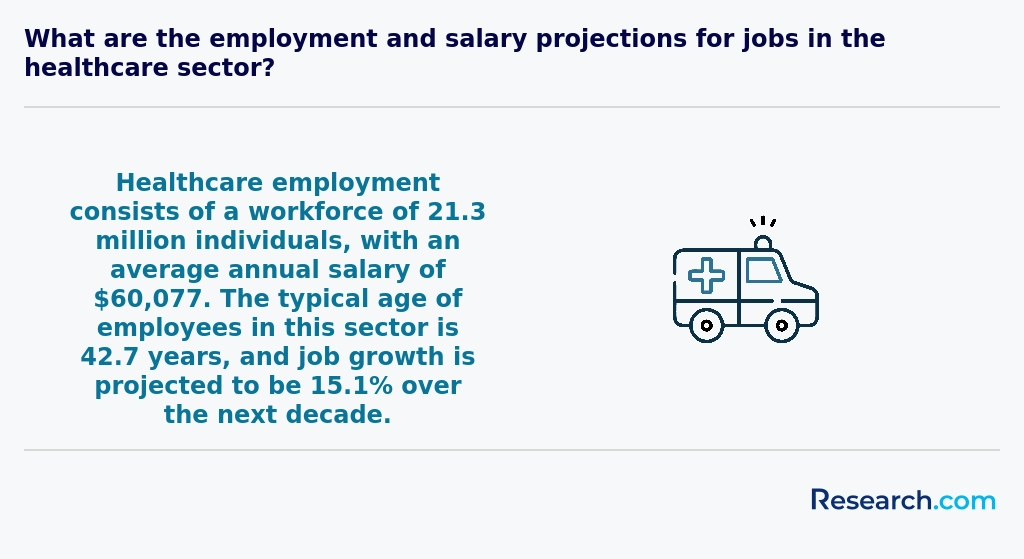
Healthcare careers are recognized globally for their critical role in improving public well-being, especially in the West. In the United States, healthcare employment is projected to grow 13% from 2021 to 2031, much faster than the average for all jobs, according to the Bureau of Labor Statistics. This growth reflects rising demand for services due to an aging population and advances in medical technology.
Online healthcare degrees offer flexible access to medical education, attracting students who seek to work in diverse fields such as nursing, health administration, or public health. The global perspective values these roles for improving healthcare systems worldwide.
Western education institutions emphasize evidence-based practice and ethical standards, aligning curricula with international health goals. This ensures graduates are prepared to contribute both regionally and globally.
Gaining practical experience while pursuing an online healthcare degree in the Western U.S. often involves clinical placements arranged through partnerships between schools and local healthcare facilities. Many accredited programs require students to complete hands-on clinical hours in settings such as hospitals, clinics, or nursing homes. According to the Western Interstate Commission for Higher Education (WICHE), institutions in this region coordinate with diverse healthcare providers to help students meet these requirements.
Additionally, some programs offer virtual simulations and telehealth practicums, which have grown by 30% since 2020 due to technological advances and COVID-19 adaptations. These options allow flexibility while ensuring students develop essential skills.
Networking with local healthcare professionals and volunteering can also supplement formal practicums, providing valuable experience in real-world environments.
Choosing the right concentration within an online healthcare degree program in the Western US depends primarily on your career goals and local job market trends. For example, Oregon and Washington show a growing demand in public health and healthcare administration, according to the Bureau of Labor Statistics. Evaluating whether you want to focus on clinical roles, like nursing or health informatics, or non-clinical roles, such as healthcare management, is essential.
Consider programs accredited by recognized bodies like the Commission on Accreditation of Healthcare Management Education (CAHME), ensuring quality and regional relevance. Additionally, assess if the curriculum aligns with state licensure requirements, especially for professions like nursing. Exploring labor market data from state workforce agencies can help identify growing fields with better job prospects in the West.
Top Trending Healthcare Rankings
See What Experts Have To Say About Studying Healthcare
Read our interview with Healthcare experts

References
- Alumni Association https://executivenursefellows.org/how-nursing-education-programs-prepare-students-for-real-world-challenges.php
- Best Healthcare Degrees & Programs | Accredited Schools Online https://www.accreditedschoolsonline.org/healthcare/degrees/
- Niche Market Opportunities Research Among Healthcare Professionals (A Decision Analyst Case History https://www.decisionanalyst.com/casestudies/nichemarketopportunities/
- 1+ Healthcare Cover Letter Examples (with In-Depth Guidance) https://www.tealhq.com/cover-letter-examples/healthcare
- How to Write Your Cover Letter | NQRTH https://www.nqrth.edu.au/career-planning/how-to-write-your-cover-letter/
- The Complete Online Health Science Degree Guide https://mycollegeguide.org/online-health-science-degrees/
- How to Choose a Health Administration Program https://www.healthadministrationdegrees.com/articles/choosing-a-program/
- Online Degree vs. Traditional: Choosing the Right Path https://beal.edu/online-degree-vs-traditional/
- Advancing Your Career in Healthcare: Tips and Strategies https://www.sunshinecarenetwork.com/blog/advancing-your-career-in-healthcare-tips-and-strategies
- 2025 Most Affordable Healthcare Administration Degrees Online https://www.onlineu.com/most-affordable-colleges/healthcare-administration-degrees


