
2027 Most Affordable Healthcare Degree Programs Ranking in Charlotte

Co-Founder and Chief Data Scientist
Choosing the right healthcare degree program can feel overwhelming, especially with so many options in Charlotte. That's why this article is here to help.
We present the 2027 Most Affordable Healthcare Degree Programs Ranking in Charlotte, created by the Research.com team of data scientists. This ranking is designed to guide students in making well-informed decisions about which programs offer real value.
Pursuing a healthcare degree opens doors to a fulfilling and stable career, and this article will help you find an affordable path to achieve your goals.
Key benefits of getting healthcare degree in Charlotte
- Healthcare degree graduates in Charlotte can expect competitive salaries, such as a Medical Assistant earning around $43,350 annually and a Quality Improvement Coordinator making over $103,000 per year, reflecting strong financial rewards.
- Graduates often find diverse career paths, from Patient Care Technicians with a mean wage of $60,790 to Health Information Technicians, offering flexibility and growth in evolving healthcare settings.
- Online healthcare degrees provide convenience and accessibility, allowing busy students to earn credentials from respected Charlotte institutions while balancing work or family, making advancement more attainable.
- Key benefits of getting healthcare degree in Charlotte
- What can I expect from healthcare degree in Charlotte?
- Where can I work with healthcare degree in Charlotte?
- How much can I make with healthcare degree in Charlotte?
- 2027 Most Affordable Healthcare Degree Programs Ranking in Charlotte
- Key Findings
- How long does it take to complete healthcare degree in Charlotte?
- Typical Courses in Affordable Healthcare Programs in Charlotte, NC
- What's the difference between online and on-campus healthcare degree?
- Accreditation and Licensing Requirements
- What is the average cost of healthcare degree in Charlotte?
- Typical Coursework and Curriculum Overview
- What financial aid is available to healthcare degree students in Charlotte?
- Curriculum and Typical Courses in Healthcare Degree Programs
- What are the prerequisites for enrolling in healthcare degree program in Charlotte?
- Typical Courses and Curriculum Overview
- What courses are typically in healthcare degree programs in Charlotte?
- What types of specializations are available in healthcare degree programs in Charlotte?
- How do you choose the best healthcare degree in Charlotte?
- What career paths are available for healthcare degree students in Charlotte?
- What is the job market for healthcare degree in Charlotte?
- Top Trending Healthcare Rankings
- See What Experts Have To Say About Studying Healthcare
What can I expect from healthcare degree in Charlotte?
The average cost of a healthcare degree in Charlotte tends to be surprisingly accessible, especially when compared to other metropolitan areas. Graduates from Central Piedmont Community College often highlight the relief felt when completing affordable associate degrees in nursing or allied health without crippling debt. These programs offer tangible value, providing solid training paired with financial aid targeting healthcare students.
At universities like UNC Charlotte, bachelor's programs in Nursing and Health Systems Management come at a higher price point but justify their cost through hands-on clinical experiences at major hospitals such as Atrium Health. Students emphasize feeling empowered by real-world practice opportunities that solidify their skills while preparing them for demanding certification exams.
Charlotte's healthcare education landscape challenges the notion that quality always demands exorbitant fees. Scholarships and employer-sponsored aid create pockets of financial support, making investment in your future feasible. Graduates often recall the emotional boost from knowing their education was both affordable and directly aligned with job market needs in a growing healthcare hub.
Where can I work with healthcare degree in Charlotte?
Graduates with a healthcare degree from institutions like the University of North Carolina at Charlotte and Central Piedmont Community College often find themselves immersed in vibrant career paths within the city's robust medical landscape. Rather than limiting themselves to traditional hospital roles, many discover opportunities at industry giants like Atrium Health and Novant Health, where nursing, allied health, and clinical research roles align closely with their academic preparation.
Imagine walking into a bustling Atrium Health facility knowing your education directly empowers care delivery or supports innovative clinical trials. Some graduates share that their roles in outpatient clinics or specialized care centers challenge them daily, blending skills learned in classrooms with real-world problem-solving in high-stakes environments.
But employment in Charlotte extends beyond these health systems. Biotechnology startups and research hubs welcome healthcare alumni eager to impact pharmaceutical services or health informatics. The city's commitment to healthcare innovation offers careers that stimulate intellectual curiosity and professional growth, far from the confines of traditional clinical roles.
Others find rewarding opportunities in public health agencies or community organizations, applying their knowledge to influence policies and enhance health outcomes across diverse populations. This diversity in employment options redefines what a healthcare career can be in Charlotte, inviting graduates to craft unique paths that resonate with their passions and expertise.
How much can I make with healthcare degree in Charlotte?
Graduates from healthcare programs in Charlotte report entering the workforce with earnings that often surprise them-in a good way. For instance, medical assistants typically start with a mean annual wage around $43,350, while patient care technicians enjoy a more robust average of $60,790. These figures reflect real job markets around institutions like the University of North Carolina at Charlotte, where students find strong hands-on training translating into solid income from day one.
Health information technicians, often overlooked, make about $43,380 annually, making this a viable path for those interested in tech-driven healthcare roles. Clinical research coordinators also hover near $43,350, tapping into Charlotte's growing clinical research scene. But it's the upward trajectory in roles such as quality improvement coordinators that truly excites graduates-earning a notable mean salary of $103,150 and illustrating how healthcare degrees can lead to highly rewarding and impactful careers here.
Many Charlotte graduates describe feeling unexpectedly empowered not just financially but intellectually, as their contributions directly improve patient outcomes and healthcare systems. The local healthcare ecosystem's growth ensures steady demand and opportunity, affirming that earnings potential with a degree here extends well beyond entry-level roles.
2027 Most Affordable Healthcare Degree Programs Ranking in Charlotte
How do we rank schools?
Investing in your education is a significant decision that can shape your future, and the Research.com team understands the importance of making well-informed choices. To support prospective students in Charlotte, we have carefully developed the "2027 Most Affordable Healthcare Degree Programs Ranking in Charlotte." Our dedication to quality, credibility, and accuracy is demonstrated through rigorous research and thorough analysis applied in the creation of this ranking.
We utilized the following reputable data sources to ensure a comprehensive evaluation of healthcare degree programs:
By reviewing this ranking, readers will obtain valuable insights into affordable healthcare degree options in Charlotte, empowering them to make confident and informed decisions about their educational investments. For more information on how this ranking was created, please visit our Research.com methodology page.
# 1 position
University of North Carolina at Charlotte
Bachelor of Science in Health Systems Management


Key Findings
- Tuition for public healthcare degree programs in Charlotte ranges from $7,000 to $14,000 per year for in-state students, while private institutions charge between $20,000 and $35,000 annually.
- Financial aid and scholarships are commonly available to help reduce the cost of education.
- Entry-level healthcare graduates in Charlotte can expect starting salaries between $50,000 and $60,000 per year, especially in nursing, health administration, or allied health fields.
- Median salaries for experienced healthcare professionals range from $70,000 to $100,000 for roles like registered nurses, physician assistants, and healthcare managers.
- The healthcare job market in Charlotte is growing rapidly, with projected job growth of 15% over the next decade, driven by demand for nurses, medical technologists, and health services managers.
- Charlotte offers associate, bachelor's, and master's degrees in healthcare, with flexible and hybrid courses available for working professionals.
How long does it take to complete healthcare degree in Charlotte?
Completing a healthcare degree in Charlotte is rarely a one-size-fits-all timeline. Graduates from Central Piedmont Community College often share how their Associate Degree in Nursing wrapped up in about two years, giving them the confidence and credentials to start their careers quickly. On the other hand, those who chose a Bachelor of Science in Nursing from the University of North Carolina at Charlotte usually spend around four years, a commitment that many recall as transformative, opening opportunities for leadership and research roles.
Graduate students pursuing master's degrees describe an intense two to three years packed with learning that sharpened their expertise for specialized healthcare roles. Meanwhile, doctoral candidates, including those aiming for a Doctor of Nursing Practice or MD, embrace four or more years of rigorous study after their bachelor's, often reflecting on how this journey redefined their passion and resilience.
Many local students also value part-time or accelerated tracks, balancing work and study. These choices reveal that time is flexible, shaped not just by academic demands but by personal ambition and life's realities in Charlotte's vibrant healthcare community.
Typical Courses in Affordable Healthcare Programs in Charlotte, NC
As you consider your educational journey, it’s important to understand the curriculum structure that supports a successful career in healthcare. Many programs blend classroom theory with hands-on clinical practice to equip students with the critical skills needed for patient care and healthcare management. Common coursework includes Medical Terminology, Human Anatomy and Physiology, Pharmacology, and Health Informatics. Additionally, students often engage in courses focused on Healthcare Ethics, Community Health, and Clinical Procedures. Interactive simulation labs, clinical rotations, and practical workshops further enhance learning, ensuring you are well-prepared for licensure exams and certification opportunities. This well-rounded curriculum not only builds a solid knowledge base but also empowers you to confidently transition into the dynamic healthcare workforce in Charlotte, NC.
What's the difference between online and on-campus healthcare degree?
Choosing between online and on-campus healthcare degrees in Charlotte means weighing very different student experiences. Graduates from the University of North Carolina at Charlotte often recall the energy of navigating campus labs and immediate access to faculty, which made tackling complex nursing techniques feel tangible and community-driven. In contrast, those who completed programs online appreciated the freedom to balance work and family-logging into virtual lectures on their own schedule without sacrificing involvement in discussions.
While online programs offer flexibility and reduced expenses, the drawback lies in securing in-person clinical hours. Many online students recount the challenge yet satisfaction of coordinating local clinical placements to gain hands-on skills essential for healthcare jobs. Central Piedmont Community College students studying on campus enjoy seamless integration of practical training with coursework, building confidence through face-to-face mentorship and direct networking.
Ultimately, whether you thrive on the immersive, structured campus environment in Charlotte or the adaptable, self-driven online path, each route fosters unique growth. Understanding these nuanced differences helps frame your decision not just as a matter of convenience or cost, but of how you want to experience healthcare education.
Accreditation and Licensing Requirements
Choosing an accredited healthcare degree program in Charlotte, NC is essential to ensure your education meets industry standards and qualifies you for licensure exams. Accredited programs have been evaluated by recognized bodies such as the Commission on Collegiate Nursing Education (CCNE), the Accreditation Commission for Education in Nursing (ACEN), and the Commission on Accreditation of Allied Health Education Programs (CAAHEP). Before enrolling, verify your institution’s accreditation status through the U.S. Department of Education’s Database of Accredited Postsecondary Institutions and Programs. This step not only safeguards your financial aid eligibility but also guarantees that your degree will be recognized by employers and licensing boards. Upon graduation, you must obtain state licensure to practice in roles like Registered Nurse, Medical Laboratory Technologist, or Healthcare Administrator. In North Carolina, the North Carolina Board of Nursing and the North Carolina Board of Examiners for Nursing Home Administrators set specific educational and exam requirements. Be sure your program provides the necessary coursework and clinical hours to sit for licensure exams such as the NCLEX-RN or the NAB Exam. Failure to meet these criteria can delay your entry into the workforce and impact your career trajectory. For students planning to advance beyond a bachelor’s degree, understanding accreditation and licensing remains critical. Accredited master’s programs often open doors to higher-level certifications and leadership roles. Those interested in online graduate options may also consider our Cheapest Online Master's in Healthcare Degree Programs Ranking in Washington, DC, which highlights accredited programs that balance affordability with quality standards. By prioritizing accredited education and verifying licensure requirements early, you’ll build a solid foundation for a long-term, impactful career in Charlotte’s thriving healthcare sector.
What is the average cost of healthcare degree in Charlotte?
Understanding the average healthcare degree cost Charlotte students face invites a reality check on the investment required. The median total cost hovers around $37,650, though in-state students often see a more manageable figure near $19,833. Graduates from institutions like Central Piedmont Community College share how affordable associate degrees gave them a strong healthcare foundation without overwhelming debt, contrasting with the heftier price tags of bachelor's programs at UNC Charlotte where tuition tallies up close to $40,000 before fees.
Affordability is more than just tuition numbers; it embodies the real-life challenge of balancing expenses. Students vividly recall lab fees, textbooks costing up to $2,000 yearly, and clinical placement necessities shaping their budgetary decisions. Many find reassurance in scholarships and financial aid-a critical factor that transforms a daunting cost into a reachable goal for committed healthcare students.
Choosing a healthcare pathway in Charlotte also means weighing the value of diverse degree levels and program types. For instance, entry-level grads from community colleges felt empowered stepping directly into nursing roles, while others embracing specialized master's degrees experienced both inspiring growth and steeper tuition demands. Those curious about certified healthcare credentials often explore online options, learning more about what are the popular online nutrition certifications to supplement their education and career prospects without excessive costs.

Typical Coursework and Curriculum Overview
Students pursuing a healthcare degree in Charlotte, NC can expect a carefully structured curriculum that builds both foundational knowledge and specialized skills. Core courses often include:
- Medical Terminology and Anatomy: Introducing the language of healthcare and the human body’s systems.
- Health Informatics and Data Management: Focusing on electronic health records, data analysis, and privacy regulations.
- Pharmacology and Pathophysiology: Exploring drug mechanisms, disease processes, and patient safety protocols.
- Healthcare Ethics and Law: Examining legal frameworks, compliance standards, and ethical decision-making in clinical and administrative settings.
- Leadership and Organizational Behavior: Developing strategic planning, team management, and communication skills essential for supervisory roles. Many programs also offer elective tracks to match career aspirations. For example, students interested in administrative leadership might choose courses like Financial Management in Healthcare or Quality Improvement in Healthcare Systems. Others may focus on community health through Public Health Policy and Epidemiology. For those seeking maximum flexibility and affordability, our health administration degree cheapest online combines asynchronous lectures with virtual simulations, allowing you to master both theoretical concepts and real-world applications on your own schedule. Clinical practicum or capstone projects are often integrated in the final year, ensuring that graduates can apply classroom learning to hands-on experiences in local hospitals, community clinics, or public health organizations. By blending rigorous academics with practical training, Charlotte’s healthcare degree programs prepare students to enter the workforce confidently and competently.
What financial aid is available to healthcare degree students in Charlotte?
Many students pursuing healthcare degrees in Charlotte find federal aid indispensable, especially the Pell Grant, which can provide up to $7,395 annually without repayment-a game changer when tuition at institutions like the University of North Carolina at Charlotte feels daunting. Graduates often recall how this grant lifted a heavy financial weight, allowing them to focus more on mastering nursing or allied health skills rather than juggling multiple jobs.
State-specific scholarships, such as those from the North Carolina State Education Assistance Authority, also play a crucial role. These awards, often tied to commitments like working in local healthcare facilities, reflect Charlotte's urgent need for skilled professionals. Community college students, particularly at Central Piedmont Community College, experience how affordable tuition combined with targeted scholarships can transform their educational journey into an achievable dream.
Employer tuition assistance programs offer yet another lifeline within Charlotte's vibrant healthcare sector. Working students share stories of how employers like Atrium Health helped fund their degrees, turning ambition into warmth-filled pride as they advanced career prospects without drowning in debt.
Private scholarships from healthcare organizations round out the financial landscape, encouraging hopeful students to seek diverse funding sources beyond traditional routes and embrace the vast support network rooted in Charlotte's healthcare community.
Curriculum and Typical Courses in Healthcare Degree Programs
Healthcare programs in Charlotte, NC, are designed to provide students with a robust blend of theoretical knowledge and practical skills. Typical courses often include Medical Terminology, Anatomy and Physiology, Pharmacology, Healthcare Ethics, and Patient Care Fundamentals. Many programs integrate simulation labs and clinical rotations to ensure that students gain hands-on experience in real-world scenarios. Additionally, courses in Health Informatics and Healthcare Administration equip graduates with the critical analytical and management skills needed in today’s fast-evolving industry. For students interested in broadening their expertise, elective modules may cover nutrition and wellness topics. In fact, exploring what are the popular online nutrition certifications can complement your learning and provide an edge in specialized career paths. Emphasizing both classroom learning and experiential education, these curricula are structured to meet the dynamic demands of the healthcare field while preparing graduates for immediate impact in their professional roles.
What are the prerequisites for enrolling in healthcare degree program in Charlotte?
Enrolling in a healthcare degree program in Charlotte means stepping up to more than just academics-it calls for a foundational commitment that many graduates found both challenging and rewarding. The journey often begins with a high school diploma or GED, but success hinges on having solid groundwork in science and math. Imagine sitting in your first biology lab at Central Piedmont Community College, where students credit their high school biology and chemistry classes for giving them confidence to excel.
Many Charlotte programs, including those at the University of North Carolina at Charlotte, expect completion of prerequisite courses such as general biology with labs, chemistry, English composition, and college-level math. Graduates often reflect on how these classes prepared them not just academically but also mentally for the complex healthcare material ahead.
Beyond coursework, meeting test requirements like SAT or ACT scores is sometimes necessary, but many students appreciate the growing shift toward test-optional policies, easing entry barriers. Those entering nursing or allied health pathways recall navigating background checks and immunization records, which add a layer of real-world responsibility early on.
Several alumni highlight that thriving in Charlotte's healthcare programs also requires strong communication skills, often honed through interviews and letters of recommendation, fostering a readiness to interact compassionately with patients. This blend of academic preparation and personal growth is what sets Charlotte's healthcare students apart, building not only knowledge but resilience and empathy.
Typical Courses and Curriculum Overview
Healthcare degree programs in Charlotte, NC, are designed to provide students with a comprehensive blend of theoretical knowledge and practical skills essential for a successful career in the healthcare field. In these programs, you can expect a structured curriculum that typically includes foundational courses such as Anatomy & Physiology, Medical Terminology, and Microbiology. Advanced coursework often covers specialized topics like Pharmacology, Public Health, Healthcare Ethics, and Healthcare Law, ensuring that graduates are well-prepared for both clinical and administrative roles. Many institutions also integrate hands-on experiences through laboratory simulations, clinical rotations, and internships with local healthcare facilities, allowing students to apply classroom learning in real-world settings. Elective courses provide opportunities to delve into areas such as Healthcare Administration, Health Informatics, or Patient Care Strategies, tailoring the educational experience to match specific career interests. This well-rounded approach not only sharpens critical skills but also enhances adaptability in a rapidly evolving healthcare landscape. By emphasizing a balanced curriculum that combines rigorous academics with immersive practical experiences, healthcare programs in Charlotte empower students to confidently transition into rewarding careers while keeping pace with industry advancements.
What courses are typically in healthcare degree programs in Charlotte?
Healthcare degree programs in Charlotte, such as those at Central Piedmont Community College and UNC Charlotte, immerse students in a rigorous blend of science and practical skills that reflect the city's dynamic healthcare environment. Graduates often recall the challenge and excitement of mastering core subjects like anatomy and physiology, which are essential for understanding the human body's complexities.
Typical courses expand beyond basics, including pharmacology to grasp medication impacts, and medical terminology, crucial for navigating fast-paced clinical settings. Many students find the healthcare ethics and law classes particularly eye-opening, prompting reflection on the weighty responsibilities they will carry as future providers.
Moreover, the inclusion of healthcare informatics signals how technology is reshaping care delivery. Clinical practicums, offered at local institutions, bring theory to life, as students engage directly with patients under supervision, often describing these experiences as transformative moments that solidify their passion and confidence.
Public and community health courses further challenge students to consider healthcare's broader societal role in Charlotte's diverse urban landscape, preparing them to meet real-world disparities with empathy and innovation.
What types of specializations are available in healthcare degree programs in Charlotte?
Healthcare degree specializations in Charlotte challenge the simple idea that a healthcare career is just about direct patient care. Graduates from local institutions know that programs in Nursing, Health Information Management, Public Health, Healthcare Administration, and Allied Health Professions offer diverse pathways reflecting Charlotte's unique healthcare landscape. Imagine a nursing graduate from UNC Charlotte who balances clinical expertise with hands-on experience at Atrium Health, gaining confidence through patient interactions and advanced practice roles. Another graduate focusing on Health Information Management navigates the complexities of digital records in rapidly evolving medical environments, seeing firsthand how data drives better healthcare outcomes.
Those pursuing Public Health at Queens University find themselves addressing real urban challenges, feeling the rewarding impact of wellness and prevention programs in Charlotte's communities. Meanwhile, students intrigued by hospital leadership turn to healthcare administration, where mastering budget oversight and compliance ensures systems run smoothly-a path well-illustrated by graduates thriving in Charlotte's top hospitals. For hands-on therapy careers, Charlotte's strong Allied Health programs empower students to meet rising demand through physical or respiratory therapy.
Prospective students may also explore options like a health administration degree cheapest online, providing flexible, affordable pathways suited to their career goals and financial needs.
How do you choose the best healthcare degree in Charlotte?
Choosing the best healthcare degree in Charlotte means questioning more than just cost or program length. Graduates from popular Charlotte colleges often reflect on how their rigorous programs prepared them emotionally and practically for real-world healthcare challenges. It's about finding a degree that matches your passion and fits the dynamic healthcare scene here-a city experiencing rapid growth and evolving needs.
Consider the value of clinical experiences unique to Charlotte's healthcare facilities. Many students emphasize how hands-on internships with local hospitals build confidence beyond textbooks. This direct exposure sharpens skills and deepens commitment, making the choice about program connections as crucial as accreditation.
For those seeking affordable healthcare degree programs Charlotte has community colleges whose budgets-friendly courses allow you to start with strong foundations without overwhelming debt. The personal stories of alumni highlight how such paths open doors to rewarding careers with less financial pressure.
Finally, explore flexible options, including part-time and online studies that many working students praise. To navigate financial concerns, see resources like the Cheapest Online Master's in Healthcare Degree Programs Ranking in Washington, DC for comparative insight.
What career paths are available for healthcare degree students in Charlotte?
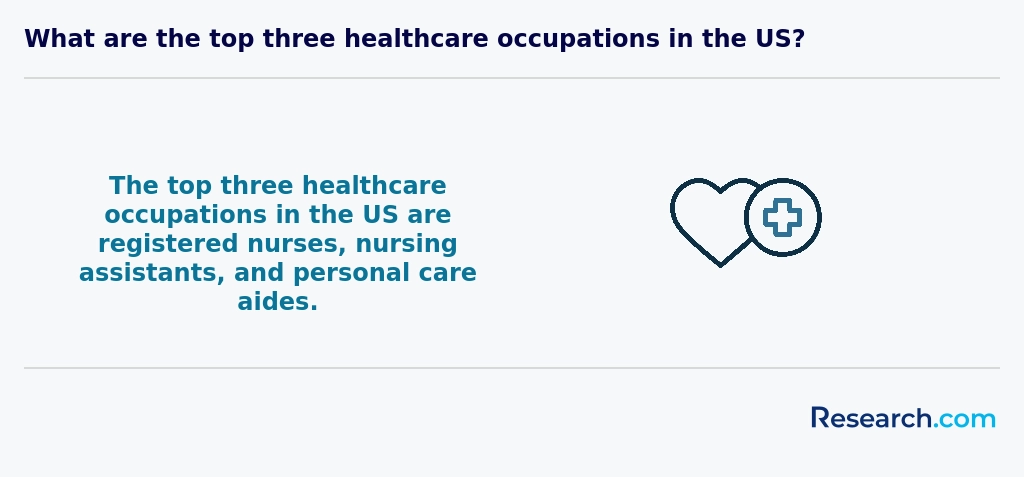
Graduates with a healthcare degree in Charlotte discover a landscape rich with diverse career paths that extend beyond traditional roles. Many find themselves drawn to nursing, where local hospitals and clinics urgently seek Registered Nurses and Nurse Practitioners, offering salaries that reflect not only demand but also the profound impact of these professionals. Others, inspired by their hands-on experiences at Charlotte's top universities, pursue healthcare administration, managing complex operations with salaries reaching as high as $110,000-an eye-opening prospect for those imagining typical office jobs.
For those intrigued by data and regulatory compliance, health information management emerges as a vibrant field, fueled by the city's commitment to innovation in patient care. Graduates appreciate how accessible programs, including accelerated associate degree programs, support swift entry into this career. Clinical laboratory technologists and allied health professionals also find promising opportunities, with salaries that encourage ambition and long-term career growth. These healthcare career options in Charlotte challenge the conventional wisdom that healthcare is a single-path field, revealing instead a dynamic ecosystem ripe with possibilities.
Public health roles, often overlooked, provide an avenue for graduates passionate about shaping community wellbeing in urban centers. Working closely with policy development and health education, these professionals experience daily the rewarding reality of making a tangible difference. This array of healthcare degree job opportunities Charlotte offers encourages students to envision careers that align personally and professionally, fostering a genuine connection to their work and community.
What is the job market for healthcare degree in Charlotte?
The healthcare job market in Charlotte is anything but stagnant, offering a dynamic landscape for graduates of healthcare degrees. Those completing programs at local institutions like the University of North Carolina at Charlotte or Johnson & Wales University often find themselves stepping into a vibrant network fueled by large health systems such as Atrium Health and Novant Health. Graduates frequently share stories of securing diverse roles quickly, from clinical nursing positions to innovative telehealth services launched in response to recent healthcare shifts.
Charlotte healthcare degree employment outlook is especially promising given the projected 14% growth in healthcare jobs through 2032. This surge isn't just a statistic-it's the experience of graduates navigating an expanding infrastructure that includes specialty clinics and outpatient centers. For students weighing costs, the region's affordable tuition rates make pursuing healthcare degrees even more attractive. Many have found that investing in their education within Charlotte offers a direct path to steady, rewarding employment, echoing the region's well-documented demand for skilled professionals.
Some graduates even explore affordable doctoral programs to deepen their expertise, confident in the city's robust healthcare sector as fertile ground for advancement. This reflects a broader reality: in Charlotte, healthcare education isn't just about earning a degree; it's about joining a growing community of professionals who contribute meaningfully to a rapidly evolving job market.
Frequently Asked Questions About healthcare
Healthcare degree students in Charlotte can maximize their learning by engaging in both classroom and practical experiences. Charlotte hosts major healthcare institutions like Atrium Health and Novant Health, offering excellent clinical placement opportunities. Participating in internships or externships at these facilities provides hands-on skills crucial for career readiness.
Students should also leverage resources from local colleges, such as UNC Charlotte's Health Innovation Hub, which supports research and networking. Additionally, joining relevant student organizations or attending healthcare seminars in the region helps build professional connections. According to the Charlotte Regional Health Equity Report (2023), experiential learning significantly improves job placement rates for healthcare graduates in the area.
The healthcare field in Charlotte is expanding with several emerging niches driven by evolving community needs and technological advancements. One key area is telehealth, which has grown significantly following the COVID-19 pandemic. According to the North Carolina Healthcare Association, telehealth visits in the state increased by over 50% between 2020 and 2023.
Another promising niche is geriatric care. Charlotte's aging population has led to higher demand for specialized services, including geriatric nursing and chronic disease management. Additionally, healthcare informatics and data analysis are becoming essential as providers seek to improve patient outcomes using big data.
Lastly, behavioral health continues to grow, with increased focus on mental health professionals due to rising awareness and funding in the region.
After completing a healthcare degree in Charlotte, preparing for the job market involves several key steps. First, gaining practical experience through internships or clinical rotations is essential. Charlotte hosts major healthcare employers like Atrium Health and Novant Health, which offer valuable residency and fellowship programs.
Networking is another important factor. Joining local professional organizations, such as the Charlotte Regional Healthcare Workforce Alliance, can connect graduates to job openings and mentorship opportunities.
Additionally, obtaining relevant certifications and licenses according to your specialization improves employment prospects. The U.S. Bureau of Labor Statistics reports that healthcare jobs in Charlotte are expected to grow by 15% from 2022 to 2032, indicating strong demand.
Finally, utilize Charlotte-based job boards and career services offered by local colleges to access targeted job listings and career counseling tailored for healthcare professionals.
Employers in Charlotte's healthcare sector prioritize a mix of technical and interpersonal skills when hiring graduates with healthcare degrees. Strong clinical knowledge and proficiency in electronic health records (EHR) systems are essential, as Charlotte-area hospitals increasingly adopt advanced digital tools. According to recent reports from the Charlotte Chamber of Commerce, communication skills rank highly because teamwork and patient interaction are critical in healthcare settings.
Critical thinking and problem-solving help graduates adapt to Charlotte's diverse patient population and fast-paced clinical environments. Additionally, cultural competence is especially valued due to the city's growing demographic variety. Basic knowledge of healthcare regulations, including HIPAA compliance, is also necessary for maintaining patient privacy and safety.
Finding internships relevant to healthcare degrees in Charlotte involves several strategic steps. Start by exploring local healthcare facilities such as Atrium Health and Novant Health, which are among the largest employers in the region and regularly offer internship programs for students. These institutions often collaborate with area colleges to provide hands-on clinical experience.
Additionally, use resources like the Charlotte Chamber of Commerce and nonprofit organizations focused on public health to identify less obvious opportunities. Websites such as Handshake and college career centers also list healthcare internships tailored to students' educational levels.
Charlotte has seen a strong growth in healthcare jobs, increasing over 15% since 2015, according to the U.S. Bureau of Labor Statistics, making internships valuable for practical expertise.
Obtaining a healthcare degree in Charlotte significantly enhances career mobility and advancement opportunities. The city's growing healthcare sector, with leading employers like Atrium Health and Novant Health, demands qualified professionals across various roles.
According to the Charlotte Regional Business Alliance, healthcare employment in the region grew by over 10% between 2018 and 2023, reflecting expanding job prospects. A degree equips graduates with essential clinical and administrative skills, making them competitive for diverse positions.
Higher educational credentials often lead to better pay and leadership roles. For example, nurses with a Bachelor of Science in Nursing (BSN) typically earn more than those with an associate degree and are more likely to secure supervisory positions.
Studying for a healthcare degree in Charlotte offers strong preparation for interdisciplinary roles through comprehensive curricula that integrate multiple healthcare disciplines. Local universities and colleges emphasize teamwork skills, critical in settings like hospitals and community health centers, where professionals from nursing, public health, and administration collaborate closely.
Charlotte's healthcare programs often include clinical rotations and practicum experiences at institutions such as Atrium Health and Novant Health. These settings expose students to real-world interdisciplinary practices essential for coordinated patient care.
According to the Charlotte Regional Business Alliance, the healthcare sector in Charlotte grew by 5.4% in 2023, increasing demand for professionals skilled in cross-disciplinary communication. This regional growth supports training environments that foster collaboration across specialties.
When choosing between a thesis and a non-thesis healthcare degree program in Charlotte, students should consider their career goals and learning preferences. Thesis programs focus on research, requiring students to conduct original studies and write extensive papers, typically preparing them for doctoral studies or research roles.
Non-thesis programs emphasize practical skills and often include internships or capstone projects, appealing to those aiming for clinical or administrative positions. Charlotte's growing healthcare sector, with major employers like Atrium Health, values both research and practical expertise, but the demand for evidence-based practice skills is rising.
According to the North Carolina Department of Health and Human Services, research-oriented skills can enhance job prospects in academic hospitals and public health agencies.
Evaluating time commitments and available faculty support in Charlotte universities can also impact the decision. Thesis options may take longer but offer deeper specialization, while non-thesis tracks tend to be shorter and more flexible for working professionals.
Students in Charlotte interested in studying healthcare abroad have several options supported by U.S. institutions and exchange programs. Many universities in Charlotte, such as the University of North Carolina at Charlotte, offer study abroad partnerships with healthcare-focused programs in Europe, Asia, and Australia. These programs often include clinical placements and research opportunities, allowing students to gain international experience with global health systems.
According to the Institute of International Education's 2023 Open Doors Report, more than 60% of U.S. students studying abroad engage in health sciences or related fields, highlighting increasing interest in global healthcare careers. Charlotte students can also access scholarships and funding through state and federal sources specifically targeting healthcare studies abroad.
Participation in these programs enhances cultural competency, a key skill given Charlotte's diverse population of over 900,000 residents, which healthcare professionals must serve effectively.
Charlotte offers diverse part-time job opportunities that can complement healthcare degree students' education. Positions such as medical scribe, patient care technician, and pharmacy technician provide hands-on experience within the city's expanding healthcare sector.
According to the Charlotte Regional Business Alliance, healthcare jobs in Charlotte grew by over 10% in recent years, reflecting growing hospital systems like Atrium Health and Novant Health. Part-time work in these facilities helps students apply theoretical knowledge and improve clinical skills while continuing their studies.
Additionally, roles in home health care agencies and outpatient clinics offer flexible hours, enabling students to balance work and coursework. Many employers in Charlotte provide training programs tailored to students pursuing healthcare degrees, enhancing both competence and employability.
Healthcare students in Charlotte benefit from a range of networking opportunities that connect them with professionals and organizations. Local universities like the University of North Carolina at Charlotte and Central Piedmont Community College often host career fairs and industry-specific events aimed at healthcare fields.
Charlotte is home to major healthcare employers such as Atrium Health and Novant Health, which offer internships and mentoring programs. These connections can help students gain real-world experience and build professional relationships.
The Charlotte Healthcare Council provides networking events and educational workshops that facilitate interaction between students, graduates, and healthcare leaders in the region.
Alumni networks play a crucial role for healthcare degree students in Charlotte by providing valuable professional connections. These networks connect current students with graduates working in local hospitals and clinics, offering insights into career paths and workplace culture. According to the Charlotte Regional Business Alliance, healthcare is one of the fastest-growing sectors in the city, increasing demand for skilled professionals.
Through alumni events and online platforms, students gain access to mentorship, internships, and job opportunities. Research from the National Association of Colleges and Employers shows that 85% of jobs are filled through networking. In Charlotte, strong alumni ties can significantly improve students' chances of employment in respected institutions like Atrium Health and Novant Health.
Customizing a healthcare degree program in Charlotte allows students to align education with their specific career goals. Local institutions often offer flexible course options such as electives in nursing, health administration, or public health. Many programs provide opportunities for practical experience through internships or partnerships with Charlotte's large healthcare networks, like Atrium Health and Novant Health, which employ over 70,000 professionals combined.
Students can also choose certificate tracks or specializations to deepen expertise in areas like healthcare informatics or patient care coordination. Online and hybrid class options make it easier for working professionals to tailor their schedules. Consulting academic advisors helps ensure course choices meet licensing or certification requirements for targeted roles.
Healthcare students in Charlotte face several key challenges during their education. One major difficulty is balancing demanding clinical rotations with academic work. Many programs require upwards of 700 clinical hours, creating time management stress.
Another challenge is the rising cost of education. According to the College Foundation of North Carolina, tuition and fees for healthcare programs have increased by around 4% annually, which can strain students financially. Additionally, limited local scholarships increase reliance on student loans.
Students also encounter high competition for internships and residencies due to Charlotte's expanding healthcare sector, home to top institutions like Atrium Health and Novant Health. This competitive environment requires strong academic performance and networking.
With a healthcare degree earned in Charlotte, graduates can pursue numerous professional certifications to enhance their career opportunities. Popular certifications include Certified Nursing Assistant (CNA), Licensed Practical Nurse (LPN), and Registered Nurse (RN), all regulated by the North Carolina Board of Nursing. For those interested in administrative roles, certifications like Certified Healthcare Administrative Professional (cHAP) are valuable.
Charlotte's growing healthcare sector, supported by institutions such as Atrium Health and Novant Health, creates demand for credentialed professionals. According to the Charlotte Regional Business Alliance, healthcare employment is expected to grow by 15% over the next decade, increasing certification opportunities.
Other certifications include Medical Coding Specialist and Certified Phlebotomy Technician, which require specialized training but offer strong job prospects locally.
To write a winning application for a healthcare program in Charlotte, start by carefully researching the specific requirements of each institution. Many programs prioritize strong academic records, relevant volunteer or work experience, and clear career goals. Charlotte, home to top healthcare providers like Atrium Health, values practical exposure, so highlighting internships or community service in local health settings can strengthen your application.
Craft a concise personal statement that explains your motivation and commitment to healthcare, referencing Charlotte's growing healthcare industry, which is projected to add thousands of jobs by 2030 according to the Charlotte Chamber of Commerce. Include letters of recommendation from supervisors familiar with your healthcare-related skills. Lastly, ensure your application is error-free and submitted before deadlines to maximize your chances.
Healthcare careers are increasingly viewed through a global lens, emphasizing the importance of cross-cultural skills and international health issues. In the U.S., and specifically Charlotte, healthcare professionals often engage with diverse populations, reflecting broader global health trends. According to the Charlotte Chamber, the city's growing healthcare sector is shaped by international medical advancements and a multicultural workforce.
The World Health Organization highlights rising demands for healthcare workers worldwide, driven by aging populations and chronic diseases. This global perspective influences education and training programs in Charlotte, preparing students to meet both local and international healthcare challenges.
Understanding global health policies and collaboration is now part of many healthcare curriculums, enabling graduates to work in varied settings and improve health outcomes globally. This trend offers Charlotte students expanded career opportunities both domestically and abroad.
Gaining practical experience while studying for a healthcare degree in Charlotte is vital for career readiness. Many local institutions, such as the University of North Carolina at Charlotte and Central Piedmont Community College, offer clinical rotations and internships in nearby hospitals and clinics. These hands-on experiences allow students to apply classroom knowledge in real healthcare settings.
Charlotte is home to several major healthcare providers, including Atrium Health and Novant Health, which frequently partner with educational programs to provide internships and externships. Such opportunities expose students to diverse patient populations and medical scenarios.
Additionally, volunteer positions and entry-level healthcare jobs in Charlotte's growing medical sector can supplement formal practical training. According to the Charlotte Regional Business Alliance, healthcare remains one of the fastest-growing industries locally, making practical experience accessible and valuable.
Choosing the right concentration within a healthcare degree program in Charlotte involves assessing local industry demands and personal interests. Charlotte's healthcare sector is growing rapidly, with over 150,000 healthcare workers as of 2023, according to the North Carolina Department of Commerce. Specializations like nursing, health administration, and medical technology are in high demand locally.
Students should review employment data from the Charlotte Regional Business Alliance, which highlights a particular need for registered nurses and healthcare managers. Understanding your career goals, desired work environment, and licensing requirements in North Carolina also guides concentration choice.
Exploring program curriculum and clinical opportunities offered by institutions such as the University of North Carolina at Charlotte or Central Piedmont Community College is essential.
Related Healthcare Rankings for Nearby Cities
- 2027 Most Affordable Healthcare Degree Programs Ranking in Atlanta
- 2027 Most Affordable Healthcare Degree Programs Ranking in Macon
- 2027 Most Affordable Healthcare Degree Programs Ranking in Washington
- 2027 Most Affordable Healthcare Degree Programs Ranking in Jacksonville
- 2027 Most Affordable Healthcare Degree Programs Ranking in Louisville
- 2027 Most Affordable Healthcare Degree Programs Ranking in Birmingham
- 2027 Most Affordable Healthcare Degree Programs Ranking in Baltimore
- 2027 Most Affordable Healthcare Degree Programs Ranking in Montgomery
- 2027 Most Affordable Healthcare Degree Programs Ranking in Tallahassee
- 2027 Most Affordable Healthcare Degree Programs Ranking in Gainesville
Top Trending Healthcare Rankings
See What Experts Have To Say About Studying Healthcare
Read our interview with Healthcare experts

References
- How to Write Your Cover Letter | NQRTH https://www.nqrth.edu.au/career-planning/how-to-write-your-cover-letter/
- Career Opportunities in Healthcare Without a Medical Degree https://www.just-medical.ch/en/blog/medical-careers-without-formal-education
- Interdisciplinary Education and Practice https://www.aacnnursing.org/news-data/position-statements-white-papers/interdisciplinary-education-and-practice
- 10 Skills Employers Are Looking for in Healthcare Management Jobs https://www.aiuniv.edu/blog/10-top-skills-for-healthcare-management-jobs
- How do you Network as a Student? | Medmentor https://medmentor.co.uk/blog/how-do-you-network-as-a-student
- Which Charlotte Medical Assistant Program is the Best Value? - Medical Assistant Programs in Charlotte https://medicalassistantprogramscharlotte.com/which-charlotte-medical-assistant-program-is-the-best-value/
- How to Succeed in a Difficult Job Market After Graduation https://www.hospitalrecruiting.com/blog/6542/how-to-succeed-in-a-difficult-job-market-after-graduation/
- How to Set and Achieve Career Goals in Health and Social Care https://uk.hfonline.org/how-to-set-and-achieve-career-goals-in-health-and-social-care/
- What are the top 10 skills that'll get you a job when you graduate? https://targetjobs.co.uk/careers-advice/skills-for-getting-a-job/what-are-top-10-skills-thatll-get-you-job-when-you-graduate
- Education requirements for the fastest-growing healthcare jobs https://www.corridorcareers.com/job-tips/blog-news-education-requirements-fastest-growing-healthcare-jobs


