
2027 Most Popular Healthcare Degree Programs Ranking in the USA Territories

Co-Founder and Chief Data Scientist
Choosing the right healthcare degree program can be a life-changing decision, especially for students in the USA Territories. Our article introduces the 2027 Most Popular Healthcare Degree Programs Ranking in the USA Territories, carefully developed by the Research.com team of data scientists. This ranking is designed to help you make an informed choice about which programs deserve your attention.
Exploring these top programs can open doors to rewarding careers where you make a real difference. Reading this article empowers you to take confident steps toward a fulfilling future in healthcare.
Key benefits of getting healthcare degree in the USA Territories
- Healthcare degree graduates can earn competitive salaries, such as Medical Assistants averaging $43,350 annually and Quality Improvement Coordinators earning over $103,000, offering strong financial rewards.
- Graduates from popular universities in the USA Territories can explore diverse career paths, including roles like Patient Care Technician or Health Information Technician, providing flexibility and growth.
- Obtaining an online healthcare degree allows busy students to balance work and study effectively while accessing quality education from anywhere in the USA Territories.
- Key benefits of getting healthcare degree in the USA Territories
- What can I expect from healthcare degree in the USA Territories?
- Where can I work with healthcare degree in the USA Territories?
- How much can I make with healthcare degree in the USA Territories?
- 2027 Most Popular Healthcare Degree Programs Ranking in the USA Territories
- Key Findings
- How long does it take to complete healthcare degree in the USA Territories?
- What's the difference between online and on-campus healthcare degree?
- What is the average cost of healthcare degree in the USA Territories?
- Top Healthcare Degree Programs by Territory
- What financial aid is available to healthcare degree students in the USA Territories?
- Accreditation and Licensure
- What are the prerequisites for enrolling in healthcare degree program in the USA Territories?
- What courses are typically in healthcare degree programs in the USA Territories?
- What types of specializations are available in healthcare degree programs in the USA Territories?
- How do you choose the best healthcare degree in the USA Territories?
- What career paths are available for healthcare degree students in the USA Territories?
- What is the job market for healthcare degree in the USA Territories?
- Top Trending Healthcare Rankings
- See What Experts Have To Say About Studying Healthcare
What can I expect from healthcare degree in the USA Territories?
The average cost of a healthcare degree in the USA Territories tends to be more affordable compared to mainland institutions. Graduates from the University of Puerto Rico's Medical Sciences Campus often highlight the value they received, balancing quality education with lower tuition fees. Many students find that tuition rates can be up to 30-40% less than similar programs on the mainland, making it a practical choice for those managing tight budgets.
Financial aid plays a crucial role; federal loans and scholarships are commonly accessible to students in these territories, providing essential support to cover tuition and living expenses. For example, nursing students at Guam Community College frequently share how scholarships helped ease their financial stress, enabling them to focus more on clinical training and less on debt concerns.
Because of the community-focused nature of these programs, students experience culturally relevant training alongside affordable education. Clinical placements at local hospitals enforce the practical skills graduates will need, often boosting confidence and readiness without the burden of overwhelming costs.
Where can I work with healthcare degree in the USA Territories?
Graduates with healthcare degrees from institutions like the University of Puerto Rico or Guam Community College often find rewarding opportunities in local hospitals, clinics, and government health agencies. Many start their careers as nurses or medical technologists in public hospitals, gaining hands-on experience managing widespread health issues such as diabetes or cardiovascular diseases common in these regions.
Others choose roles in community health centers, where they provide essential services including primary care and public health outreach, especially on islands like Guam and the Northern Mariana Islands. These positions offer a fulfilling way to impact underserved populations directly.
Graduates have also found roles in government programs focused on disease prevention and health promotion, benefiting from steady federal funding through Medicaid or Medicare. For example, jobs supporting pandemic response efforts in the U.S. Virgin Islands often require skills from healthcare education programs, opening doors in epidemiology and mental health services.
Practical experience gained in local health departments or nonprofit organizations ensures graduates remain highly employable while contributing meaningfully to their communities.
How much can I make with healthcare degree in the USA Territories?
Graduates from healthcare programs in the USA Territories can expect varied earnings depending on their role and location. For example, registered nurses in Puerto Rico often earn between $44,000 and $50,000 annually, but positions like Medical Assistant show a mean annual wage of about $43,350, according to the latest BLS data. Students from institutions such as the University of Puerto Rico report feeling optimistic about these numbers, as they align with local living costs and offer a solid start in their careers.
For roles like Patient Care Technician, the mean annual wage reaches approximately $60,790, reflecting higher demand and responsibilities. Health Information Technicians also earn around $43,380 annually, which contributes to positive feedback from graduates at Guam Community College, where emphasis on practical tech skills is strong.
Those aiming for leadership or coordination roles, such as Quality Improvement Coordinator, can anticipate earnings closer to $103,150 per year. Graduates from Northern Marianas College highlight this as a motivating target that justifies advanced studies and certifications. Overall, realistic expectations combined with tailored local education pathways make these careers rewarding in the Territories.
2027 Most Popular Healthcare Degree Programs Ranking in the USA Territories
How do we rank schools?
Investing in your education is a significant decision that can shape your career and future opportunities, and the Research.com team recognizes the importance of making well-informed choices. To support students and professionals across the USA Territories, we have carefully developed the "2027 Most Popular Healthcare Degree Programs Ranking." Our dedication to quality, credibility, and accuracy is demonstrated through rigorous research and thorough analysis behind this ranking.
We utilized the following reputable data sources to ensure a comprehensive evaluation of healthcare degree programs:
By exploring this ranking, readers will obtain valuable insights into the most popular healthcare degrees in the USA Territories, empowering them to select programs that align with their career goals. For more information on how this ranking was created, please visit our Research.com methodology page.


# 5 position
Pontifical Catholic University of Puerto Rico-Ponce
Bachelor of Science in Nursing
# 6 position
Pontifical Catholic University of Puerto Rico-Ponce
Master of Science in Nursing


# 13 position
Inter American University of Puerto Rico-San German
Bachelor of Science in Health Sciences


# 19 position
Inter American University of Puerto Rico-Fajardo
Bachelor of Science in Allied Health Sciences
Key Findings
- Healthcare education in USA Territories like Puerto Rico and Guam typically costs less than mainland U.S., with nursing or allied health tuition ranging from $5,000 to $10,000 per year.
- Living costs are generally lower in the Territories, making overall expenses more affordable than in larger U.S. metropolitan areas.
- Starting salaries for healthcare graduates range from $35,000 to $45,000 annually, with median salaries rising to approximately $50,000 to $60,000 after experience.
- There is strong demand for healthcare workers due to shortages in nursing and specialized medical fields, especially in aging populations.
- Many healthcare programs in the Territories are accredited by U.S. agencies, allowing graduates to pursue licensure and work opportunities across the United States.
How long does it take to complete healthcare degree in the USA Territories?
Completing a healthcare degree in the USA Territories generally follows familiar timelines seen across the mainland, making it easier to plan your education path. Associate degrees like Nursing (ADN) or Medical Assisting typically take about two years at community colleges or technical schools across Puerto Rico, Guam, or the US Virgin Islands. Graduates often share how those two years built solid foundational skills, allowing them to confidently step into entry-level healthcare roles.
For bachelor's degrees such as the BSN, expect around four years to fully prepare yourself. For instance, students at Universidad Central del Caribe in Puerto Rico report gaining both deep theoretical knowledge and hands-on clinical experience within this timeframe. This balance sets them up for licensure and competitive jobs.
Graduate degrees, including Master's in Nursing or Physician Assistant programs, generally add two to three years post-bachelor's. At institutions like the University of Guam, students find these programs challenging but rewarding, opening doors to specialized healthcare positions.
Doctoral degrees such as MD or DMD require about four years of medical school plus residency, often through partnerships with mainland schools, reflecting a more extended commitment but promising extensive professional training in high-demand fields.
What's the difference between online and on-campus healthcare degree?
On-campus healthcare degrees in the USA Territories, like those offered at the University of Puerto Rico or Guam Community College, give students direct access to labs and clinical training vital for hands-on skills. Graduates often describe feeling confident after constantly interacting with instructors and peers, which helps build teamwork and real-time problem-solving. However, options can be limited since fewer institutions offer these programs locally, which sometimes means relocating or facing commute challenges.
Online healthcare degrees appeal to those needing flexibility, especially for balancing work and family. Residents in remote areas like the US Virgin Islands can access mainland universities without moving. Still, these programs require careful planning because students must complete on-site clinical components near home or through approved hospitals. Many students say managing time and tech demands boosts their discipline and independence, but it's important to verify that the program meets licensure rules in the Territories.
Both paths have trade-offs; on-campus provides immersive experiences and community, while online offers convenience and cost savings on housing. Weigh clinical placement availability and local support when deciding which suits your life best.
What is the average cost of healthcare degree in the USA Territories?
The average cost of a healthcare degree in the USA Territories typically centers around $17,808 total, with notable variation depending on residency status and the specific institution. In-state students often pay closer to $7,050, making healthcare education in these regions more accessible compared to many mainland universities. Graduates from public institutions like the University of Guam and the University of the Virgin Islands often share stories of manageable tuition combined with the cultural comfort of studying close to home, enhancing their overall educational experience.
In territories such as Puerto Rico, where multiple institutions offer healthcare programs, students benefit from tuition rates significantly lower than mainland averages. For those balancing budget concerns with ambitions in health sciences, exploring community colleges or smaller schools in American Samoa or the Northern Mariana Islands can offer even more affordable pathways. These institutions normally price degrees between $3,000 and $5,000 annually, although program variety may be limited.
When budgeting for a healthcare degree in the USA Territories, it's important to include additional fees like lab supplies, technology, and materials, which can add several hundred to over a thousand dollars per year. Many students also find relief through federal Pell Grants and local scholarships tailored to these areas. Those planning their route might consider programs highlighted in the best accelerated associate degree programs to reduce time and cost investment.
Understanding the average cost of healthcare degree USA territories-wide means recognizing that while tuition is lower than mainland rates, careful financial planning and leveraging available aid ensure a rewarding and affordable educational journey in these unique regions.
Top Healthcare Degree Programs by Territory
To help you compare at a glance, here are 2026’s most popular programs across each U.S. Territory:
- Puerto Rico: Bachelor of Science in Nursing (BSN) at University of Puerto Rico Medical Sciences Campus
- Guam: Associate of Science in Nursing (ASN) at Guam Community College
- U.S. Virgin Islands: Bachelor of Science in Health Sciences at University of the Virgin Islands
- American Samoa: Associate of Applied Science in Health Care Administration at American Samoa Community College
- Northern Mariana Islands: Associate of Science in Nursing (ASN) at Northern Marianas College
For those interested in pharmacy careers, see our guide on how to become a pharmacist.
What financial aid is available to healthcare degree students in the USA Territories?
Students pursuing healthcare degrees in the USA Territories should first complete the FAFSA to unlock federal aid like Pell Grants and Direct Loans, essential for managing typical tuition fees between $15,000 and $35,000 annually at schools such as the University of Puerto Rico or Guam Community College. Graduates often recall how Pell Grants significantly offset costs, making education more accessible.
Next, explore territory-specific scholarships; for example, nursing students in Puerto Rico benefit from Department of Education awards aimed at local workforce needs. Similarly, healthcare students at the University of the Virgin Islands find loans and grants tailored to retain professionals within the islands, reducing financial stress and fostering community pride.
Additionally, consider employer programs offering tuition reimbursement or loan forgiveness in underserved areas. Graduates frequently mention these incentives as a motivating factor that eased their debt while giving back to their community.
Private scholarships from healthcare associations, though fewer here than on the mainland, remain worth applying for as supplementary funding, helping students in nursing and public health programs feel supported throughout their studies.
Accreditation and Licensure
Understanding accreditation and licensure pathways ensures your degree meets quality standards and qualifies you for certification exams.
- Regional Accreditation: Verify your institution holds recognition from bodies like the Middle States Commission on Higher Education or the Western Association of Schools and Colleges.
- Programmatic Accreditation: Look up CCNE or ACEN for nursing, CAAHEP for allied health, and CAHIIM for health information programs.
- Licensure Eligibility: Confirm territory board requirements-most require NCLEX or specialty exam registration, proof of clinical hours and a background check.
For flexible nursing admission options, explore nursing schools that don't require teas.
What are the prerequisites for enrolling in healthcare degree program in the USA Territories?
To enroll in a healthcare degree program in the USA Territories, you first need a high school diploma or a GED, which is a basic must-have. Graduates from institutions like the University of Puerto Rico or Guam Community College found that securing this credential early on made the application process smooth and straightforward.
Next, make sure you complete prerequisite courses in biology, chemistry, and algebra during high school. Many successful healthcare students at these universities emphasize how strong foundations in these subjects helped them grasp complex medical concepts more easily once enrolled.
Though standardized tests like the SAT or ACT may be requested, many territory schools now offer test-optional policies. Graduates recall feeling relief when test scores weren't mandatory, allowing them to focus on excelling in relevant coursework instead.
Letters of recommendation, personal statements, and sometimes interviews add an extra layer to your application. Hands-on experience, such as volunteering in local clinics or hospitals found on islands like the U.S. Virgin Islands, is highly valued and often required, showcasing real readiness and passion for healthcare.
What courses are typically in healthcare degree programs in the USA Territories?
Healthcare degree programs in the USA Territories typically include core courses designed to build a strong foundation in medical sciences and practical healthcare skills. Graduates from institutions like the University of Puerto Rico and the University of the Virgin Islands often highlight how courses in Human Anatomy and Physiology, Microbiology, and Pharmacology prepare them for real-world medical settings.
In addition, these programs emphasize region-specific challenges. For example, students study tropical diseases such as dengue fever and Zika virus, which are common in territories like Guam. This specialized knowledge helps graduates confidently address local healthcare needs.
A graduate recalls how Health Ethics and Policy coursework tied directly into local health administration, making it easier to understand community healthcare dynamics. Courses in Nutrition and Wellness and Healthcare Communication also equip students with skills to support patient-centered care.
Overall, this combination of foundational and region-tailored courses ensures students gain practical insights, making their transition into local hospitals and clinics smoother and more impactful.
What types of specializations are available in healthcare degree programs in the USA Territories?
Healthcare degree programs in the USA Territories typically offer specializations that address the distinct health challenges of the region. Common areas include nursing, which remains highly favored due to strong local demand, with graduates often finding rewarding roles in hospitals and community clinics. Public health is another key track, focusing on disease prevention and emergency readiness-critical in territories prone to tropical diseases and natural disasters.
Many top healthcare programs in USA Territories also include medical laboratory science, equipping students to handle diagnostic testing vital for managing infectious diseases in tropical climates. Physical therapy and rehabilitation are popular for addressing chronic conditions that affect aging populations in these communities. Graduates from local colleges often highlight how practical training on these specializations prepared them to serve real local needs effectively.
Additional options at universities include healthcare administration and health informatics, strengthening the region's healthcare systems. For those exploring other avenues, allied health tracks like respiratory therapy and dental hygiene provide practical skills and job security. For cost-conscious students, these programs often come at affordable tuition rates compared to mainland offers. Those interested can also explore certifications for jobs that pay well as complementary paths.
How do you choose the best healthcare degree in the USA Territories?
Begin by identifying programs that align with the healthcare needs in your territory; for instance, nursing programs at universities in Puerto Rico are well-regarded and have helped graduates find jobs quickly across the mainland U.S. Guam and the U.S. Virgin Islands have promising public health degrees that address local community challenges. Choosing the best healthcare degree programs in USA Territories means prioritizing accredited institutions, so your qualification is recognized nationwide.
Next, focus on affordability. Many students appreciate that public universities in Puerto Rico offer tuition around $4,000 yearly, which eases the financial burden compared to mainland costs. Look for scholarships and government aid aimed specifically at territory residents to further reduce expenses, making affordable healthcare degrees in USA Territories a realistic goal.
Practical experience is crucial. Select programs offering hands-on clinical training at local hospitals, which helped many graduates feel confident treating common regional health issues like diabetes. Also consider program flexibility, especially if you balance school with work or family. If you're curious about advanced healthcare education options, see if can you get a phd without a dissertation fits your future plans.
What career paths are available for healthcare degree students in the USA Territories?
Graduates with a healthcare degree in the USA Territories have several practical career paths to consider. Many choose clinical roles such as registered nurses (RNs), medical laboratory technicians, physical therapists, or pharmacists. For example, graduates from well-known programs at the University of Puerto Rico often find positions as RNs in local hospitals, where they contribute directly to patient care and experience strong job satisfaction from helping their communities.
Other graduates pursue healthcare management or health information technology careers. Working as healthcare administrators at agencies like the Puerto Rico Department of Health lets them improve healthcare operations and patient services. Meanwhile, health information specialists play a vital role managing digital patient records, relevant as the territories expand their use of health technology.
Public health positions offer another avenue, focusing on community health initiatives, epidemiology, and health education. Many students from territorial colleges actively engage in efforts to reduce chronic diseases and address health disparities. Exploring such options alongside best trade careers can broaden job opportunities for healthcare graduates in USA Territories.
What is the job market for healthcare degree in the USA Territories?
Graduates holding a healthcare degree in the USA Territories encounter a job market that, while smaller than the mainland, offers rewarding employment opportunities tailored to local needs. Universities and colleges popular in these regions prepare students for stable roles within hospitals, government health departments, and community clinics facing staff shortages. For example, many graduates from nursing programs in Puerto Rico find steady work despite an annual salary that averages around $54,000, somewhat below mainland wages, but balanced by lower living costs.
Students interested in healthcare degree job outlook USA Territories should consider that federal programs often support employment growth, especially in allied health fields. Local graduates appreciate how their training directly impacts community health and enjoy career mobility thanks to certification standards aligned with the mainland.
Those looking to enter nursing may want to explore options at nursing schools that don't require teas, easing admission hurdles and accelerating entry into the workforce.
Overall, employment opportunities for healthcare graduates in USA Territories reward those ready to serve close-knit populations while benefiting from a healthcare system supported by federal resources and practical training.
Frequently Asked Questions About healthcare
Healthcare degree students in the USA Territories can maximize their learning by engaging in hands-on clinical experiences within local medical facilities, which are essential for practical skills development. Many programs partner with hospitals and clinics in territories like Puerto Rico and Guam, providing exposure to diverse patient populations and health conditions.
Students should also take advantage of online resources and federal programs supporting education in these regions. According to the Health Resources and Services Administration (HRSA), participation in federally funded training helps bridge gaps in healthcare access and quality.
Networking with professionals and joining local healthcare associations can offer mentoring opportunities and career guidance tailored to the unique healthcare challenges in the territories.
The healthcare field within USA Territories is evolving rapidly, with several emerging niches gaining attention among students and professionals. One growing area is telehealth, which leverages technology to provide remote care, especially important in islands like Guam and Puerto Rico where access to specialists can be limited. According to the U.S. Department of Health and Human Services, telehealth usage increased by over 50% in these regions during recent years.
Another niche is geriatric care, driven by the Territories' aging populations. Programs focused on elder care and chronic disease management are expanding to meet this demand.
Additionally, public health and environmental health specialties are becoming more vital, addressing unique regional health concerns like tropical diseases and emergency preparedness.
Preparing for the job market after completing a healthcare degree in the USA Territories involves several key steps. Graduates should begin by obtaining any required local or national licenses, as healthcare regulations often differ from those in the continental U.S. For example, Puerto Rico and Guam have specific licensing boards for nurses and other healthcare professionals.
Networking is crucial. Joining local healthcare associations or attending job fairs in the territories can improve employment prospects. According to the U.S. Bureau of Labor Statistics, healthcare employment in territories like Puerto Rico is growing steadily, despite economic challenges.
Internships or clinical rotations within local hospitals strengthen practical skills and regional experience, making candidates more attractive to employers.
Employers in the USA Territories highly value healthcare graduates who possess strong clinical skills combined with cultural competence. Given the diverse populations across territories like Puerto Rico and Guam, understanding patients' backgrounds and health beliefs is essential for effective care. Communication skills are also critical, as healthcare workers often collaborate in multilingual environments, requiring clear and compassionate interaction.
Analytical thinking and problem-solving are in demand due to the complex healthcare challenges faced in these regions. According to the U.S. Bureau of Labor Statistics, the demand for healthcare professionals in territories is growing annually by approximately 3%, highlighting the need for adaptable graduates.
Technical proficiency with electronic health records (EHR) systems and familiarity with telehealth technologies are increasingly important, especially post-pandemic. Employers look for candidates who can integrate these tools to improve patient outcomes efficiently.
Finding healthcare internships in the USA Territories involves a mix of local opportunities and partnerships with mainland institutions. Territories such as Puerto Rico and Guam have healthcare facilities affiliated with universities that often offer internships in nursing, public health, and medical technology. According to the U.S. Bureau of Labor Statistics, these internships provide essential hands-on experience required for healthcare licensure.
Students should start by contacting their educational institution's career center or health department. Many programs collaborate with hospitals, community clinics, and government health agencies in the territories. Additionally, federal programs like the National Health Service Corps offer placements in underserved areas, including the territories.
Networking with local healthcare professionals and checking territory-specific health department websites can reveal internship listings. It is important to verify accreditation and ensure that the internship meets degree requirements.
Obtaining a healthcare degree in the USA Territories significantly enhances career mobility and advancement opportunities. Healthcare professionals with accredited degrees meet licensing requirements across territories such as Puerto Rico, Guam, and the U.S. Virgin Islands, ensuring eligibility for various roles.
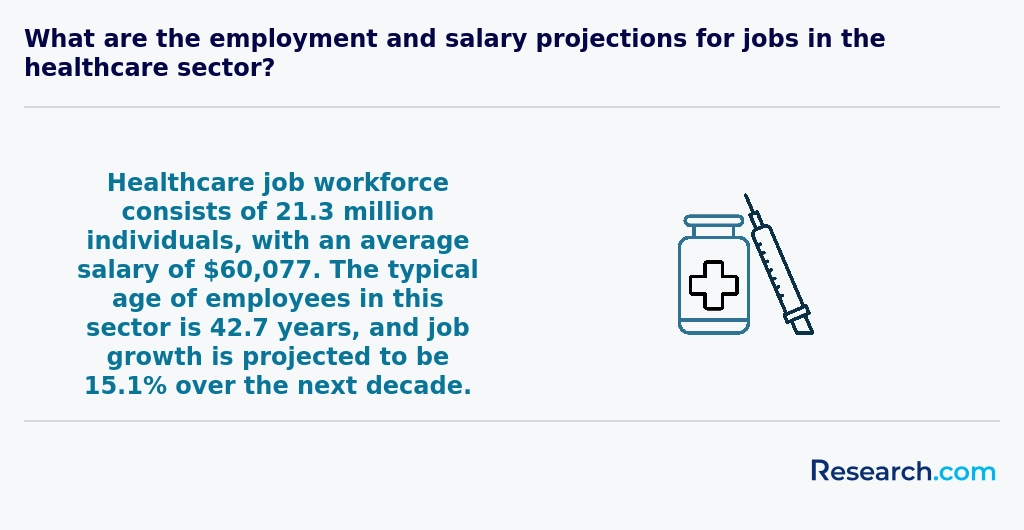
The demand for skilled healthcare workers in these regions is growing; for example, Puerto Rico's Department of Health highlights a projected 15% increase in healthcare jobs by 2030. Holding a recognized degree allows graduates to pursue specialized certifications and supervisors' roles, which often require formal education credentials.
Moreover, degrees facilitate eligibility for federal programs and grants designed to improve healthcare access in the territories, supporting professional growth and community impact.
Studying for a healthcare degree in the USA Territories offers unique preparation for interdisciplinary roles due to the region's diverse health challenges and limited resources. Programs often emphasize collaboration across nursing, public health, medicine, and social work to address complex community needs effectively.
The curricula integrate practical training with multiple healthcare disciplines, reflecting the interconnected nature of patient care. For example, students learn to work with professionals from various fields to manage chronic diseases such as diabetes and hypertension, which are prevalent in the Territories as reported by the CDC.
This approach equips graduates with versatile skills, improving patient outcomes and community health management in resource-limited settings.
Choosing between a thesis and a non-thesis healthcare degree program in the USA Territories depends on your career goals and learning style. Thesis programs require conducting original research and writing a substantial paper, which suits students aiming for clinical research or doctoral studies.
Non-thesis programs focus more on coursework and practical skills, ideal for those seeking direct employment in healthcare settings like hospitals and public health agencies common in Guam or Puerto Rico. According to the National Center for Education Statistics, about 35% of graduate healthcare students in US territories choose non-thesis options for faster completion.
Consider time commitment and available resources; research facilities may be limited in territories, impacting thesis feasibility.
Students in the USA Territories interested in healthcare degrees have limited local options but can consider studying abroad within the United States or its territories. Many opt for accredited programs in Hawaii, Puerto Rico, or Guam, which offer recognized degrees in nursing, public health, and medicine.
Another option includes enrolling in online or hybrid healthcare programs offered by mainland U.S. institutions. These programs provide flexibility and meet U.S. accreditation standards.
It is important for students to verify accreditation through bodies like the Commission on Collegiate Nursing Education (CCNE) or the Liaison Committee on Medical Education (LCME) to ensure their education is recognized for professional licensing.
According to the National Center for Education Statistics, over 70% of healthcare students from territories pursue mainland programs due to limited local capacity.
Part-time job opportunities in the USA Territories that complement healthcare degree education are varied and offer practical experience. Common roles include medical assistants, pharmacy technicians, and health information clerks, which provide hands-on patient care or administrative skills essential for healthcare careers.
In territories like Puerto Rico and Guam, healthcare support positions are in demand due to ongoing efforts to improve local health services. According to the U.S. Bureau of Labor Statistics, medical assistant jobs are projected to grow about 10% nationwide through 2032, reflecting regional trends as well.
Internships or part-time work in community health centers and clinics are ideal for students to gain clinical exposure and understand patient needs firsthand. These roles help reinforce academic learning and enhance resumes for future employment in healthcare.
Healthcare students in the USA Territories benefit from diverse networking opportunities within local hospitals, clinics, and community health centers. These institutions often collaborate with educational programs, allowing students to connect with practicing professionals and gain practical experience. For example, Puerto Rico hosts several medical conferences annually, which attract healthcare experts from across the Caribbean and the mainland United States. According to the Association of American Medical Colleges, such events offer vital platforms for students to build professional relationships.
Additionally, universities in territories like Guam and the U.S. Virgin Islands maintain partnerships with mainland U.S. healthcare institutions. These collaborations enable student exchanges, internships, and virtual seminars. Networking through these channels improves job prospects and supports career growth in the territories' unique healthcare environments.
Alumni networks play a crucial role for healthcare degree students in the USA Territories by creating valuable professional connections. These networks bridge students with experienced graduates who understand local healthcare challenges and systems, such as those in Puerto Rico and Guam. According to the National Center for Education Statistics, alumni connections can improve job placement rates by up to 30% in regional healthcare sectors.
Moreover, alumni often provide mentorship opportunities, guiding students through licensure and certification processes specific to the Territories. They also help with internships, which are vital for practical training in understaffed healthcare facilities common in these regions. This support strengthens students' readiness for employment.
Customizing a healthcare degree program in the USA Territories allows students to align their education with specific career goals. Many institutions offer flexible curricula with electives in areas like public health, nursing, or health administration. For example, the University of Guam provides specialization tracks tailored to local healthcare needs, which helps graduates better serve their communities.
Students can also gain practical experience through internships or partnerships with territorial healthcare providers. According to the U.S. Bureau of Labor Statistics, healthcare jobs in these regions are projected to grow by over 10% through 2030, emphasizing the value of targeted skills. Choosing courses focused on telehealth or chronic disease management can further enhance job prospects.
Advisors at local colleges typically assist in crafting degree plans that incorporate these options, ensuring relevance to both local and broader healthcare markets. This approach supports a personalized education that reflects territorial healthcare priorities and personal ambitions.
Healthcare students in the USA Territories face several challenges that can impact their educational journey. One primary issue is limited access to accredited healthcare programs. Many territories have fewer institutions offering these degrees compared to the mainland, which restricts academic options (U.S. Department of Education, 2023).
Additionally, financial constraints are significant. The average household income in territories like Puerto Rico and Guam is below the national average, making tuition and related expenses burdensome for many students (U.S. Census Bureau, 2022).
Students also encounter difficulties with clinical placements. Due to limited hospitals and healthcare facilities, securing sufficient hands-on training can be challenging, which is essential for licensure.
Finally, some territories struggle with technological infrastructure, which affects online learning and access to up-to-date educational resources, especially for remote areas.
With a healthcare degree in the USA Territories, you can pursue several professional certifications that enhance career opportunities. Common certifications include Certified Nursing Assistant (CNA), Licensed Practical Nurse (LPN), and Registered Nurse (RN). Many graduates aim for advanced credentials like Certified Medical Assistant (CMA) or certifications in healthcare administration.
Specialized certifications such as Emergency Medical Technician (EMT) or Medical Coding and Billing are also accessible. According to the U.S. Bureau of Labor Statistics, healthcare roles in territories like Puerto Rico and Guam are growing, with nurse and allied health certifications in particular demand.
Certification requirements vary by territory, so it's important to check local licensing boards. Many programs combine degree studies with certification prep to streamline job readiness in territorial healthcare systems.
Applying to healthcare degree programs in the USA Territories requires careful preparation aligned with US higher education standards. Start by ensuring your academic transcripts meet the required credentials, as many institutions follow accreditation guidelines akin to mainland schools. Healthcare programs often prioritize strong backgrounds in biology, chemistry, and anatomy.
Craft a clear, concise personal statement highlighting your interest in serving local communities, given the unique healthcare challenges in territories like Puerto Rico and Guam. According to the Health Resources and Services Administration, healthcare access disparities in these regions mean applicants demonstrating cultural awareness and community commitment stand out.
Additionally, secure recommendation letters from educators or professionals familiar with your academic and practical skills. Meeting standardized test requirements such as the TEAS or equivalent assessments remains essential for nursing or allied health programs in these territories.
Healthcare careers in the USA Territories are increasingly viewed through a global lens, reflecting broader trends in the healthcare industry worldwide. Many students and professionals see value in acquiring degrees locally while preparing to meet international standards.
The World Health Organization highlights that cultural competence and adaptability are vital skills for healthcare workers globally. Graduates from USA Territories often bring unique perspectives shaped by diverse populations and limited resources, which are assets in international healthcare settings.
According to the U.S. Bureau of Labor Statistics, healthcare employment in the Territories is expected to grow steadily, reinforcing the importance of degrees that align with global best practices. This growth offers opportunities not only locally but also for those considering careers abroad or with international organizations.
Gaining practical experience while studying for a healthcare degree in the USA Territories is essential for building skills and improving job prospects. Many accredited programs incorporate clinical rotations, internships, or practicum placements in local hospitals, clinics, and community health centers. For example, institutions in Puerto Rico and Guam partner with healthcare facilities to offer hands-on training aligned with curriculum requirements.
Students can also participate in volunteer work or employment opportunities related to their fields. According to the U.S. Bureau of Labor Statistics, practical experience significantly boosts employability upon graduation.
Additionally, federal initiatives sometimes provide support for healthcare training in underserved territories, enhancing access to practical experiences. It is advisable to consult specific programs for details on available clinical opportunities.
Choosing the right concentration within a healthcare degree program in the USA Territories involves assessing local healthcare needs and job market trends. For example, Guam and Puerto Rico report a growing demand for nursing and public health professionals, partly due to aging populations and prevalent chronic diseases, according to the U.S. Bureau of Labor Statistics.
Students should consider concentrations aligned with regional priorities, such as community health, nursing, or health administration. Additionally, reviewing program accreditation by agencies recognized in U.S. territories ensures quality education and licensure eligibility.
Exploring internship opportunities within local hospitals or clinics can provide practical experience and guide concentration choice. Understanding licensure and certification requirements specific to the territories is crucial for career planning.
Top Trending Healthcare Rankings
See What Experts Have To Say About Studying Healthcare
Read our interview with Healthcare experts

References
- Cost of Long Term Care by State | Cost of Care Report | Carescout https://www.carescout.com/cost-of-care
- Top 5 Part-Time Healthcare Jobs For Students https://www.sumnercollege.edu/blog/top-5-part-time-healthcare-jobs-for-students/
- The Benefits of Getting Your Healthcare Grad Degree in the US https://www.pacificu.edu/blog/getting-your-healthcare-degree-in-the-us
- Explore Health Careers https://www.arealahec.org/explore-health-careers/
- 14 Entry-Level Healthcare Certifications | San Juan College https://www.sanjuancollege.edu/blog/entry-level-healthcare-certifications/
- HEALTH MANAGEMENT (THESIS / NON-THESIS) - Lisansüstü Eğitim Enstitüsü https://lee.nisantasi.edu.tr/en/health-management-thesis-non-thesis/
- Overcoming Common Challenges in Nursing School: Tips for Success - American Healthcare Institute https://amhealthinstitute.com/blog/overcoming-common-challenges-in-nursing-school-tips-for-success/
- What are the top 10 skills that'll get you a job when you graduate? https://targetjobs.co.uk/careers-advice/skills-for-getting-a-job/what-are-top-10-skills-thatll-get-you-job-when-you-graduate
- Healthcare Degree Programs https://www.ultimatemedical.edu/future-students/programs/
- Advance Your Education and Career While Working in Healthcare https://www.hospitalrecruiting.com/blog/4236/advance-your-education-and-career-while-working-in-healthcare/


