
2027 Most Affordable Healthcare Degree Programs Ranking in the USA Territories

Co-Founder and Chief Data Scientist
Choosing the right healthcare degree program can shape your future, especially in the USA Territories where opportunities keep growing. This article presents the 2027 Most Affordable Healthcare Degree Programs Ranking in the USA Territories, developed by Research.com's team of data scientists to guide you toward smart decisions.
By exploring this ranking, you can discover cost-effective options that match your goals. Pursuing a healthcare degree opens doors to meaningful careers that make a real difference. Let this guide inspire your next step with confidence and clarity.
Key benefits of getting healthcare degree in the USA Territories
- Healthcare degree graduates in the USA Territories can earn competitive salaries, such as Medical Assistants with a mean annual wage of $43,350 and Quality Improvement Coordinators earning up to $103,150.
- Career paths for healthcare graduates are diverse, including roles like Patient Care Technicians, Health Information Technicians, and Clinical Research Coordinators, offering rewarding opportunities for growth and impact.
- Online healthcare degrees provide flexibility and convenience, allowing students from the USA Territories to balance work and study while gaining valuable skills from respected programs.
- Key benefits of getting healthcare degree in the USA Territories
- What can I expect from healthcare degree in the USA Territories?
- Where can I work with healthcare degree in the USA Territories?
- How much can I make with healthcare degree in the USA Territories?
- 2027 Most Affordable Healthcare Degree Programs Ranking in the USA Territories
- Key Findings
- How long does it take to complete healthcare degree in the USA Territories?
- Accreditation and Licensure
- What's the difference between online and on-campus healthcare degree?
- What is the average cost of healthcare degree in the USA Territories?
- Accreditation and Licensure Requirements
- What financial aid is available to healthcare degree students in the USA Territories?
- What are the prerequisites for enrolling in healthcare degree program in the USA Territories?
- What courses are typically in healthcare degree programs in the USA Territories?
- What types of specializations are available in healthcare degree programs in the USA Territories?
- How do you choose the best healthcare degree in the USA Territories?
- What career paths are available for healthcare degree students in the USA Territories?
- What is the job market for healthcare degree in the USA Territories?
- Top Trending Healthcare Rankings
- See What Experts Have To Say About Studying Healthcare
What can I expect from healthcare degree in the USA Territories?
Healthcare degrees in the USA Territories often come at a notably lower cost compared to mainland programs, making education more accessible and less financially stressful for many students. For instance, graduates from the University of Puerto Rico have shared how affordable tuition combined with local scholarships allowed them to focus fully on their studies without overwhelming debt. Similarly, students at Guam Community College find that the reasonable tuition rates encourage more community members to pursue health careers and serve locally.
This affordability, paired with scholarships and loan repayment programs from organizations like HRSA, creates a supportive environment where students feel empowered to succeed. Many graduates express pride in knowing their education directly benefits their island communities, especially in areas with pressing health concerns such as diabetes and tropical diseases.
By choosing healthcare programs in these vibrant territories, students enjoy quality training tailored to their unique cultural and regional health needs all while managing costs effectively. This positive blend of community impact and financial support inspires many to pursue healthcare degrees with confidence and enthusiasm.
Where can I work with healthcare degree in the USA Territories?
Graduates from healthcare programs at institutions like the University of Puerto Rico and Guam Community College find a wide range of fulfilling career paths across the USA Territories. Many proudly join hospitals and clinics, playing vital roles in public and private settings that serve diverse and often underserved communities. Imagine working in a busy hospital in San Juan, providing compassionate care to families managing chronic illnesses like diabetes, or supporting vital health services on the picturesque island of Guam where healthcare needs continue to grow.
Healthcare degree holders also embrace opportunities in public health departments, focusing on health education and disease prevention to make lasting community impacts. Advanced-degree holders, such as nurse practitioners trained at regional colleges, often step into essential roles addressing physician shortages, empowered by innovative telehealth options that expand their reach to remote patients.
The joy of working in long-term care or home health services is another rewarding path, especially with aging populations in places like the U.S. Virgin Islands. Graduates often express pride in improving quality of life closer to home, combining professional growth with deeply meaningful service.
How much can I make with healthcare degree in the USA Territories?
Graduates with healthcare degrees in the USA Territories find promising salary opportunities that reflect both their dedication and the vital roles they play in local communities. For instance, medical assistants earn an average annual wage of $43,350, a strong starting point that allows many recent graduates from institutions like the University of Puerto Rico to confidently begin their careers.
Patient care technicians enjoy even higher earnings, typically around $60,790 per year, connecting their hands-on skills with rewarding compensation. Health information technicians also benefit from solid wages near $43,380 annually, supporting behind-the-scenes healthcare operations with crucial expertise.
Graduates aiming for leadership roles find inspiring prospects as quality improvement coordinators, who earn an impressive mean annual salary of $103,150. Many from Guam Community College have shared how advancing into this field brings a fulfilling blend of impact and financial growth.
These salary figures highlight the real potential for healthcare degree holders in territories like Puerto Rico, Guam, and the U.S. Virgin Islands to achieve career success that supports both personal goals and the well-being of their communities.
2027 Most Affordable Healthcare Degree Programs Ranking in the USA Territories
How do we rank schools?
Investing in your education is a significant decision that can shape your future, and the Research.com team understands the importance of making informed choices. To assist prospective students in the USA Territories, we have meticulously crafted the "2027 Most Affordable Healthcare Degree Programs Ranking in the USA Territories." Our commitment to quality, credibility, and accuracy is reflected in the extensive research and analysis conducted to compile this ranking.
We utilized the following reputable data sources to ensure a comprehensive evaluation of healthcare degree programs:
By exploring this ranking, readers will gain valuable insights into the most affordable healthcare degree programs in the USA Territories, empowering them to make well-informed decisions about their educational investments. For more detailed information on how the ranking was created, please visit our Research.com methodology page.

# 2 position
Humacao Community College
Bachelor of Science in Nursing

# 5 position
Pontifical Catholic University of Puerto Rico-Ponce
Bachelor of Science in Nursing
# 6 position
Pontifical Catholic University of Puerto Rico-Ponce
Master of Science in Nursing
# 7 position
Dewey University-Manati
Bachelor of Science in Nursing

# 8 position
Dewey University-Carolina
Bachelor of Science in Nursing


# 12 position
Inter American University of Puerto Rico-San German
Bachelor of Science in Health Sciences
# 13 position
Inter American University of Puerto Rico-Barranquitas
Bachelor of Science in Health Sciences
# 20 position
Dewey University-Hato Rey
Bachelor of Science in Nursing

Key Findings
- Healthcare degrees in USA Territories are mostly offered through colleges in Puerto Rico, with other territories relying on fewer local options or distance learning.
- Tuition in Puerto Rico ranges from $4,000 to $8,000 annually for in-state students, generally lower than mainland U.S. costs.
- Starting salaries for healthcare graduates, like nurses, average $35,000 to $45,000 annually in Puerto Rico, below the $60,000+ typical in many U.S. states.
- There is steady job growth and demand for healthcare professionals due to workforce shortages and local health challenges.
- Licensure usually follows U.S. standards but may require territory-specific procedures.
How long does it take to complete healthcare degree in the USA Territories?
In the USA Territories, completing a healthcare degree is an achievable and rewarding journey that typically fits well within established timelines. For many students attending well-regarded institutions like the University of Puerto Rico or Guam Community College, a Bachelor of Science in Nursing or Health Sciences usually takes about four years. Graduates often share how their blended classes and hands-on clinical experiences foster confidence and real-world readiness, fueling their passion to serve their communities.
Accelerated programs offer an exciting opportunity for those who already hold degrees in other fields to earn their BSN in just two to three years, allowing a faster transition into healthcare roles. Community colleges across the territories provide two-year Associate Degree Nursing programs, balancing flexibility and practical training that many graduates appreciate for launching their careers quickly.
Students pursuing advanced education, like Master's or Doctoral degrees through institutions such as the University of the Virgin Islands, experience focused coursework and mentorship over two to five years, positioning them for leadership and specialized roles. The supportive, bilingual learning environments make these journeys not only possible but inspiring for many aspiring healthcare professionals.
Accreditation and Licensure
Accreditation ensures your degree meets national standards and qualifies you for professional licensure in the territories.
- Commission on Collegiate Nursing Education (CCNE)
- Accreditation Commission for Education in Nursing (ACEN)
- Commission on Accreditation of Allied Health Education Programs (CAAHEP)
- Apply to your territory’s Board of Nursing or relevant regulatory agency.
- Register for and pass the NCLEX-RN or NCLEX-PN exam.
- Submit official transcripts, background checks and immunization records.
- Complete any jurisdiction-specific requirements, such as jurisprudence exams.
Some nursing programs in the territories, including nursing schools that don't require teas, streamline entry without TEAS or HESI while maintaining full accreditation and NCLEX preparation.
What's the difference between online and on-campus healthcare degree?
Choosing between online and on-campus healthcare degrees in the USA Territories opens exciting possibilities tailored to your lifestyle and goals. On-campus programs at institutions like the University of Puerto Rico offer immersive experiences with hands-on clinical training right in local hospitals, creating strong community connections and face-to-face mentorship that many graduates cherish. This traditional approach brings vibrant campus life and immediate access to labs and resources, enriching your learning journey.
Alternatively, online healthcare degrees provide remarkable flexibility, allowing students across Guam, the U.S. Virgin Islands, or Puerto Rico to study from home while balancing work and family. Many graduates appreciate how these programs empower them to pursue their passion without relocating, arranging local clinical experiences that strengthen ties to their communities. The blend of digital coursework and in-person practice builds confidence and practical skills at your own pace.
Both paths represent a meaningful step toward your healthcare career, supported by accredited programs recognized throughout the Territories, ensuring you're fully prepared to make a positive impact in your community.
What is the average cost of healthcare degree in the USA Territories?
The average cost of a healthcare degree in the USA Territories presents an affordable pathway for aspiring healthcare professionals. Median total expenses for a healthcare program in these territories stand around $17,808, with in-state students benefiting from a lower median total cost near $7,050. These figures showcase the accessibility of quality healthcare education without the heavy financial burden often seen in mainland institutions.
Students pursuing healthcare degrees at universities such as the University of Puerto Rico Medical Sciences Campus or the University of Guam often share uplifting stories about achieving their dreams while managing costs effectively. Thanks to the blend of public university tuition rates and scholarship opportunities, many graduates reflect on how studying closer to home minimized debt and opened doors to rewarding careers in nursing, public health, and allied health sciences.
Exploring affordable healthcare degree programs 2027 USA territories reveals a landscape filled with supportive financial aid options like Pell Grants and federal loans, which ease the journey for many. This creates a bright and encouraging environment where students can focus on their studies and clinical experience rather than financial strain.
For prospective learners seeking speedy yet comprehensive education alternatives, exploring the top 6 month associate online programs can provide further flexibility paired with cost efficiency, fitting perfectly into busy lives and ambitious career goals.
Accreditation and Licensure Requirements
Accreditation ensures your degree is recognized by employers and licensing boards. Before enrolling:
- Verify regional accreditation (e.g., Middle States Commission on Higher Education or WASC) to secure federal aid and credit transfer
- Confirm programmatic accreditation-nursing (CCNE or ACEN), public health (CEPH), health administration (CAHME)-for licensure eligibility
- Ensure clinical partnerships with territory hospitals or clinics for hands-on experience required by boards
- Check licensure exam requirements (NCLEX for nurses, board exams for allied health fields) and territory-specific renewals
- Research profession-specific pathways-for example, pharmacy candidates can follow our how to become a pharmacist guide
What financial aid is available to healthcare degree students in the USA Territories?
Students pursuing healthcare degrees in the USA Territories have access to a variety of financial aid options designed to make their dreams achievable. Many graduates from institutions like the University of Puerto Rico Medical Sciences Campus share how federal aid through FAFSA made a huge difference, unlocking Pell Grants that can cover thousands of dollars without the pressure of repayment.
Loans such as Direct Subsidized and Unsubsidized Loans offer manageable interest rates, allowing students from Guam Community College and the University of the Virgin Islands to focus on their studies without overwhelming debt worries. Scholarships from local programs like Puerto Rico's "Becas de Educación Superior" provide targeted support, reflecting a community's commitment to nurturing healthcare professionals.
Work-study placements at regional hospitals and clinics not only help students earn money but also offer invaluable experience. Many healthcare students find inspiration and motivation through loan repayment programs like the National Health Service Corps, which reward dedication to serving the territories' underserved areas while easing financial burdens.
What are the prerequisites for enrolling in healthcare degree program in the USA Territories?
To enroll in a healthcare degree program in the USA Territories, students typically need a high school diploma or equivalent, with strong coursework in biology, chemistry, and math. Graduates from popular institutions like the University of Puerto Rico often recall how mastering these subjects gave them confidence to tackle challenging healthcare topics ahead.
Standardized tests such as the SAT or ACT may be required, but many schools in the Territories adapt their policies to support local students, enabling more access to education. Applicants usually submit personal statements or recommendation letters, sharing their passion for helping others-an inspiring step that reminds them why they chose this path.
Many students highlight how volunteering in clinics or hospitals across Guam offered priceless real-world experience, making the academic journey feel meaningful and connected to the community's health needs. Health clearances, including vaccinations, ensure safety during hands-on training, reassuring students that they're prepared to care for patients responsibly.
This blend of preparation creates a foundation for success, fostering excitement and readiness among future healthcare professionals right here in the USA Territories.

What courses are typically in healthcare degree programs in the USA Territories?
Healthcare degree programs in the USA Territories offer a dynamic blend of courses that equip students to thrive in diverse medical environments. Graduates from well-known institutions like the University of Puerto Rico and Guam Community College recall how foundational courses such as anatomy, physiology, microbiology, and biochemistry gave them deep insight into the human body's complex systems, setting the stage for their success.
Students embrace courses in healthcare ethics, health policy, and community health, empowering them to deliver compassionate and informed care tailored to their communities. Learning tropical medicine and infectious disease prevention feels especially relevant, as graduates share stories of applying this knowledge to real local health challenges like dengue fever outbreaks.
Pharmacology, medical terminology, and health informatics prepare students to navigate cutting-edge healthcare settings confidently. Hands-on training through clinical rotations in local hospitals fosters a strong connection between theory and practice, enriching cultural sensitivity and patient interaction skills. These courses light the path toward impactful healthcare careers in the unique settings of the USA Territories.
What types of specializations are available in healthcare degree programs in the USA Territories?
Healthcare degree specializations in USA Territories offer vibrant pathways that empower students to make a real impact in their communities. Graduates from popular institutions in Puerto Rico and Guam find themselves thriving in programs focusing on Nursing, where they develop skills in pediatric, geriatric, or community health nursing to meet the unique needs of island populations. Public Health is another inspiring specialization, providing tools to improve health outcomes on a broad scale-a vital focus given the territorial healthcare infrastructure challenges.
Many students also pursue Medical Laboratory Technology, learning hands-on diagnostic skills essential for swift disease detection, or Health Information Management, where they master the latest in healthcare data systems to safeguard patient records. Allied Health Professions, including physical and occupational therapy, attract those eager to support the frontline healthcare workforce.
Choosing from affordable healthcare programs with specialization options USA Territories means opening doors to rewarding careers. Exploring options at top regional colleges ignites confidence and purpose in learners, making even complex fields feel accessible and exciting. For those considering advanced studies, the easiest phd program paths can offer encouraging routes forward.
How do you choose the best healthcare degree in the USA Territories?
Choosing the best healthcare degree in the USA Territories means focusing on programs that align with your passion and local community needs. Graduates from nursing schools in Puerto Rico share how hands-on clinical training at nearby hospitals boosted their confidence and skills, preparing them to serve diverse populations. Many find that the best affordable healthcare degrees in USA Territories offer practical experiences that enrich classroom learning while keeping costs manageable.
Consider programs accredited by respected bodies, as these ensure you're receiving quality education and are eligible for federal aid and licensure exams. Universities in Guam and the U.S. Virgin Islands highlight how bilingual instruction in English and Spanish helped graduates connect deeply with patients, enhancing career opportunities. Evaluating workforce demands is key; registered nurses and medical technicians are in growing demand in these territories, promising rewarding futures.
Explore financial options through Pell Grants and territory scholarships to make your dream attainable. For insights on career outcomes, look into the most money making majors and how they relate to top healthcare degree programs USA Territories cost and benefits.
What career paths are available for healthcare degree students in the USA Territories?
Graduates with a healthcare degree in the USA Territories find meaningful and rewarding career paths that directly impact their communities. From thriving as registered nurses in busy hospitals of Puerto Rico to leading public health initiatives that protect remote communities in Guam, these roles bring both personal fulfillment and vital local service. Many graduates from popular institutions like the University of Guam share inspiring experiences of balancing hands-on patient care with community health advocacy, demonstrating the powerful reach of their education.
Healthcare degree career opportunities in USA Territories also include dynamic roles in healthcare administration, where graduates manage clinics and health programs that tailor services to the unique needs of island populations. Allied health professions, such as medical laboratory technicians or radiologic technologists trained at local colleges, offer accessible and impactful careers with affordable tuition. Some students even continue their education through 2 year phd programs, advancing their expertise and leadership capacities.
Healthcare jobs and salary in USA Territories reflect the importance of these professions, with competitive wages encouraging graduates to build thriving, community-focused careers that inspire pride and hope for the future.
What is the job market for healthcare degree in the USA Territories?
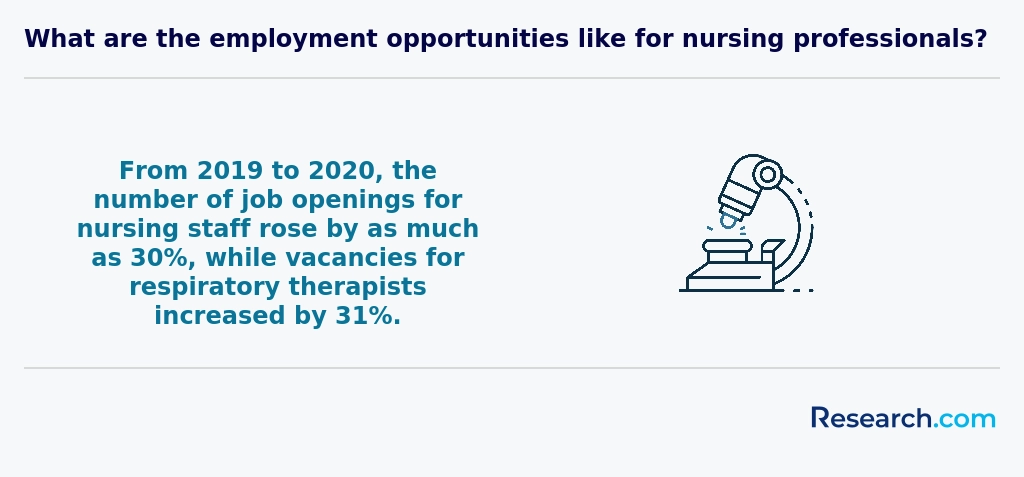
The healthcare job outlook in USA Territories is bright, with growing opportunities for graduates who are ready to serve these communities. Graduates from well-known regional colleges often share how their locally grounded education prepared them to meet urgent healthcare needs, especially in nursing and allied health roles. These fields are vital as hospitals and clinics work to address staffing shortages and improve patient care quality.
Employment opportunities for healthcare graduates in USA Territories benefit from a unique blend of local training and mainland experience. Many students begin with affordable associate or bachelor's degrees at popular healthcare programs in the territories, then enhance their skills with further specialization offered elsewhere. This combination makes them highly valued by employers who seek professionals fluent in both English and Spanish, capable of adapting to diverse patient needs.
Students considering healthcare degrees locally can explore a list of nationally accredited universities to find programs that balance quality and affordability, making it easier to launch a rewarding career in these essential roles.
Frequently Asked Questions About healthcare
Healthcare degree students in the USA Territories can enhance their learning by leveraging local healthcare facilities for hands-on experience. Collaboration with hospitals and clinics in territories like Puerto Rico and Guam provides valuable practical skills, supplementing theoretical knowledge. According to the Health Resources and Services Administration, territories face unique healthcare challenges, making experiential learning critical.
Students should also pursue internships or volunteer roles to build professional networks and understand community-specific health issues. Utilizing online resources from accredited US institutions can broaden their academic exposure while remaining within the territories. Additionally, engaging with telehealth programs offers insight into emerging healthcare practices relevant to remote areas.
The healthcare field in the USA Territories is evolving with new, specialized career opportunities. Emerging niches include telehealth services, which have expanded rapidly due to geographic challenges in places like Puerto Rico and Guam. This growth offers greater access to care and job prospects in technology-driven roles. Another rising area is geriatric care, reflecting an aging population that demands specialized skills in chronic disease management.
Additionally, behavioral health and mental wellness professions are gaining importance across the Territories, responding to increased demand for accessible counseling and addiction services. Public health roles focusing on tropical disease prevention are also critical, given the region's unique environmental factors. These niches provide promising paths for healthcare degree holders in the Territories.
Preparing for the job market after earning a healthcare degree in the USA Territories requires strategic planning. Graduates should first verify their professional licenses, as requirements may differ from mainland states. For example, Puerto Rico and Guam have unique certification processes governed by local health boards. Networking plays a crucial role; joining regional healthcare associations can connect graduates to job openings and internships.
Internships and clinical rotations completed during study improve employability by providing real-world experience. Additionally, understanding the higher demand for healthcare professionals in territories, driven by aging populations and limited local providers-as reported by the U.S. Bureau of Labor Statistics-can guide job search efforts.
Fluency in both English and Spanish or local languages is an asset for better patient communication and employability in territories such as Puerto Rico. Finally, staying informed on telehealth trends expanding in territories can open opportunities beyond traditional clinical roles.
Employers in the USA Territories prioritize a combination of technical and interpersonal skills when hiring healthcare degree graduates. Critical thinking and clinical competence are essential, allowing graduates to provide quality patient care in diverse environments. Communication skills rank highly, as healthcare professionals must effectively interact with patients and teams, often in multicultural settings.
According to the U.S. Bureau of Labor Statistics and local health departments, adaptability is another key skill, given the unique healthcare challenges in territories like Puerto Rico and Guam. Proficiency in electronic health records (EHR) systems is increasingly important due to growing digital healthcare infrastructure. Employers also value cultural sensitivity and teamwork for improving patient outcomes in these regions.
Finding internships in the USA Territories for healthcare degrees involves leveraging local resources and national programs. Students should start by contacting healthcare facilities such as hospitals, clinics, and public health departments within their territory. For example, the Puerto Rico Department of Health and Guam Memorial Hospital frequently offer internship opportunities for healthcare students.
Additionally, many universities in the territories have partnerships with regional medical centers. Checking with campus career services can reveal these connections. The Health Resources and Services Administration (HRSA) provides grants and programs supporting internships in underserved areas, which include many US territories.
Networking with professional organizations, such as the Territorial Public Health Associations, also helps identify available internships. Online platforms specializing in medical internships within the territories may be limited, so direct contact and local outreach remain essential.
According to the US Census Bureau, the Territories show increased demand for healthcare professionals, making internships more accessible to students who are proactive.
Obtaining a healthcare degree in the USA Territories significantly enhances career mobility and advancement opportunities. Healthcare professionals with formal education are more competitive for roles across diverse settings, including hospitals, clinics, and public health organizations. According to the Bureau of Labor Statistics and local workforce reports, demand for skilled healthcare workers in Puerto Rico and Guam is growing, with job growth projected to increase by over 10% in the next decade.
Degrees often provide essential certifications and licenses needed for practice, which are recognized throughout US jurisdictions and territories. This recognition allows graduates to seek employment not only locally but also in mainland America, increasing their career flexibility.
Additionally, advanced degrees can qualify individuals for leadership and specialized roles, often accompanied by higher salaries and job security, supporting long-term career growth within these territories.
Studying for a healthcare degree in the USA Territories offers unique preparation for interdisciplinary roles due to the diverse healthcare needs and resource settings. Programs often emphasize collaboration across nursing, public health, and medical technology fields, essential for integrated care delivery. According to the Health Resources and Services Administration (HRSA), many territories face physician shortages, making cross-disciplinary skills vital for improving patient outcomes.
Students gain experience working in community-based clinics and hospitals where healthcare professionals frequently assume multiple roles. This fosters adaptability and communication skills, crucial for teamwork in mixed-method care teams. Territory programs also align with U.S. federal standards, ensuring graduates meet national healthcare practice requirements.
Choosing between a thesis and a non-thesis healthcare degree program in the USA Territories depends on your career goals and learning preferences. Thesis programs focus on research, requiring students to conduct original studies and write a detailed paper. This path suits those aiming for academic or research positions.
Non-thesis programs emphasize practical skills and coursework, often appealing to professionals seeking clinical or administrative roles in healthcare. In territories like Puerto Rico and Guam, students have access to programs accredited by bodies such as the Council on Accreditation of Healthcare Management Education (CAHME), ensuring quality education.
Data from the National Center for Education Statistics shows that thesis options generally take longer to complete, averaging 2-3 years, compared to 1.5-2 years for non-thesis tracks.
Consider also availability; not all institutions in the territories offer thesis options due to limited research facilities. Evaluate your readiness to commit to a research project and your long-term professional aspirations before deciding.
Students in the USA Territories seeking healthcare degrees have several options for studying abroad within the United States higher education system. Many choose to enroll in accredited mainland institutions, where programs often meet the rigorous standards required for medical, nursing, and allied health professions. Federal financial aid and scholarships may be accessible to eligible territorial residents, making mainland education more affordable.
Another option involves attending online or hybrid programs offered by U.S.-based universities, which provide flexibility while maintaining accreditation relevant to healthcare licensure. Given that healthcare workforce demand is growing in territories like Puerto Rico and Guam, graduates of these programs often return to serve local communities.
According to data from the U.S. Department of Education and the Health Resources and Services Administration, over 60% of healthcare professionals in territories initially studied on the mainland, highlighting the importance of these pathways for territorial students.
Students pursuing healthcare degrees in the USA Territories have various part-time job options that can enrich their education and experience. Common roles include medical assistants, pharmacy aides, and certified nursing assistants, which offer practical skills and patient interaction. These jobs help students apply theoretical knowledge in real-world settings while managing their studies.
Healthcare employment in territories like Puerto Rico and Guam often reflects a demand in primary care and elderly support services, providing ample opportunities. According to the Bureau of Labor Statistics (BLS), healthcare support roles in these regions are growing faster than the national average, indicating strong local demand.
Internships or volunteer positions in community clinics and hospitals also provide valuable exposure without overwhelming students' schedules, enhancing their resumes effectively.
Healthcare students in the USA Territories benefit from various networking opportunities that support their educational and professional growth. Universities in territories like Puerto Rico and Guam often collaborate with local hospitals, clinics, and public health departments to offer internships and clinical rotations. This hands-on experience helps students build connections with practicing professionals.
Additionally, student organizations such as health clubs and honor societies frequently organize conferences and workshops. For example, Puerto Rico hosts regional healthcare symposiums where students can present research and engage with experts. The limited geographic size of territories often fosters closer community ties, enhancing networking possibilities.
Many students also use virtual platforms to connect with mainland US healthcare professionals and alumni, which broadens their exposure and career prospects. According to data from the Health Resources and Services Administration (HRSA), such networking is crucial for accessing scholarships and job placements in underserved areas of the territories.
Alumni networks play a crucial role in supporting healthcare degree students in the USA Territories. These networks provide access to professional connections that can be essential for internships and job placements, especially in regions with limited healthcare facilities. For example, in Puerto Rico and Guam, alumni often offer mentorship, sharing insights on local healthcare challenges and career development.
Strong alumni communities also foster continuous learning by organizing workshops and seminars tailored to the evolving needs of healthcare professionals. According to the Puerto Rico Department of Health, such connections have contributed to a 15% increase in employment rates among recent graduates in healthcare fields over the past five years.
Moreover, alumni networks encourage collaboration across the Territories, helping students build a regional support system that enhances both personal growth and professional success.
Customizing a healthcare degree in the USA Territories involves selecting programs and courses aligned with your career aspirations. Many institutions in territories like Puerto Rico and Guam offer specialized tracks in fields such as nursing, public health, and healthcare administration. For example, students can choose electives focusing on tropical medicine or community health, which are particularly relevant given the regional healthcare needs reported by the U.S. Department of Health and Human Services.
Additionally, exploring partnerships between local schools and mainland U.S. universities can expand access to diverse clinical experiences. This customization enhances practical skills tailored to both local and broader healthcare environments. According to the National Center for Education Statistics, over 60% of healthcare students in territories tailor their studies with chosen concentrations or electives.
Flexible formats, including part-time and online courses, also help students balance work and education, adapting the degree to individual goals. It is important to consult academic advisors who understand territory-specific health challenges and job markets to make informed decisions about specialization.
Healthcare students in the USA Territories face several unique challenges compared to their counterparts in the mainland. One significant issue is limited access to advanced healthcare education programs. Many territories offer fewer accredited healthcare degrees, forcing students to travel off-island for specialized training. This can increase costs and create logistical difficulties.
Another challenge involves resource constraints; libraries, technology, and clinical placements may be less available, impacting students' hands-on learning opportunities. According to the Health Resources and Services Administration (HRSA), territories suffer from healthcare provider shortages, which affect both education and employment prospects.
Additionally, financial aid options can be limited, with fewer scholarships and grants targeted for territorial residents pursuing healthcare degrees. These factors combined pose notable hurdles for students aiming to advance healthcare in their communities.
With a healthcare degree earned in the USA Territories, graduates can pursue several professional certifications recognized across the United States. Popular options include Certified Nursing Assistant (CNA), Licensed Practical Nurse (LPN), and Registered Nurse (RN) certifications, essential for clinical roles.
Advanced certifications such as Medical Assistant (MA), Emergency Medical Technician (EMT), and Health Information Technician are also available to enhance career prospects. Certification requirements vary by territory but typically involve passing standardized exams accredited by bodies like the National Council Licensure Examination (NCLEX) for nurses.
According to the U.S. Bureau of Labor Statistics, healthcare roles in territories like Puerto Rico and Guam are growing, underscoring the value of these certifications.
Writing a winning application for a healthcare program in the USA Territories requires clear demonstration of academic readiness and genuine interest in the field. Applicants should carefully highlight relevant coursework, such as biology and chemistry, in their transcripts. Many healthcare programs in territories like Puerto Rico and Guam emphasize hands-on experience, so including volunteer work or internships in local clinics strengthens the application.
Strong letters of recommendation from healthcare professionals or educators enhance credibility. Personal statements must be concise and reflect understanding of healthcare challenges in the Territories, supported by facts such as limited healthcare access noted by the U.S. Territories Health Information System.
Meeting all deadlines and standardized test requirements, like the TEAS or HESI exams, is essential. Finally, applicants should research specific institutions since requirements may vary across Guam, Puerto Rico, American Samoa, and others.
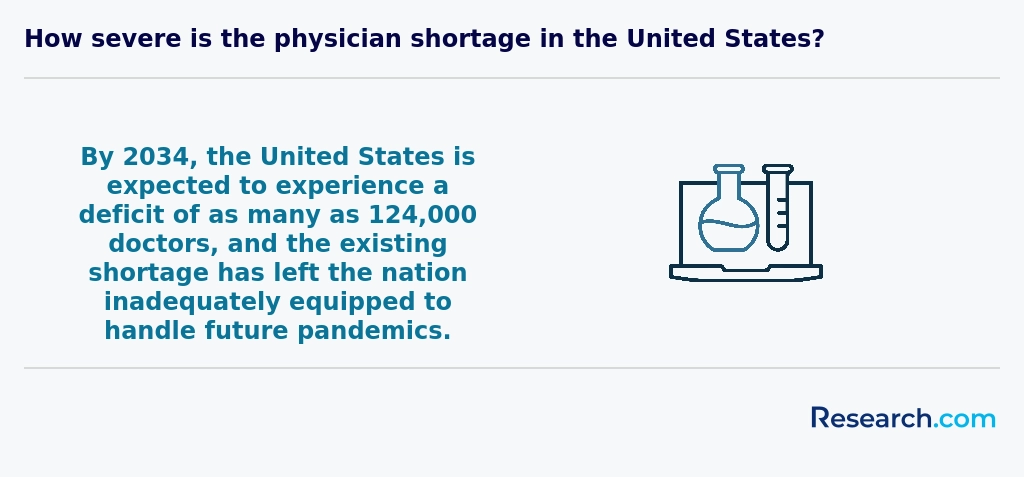
The global perspective on healthcare careers highlights a growing demand for skilled professionals worldwide, including in the USA Territories. Healthcare roles are recognized as essential, with the World Health Organization projecting a global shortage of 18 million health workers by 2030. In the USA Territories such as Puerto Rico, Guam, and the U.S. Virgin Islands, healthcare systems face unique challenges due to geographic isolation and resource limits. According to the Health Resources and Services Administration, these regions have fewer healthcare providers per capita than the mainland U.S., creating significant opportunities for local degree holders.
Healthcare education in these territories often follows standards set by U.S. accrediting bodies, ensuring graduates can pursue careers both locally and internationally. Degrees such as nursing, public health, and medical technology equip students with skills applicable to various healthcare environments. With increasing global health issues like pandemics and chronic diseases, the importance of qualified healthcare workers continues to rise, making this field a stable and impactful career choice.
Gaining practical experience while studying for a healthcare degree in the USA Territories is essential for developing necessary skills. Many accredited programs require clinical rotations or internships as part of their curriculum. These placements often occur in local hospitals, clinics, or community health centers, allowing students to apply theoretical knowledge in real-world settings.
In territories like Puerto Rico and Guam, partnerships exist between educational institutions and healthcare providers to facilitate hands-on training. According to the U.S. Health Resources and Services Administration, students in these regions benefit from diverse patient populations, enhancing their clinical competencies.
Additionally, some programs encourage volunteering or part-time work in healthcare facilities. Engaging with professional organizations can also provide mentorship and networking opportunities. Practical experience gained during study significantly improves employment prospects after graduation.
Choosing the right concentration within a healthcare degree in the USA Territories involves understanding regional healthcare needs and job market trends. In territories like Puerto Rico and Guam, there is a growing demand for nursing, public health, and medical laboratory professionals. According to the Bureau of Labor Statistics, nursing roles in these areas are expected to grow by 12% through 2030, reflecting a strong employment outlook.
Students should consider local healthcare infrastructure, such as community hospitals and clinics, which often influence available specializations. Researching accredited programs recognized by agencies like the Council on Education for Public Health (CEPH) ensures quality education aligned with industry standards.
Additionally, examine internship opportunities and partnerships with local healthcare providers to gain practical experience during study. This hands-on training is crucial for career success in the territories' unique healthcare systems.
Top Trending Healthcare Rankings
See What Experts Have To Say About Studying Healthcare
Read our interview with Healthcare experts

References
- What are the top 10 skills that'll get you a job when you graduate? https://targetjobs.co.uk/careers-advice/skills-for-getting-a-job/what-are-top-10-skills-thatll-get-you-job-when-you-graduate
- 11 Types of Healthcare Careers - Education & Requirements https://nursinglicensemap.com/resources/healthcare-careers/
- Explore Health Careers https://www.arealahec.org/explore-health-careers/
- Welcome to the Health Professions Alumni Association! https://www.upstatefoundation.org/chpalumni
- Challenges for Medical Students - Health Action Research Group https://www.healthactionresearch.org.uk/mental-health/challenges-for-medical-student/
- Medicaid in the US Territories https://www.fightcancer.org/medicaid-us-territories
- How to Set and Achieve Career Goals in Health and Social Care | Royal Open College https://royalopencollege.org/blog/health-and-social-care/how-to-set-and-achieve-career-goals/
- Healthcare Administration Certifications https://www.publichealthdegrees.org/careers/healthcare-administrator/certification/
- How do you Network as a Student? | Medmentor https://medmentor.co.uk/blog/how-do-you-network-as-a-student
- Healthcare Careers & Accredited Degree Programs https://www.healthcaredegree.com/


