
2027 Most Affordable Online Healthcare Degree Programs Ranking in St. Paul, MN

Co-Founder and Chief Data Scientist
Choosing the right healthcare degree program can be overwhelming, especially when you want quality education without breaking the bank. This article introduces the 2027 Most Affordable Online Healthcare Degree Programs Ranking in St. Paul, MN, carefully crafted by the Research.com team of data scientists. It is designed to help you navigate options and find programs that fit your goals and budget.
By exploring this ranking, you'll gain valuable insights that make deciding easier and more confident. Earning a healthcare degree opens doors to meaningful careers that truly make a difference, and we're here to support your journey every step of the way.
Key benefits of getting online healthcare degree in St. Paul
- Healthcare degree graduates in St. Paul can earn competitive salaries, such as a Patient Care Technician with a mean annual wage of $60,790 or a Quality Improvement Coordinator earning up to $103,150 annually.
- A typical graduate from a local university like the University of St. Thomas may find diverse career paths in roles like Medical Assistant, Health Information Technician, or Clinical Research Coordinator, all offering rewarding opportunities.
- Online healthcare degrees offer flexibility for busy students in St. Paul, allowing graduates to balance work and study effectively while gaining skills that employers highly value.
- Key benefits of getting online healthcare degree in St. Paul
- What can I expect from online healthcare degree in St. Paul?
- Where can I work with online healthcare degree in St. Paul?
- How much can I make with online healthcare degree in St. Paul?
- 2027 Most Affordable Online Healthcare Degree Programs Ranking in St. Paul, MN
- Key Findings
- How long does it take to complete online healthcare degree in St. Paul?
- What's the difference between online and on-campus healthcare degree?
- What is the average cost of online healthcare degree in St. Paul?
- What financial aid is available to online healthcare degree students in St. Paul?
- What are the prerequisites for enrolling in online healthcare degree program in St. Paul?
- What courses are typically in online healthcare degree programs in St. Paul?
- What types of specializations are available in online healthcare degree programs in St. Paul?
- How do you choose the best online healthcare degree in St. Paul?
- What career paths are available for online healthcare degree students in St. Paul?
- What is the job market for online healthcare degree in St. Paul?
- Top Trending Healthcare Rankings
- See What Experts Have To Say About Studying Healthcare
What can I expect from online healthcare degree in St. Paul?
If you're looking into online healthcare degrees in St. Paul, cost is a big deal - and here's the scoop. Tuition and fees can vary quite a bit depending on where you study and the level of degree you want. Public schools like the University of Minnesota usually offer more affordable options, especially if you're a Minnesota resident. Graduates often mention feeling relieved knowing they managed to balance costs without sacrificing quality, thanks to financial aid or healthcare-specific scholarships.
Private colleges such as St. Catherine University tend to be a bit pricier but still provide great value with their flexible online formats tailored for working adults. Many students appreciate how these programs make it possible to keep working while gaining experience that fits St. Paul's healthcare scene.
On average, you can expect to pay less than traditional on-campus programs, and lots of learners find ways to cut expenses through aid or employer tuition assistance. This makes earning that degree feel doable rather than overwhelming, even for busy folks juggling jobs and family in the Twin Cities area.
Where can I work with online healthcare degree in St. Paul?
If you earn an online healthcare degree in St. Paul, you've got a bunch of great places to launch your career. Graduates from local schools like the University of St. Thomas or Hamline University often land jobs at big healthcare providers like Fairview Health Services or Allina Health, working as nurses, medical technologists, or even healthcare administrators. It's exciting to hear how many grads find their first role as medical billing specialists or community health workers, fitting perfectly into the city's healthcare scene.
Many grads also thrive in public health departments or nonprofit agencies right here in St. Paul, focusing on disease prevention or community outreach. Others join telehealth services, riding the wave of digital healthcare innovation. Plus, online programs prepare you with tech skills that employers love, especially as telemedicine keeps growing.
A neat thing students often mention is how local employers appreciate that they understand Minnesota's healthcare landscape-and for roles like nursing, they get licensed here, making that degree truly count around town.
How much can I make with online healthcare degree in St. Paul?
If you're finishing an online healthcare degree in St. Paul, you're looking at some solid earning potential. Graduates starting as medical assistants can expect around $43,350 a year, which is pretty good for entry-level roles. Those who go into patient care technician positions make more, roughly $60,790 annually, which really shows how gaining experience can boost your paycheck.
Health information technicians, a great choice if you're into managing healthcare data, typically pull in about $43,380. And if you aim higher, like becoming a quality improvement coordinator, the salary jumps up to over $100,000-now that's a game-changer for anyone graduating from local schools like the University of St. Thomas or Hamline University.
One grad shared how starting as a medical assistant while finishing their online degree made all the difference, gradually moving up to a coordinator role with a much sweeter salary. St. Paul's healthcare market clearly rewards skilled professionals, and online programs here really set you up to cash in on those chances.
2027 Most Affordable Online Healthcare Degree Programs Ranking in St. Paul, MN
How do we rank schools?
Investing in your education is a significant decision that can profoundly impact your future, and the Research.com team recognizes the importance of guiding you through this process carefully. To support prospective students in St. Paul, MN, we have developed the "2027 Most Affordable Online Healthcare Degree Programs Ranking." Our dedication to quality, credibility, and accuracy is demonstrated through rigorous research and analysis in compiling this ranking.
We utilized the following reputable data sources to ensure a comprehensive evaluation of affordable online healthcare degree programs:
By reviewing this ranking, readers will gain valuable insights that simplify the search for affordable, high-quality healthcare programs tailored to online learning. To learn more about the careful methodology behind our ranking, please visit our Research.com methodology page.
# 1 position
Bethel University, Minnesota
Nursing RN to BS

# 3 position
Bethel University, Minnesota
Master of Nurse-Midwifery
Key Findings
- Online healthcare degrees in St. Paul typically cost between $15,000 and $30,000 for a bachelor's degree, with public universities offering lower tuition for in-state students.
- Many online programs are fully online or hybrid, allowing working adults and nontraditional learners flexibility in completing their studies.
- Healthcare job opportunities in St. Paul are expected to grow by about 12% from 2022 to 2032, driven by demand for nurses, health services managers, and allied health roles.
- Entry-level healthcare salaries in the area range from $55,000 to $65,000 annually, increasing to $75,000 to $90,000 with experience and specialization.
- Most online programs include local clinical practicum components to meet licensure requirements and provide hands-on experience.
How long does it take to complete online healthcare degree in St. Paul?
If you're wondering how long it takes to finish an online healthcare degree in St. Paul, it really depends on what level you're going for. For example, graduates from local programs at universities like St. Catherine University or Metro State often tell me that an associate degree usually takes about two years if you're studying full-time. But since many of these programs are flexible, you can stretch it out if you're working or family is keeping you busy.
Now, if you're aiming for a bachelor's in nursing or health sciences, that's typically around four years. However, some graduates mention that by transferring credits or taking heavier course loads through schools like Augsburg University, they managed to wrap it up closer to three years. That's a real boost if you want to jump into the healthcare field faster!
For graduate degrees, like a master's in nursing or healthcare administration, folks often say it takes between 1.5 and 3 years. Many St. Paul programs understand life gets hectic, so they offer part-time options or flexible pacing to fit around work and kids. Overall, students appreciate how these local schools make finishing their degree doable without sacrificing quality.
What's the difference between online and on-campus healthcare degree?
Choosing between online and on-campus healthcare degrees in St. Paul really comes down to your lifestyle and how you learn best. Imagine a busy professional juggling family and work-online programs from local schools like the University of St. Thomas let you watch lectures whenever you want. That kind of flexibility helps you keep moving forward without missing a beat in your job or home life.
On the other hand, graduates from Saint Catherine University often share how the face-to-face time with professors and hands-on labs made complex topics click for them. Being on campus means quick access to simulation labs and networking with healthcare pros nearby, which can feel pretty motivating if you thrive on direct interaction.
Another real-world perk? Online degrees often cut down on costs like commuting or housing-big deals in St. Paul where the average tuition runs $10,000-$20,000 a year. But no matter which path you pick, both meet top accreditation standards, so your credential will carry weight with local employers.
What is the average cost of online healthcare degree in St. Paul?
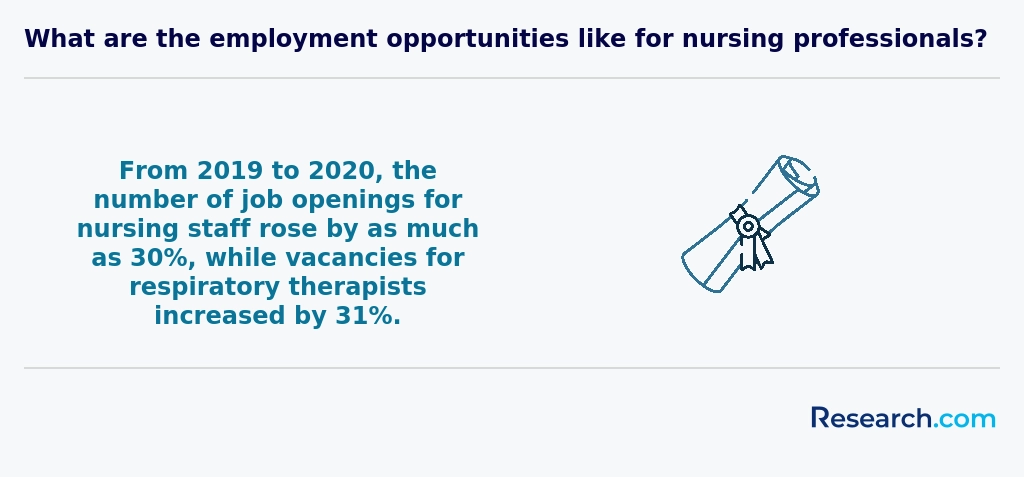
If you're looking at the average online healthcare degree cost St. Paul MN, you'll find that many students spend around $37,920 on their degrees. This fits pretty well with what local graduates share about their journeys at popular schools like the University of St. Thomas or Hamline University, where the mix of quality education and affordability makes the experience worthwhile. Many online learners appreciate being able to balance work, family, and studies without sacrificing much on expenses.
What's great is that even though healthcare programs can get pricey, a lot of folks find ways to keep it manageable. For example, certificate programs or associate degrees in healthcare often cost less and are a quicker route, which is perfect if you want to jump into the workforce sooner. Some students even explore 6-month online associate degree programs to get started without breaking the bank.
Also, considering affordable healthcare degree programs in St. Paul Minnesota is smart because schools here sometimes offer tuition discounts or financial aid, especially for local residents. Graduates often mention that the support from their schools and scholarship options makes paying for an online healthcare degree much less stressful and helps them focus on what really counts - their education and future career.
What financial aid is available to online healthcare degree students in St. Paul?
Getting financial aid for an online healthcare degree in St. Paul is definitely doable, and many students here find it really helps ease the cost. A lot of folks studying at places like the University of St. Thomas or Hamline University rely on federal aid through FAFSA. This opens doors to grants like the Pell Grant, which can cover thousands-up to $7,395 for the year-without needing to be paid back. That's a huge relief when tuition runs about $10,500 a year for in-state students.
Many graduates also tap into Minnesota's State Grant program, which gives extra support if you're a resident. Some have shared how this grant, sometimes up to $8,000, made finishing their healthcare programs way less stressful financially. On top of that, scholarships from local groups like the Minnesota Nursing Foundation are great boosts, especially if you're aiming for nursing or allied health careers.
Plus, if you're working in the healthcare field while studying, some employers offer tuition reimbursement. Graduates recall how local hospitals backed their continuing education, making it easier to juggle work and school. Just remember, there are also federal loans available, but many advise borrowing smartly to avoid debt headaches down the road.
What are the prerequisites for enrolling in online healthcare degree program in St. Paul?
If you're thinking about jumping into an online healthcare degree in St. Paul, getting your basics right is key. Most programs here, whether at the University of St. Thomas or Hamline University, expect you to have a high school diploma or a GED to start. For bachelor's degrees, that's standard-but if you're aiming for a master's like a Master of Health Administration, you'll need a bachelor's already.
Many grads mention how helpful it was doing some prerequisite classes like biology or anatomy before starting their program. Some programs even want you to show you've dipped your toes in the healthcare world, maybe through volunteering or a bit of work experience. It's also pretty common to submit letters of recommendation or write about why you want to work in healthcare-kind of like sharing your story and passion.
And if you're eyeing nursing or a tech role, keep in mind St. Paul requires certain licenses or certifications, so make sure you know what's needed early on. Most students find that planning for these steps makes the whole process smoother and more exciting.
What courses are typically in online healthcare degree programs in St. Paul?
If you're diving into an online healthcare degree in St. Paul, expect a mix of courses that really prepare you for the real world. Many grads from local schools often mention how important human anatomy and physiology classes were-imagine learning exactly how the body works, which totally helps when you're dealing with patients or healthcare tech later on. There's also pathology and microbiology, where you get to understand how diseases develop, making it easier to spot symptoms and treatments.
Students who studied healthcare in St. Paul often talk about how healthcare ethics and law courses opened their eyes to patient rights and healthcare policies. These classes help you feel confident navigating tricky ethical situations-something you'll definitely face on the job. And don't overlook health informatics and medical coding: handling electronic medical records and keeping data secure is a big deal in today's digital age.
Plus, public health and healthcare management courses show how local issues, like chronic diseases that affect the St. Paul area, shape healthcare decisions. Many students found this super relevant and inspiring because it connects textbook learning with their community's real needs.
- Human Anatomy and Physiology
- Pathology and Microbiology
- Healthcare Ethics and Law
- Health Informatics and Medical Coding
- Public Health and Healthcare Management
- Pharmacology basics
What types of specializations are available in online healthcare degree programs in St. Paul?
If you're looking into an online healthcare degree in St. Paul, you'll find plenty of cool specializations to pick from. For example, graduates from popular colleges in St. Paul often talk about diving into Health Information Management, where they master digital patient records-a huge deal as healthcare goes more tech-savvy. Others love Nursing, progressing from RN to BSN or even Nurse Practitioner roles, which open doors to so many rewarding careers. The Healthcare Administration track is great if you see yourself running clinics or hospitals, and Public Health focuses on community wellness and disease prevention, which feels pretty meaningful.
Many students appreciate the practical side too. Online healthcare degree specializations St. Paul MN programs often include Medical Coding and Billing, a behind-the-scenes field that keeps healthcare running smoothly. Plus, plenty of students mention how their schools balance online learning with local internships, letting them apply what they learn without uprooting their lives.
If you want a flexible route that fits your lifestyle, check out some online college open enrollment options that make starting or switching careers easier than you'd think.
How do you choose the best online healthcare degree in St. Paul?
When picking an online healthcare degree in St. Paul, it's all about finding a program that fits your life and goals. Many graduates from popular local colleges share how important accreditation was-they wanted assurance their degree would be respected by employers around here. It's smart to double-check if the school holds accreditations like CAAHEP or ACEN, especially for hands-on clinical roles. Plus, tuition costs matter a lot. Some students found affordable online healthcare degrees St. Paul MN options that didn't break the bank, which made juggling work and school less stressful.
Flexibility is another big deal. Programs offering virtual simulations or partnerships with hospitals in the Twin Cities made it easier for students to get real-world experience close to home. And if you're curious about which healthcare fields pay well, check out the best majors for making money-it helped some grads make smarter choices about their degrees. Picking a program with strong ties to local healthcare employers really boosted job chances after finishing, according to several successful alumni.
What career paths are available for online healthcare degree students in St. Paul?
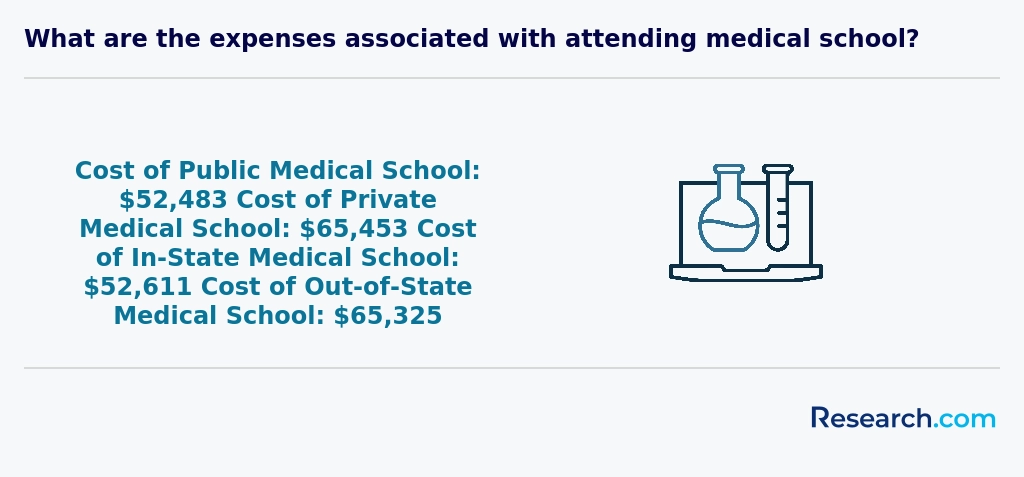
If you're diving into healthcare jobs for online degree St. Paul Minnesota, there are plenty of paths to consider once you graduate. For example, many graduates from popular colleges in St. Paul land roles as Registered Nurses, helping patients directly in hospitals or clinics-something especially rewarding for those who love hands-on care. Others find their groove as Health Information Technicians, managing the digital side of patient records, which is perfect if you're into tech and organization.
Some grads get into healthcare administration, running operations behind the scenes at places like HealthPartners or Regions Hospital. It's a great fit if you enjoy leadership without being on the front lines every day. Others step into roles as Medical and Clinical Laboratory Technologists, carrying out vital tests that guide patient treatment. Physical Therapist Assistants also have a strong demand, supporting therapists in helping patients get back on their feet.
Those interested in community impact might become Public Health Educators, creating programs that boost wellness locally. Many who studied online from St. Paul's universities appreciate how flexible their degrees are, allowing them to explore these options while still keeping their day jobs. If you want to explore alternative routes, check out online trades schools for even more variety.
What is the job market for online healthcare degree in St. Paul?
If you're thinking about online healthcare jobs in St. Paul MN, you're in a great spot. Graduates from popular local schools often land gigs at places like Regions Hospital or HealthPartners, thanks to the city's steady demand for healthcare pros. Many find themselves working as registered nurses or health services managers right after finishing their degrees, feeling pretty confident about their job security. It's not unusual to hear stories from grads who enjoyed flexible, online courses at universities in St. Paul while balancing work or family, then jumped straight into these roles.
The healthcare degree employment outlook St. Paul MN looks solid because the city's aging population and tech advancements keep the need for skilled workers high. Hospitals and clinics here are always looking for qualified folks, which means good opportunities if you put in the effort. Plus, competitive salaries and chances to grow professionally make the local scene super inviting for anyone studying healthcare.
Some students also benefit from financial aid options and in-state tuition rates at St. Paul institutions, which lightens the cost while aiming for those rewarding healthcare careers. If you want detailed info on flexible healthcare education options, this anchors part-time Ph.D. in economics page can offer useful insights.
Frequently Asked Questions About healthcare
Online healthcare degree students in St. Paul can maximize their learning by actively engaging with course materials and faculty. Utilizing virtual office hours and discussion boards helps deepen understanding and build professional connections. Local healthcare institutions, such as Regions Hospital and HealthPartners, offer internships or clinical placements, which are essential for hands-on experience and résumé building.
Students should also leverage St. Paul's healthcare job market, which is growing steadily with a 6% increase projected through 2030 according to the Minnesota Department of Employment and Economic Development. Balancing online coursework with practical exposure can improve job prospects in nursing, public health, and allied health fields.
Finally, time management and consistent study habits are key to success in fully online healthcare programs.
Emerging niches in the healthcare field reflect growing technologies and changing patient needs. In St. Paul, areas like telehealth and health informatics are gaining momentum due to advancements in digital communication and electronic health records. Telehealth has expanded access to care, particularly important in suburban and rural parts of Minnesota, including the Twin Cities metro area.
Another rapidly developing field is personalized medicine, leveraging genetic information to tailor treatments. Behavioral health integration into primary care is also critical, addressing mental health challenges under one roof, a timely concern emphasized by Minnesota Department of Health reports.
Finally, healthcare data analytics is vital for improving patient outcomes and operational efficiency. These emerging sectors offer promising career paths for online healthcare degree students in St. Paul.
After completing an online healthcare degree in St. Paul, it is crucial to build practical skills and professional networks to enhance job prospects. Many local employers value certifications such as CPR, CNA, or specialized nursing credentials alongside a degree. According to Minnesota's Department of Employment and Economic Development, healthcare occupations in the Twin Cities area are projected to grow by 10% through 2030, reflecting strong local demand.
Internships, even virtual ones, provide valuable experience and connections. Joining St. Paul-based healthcare associations can also offer networking and job leads. Tailoring your resume to highlight both your degree and relevant clinical skills improves employer interest.
Employers in St. Paul prioritize a combination of technical and interpersonal skills in healthcare degree graduates. Critical thinking and clinical decision-making are essential, as reported by the Minnesota Department of Employment and Economic Development (DEED), given the region's demand for competent patient care. Communication skills rank highly, enabling clear interaction with patients and medical teams. Proficiency in electronic health records (EHR) systems is increasingly required due to healthcare digitization. Additionally, adaptability and teamwork are valued because of the dynamic nature of healthcare settings. Knowledge of healthcare policies and ethics also supports compliance with Minnesota's regulatory standards, boosting employability in St. Paul's competitive healthcare market.
Finding internships in St. Paul for healthcare degree students involves leveraging local resources and healthcare networks. Start by exploring hospitals and clinics such as Regions Hospital and HealthPartners, both major employers offering internship programs. The Minnesota Hospital Association provides listings and support for healthcare internships statewide. Additionally, St. Paul's extensive network of long-term care and rehabilitation centers offers practical experience opportunities available through affiliated educational institutions.
Students should connect with online healthcare degree advisors who often assist with placements. Utilizing platforms like Handshake and local career services can uncover healthcare-specific internships. According to the Minnesota Department of Employment and Economic Development, healthcare jobs in the Twin Cities region, including St. Paul, are projected to grow 15% through 2030, increasing internship availability.
In St. Paul, an online healthcare degree can significantly enhance career mobility and advancement. Healthcare employers increasingly value accredited online degrees as they reflect up-to-date knowledge and relevant skills. According to the Minnesota Department of Employment and Economic Development, the healthcare sector in St. Paul is expected to grow by over 12% through 2030, creating many job opportunities.
Online programs offer flexibility for working professionals to gain credentials without interrupting their employment. This flexibility supports upward mobility into leadership roles such as healthcare administration or specialized clinical positions.
Credentials from online healthcare degrees also improve competitiveness for promotions, salary increases, and new career paths within St. Paul's expanding healthcare market.
Studying for a healthcare degree in St. Paul offers strong preparation for interdisciplinary roles through comprehensive online programs designed to integrate multiple healthcare disciplines. Minnesota's healthcare system emphasizes collaborative practice, aligning academic curricula with real-world healthcare environments. According to the Minnesota Department of Health, interdisciplinary teams improve patient outcomes by 30%, underscoring the state's focus on cooperative care.
Online healthcare degrees in St. Paul often include coursework in communication, ethics, and leadership, essential for working across specialties like nursing, public health, and medical technology. Local healthcare employers, including Fairview Health Services, regularly partner with universities to ensure graduates are workforce-ready.
This approach prepares students to function effectively in diverse teams, addressing complex patient needs in settings like hospitals and community clinics. Interdisciplinary skills gained online reflect the collaborative culture of St. Paul's healthcare landscape.
Choosing between a thesis and a non-thesis healthcare degree program in St. Paul depends on your career goals and time commitment. Thesis programs typically require original research and are ideal if you aim for roles in research, academia, or advanced clinical positions. Non-thesis options often focus on practical skills, perfect for those seeking immediate employment or promotions in healthcare administration or practice. According to the Minnesota Department of Employment and Economic Development, healthcare jobs in St. Paul are growing by 12% annually, highlighting strong local demand. Research opportunities might be limited in some online programs, so verify program support and faculty expertise before deciding.
Students based in St. Paul interested in studying healthcare abroad often explore online degree programs offered by U.S. institutions with international recognition. Although "studying abroad" traditionally involves physical relocation, modern options include earning accredited healthcare degrees online from universities with global partnerships. This approach eliminates travel costs and visa requirements. The University of Minnesota, a key regional educator, collaborates with healthcare organizations worldwide, offering students exposure to global health topics through virtual exchange programs.
According to the Minnesota Department of Employment and Economic Development, healthcare roles in St. Paul are projected to grow 12% through 2030, encouraging students to seek diverse and flexible education paths.
St. Paul offers several part-time job opportunities that align well with healthcare degree education. Positions such as certified nursing assistant (CNA), medical assistant, pharmacy technician, and home health aide provide valuable hands-on experience. According to the Minnesota Department of Employment and Economic Development (DEED), healthcare support roles in the Twin Cities metro area, including St. Paul, are projected to grow by 15% through 2028, faster than the average occupation.
Working part-time in clinics, hospitals, or long-term care facilities helps students develop clinical skills and patient interaction. Many employers in St. Paul support flexible scheduling to accommodate class hours for online students.
Additionally, volunteering with local organizations like the Minnesota Visiting Nurses Association can enhance practical knowledge and community connections without overwhelming time commitments.
Online healthcare students in St. Paul have several networking opportunities to connect with local professionals and peers. Many Minnesota universities offering online healthcare programs facilitate virtual events, webinars, and discussion groups to encourage interaction.
Additionally, organizations like the Minnesota Hospital Association and the Minnesota Nurses Association host conferences and workshops that online students can attend to build professional contacts. St. Paul's strong healthcare sector-employing over 80,000 workers as of 2023 according to the Minnesota Department of Employment and Economic Development-provides a robust local network.
Students can also join LinkedIn groups focused on St. Paul healthcare professionals or participate in clinical placements at nearby medical centers, enhancing real-world connections while studying remotely.
Alumni networks provide valuable benefits for online healthcare degree students in St. Paul by opening doors to local professional connections. In the healthcare industry, where 70% of jobs are filled through networking, these connections are vital. Alumni can offer mentorship, sharing insights about navigating Minnesota's healthcare environment, including St. Paul's growing medical hubs. Networking events and online forums allow students to engage directly with experienced professionals, increasing job prospects and internships.
Additionally, alumni often share resources about job openings and continuing education opportunities in local healthcare institutions like Regions Hospital. This support enhances career development for students studying remotely.
Customizing an online healthcare degree in St. Paul allows students to align their education with specific career goals. Many programs offer flexible course selections, including specialties like nursing, healthcare management, or public health. Students can often choose electives or focus areas tailored to in-demand local sectors, such as elder care or community health services, addressing Minnesota's aging population needs reported by the Minnesota Department of Health.
Additionally, some schools provide options for part-time study, accelerated tracks, or certificates that supplement degree requirements. Clinical placements or internships in St. Paul healthcare facilities further support practical experience. This combination of academic and hands-on learning helps students prepare for the diverse healthcare workforce in the Twin Cities region.
Online healthcare students in St. Paul face several common challenges. One significant difficulty is balancing rigorous coursework with personal and professional responsibilities, especially as healthcare programs often require clinical practice hours that can be hard to schedule remotely. According to the Minnesota Department of Health, clinical placements in St. Paul can be competitive due to a limited number of qualified sites.
Technical issues also pose barriers. Reliable internet and familiarity with online learning platforms are essential, but disparities in access still exist for some students. Additionally, online students may experience feelings of isolation without face-to-face interaction, impacting motivation and engagement.
Lastly, understanding complex medical terminology and practical skills through virtual formats remains challenging for many.
With an online healthcare degree, professionals in St. Paul can pursue various certifications that enhance career opportunities. Common certifications include Certified Medical Assistant (CMA), Registered Health Information Technician (RHIT), and Certified Professional in Healthcare Quality (CPHQ). These credentials are often recognized nationally and increase job prospects in hospitals and clinics across Minnesota.
Additionally, healthcare degrees can prepare students for licensure as a Registered Nurse (RN) or Licensed Practical Nurse (LPN), essential for clinical roles. St. Paul's growing healthcare sector, including institutions like the Mayo Clinic Health System, frequently seeks certified staff. According to the Minnesota Department of Health, certified healthcare professionals generally earn higher wages and have greater employment stability.
To write a winning application for an online healthcare program in St. Paul, begin by thoroughly researching the program's requirements. Highlight your relevant healthcare experience and emphasize any direct patient care or clinical skills you possess. St. Paul's healthcare sector is robust, with a 15% growth in available jobs by 2028, according to the Minnesota Department of Employment and Economic Development. Make sure to tailor your personal statement to reflect your goals in serving this local community. Also, request strong recommendation letters from professionals familiar with your healthcare background. Finally, proofread carefully to avoid errors and demonstrate professionalism.
The healthcare field is growing rapidly worldwide, reflecting an increasing demand for qualified professionals. Globally, healthcare careers offer stability and diverse opportunities, from clinical roles to healthcare management. In the United States, jobs in healthcare are expected to grow by 13% from 2021 to 2031, according to the U.S. Bureau of Labor Statistics.
In St. Paul, Minnesota, healthcare is a significant sector, with a strong presence of hospitals and clinics supporting local demand. Online healthcare degrees available in the area prepare students for roles that are vital both locally and internationally. Career options often include nursing, healthcare administration, and medical technology.
Understanding global healthcare trends helps students appreciate the growing interconnectedness of health systems and the need for cultural competence. As healthcare challenges become more complex, a degree focused on current global practices can give St. Paul students a competitive edge.
Gaining practical experience while pursuing an online healthcare degree in St. Paul is essential for career readiness. Many programs incorporate clinical rotations or internships in local hospitals and healthcare facilities. Options include partnerships with institutions such as the Regions Hospital and HealthPartners, which are prominent in the area.
Students can also seek volunteer opportunities or part-time roles in clinics and community health organizations. According to the Minnesota Department of Employment and Economic Development, healthcare jobs in St. Paul are expected to grow by over 10% in the next decade, increasing demand for trained professionals with hands-on experience.
Additionally, virtual simulations and lab exercises embedded in curricula provide practical skill development when in-person options are limited.
Choosing the right concentration within an online healthcare degree program in St. Paul requires careful consideration of local healthcare demands and personal career goals. St. Paul and the broader Minnesota region have a growing need for professionals in areas like nursing, health informatics, and public health, as reported by the Minnesota Department of Employment and Economic Development.
Research each concentration's curriculum and how it aligns with healthcare trends in St. Paul. For example, if you're interested in data management, health informatics might be suitable. If patient care appeals more, consider nursing or allied health specialties.
Additionally, examine potential job placement rates and partnerships with St. Paul healthcare providers. Accreditation of programs and licensure requirements in Minnesota also play critical roles in making an informed choice.
Related Healthcare Rankings for Nearby Cities
- 2027 Most Affordable Online Healthcare Degree Programs Ranking in Brookings, SD
- 2027 Most Affordable Online Healthcare Degree Programs Ranking in Fargo, ND
- 2027 Most Affordable Online Healthcare Degree Programs Ranking in Madison, WI
- 2027 Most Affordable Online Healthcare Degree Programs Ranking in Green Bay, WI
- 2027 Most Affordable Online Healthcare Degree Programs Ranking in Grand Forks, ND
- 2027 Most Affordable Online Healthcare Degree Programs Ranking in Mequon, WI
- 2027 Most Affordable Online Healthcare Degree Programs Ranking in Milwaukee, WI
- 2027 Most Affordable Online Healthcare Degree Programs Ranking in Omaha, NE
- 2027 Most Affordable Online Healthcare Degree Programs Ranking in Romeoville, IL
- 2027 Most Affordable Online Healthcare Degree Programs Ranking in Peoria, IL
Top Trending Healthcare Rankings
See What Experts Have To Say About Studying Healthcare
Read our interview with Healthcare experts

References
- Networking in Medicine: Build Lasting Connections l Windsor https://www.windsor.edu/networking-in-medicine-building-relationships-from-day-one/
- HEALTH MANAGEMENT (THESIS / NON-THESIS) - Lisansüstü Eğitim Enstitüsü https://lee.nisantasi.edu.tr/en/health-management-thesis-non-thesis/
- How to Set and Achieve Career Goals in Health and Social Care | Royal Open College https://royalopencollege.org/blog/health-and-social-care/how-to-set-and-achieve-career-goals/
- Challenges for Medical Students - Health Action Research Group https://www.healthactionresearch.org.uk/mental-health/challenges-for-medical-student/
- How to Choose a Health Administration Program https://www.healthadministrationdegrees.com/articles/choosing-a-program/
- Niche Markets in Healthcare https://ultrariskadvisors.com/niche-markets-in-healthcare/
- Is an Online Degree the Same as a Traditional Degree | Online Degree https://www.cambridgehealth.edu/online-degrees/get-an-online-degree/is-an-online-degree-the-same-as-a-traditional-degree/
- Niche Market Opportunities Research Among Healthcare Professionals (A Decision Analyst Case History https://www.decisionanalyst.com/casestudies/nichemarketopportunities/
- Benefits of Online Healthcare Courses for Professionals | ILC https://inspirelondoncollege.com/blog/healthcare-courses-for-professionals/
- Know more about thesis vs non- thesis: what is the difference? https://studyfans.com/en/blogs/816


