
2027 Most Affordable Online Healthcare Degree Programs Ranking in Tulsa, OK

Co-Founder and Chief Data Scientist
Considering a healthcare degree in Tulsa? Our article introduces the 2027 Most Affordable Online Healthcare Degree Programs Ranking in Tulsa, OK, developed by the Research.com team of data scientists. This ranking is designed to help you find affordable, quality programs that fit your goals and budget.
Exploring these options can open doors to rewarding careers in a growing field with meaningful work. Reading this guide empowers you to make an informed choice, bringing you closer to your future in healthcare.
Key benefits of getting online healthcare degree in Tulsa
- Healthcare graduates in Tulsa can earn competitive salaries, such as Medical Assistants earning a mean annual wage of $43,350 and Patient Care Technicians making around $60,790, providing financial stability and growth opportunities.
- Graduates from Tulsa's popular universities often pursue diverse career paths including Clinical Research Coordinator or Health Information Technician, offering flexibility and rewarding roles in healthcare.
- Online healthcare degrees from Tulsa institutions allow students to balance work and study easily, offering convenience and accessibility without sacrificing the quality of education.
- Key benefits of getting online healthcare degree in Tulsa
- What can I expect from online healthcare degree in Tulsa?
- Where can I work with online healthcare degree in Tulsa?
- How much can I make with online healthcare degree in Tulsa?
- 2027 Most Affordable Online Healthcare Degree Programs Ranking in Tulsa, OK
- Key Findings
- How long does it take to complete online healthcare degree in Tulsa?
- Application Process & Enrollment Tips
- What's the difference between online and on-campus healthcare degree?
- Accreditation and Licensing
- What is the average cost of online healthcare degree in Tulsa?
- Accreditation and Ensuring Program Quality
- What financial aid is available to online healthcare degree students in Tulsa?
- Tips for Succeeding in Your Online Healthcare Degree Program
- What are the prerequisites for enrolling in online healthcare degree program in Tulsa?
- Licensing and Certification Requirements in Tulsa, OK
- What courses are typically in online healthcare degree programs in Tulsa?
- What types of specializations are available in online healthcare degree programs in Tulsa?
- How do you choose the best online healthcare degree in Tulsa?
- What career paths are available for online healthcare degree students in Tulsa?
- What is the job market for online healthcare degree in Tulsa?
- Top Trending Healthcare Rankings
- See What Experts Have To Say About Studying Healthcare
What can I expect from online healthcare degree in Tulsa?
For students pursuing an online healthcare degree in Tulsa, affordability is a key advantage. Graduates from popular institutions like Tulsa Community College and the University of Tulsa often share how the lower-than-average tuition costs made their education feel accessible without sacrificing quality. With in-state tuition rates below the national average, many found it financially feasible to balance work and study, relieved by manageable expenses as they advanced their careers.
Students typically pay tuition that falls significantly under what their peers in other states face, which opens doors for those juggling family and jobs. One graduate recalls completing their nursing coursework online while working part-time at a local hospital, appreciating that the financial strain was minimal. This balance of cost-effectiveness and flexible online scheduling creates an encouraging environment for learners to thrive without overwhelming debt.
As Tulsa's medical sector grows, the financial investment in these degrees often feels like a sound, optimistic step toward stable employment and long-term career satisfaction in healthcare.
Where can I work with online healthcare degree in Tulsa?
Graduates from online healthcare programs at institutions like the University of Tulsa and Tulsa Community College find themselves well-positioned within a thriving local job market. Many secure roles in major healthcare systems such as Saint Francis and Hillcrest, where leadership in healthcare administration and medical informatics are in high demand. These settings offer opportunities for graduates to apply their skills in managing patient care operations or innovating digital health solutions.
Others step into outpatient clinics or public health agencies, contributing to community wellness initiatives and patient support services. The fast-growing field of healthcare IT also attracts Tulsa graduates who enjoy enhancing electronic health records and telehealth programs, reflecting national trends toward digital care.
Some alumni share how they tailored their education to long-term care management, helping to improve elder care facilities amid an aging population. Many find fulfilling careers in healthcare education too, where they train new professionals inspired by their own online learning experiences. This diverse landscape promises rewarding paths fueled by Tulsa's expanding healthcare ecosystem.
How much can I make with online healthcare degree in Tulsa?
Graduates from online healthcare degree programs in Tulsa are typically stepping into roles with promising earnings that reflect the city's growing healthcare industry. For example, those trained as Medical Assistants often see mean annual wages around $43,350, which provides a solid entry-level foundation. Patient Care Technicians fare even better, with average annual salaries near $60,790, a figure that excites many graduates from popular local institutions like Tulsa Community College.
The appeal of online healthcare degrees is clear when you consider careers such as Health Information Technicians and Clinical Research Coordinators, both averaging about $43,380 and $43,350 per year, respectively. Graduates mention feeling encouraged by these salaries as they align with the cost of living in Tulsa and the city's healthcare demand.
For those aiming higher, the path to roles like Quality Improvement Coordinator is inspiring, with mean wages exceeding $103,000 annually. This prospect fuels motivation among students from programs at the University of Tulsa and Oral Roberts University, who envision advancing their skills to meet future healthcare trends and leadership needs.
Online learners often speak about the flexibility and confidence gained from Tulsa's well-connected healthcare sector, where real-world experience complements strong salary potential and career growth.
2027 Most Affordable Online Healthcare Degree Programs Ranking in Tulsa, OK
How do we rank schools?
Investing in your education is a significant decision that can shape your future, and the Research.com team understands the importance of making informed choices. To assist prospective students in Tulsa, OK, we have meticulously developed the "2027 Most Affordable Online Healthcare Degree Programs Ranking in Tulsa, OK." Our commitment to quality, credibility, and accuracy is reflected in the thorough research and analysis conducted to create this ranking. We utilized the following reputable data sources to ensure a comprehensive evaluation of healthcare programs:
By exploring this ranking, readers will gain valuable insights into the most affordable and high-quality online healthcare degree programs available in Tulsa, helping them make well-informed decisions about their educational investments. For more details on our methodology, please visit our Research.com methodology page.

Key Findings
- Tuition for online healthcare bachelor's degrees in Tulsa ranges from $15,000 to $30,000 depending on the school and program format.
- Starting salaries for healthcare professionals in Tulsa typically begin around $50,000 per year, with mid-career salaries reaching $75,000 to $85,000 annually.
- The healthcare job market in Tulsa is growing, with a projected 15% increase in healthcare jobs across Oklahoma by 2030.
- Many online programs offer flexible schedules and clinical partnerships with local Tulsa healthcare facilities for hands-on training.
- Online students may qualify for in-state tuition, scholarships, and financial aid specific to Oklahoma residents, lowering education costs.
How long does it take to complete online healthcare degree in Tulsa?
Completing an online healthcare degree in Tulsa often varies, but many students find associate degrees take about two years full-time, while part-time learners stretch this to three or more years. Graduates from Tulsa Community College recall balancing evening shifts while progressing steadily through their programs, appreciating the flexibility that the online format provides.
For bachelor's degrees, such as those offered by the University of Tulsa or Oklahoma State University-Tulsa, full-time students typically finish in four years. However, graduates frequently mention accelerated tracks and summer courses that helped them finish in as little as three years, turning ambitions into reality faster than expected.
Master's degrees take roughly two years full-time, but many Tulsa professionals pursuing degrees like the MSN report completing their studies in 18 months by dedicating themselves to accelerated paths. The ability to blend work, family, and education online creates a vibrant, empowering experience.
Many local students thrive because programs accommodate transfer credits and practicum experiences at nearby hospitals, making the path not only manageable but also rewarding on a personal and professional level.
Application Process & Enrollment Tips
Embarking on your online healthcare degree journey can be an exciting yet complex process. To help streamline your path, start by carefully reviewing each program’s admission requirements and deadlines. Prepare essential documents such as transcripts, recommendation letters, and any standardized test scores early in the process. It’s beneficial to attend virtual open houses and connect with admission counselors to clarify any questions regarding the curriculum or financial aid opportunities. Additionally, explore resources that compare costs and program benefits-resources like our guide on the cheapest online healthcare programs in oklahoma can offer valuable insights when making your decision. By planning ahead and staying organized, you’ll be well-prepared to submit a strong application and confidently begin your career advancement in the healthcare field.
What's the difference between online and on-campus healthcare degree?
Graduates from Tulsa's healthcare programs often reflect on how the learning environment shaped their experience. On-campus students from institutions like OSU-Tulsa appreciate the immersive access to labs and in-person mentorship, describing moments in simulation centers as both challenging and invigorating. This hands-on approach builds confidence for real-world clinicals, offering direct ties to local hospitals such as Saint Francis Health System.
Meanwhile, online students at places like Tulsa Community College value the freedom to balance studies with jobs or family life. They describe the flexibility of asynchronous classes as a game-changer, allowing them to absorb coursework after work hours or weekends without the stress of commuting. Still, these students embrace occasional in-person clinicals at local clinics, connecting theory with practice in their own communities.
Looking ahead, Tulsa's healthcare education may increasingly blend these strengths: virtual classrooms paired with accessible, community-based clinical opportunities, helping students cultivate skills while enjoying flexibility. This evolving model fosters both professional readiness and personal fulfillment tailored to diverse lifestyles.
Accreditation and Licensing
When evaluating online healthcare degree programs in Tulsa, OK, understanding accreditation and state licensing requirements is essential to ensure your education meets professional standards and qualifies you for licensure exams. Regionally accredited institutions hold validation from agencies recognized by the U.S. Department of Education, such as the Higher Learning Commission (HLC), while programmatic accreditors-like the Commission on Accreditation of Allied Health Education Programs (CAAHEP) or the Commission on Collegiate Nursing Education (CCNE)-certify specific healthcare disciplines. Graduating from an appropriately accredited program not only guarantees eligibility for federal financial aid but also ensures you can sit for certification exams and obtain state licensure. In Oklahoma, most healthcare professions require graduates to complete an accredited curriculum before applying for licensure with the Oklahoma Board of Nursing, the Oklahoma Board of Medical Licensure and Supervision, or other relevant boards. For example, completing a CAAHEP-accredited medical assisting program is a prerequisite for the Certified Medical Assistant (CMA) credential offered by the American Association of Medical Assistants (AAMA). Similarly, nursing graduates must graduate from a CCNE- or Accreditation Commission for Education in Nursing (ACEN)-accredited program to qualify for the NCLEX-RN or NCLEX-PN exam. To compare how Tulsa programs stack up against other states in terms of accreditation and affordability, you may also find value in our Low Cost Online Healthcare Degree Programs Ranking in West Virginia, which highlights regionally accredited programs with strong licensure pass rates and transparent accreditation disclosures. Always verify accreditation status on the institution’s website and consult state licensure boards to confirm that your chosen online degree meets all professional requirements.
What is the average cost of online healthcare degree in Tulsa?
The average cost of an online healthcare degree in Tulsa typically centers around $30,922, reflecting a balanced investment for students pursuing flexible education options. Graduates from well-known institutions in Tulsa often share how this pricing makes advanced degrees attainable without sacrificing quality, especially at public universities like the University of Oklahoma, where in-state tuition offers notable savings. For many, this affordability enhances the appeal of affordable online healthcare degree programs Tulsa OK has to offer, allowing them to focus on mastering core skills rather than worrying about overwhelming debt.
Students pursuing degrees such as nursing or healthcare administration find that the cost per credit remains competitive, often supported by financial aid and employer tuition reimbursement programs. One graduate described navigating through a program while working full-time, appreciating how manageable tuition allowed them to advance professionally without interrupting their income. Additionally, private institutions, although slightly more expensive, often provide enhanced resources and scholarships, enhancing the overall value for those who qualify.
Emerging trends suggest that online healthcare curricula in Tulsa will continue evolving to include more interactive technology and practical experiences. Prospective students interested in hands-on fields might explore options like nursing schools st petersburg fl admission requirements for inspiration on integrating clinical placements seamlessly into online studies, mirroring innovations in Tulsa's own programs. This continued growth emphasizes the importance of understanding the typical investment in Tulsa's healthcare degrees as a strategic pathway toward fulfilling local demand in a rewarding career.
Accreditation and Ensuring Program Quality
Accreditation is the cornerstone of any reputable online healthcare degree, signaling that a program meets rigorous academic and professional standards. In Tulsa, OK, most respected institutions hold regional accreditation from agencies recognized by the U.S. Department of Education, such as the Higher Learning Commission (HLC). Beyond institutional accreditation, look for programmatic accreditation specific to healthcare fields-for example, the Commission on Collegiate Nursing Education (CCNE) for nursing or the Commission on Accreditation of Allied Health Education Programs (CAAHEP) for allied health disciplines. Why accreditation matters:
- Credit transferability: Accredited credits are far more likely to transfer if you pursue an advanced degree or move between institutions.
- Licensure and certification: Many state licensing boards require graduation from an accredited program before you can sit for exams such as the NCLEX (nursing) or RHIA (health information administration).
- Financial aid eligibility: Only students enrolled in accredited programs qualify for federal aid, including Pell Grants, Stafford Loans, and work-study.
- Employer recognition: Hospitals, clinics, and public health agencies often preferentially hire graduates from accredited programs to ensure compliance with industry standards. How to verify accreditation: 1. Visit the Council for Higher Education Accreditation (CHEA) database or the U.S. Department of Education’s “Database of Accredited Postsecondary Institutions and Programs.” 2. Confirm both institutional and programmatic credentials on the school’s official website. 3. Reach out to admissions or academic advisors for documentation of accreditation status. While cost is a key factor, balancing affordability with accreditation safeguards your long-term career prospects. For a broader look at value across state lines, explore our Low Cost Online Healthcare Degree Programs Ranking in West Virginia to compare accredited options and tuition rates.
What financial aid is available to online healthcare degree students in Tulsa?
Many healthcare students pursuing online degrees from institutions like the University of Tulsa or Oklahoma State University-Tulsa find federal financial aid essential in making their education affordable. Graduates often share how applying for the FAFSA unlocked access to Pell Grants, which for 2023-2024 can provide up to $7,395 without repayment stress.
Direct Loans with comparatively low interest rates also offer crucial support, helping students manage tuition and living costs as they study remotely. Some graduates highlight the value of specialized programs like the National Health Service Corps Scholarship, which pays for schooling in exchange for service in underserved Tulsa-area communities, creating a meaningful path to both education and career impact.
Local scholarships from Tulsa-area universities reward students' academic achievements or financial needs, with advisors encouraging applicants to stay informed about these opportunities. Additionally, Oklahoma's OTAG provides about $1,200 annually, easing state residents' financial load.
Many online healthcare students find optimism in employer tuition reimbursements too, especially when working for health systems like Saint Francis, which support continuing education. This blend of aid options makes the dream of earning a nursing or healthcare degree in Tulsa feel genuinely attainable.
Tips for Succeeding in Your Online Healthcare Degree Program
Achieving success in an online healthcare program in Tulsa, OK involves a mix of strategic planning, effective time-management, and leveraging available resources. Before enrolling, ensure you have a dedicated study space, reliable technology, and a clear schedule to balance coursework with work or personal commitments. Regular check-ins with academic advisors, forming virtual study groups, and actively participating in discussion forums can help you stay engaged and overcome the common challenges of remote learning. Additionally, consider exploring supplementary courses and resources-like information on online radiology tech programs-to broaden your skillset and enhance your career prospects. Prioritizing these strategies, along with a focus on self-discipline and continuous improvement, can significantly improve your learning experience and prepare you for a competitive career in the evolving healthcare landscape.
What are the prerequisites for enrolling in online healthcare degree program in Tulsa?
To enroll in an online healthcare degree program in Tulsa, students typically need a high school diploma or GED, which is the foundational step most graduates reflect on with pride. Many who attended popular institutions such as the University of Tulsa or Tulsa Community College share how meeting these basic requirements felt empowering, opening doors to their healthcare careers. For those aiming higher, like pursuing a bachelor's or master's, an associate or bachelor's degree often becomes a necessary milestone.
Applicants usually submit transcripts confirming their academic standing, with many programs looking for a GPA between 2.5 and 3.0-a threshold that students describe as motivating them to maintain consistent effort. Increasingly, standardized tests like the SAT or ACT are waived, allowing applicants to focus on the holistic aspects of their application, a trend that Tulsa graduates appreciate for reducing pressure.
Science and math prerequisites such as biology, chemistry, and anatomy remain indispensable. Graduates recall how mastering these courses at local colleges gave them confidence for clinical placements, which often require background checks and immunization-a reality welcomed by students who value patient safety. Reliable technology and internet access complete this evolving checklist, reflecting the shifting landscape of online healthcare education in Tulsa.

Licensing and Certification Requirements in Tulsa, OK
Pursuing an online healthcare degree in Tulsa, OK means understanding the state-specific licensing and certification requirements that validate your credentials. In Oklahoma, many entry-level roles-such as Patient Care Technician or Medical Assistant-require passing industry-recognized exams approved by the Oklahoma Board of Nursing or the Oklahoma State Department of Health. For example, after completing an accredited program you’ll often take the Certified Nursing Assistant (CNA) exam or the National Healthcareer Association’s Certified Clinical Medical Assistant (CCMA) exam to secure full licensure. Accreditation is pivotal: ensure your online healthcare program in Tulsa is recognized by bodies like the Commission on Accreditation of Allied Health Education Programs (CAAHEP) or the Commission on Accreditation for Health Informatics and Information Management Education (CAHIIM). Accredited curricula include supervised clinical hours and prepare you for Oklahoma’s state exams. Graduates in Health Information Management, for instance, pursue the Registered Health Information Administrator (RHIA) credential, while Medical Assistants may opt for the Certified Medical Administrative Assistant (CMAA). For professionals looking to expand their scope of practice or pursue advanced roles, specialized certifications can be completed online through industry partners-explore our list of quick online medical certifications to identify high-impact credentials. These short-term certifications, such as Emergency Medical Technician (EMT) or Phlebotomy Technician certificates, not only boost employability but also align with Tulsa’s fastest-growing healthcare sectors. Finally, maintain licensure by fulfilling Oklahoma’s continuing education requirements, typically 16 contact hours per renewal cycle for nursing and allied health professionals. Many online programs integrate CE workshops and webinars directly into their platforms, ensuring you remain compliant with the Oklahoma Board of Nursing and stay competitive in a rapidly evolving healthcare landscape.
What courses are typically in online healthcare degree programs in Tulsa?
Online healthcare degree programs in Tulsa commonly include courses that align closely with the dynamic needs of the local medical community. Graduates from popular Tulsa colleges often describe how taking courses like Anatomy and Physiology gave them a clear understanding of the complex human body, which proved invaluable during their clinical rotations at nearby hospitals.
Medical Terminology and Healthcare Law and Ethics courses prepare students to communicate confidently and navigate real-world challenges they encounter in Tulsa's healthcare settings. For example, students share how lessons in Health Informatics translated directly to managing electronic patient records within Tulsa clinics.
Other core classes such as Patient Care and Safety, and Pharmacology Basics, help students develop hands-on skills essential for high-quality care, which many recall applying during internships at local healthcare facilities.
Many healthcare students note that courses like Public Health Principles include case studies specific to Oklahoma's population, enhancing their connection to community health issues. This tailored curriculum helps students feel ready and optimistic about joining Tulsa's growing healthcare workforce.

What types of specializations are available in online healthcare degree programs in Tulsa?
Among the various online healthcare degree specializations in Tulsa, Nursing stands out, with graduates often sharing how flexible RN to BSN or Nurse Practitioner programs enabled them to advance careers while managing family life. Colleges like the University of Tulsa and Oklahoma State University-Tulsa offer pathways that align with the city's growing healthcare demand. Healthcare Administration is another dynamic option, appealing to those interested in leadership roles; students frequently describe energizing virtual projects that mirror challenges faced by major local providers such as Saint Francis Health System.
Specializations in Public Health empower students to contribute directly to community well-being, a rewarding experience echoed by alumni involved in Tulsa's public health initiatives. Health Informatics attracts tech-savvy learners, who find excitement in mastering data systems crucial to modern hospitals adopting electronic health records. Finally, programs in Medical Assisting and Allied Health prepare graduates for essential clinical roles, often praised by students for hands-on training simulations provided by Tulsa's institutions. Financial considerations remain positive as well, with many students benefiting from employer education assistance when pursuing affordable Tulsa online healthcare programs.
How do you choose the best online healthcare degree in Tulsa?
Choosing the best online healthcare degree in Tulsa means focusing on programs that offer strong regional connections and hands-on clinical opportunities. Graduates from popular Tulsa colleges often highlight how local healthcare partnerships enable real-world practice within renowned hospitals like Saint Francis Health System. This practical experience boosts confidence and eases the transition into Tulsa's healthcare job market.
Cost remains a key consideration; many students seek affordable online healthcare degrees Tulsa offers without compromising educational quality. Comparing tuition fees and exploring financial aid can make degrees more accessible. Flexibility is also crucial-successful students praise programs allowing asynchronous study, balancing work and life commitments effectively.
Curriculum relevance is vital. Students thriving in these programs appreciate courses tailored to Tulsa's healthcare needs, such as nursing and health management, which align with local industry demands. A program's graduate success and certification pass rates speak volumes about career prospects.
Those interested in broader job opportunities for LPNs may find Tulsa's programs especially adaptable, preparing them for growth in this evolving field.
What career paths are available for online healthcare degree students in Tulsa?
Graduates of an online healthcare degree in Tulsa find themselves equipped for a variety of promising career paths that align with the city's expanding medical landscape. Many alumni from Tulsa's well-regarded colleges feel empowered to pursue roles as Registered Nurses, where programs often emphasize nursing compassion alongside clinical skills, preparing them for diverse settings like hospitals and long-term care facilities. Others venture into healthcare administration, leveraging their education to help manage operations within Tulsa's top health systems.
As the digital age reshapes healthcare, graduates increasingly explore emerging careers such as Health Informatics Specialists, applying technology to improve patient care-an area growing rapidly due to Oklahoma's investments in health IT. Furthermore, those with an eye for public service often become Public Health Specialists, addressing community health challenges in Tulsa County.
Graduates report that their experience in Tulsa-based programs opens doors to leadership roles, including Medical and Health Services Manager positions, supported by the city's commitment to healthcare growth. These varied paths illustrate why online healthcare degree careers Tulsa continue to attract motivated students envisioning meaningful futures.

What is the job market for online healthcare degree in Tulsa?
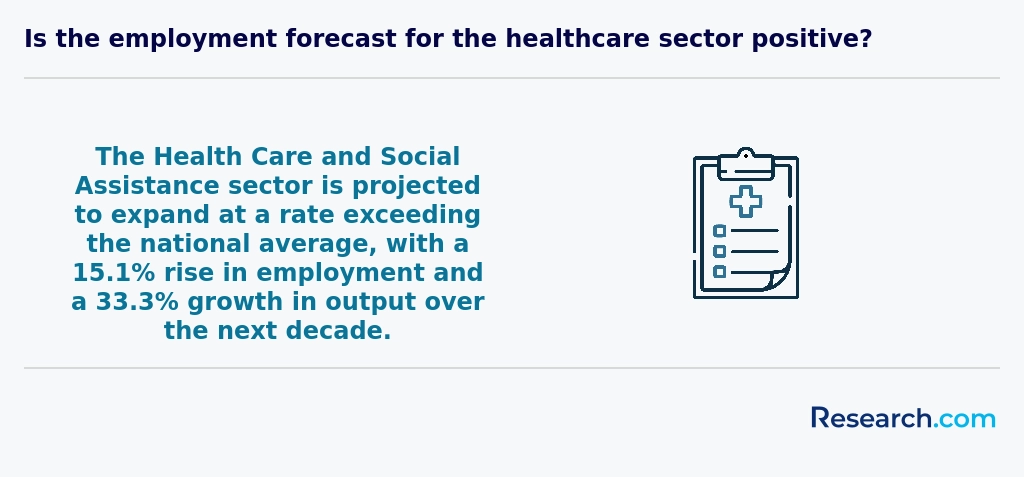
The job market for online healthcare degree graduates in Tulsa is poised for strong growth, driven by a booming local healthcare sector and increasing demand for skilled professionals. Tulsa's universities and colleges offering healthcare degrees online provide students with flexible options that fit around their work schedules, enabling many graduates to quickly transition into roles within nearby hospitals and clinics. Graduates often share how programs from institutions like the University of Tulsa or Oral Roberts University give them practical skills aligned with the needs of employers such as Saint Francis Health System.
With Tulsa healthcare degree employment opportunities expanding, online students report confidence in finding positions in nursing, allied health, and administration, especially as outpatient and home health services grow. Oklahoma's aging population intensifies the demand, and rural outreach programs spark interest in graduates willing to serve underserved communities. For example, some find rewarding roles in telehealth initiatives, combining technology with patient care.
Those exploring online healthcare jobs in Tulsa OK also benefit from local affordability and support for continuing education, making a healthcare career accessible and sustainable. Prospective students might consider how their choices align with broader trends in care delivery or explore resources like the LPN job outlook in Pennsylvania for comparative insights.
Frequently Asked Questions About healthcare
Students pursuing online healthcare degrees in Tulsa can enhance their learning by actively engaging with local healthcare networks. Tulsa's healthcare sector employs over 40,000 professionals, providing ample opportunities for virtual internships and networking, according to the Tulsa Metro Chamber.
Utilizing Tulsa-based clinical sites for required practical experience helps bridge online coursework with real-world skills. Collaborating with local hospitals and clinics such as Hillcrest HealthCare System can deepen practical understanding.
Time management is essential. Online learners should set disciplined study schedules to balance coursework with professional and personal responsibilities effectively.
Finally, taking advantage of Tulsa-area academic resources and virtual tutoring services supports academic success and skill development throughout the program.
The healthcare field is rapidly evolving, with several emerging niches gaining prominence nationwide, including in Tulsa. One key area is telehealth, which has expanded significantly since 2020, driven by advances in technology and increasing patient demand for remote care.
Another growing niche is healthcare informatics, combining data management and patient care to improve outcomes. Tulsa's healthcare industry supports this trend with local hospitals investing in electronic health systems.
Additionally, specialized roles such as genetic counseling and geriatric care are becoming critical due to aging populations and advances in personalized medicine.
For students in Tulsa seeking online healthcare degrees, focusing on these niches may offer strong career prospects aligned with regional and national workforce needs.
After completing an online healthcare degree in Tulsa, it is essential to build a strong professional profile for the local job market. Start by obtaining necessary certifications and licenses specific to your healthcare field, as Oklahoma requires credentialing for many roles.
Networking is crucial; connect with Tulsa healthcare employers through professional associations like the Oklahoma State Medical Association or local hospital events. Tulsa's healthcare sector, including facilities like Saint Francis Health System, employs over 40,000 people, creating diverse opportunities.
Internships or volunteer work in Tulsa healthcare settings can provide practical experience and improve your employability.
Employers in Tulsa's healthcare sector prioritize a combination of technical and interpersonal skills for graduates of online healthcare degree programs. Strong clinical knowledge and proficiency with electronic health records are essential, reflecting the increasing use of digital tools in medical settings. According to a 2023 report from the Oklahoma State Department of Health, healthcare employers also value problem-solving abilities and adaptability due to evolving healthcare technologies.
Communication skills are crucial, as Tulsa's diverse patient population requires clear and compassionate interaction. Teamwork and ethical judgment further rank highly among top skills, ensuring graduates can work effectively in multidisciplinary environments. These competencies help meet the demands of Tulsa's expanding healthcare industry, offering graduates competitive advantages in the local job market.
Finding internships in Tulsa relevant to healthcare degrees involves a strategic approach focused on local healthcare providers and educational resources. Tulsa is home to several major healthcare employers, including Saint Francis Health System and Ascension St. John, which regularly offer internship programs for healthcare students.
Students should utilize career services offered by their online degree programs, which often maintain partnerships with Tulsa hospitals and clinics. Additionally, websites like the Oklahoma State Department of Health provide listings of internship and volunteer opportunities.
Networking through professional organizations such as the Oklahoma Hospital Association can also open doors to internships and hands-on experience.
Given Tulsa's growing healthcare sector, with a projected 15% job growth through 2030 (Bureau of Labor Statistics), internships here provide valuable exposure and professional connections essential for healthcare careers.
Obtaining an online healthcare degree can significantly enhance career mobility and advancement opportunities for professionals in Tulsa. The city's expanding healthcare industry, with over 45,000 jobs in healthcare and social assistance as of 2023 (U.S. Bureau of Labor Statistics), creates demand for qualified staff with recognized credentials.
An online degree offers flexibility for working adults to gain necessary qualifications without disrupting employment. Many Tulsa employers value accredited online programs, considering them equal to traditional degrees, especially if aligned with state licensure requirements.
Graduates often qualify for competitive roles in nursing, healthcare administration, or public health. PayScale reports median salaries in Tulsa's healthcare sector rising by 15% for employees with advanced degrees. This progression is key amid increased demand for skilled healthcare practitioners in the region.
Studying for a healthcare degree in Tulsa offers strong preparation for interdisciplinary roles due to the region's diversified medical community. Tulsa's healthcare sector employs over 45,000 professionals across hospitals, clinics, and research centers, requiring collaboration among nurses, therapists, administrators, and technologists (U.S. Bureau of Labor Statistics, 2023).
Online programs from Tulsa institutions emphasize teamwork, communication, and systems-based practice. Curriculum often integrates case studies reflecting real-world coordination between specialties like public health, nursing, and healthcare management.
Additionally, Tulsa's growing telehealth initiatives give students experience in digital communication tools crucial for coordinated care.
Such multi-disciplinary training equips graduates to function effectively within diverse healthcare teams, improving patient outcomes through collaborative approaches.
When choosing between a thesis and a non-thesis online healthcare degree program in Tulsa, consider your career goals first. Thesis programs often suit students aiming for research or academic careers, requiring original research and a formal defense. Non-thesis tracks are typically designed for those wanting to enter healthcare practice or administration more quickly, focusing on coursework and practical skills.
In Tulsa, healthcare remains a strong employment sector, with the Oklahoma Employment Security Commission projecting a 15% growth in healthcare jobs by 2028. Thesis programs may offer advantages if you plan to work in clinical research or policy development. However, non-thesis programs generally require fewer credits and can be completed faster, which might appeal to working professionals. Accreditation and faculty expertise are important regardless of the path you select.
Students in Tulsa interested in studying healthcare abroad while pursuing online degrees have a variety of options within the US higher education system. Many accredited universities offer fully online healthcare programs that allow students to complete coursework remotely while gaining internationally recognized credentials. Institutions such as the University of Oklahoma and Oklahoma State University provide online nursing and healthcare administration degrees accessible to Tulsa residents.
For those seeking global exposure, some programs include international clinical partnerships or study-abroad components during summer sessions. However, due to professional licensure requirements, students must ensure foreign coursework meets Oklahoma's healthcare board standards. According to the Oklahoma State Regents for Higher Education, nearly 30% of Tulsa students enrolled in online programs in 2023 chose healthcare-related fields, reflecting strong local demand.
Students pursuing online healthcare degrees in Tulsa can benefit from various part-time job opportunities that complement their education. Positions such as medical assistants, pharmacy technicians, and certified nursing aides provide practical experience while supporting coursework. Tulsa Health Departments and local clinics often hire part-time healthcare workers to meet community needs.
According to the Oklahoma Employment Security Commission, healthcare support roles in Tulsa are expected to grow by over 15% through 2028, indicating increasing opportunities for students. Working in these roles helps build clinical skills, understand patient interaction, and improve time management, all valuable for healthcare careers.
Online healthcare students in Tulsa benefit from a variety of networking opportunities despite the remote nature of their studies. Many Tulsa-based institutions offering online degrees facilitate virtual career fairs and webinars that connect students with local healthcare employers and professionals. For example, the Council on Medical Education in Tulsa reports that hospital systems in the area employ over 25,000 healthcare workers, making local networking valuable.
Students can also join professional organizations like the Tulsa County Medical Society or the Oklahoma Nurses Association, which host regular meetings and events accessible to online learners. These groups provide mentorship and job-shadowing possibilities.
Finally, some Tulsa online programs encourage clinical placements at nearby healthcare facilities, allowing in-person networking with practitioners and administrative staff.
Alumni networks play a crucial role for students pursuing online healthcare degrees in Tulsa by providing access to professional connections within the local healthcare industry. These networks often include graduates working in Tulsa's major hospitals and clinics, such as St. John Medical Center and Hillcrest HealthCare System, which enhances job placement opportunities.
Strong alumni connections can offer mentorship, career advice, and guidance tailored to Tulsa's healthcare market. According to the Tulsa Regional Chamber, healthcare is one of the city's fastest-growing employment sectors, making networking essential for career advancement.
Furthermore, alumni events and online forums create platforms for sharing job leads and continuing education resources, helping students stay current with healthcare trends and certifications.
Customizing an online healthcare degree program in Tulsa begins with selecting a school that offers diverse specializations aligned with your career goals. Many Tulsa institutions provide flexible concentrations such as nursing, health informatics, or healthcare administration. You can often tailor coursework by choosing electives that focus on areas with strong local demand, including gerontology and public health, which are growing fields in Oklahoma.
Additionally, students may benefit from online practicums or internships arranged with Tulsa healthcare providers, blending theoretical knowledge with practical experience. Tulsa's healthcare sector employs over 70,000 workers, making local connections valuable for career advancement (Oklahoma Employment Security Commission, 2023).
Advisors and faculty typically assist in crafting individualized study plans that emphasize skills relevant to employers in the Tulsa region. This customization enhances employability and ensures the degree aligns well with your professional objectives.
Online healthcare students in Tulsa commonly face several challenges that can impact their academic success. One major issue is balancing coursework with work and family responsibilities, which is particularly significant given Tulsa's employment rate in healthcare occupations, estimated at 8.7% by the Bureau of Labor Statistics (2023). Time management becomes essential to keep up with both online classes and clinical hours.
Another challenge is limited local access to approved clinical sites. Tulsa's healthcare facilities have high demand for training placements, causing competition among students. This can delay hands-on experience required for degree completion.
Additionally, technology barriers such as inconsistent internet speeds pose difficulties for some students, especially in rural areas surrounding Tulsa. Reliable internet is critical for accessing lectures, submitting assignments, and virtual collaboration.
With an online healthcare degree, students in Tulsa can pursue several professional certifications that enhance their career prospects. Common certifications include Certified Nursing Assistant (CNA), Registered Health Information Technician (RHIT), and Certified Medical Assistant (CMA).
Many online programs prepare graduates for nationally recognized exams, which are essential for certification. For example, the RHIT certification is offered by the American Health Information Management Association (AHIMA), crucial for medical records and health informatics roles.
Healthcare growth in Tulsa has increased demand for certified professionals, especially in fields like nursing and health information management, reflecting nationwide trends noted by the U.S. Bureau of Labor Statistics.
Applying for an online healthcare program in Tulsa requires clear, focused preparation. Start by researching programs accredited by recognized bodies such as the Commission on Accreditation of Allied Health Education Programs (CAAHEP) or the Accreditation Commission for Education in Nursing (ACEN).
Highlight your relevant healthcare experience and any local volunteer work in Tulsa, given the city's growing healthcare sector. Including measurable achievements can strengthen your application. Tulsa's healthcare employment grew by 4% from 2020 to 2023 according to the Oklahoma Employment Security Commission, emphasizing demand for skilled professionals.
Prepare a well-structured personal statement that explains your motivation and career goals. Mention Tulsa-specific factors such as the presence of facilities like Saint Francis Health System to show your commitment to the local healthcare community.
Finally, ensure all supporting documents, including transcripts and letters of recommendation, reflect your academic and professional strengths clearly and promptly.
The global perspective on healthcare careers emphasizes the increasing demand for qualified professionals across many countries. In the United States, including Tulsa, healthcare employment is projected to grow 13% from 2021 to 2031, faster than the average for all occupations, according to the Bureau of Labor Statistics. This growth reflects the global trend toward aging populations and advances in medical technology.
Online healthcare degrees in Tulsa offer flexible access to education, preparing students to meet both local and international healthcare needs. Tulsa itself has a robust healthcare sector, with major employers such as St. John Health System and Ascension St. John contributing significantly to the community's healthcare delivery and employment landscape.
Internationally, healthcare careers are viewed as stable and essential, with a focus on continuous learning and adaptability. U.S. degrees often hold strong recognition globally, providing graduates with mobility and diverse career opportunities.
Gaining practical experience while studying for an online healthcare degree in Tulsa is essential for career readiness. Many programs in Tulsa partner with local hospitals, clinics, and healthcare facilities, allowing students to complete required clinical hours nearby. Tulsa's growing healthcare sector, employing over 50,000 professionals according to the Tulsa Health Department, offers diverse opportunities for hands-on training. Students can seek internships, externships, or volunteer positions within institutions such as Saint Francis Health System or Hillcrest HealthCare System. Additionally, simulation labs and virtual practicums are increasingly integrated into online curricula to enhance clinical skills safely and effectively.
Choosing the right concentration within an online healthcare degree program in Tulsa depends on your career goals and the demands of the local healthcare market. Tulsa has a strong need for nursing, health administration, and public health professionals, supported by data from the Oklahoma Employment Security Commission showing growth in these fields. Consider your interests: if you prefer direct patient care, nursing or clinical roles may suit you. For leadership or policy roles, health administration or health informatics can be beneficial. Research course offerings carefully, making sure they are accredited by agencies recognized by the U.S. Department of Education for quality and relevance.
Understanding Tulsa's healthcare job market helps prioritize concentrations with available jobs. For example, the Tulsa Health Department highlights ongoing needs in community health and chronic disease management. Additionally, some programs offer specializations aligned with national certifications which can enhance your job prospects. Seek programs with flexible curricula and strong online support to successfully balance studies with work or family commitments. Talking to alumni or local healthcare professionals can also provide valuable insights into which concentrations yield the best opportunities in Tulsa's evolving healthcare sector.
Related Healthcare Rankings for Nearby Cities
- 2027 Most Affordable Online Healthcare Degree Programs Ranking in Fayetteville, AR
- 2027 Most Affordable Online Healthcare Degree Programs Ranking in Pittsburg, KS
- 2027 Most Affordable Online Healthcare Degree Programs Ranking in Wichita, KS
- 2027 Most Affordable Online Bachelor's in Healthcare Degree Programs Ranking in Springfield, MO
- 2027 Most Affordable Online Healthcare Degree Programs Ranking in Commerce, TX
- 2027 Most Affordable Online Healthcare Degree Programs Ranking in Little Rock, AR
- 2027 Most Affordable Online Healthcare Degree Programs Ranking in Arlington, TX
- 2027 Most Affordable Online Healthcare Degree Programs Ranking in Hays, KS
- 2027 Most Affordable Online Bachelor's in Healthcare Degree Programs Ranking in Tyler, TX
- 2027 Most Affordable Online Healthcare Degree Programs Ranking in Columbia, MO
Top Trending Healthcare Rankings
See What Experts Have To Say About Studying Healthcare
Read our interview with Healthcare experts

References
- Know more about thesis vs non- thesis: what is the difference? https://studyfans.com/en/blogs/816
- Employability Skills Matrix for the Health Sector https://www.skillsforhealth.org.uk/resources/employability-skills-matrix/
- How Much Can I Make With an Online Bachelor's of Public Health? - MPH Online https://www.mphonline.org/salary-bachelors-public-health/
- Thesis vs. Non-Thesis Master's Programs: Which is Right for You? https://potomac.edu/thesis-vs-non-thesis-masters/
- Challenges for Medical Students - Health Action Research Group https://www.healthactionresearch.org.uk/mental-health/challenges-for-medical-student/
- Niche Market Opportunities Research Among Healthcare Professionals (A Decision Analyst Case History https://www.decisionanalyst.com/casestudies/nichemarketopportunities/
- Top 5 Part-Time Healthcare Jobs For Students https://www.sumnercollege.edu/blog/top-5-part-time-healthcare-jobs-for-students/
- The impact of postgraduate education on career advancement in healthcare https://sets.com.ua/journals/vol-3-no-2-2024/the-impact-of-postgraduate-education-on-career-advancement-in-healthcare
- Global Health Perspectives https://globalhealthperspectives.com/
- How to Create a Healthcare Career Roadmap https://www.ihire.com/resourcecenter/jobseeker/pages/how-to-create-a-healthcare-career-roadmap


