
2027 Most Popular Healthcare Degree Programs Ranking in Anaheim

Co-Founder and Chief Data Scientist
Exploring healthcare degree programs can feel overwhelming, especially when deciding which path is best for your future. If you're in Anaheim and considering a career in healthcare, this article is here to help.
We present the 2027 Most Popular Healthcare Degree Programs Ranking in Anaheim, created by the Research.com team of data scientists. It offers a clear, data-driven guide to standout programs worth your attention.
By reading this, you'll gain valuable insights to make an informed decision and take confident steps toward a rewarding healthcare career.
Key benefits of getting healthcare degree in Anaheim
- Healthcare degree graduates in Anaheim can expect competitive salaries such as $43,350 annually for Medical Assistants and Clinical Research Coordinators, and up to $60,790 for Patient Care Technicians, ensuring financial stability.
- Graduates from local schools often explore diverse roles including Medical Assistant, Health Information Technician, or Patient Care Technician, giving them flexible and fulfilling career paths in Anaheim's growing healthcare sector.
- Completing a healthcare degree online in Anaheim offers convenience and flexibility, allowing students to balance studies and life commitments while gaining credentials that lead to rewarding jobs like those of traditional graduates.
- Key benefits of getting healthcare degree in Anaheim
- What can I expect from healthcare degree in Anaheim?
- Where can I work with healthcare degree in Anaheim?
- How much can I make with healthcare degree in Anaheim?
- 2027 Most Popular Healthcare Degree Programs Ranking in Anaheim
- Key Findings
- How long does it take to complete healthcare degree in Anaheim?
- Licensing and Certification Requirements for Healthcare Graduates
- What's the difference between online and on-campus healthcare degree?
- What is the average cost of healthcare degree in Anaheim?
- Accreditation and Licensure
- What financial aid is available to healthcare degree students in Anaheim?
- What are the prerequisites for enrolling in healthcare degree program in Anaheim?
- Expert Tips for Prospective Healthcare Students
- What courses are typically in healthcare degree programs in Anaheim?
- What types of specializations are available in healthcare degree programs in Anaheim?
- How do you choose the best healthcare degree in Anaheim?
- What career paths are available for healthcare degree students in Anaheim?
- What is the job market for healthcare degree in Anaheim?
- Top Trending Healthcare Rankings
- See What Experts Have To Say About Studying Healthcare
What can I expect from healthcare degree in Anaheim?
The average cost of pursuing a healthcare degree in Anaheim can vary considerably depending on the type of institution chosen. Public community colleges typically offer more affordable tuition, with in-state students paying around $7,000 annually. Graduates from such programs often share a sense of relief and accomplishment, appreciating how the lower cost helped them avoid overwhelming debt while gaining valuable clinical experience.
Conversely, private universities near Anaheim, such as California State University, Fullerton, tend to charge tuition fees exceeding $30,000 per year. Students attending these institutions often describe a more intensive academic environment paired with expanded resources, which can justify the higher price tag for some. However, the financial pressure may add stress, especially when combined with rigorous clinical schedules.
In real-life terms, a healthcare student might juggle coursework and practicums at local hospitals like Anaheim Regional Medical Center while budgeting carefully to manage expenses. This balance of quality education, hands-on training, and tuition cost is a key consideration for anyone deciding how to finance their degree in this competitive region.
Where can I work with healthcare degree in Anaheim?
Graduates from healthcare programs at institutions like the University of California, Irvine Extension and Fullerton College often find themselves immersed in Anaheim's diverse healthcare job market. Many share how working at Community Hospital of Anaheim or St. Joseph Hospital of Orange provides hands-on experiences in nursing, radiologic technology, or physical therapy, enriching their practical skills while contributing meaningfully to patient care.
The city's expanding demand for healthcare workers means opportunities are not limited to hospitals. Graduates report rewarding roles in long-term care facilities, helping aging populations in nursing homes and assisted living centers, where empathy and patience are as crucial as clinical expertise.
Outpatient care centers and specialized clinics offer varied career paths too, attracting those interested in medical laboratory technology or diagnostic imaging. Some healthcare students highlight the growing importance of administration roles focused on technology and regulatory compliance, showing that careers can evolve beyond direct patient interaction.
Even within public health sectors, graduates experience fulfillment supporting community health programs, emphasizing prevention and education. These real-world roles demonstrate how versatile a healthcare degree in Anaheim can be, adapting to both clinical and administrative ambitions.
How much can I make with healthcare degree in Anaheim?
Graduates with healthcare degrees in Anaheim find a range of earning potentials depending on their career choice. For example, a medical assistant, often a common entry-level position, can expect a mean annual wage around $43,350, which provides a solid start for those completing programs at local colleges like California State University, Fullerton's satellite health science courses.
Those pursuing roles such as patient care technicians see higher wages, with mean earnings nearing $60,790 annually. This aligns well with reports from graduates who trained at institutions like Hope International University, where clinical practicums help build confidence and lead to stable employment.
Health information technicians, another in-demand position in Anaheim's healthcare sector, earn about $43,380 per year, reflecting steady demand for skilled data management in hospitals and outpatient facilities. Graduates often highlight the rewarding blend of technology and healthcare knowledge gained during their studies.
More advanced roles like quality improvement coordinators, sometimes accessible with additional certifications or experience, command significantly higher salaries, averaging $103,150 yearly. This reflects the added responsibility of ensuring healthcare service excellence, a career path favored by ambitious students inspired by programs offered nearby.
While salaries vary, Anaheim's healthcare degree holders regularly express satisfaction over competitive wages that support both entry into the workforce and career growth, especially benefiting from the city's strong demand for skilled healthcare professionals.
2027 Most Popular Healthcare Degree Programs Ranking in Anaheim
How do we rank schools?
Investing in your education is a significant decision that requires careful consideration, and the Research.com team is committed to helping you make the best choice. To support prospective students in Anaheim, we have developed the "2027 Most Popular Healthcare Degree Programs Ranking." Our dedication to quality, credibility, and accuracy is demonstrated through thorough research and detailed analysis.
We utilized the following reputable data sources to create this ranking:
By exploring this ranking, readers will gain valuable insights into the top healthcare degree programs in Anaheim, empowering them to make well-informed decisions about their educational investments. For further information on how this ranking was developed, please visit our Research.com methodology page.
# 1 position
West Coast University-Orange County
Bachelor of Science in Health Administration

# 2 position
West Coast University-Orange County
Master of Science in Health Sciences
# 3 position
South Baylo University
Master of Science in Health Sciences

# 4 position
Daybreak University
Master of Science in Health Sciences
# 5 position
The Chicago School at Anaheim
Master of Public Health

Key Findings
- Tuition for allied health programs at community colleges in Anaheim ranges from $1,500 to $4,000 per year for residents.
- Bachelor's degree programs nearby cost between $8,000 and $15,000 annually for in-state students, with higher rates for out-of-state students.
- Entry-level healthcare salaries in Anaheim average around $50,000, with registered nurses and radiologic technologists starting between $55,000 and $65,000.
- Experienced healthcare professionals can earn over $90,000 annually, especially those with advanced credentials or management roles.
- Healthcare employment in Orange County is projected to grow by approximately 12% over the next decade, surpassing many other industries.
- Strong partnerships with hospitals like St. Joseph Hospital and UC Irvine Medical Center offer valuable internships and hands-on learning opportunities.
How long does it take to complete healthcare degree in Anaheim?
Completing a healthcare degree in Anaheim varies widely depending on the program and personal circumstances. Certificate programs offered at local community colleges or vocational schools often take 6 months to a year, allowing graduates to quickly enter roles like medical assisting. Many find this timeline motivating, especially when balancing work and family.
Associate degrees in fields like nursing or respiratory therapy usually take around 2 years at institutions such as Cypress College. Graduates often express satisfaction with this pace, feeling prepared to take licensure exams and begin careers promptly.
Bachelor's degrees, like the BSN at California State University, Fullerton, generally require 4 years, though some students report completing accelerated options in about 3 years. These pathways appeal to those eager to advance their qualifications swiftly without sacrificing quality.
Graduate degrees range from 2 to 7 years post-bachelor's, depending on specialty and clinical requirements. Many Anaheim learners appreciate flexible scheduling options to manage the intensive clinical hours essential for real-world experience, despite the time investment.
Licensing and Certification Requirements for Healthcare Graduates
Graduating with a healthcare degree in Anaheim, CA marks the beginning of your professional journey, but obtaining licensure and certifications is essential to practice legally and safely. Below are key steps and considerations for various healthcare roles: 1. State Board Licensure - Nursing: All aspiring registered nurses must pass the NCLEX-RN exam administered by the California Board of Registered Nursing (BRN). Requirements include fingerprinting, background checks, and completion of an accredited nursing program. - Allied Health: Professions such as physical therapy, respiratory therapy, and occupational therapy require successful completion of national certification exams (e.g., NPTE for physical therapists) and state licensure through the California Department of Consumer Affairs. 2. National and Specialty Certifications - Medical Assistants may pursue the Certified Medical Assistant (CMA) credential from the AAMA, while Health Information Technicians often aim for the RHIT certification through AHIMA. - For advanced practice roles, Nurse Practitioners and Physician Assistants must secure national board certification (e.g., AANP for NPs, NCCPA for PAs) before applying for state licensure. 3. Continuing Education and Renewal Licenses in California typically require renewal every two years, accompanied by a specified number of continuing education units (CEUs). For example, RNs must complete 30 contact hours of approved coursework, while PTs need 20 hours every two years. 4. Accelerated Pathways If you’re considering a fast-track route to pharmacy practice, exploring 3 year pharmd programs in usa can reduce time in school and expedite eligibility for the NAPLEX exam. 5. Tips for Success - Begin exam preparation early: enroll in reputable review courses and form study groups with peers. - Maintain organized records: keep transcripts, clinical evaluations, and verification letters handy for license applications. - Stay informed: monitor updates from the California Health Professions Licensing Boards to avoid delays in processing. By understanding and fulfilling these licensing and certification requirements, healthcare graduates in Anaheim can transition confidently from the classroom to the clinic, fully equipped to deliver high-quality patient care.
What's the difference between online and on-campus healthcare degree?
The primary difference between online and on-campus healthcare degrees in Anaheim lies in the mode of delivery and hands-on experience. Graduates from online programs often appreciate the flexibility to study around work or family, managing coursework digitally at their own pace. This suits busy professionals aiming to further their careers without interrupting their jobs. However, on-campus students at institutions near Anaheim, such as California State University, Fullerton, frequently highlight the value of in-person labs and clinical practice. These immersive experiences provide practical skills crucial for healthcare roles like nursing or radiologic technology.
Cost considerations also contrast these options: while online programs may save on commuting and housing, tuition per credit can be comparable to on-campus rates. Additionally, graduates stress verifying that online programs meet California's state licensing and clinical hour requirements, which are vital for eligibility in healthcare professions.
Both pathways offer accredited qualifications, yet deciding between them involves weighing convenience against the depth of hands-on training available locally.
What is the average cost of healthcare degree in Anaheim?
The average cost of a healthcare degree in Anaheim generally reflects a mix of affordable and more costly educational pathways, depending largely on the type of institution students choose. Many students pursuing an associate degree at a community college find tuition to be between $2,000 and $3,500 per year, which makes it a viable option for those balancing work and studies. Graduates from these programs often share positive experiences about entering the workforce quickly without a heavy financial burden, demonstrating that affordable healthcare education is possible locally.
At the bachelor's level, costs increase notably. For example, attending a public university like California State University, Fullerton, a popular choice among Anaheim residents, averages about $7,200 per year in tuition. Over four years, this can add up to approximately $28,000 to $30,000. Many students describe the value of this investment in terms of access to quality clinical training and diverse healthcare specializations that enable career flexibility.
Private colleges in or near Anaheim, offering specialized or accelerated healthcare programs, expect significantly higher tuition fees, often ranging from $20,000 to $40,000 annually. While this might seem daunting, some students appreciate the faster pace and enhanced clinical opportunities available, which can justify the higher expense depending on individual career goals.
When considering healthcare degree tuition fees Anaheim 2027, it is important to remember additional expenses like textbooks, uniforms, and clinical supplies, which can add $1,000 to $2,500 each year. Many students advise exploring financial aid options, scholarships, and even looking at the cheapest logistics programs in california for comparative insights on affordable education strategies.
Accreditation and Licensure
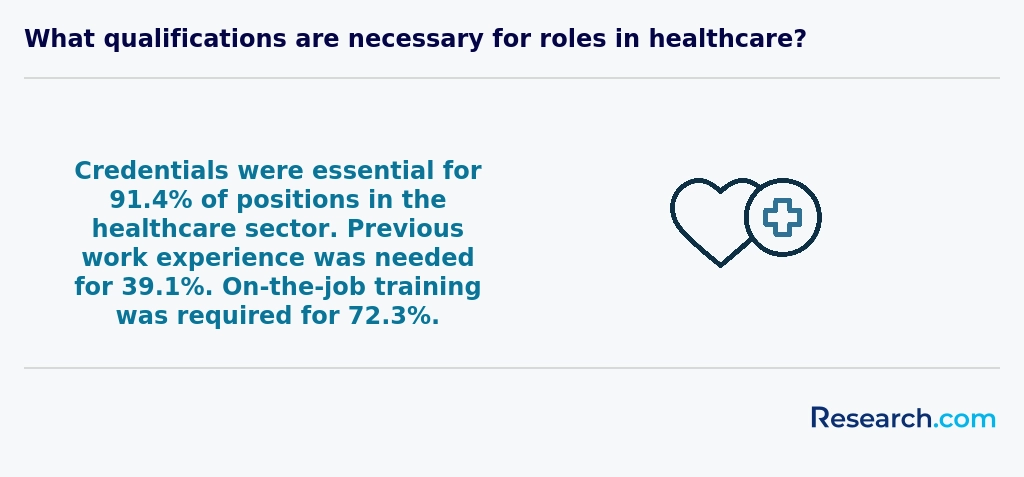
Accreditation ensures your degree meets industry and state standards. Graduates of accredited healthcare programs are eligible for licensure exams, clinical placements, and are preferred by employers.
- ACEN (Accreditation Commission for Education in Nursing) for nursing programs.
- CAAHEP (Commission on Accreditation of Allied Health Education Programs) for technician and therapy tracks.
- CAHME (Commission on Accreditation of Healthcare Management Education) for administrative and management degrees.
Always verify accreditation status on program websites and state board listings. If you’re considering an accelerated administrative path, confirm accreditation when exploring a health administration degree online to ensure licensure eligibility and professional recognition.
What financial aid is available to healthcare degree students in Anaheim?
Students pursuing healthcare degrees in Anaheim often rely on a mix of financial aid programs to manage the costs. For example, graduates from community colleges like Santiago Canyon College commonly utilize the Free Application for Federal Student Aid (FAFSA) to access Pell Grants, which can provide up to $7,395 annually without repayment. This aid can transform the daunting price tag into a manageable investment, especially when paired with the California College Promise Grant that waives fees at community colleges.
Others attending four-year institutions such as California State University, Fullerton, benefit from federal loan programs offering subsidized and unsubsidized loans with reasonable interest rates. Although loans can feel intimidating, many students feel reassured knowing that programs like Public Service Loan Forgiveness may erase debts if they serve underserved Anaheim communities post-graduation.
Additionally, local scholarships from organizations like the Anaheim Global Medical Center Foundation target specific fields like nursing, often making students feel supported and motivated. Some students also share how employer tuition reimbursements at nearby hospitals provided both financial relief and hands-on experience, energizing their academic journey.
While these options ease financial strain, prospective students should critically evaluate each type of aid, understanding the obligations and opportunities tied to them within Anaheim's unique healthcare education landscape.
What are the prerequisites for enrolling in healthcare degree program in Anaheim?
To enroll in a healthcare degree program in Anaheim, students typically need a high school diploma or GED and a minimum GPA around 2.5 to 3.0. Graduates from local community colleges often share how maintaining this GPA was manageable while balancing work and studies, making the process feel achievable rather than overwhelming. For programs at institutions like California State University, Fullerton, which attracts many Anaheim residents, specific high school courses such as biology and chemistry are often expected, reflecting the practical demands of healthcare fields.
Many applicants also face the requirement of submitting standardized test scores like the SAT or ACT, though some community colleges provide flexibility by waiving these. This variation allows students with different academic backgrounds to pursue healthcare degrees without feeling excluded.
Practical prerequisites are common, including completion of science courses like anatomy and physiology, background checks, immunization proof, and CPR certification. Graduates recall that acquiring CPR certification early helped them build confidence for clinical placements, making the experience more rewarding.
Some advanced degrees demand prior college coursework or an associate degree-something many find challenging but ultimately empowering as it prepares them for licensure exams and real-world healthcare roles.
Expert Tips for Prospective Healthcare Students
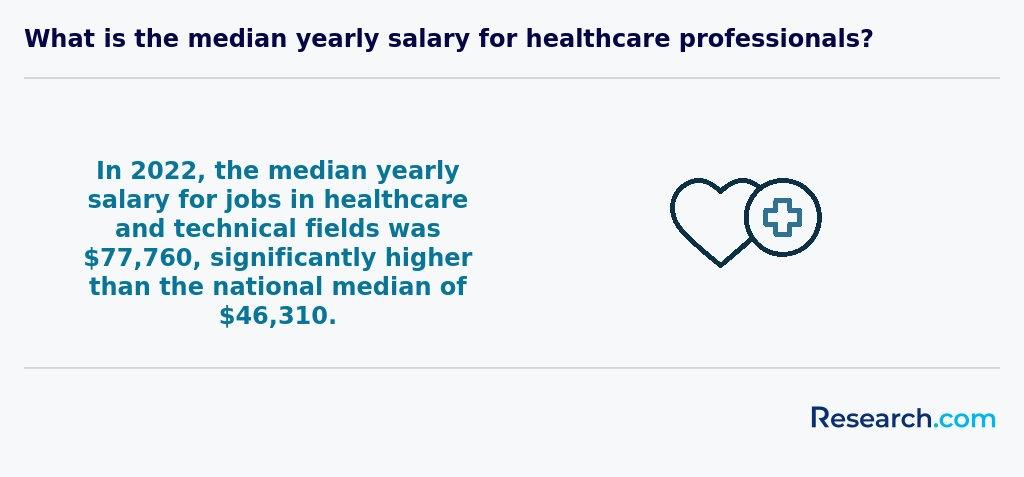
For students embarking on their journey in healthcare education, receiving expert advice can be a game-changer. This section offers actionable tips designed to help prospective students navigate the complexities of choosing and succeeding in their healthcare programs. First, research and verify that the institutions you consider are accredited, as this ensures high-quality education and enhances career prospects. In addition, take advantage of campus virtual tours, webinars, and networking events that can provide deeper insights into student life and program specifics. Another key tip is to connect with current students or alumni through mentorship programs or social media-these personal interactions often offer authentic perspectives on managing coursework, balancing responsibilities, and overcoming challenges. Resources such as 1 year mph programs provide excellent examples of expedited pathways and flexible learning models that may suit students with time constraints. Additionally, focus on developing strong study habits and time-management skills early on. Establishing a dedicated study space, following a regular schedule, and utilizing digital tools to track assignments can significantly boost academic performance. Lastly, always keep an eye out for financial aid, scholarships, and work-study opportunities that could ease your financial burden while offering practical work experience. These expert insights not only prepare you for the academic challenges ahead but also empower you to make informed decisions that align with your long-term professional goals in the healthcare field.
What courses are typically in healthcare degree programs in Anaheim?
Healthcare degree programs in Anaheim generally include a mix of foundational science and practical skill courses designed to prepare students for real-world healthcare settings. Graduates from local institutions often recall how intensive anatomy and physiology classes provided a clear understanding of the human body, which was essential during their clinical rotations in Anaheim hospitals. For instance, microbiology courses offered insight into how microorganisms impact health, a topic that proved highly relevant during hands-on training emergencies.
Medical terminology is another core course; students appreciate this as it builds confidence when communicating with healthcare teams. Many emphasize how patient care techniques-such as first aid and infection control-felt immediately applicable during internships, bridging the gap between theory and practice.
Some graduates from popular Anaheim colleges note that courses in healthcare administration and ethics broadened their perspective, especially when managing the complexities of healthcare laws and policies locally. Electives like pharmacology and mental health also allowed students to personalize their learning, making their education feel meaningful and tailored to specific career goals in the Anaheim community.
What types of specializations are available in healthcare degree programs in Anaheim?
Healthcare degree specializations in Anaheim reflect the region's diverse healthcare landscape, offering options that range from clinical practice to administrative and technological roles. Graduates from local institutions often share how nursing programs, with hands-on clinical rotations at Anaheim Global Medical Center, deeply enhanced their confidence and skills in patient care. Meanwhile, specialties like Health Information Management address the crucial need for adept handling of medical data, a field increasingly important amid digital transformations in healthcare.
Students pursuing public health in Anaheim appreciate the focus on community-based initiatives, especially in managing health education and policy tailored to the city's multicultural population. Healthcare Administration programs prepare learners to navigate complex organizational systems, a skill highlighted by graduates who value internships at regional hospitals. Those interested in rehabilitation find Physical Therapy and Occupational Therapy tracks rewarding by improving patients' quality of life. Anaheim healthcare programs and specializations are robust, yet prospective students should weigh program focus against career goals carefully. For those seeking accelerated options, exploring 1 year mph programs may provide a practical pathway to enter public health roles rapidly.
How do you choose the best healthcare degree in Anaheim?
Choosing the best healthcare degree programs in Anaheim means balancing accreditation, program fit, and hands-on experience. Graduates from Santiago Canyon College often praise the affordable healthcare degrees Anaheim 2027 offers, noting their ability to gain clinical skills nearby in well-known facilities like UC Irvine Health. Accreditation matters greatly, as it affects licensure and employment prospects; many students highlight that programs accredited by ACEN or CAAHEP provided smoother transitions into the workforce. Clinical placements at local hospitals allow learners to build confidence and real-world skills, making the education feel tangible and rewarding.
Cost-conscious students appreciate that community colleges provide quality education without the financial strain seen at private universities. Meanwhile, others pursuing specialized paths, such as accelerated tracks, might explore options like 3 year pharmd programs in usa for a faster route to their goals. Ultimately, understanding local job placement rates and the diverse healthcare roles in Anaheim ensures the degree you choose aligns with both your passion and practical outcomes.
What career paths are available for healthcare degree students in Anaheim?
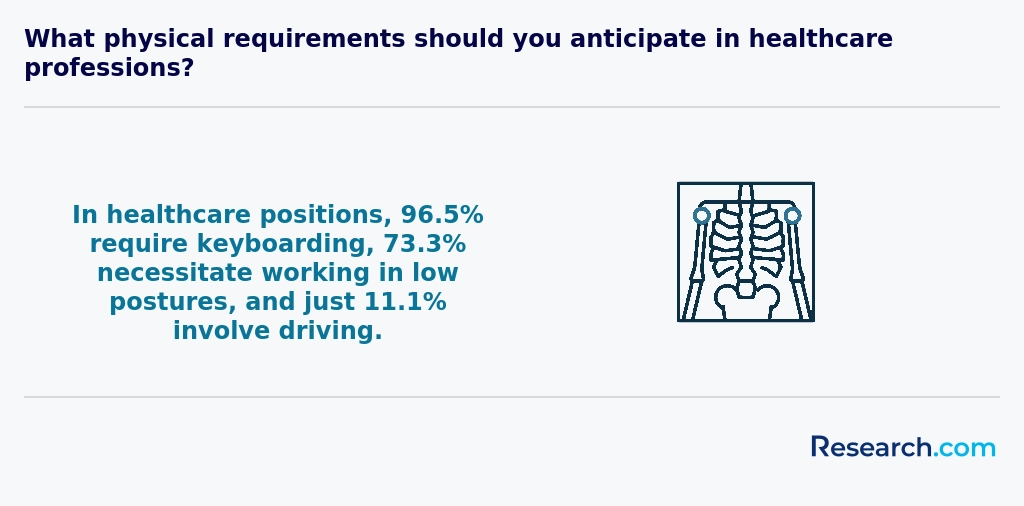
Graduates of healthcare degree programs in Anaheim find a wide range of career paths available, reflecting the city's diverse medical landscape. Many enter clinical roles like registered nursing, where median salaries around $90,000 reinforce the appeal of direct patient care careers. Others pursue technical fields as medical laboratory technicians or radiology technicians, contributing crucial support behind the scenes. Those interested in healthcare degree career opportunities in Anaheim often highlight local universities' programs that combine hands-on clinical training with administrative insights, preparing them for varied roles.
Healthcare administration presents another promising avenue, with local hospitals and clinics seeking skilled managers who understand both healthcare delivery and organizational needs. Graduates report satisfaction balancing leadership duties and patient-centered goals, underscoring the nuanced demands of these positions. Emerging health informatics and public health roles are gaining traction too, where students benefit from California's robust investment in health data systems, merging technology with patient care.
Reflecting on high demand healthcare jobs Anaheim offers, students contemplating program costs may explore affordable options as detailed in the Cheapest Online Healthcare Degree Programs Ranking in Minnesota, which can influence their educational choices and career strategy.
What is the job market for healthcare degree in Anaheim?
The healthcare degree job opportunities Anaheim offers are diverse and promising, particularly for those graduating from local institutions such as Cypress College or Fullerton College. Graduates often find roles in hospitals like Anaheim Global Medical Center, where the demand for registered nurses and allied health professionals is notably strong. Many report feeling encouraged by the competitive wages, which reflect the area's high cost of living and the urgent need for skilled workers.
Anaheim healthcare degree employment outlook is further supported by a growing elderly population, which increases the demand in long-term care and rehabilitation centers. Some graduates share that gaining practical experience through internships in these settings helped them secure full-time employment swiftly after completion of their programs. For those considering advancement, pursuing a bachelor's degree online fast is a flexible option frequently chosen to enhance career prospects without pausing work.
Frequently Asked Questions About healthcare
Healthcare degree students in Anaheim can enhance their learning by engaging deeply with local clinical opportunities. Anaheim's proximity to major healthcare facilities, such as the Anaheim Regional Medical Center, offers valuable hands-on experience essential for practical skills development. According to the California Department of Public Health, clinical experience is a key factor in graduate employment success in healthcare fields.
Students should also take advantage of internship programs and partnerships between colleges and healthcare providers. Networking with professionals through seminars and local healthcare events can provide insight into current industry trends. Staying informed about Anaheim's healthcare workforce demands, which are projected to grow by 15% through 2030 (Bureau of Labor Statistics), helps tailor education to market needs. Additionally, active participation in study groups and consistent use of campus resources like tutoring centers can reinforce theoretical knowledge.
The healthcare field in Anaheim is evolving rapidly, with several emerging niches attracting student interest. One notable area is telehealth, which has grown dramatically following the COVID-19 pandemic. According to the California Health Care Foundation, telehealth usage in the state increased by over 50% between 2019 and 2022. This expansion creates demand for professionals skilled in remote patient care and digital health technologies.
Another growing niche is healthcare informatics, focusing on managing healthcare data to improve patient outcomes. Anaheim's proximity to tech hubs supports this development by offering interdisciplinary programs.
Additionally, geriatric care is expanding due to an aging local population. The U.S. Census Bureau notes a rise in residents over 65 in Orange County, driving the need for specialized eldercare training.
After completing a healthcare degree in Anaheim, preparing for the job market involves combining education with practical experience. Local healthcare employers, including hospitals like St. Joseph Hospital and Hoag Hospital Irvine, often seek candidates with clinical internships or volunteer experience. Anaheim's job market in healthcare is growing steadily, with the California Employment Development Department projecting a 15% increase in healthcare occupations through 2030.
Networking is essential. Attending local job fairs, such as those hosted by Kaiser Permanente and Anaheim Chamber of Commerce, can connect graduates with potential employers. Additionally, obtaining relevant certifications and state licensure required for specific healthcare roles will improve job prospects significantly.
Employers in Anaheim's healthcare sector prioritize a mix of technical knowledge and soft skills for graduates holding healthcare degrees. Strong clinical competence, including patient care and familiarity with electronic health records, is essential due to the city's growing healthcare facilities. According to the California Employment Development Department, Anaheim's healthcare industry is expanding steadily, increasing demand for professionals skilled in medical technologies.
Communication skills are highly valued, as healthcare workers frequently interact with patients and multidisciplinary teams. Critical thinking and problem-solving abilities also stand out, helping graduates to adapt in fast-paced medical environments. Additionally, cultural competence is important in Anaheim's diverse community to ensure effective and respectful patient care.
Finding healthcare internships in Anaheim involves leveraging local resources and institutions. Many healthcare programs at nearby colleges and universities, such as California State University, Fullerton, offer dedicated internship placement services. These connect students with hospitals, clinics, and public health organizations throughout Orange County.
Prominent healthcare employers in Anaheim include St. Joseph Hospital and Anaheim Regional Medical Center, which frequently offer internship opportunities. Exploring career services websites of these institutions can provide updated listings tailored for healthcare students.
Networking through local professional associations like the Orange County Healthcare Executives Forum can also help. Additionally, checking listings on state and county public health department websites may reveal relevant internship openings.
The Anaheim area's healthcare sector continues to grow, aligning internship availability with increased demand for qualified healthcare workers, making timely research essential.
Obtaining a healthcare degree in Anaheim significantly enhances career mobility and advancement opportunities within the local job market. Healthcare is one of the fastest-growing sectors in Orange County, with employment projected to increase by 15% through 2030, according to the California Employment Development Department. A degree provides essential clinical knowledge and practical skills, making candidates more competitive for diverse roles such as nursing, health administration, and medical technology.
Professionals with formal education often access higher wages and leadership positions more rapidly. Employers in Anaheim prioritize certified degrees when promoting staff or hiring specialists, reflecting industry standards. Thus, investing in a healthcare degree aligns closely with regional economic trends and growing patient care demands.
Studying for a healthcare degree in Anaheim equips students with skills to work effectively in interdisciplinary teams. Many local programs emphasize collaboration among professionals such as nurses, therapists, and public health workers.
According to the California Employment Development Department, Anaheim's healthcare sector is projected to grow by 14% between 2022 and 2032, increasing demand for professionals able to navigate diverse roles.
Institutions integrate practical training and case studies focused on communication and decision-making across different healthcare fields. This approach reflects Anaheim's growing network of hospitals and clinics, like UC Irvine Health and St. Joseph Hospital, where interdisciplinary care is standard.
As a result, graduates gain experience needed for roles that require understanding various medical perspectives and systems.
Choosing between a thesis and a non-thesis healthcare degree program in Anaheim depends on your career goals and academic interests. Thesis programs typically involve original research and may take longer to complete, ideal for students aiming for a career in research or pursuing doctoral studies. Non-thesis programs focus on practical skills and coursework, which suits those seeking immediate employment in clinical or administrative roles.
The California State University system and other Anaheim-area institutions offer both options. According to the U.S. Bureau of Labor Statistics, healthcare jobs in Anaheim are projected to grow by 15% through 2030, favoring practical skills.
Consider the workload, mentorship availability, and whether you prefer research or direct application in healthcare when deciding.
Students based in Anaheim who wish to study healthcare abroad have several pathways within the United States higher education system. Many pursue exchange or study abroad programs through California State University, Fullerton, a nearby institution offering partnerships with international universities. These programs often include clinical experience or public health projects abroad, enhancing practical skills.
Additionally, students can enroll in accredited healthcare degrees in countries like Canada, the United Kingdom, or Australia, where curricula align with U.S. standards. Organizations such as the Commission on Collegiate Nursing Education (CCNE) accredit many international nursing programs, facilitating U.S. licensure after graduation.
It is important for Anaheim students to verify program accreditation and ensure credits are transferable to maintain eligibility for certification exams and employment back home.
Students pursuing healthcare degrees in Anaheim often seek part-time jobs that offer relevant experience while accommodating demanding coursework. Common opportunities include medical receptionist roles, pharmacy technician positions, and patient care assistants. These jobs provide practical exposure to clinical environments and improve communication skills, essential for healthcare professionals.
According to the U.S. Bureau of Labor Statistics, Anaheim's healthcare sector grew by over 10% from 2018 to 2023, increasing demand for support roles. Local hospitals such as Anaheim Regional Medical Center and St. Joseph Hospital frequently hire part-time staff to assist with administrative or entry-level clinical tasks.
Additionally, internships and volunteer positions in community health centers offer flexible schedules and valuable hands-on experience. This combination of work and study helps students build resumes and network within Anaheim's healthcare community.
Healthcare students in Anaheim have access to diverse networking opportunities that can enhance their educational and professional growth. Local institutions like California State University, Fullerton, and community colleges offer healthcare programs with strong ties to area hospitals and clinics, facilitating internships and clinical placements. These experiences are vital for building professional connections in the healthcare industry.
Additionally, Anaheim is part of Orange County, which hosts multiple healthcare conferences, workshops, and career fairs annually. These events often attract healthcare employers, practitioners, and students, providing valuable opportunities to meet mentors and potential employers. According to the Orange County Health Care Agency, collaborations between educational programs and healthcare providers support student networking and job readiness.
Alumni networks serve as a valuable resource for healthcare degree students in Anaheim by providing professional connections and career support. Many programs connect current students with graduates working in local hospitals and clinics, such as UC Irvine Health and St. Joseph Hospital, which are major employers in the region.
These networks facilitate mentorship opportunities, offering guidance on navigating the competitive healthcare job market. According to the National Association of Colleges and Employers, 85% of jobs are filled through networking, highlighting the importance of alumni ties.
Additionally, alumni events often showcase internships and job openings exclusive to network members, increasing employment chances for students entering Anaheim's healthcare workforce.
Customizing a healthcare degree program in Anaheim allows students to align their education with specific career goals. Many local institutions offer flexible curricula where students can choose electives such as public health, nursing, or health administration. Anaheim's proximity to diverse medical facilities provides valuable internship opportunities tailored to various specialties.
Students should consider programs accredited by agencies like the Commission on Accreditation of Allied Health Education Programs (CAAHEP) to ensure quality education and better job prospects in Anaheim's healthcare market.
Additionally, certificate options and dual degree tracks can enhance skills in areas like healthcare informatics or management, helping graduates stand out in the competitive regional field.
Healthcare students in Anaheim face several notable challenges during their education. One major difficulty is balancing demanding clinical hours with academic coursework, as programs often require extensive hands-on experience in local hospitals and clinics. This practical training can impose time constraints and physical fatigue.
Another common issue is the rising cost of tuition and associated expenses. According to the College Board, healthcare-related degrees tend to be among the most expensive due to specialized equipment and lab fees.
Additionally, students often encounter high competition for limited internship placements in Anaheim's healthcare facilities, impacting their ability to gain necessary experience.
With a healthcare degree in Anaheim, graduates can pursue various professional certifications to advance their careers. Common certifications include Certified Nursing Assistant (CNA), Registered Nurse (RN), and Licensed Practical Nurse (LPN) credentials, which are essential for clinical roles.
Beyond nursing, certifications like Certified Medical Assistant (CMA) and Registered Health Information Technician (RHIT) are also popular, especially given Anaheim's growing healthcare sector, which employed over 15,000 professionals in 2023 according to the California Employment Development Department.
For those interested in specialized fields, certifications in medical coding, phlebotomy, or healthcare administration offer valuable opportunities. Earning these credentials can improve job prospects and earning potential in the local market.
When applying for a healthcare program in Anaheim, start by carefully reviewing the specific admission requirements of each institution. Most programs require a strong foundation in science courses such as biology and chemistry, along with a competitive GPA, often above 3.0. Highlight relevant experience, including volunteer work or internships in healthcare settings, as this demonstrates your commitment and understanding of the field.
Clear, well-written personal statements are essential. Use this to explain your motivation for pursuing a healthcare career in Anaheim, where healthcare employment is projected to grow 16% through 2030, according to the U.S. Bureau of Labor Statistics. Tailor your application to showcase skills that match local industry needs.
Lastly, secure strong letters of recommendation from academic or professional contacts who can attest to your readiness for rigorous healthcare studies.
The healthcare career field is recognized globally for its critical role in improving public health and ensuring community well-being. In the United States, especially in cities like Anaheim, healthcare continues to be a growing sector, influenced by advances in technology and demographic changes. The U.S. Bureau of Labor Statistics projects a 16% growth in healthcare jobs from 2021 to 2031, reflecting strong demand nationwide.
Globally, healthcare professionals are valued for their adaptability and cross-cultural communication skills, as many countries face similar challenges such as aging populations and chronic diseases. For Anaheim students, understanding these trends can provide a broader perspective on career opportunities locally and abroad.
Higher education institutions in Anaheim offer programs that align with global standards, preparing graduates for diverse roles ranging from nursing to health administration. According to the Orange County Health Care Agency, healthcare accounts for a significant portion of regional employment, emphasizing the local importance of this sector.
Gaining practical experience while studying for a healthcare degree in Anaheim is essential for career readiness. Many local institutions, such as California State University, Fullerton and community colleges nearby, offer clinical rotations, internships, and lab simulations as part of their healthcare programs.
Additionally, Anaheim's numerous hospitals and healthcare facilities, including St. Joseph Hospital and Anaheim Global Medical Center, provide students opportunities for hands-on training through externships and volunteer roles. These experiences allow students to apply classroom knowledge to real-world patient care.
According to the California Employment Development Department, healthcare occupations in Anaheim are projected to grow by over 15% through 2030, highlighting the value of practical skills.
Choosing the right concentration within a healthcare degree program in Anaheim requires understanding both your career interests and local industry trends. Anaheim's healthcare sector is growing, with a 12% increase in jobs projected through 2030, according to the California Employment Development Department. Popular concentrations include nursing, public health, and healthcare administration.
Consider the demand for specialists in Anaheim hospitals and clinics, such as Orange County Global Medical Center and UCI Health. Research shows nursing degrees lead to high employment rates locally due to ongoing physician and nurse shortages.
Also assess your strengths and preferred work environments. For example, public health focuses on community wellness, a vital area in Anaheim with diverse populations.
Finally, review each program's curriculum and partnerships with local employers to ensure practical training opportunities that match Anaheim's healthcare needs.
Related Healthcare Rankings for Nearby Cities
- 2027 Most Popular Healthcare Degree Programs Ranking in Las Vegas
- 2027 Most Popular Healthcare Degree Programs Ranking in Provo
- 2027 Most Popular Healthcare Degree Programs Ranking in El Paso
- 2027 Most Popular Healthcare Degree Programs Ranking in Portland
- 2027 Most Popular Healthcare Degree Programs Ranking in Lubbock
- 2027 Most Popular Healthcare Degree Programs Ranking in Spokane
- 2027 Most Popular Healthcare Degree Programs Ranking in Tacoma
- 2027 Most Popular Healthcare Degree Programs Ranking in Abilene
- 2027 Most Popular Healthcare Degree Programs Ranking in Oklahoma City
- 2027 Most Popular Healthcare Degree Programs Ranking in San Antonio
Top Trending Healthcare Rankings
See What Experts Have To Say About Studying Healthcare
Read our interview with Healthcare experts

References
- Challenges for Medical Students - Health Action Research Group https://www.healthactionresearch.org.uk/mental-health/challenges-for-medical-student/
- Healthcare Administration Certifications https://www.publichealthdegrees.org/careers/healthcare-administrator/certification/
- The Value of Healthcare Organization Alumni Associations https://consultqd.clevelandclinic.org/the-value-of-healthcare-organization-alumni-associations
- Know more about thesis vs non- thesis: what is the difference? https://studyfans.com/en/blogs/816
- Platt College Campus in Anaheim, CA | Platt College https://plattcollege.edu/campus/anaheim/
- What to Expect as a Health Science Major https://www.grace.edu/what-to-expect-as-a-health-science-major/
- Getting medical work experience https://www.bma.org.uk/advice-and-support/studying-medicine/becoming-a-doctor/getting-medical-work-experience
- 20 healthcare investment niches and 3 things to know: The evolution of ... https://blackbookmarketresearch.com/20-healthcare-investment-niches-and-3-things-to-know-the-evolution-of
- Niche Markets in Healthcare: How to Find & Target https://nechayadvisors.com/blog/niche-markets-in-healthcare
- The Role of Interdisciplinary Studies in Medical Career Training https://georgia-med.com/the-role-of-interdisciplinary-studies-in-medical-career-training.html


