
2027 Most Popular Healthcare Degree Programs Ranking in California

Co-Founder and Chief Data Scientist
Choosing the right healthcare degree program can be overwhelming, especially with so many options in California. This article introduces the 2027 Most Popular Healthcare Degree Programs Ranking in California, developed by the Research.com team of data scientists. It's designed to guide you in making an informed decision about which programs stand out.
Exploring this ranking can help you discover opportunities that align with your goals and passions. Pursuing a healthcare degree opens doors to a rewarding career focused on helping others and making a real difference.
Key benefits of getting healthcare degree in California
- Salary for healthcare degree graduates: Graduates can expect competitive pay, such as Medical Assistants earning around $43,350 annually and Quality Improvement Coordinators earning up to $103,150 yearly, offering financial stability and growth.
- Career paths: A healthcare graduate from UCLA might explore roles like Clinical Research Coordinator or Patient Care Technician, providing diverse opportunities that match different interests and skills in patient care or administration.
- Benefits of online degrees: An online healthcare degree from California State University offers flexibility to balance work and study, making education more accessible and tailored to busy lifestyles while still preparing students for rewarding careers.
- Key benefits of getting healthcare degree in California
- What can I expect from healthcare degree in California?
- Where can I work with healthcare degree in California?
- How much can I make with healthcare degree in California?
- 2027 Most Popular Healthcare Degree Programs Ranking in California
- Key Findings
- How long does it take to complete healthcare degree in California?
- Accreditation, Certification, and Post-Graduate Support
- What's the difference between online and on-campus healthcare degree?
- Accreditation and Licensing Requirements in California
- What is the average cost of healthcare degree in California?
- Licensing and Certification Requirements in California
- What financial aid is available to healthcare degree students in California?
- Student Life and Campus Experience
- What are the prerequisites for enrolling in healthcare degree program in California?
- Accreditation and Licensure Requirements for Healthcare Programs in California
- What courses are typically in healthcare degree programs in California?
- What types of specializations are available in healthcare degree programs in California?
- How do you choose the best healthcare degree in California?
- What career paths are available for healthcare degree students in California?
- What is the job market for healthcare degree in California?
- Related Healthcare Rankings for Nearby States
- Top Trending Healthcare Rankings
- See What Experts Have To Say About Studying Healthcare
What can I expect from healthcare degree in California?
Healthcare degree costs in California vary significantly depending on the type of institution and residency status. For example, at public universities like the University of California or California State University systems, in-state students typically pay much lower tuition than out-of-state students. A graduate from a CSU nursing program shared that their total tuition for a four-year degree was manageable, thanks to resident tuition rates and available financial aid. Conversely, private institutions in California, which some healthcare students choose for specialized programs, often have higher tuition fees but may offer scholarships or grants to ease the burden.
Many students find that federal and state financial aid, especially those targeting healthcare fields, can substantially reduce their out-of-pocket expenses. Practical experiences such as clinical rotations are integrated into most programs and usually included in tuition, so planning for additional costs like transportation or supplies is wise. Overall, the average cost for a healthcare degree at a public university for residents can range from $30,000 to $70,000 over four years, depending on the specific program and campus.
Where can I work with healthcare degree in California?
With a healthcare degree in California, you can find jobs in a wide variety of settings tailored to your skills and interests. Graduates from well-known programs at universities like UCSF or UCLA often land roles in hospitals, which remain the largest employers. Picture working in a busy facility such as Cedars-Sinai, joining teams as nurses, medical technologists, or health administrators where the demand steadily grows.
Many alumni choose outpatient clinics or physician offices for a more routine pace, handling check-ups and diagnostics. These opportunities appeal to graduates seeking work-life balance, often found in growing suburban areas with expanding health centers.
Others pursue positions in nursing homes or long-term care facilities, especially as California's aging population intensifies. Here, graduates from healthcare administration or gerontology programs at places like San Diego State University find rewarding careers supporting elder care.
Public health agencies across counties also provide meaningful work, from disease prevention to community health education. Those interested in innovation might join tech firms in Silicon Valley, applying healthcare informatics skills to advance digital health solutions. This career diversity mirrors real graduate experiences, showing practical pathways after completing healthcare studies in California.
How much can I make with healthcare degree in California?
Graduates from healthcare programs in California typically start with roles such as Medical Assistants or Health Information Technicians, earning around $43,350 annually, according to recent BLS data. Many find these positions right after completing practical programs at institutions like Sacramento City College or San Diego Mesa College, where hands-on training prepares them well. These entry-level jobs provide steady income and valuable experience in bustling healthcare environments.
Stepping up, Patient Care Technicians make roughly $60,790 a year, offering a noticeable salary increase for graduates who want more direct patient interaction. Many students from California State University campuses appreciate the career growth this path allows, bridging classroom knowledge and real-world skills efficiently.
For those advancing further, a Quality Improvement Coordinator can earn around $103,150 annually, reflecting the demand for expertise in improving healthcare systems. Graduates working in metropolitan areas, such as near UCLA or USC medical centers, benefit from competitive pay that matches California's living costs while impacting patient care on a larger scale.
2027 Most Popular Healthcare Degree Programs Ranking in California
How do we rank schools?
Investing in your education is a significant decision that can shape your future, and the Research.com team understands the importance of making informed choices. To support prospective students in California, we have carefully developed the "2027 Most Popular Healthcare Degree Programs Ranking in California." Our dedication to quality, credibility, and accuracy is demonstrated through extensive research and analysis in compiling this ranking.
We utilized the following reputable data sources to ensure a comprehensive evaluation of healthcare degree programs:
By exploring this ranking, readers will gain valuable insights into the most popular healthcare degree programs in California, helping them make well-informed decisions about their educational and career paths. For more details on our methodology, please visit our Research.com methodology page.


Key Findings
- Public universities in California charge between $7,000 and $14,000 per year for in-state healthcare students, while private universities can exceed $40,000 annually.
- Community colleges offer affordable healthcare programs, costing less than $2,500 per year, serving as an entry point into the field.
- Healthcare jobs in California are projected to grow over 15% by 2030, especially for registered nurses, health services managers, and allied health professions.
- Entry-level healthcare salaries range from $55,000 to $70,000 annually, with registered nurses earning about $75,000 shortly after graduation.
- Most healthcare roles require state-specific licenses, including passing exams like the NCLEX-RN for nurses and other credentialing for therapists and technologists.
- Financial aid and scholarships are available in California to help students manage the high costs of healthcare education.
How long does it take to complete healthcare degree in California?
Completing a healthcare degree in California varies based on the program you choose. For example, many graduates from community colleges like Los Angeles City College complete an Associate Degree in Nursing (ADN) in about two years, quickly entering the workforce as registered nurses. This fast track suits students eager to start working and gain practical experience early.
If you're aiming for a Bachelor of Science in Nursing (BSN) or similar bachelor's in healthcare, expect four years of full-time study, as seen at campuses like CSU Long Beach or UC Davis. Graduates describe this period as challenging but rewarding, with clinical rotations providing real-world skills that boost confidence for future roles.
Graduate programs such as Master of Science in Nursing (MSN) typically add two years post-bachelor's, helping graduates from schools like San Francisco State University step into leadership or specialized clinical positions. Doctoral degrees, like a DNP from UCSF, require an extra three to four years after your master's, preparing you for top-level patient care or academic work.
Many students appreciate California's flexible options, including accelerated or part-time paths, which fit busy lives without extending timelines unnecessarily. Financial planning is key, especially since public universities average about $7,500 yearly tuition for residents, making time management vital for balancing work and study.
Accreditation, Certification, and Post-Graduate Support
Ensuring that a healthcare degree program maintains high standards through proper accreditation and certification is a cornerstone of any successful educational journey. Programs with accredited status not only meet rigorous academic and ethical guidelines, but they also pave the way for graduates to qualify for necessary state licensure and certification exams. This reinforces the trust employers place in your qualifications and can significantly enhance career opportunities. In addition to accreditation, many programs offer robust post-graduate support such as career advising, mentorship programs, and partnerships with local healthcare facilities. For example, some institutions work closely with specialized organizations and even accelerated training options-like the offerings from a medical assistant school-to help graduates transition smoothly into the workforce. Key benefits of a strong accreditation and certification framework include:
- Assurance of quality education that meets industry standards.
- Eligibility to sit for licensure and professional certification exams.
- Access to comprehensive career services and hands-on apprenticeship opportunities.
- Enhanced networking with alumni and healthcare professionals who are leading the field. When researching healthcare degree programs in California, always verify the accreditation status and ask about support services available after graduation. This extra diligence can help you avoid potential obstacles and set you on a clear path to a thriving career in healthcare.
What's the difference between online and on-campus healthcare degree?
Choosing between online and on-campus healthcare degrees in California mainly comes down to your lifestyle and learning preferences. Graduates from California State University's online nursing program praise the flexibility to study while working, noting tuition between $5,742 and $7,176 annually for in-state students as a budget-friendly advantage. However, they also emphasize the importance of self-discipline and arranging clinical hours locally, which can be challenging but manageable with good planning.
In contrast, on-campus students at universities like UCLA or UCSF often highlight the immediate access to labs, simulation centers, and face-to-face mentoring, which enrich hands-on skills essential in nursing or medical technology. These programs typically cost between $7,000 and $16,000 yearly at public universities, with private options even higher, but provide robust networking and group learning opportunities.
Both paths require clinical placements, which vary widely across California-from urban hospitals in Los Angeles to rural clinics in the Central Valley-so coordinate these early to align with your schedule and location preferences.
Accreditation and Licensing Requirements in California
Every healthcare degree program in California must be regionally accredited (usually by WASC Senior College and University Commission) and programmatically accredited by the relevant professional agency to ensure eligibility for licensure. Accreditation guarantees that curricula meet state and federal standards, clinical hours are supervised, and credits transfer seamlessly. For example, students seeking a practical pathway into allied health can explore an online associates degree in physical therapy assistant accredited by the Commission on Accreditation in Physical Therapy Education (CAPTE), qualifying them to sit for the PTA licensure exam upon graduation. Licensing requirements by profession include:
- Nursing (RN): Graduate from a CCNE- or ACEN-accredited program, apply to the California Board of Registered Nursing (BRN), and pass the NCLEX-RN.
- Vocational Nursing (LVN): Complete a BVNPT-approved program, submit an application to the California Board of Vocational Nursing and Psychiatric Technicians, then pass the NCLEX-PN.
- Physical Therapist Assistant (PTA): Finish a CAPTE-accredited PTA program, pass the National Physical Therapy Exam (NPTE), and obtain state licensure through the California Physical Therapy Board.
- Medical Assisting: Graduate from a CAAHEP-accredited program and pursue national certification (e.g., CMA through AAMA) for enhanced employment prospects. Before enrolling, verify each program’s accreditation status on the California Department of Consumer Affairs website, review current cohort pass rates, and confirm active clinical partnerships. Choosing an accredited program not only secures your eligibility for licensure and certification but also maximizes your competitiveness in California’s dynamic healthcare job market.
What is the average cost of healthcare degree in California?
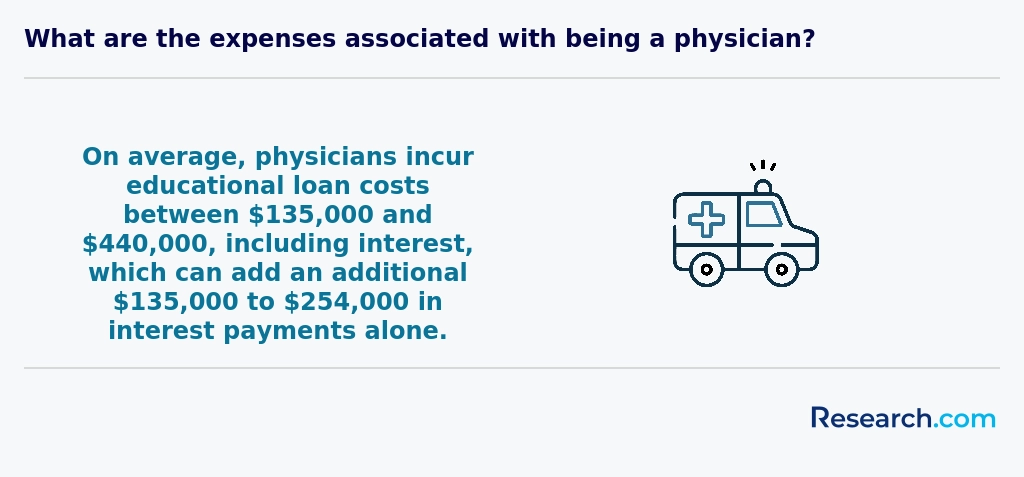
The average cost of obtaining a healthcare degree in California varies depending on the institution and residency status, but a practical estimate for planning is around $15,722 for in-state students. Graduates from public universities often reflect on their ability to manage costs effectively by attending schools in systems like California State University, where tuition tends to be lower. Meanwhile, students at the University of California campuses typically face higher tuition fees, often ranging up to $14,500 annually, making budgeting essential for those programs.
Private institutions, well-known for their competitive healthcare programs, come with a steeper price tag. Students attending private colleges often report tuition costs exceeding $40,000, sometimes reaching $50,000 or more per year. This significant difference highlights the importance of exploring all financial aid options early on. Beyond tuition, additional expenses such as textbooks, clinical placements, and living costs in California's expensive metropolitan areas can push the total cost upward. Incorporating these elements gives a clearer picture of the overall investment required for a healthcare degree.
Many prospective students who researched the average cost of healthcare degrees in California found that scholarships, grants, and financial aid can greatly reduce their financial burden. When choosing a path, consider the reputation and affordability of schools; for instance, some graduates recommend checking out programs at the best healthcare school in california to balance quality education and cost. This practical approach helps future healthcare professionals prepare financially for their education journey.
Licensing and Certification Requirements in California
After completing a healthcare degree, graduates must secure the proper license or certification to practice. Key steps include:
- Registered Nurse (RN): Pass the NCLEX-RN exam and apply for licensure with the California Board of Registered Nursing.
- Licensed Vocational Nurse (LVN): Complete an approved vocational program, pass the NCLEX-PN, and register with the Board of Vocational Nursing and Psychiatric Technicians.
- Medical Assistant: Earn a nationally recognized credential (e.g., Certified Medical Assistant via AAMA) and meet any employer-specific requirements.
- Health Information Technician: Obtain the RHIT certification through AHIMA by passing the national examination.
- Specialized roles (e.g., Radiologic Technologist, Respiratory Therapist): Fulfill program-specific clinical hours, pass relevant board exams, and apply for state registration.
Licenses typically renew every two years and require continuing education credits. For those interested in back-office specialties, consider a low cost medical coding and billing online program to gain certification and boost job prospects.
What financial aid is available to healthcare degree students in California?
When pursuing a healthcare degree in California, financial aid often comes from several reliable sources. Many students at universities like UCLA or San Francisco State start by completing the FAFSA to access federal aid. This opens doors to Pell Grants, which can provide up to $7,395 annually without repayment, easing immediate financial pressure. Federal student loans are also a practical option, offering manageable interest rates and flexible repayment plans designed for healthcare careers.
State-specific aid is equally important. Graduates from Cal State programs recall how Cal Grants covered significant portions of their tuition - up to $12,570 each year - making education at public institutions more affordable. For those attending private schools, some Cal Grants still apply. Scholarships from healthcare associations and employer tuition assistance programs also prove invaluable, especially when paired with work-study opportunities available through FAFSA.
One nursing graduate shared how combining these aids with workforce development grants helped them handle costs without incurring overwhelming debt. Working closely with financial aid offices at schools like USC or UC Davis early on can reveal tailored opportunities that fit your situation. Taking these steps makes the path to a California healthcare career feel achievable and less stressful.
Student Life and Campus Experience
A vibrant student life can significantly influence your overall success and satisfaction in a healthcare degree program. Beyond classroom learning, campuses offer support services, extracurricular activities, and networking opportunities that enrich your academic journey and personal growth. Many institutions organize events, student clubs, and mentorship programs which create a dynamic and collaborative environment-integral for building professional relationships and lifelong friendships. For example, some schools host regular career workshops and community outreach programs, providing practical insights into the industry while fostering a sense of belonging among students. These aspects not only ease the adjustment to rigorous academic demands but also enhance soft skills such as teamwork, leadership, and problem-solving that employers value. To learn more about finding the ideal environment for your studies, visit the best healthcare school in california, where you can explore programs that prioritize both academic excellence and a rich campus experience.
What are the prerequisites for enrolling in healthcare degree program in California?
To enroll in a healthcare degree program in California, you'll need a solid academic foundation and relevant experience. For example, many undergraduates at popular schools like UCLA or San Diego State report that having strong grades-typically a 3.0 GPA or higher-in biology, chemistry, and math is crucial. Completing coursework in anatomy and physiology before transferring from a community college gave several graduates the confidence to excel in their nursing or health sciences classes.
Graduate programs at institutions such as USC often require a bachelor's degree in a related field, plus clinical experience. Many students found volunteering or internships at local hospitals invaluable for meeting these prerequisites while enriching their resumes.
Applicants should also prepare to submit letters of recommendation and personal statements. Graduates from California's public universities emphasize that sharing your motivation clearly can set you apart.
Some programs still ask for GRE scores, but this is becoming less common, making the application process smoother for many hopefuls.
Accreditation and Licensure Requirements for Healthcare Programs in California
Accreditation ensures that healthcare programs meet rigorous quality standards, protect students’ eligibility for licensure, and are recognized by employers and certification bodies. In California, prospective students should verify both regional accreditation (e.g., WASC Senior College and University Commission) and programmatic accreditation specific to their field-such as the Commission on Collegiate Nursing Education (CCNE) for nursing or the Commission on Accreditation of Healthcare Management Education (CAHME) for health administration. Graduates of accredited programs are eligible to sit for professional exams and enjoy smoother pathways to licensure with the California Board of Registered Nursing, the Medical Board of California, or other relevant agencies. Program accreditation also affects financial aid eligibility and credit transferability. Before enrolling, confirm accreditation status through the U.S. Department of Education’s Database of Accredited Postsecondary Institutions and Programs (DAPIP) or the Council for Higher Education Accreditation (CHEA) directory. When comparing online master’s options, resources like the Affordable Online Master's in Healthcare Degree Programs Ranking in Pittsburgh, PA can help you identify cost-effective, accredited pathways-even if you plan to complete clinical practica in California. Licensure requirements vary by profession:
- Nursing and allied health roles often mandate completion of state-approved clinical hours and successful passage of national exams (e.g., NCLEX-RN).
- Healthcare administrators may need certification from bodies like the American College of Healthcare Executives (ACHE) or CAHME-accredited programs.
- Public health professionals pursuing roles in epidemiology or health policy should confirm that their MPH tracks align with Council on Education for Public Health (CEPH) standards. Maintaining licensure typically involves continuing education units (CEUs), which accredited programs often integrate into advanced curricula or offer post-graduation certificate options. By prioritizing both accreditation and licensure criteria in your program search, you ensure a seamless transition from education to practice and maximize long-term career flexibility in California’s dynamic healthcare landscape.
What courses are typically in healthcare degree programs in California?
Your healthcare degree in California will cover a blend of scientific and practical courses designed to prepare you fully for the field. Graduates from schools like UCLA and San Diego State report starting with core sciences such as human anatomy, physiology, microbiology, and chemistry. These foundational classes help you understand how the body works and build the base for all clinical knowledge.
Expect to take courses in healthcare ethics, communication, and healthcare law to master the soft skills essential for working with patients and navigating the legal environment. Many students appreciate the cultural competency training included at universities like UC Berkeley to effectively serve California's diverse population.
Classes in public health, epidemiology, and health policy are common, especially given California's focus on community health initiatives. For hands-on learners, programs at schools like California State University often emphasize clinical experiences and practicums, which offer real-world patient interaction aligned with licensing requirements.
Specialized courses vary by focus: nursing students dive into pharmacology and patient care techniques, while those in allied health fields like radiologic technology study targeted technical skills. This practical mix keeps learning engaging and clearly relevant to your future career.
What types of specializations are available in healthcare degree programs in California?
Healthcare degree specializations in California span a variety of focused areas designed to meet the state's diverse medical needs. Graduates from well-known institutions like the University of California or California State University often emphasize nursing tracks such as Registered Nurse (RN) and Nurse Practitioner (NP), given California's projected 15% growth in nurse demand by 2028. Others shape careers in public health, mastering community health management to tackle statewide disease prevention challenges.
Many students also specialize in healthcare administration, preparing to lead large hospital systems or clinics, which is vital in California's complex healthcare landscape. Programs in medical laboratory sciences attract those interested in diagnostic testing, essential for advancing medical technology. Physical therapy and dental hygiene are popular choices too, with graduates finding rewarding work helping patients recover or maintain oral health in both cities and rural areas.
For quicker entry points, some explore options like a medical assistant school. Recognizing the varied California healthcare program concentration options allows students to align their studies directly with workforce demands.
How do you choose the best healthcare degree in California?
Start by pinpointing your area of interest within healthcare, whether it's nursing, physical therapy, or health administration. Graduates from well-known California universities often highlight how choosing a program with strong clinical placements boosted their confidence and practical skills. This is especially true in metropolitan hubs like Los Angeles or San Francisco, where partnerships with hospitals create real-world training opportunities. Cost is another crucial factor-public universities in California typically charge around $8,000 annually for in-state students, making affordable healthcare degrees California 2027 an important consideration for many. Community colleges offer practical options, especially for those pursuing certificates or associate degrees.
Accreditation matters significantly. For instance, nursing programs approved by the California Board of Registered Nursing ensure smoother licensure and hiring processes. Look at graduation rates and exam pass rates for programs you're considering; many students happily share how high NCLEX or PANCE pass rates reassured them about their choice. If you're interested in therapy roles, explore options like the online associates degree in physical therapy assistant, which some California students find flexible and effective. Focusing on these criteria helps find the best healthcare degree programs in California tailored to your career goals.
What career paths are available for healthcare degree students in California?
Graduates with a healthcare degree in California have diverse career paths to consider, from hands-on clinical roles to administrative and research positions. Many students from well-known institutions like the University of California and San Diego State University find opportunities as Registered Nurses or Physician Assistants, driven by California's strong demand in clinical care. These roles often provide rewarding patient interactions and competitive salaries that make the years of study worthwhile.
Others opt for healthcare administration, managing hospital operations and improving patient systems. Graduates emphasize how programs at California State University prepare them to navigate the complex healthcare landscape effectively, opening doors to roles like health services managers or consultants. This path appeals to those interested in leadership and system-wide impact.
Public health careers are equally promising, especially for graduates motivated by community service. Working in disease prevention and health education fits well with California's diverse population needs. Research-focused graduates from major California universities leverage their degrees to innovate in clinical trials and healthcare technology development, contributing to the state's reputation as a medical innovation hub. For those weighing tuition costs alongside career goals, exploring options like the Affordable Online Master's in Healthcare Degree Programs Ranking in Pittsburgh, PA may provide valuable alternatives.
These practical pathways highlight the breadth of California healthcare degree job opportunities, ensuring students can find a career matching their skills and aspirations.
What is the job market for healthcare degree in California?
The healthcare job market in California is strong and growing, offering graduates numerous opportunities in hospitals, clinics, and community health organizations. For those earning healthcare degrees at well-known institutions like the University of California, San Francisco or California State University campuses, job prospects tend to be favorable thanks to strong ties with local medical centers. Graduates often share that their education prepared them well for high-demand roles such as registered nurses or health services managers, with competitive salaries that reflect California's cost of living.
California healthcare degree employment outlook data highlights steady growth driven by statewide initiatives and an aging population. Many students find practical benefits in programs that focus on hands-on training and regional healthcare needs, enabling swift entry into the workforce. Additionally, exploring a one year online masters degree can be a practical step for quick advancement without relocating.
Frequently Asked Questions About healthcare
Healthcare degree students in California can maximize their learning experience by engaging actively in clinical placements and internships. California hospitals and healthcare centers offer diverse opportunities to gain hands-on experience, essential for developing practical skills in real-world settings. According to the California Employment Development Department, healthcare occupations are projected to grow 15% from 2020 to 2030, highlighting the importance of applied learning.
Students should also take advantage of California's renowned research institutions and healthcare conferences to stay updated on emerging trends. Networking with professionals and participating in relevant workshops can enhance their knowledge and career prospects.
Additionally, leveraging online resources and certification programs aligned with California's healthcare standards may provide students with a competitive edge in job markets. Effective time management and proactive communication with mentors further support academic and professional success.
The healthcare field in California is rapidly evolving, with emerging niches reflecting advances in technology and the changing demographics of the population. Telehealth has grown significantly, especially after 2020, providing remote care to millions. According to the California Health Care Foundation, telehealth visits increased over 60% statewide from 2019 to 2021. This creates demand for healthcare professionals skilled in digital communication and remote patient monitoring.
Another niche is geriatric care, driven by California's aging population. The U.S. Census Bureau projects that by 2030, nearly 24% of Californians will be over 60 years old, increasing the need for specialists in elderly care.
Additionally, healthcare data analytics is growing as providers seek to leverage big data for improving patient outcomes. Degrees and certifications focusing on health informatics are becoming more popular in the state's universities.
Preparing for the job market after earning a healthcare degree in California involves several important steps. Graduates should start by obtaining any required state licensure or certification relevant to their field, such as the California Certified Nursing Assistant (CNA) or Registered Nurse (RN) licenses. According to the California Employment Development Department, healthcare jobs are projected to grow 15% through 2030, highlighting strong demand.
Networking is also essential. Joining professional organizations like the California Healthcare Association can help connect students with mentors and job opportunities. Additionally, practical experience through internships or clinical rotations during study significantly enhances employability. Continuing education and specialized certifications can further improve a candidate's competitiveness in California's diverse healthcare market.
Employers in California's healthcare industry prioritize a combination of technical and interpersonal skills when hiring graduates with healthcare degrees. Strong clinical abilities, such as patient assessment and care coordination, are essential. According to the California Employment Development Department, proficiency in electronic health record (EHR) systems is increasingly important due to the widespread use of digital health technologies.
Communication skills are highly valued, as healthcare professionals must effectively interact with diverse patient populations and multidisciplinary teams. Employers also seek candidates with critical thinking and problem-solving abilities to manage fast-paced clinical environments safely and efficiently.
Additionally, cultural competence is crucial in California, where linguistic and ethnic diversity is high. Understanding and respecting cultural differences improves patient outcomes and satisfaction. These skills collectively enhance a graduate's employability in California's competitive healthcare job market.
Finding internships in California relevant to a healthcare degree involves a strategic approach. Many universities offer dedicated career services that connect students to local healthcare providers.
California has over 1,200 hospitals and more than 25,000 outpatient centers, making it a robust state for healthcare internships (California Health Care Foundation, 2023). Students should explore internships at hospitals, clinics, and public health organizations.
Online platforms like Handshake and statewide resources such as the California Association of Health Facilities also list internship opportunities.
Additionally, networking with faculty and attending healthcare career fairs can increase chances of securing competitive internships essential for practical experience and future employment.
In California, earning a healthcare degree significantly enhances career mobility and advancement opportunities. The state's expanding healthcare industry, driven by a growing and aging population, has created a high demand for qualified professionals. According to the California Labor Market Information, healthcare occupations are projected to grow by 15% from 2020 to 2030, faster than the average for all occupations.
A healthcare degree provides specialized knowledge and clinical skills that make graduates eligible for various certifications and licenses, which are often required for higher-paying roles. This credentialing opens doors to roles like nurse practitioners, health services managers, and specialized technicians.
Moreover, degree holders often experience higher wage growth and better job security. The California Employment Development Department reports that healthcare professionals with degrees earn approximately 20-30% more than individuals without degrees in similar fields.
Overall, a healthcare degree in California is a strong foundation for career growth, offering diverse pathways across hospitals, clinics, and community health organizations.
Studying for a healthcare degree in California equips students with skills for interdisciplinary roles through diverse coursework and practical experiences. California's healthcare programs often emphasize collaboration among professionals like nurses, physicians, social workers, and public health experts.
This approach reflects the state's complex healthcare system, which serves over 39 million residents, including diverse populations with varying needs, according to the California Health Care Foundation (2023).
Students learn to communicate effectively across disciplines and understand integrated care models, vital in settings like hospitals and community clinics.
Clinical rotations and team-based projects foster real-world skills in problem-solving and patient-centered care.
Choosing between a thesis and a non-thesis healthcare degree program in California depends largely on your career goals and time commitment. Thesis programs typically involve conducting original research, which suits those interested in academic, research, or advanced clinical roles. In California, universities like UCLA and UCSF offer strong thesis options that prepare students for PhD programs or research-intensive jobs.
Non-thesis programs focus more on coursework and practical skills, ideal for those aiming to enter the workforce more quickly. According to the California Employment Development Department, healthcare jobs are projected to grow 15% by 2028, encouraging many to choose faster routes to employment.
Consider your long-term plans, as thesis work can take an additional year or more. Also, review faculty expertise and available research funding within your chosen institution in California.
Students in California seeking to study healthcare abroad have multiple pathways supported by U.S. institutions. Many California universities with healthcare programs offer established exchange or dual-degree agreements with international universities, allowing students to gain global experience while earning credits towards their degrees. Programs often focus on nursing, public health, or medical technology.
According to the California Postsecondary Education Commission, nearly 15% of California healthcare students participate in study-abroad or international practicum programs, reflecting growing interest. These experiences provide exposure to different healthcare systems, beneficial amid California's diverse population.
Financial aid and scholarships specifically for study abroad in healthcare also exist, easing access to programs in countries like the UK, Australia, and Canada, all popular destinations based on recent enrollment data.
California offers a variety of part-time job opportunities that can complement healthcare degree education, enhancing both skills and employability. Common roles include medical scribing, where students assist physicians by documenting patient encounters. This position provides firsthand experience with clinical workflows and medical terminology.
Other relevant jobs are certified nursing assistant (CNA) positions; California employs over 230,000 CNAs, creating strong demand according to the Employment Development Department. These roles allow students to practice direct patient care under supervision.
Pharmacy technician and medical receptionist roles also provide valuable exposure to healthcare settings, improving interpersonal and administrative skills. Given California's diverse healthcare industry, these part-time jobs can facilitate networking and practical learning alongside academic studies.
Healthcare students in California have numerous networking opportunities through university programs, professional organizations, and local healthcare events. Many California colleges, like UCLA and UCSF, host career fairs and workshops connecting students with healthcare employers. These events often feature hospitals and clinics from across the state, increasing the chances of internships and job placements.
The California Nurses Association and the California Society of Health-System Pharmacists provide student memberships, allowing access to conferences, mentorships, and job boards. According to the California Labor Market Information Division, healthcare job growth in California is expected to rise by 15% through 2030, making networking especially valuable for securing roles.
Additionally, statewide online platforms offer virtual meetups and professional discussions, which have grown since 2020, expanding opportunities beyond campus. Students engaging in these networks can enhance their career paths by building contacts early in their education.
Alumni networks offer significant advantages to healthcare degree students in California. These networks provide access to experienced professionals who can offer guidance, mentorship, and industry insights. In a state with over 3 million healthcare workers, such connections can be crucial for job placement and career advancement, according to the California Employment Development Department (EDD).
They also facilitate internship and job opportunities that may not be publicly advertised, allowing students to enter competitive environments more easily. Networking events and online platforms help students build relationships that support professional growth.
Furthermore, many alumni actively contribute to continuing education and skill development, keeping graduates informed on the latest healthcare trends and policies relevant to California's diverse patient populations.
Customizing a healthcare degree program in California allows students to align education with specific career goals in a diverse and growing industry. Many universities offer options to choose specialized tracks, such as public health, nursing, health administration, or medical technology. This flexibility helps students target sectors with strong demand; for example, California projects a 15% growth in healthcare jobs through 2028, according to the California Employment Development Department.
Students can often select electives, internships, or clinical placements tailored to their interests. Participating in internships within California's large healthcare system enables hands-on experience in areas like hospital administration or community health.
Additionally, some programs offer certificate add-ons in emerging fields like telehealth or healthcare informatics, enhancing career opportunities.
Healthcare students in California often face several notable challenges during their education. One primary issue is the high cost of tuition and living expenses, with California ranking among the most expensive states for higher education according to the College Board. This financial burden can lead to significant student debt.
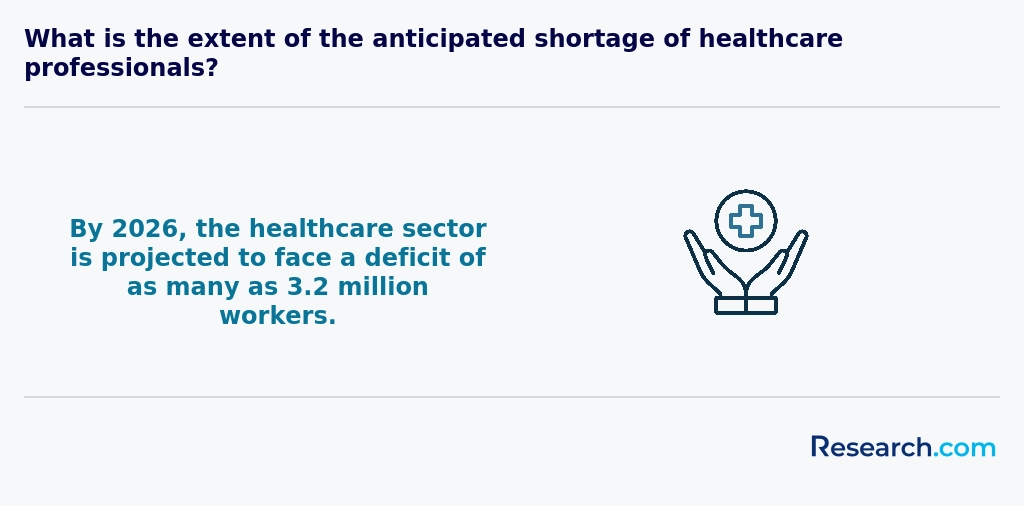
Another challenge is the intense competition for clinical placements. California has a dense healthcare industry, but the demand for internships and residencies often exceeds available slots, creating bottlenecks for practical experience. According to the California Future Health Workforce Commission, this impacts timely graduation and workforce entry.
Lastly, students must keep up with evolving regulations and technology in healthcare, which requires continuous learning to meet licensure and certification standards set by the California Board of Registered Nursing and other agencies.
With a healthcare degree in California, many professional certifications become accessible to enhance your career prospects. Common certifications include Certified Nursing Assistant (CNA), Registered Nurse (RN) licensure, and Medical Assistant (MA) certification. Completing these can significantly boost job opportunities in California's vast healthcare system, which employs over 1.2 million healthcare workers as of 2023 (CA Employment Development Department).
Other specialized certifications include Certified Health Education Specialist (CHES) and credentials in health informatics or public health. These certifications vary in requirements but typically require passing an exam and sometimes supervised clinical experience.
Many employers in California prefer candidates holding certifications accredited by national or state organizations, such as the California Board of Registered Nursing or the California Department of Public Health.
To write a winning application for a healthcare program in California, start with a clear and concise personal statement that highlights your passion for healthcare and your understanding of the demands in this field. California's healthcare industry is one of the largest in the country, so demonstrating knowledge of local challenges, such as workforce shortages noted by the California Health Care Foundation, can strengthen your case.
Include relevant experience, such as volunteering in clinics or internships, to showcase practical skills. Maintain a competitive GPA, preferably above 3.0, as most Californian programs prioritize academic performance. Finally, secure strong letters of recommendation from professionals familiar with your work ethic and commitment to healthcare.
Healthcare careers in California are shaped by both local demands and global trends. Around the world, healthcare professionals are increasingly expected to possess strong clinical skills, cultural competence, and technological literacy. In the U.S., especially in California, the demand for healthcare workers is growing rapidly due to a diverse population and aging demographics. According to the California Employment Development Department, healthcare occupations in the state are projected to grow by 15% from 2022 to 2032, faster than the average for all jobs.
Globally, healthcare professions emphasize interdisciplinary collaboration and adaptability, which are also essential in California's evolving healthcare system. The integration of telemedicine and digital health tools aligns with worldwide movements to improve access and efficiency. This international perspective encourages students to develop skills that are not only locally relevant but also valuable in broader healthcare contexts.
Gaining practical experience is essential when studying for a healthcare degree in California. Many programs include clinical rotations, internships, or externships as part of their curriculum. These placements allow students to work in hospitals, clinics, or community health settings under professional supervision.
California hosts over 400 teaching hospitals, providing ample opportunities for hands-on learning. The California Department of Public Health and institutions like the University of California system often collaborate to offer structured practical experiences.
Additionally, students can volunteer with organizations such as county health departments or nonprofit clinics, gaining exposure to diverse populations and health issues. Practical training is crucial for licensure and employment.
Choosing the right concentration within a healthcare degree program in California depends on your career goals, interests, and the state's labor market. Healthcare in California is diverse, with strong demand in nursing, public health, and health administration, as reported by the California Employment Development Department.
Research each concentration's job outlook and required credentials. For example, registered nursing remains the largest healthcare occupation, with projected growth of 15% through 2030. Public health roles also expand due to increasing focus on community wellness in California's varied population.
Consider program accreditation and clinical opportunities offered in California's healthcare hubs like Los Angeles or the Bay Area. These enhance hands-on experience and networking for future employment.
Related Healthcare Rankings for Nearby States
- 2027 Most Popular Healthcare Degree Programs Ranking in Arizona
- 2027 Most Popular Healthcare Degree Programs Ranking in Idaho
- 2027 Most Popular Healthcare Degree Programs Ranking in Washington
- 2027 Most Popular Healthcare Degree Programs Ranking in New Mexico
- 2027 Most Popular Healthcare Degree Programs Ranking in Colorado
- 2027 Most Popular Healthcare Degree Programs Ranking in Montana
- 2027 Most Popular Healthcare Degree Programs Ranking in Kansas
- 2027 Most Popular Healthcare Degree Programs Ranking in Nebraska
- 2027 Most Popular Healthcare Degree Programs Ranking in Minnesota
- 2027 Most Popular Healthcare Degree Programs Ranking in Missouri
Top Trending Healthcare Rankings
See What Experts Have To Say About Studying Healthcare
Read our interview with Healthcare experts

References
- How do you Network as a Student? | Medmentor https://medmentor.co.uk/blog/how-do-you-network-as-a-student
- Thesis vs. Non-Thesis Master's Programs: Which is Right for You? https://potomac.edu/thesis-vs-non-thesis-masters/
- What are the top 10 skills that'll get you a job when you graduate? https://targetjobs.co.uk/careers-advice/skills-for-getting-a-job/what-are-top-10-skills-thatll-get-you-job-when-you-graduate
- Tuition and Financial Aid | KPSOM https://medschool.kp.org/admissions/tuition-and-financial-aid
- UC pathway programs open doors to health care careers for California students https://health.universityofcalifornia.edu/news/uc-pathway-programs-open-doors-health-care-careers-california-students
- Healthcare Pathway https://www.redwoodcoastk16.org/pathways/healthcare-pathway
- How to Create a Healthcare Career Roadmap https://www.ihire.com/resourcecenter/jobseeker/pages/how-to-create-a-healthcare-career-roadmap
- What Are the Differences in Salary Level for Different Degrees in Healthcare Management? | MHA Salary https://www.healthcare-management-degree.net/faq/what-are-the-differences-in-salary-level-for-different-degrees-in-healthcare-management/
- Healthcare Careers & Accredited Degree Programs https://www.healthcaredegree.com/
- Inside California's Online Health Science Degrees https://www.edumed.org/online-schools/health-science-degrees/california-ca/


