
2027 Most Popular Healthcare Degree Programs Ranking in New Mexico

Co-Founder and Chief Data Scientist
Considering a healthcare degree in New Mexico? Choosing the right program can make a big difference in your future career. This article presents the 2027 Most Popular Healthcare Degree Programs Ranking in New Mexico, created by the Research.com team of data scientists to guide you in making an informed decision.
By exploring this ranking, you'll discover which programs stand out for quality and popularity. Whether you want to care for others or innovate in medical fields, a healthcare degree opens rewarding opportunities.
Take the first step toward a fulfilling and meaningful career today.
Key benefits of getting healthcare degree in New Mexico
- Healthcare degree graduates in New Mexico can expect competitive salaries, with jobs like Patient Care Technician earning an average annual wage of $60,790 and Quality Improvement Coordinator roles paying around $103,150.
- Graduates have diverse career paths available, from clinical roles such as Medical Assistant with a mean salary of $43,350 to administrative positions like Health Information Technician, offering rewarding opportunities across the healthcare sector.
- Online healthcare degrees from respected New Mexico institutions provide flexible learning options, allowing students to balance work and study while pursuing credentials that lead to strong job prospects and career growth.
- Key benefits of getting healthcare degree in New Mexico
- What can I expect from healthcare degree in New Mexico?
- Where can I work with healthcare degree in New Mexico?
- How much can I make with healthcare degree in New Mexico?
- 2027 Most Popular Healthcare Degree Programs Ranking in New Mexico
- Key Findings
- How long does it take to complete healthcare degree in New Mexico?
- Accelerated Healthcare Programs: Fast-Track Your Career Growth
- What's the difference between online and on-campus healthcare degree?
- Program Accreditation and Quality Assurance
- What is the average cost of healthcare degree in New Mexico?
- What financial aid is available to healthcare degree students in New Mexico?
- Licensure and Certification Requirements
- What are the prerequisites for enrolling in healthcare degree program in New Mexico?
- Future Trends and Innovations in Healthcare Education
- What courses are typically in healthcare degree programs in New Mexico?
- What types of specializations are available in healthcare degree programs in New Mexico?
- How do you choose the best healthcare degree in New Mexico?
- What career paths are available for healthcare degree students in New Mexico?
- What is the job market for healthcare degree in New Mexico?
- Related Healthcare Rankings for Nearby States
- Top Trending Healthcare Rankings
- See What Experts Have To Say About Studying Healthcare
What can I expect from healthcare degree in New Mexico?
The average cost of a healthcare degree in New Mexico varies, but students can expect tuition to range between $5,000 and $15,000 per year at public institutions like the University of New Mexico. Graduates often mention that these costs feel manageable compared to out-of-state options, especially when combined with financial aid and scholarships targeted at healthcare fields.
For example, many nursing students at UNM find that state-based scholarships from programs like the New Mexico Nursing Education Consortium significantly reduce their expenses. These scholarships often require a commitment to work in rural or underserved areas after graduation, which aligns with the state's focus on addressing healthcare shortages.
Community college pathways offering associate degrees provide an even more affordable route, with tuition often under $4,000 annually, ideal for students balancing work and study.
Hands-on clinical experience partnered with local hospitals adds value beyond cost, as graduates feel well-prepared for immediate employment - a positive boost for those managing both education and personal responsibilities.
Where can I work with healthcare degree in New Mexico?
Graduates from healthcare programs at institutions like the University of New Mexico often secure roles in hospitals such as the University of New Mexico Hospital in Albuquerque. These jobs range from registered nurses to healthcare administrators, providing hands-on experience in a fast-paced medical environment. Many find this setting rewarding as they contribute directly to patient care and hospital operations.
Others discover career paths in outpatient care centers and community clinics, especially in rural areas where demand is growing. For example, graduates working in these settings appreciate the opportunity to impact underserved populations while developing specialized skills in urgent care or diagnostic testing.
Long-term care facilities are another practical option, with nursing homes and assisted living centers hiring graduates to support New Mexico's aging population. Working here often brings personal satisfaction through meaningful relationships with elderly patients.
Public health roles at the state or county level provide rewarding work in disease prevention and health education. Graduates trained locally often thrive in these positions, using their skills to benefit community-wide health initiatives.
How much can I make with healthcare degree in New Mexico?
Graduates with healthcare degrees in New Mexico can expect varied salaries depending on their chosen field. For example, those who complete programs related to medical assisting typically earn around $43,350 per year. Patient care technicians, another common role from local colleges like the University of New Mexico, report average annual wages near $60,790, offering a noticeable step up in income.
Health information technicians, often trained through certificate programs at community colleges in Albuquerque, earn nearly the same as medical assistants, at about $43,380 annually. These roles provide stable entry points into the healthcare system with manageable schooling requirements.
More advanced positions, such as quality improvement coordinators, attract significantly higher wages-averaging approximately $103,150 per year in New Mexico. Graduates working in this field often share satisfaction in making meaningful improvements to patient care while benefiting from strong financial rewards.
When planning your healthcare career path, consider these salary benchmarks in relation to your education timeline and personal goals at institutions popular among New Mexico students. Each step offers a promising path toward financial stability and personal growth.
2027 Most Popular Healthcare Degree Programs Ranking in New Mexico
How do we rank schools?
Investing in your education is a significant decision that can shape your future, and the Research.com team understands the importance of making informed choices. To assist prospective students in New Mexico, we have meticulously developed the "2027 Most Popular Healthcare Degree Programs Ranking in New Mexico." Our commitment to quality, credibility, and accuracy is reflected in the extensive research and analysis conducted to compile this ranking. We utilized the following reputable data sources to ensure a comprehensive evaluation of healthcare degree programs:
By exploring this ranking, readers will gain valuable insights into the most popular healthcare degree programs available in New Mexico, helping them make confident and well-informed decisions about their educational and professional future. For more information about how this ranking was created, please visit our Research.com methodology page.


# 8 position
New Mexico Highlands University
Master of Science in Health Sciences

# 9 position
Brookline College-Albuquerque
Bachelor of Nursing

# 10 position
New Mexico Highlands University
Bachelor of Science in Nursing
Key Findings
- Tuition for healthcare degrees in New Mexico public universities ranges from $7,000 to $11,000 per year for in-state students.
- Private institutions often charge over $20,000 annually for healthcare programs, with total costs including fees and living expenses potentially exceeding $30,000 for four years.
- Entry-level salaries for healthcare graduates typically start between $45,000 and $55,000 annually.
- Experienced healthcare professionals can earn $70,000 or more, especially in nursing and specialized roles.
- Employment growth for healthcare jobs in New Mexico is above average, driven by demand for nurses and healthcare support staff.
- Scholarship and loan forgiveness programs are available to support students working in underserved areas, helping to reduce debt and encourage retention.
How long does it take to complete healthcare degree in New Mexico?
Completing a healthcare degree in New Mexico depends on the level and career goals you have. For quick entry, certificate programs at local community colleges can be finished in a few months to a year, offering a fast track into roles like medical assistants. Many graduates from Central New Mexico Community College appreciate how these programs balance classroom learning with hands-on practice, making the start of their careers feel achievable.
If you aim for roles such as a Registered Nurse, associate degrees typically take about two years. Central New Mexico Community College's Nursing program, for instance, is praised for its clear timeline and practical training that graduates find highly relevant in real clinical settings.
Bachelor's degrees, like the BSN at the University of New Mexico, usually take around four years, preparing students for leadership or more specialized nursing roles. Many graduates mention that while it's a longer commitment, the comprehensive education and networking opportunities are well worth it.
For advanced practice careers, graduate programs such as the MSN or MD require an additional two to four years post-bachelor's. UNM's School of Medicine, with its structured four-year MD program, is often cited by graduates as rigorous but rewarding, providing critical skills and confidence for complex healthcare roles.
- Certificate programs: a few months to 1 year
- Associate degrees: approximately 2 years
- Bachelor's degrees: around 4 years
- Graduate degrees (MSN, DPT, MD): 2 to 4 years post-bachelor's, depending on the program
Accelerated Healthcare Programs: Fast-Track Your Career Growth
Accelerated healthcare programs are emerging as a game changer for aspiring professionals who want to quickly enter the workforce and start making an impact in their communities. These intensive programs are designed to condense essential coursework and hands-on training into a shorter time frame, without compromising on the quality of education. Students benefit from real-world experience, flexible class schedules, and direct exposure to the latest industry trends during these fast-paced studies. For example, if you’re looking for a quicker pathway to start your career, you might explore opportunities at a medical assistant school near me that offers accelerated programs designed to meet the growing demand in healthcare. Along with reduced time-to-graduation, these programs often provide robust career services, mentorship from experienced practitioners, and strong industry connections that can lead to high-impact internships and job placements. This strategic approach not only aligns with current industry needs but also equips graduates with the agility to adapt to evolving healthcare challenges, ensuring long-term career success.
What's the difference between online and on-campus healthcare degree?
Online and on-campus healthcare degrees in New Mexico mainly differ in delivery and daily schedules. For instance, a graduate from the University of New Mexico recalls how on-campus classes helped them build strong connections with faculty and peers by meeting face-to-face in labs and simulation centers. This hands-on environment, especially in nursing or respiratory therapy, offers structured clinical placements coordinated through local hospitals, which is crucial for practical experience.
On the other hand, a graduate from New Mexico State University who chose the online route highlights the flexibility of studying asynchronously, managing coursework around a part-time job and family responsibilities. Despite attending classes remotely, they still completed required hands-on clinical hours locally, arranged close to home, which made juggling commitments easier. While online programs include technology fees, tuition in New Mexico stays competitive, typically between $4,000 and $8,000 annually.
Both pathways prepare students for licensure with accredited programs, but choosing depends on your lifestyle and learning preferences. If you thrive in structured environments and in-person support, on-campus is ideal. If flexibility and balancing life with studies matter most, online could be the better fit.
Program Accreditation and Quality Assurance
Ensuring that your chosen healthcare degree program is properly accredited is a vital step in securing both educational quality and professional licensure. Accreditation signifies that a program meets rigorous standards set by independent bodies and that graduates will be eligible for certification exams and state licensure. Key Accreditation Agencies:
- Commission on Collegiate Nursing Education (CCNE): Accredits bachelor’s and master’s nursing programs.
- Accreditation Commission for Education in Nursing (ACEN): Recognized for nursing education at all levels.
- Commission on Accreditation of Healthcare Management Education (CAHME): Oversees quality in healthcare management education.
- Commission on Accreditation of Allied Health Education Programs (CAAHEP): Accredits many allied health programs, from medical assisting to diagnostic sonography.
- Accrediting Bureau of Health Education Schools (ABHES): Focuses on postsecondary healthcare programs, including medical coding and dental assisting. Why Accreditation Matters: Graduating from an accredited program ensures eligibility for:
- National licensure exams (e.g., NCLEX for nurses, RHIT exam for Health Information Technicians).
- Federal financial aid and student loan forgiveness programs.
- Employment opportunities at hospitals and clinics that require accredited credentials.
- Seamless credit transfer should you pursue advanced degrees or certificate programs. Program Outcomes and Transparency: Reputable institutions publish program-specific data such as graduation rates, licensure exam pass rates, and job placement statistics. When reviewing prospective schools in New Mexico:
- Look for NCLEX-RN pass rates above 85% for nursing programs.
- Confirm Health Information Technology programs report RHIT pass rates and placement percentages.
- Compare program completion rates against state and national averages to gauge student support and curriculum effectiveness. Cost-Conscious Accreditation Insights: Accredited online master’s programs can vary widely in tuition. To explore affordable, accredited options beyond New Mexico, consider the Cheapest Online Master’s in Healthcare Degree Programs Ranking in the Northeast, which highlights cost-effective pathways to a quality graduate education. By prioritizing accreditation and transparent outcome metrics, you’ll make an informed choice that supports both your career goals and budget.
What is the average cost of healthcare degree in New Mexico?
The average healthcare degree cost in New Mexico varies significantly depending on residency status and the type of institution attended. For in-state students enrolling in popular programs at the University of New Mexico or Central New Mexico Community College, the median total cost typically runs around $8,025. Graduates often share how this affordability allowed them to focus on gaining hands-on experience without overwhelming financial stress. Out-of-state students should plan for a higher investment, with median costs closer to $29,669, reflecting tuition differences and additional fees.
Understanding the cost of healthcare programs New Mexico requires considering both tuition and supplementary expenses like textbooks, clinical supplies, and licensing fees. Many students attending public institutions in the state recount budgeting carefully for these extras while appreciating scholarships and grants tailored to healthcare disciplines. Those enrolled in degrees like nursing or healthcare administration at UNM often highlight the value of state-supported financial aid programs in reducing their financial burden.
For prospective healthcare students aiming to maximize affordability without sacrificing quality, exploring options such as certificate programs or associate degrees at community colleges is wise. Additionally, researching the cheapest healthcare school in new mexico can provide concrete options to trim costs. Each step toward a healthcare degree in New Mexico involves balancing cost with career impact, a practical approach that many feel confident taking after hearing from recent graduates.
What financial aid is available to healthcare degree students in New Mexico?
When planning to pursue a healthcare degree in New Mexico, start by applying for the New Mexico Opportunity Scholarship. Many graduates from the University of New Mexico and New Mexico State University have benefited from this program, which helps cover tuition costs at public institutions, reducing financial stress early in their studies.
For nursing students, the New Mexico Nursing Education Incentive Program (NMEIP) offers loan forgiveness if you commit to working in underserved communities after graduation. This direct support helps graduates feel valued and motivated while addressing local healthcare needs.
Don't miss out on federal aid by completing the FAFSA, which opens doors to grants, work-study opportunities, and low-interest loans. Graduates often mention programs like the Health Professions Student Loan (HPSL) and Nurse Faculty Loan Program (NFLP) as critical resources that made their education affordable and manageable.
Additionally, look into scholarships from the New Mexico Nurses Association or the state chapter of the American Association of Physician Assistants. Many healthcare students at public universities find these awards give them that extra financial cushion, helping them focus on their studies without constant money worries.
Licensure and Certification Requirements
In New Mexico, most healthcare degree graduates must obtain state licensure or national certification before practicing, ensuring they meet rigorous competency and safety standards. Here’s what you need to know: • Accredited Program Completion: – Enroll in and graduate from a program accredited by the relevant body (e.g., CCNE for nursing, CAHIIM for health informatics). – For those pursuing an associate degree for physical therapy assistant, ensure the program is CAPTE-accredited. • Application to State Board: – Submit official transcripts, background checks, and application fees to the New Mexico Board of Nursing, Physical Therapy Board, or other boards. – Verify deadlines and document requirements online at each board’s website to avoid processing delays. • Licensure Examination: – Registered Nurses: Pass the NCLEX-RN exam. – Practical Nurses: Pass the NCLEX-PN exam. – Health Information Technicians: Pass the RHIT or RHIA exam administered by AHIMA. – Physical Therapist Assistants: Pass the PTA National Licensing Exam after completing a CAPTE-accredited program. • Certification Maintenance and Continuing Education: – Renewal cycles typically occur every one to two years. – Complete state-mandated continuing education units (CEUs), such as pharmacology updates for nurses or documentation best practices for health information professionals. – Track CEU requirements on the New Mexico Regulation and Licensing Department portal. • Specialty Certifications (Optional): – Nursing specialties (e.g., critical care, pediatrics) available through ANCC. – Health informatics certifications, such as Certified Professional in Health Informatics (CPHI™), for advanced roles. By understanding and fulfilling these licensure and certification requirements, graduates of New Mexico healthcare programs can confidently transition into practice, ensuring both professional credibility and compliance with state regulations.
What are the prerequisites for enrolling in healthcare degree program in New Mexico?
To enroll in a healthcare degree program in New Mexico, start by securing a high school diploma or GED, a universal requirement at institutions like the University of New Mexico and New Mexico State University. Graduates often share how completing prerequisite courses in biology, chemistry, anatomy, and math beforehand made their transition smoother and boosted their confidence.
Applying to bachelor's or graduate healthcare programs means you'll likely need to submit ACT, SAT, or specific exam scores like the TEAS for nursing tracks. Many successful students emphasize scoring well on these tests to open doors and reduce application stress.
Volunteering or working in local clinics or hospitals is a game-changer. Students recall how hands-on experience helped them not only understand patient care but also stand out during admission.
Additionally, be prepared to provide immunization records and pass background checks, especially if programs involve clinical placements. These steps protect you and your future patients while aligning with New Mexico's healthcare standards.
Future Trends and Innovations in Healthcare Education
As New Mexico continues to evolve its healthcare landscape, staying ahead of emerging trends is crucial for students and professionals alike. In addition to the comprehensive insights and rankings provided, it's important to consider how future innovations will shape healthcare education and practice in the state. From the rapid adoption of telehealth and digital diagnostics to updated curricula emphasizing data analytics and simulation-based learning, educational institutions are continuously redefining how they prepare students for real-world challenges. Many programs are now integrating advanced technologies into their coursework, ensuring that graduates not only master traditional clinical skills but also thrive in tech-driven environments. For example, simulation labs, virtual patient scenarios, and interactive e-learning modules are becoming standard features, enabling students to gain hands-on experience in a controlled setting before entering the workforce. These innovative approaches not only enhance learning but also contribute to improved patient outcomes and more efficient healthcare delivery. Furthermore, understanding value beyond tuition fees is key-prospective students should examine how well a program prepares them for the modern healthcare job market. For insight into identifying the cheapest healthcare school in new mexico, it's beneficial to compare factors such as technological resources, partnerships with local healthcare facilities, and access to cutting-edge research opportunities. As the field grows increasingly competitive, programs that successfully blend academic rigor with practical innovation will be best positioned to produce well-rounded, future-ready professionals. By keeping an eye on these future trends and technological advancements, students can make proactive decisions about their education and career paths, ensuring that they remain competitive in an ever-changing industry.
What courses are typically in healthcare degree programs in New Mexico?
Healthcare degrees in New Mexico typically include foundational courses such as anatomy, physiology, and microbiology. These subjects give you a clear understanding of the human body and common health issues, which is crucial before moving on to more specialized material. For example, graduates from the University of New Mexico often share how mastering anatomy helped them confidently handle clinical rotations.
Beyond the sciences, expect to learn healthcare-specific topics like medical terminology, pathophysiology, and pharmacology. These courses break down the language and mechanics of diseases and medications, tools that students at New Mexico State University have found invaluable when working in hospitals or clinics.
Students also study healthcare ethics and law, which prepare you to make responsible decisions in sensitive situations. Healthcare administration classes teach management skills needed in medical settings, directly benefiting graduates who now oversee clinics in rural areas. This practical curriculum reflects New Mexico's unique focus on rural healthcare challenges, making sure you're ready to serve local communities effectively.
What types of specializations are available in healthcare degree programs in New Mexico?
Healthcare degree specializations in New Mexico cover a range of practical fields tailored to meet local needs. Graduates from universities like the University of New Mexico often choose Registered Nursing (RN), where they gain essential clinical skills to support patient care in hospitals or rural clinics. Others focus on Public Health, preparing for roles in community outreach or government agencies addressing regional health disparities.
New Mexico healthcare program specialization options also include Health Information Management, which is ideal for students interested in blending healthcare with IT, managing sensitive patient data under regulations such as HIPAA. Degrees in Occupational Therapy and Physical Therapy are valued for rehabilitative careers, helping patients regain independence, something that many alumni recall as deeply rewarding when working in community hospitals. Medical Laboratory Science and Healthcare Administration are further pathways that graduates pursue to meet the demands in local health systems.
For those considering a quicker route, exploring a medical assistant school near me provides a practical specialization option that fits well into New Mexico's healthcare education landscape.
How do you choose the best healthcare degree in New Mexico?
Start by pinpointing which area of healthcare excites you most-nursing, public health, or allied health fields like Medical Laboratory Science. Graduates from the University of New Mexico often mention how clearly choosing a focus helped them navigate the variety of available degrees. Practical steps include verifying program accreditation through bodies like CCNE or ACEN to ensure quality education and smooth licensure paths.
Cost also deserves attention. Many students favor state schools such as New Mexico State University because they offer affordable healthcare degrees in New Mexico, easing financial pressure. Look into financial aid options early; scholarships specifically for healthcare students can make a significant difference in your budget.
Consider program flexibility and length. Some working individuals thrive in accelerated or online formats, like those offered by community colleges, which blend convenience with quality. Clinical experience matters too-hands-on training in local hospitals is indispensable for skill-building and confidence.
Before deciding, explore job market trends. Graduates at institutions across New Mexico consistently report positive outcomes where healthcare jobs are growing. If you're interested in an associate degree, programs like the associate degree for physical therapy assistant provide a focused path with strong local demand.

What career paths are available for healthcare degree students in New Mexico?
Healthcare career opportunities in New Mexico span clinical, administrative, and technical fields. Graduates from universities like the University of New Mexico often become registered nurses, benefiting from programs that take two to four years. One graduate shared how their BSN opened doors to stable work at a local hospital, with a median salary near $68,000. Others move into specialized roles such as physician assistants, addressing rural healthcare needs where incentives make these positions attractive.
For those focused on management, healthcare administration roles at health services organizations offer salaries between $70,000 and $90,000. Graduates from New Mexico State University mention their degree's strong focus on health information management, preparing them for these roles. Allied health fields-including radiologic technologists and dental hygienists-also present promising job prospects in the state, especially with its aging population.
Considering tuition costs is essential. Programs generally charge $7,000 to $15,000 annually for in-state students, with many financial aid options available. Exploring the Cheapest Online Master's in Healthcare Degree Programs Ranking in the Northeast can guide students seeking affordable pathways to advance their healthcare degrees.
What is the job market for healthcare degree in New Mexico?
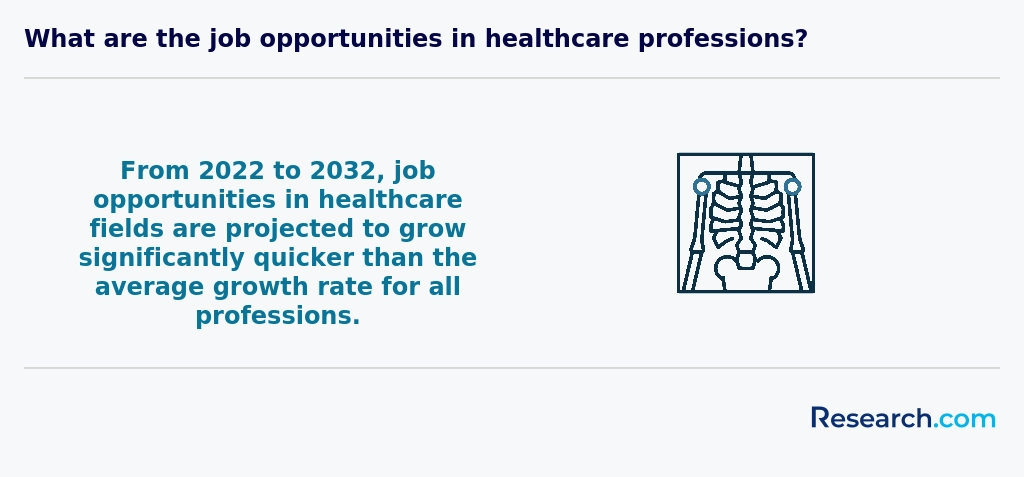
The healthcare job market in New Mexico offers strong opportunities for graduates from programs at popular institutions such as the University of New Mexico and New Mexico State University. Many graduates find promising roles as Registered Nurses or Licensed Practical Nurses, especially in rural areas where healthcare access is limited yet highly needed. The New Mexico healthcare employment outlook points to a 15% growth in jobs by 2032, meaning that students can expect solid demand for their skills after graduation.
Graduates often share positive experiences transitioning into roles at long-term care facilities or hospitals, where wages align well with the state's living costs. For those considering career administration, becoming Medical and Health Services Managers is another route with growth potential. While tuition costs at state schools typically range from $4,000 to $8,000 annually, students from these institutions report that the investment feels manageable given regional wage levels.
To maximize prospects, consider gaining practical experience early and explore programs designed for quicker credentialing, like the easiest doctorate degree. This approach helps address both the job market realities and personal career goals in New Mexico's evolving healthcare landscape.
Frequently Asked Questions About healthcare
Healthcare degree students in New Mexico can maximize their learning experience by actively participating in clinical rotations offered through accredited programs. These hands-on opportunities bridge classroom theory with real-world practice. The New Mexico Nursing Education Consortium notes that over 80% of nursing students graduate with strong clinical skills due to extensive practical training.
Engaging with local healthcare facilities in rural and urban areas exposes students to diverse patient populations and health challenges typical in the state. Additionally, attending workshops and seminars organized by state health organizations helps students stay current with medical advancements.
Students should also consider joining professional healthcare associations in New Mexico for networking and mentorship. Such steps build practical skills and professional connections essential for future employment in the state's healthcare sector.
The healthcare field in New Mexico is evolving rapidly with several emerging niches gaining importance. One significant area is telehealth, which expanded notably during the COVID-19 pandemic, improving access to care in rural communities. The New Mexico Department of Health reported substantial growth in virtual visits since 2020.
Another growing niche is behavioral health, driven by increasing demand for mental health services. New Mexico has one of the highest rates of behavioral health provider shortages nationwide, highlighting opportunities for graduates.
Additionally, healthcare informatics and data analysis are becoming critical, supporting better patient outcomes through technology. These specialties offer promising career paths for those pursuing healthcare degrees in New Mexico.
After completing a healthcare degree in New Mexico, preparing for the job market involves several strategic steps. First, graduates should obtain necessary state licensure or certification, as many healthcare roles in New Mexico require official credentials. The New Mexico Board of Nursing and other regulatory bodies provide clear guidelines for exams and continuing education.
Networking is crucial; joining local professional associations like the New Mexico Healthcare Association can open doors to job opportunities and mentorship. Additionally, internships and clinical rotations in New Mexico facilities enhance practical experience valued by employers.
According to the New Mexico Department of Workforce Solutions, healthcare jobs are projected to grow faster than average, particularly in nursing and allied health fields, emphasizing the importance of specialization and certifications.
Developing strong communication and technical skills tailored to New Mexico's diverse populations also improves employment prospects.
Employers in New Mexico's healthcare sector prioritize a mix of technical and interpersonal skills in graduates holding healthcare degrees. Clinical competence is essential, including proficiency in patient care techniques and familiarity with electronic health records (EHR) systems. According to the New Mexico Department of Workforce Solutions, strong communication skills are critical, as healthcare workers must clearly explain treatment plans to diverse populations.
Problem-solving abilities also rank highly, given the challenges faced by healthcare providers in rural and underserved areas. Cultural sensitivity is important due to New Mexico's large Hispanic and Native American populations, ensuring respectful and effective care.
Additionally, teamwork and adaptability are valued, as healthcare settings often require collaboration under changing conditions.
Finding internships related to a healthcare degree in New Mexico involves targeting local healthcare systems, universities, and government agencies. Major healthcare employers like University of New Mexico Health Sciences Center and Presbyterian Healthcare Services offer structured internship programs. These programs provide clinical and administrative experience essential for students.
Students should also explore internship listings on university career portals and New Mexico's Department of Workforce Solutions website, which posts healthcare opportunities. Networking through local healthcare events and joining professional associations such as the New Mexico Hospital Association can improve access to internships.
According to the New Mexico Department of Health, demand for healthcare workers is expected to grow 20% through 2030, highlighting increasing internship availability. Early application and meeting certification requirements will enhance chances.
In New Mexico, earning a healthcare degree significantly enhances career mobility and advancement opportunities. The state's growing healthcare sector, projected to add over 10,000 jobs by 2030 according to the New Mexico Department of Workforce Solutions, demands well-qualified professionals. Graduates with degrees in nursing, public health, or healthcare administration can access higher-paying roles and leadership positions more rapidly than those without formal education.
Advanced degrees often correlate with licensure eligibility, which is essential for many clinical roles in New Mexico. For example, registered nurses with a Bachelor of Science in Nursing (BSN) have a better chance of promotion compared to those with only an associate degree, supported by research from the New Mexico Center for Nursing Excellence.
Additionally, healthcare degrees open doors to diverse fields, from hospital management to community health, widening employment options. Credentials also increase competitiveness in the job market across urban and rural areas, which is vital given New Mexico's healthcare workforce shortages.
Healthcare degree programs in New Mexico emphasize interdisciplinary collaboration to prepare graduates for complex healthcare environments. Students learn to work alongside professionals from nursing, social work, public health, and clinical specialties. This approach reflects the state's focus on addressing diverse population needs, including Native American communities and rural populations.
Programs often include team-based projects and clinical rotations across various settings, fostering skills in communication and coordinated care. According to the New Mexico Department of Health, nearly 40% of the state's healthcare workforce operates in integrated care systems, highlighting the demand for interdisciplinary training.
By engaging with multiple healthcare disciplines, students gain a holistic understanding that enhances their adaptability and effectiveness in real-world roles.
When choosing between a thesis and a non-thesis healthcare degree program in New Mexico, consider your career goals and learning preferences. Thesis programs typically involve independent research and a written dissertation, which can prepare students for academic or research-focused roles. Non-thesis options often emphasize practical skills and coursework, appealing to those seeking direct entry into clinical or administrative positions.
In New Mexico, healthcare employers value both paths, but research shows that thesis programs may offer an edge for roles linked to policy or public health research, areas growing due to local needs noted by the New Mexico Department of Health. Prospective students should also assess faculty expertise and resources available at New Mexico institutions, as this impacts the quality of thesis supervision and research opportunities.
Students based in New Mexico seeking healthcare degrees abroad have growing opportunities due to increasing global partnerships. Many U.S. institutions, including some in New Mexico, offer exchange programs or dual degrees with universities in countries such as Canada, the United Kingdom, and Australia. These programs provide clinical experience and exposure to diverse healthcare systems. According to the New Mexico Higher Education Department, nearly 30% of healthcare students express interest in international study, reflecting demand for global perspectives in healthcare education.
Options range from short-term clinical rotations to full degree programs accredited for U.S. licensure.
Careful research is essential because students must ensure foreign degrees meet U.S. certification requirements, especially for medical and nursing professions governed by strict state regulations in New Mexico.
Students pursuing healthcare degrees in New Mexico can benefit from various part-time job opportunities that provide practical experience and supplement their studies. Common roles include medical assistants, certified nursing assistants (CNAs), and pharmacy technicians. These positions allow students to develop hands-on skills while earning income.
New Mexico's Department of Workforce Solutions highlights that healthcare support roles are in high demand statewide, with employment projected to grow 18% through 2030. Working in clinics, hospitals, or nursing homes in cities like Albuquerque or Santa Fe offers valuable exposure to patient care and healthcare operations.
Additionally, roles such as health information technicians or EMTs provide experience with patient data and emergency care, complementing coursework.
Healthcare students in New Mexico benefit from a variety of networking opportunities that enhance their education and career prospects. Many universities and colleges, such as the University of New Mexico Health Sciences Center, host regular career fairs and professional mixers specifically for healthcare disciplines.
Students can join local chapters of national organizations like the American Medical Student Association or the New Mexico Nurses Association, offering access to mentoring and professional events. Additionally, clinical rotations and internships at renowned hospitals like Presbyterian Healthcare Services provide hands-on experience and valuable contacts.
According to the New Mexico Department of Workforce Solutions, healthcare remains among the fastest-growing sectors, making networking crucial for job placement and advancement.
Alumni networks offer significant benefits for healthcare degree students in New Mexico by providing valuable professional connections. Graduates from local institutions often find mentorship, internship opportunities, and job referrals through these networks, which is crucial given New Mexico's healthcare workforce shortages reported by the Health Care Workforce Committee in 2023.
These connections can help students navigate the complexities of healthcare careers in rural and underserved areas common in New Mexico. Alumni involvement facilitates access to specialized knowledge about state-specific healthcare policies and licensing requirements. Networking also encourages lifelong learning and collaboration within the state's diverse healthcare community, enhancing career growth and patient care outcomes.
In New Mexico, students can customize healthcare degree programs by choosing among diverse specializations such as nursing, public health, health informatics, or healthcare administration. Many institutions offer flexible course options, including electives and online classes, allowing learners to tailor their studies around specific career goals.
Internships and clinical rotations within New Mexico's healthcare facilities help students gain hands-on experience aligned with local community needs. The New Mexico Department of Health highlights a growing demand for healthcare professionals in rural areas, so focusing on rural health can improve job prospects.
Additionally, some programs incorporate interdisciplinary studies, helping students develop skills in communication, leadership, and technology, which are vital for evolving healthcare roles.
Healthcare students in New Mexico often face several challenges related to limited clinical placement opportunities. The state's rural population, which accounts for about one-third of its residents according to the New Mexico Department of Health, means many facilities are geographically distant, complicating hands-on training.
Financial barriers are also significant. Tuition costs combined with living expenses in areas with fewer employment options can strain students, particularly those from underserved communities. Additionally, there is a high demand for healthcare professionals, creating pressure to balance education with workforce needs.
Mental health and academic stress are common due to rigorous coursework and long study hours. Support services vary between institutions, impacting student success rates.
With a healthcare degree from New Mexico, graduates can pursue various professional certifications to enhance their careers. Common certifications include Certified Nursing Assistant (CNA), Licensed Practical Nurse (LPN), and Registered Nurse (RN), which are in high demand across the state, especially given New Mexico's rural healthcare needs (New Mexico Department of Health, 2023).
Other options include certifications in Medical Coding and Billing, Certified Medical Assistant (CMA), and Emergency Medical Technician (EMT). Many professionals also seek specialized certifications such as Certified Health Education Specialist (CHES) or Certified Pharmacy Technician (CPhT).
The New Mexico Board of Nursing and other state regulatory bodies oversee licensure and certification standards to ensure quality in healthcare professions.
Writing a winning application for a healthcare program in New Mexico requires careful preparation and attention to detail. Start by thoroughly researching the specific programs offered by institutions like the University of New Mexico or New Mexico State University. Tailor your personal statement to highlight your passion for healthcare and commitment to serving diverse communities, an important focus in New Mexico's multicultural environment.
Strong academic records are essential; many programs expect at least a 3.0 GPA. Include relevant healthcare experience such as volunteering or internships, as these demonstrate practical skills and dedication. Additionally, request letters of recommendation from professionals familiar with your work ethic. According to the New Mexico Higher Education Department, programs value applicants who show cultural competence and community involvement, reflecting the state's healthcare priorities.
Healthcare careers offer significant global opportunities due to the universal demand for medical services and public health expertise. In the United States, including New Mexico, the healthcare sector is one of the fastest-growing employment areas, driven by an aging population and evolving medical technologies.
Globally, healthcare professionals often have transferable skills that allow them to work in various countries, though licensing requirements differ widely. According to the New Mexico Department of Workforce Solutions, healthcare occupations in the state are projected to grow by 17% through 2030, reflecting a strong local job market aligned with global trends.
International perspectives emphasize the importance of cultural competence and adaptability for healthcare workers, traits increasingly valued in diverse states like New Mexico. This enhances career flexibility and the ability to meet varied patient needs.
Gaining practical experience while studying for a healthcare degree in New Mexico is essential for career readiness. Many institutions in the state incorporate clinical rotations, internships, or practicum placements into their curriculum, allowing students to work under supervision in real healthcare settings.
Students may find opportunities at local hospitals such as the University of New Mexico Hospital, one of the largest medical centers in the region. Community clinics and public health organizations also offer hands-on learning experiences, especially important in New Mexico's rural areas where healthcare access is limited.
Additionally, some programs partner with state agencies to provide internships focused on health services and policy, benefiting students who want broader exposure beyond clinical work.
The New Mexico Department of Health and the New Mexico Higher Education Department websites are valuable resources for locating approved placements and understanding licensing requirements.
Choosing the right concentration within a healthcare degree program in New Mexico involves considering local workforce demands and personal interests. Healthcare occupations in New Mexico are growing faster than the national average, with a 16% increase projected by the U.S. Bureau of Labor Statistics through 2031. Popular concentrations include nursing, health information technology, and public health. Students should research New Mexico's most pressing healthcare challenges, such as rural access to care and chronic disease management, which influence job opportunities.
Accreditation and clinical placement options within New Mexico institutions also play key roles in decision-making. Visit state resources like the New Mexico Higher Education Department for up-to-date program data and licensing requirements.
Related Healthcare Rankings for Nearby States
- 2027 Most Popular Healthcare Degree Programs Ranking in Arizona
- 2027 Most Popular Healthcare Degree Programs Ranking in Colorado
- 2027 Most Popular Healthcare Degree Programs Ranking in Kansas
- 2027 Most Popular Healthcare Degree Programs Ranking in Nebraska
- 2027 Most Popular Healthcare Degree Programs Ranking in California
- 2027 Most Popular Healthcare Degree Programs Ranking in Missouri
- 2027 Most Popular Healthcare Degree Programs Ranking in Arkansas
- 2027 Most Popular Healthcare Degree Programs Ranking in Idaho
- 2027 Most Popular Healthcare Degree Programs Ranking in Louisiana
- 2027 Most Popular Healthcare Degree Programs Ranking in Montana
Top Trending Healthcare Rankings
See What Experts Have To Say About Studying Healthcare
Read our interview with Healthcare experts

References
- Global Perspectives – Healthcare Beyond Borders https://www.cedars-sinai.org/international-stories/healthcare-beyond-borders.html
- Healthcare Administration Degree Programs in New Mexico - Healthcare Administration Degree Programs https://www.healthcare-administration-degree.net/in/new-mexico/
- HEALTH MANAGEMENT (THESIS / NON-THESIS) - Lisansüstü Eğitim Enstitüsü https://lee.nisantasi.edu.tr/en/health-management-thesis-non-thesis/
- Getting medical work experience https://www.bma.org.uk/advice-and-support/studying-medicine/becoming-a-doctor/getting-medical-work-experience
- Career Opportunities in Healthcare Without a Medical Degree https://www.just-medical.ch/en/blog/medical-careers-without-formal-education
- Global Health Perspectives https://www.denvercollegeofnursing.edu/students/global-health-perspectives.html
- Students and Alumni associations - Europubhealth https://www.europubhealth.org/students-alumni-associations/
- Alumni Reconnect - Poznan University of Medical Sciences https://pums.edu.pl/alumni-friends/alumni-reconnect/
- Best Practices for Career Development and Advancement in the Healthcare Sector | Generation https://www.generation.org/news/best-practices-for-career-development-and-advancement-in-the-healthcare-sector/
- Networking and Mentorship During Clinical Rotations https://rotatingroom.com/blog/medical-students-the-importance-of-networking-mentorship-during-your-clinical-rotations


