
2027 Most Popular Healthcare Degree Programs Ranking in New York

Co-Founder and Chief Data Scientist
For students in New York exploring opportunities in healthcare, choosing the right degree program is crucial. This article presents the 2027 Most Popular Healthcare Degree Programs Ranking in New York, created by the Research.com team of data scientists. It aims to guide you in making informed decisions about which programs offer the best value and future prospects.
Healthcare careers are rewarding and impactful, offering growth and stability. By reading this article, you'll gain insights that help align your education with your goals, making your journey smoother and more confident.
Key benefits of getting healthcare degree in New York
- Salary for healthcare degree graduates: Graduates can expect competitive pay, such as Medical Assistants earning a mean annual wage of $43,350 and Quality Improvement Coordinators making up to $103,150, reflecting strong financial rewards in the field.
- Career paths: Healthcare degrees from institutions like SUNY help graduates pursue diverse roles, including Patient Care Technicians and Health Information Technicians, offering exciting and stable job opportunities.
- Online degree benefits: Earning a healthcare degree online from schools like Excelsior College provides flexible learning and allows students to balance life and work, making education more accessible without sacrificing quality.
- Key benefits of getting healthcare degree in New York
- What can I expect from healthcare degree in New York?
- Where can I work with healthcare degree in New York?
- How much can I make with healthcare degree in New York?
- 2027 Most Popular Healthcare Degree Programs Ranking in New York
- Key Findings
- How long does it take to complete healthcare degree in New York?
- Next Steps: Charting Your Path to a Rewarding Healthcare Career
- What's the difference between online and on-campus healthcare degree?
- Campus Life and Student Support: Enhancing Your Healthcare Education
- What is the average cost of healthcare degree in New York?
- Expanding Your Horizon with Alternative Certifications and Continuing Education in Healthcare
- What financial aid is available to healthcare degree students in New York?
- What are the prerequisites for enrolling in healthcare degree program in New York?
- Related Programs and Alternative Pathways
- What courses are typically in healthcare degree programs in New York?
- What types of specializations are available in healthcare degree programs in New York?
- How do you choose the best healthcare degree in New York?
- What career paths are available for healthcare degree students in New York?
- What is the job market for healthcare degree in New York?
- Top Trending Healthcare Rankings
- See What Experts Have To Say About Studying Healthcare
What can I expect from healthcare degree in New York?
The average cost of a healthcare degree in New York varies widely, yet many students attending institutions like Hunter College or SUNY Downstate report balancing tuition fees ranging from $10,000 to $30,000 per year for in-state programs. This financial investment feels weighty, especially when paired with the intensity of clinical rotations and the pressure to pass the NCLEX-RN or other licensing exams. However, graduates often describe this cost as a gateway to a rewarding and stable career within New York's bustling healthcare sector.
Many students reflect on the value they gained beyond the classroom-immersive internships at urban hospitals or community health centers, experiences that textbooks alone could never provide. One graduate recalled how managing public health challenges in Queens gave them practical skills that justified every dollar spent. While the upfront expenses may provoke hesitation, this experience underscores a vital truth: the price tag of a healthcare degree in New York is not just tuition, but the investment in real-world expertise and a network that propels future career success.
Where can I work with healthcare degree in New York?
Graduates from healthcare programs at renowned New York institutions often discover their degrees unlock diverse career avenues well beyond typical hospital roles. Many find themselves thriving at major hospitals like NewYork-Presbyterian or NYU Langone, where they apply hands-on skills daily, managing patient care with confidence. Yet, just as common are jobs in outpatient clinics and physician offices, where graduates report a rewarding pace and closer patient relationships than expected.
Some graduates use their degrees to serve in elder care within long-term residential facilities, experiencing firsthand the profound impact of skilled nursing on aging loved ones. Others find purpose working in public health agencies, such as the New York State Department of Health, striving to reduce community health disparities - a choice that often ignites a deep sense of fulfillment.
Healthcare students from schools like Columbia University or Hunter College often comment on surprising opportunities in health tech startups or pharmaceutical firms across NYC, blending clinical insight with innovation. They highlight the energizing challenge of shaping emerging fields, proving a healthcare degree here isn't just about traditional paths but about reimagining care in dynamic urban environments.
How much can I make with healthcare degree in New York?
Graduates from healthcare programs in New York quickly discover that their education opens doors to varied and rewarding roles, often accompanied by competitive salaries that defy common expectations. For example, those stepping into positions as Medical Assistants or Clinical Research Coordinators typically start around $43,350 annually. While this may seem modest, it reflects entry points that pave the way to more lucrative careers.
Students from renowned institutions like Hunter College or the State University of New York campuses often share how gaining hands-on experience alongside these roles fuels their confidence and upward mobility. Consider a Patient Care Technician earning roughly $60,790 per year, bringing comfort and care to patients in bustling New York City hospitals while benefiting from a salary that respects their critical contributions.
Meanwhile, roles such as Health Information Technician mirror similar starting wages near $43,380 but hold immense potential in the evolving digital healthcare landscape. For those driven by leadership and results, the Quality Improvement Coordinator stands out with a mean annual wage of $103,150, proving that advanced skills and initiative are handsomely rewarded.
Choosing to study healthcare in New York means entering a vibrant ecosystem where salaries correspond closely to responsibility and experience, aligning with the state's dynamic healthcare demands and its high cost of living. Each salary figure represents more than income-it's a stepping stone to lasting personal and professional fulfillment.
2027 Most Popular Healthcare Degree Programs Ranking in New York
How do we rank schools?
Investing in your education is a significant decision that can influence your career and personal growth, and the Research.com team recognizes the importance of making well-informed choices. To support prospective students in New York, we have carefully developed the "2027 Most Popular Healthcare Degree Programs Ranking in New York." Our dedication to quality, credibility, and accuracy is demonstrated through thorough research and analysis involved in creating this ranking.
We utilized the following reputable data sources to ensure a comprehensive evaluation of healthcare degree programs:
By consulting this ranking, readers will gain valuable insights into the most popular healthcare degree programs in New York, empowering them to make confident and informed educational decisions. For more information on how this ranking was created, please visit our Research.com methodology page.


# 14 position
Touro University
MS in Medical Health Sciences

# 15 position
Touro University
Bachelor of Science in Health Science


# 19 position
CUNY Graduate School and University Center
Master of Science in Health Information Management

# 20 position
CUNY Graduate School and University Center
Bachelor of Science in Healthcare Administration
Key Findings
- In-state tuition for healthcare degrees at public universities in New York ranges from $8,000 to $15,000 per year, while private colleges charge between $30,000 and $50,000 annually.
- Entry-level salaries for healthcare graduates in New York typically range from $55,000 to $70,000 per year, with nursing BSN graduates earning around $65,000.
- Experienced healthcare professionals often earn median salaries between $80,000 and $110,000 in New York.
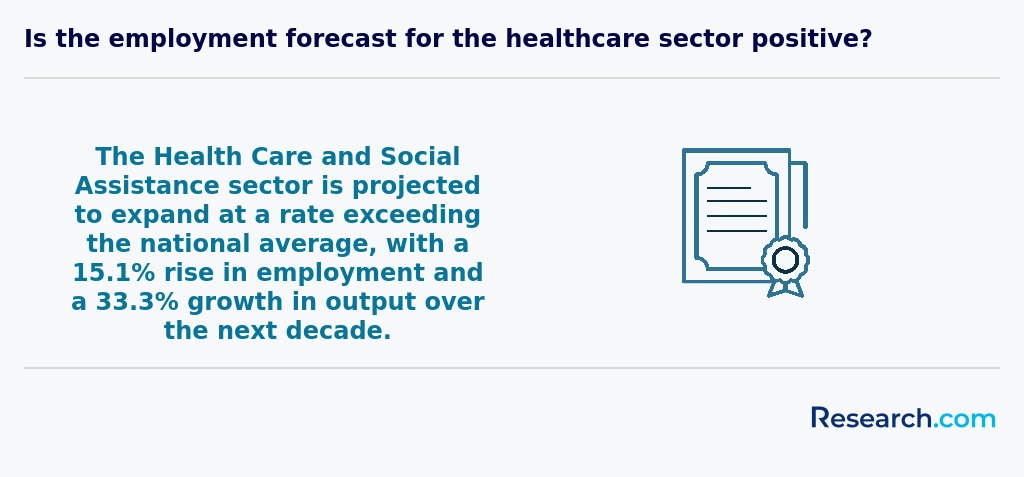
- The healthcare job market in New York is expected to grow by approximately 15% over the next decade, outpacing the national average.
- Most healthcare programs in New York prepare students for state licensure exams required for employment in fields like nursing and medical technology.
- Clinical placements and internships offered by many programs provide practical experience within the state's healthcare network, improving job prospects after graduation.
How long does it take to complete healthcare degree in New York?
Completing a healthcare degree in New York can feel like navigating a complex journey, yet many graduates from institutions like Hunter College or Stony Brook University share a sense of accomplishment that makes the time invested worthwhile. For instance, associate degrees often take around 2 years, a period packed with hands-on clinical experiences that transform students from novices to confident professionals ready to enter roles such as Licensed Practical Nurses.
Others pursuing a Bachelor of Science in Nursing at universities like SUNY Downstate describe the 4-year commitment as challenging but filled with rewarding milestones, blending rigorous academics with meaningful hospital rotations across New York City's vibrant healthcare systems. These years shape not only skills but also the passion needed to thrive in demanding environments.
When students advance to master's programs-say, at the Pace University Physician Assistant Studies program-they embrace an additional 2 to 3 years that deepen clinical expertise and prepare them for specialized licenses. Graduates often recount the intensity but also the empowering confidence gained through this period.
Doctoral-level education, typically spanning 7 to 10 years, is an extensive commitment embraced by aspiring physicians and researchers in prestigious schools like Columbia University's Vagelos College of Physicians and Surgeons. Despite the long haul, these professionals frequently reflect on the profound impact of sustained learning amidst New York's dynamic medical communities.
Next Steps: Charting Your Path to a Rewarding Healthcare Career
As you complete your research on New York’s top healthcare degree programs, it’s essential to turn insights into actionable steps for your future. Begin by setting clear career objectives and identifying programs that match your professional aspirations. Explore program websites, attend virtual open houses, and connect with current students and alumni to gather firsthand insights. For additional guidance on selecting the right educational institution, check out the best popular healthcare colleges in New York. This resource provides detailed rankings and insights to help you compare tuition costs, curriculum highlights, financial aid options, and post-graduation support. Finally, develop a personalized roadmap that includes application timelines, prerequisite fulfillment, and career planning to ensure a smooth transition from college to a dynamic healthcare career.
What's the difference between online and on-campus healthcare degree?
Choosing between online and on-campus healthcare degrees in New York often reveals more than just a difference in location; it challenges how you experience education itself. Graduates from New York University recall the energy of hands-on clinical training that on-campus programs uniquely provide, fostering a confidence that comes from real-time interaction with instructors and peers. Conversely, alumni from institutions offering online nursing or public health degrees praise the flexibility that allowed them to balance demanding jobs and family life without sacrificing progress.
The decision isn't solely about convenience or tradition-it's about aligning educational delivery with your personal learning style and life rhythm. On-campus students at Columbia University often highlight the immersive environment of labs and direct mentorship as vital for mastering practical healthcare skills. Meanwhile, online learners appreciate completing coursework at their own pace but recognize the necessity of occasional in-person clinical experiences in local settings.
Both paths meet rigorous accreditation standards, yet your choice could deeply affect how connected and prepared you feel entering New York's dynamic healthcare workforce.
Campus Life and Student Support: Enhancing Your Healthcare Education
A crucial aspect often overlooked is the rich campus life and support services that can significantly influence a student’s overall educational experience. Beyond rigorous academics, top institutions in New York bolster their healthcare programs with extensive extracurricular opportunities, mentorship programs, and career services that help bridge classroom learning with real-world applications. Students have reported that joining clubs, participating in networking events, and accessing dedicated academic advisors not only eased their transition into higher education but also provided valuable industry connections. For example, many institutions featured among the best popular healthcare colleges excel both academically and in cultivating a supportive community, offering wellness resources, student-run initiatives, and internship placement programs. These dynamic environments empower future healthcare professionals to embrace leadership roles, engage in community outreach, and build lasting professional networks that extend well beyond graduation.
What is the average cost of healthcare degree in New York?
The average healthcare degree cost in New York challenges many assumptions with a median total cost around $46,974, yet this figure masks a wide range of experiences for students. For in-state students, the median comes down to approximately $22,450, making public universities a more affordable gateway into healthcare careers. Graduates from SUNY programs often share how the balance between cost and quality empowered them to focus on their studies without overwhelming debt, contrasting sharply with peers who attended private colleges facing tuition bills exceeding $40,000 annually.
Understanding the cost of healthcare degree programs NY means appreciating the layers beyond tuition. Students describe how expenses like books, mandatory fees, and clinical placement transportation add up, shaping not only budgets but also daily realities. Yet, there's an encouraging trend: many find relief through scholarships, federal loans, and employer tuition reimbursement programs, softening the financial burden. These practical supports help transform the abstract sticker price into manageable plans.
Exploring options at the best popular healthcare colleges reveals a landscape where investment in education is paired with valuable professional networks and hands-on experience. Prospective healthcare professionals in New York frequently reflect on how these opportunities justify the costs, reinforcing their aspirations with both hope and resilience amid financial challenges.

Expanding Your Horizon with Alternative Certifications and Continuing Education in Healthcare
While traditional degree programs serve as the foundation for a rewarding career in healthcare, alternative certifications and short-term courses can further enhance your expertise and provide a competitive edge in the industry. These programs often focus on niche skills that meet the evolving demands of modern healthcare, such as digital health records management, telemedicine, and specialized coding and billing. For example, prospective students looking to diversify their skill set may benefit from enrolling in a program like medical billing and coding certification online free, which offers a streamlined and flexible approach to gaining practical knowledge without the long-term commitment of a full degree. Alternative learning paths not only help professionals stay up-to-date with industry innovations but may also improve job prospects and offer quicker routes to employment. With many courses designed by industry experts, these programs ensure that you receive relevant, up-to-the-minute training that aligns with current market needs. Whether you are looking to switch careers, enhance your current role, or simply acquire additional expertise, exploring these options can open doors to new opportunities and help you build a more comprehensive professional portfolio.
What financial aid is available to healthcare degree students in New York?
Many healthcare students at institutions like the State University of New York (SUNY) and Columbia University quickly discover that financial aid is far more than just a safety net-it's a vital means of making their ambitions achievable. Federal aid through FAFSA opens doors to Pell Grants, which often provide around $3,900 nationally, easing the burden of tuition fees that in New York can soar above $40,000 at private colleges.
Graduates frequently recount how the New York Tuition Assistance Program (TAP) transformed their path, awarding up to $5,665 annually to residents, especially crucial for those attending SUNY's robust nursing programs. Beyond tuition, loan forgiveness options, such as those linked to the National Health Service Corps, invite students to serve underserved communities with the promise of financial relief, making the commitment emotionally rewarding and financially sensible.
Private scholarships and employer-based tuition assistance often feel like unexpected windfalls, especially when pursuing specialized fields like medical technology. These layered supports turn overwhelming costs into manageable investments in one's future.
What are the prerequisites for enrolling in healthcare degree program in New York?
What does it truly take to step into a healthcare degree program in New York? Beyond the obvious high school diploma or GED, graduates from institutions like SUNY Downstate or NYU's College of Nursing emphasize the necessity of strong foundations in biology, chemistry, and math-a trio that repeatedly challenges and excites those passionate about healthcare. It's not just about memorizing facts; it's about understanding the complex systems you'll navigate as a future provider.
Many recall the pressure and eventual relief of submitting SAT or ACT scores, even as some programs move away from these requirements. Still, these standardized tests often serve as initial hurdles, sharpening focus and determination. Writing compelling personal statements and gathering heartfelt recommendations also reveal an applicant's genuine commitment and resilience, qualities that healthcare schools in New York deeply value.
Graduate hopefuls at places like Columbia University's Mailman School of Public Health attest to the importance of prior relevant degrees and hands-on experience, whether in volunteer roles or healthcare facilities. This blend of academic rigor and practical insight creates a readiness not just to learn but to contribute meaningfully to New York's diverse healthcare landscape.
Related Programs and Alternative Pathways
As the healthcare field continues to diversify, many students in New York, NY explore complementary degrees to broaden their skill set and career prospects. One increasingly popular option is an online bachelor degree in kinesiology and exercise science, which equips graduates with in-depth knowledge of human movement, injury prevention, and rehabilitation techniques. Combining healthcare studies with kinesiology can open doors to roles in physical therapy support, athletic training, wellness coaching, and ergonomic assessment. Furthermore, programs in health informatics, public health policy, or healthcare administration often intersect seamlessly with kinesiology competencies, enabling professionals to design comprehensive care plans, lead multidisciplinary teams, and implement data-driven wellness initiatives. By considering these alternative pathways, students can tailor their education to emerging industry demands and secure a competitive edge in New York’s robust healthcare ecosystem.
What courses are typically in healthcare degree programs in New York?
Students pursuing healthcare degrees in New York quickly realize the curriculum dives beyond textbooks, blending rigorous science with real-life urgency. At well-known institutions like Hunter College or SUNY Downstate, foundational courses such as human anatomy and physiology don't just stay theoretical-they prepare you for hands-on clinical work that can be both challenging and deeply rewarding.
Graduates often recall how studying microbiology felt like unlocking a world teeming with invisible battles that unfold daily in New York's busiest hospitals. It's not just about memorizing facts; it's about understanding the unseen forces affecting patient health across diverse communities.
Courses on healthcare ethics and law confront students with real dilemmas-how to balance patient rights with institutional policies in a state where healthcare regulations are complex and ever-evolving. Many find that learning health informatics connects them to cutting-edge tools transforming care in urban centers like NYC.
The combination of classroom knowledge and clinical experiences cultivates confidence. Graduates frequently describe the satisfaction of navigating medical terminology during patient interactions, fueling their passion to contribute meaningfully to New York's dynamic healthcare landscape.
What types of specializations are available in healthcare degree programs in New York?
Among healthcare degree specializations in New York, students often find themselves navigating an array of paths, each grounded in real-world demand and personal passion. Graduates from renowned institutions like those in the State University of New York (SUNY) system often speak of nursing's intense but rewarding challenges, especially with advanced roles such as Nurse Practitioner programs that address the state's diverse patient needs. Alternatively, public health students confront urban health disparities, gaining insight through community projects rooted in New York City's unique demographic landscape.
Exploring popular healthcare programs New York 2027 reveals that healthcare administration appeals to those drawn to leadership within the state's vast network of over 500 hospitals. Graduates in physical and occupational therapy find fulfillment supporting New York's aging populations with rehabilitation strategies learned through hands-on clinical experiences. Others engage deeply with emerging fields like health informatics, transforming patient care through technology, a trend reflecting today's data-driven healthcare environment.
For those seeking flexibility, the path to specialization can even begin online; many find value in a medical billing and coding certification online free, an accessible step toward healthcare fields often overlooked but vital to operational success.
How do you choose the best healthcare degree in New York?
Choosing the best healthcare degree in New York demands more than scanning rankings or tuition lists-it requires facing the reality of your own aspirations and lifestyle. Imagine a graduate from a renowned New York university who prioritized clinical experience over prestige, gaining invaluable hands-on training through hospital partnerships. This practical exposure often outweighs lofty program names, especially when New York's diverse healthcare network offers abundant real-world learning.
Cost considerations push many to seek affordable healthcare degrees New York 2027 options, where balancing quality and price becomes crucial. Reflect on those graduates who navigated hefty tuition fees by targeting accredited programs aligned with their career goals, while leaning on scholarships and part-time schedules. Their stories reveal that flexibility often matters as much as reputation.
Finally, beyond traditional degrees, consider specialized paths like an online bachelor degree in kinesiology and exercise science, which some New York students found engaging and adaptable, opening doors to emerging healthcare fields. The challenge lies in matching your unique interests with New York's dynamic education landscape to truly thrive.

What career paths are available for healthcare degree students in New York?
Graduates from healthcare programs in New York find themselves at a crossroads of possibilities, far beyond the familiar confines of bedside nursing. While many become registered nurses, a role with a 12% growth forecast from 2020 to 2030, others step into dynamic careers as physician assistants, medical technologists, or healthcare administrators managing bustling hospitals in New York City. These roles are not just jobs but lifelines that maintain and improve public health in one of the nation's most complex healthcare markets.
Imagine a graduate from a SUNY college who moves seamlessly into a role supporting doctors with cutting-edge diagnostics, or another who thrives as a public health specialist designing preventative programs in urban communities. These stories are common among those exploring healthcare career options in New York, where the diversity of roles reflects the state's vast and evolving healthcare ecosystem.
For those pondering educational investment versus opportunity, it's worth exploring options that balance cost and career potential, like SUNY's reasonable tuition rates contrasted with private institutions. Students keen on understanding this balance can refer to the Most Affordable Online Master's in Healthcare Degree Programs Ranking in Washington, DC for comparison and planning.
As healthcare degree job opportunities New York continue to expand, graduates find themselves empowered to choose paths aligned with their passions-whether advancing recovery through physical therapy or shaping treatments as medical researchers-each contributing vitally to New York's healthcare future.
What is the job market for healthcare degree in New York?
The healthcare job market trends New York reveals a landscape rich with opportunity fueled by a diverse and aging population. Graduates from renowned institutions in the state often share stories of securing positions quickly thanks to strong demand in nursing, mental health counseling, and diagnostic sonography. These fields aren't just growing; they're evolving to meet community needs, especially within urban centers such as New York City and its surrounding boroughs.
Employment outlook NY for healthcare degree holders also reflects competitive salaries that align with the cost of living. For instance, registered nurses in New York earn notably above average wages, offering graduates financial stability. The practical experiences gained through clinical rotations at top hospitals have helped many feel confident and ready to contribute meaningfully upon entering the workforce.
Students need to balance educational costs-like tuition at public universities averaging $10,000 annually-with the benefits of studying in a state so pivotal in healthcare innovation. Those interested in accelerated paths might explore the best accelerated online bachelor degree programs as a strategic way to enter the workforce sooner while enjoying New York's vast professional network.
Frequently Asked Questions About healthcare
Healthcare degree students in New York can maximize their learning by engaging in clinical experiences offered through partnerships with renowned medical centers such as NewYork-Presbyterian and Mount Sinai Health System. Hands-on training is crucial for developing practical skills. Additionally, students should take advantage of research opportunities in institutions like the NYU Langone Health, which actively involves students in cutting-edge healthcare studies.
New York offers a diverse population, providing students exposure to varied healthcare needs, crucial for comprehensive education. Networking through professional organizations like the New York State Nurses Association can enhance career prospects. According to the New York State Education Department, internships and practicums in urban healthcare settings improve employment outcomes for graduates.
The healthcare field in New York is rapidly evolving, with several emerging niches gaining attention. One significant area is telehealth, which saw a 150% increase in usage during the COVID-19 pandemic, according to the New York State Department of Health. This growth has created demand for professionals skilled in virtual care and digital health technologies.
Another promising niche is geriatric care, driven by New York's aging population-over 15% of residents are 65 or older, per the U.S. Census Bureau. Specialized training in elder care and chronic disease management is increasingly valuable.
Additionally, public health and health informatics are expanding fields, fueled by the state's focus on disease prevention and data-driven healthcare solutions.
After earning a healthcare degree in New York, preparing for the job market involves several key steps. First, obtaining relevant clinical experience through internships or externships is essential. Many New York healthcare programs include hands-on training to improve practical skills and employability.
Networking with professionals in hospitals and clinics across the state helps graduates access hidden job opportunities. According to the New York State Department of Labor, healthcare roles are expected to grow by 18% through 2030, especially in nursing and allied health fields.
Additionally, graduates should seek certification or licensure required for their specific career path, such as RN licensure from the New York State Board of Nursing. Job applicants are advised to prepare a professional resume highlighting both education and clinical experience to stand out in a competitive local market.
Employers in New York increasingly value healthcare graduates who demonstrate strong clinical skills paired with effective communication. According to the New York State Department of Labor, teamwork and problem-solving are among the top competencies sought in healthcare professionals. Graduates must also exhibit cultural competence due to New York's diverse patient population.
Technical proficiency with electronic health records (EHR) and telehealth technologies is crucial, reflecting the state's adoption of modern healthcare systems. Additionally, employers prioritize critical thinking and adaptability to navigate the fast-paced, evolving healthcare environment.
Strong ethical judgment and patient advocacy continue to be essential attributes for graduates entering New York's healthcare workforce.
Finding internships in New York relevant to healthcare degrees involves exploring various healthcare institutions and university partnership programs. Many hospitals and clinics in New York, such as NewYork-Presbyterian and Mount Sinai Health System, offer structured internship programs that provide hands-on experience.
Students should also utilize their college's career services, which often have connections with local healthcare providers and public health organizations. According to the New York State Department of Labor, internships in healthcare grow annually as demand for healthcare professionals rises by approximately 5% each year.
Networking through professional organizations like the New York State Nurses Association or the Greater New York Hospital Association can open additional opportunities. Online platforms specifically for healthcare internships in New York are also valuable tools to explore potential placements.
Obtaining a healthcare degree in New York significantly enhances career mobility and advancement opportunities. The state's healthcare sector is one of the largest employers, with over 1.5 million workers as of recent data from the New York State Department of Labor. Professionals with formal degrees are often preferred for higher-paying roles and specialized positions.
Healthcare degrees certify mastery of essential skills, qualifying graduates for certifications and licenses required by New York regulations. This credentialing allows access to diverse roles, such as nursing, health administration, or public health.
Moreover, healthcare education supports upward career movement. According to the Bureau of Labor Statistics, jobs for healthcare practitioners in New York are expected to grow faster than average through 2030, creating numerous advancement opportunities for degree holders.
Studying for a healthcare degree in New York equips students for interdisciplinary roles by integrating diverse healthcare disciplines into the curriculum. Programs often emphasize collaboration among nursing, public health, health administration, and allied health fields. This approach reflects New York's complex healthcare system, which serves over 20 million residents and requires teamwork across specialties, according to the New York State Department of Health.
Students engage in hands-on experiences at major hospitals and community health centers, gaining practical skills in team-based care. Additionally, many institutions incorporate courses on health policy, communication, and informatics, preparing graduates to navigate multifaceted healthcare environments effectively.
Choosing between a thesis and a non-thesis healthcare degree program in New York depends largely on your career goals and learning preferences. Thesis programs focus on research, requiring a substantial written project, ideal for students wanting to pursue a PhD or a research-based position. Non-thesis options emphasize practical skills and coursework, suitable for those aiming to enter clinical or administrative roles quickly.
In New York, institutions like the State University of New York (SUNY) system offer both types. According to the New York State Education Department, over 60% of healthcare programs provide non-thesis tracks, reflecting demand for applied skills in hospitals and clinics.
Consider workload, graduation timeline, and future aspirations when deciding between the two pathways.
Students based in New York seeking to study healthcare abroad can explore a variety of options through exchange programs and partnerships between US institutions and foreign universities. Many New York universities with healthcare programs offer study-abroad opportunities in countries known for their strong medical education, such as the United Kingdom, Canada, and Australia.
Programs typically last from a few weeks to a full academic year, allowing students to gain international clinical experience and learn diverse healthcare practices. New York ranks high in healthcare education, with over 120,000 healthcare-related degrees awarded annually, suggesting robust international collaboration possibilities (National Center for Education Statistics, 2023).
Additionally, some students pursue healthcare degrees fully abroad while maintaining NY licensure eligibility by attending accredited institutions aligned with US licensing requirements. Scholarships and financial aid are often available, making these options more accessible to local students.
Part-time job opportunities in New York that complement healthcare degrees provide practical experience and financial support. Many students work as certified nursing assistants (CNAs) or medical assistants in hospitals and clinics. New York State reported over 70,000 employed CNAs as of 2023, reflecting strong local demand (NY State Department of Labor).
Additionally, roles such as pharmacy technicians and lab assistants offer hands-on exposure to healthcare environments. These jobs enhance clinical skills and patient communication, essential for future practitioners.
Retail health positions like working in medical supply stores or telehealth support are also popular. Such experience broadens understanding of healthcare delivery while balancing academic commitments.
Healthcare students in New York benefit from numerous networking opportunities due to the state's extensive medical industry. Major cities like New York City host professional organizations such as the New York State Nurses Association and the Greater New York Hospital Association, which offer events, workshops, and conferences. These gatherings help students connect with practicing professionals, faculty, and potential employers.
New York is home to more than 200 hospitals and nearly 15,000 healthcare facilities, providing diverse clinical internship and volunteer opportunities that build professional networks during studies. Universities often partner with local healthcare providers, increasing access to mentors and career fairs focused on healthcare roles.
According to the New York State Department of Health, healthcare is among the fastest-growing employment sectors, making networking crucial for students to gain a competitive edge in job placement after graduation.
Alumni networks offer significant advantages for healthcare degree students in New York by providing valuable professional connections. These networks often include experienced healthcare professionals working in New York's robust medical sector, such as hospitals and research centers.
Through alumni connections, students gain access to mentorship, internships, and job opportunities that may not be publicly advertised. The New York State Department of Labor reported that healthcare is among the fastest-growing employment sectors, highlighting the importance of leveraging such networks.
Furthermore, alumni events and platforms facilitate knowledge sharing on industry trends and licensure requirements specific to New York, helping students navigate their careers effectively.
Customizing a healthcare degree program in New York allows students to tailor their education to meet specific career goals. Many institutions offer flexible options such as electives in specialized areas like public health, medical technology, or healthcare administration. Students can also choose between certificate programs or minors that complement their major, enhancing expertise in niches like gerontology or health informatics.
Internships and clinical placements in New York's diverse healthcare settings provide practical experience and networking opportunities. According to the New York State Department of Labor, healthcare jobs are expected to grow by 14% through 2030, highlighting the benefit of targeted training.
Additionally, online and part-time programs help working professionals balance education and career advancement effectively.
Healthcare students in New York face several notable challenges during their studies. One key obstacle is the high cost of education, with in-state tuition at public universities averaging over $10,000 annually and private institutions often exceeding $30,000, according to the College Board. Financial strain can increase stress and impact academic performance.
Additionally, these students must manage demanding clinical hours required for practical experience, which can be difficult to balance with coursework. The intensity of clinical rotations, especially in busy New York hospitals, presents time management and emotional challenges.
Finally, the competitive job market in the state requires students to constantly update skills and certifications, adapting to rapid healthcare changes documented by the New York State Education Department.
With a healthcare degree in New York, graduates can pursue a variety of professional certifications that enhance their career prospects. Common certifications include Certified Nursing Assistant (CNA), Licensed Practical Nurse (LPN), and Registered Nurse (RN) credentials. Many also seek specialized certifications such as the Certified Health Education Specialist (CHES) or medical coding and billing credentials.
The New York State Department of Labor reports that healthcare occupations are expected to grow by 15% through 2030, making certification a valuable step. Certifications like the Certified Medical Assistant (CMA) are also popular in New York hospitals and clinics.
National bodies like the National Commission for Certifying Agencies (NCCA) accredit many certifications recognized within the state, ensuring standardization and quality.
Writing a winning application for a healthcare program in New York requires clear demonstration of your passion, qualifications, and understanding of the healthcare field. Begin with a strong personal statement that conveys your motivation and relevant experience. According to the New York State Education Department, programs often prioritize candidates with hands-on experience in healthcare settings, such as internships or volunteer work.
Highlight your academic achievements, especially in science and math courses, and provide evidence of strong communication skills. Include letters of recommendation from healthcare or academic professionals familiar with your capabilities. Finally, research each program's specific requirements and tailor your application accordingly to increase your chances of acceptance.
The global perspective on healthcare careers increasingly values cross-cultural competence and adaptability. In the United States, including New York, healthcare education emphasizes evidence-based practice alongside cultural sensitivity to prepare students for diverse patient populations.
New York is a hub for healthcare professionals, with over 500,000 jobs related to healthcare according to the U.S. Bureau of Labor Statistics (2023). This demand reflects global trends where aging populations and chronic diseases drive need for skilled workers.
Internationally, healthcare careers often require understanding varying healthcare systems and policies. New York educational institutions incorporate such global views to equip students with both local expertise and international awareness.
Gaining practical experience while studying for a healthcare degree in New York is essential for career readiness. Many accredited programs incorporate clinical rotations, internships, or lab work directly into the curriculum. These placements often take place in leading hospitals such as NewYork-Presbyterian or Mount Sinai Health System, providing exposure to real-world patient care and healthcare operations.
Students can also pursue externships or volunteer opportunities at community health centers and public health organizations across the state. According to the New York State Education Department, clinical experience is a requirement for licensing in many healthcare professions, including nursing and physical therapy.
Additionally, some colleges partner with local healthcare providers to offer paid internships, advancing both skills and financial support during study.
Choosing the right concentration within a healthcare degree program in New York starts with understanding your career goals and interests. Healthcare offers many pathways, including nursing, public health, health informatics, and healthcare administration. Each concentration prepares you for different roles in New York's diverse healthcare system.
Research New York labor market data through sources like the New York State Department of Labor to identify high-demand fields. For example, nursing and allied health jobs are projected to grow by over 15% by 2030, reflecting strong employment prospects.
Consider program accreditation and partnerships with local hospitals or clinics, as hands-on experience is crucial. Finally, evaluate how each specialization aligns with your skills and desired patient interaction level.
Related Healthcare Rankings for Nearby Cities
- 2027 Most Popular Healthcare Degree Programs Ranking in Jersey City
- 2027 Most Popular Healthcare Degree Programs Ranking in Brooklyn
- 2027 Most Popular Healthcare Degree Programs Ranking in Bronx
- 2027 Most Popular Healthcare Degree Programs Ranking in Queens
- 2027 Most Popular Healthcare Degree Programs Ranking in Philadelphia
- 2027 Most Popular Healthcare Degree Programs Ranking in Scranton
- 2027 Most Popular Healthcare Degree Programs Ranking in Wilkes-Barre
- 2027 Most Popular Healthcare Degree Programs Ranking in Springfield
- 2027 Most Popular Healthcare Degree Programs Ranking in Albany
- 2027 Most Popular Healthcare Degree Programs Ranking in Providence
Top Trending Healthcare Rankings
See What Experts Have To Say About Studying Healthcare
Read our interview with Healthcare experts

References
- Unlocking potential: Expanding experiential learning through simulation https://www.pagethink.com/insights/unlocking-potential-expanding-experiential-learning-through-simulation
- SOM Tuition https://www.nymc.edu/som/admissions--aid/tuition/
- Global Perspectives – Healthcare Beyond Borders https://www.cedars-sinai.org/international-stories/healthcare-beyond-borders.html
- NY Health Careers - Your Health Care Career Guide https://www.healthcareersinfo.net/
- Information on Health Career and Education Programs | NYS Area Health Education Center System https://nysahec.org/resources/information-on-health-career-and-education-programs/
- Financial Assistance - NYC Health + Hospitals https://www.nychealthandhospitals.org/financial-assistance/
- Networking in Medicine: Build Lasting Connections l Windsor https://www.windsor.edu/networking-in-medicine-building-relationships-from-day-one/
- Health Sciences Study Abroad Programs - Healthcare Abroad https://www.ceastudyabroad.com/academic-discipline/health-sciences
- Networking and Mentorship During Clinical Rotations https://rotatingroom.com/blog/medical-students-the-importance-of-networking-mentorship-during-your-clinical-rotations
- Crafting the Perfect Cover Letter for Healthcare Roles https://healthcareaustralia.com.au/news/crafting-the-perfect-cover-letter-for-healthcare-roles/


