
2027 Most Popular Healthcare Degree Programs Ranking in Ontario

Co-Founder and Chief Data Scientist
Choosing the right healthcare degree program can shape a rewarding future in a growing field. This article introduces the 2027 Most Popular Healthcare Degree Programs Ranking in Ontario, developed by the Research.com team of data scientists.
It provides clear insights to help you make an informed decision about which programs offer the best opportunities. Whether you're passionate about patient care or healthcare technology, this ranking guides your path.
Reading this article can boost your confidence and inspire you to pursue a meaningful healthcare career with impact.
Key benefits of getting healthcare degree in Ontario
- Healthcare degree graduates in Ontario can expect competitive salaries; for example, Patient Care Technicians earn a mean annual wage of $60,790, while Medical Assistants and Clinical Research Coordinators earn around $43,350 annually.
- Graduates from Ontario colleges often find diverse career paths, including roles in medical assisting, clinical research coordination, or health information technology, offering many opportunities to grow in dynamic healthcare settings.
- Obtaining a healthcare degree online from a recognized Ontario university offers flexibility and convenience, allowing students to balance work and study while gaining practical skills for rewarding healthcare careers.
- Key benefits of getting healthcare degree in Ontario
- What can I expect from healthcare degree in Ontario?
- Where can I work with healthcare degree in Ontario?
- How much can I make with healthcare degree in Ontario?
- 2027 Most Popular Healthcare Degree Programs Ranking in Ontario
- Key Findings
- How long does it take to complete healthcare degree in Ontario?
- Accreditation and Quality Assurance
- What's the difference between online and on-campus healthcare degree?
- Expert Insights & Emerging Trends in Healthcare Education
- What is the average cost of healthcare degree in Ontario?
- What financial aid is available to healthcare degree students in Ontario?
- Accreditation and Licensure Requirements
- What are the prerequisites for enrolling in healthcare degree program in Ontario?
- Enhance Your Career with Supplementary Certifications and Short-Term Courses
- What courses are typically in healthcare degree programs in Ontario?
- What types of specializations are available in healthcare degree programs in Ontario?
- How do you choose the best healthcare degree in Ontario?
- What career paths are available for healthcare degree students in Ontario?
- What is the job market for healthcare degree in Ontario?
- Top Trending Healthcare Rankings
- See What Experts Have To Say About Studying Healthcare
What can I expect from healthcare degree in Ontario?
Paying for a healthcare degree in Ontario takes on the rhythm of real life-with highs, challenges, and unexpected boosts. Imagine a nursing graduate from the University of Toronto reflecting on the weight of tuition fees that hover between CAD 7,000 and CAD 14,000 each year, a figure that feels heavy yet manageable when balanced with bursaries and scholarships that came knocking just in time. Another graduate from Ryerson University remembers juggling part-time work and study, stretched thin but motivated by the promise of clinical placements that make every dollar worthwhile.
Costs aren't just numbers; they're investment tokens for hands-on experiences in busy Toronto hospitals or community health centers, where theory meets humanity. The expense feels less like a burden and more like a gateway to bustling wards, ethical dilemmas, and teamwork scenarios that shape confident caregivers. Even international students at colleges like Humber face steeper fees, but often find their efforts rewarded by support and a community eager to see them thrive.
Where can I work with healthcare degree in Ontario?
Graduates from healthcare programs at institutions like the University of Toronto or Humber College often find themselves diving into bustling hospitals, where every day throws new challenges and chances to make a real impact. Imagine walking through the halls of Toronto General, surrounded by a symphony of beeping monitors and caring hands, knowing your work helps save lives.
Others discover vibrant roles in community health centers, where connection with patients is personal and deep. Picture collaborating with diverse teams to create prevention programs that ripple through neighborhoods, a reality for many graduates eager to make health equity tangible in Ontario's neighborhoods.
Long-term care facilities and retirement homes buzz with opportunity too, reflecting Ontario's growing need to nurture its aging population. Many grads embrace the rewarding rhythm of supporting seniors to live comfortably and with dignity.
Specialized clinics, government health bodies, and home care services offer career twists for those craving tailored expertise or independence, as seen in alumni who thrive in physiotherapy clinics or directing public health campaigns. Education and research roles at universities keep the flame of innovation alive, blending science with compassion in every lecture or study.
How much can I make with healthcare degree in Ontario?
Picture yourself stepping out of a classroom at the University of Toronto or George Brown College, diploma in hand, excitement buzzing through your veins. What's next? If you've earned a healthcare degree here in Ontario, your wallet might just feel a nice boost. Take the role of a Medical Assistant, for instance - graduates diving into this job can expect to earn around CAD 43,350 annually, translating to about CAD 20.84 per hour. Not bad for a launchpad!
Closer to the frontline, a Patient Care Technician wakes up to a mean annual wage near CAD 60,790, or CAD 29.23 hourly - perfect for those who thrive in hands-on patient support. Meanwhile, graduates working as Health Information Technicians maintain steady earnings around CAD 43,380 per year, skillfully managing vital data behind the scenes.
For the bold few eyeing leadership, the Quality Improvement Coordinator role shines brightly at approximately CAD 103,150 a year, rewarding ambition and sharp skills. These salaries from the US mirror the promise Ontario healthcare grads find locally, enriched by practical internships and vibrant healthcare networks that Toronto and surrounding colleges uniquely provide.
2027 Most Popular Healthcare Degree Programs Ranking in Ontario
How do we rank schools?
Investing in your education is a significant decision that can shape your future, and the Research.com team understands the importance of making informed choices. To assist prospective students in Ontario, we have meticulously developed the "2027 Most Popular Healthcare Degree Programs Ranking in Ontario." Our dedication to quality, credibility, and accuracy is demonstrated through thorough research and careful analysis conducted to create this ranking.
We utilized the following reputable data sources to ensure a comprehensive evaluation of healthcare degree programs:
By exploring this ranking, readers will gain valuable insights into the most popular healthcare degree programs in Ontario, empowering them to make confident and well-informed decisions about their educational and career paths. For more information on how this ranking was created, please visit our Research.com methodology page.
# 1 position
DeVry University-California
Bachelor of Science in Health Sciences

# 2 position
Arizona College of Nursing-Ontario
Bachelor of Science in Nursing

# 3 position
West Coast University-Ontario
Bachelor of Science in Health Administration

# 4 position
University of Phoenix-California
Master of Health Administration

# 5 position
Platt College-Ontario
Bachelor of Science in Health Sciences

Key Findings
- International students in Ontario pay between CAD $25,000 and $40,000 per year for healthcare degrees, while domestic students pay CAD $7,000 to $12,000 annually.
- About 85% of healthcare graduates find relevant employment within six months of graduation.
- Entry-level salaries for healthcare graduates usually start around CAD $50,000 per year.
- Experienced healthcare professionals can earn median salaries between CAD $70,000 and $90,000 annually, with some specialized roles earning more.
- Many healthcare jobs in Ontario require licensure or registration with regulatory bodies before practicing.
How long does it take to complete healthcare degree in Ontario?
Imagine landing in Ontario, bursting with ambition, ready to embrace a healthcare degree. For many, the journey is a four-year sprint through programs like Nursing at the University of Toronto or Medical Laboratory Science at McMaster, where each semester layers knowledge with hands-on practice. Graduates tell tales of late nights balancing textbooks with clinical placements-intense chapters that transform theory into real healing.
Some accelerated streams compress this timeline into two or three years, catching the eyes of Toronto's fast-paced healthcare learners who already hold prior degrees. Graduate life? Expect about two more years at schools like Western University for a Master of Public Health, where leadership skills bloom alongside deeper expertise.
Then there are the marathoners: future doctors at Queen's University dedicating four years to MD programs, followed by up to seven years in residency. The commitment is daunting but deeply rewarding, a shared rite of passage among those ready to serve with excellence.
Across Ontario's healthcare education landscape, the time invested feels less like a countdown and more like an evolving story-one graduates recollect with pride, resilience, and profound growth.
Accreditation and Quality Assurance
Choosing a healthcare program with proper accreditation is vital for ensuring educational quality, eligibility for licensure exams, and broad career opportunities. In Ontario, CA, reputable programs typically hold regional accreditation from the Western Association of Schools and Colleges (WASC) and specialized recognition from bodies such as the Commission on Accreditation of Allied Health Education Programs (CAAHEP) or the Accreditation Commission for Education in Nursing (ACEN). These endorsements guarantee that curricula meet rigorous standards, faculty possess industry credentials, and clinical experiences align with current best practices. Prospective students should verify program status on official accreditor websites and review published pass rates for certification exams-such as the NCLEX for nursing graduates-to gauge program effectiveness. Additionally, consider hybrid or online formats that maintain equivalent accreditation standards. For example, accredited online options featured in our Low Cost Online Healthcare Degree Programs ranking offer flexible pathways without compromising quality. Accreditation also impacts financial aid eligibility and transfer of credits between institutions. Investigate whether programs participate in federal Title IV funding, state grant initiatives like California’s Cal Grant, and articulation agreements with local hospitals for guaranteed clinical placements. By prioritizing accredited schools, students in Ontario, CA, can be confident they’re investing in programs recognized by employers and licensure boards-paving the way for a successful, compliant, and high-quality healthcare career.
What's the difference between online and on-campus healthcare degree?
Imagine juggling a full-time job in Toronto while earning your healthcare degree from a college like George Brown. Online programs bend to your pace-lectures stream into your living room, assignments fit snugly between shifts. One graduate recalls sipping coffee at dawn, logging in to virtual labs, feeling the gentle hum of flexibility. Yet, the tactile pulse of patient care beats strongest on-campus.
At the University of Ottawa, graduates cherish hands-on moments in simulation centers, the electric buzz of teamwork in clinical labs palpable. On-campus students soak in real-time feedback and forge bonds over scrubs and study breaks-connections that bloom into future mentorships or job leads.
Financially, Ontario's domestic tuition hovers around CAD $6,000 to $13,000 annually, regardless of format. But online learners often save on transit and housing, turning their homes into personalized campuses. Still, the bridging of theory to practice remains sacred; both modes ensure those crucial clinical hours, with online students pairing with local hospitals for real-world immersion.
Expert Insights & Emerging Trends in Healthcare Education
In today’s rapidly evolving healthcare landscape, gaining insights from industry experts and staying informed about emerging trends is vital for prospective students. Leading professionals emphasize that blending traditional academic rigor with innovative learning methods-like telemedicine simulations and virtual clinical experiences-can greatly enhance the educational journey. Experts recommend that students look beyond program rankings and consider how well a school supports continuous learning and adaptability in a constantly changing field. This includes mentorship opportunities, access to cutting-edge research, and partnerships with local healthcare facilities that enrich real-world experience. Furthermore, graduates who have earned a most popular healthcare degree often highlight the importance of lifelong learning and professional development in maintaining their competitive edge. As healthcare education evolves, prospective students are encouraged to seek programs that not only deliver robust theoretical foundations but also integrate technological advancements and practical exposure, ensuring readiness to meet future industry demands.
What is the average cost of healthcare degree in Ontario?
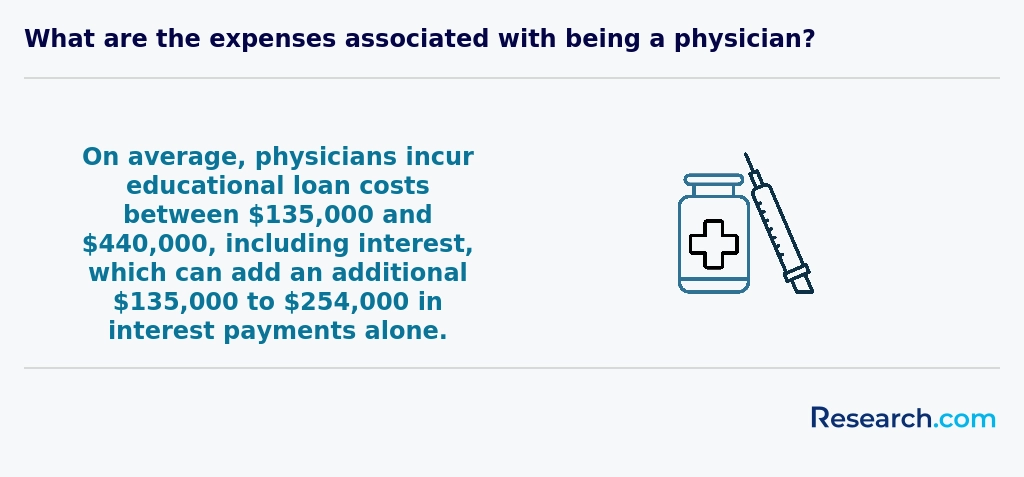
Embarking on a healthcare degree journey in Ontario often means navigating a financial landscape where the median total cost rounds out to about USD 35,116. This figure reflects the true investment many graduates from renowned universities and colleges across the province have experienced-those late-night study sessions fueled by hope and countless coffee cups, knowing they're inching closer to a career that truly makes a difference.
Domestic students celebrate a more approachable tuition, but it's clear that healthcare degree tuition and fees Ontario-wide can still add up quickly when factoring in essentials like textbooks, clinical gear, and ancillary fees. Imagine a nursing student at a top-tier Ontario college balancing the excitement of hands-on clinical placements with budgeting carefully for all these extras without breaking the bank.
International students, meanwhile, often feel the financial pinch more sharply. Their costs tend to climb to multiples of domestic rates, making the investment a substantial commitment. Still, graduates recall how scholarships and government programs often brighten their financial horizon, turning dreams into attainable realities.
Exploring the most popular healthcare degree options in Ontario reveals academic environments buzzing with energy, determination, and a shared sense of purpose. Here, the average cost of healthcare degree in Ontario isn't merely a number-it's a stepping stone towards a passionate and rewarding future working at the heart of community health.
What financial aid is available to healthcare degree students in Ontario?
Imagine stepping into the world of healthcare at the University of Toronto or Humber College, where the price tag can initially feel like a towering mountain. But many students discover that financial aid here isn't just a safety net-it's a launchpad. OSAP, the Ontario Student Assistance Program, offers grants up to CAD 2,400 that feel like a breeze of fresh air, cutting through financial stress without the dread of repayment. Graduates recall how these funds paired with loans averaging around CAD 7,500 helped them focus on patient care rather than bills.
Picture a nursing student at Ryerson receiving a targeted bursary from the Registered Nurses' Association of Ontario, rewarded for both academic grit and community spirit. That boost lights the way forward.
Federal Canada Student Loans stack the deck further, channeling hundreds of millions annually toward passionate healthcare learners. Many blend this support with hands-on internships or employer tuition reimbursement-turning education into a funded adventure, even for US residents navigating limited FAFSA options. In Ontario, opportunity and aid dance together hand-in-hand.
Accreditation and Licensure Requirements
Ensuring that your chosen healthcare program in Ontario, CA is properly accredited is essential for both academic credibility and eligibility for state licensure exams. Accredited programs adhere to rigorous standards set by recognized bodies-such as the Commission on Collegiate Nursing Education (CCNE) for nursing degrees, the Accreditation Council for Occupational Therapy Education (ACOTE) for occupational therapy, and the American Physical Therapy Association’s Commission on Accreditation in Physical Therapy Education (CAPTE) for physical therapy assistants. Graduating from an accredited institution not only qualifies you to sit for national certification exams (e.g., NCLEX-RN, NBCOT, NPTE) but also impacts your ability to secure federal financial aid and transfer credits if you pursue further education. When researching program options, look for published licensure exam pass rates and state approval status. A program with a 90%+ NCLEX pass rate or consistent NPTE success demonstrates strong curriculum alignment with professional competencies. Accreditation also requires periodic reviews of faculty qualifications, clinical partnerships, and student outcomes-factors that translate directly into higher quality clinical practicums and internship placements. Moreover, many employers in hospitals, outpatient centers, and home health agencies prioritize candidates who have completed accredited curricula, ensuring your degree holds weight in a competitive job market. For those interested in allied health fields, such as physical therapy assisting, be sure to choose programs that combine comprehensive coursework with hands-on clinical experience. Prospective students can compare accredited pathways by exploring our Best Online Associate in Physical Therapy Assistant Programs, which detail program accreditation status, clinical rotation hours, and state licensure outcomes to help you make an informed decision.
What are the prerequisites for enrolling in healthcare degree program in Ontario?
To step into a healthcare degree in Ontario, imagine unlocking a door that requires more than just a key-it demands a blend of dedication and academic finesse. Graduates from the University of Toronto often recall how mastering Grade 12 Biology and Chemistry with solid mid-70s percentages was their ticket in, alongside strong English skills that helped them decode complex medical texts and patient communication.
Ontario's institutions, like McMaster University, expect you to hold an Ontario Secondary School Diploma or its equivalent, shining especially in science and math. Picture yourself balancing equations in chemistry one day and practicing patient empathy the next-both essential to thrive in these programs.
Many students highlight how hands-on volunteer experiences in healthcare settings transformed their understanding and passion, becoming a personal badge of commitment that admissions teams genuinely appreciate. This real-world insight bridges the gap between theory and practice, making your application stand out in competitive programs where average acceptance grades often soar beyond 85%.
For U.S. students settled in Ontario, proving English proficiency might also be part of the journey, ensuring seamless communication in a demanding professional world.
Enhance Your Career with Supplementary Certifications and Short-Term Courses
In today’s competitive healthcare landscape, supplementing your degree with targeted certifications and short-term courses can significantly boost your professional edge. Many graduates have found that industry-specific trainings not only enhance their practical skills but also open doors to specialized roles. For example, professionals who complement their healthcare degrees with training in medical billing and coding gain a distinct advantage in administrative roles within clinical settings. One effective way to achieve this is by exploring billing and coding courses online, which offer flexibility and the opportunity to quickly acquire in-demand skills. These short, intensive programs are designed using NLP and SEO-friendly principles to ensure content is both engaging and easy to navigate, providing clear, actionable steps for career growth. Emphasizing continuous education not only meets evolving industry standards but also aligns with long-term career success and job stability in a dynamic market.
What courses are typically in healthcare degree programs in Ontario?
Imagine diving into the marvels of the human body at the University of Toronto, where graduates recall their awe during Human Anatomy and Physiology classes-unlocking secrets like the rhythm of a beating heart or the mysteries of the nervous system. In colleges such as Humber, students get hands-on with Microbiology, exploring invisible microbes that challenge health and resilience every day.
Pathophysiology courses paint vivid stories of how diseases disrupt life's harmony, making each case a puzzle to solve, while Pharmacology classes empower learners to understand drug interactions like a seasoned healer mastering potions. Students across Ontario cherish Health Ethics and Law modules, often sharing how these lessons shaped their compassionate yet confident approach in complex, real-world healthcare dilemmas.
Through Healthcare Systems and Policy, taught extensively at McMaster University, students grasp Ontario's unique publicly funded fabric, preparing them for impactful careers within communities. Many also embrace clinical practicums, where theory meets pulse-whether comforting an elderly patient or navigating mental health, these course experiences transform theoretical knowledge into heartfelt practice.
What types of specializations are available in healthcare degree programs in Ontario?
Healthcare degree specializations in Ontario stretch across a vibrant spectrum, inviting students to dive deep into areas such as Nursing, Health Informatics, Public Health, Physiotherapy, Medical Laboratory Science, and Pharmacy. Graduates from renowned universities like the University of Toronto or McMaster often share how nursing programs not only sharpen their clinical skills but ignite a passion for patient advocacy in bustling hospital wards. Others drawn to Ontario healthcare program specialization options find themselves immersed in Health Informatics, where merging technology with medicine transforms raw data into life-saving insights.
Picture walking the halls of Ryerson University, where future physiotherapists train to restore movement and hope for aging populations, bringing warmth and encouragement daily. These personal journeys infuse the classroom with thrilling energy, reflecting Ontario's dynamic landscape of healthcare challenges and solutions. For those curious about the administrative side, supplementing studies with billing and coding courses online can open doors to vital behind-the-scenes roles managing health information efficiently.
The diverse pathways available in Ontario embrace innovation and compassion equally, crafting careers that resonate with purpose and community impact.
How do you choose the best healthcare degree in Ontario?
Imagine stepping into the bustling corridors of a top Ontario university, where healthcare students passionately balance theory with lifesaving practice. Choosing the best healthcare degree programs Ontario offers means tuning into your own heartbeat-what calls to you: nursing's hands-on hospital moments or the strategic mindset behind health administration? Graduates from renowned schools in Toronto and Ottawa often reflect on how their program's accreditation shaped their confidence and employability, ensuring they met provincial standards like those of the College of Nurses of Ontario.
Financial clarity sparks peace of mind; domestic tuition hovers between CAD 7,000 and CAD 12,000 yearly, a stark contrast to international fees which leap toward CAD 30,000. One graduate praised the thorough breakdown of clinical placement options in their curriculum-priceless real-world immersion in Ontario's diverse healthcare settings that textbooks alone can't match.
For those eyeing practical pathways, exploring Best Online Associate in Physical Therapy Assistant Programs enriches your options. Grasping the healthcare degree cost and career Ontario landscape means weaving together accreditation, tuition, and post-graduation opportunities into a clear, energized roadmap for your future.
What career paths are available for healthcare degree students in Ontario?
Graduates from Ontario's healthcare programs find themselves stepping into vibrant roles that pulse at the heart of the province's health ecosystem. Picture a nursing graduate from the University of Toronto who thrives in bustling hospital wards by day and weaves community care networks by night, embodying the dynamic spectrum of healthcare career opportunities Ontario offers. Meanwhile, others from colleges like Humber navigate the precise world of medical laboratory technology, transforming patient samples into lifesaving insights.
Healthcare degree jobs in Ontario are as diverse as the professionals themselves: radiologic technologists decode the body's secrets through imaging, respiratory therapists bring vital breath where it's lost, and health administrators shape the systems behind the scenes. Graduates often share stories of managing programs in busy Toronto clinics or driving policy change from classrooms at McMaster University, finding energy in roles both clinical and executive.
For US students mindful of costs, Ontario's tuition is a beacon-programs often less than half the price of stateside equivalents. This helps make dreams actionable, whether you're planning a future in frontline nursing or aiming at public health leadership. Exploring Low Cost Online Healthcare Degree Programs is a smart step in this journey, marrying affordability with Ontario's rich career landscape.
What is the job market for healthcare degree in Ontario?
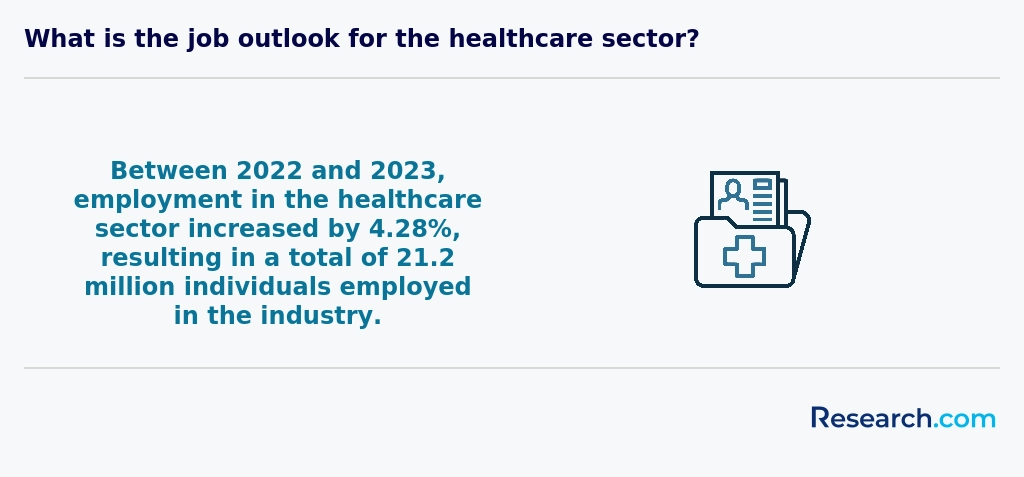
Graduates holding a healthcare degree in Ontario frequently step into a job market bustling with opportunity and growth. Imagine finishing your studies at a well-known institution like the University of Toronto or McMaster, joining a cohort of peers who quickly find roles in hospitals, community clinics, or mental health organizations. This dynamic environment reflects the healthcare job outlook Ontario, where expanding populations and aging demographics stoke a continual need for skilled professionals.
Many healthcare graduates share stories of landing rewarding positions shortly after graduation, fueled by government investments boosting healthcare infrastructure. The ripple effect means nurses, technologists, and allied health workers often experience a brisk hiring pace. Moreover, some find fulfilling work in rural or underserved areas, where their expertise truly transforms lives.
For those deciding between programs, Ontario's accessible tuition combined with strong employment opportunities for healthcare graduates Ontario is a compelling mix. Exploring options like accelerated bachelors degrees online further broadens pathways into this vibrant market, appealing especially to students eager for a faster route into meaningful healthcare roles.
Frequently Asked Questions About healthcare
Healthcare degree students in Ontario can maximize their learning experience by engaging in practical opportunities such as clinical placements and internships. These hands-on experiences complement theoretical knowledge and improve job readiness.
Students should also take advantage of Ontario's diverse healthcare system, which serves a population of over 14 million, providing exposure to a wide range of patient demographics and medical conditions, according to Ontario Ministry of Health data.
Participating in interprofessional education programs is another strategy. These initiatives, promoted by institutions like the University of Toronto, encourage collaboration across healthcare disciplines, enhancing communication and teamwork skills crucial in real-world settings.
Lastly, maintaining up-to-date knowledge of healthcare policies and innovations through workshops and seminars supports continuous learning and adaptability in a rapidly evolving field.
Emerging niches within the healthcare field in Ontario reflect growing demands for specialized skills. One key area is digital health, where professionals develop and manage health information systems, telemedicine, and data analytics to improve patient outcomes. According to Ontario Health, investments in digital health have accelerated due to the COVID-19 pandemic, creating new career opportunities.
Another expanding niche is gerontology, driven by Ontario's aging population. Health workers trained in elder care, chronic disease management, and palliative care are increasingly needed. The Ontario Ministry of Health emphasizes that by 2030, people age 65 and older will represent nearly 23% of the population.
Finally, mental health professions have seen steady growth. With rising awareness and reduced stigma, counseling, psychology, and psychiatric nursing programs are in demand. The Canadian Institute for Health Information reports a notable increase in mental health service utilization across Ontario over the past five years.
Preparing for the job market after completing a healthcare degree in Ontario involves strategic planning and skill development. Graduates should focus on gaining relevant clinical experience through internships, co-op programs, or volunteer work, which significantly improves employability. According to the Ontario Ministry of Health, healthcare job openings in the province are expected to grow by 15% over the next decade, emphasizing the need for practical experience.
Networking is also crucial. Attending industry conferences and joining professional associations like the Ontario Medical Association can open doors. Additionally, pursuing certifications and continuing education that align with provincial healthcare standards will enhance a graduate's competitive advantage.
Employers value adaptability and strong communication skills, so students should consider workshops or courses to develop these competencies. Staying informed about Ontario's healthcare policies and emerging technologies further prepares graduates for the evolving job market.
Employers hiring healthcare degree graduates in Ontario prioritize several key skills essential for effective patient care and teamwork. Strong communication skills are fundamental, enabling graduates to interact clearly with patients, families, and healthcare professionals. According to HealthForceOntario, collaboration and interpersonal skills are equally critical, reflecting the team-based nature of modern healthcare settings.
Additionally, problem-solving abilities and critical thinking are highly valued, helping graduates adapt to dynamic clinical environments. Technical proficiency, especially in electronic health records and healthcare technology, is increasingly important due to Ontario's digital transformation initiatives. A 2023 report by Ontario Health highlights the demand for candidates who combine clinical knowledge with technology skills.
Time management and empathy also rank highly, supporting efficient, patient-centered care.
Finding internships in Ontario relevant to healthcare degrees involves strategic research and networking. Many Ontario universities and colleges have partnerships with local hospitals and healthcare providers, offering structured internship programs. For example, institutions like the University of Toronto and McMaster University connect students with clinical placements through their health sciences faculties.
Students should also explore healthcare organizations such as Ontario Health and Local Health Integration Networks (LHINs), which often post internship opportunities. Utilizing dedicated career centers and online job boards like Health Force Ontario can increase chances of finding suitable positions.
According to Ontario's Ministry of Health, practical experience through internships is vital for securing employment in this competitive field.
A healthcare degree in Ontario significantly enhances career mobility and advancement opportunities within the province's healthcare sector. Graduates are often equipped with both theoretical knowledge and practical skills needed for various roles, from clinical positions to healthcare administration.
According to the Ontario Ministry of Health (2023), individuals with formal healthcare credentials have a 25% higher chance of promotion within their first five years compared to those without degrees. This advantage stems from employer preference for candidates with accredited education and training.
Moreover, healthcare degrees facilitate access to regulated professions such as nursing, medical laboratory technology, and physiotherapy, which require licensure tied to formal qualifications accredited by Ontario's regulatory bodies.
Additionally, ongoing professional development often requires holding foundational degrees, enabling workers to pursue specialized certifications and management roles, thereby broadening career paths.
Studying for a healthcare degree in Ontario equips students with essential skills for interdisciplinary roles by offering integrated curricula that emphasize collaboration across various healthcare professions. Programs often include clinical placements where students work alongside nurses, physicians, and allied health professionals to develop teamwork and communication skills, crucial for patient-centered care.
Ontario's healthcare education system aligns with provincial requirements set by the Ministry of Colleges and Universities, ensuring graduates understand the local healthcare landscape.
According to the Ontario Ministry of Health, over 60% of healthcare roles require coordination among multiple disciplines, making these programs vital for addressing complex patient needs.
This interdisciplinary approach enhances adaptability, preparing graduates to meet evolving healthcare demands effectively.
When choosing between a thesis and a non-thesis healthcare degree program in Ontario, consider your career goals carefully. A thesis program typically involves conducting original research and writing a detailed paper, which can be beneficial if you plan to pursue a PhD or a research-intensive career. According to Ontario universities, about 30% of healthcare graduate students opt for thesis programs due to these advantages.
Non-thesis programs focus more on coursework and practical skills. They often suit those aiming for clinical practice or managerial roles in healthcare settings. Data from the Ontario Ministry of Health highlight growing demand for healthcare professionals with applied knowledge rather than research expertise.
Cost and program length can differ as well; thesis programs may take longer and require more resources. Review each institution's offerings and speak with advisors to find the best fit.
Students based in Ontario seeking to study healthcare abroad often consider programs in the United States due to geographic proximity and program variety. Many US universities offer undergraduate and graduate degrees in healthcare fields such as nursing, public health, and biomedical sciences. These programs are accredited by bodies like the Commission on Collegiate Nursing Education (CCNE) or the Council on Education for Public Health (CEPH), ensuring quality education.
US institutions typically require applicants to provide transcripts, standardized test scores like the SAT or GRE, and proof of English proficiency. Acceptance rates for healthcare programs can vary widely, reflecting the strong competition in this sector, especially for nursing and medical-related fields. According to recent data from the American Association of Colleges of Nursing, enrollment in baccalaureate nursing programs increased by 3.2% in 2022, showing growing interest.
Ontario students should also consider potential credential recognition and licensing requirements upon returning home, as these vary between countries. Collaborations between Ontario and US schools sometimes facilitate credit transfers, enhancing study abroad options. Exploring these pathways enables Ontario students to expand their healthcare education while gaining international experience.
Part-time job opportunities in Ontario that complement healthcare degree education are diverse and valuable for gaining practical experience. Common roles include medical office assistants, patient care aides, and pharmacy assistants. These positions provide exposure to clinical environments and help develop essential skills such as patient communication and administrative tasks.
According to the Ontario Ministry of Health, healthcare support jobs are among the fastest-growing sectors, offering stable employment alongside education. Many hospitals and clinics in Ontario encourage students to work part time through co-op or internship programs aligned with their studies.
Additionally, opportunities in research labs, often affiliated with universities, allow students to engage in healthcare studies relevant to their academic fields.
Healthcare students in Ontario benefit from extensive networking opportunities that support their academic and professional growth. Universities such as the University of Toronto and McMaster offer student-run healthcare clubs and associations, providing regular events and guest lectures to connect students with industry professionals.
Ontario also hosts healthcare conferences and workshops, including those organized by the Canadian Medical Association, where students can meet practitioners, researchers, and policymakers. These events promote collaboration and career development.
Clinical placements and internships, which are mandatory in many programs, allow students to build practical relationships with hospitals and healthcare facilities across Ontario.
According to the Ontario Ministry of Health, these connections increase employment opportunities, with over 70% of graduates finding work through professional networks within the first year.
Alumni networks play a significant role in supporting healthcare degree students in Ontario by offering valuable professional connections. These networks often facilitate mentorship opportunities where experienced graduates guide current students through career planning and job search strategies.
Access to alumni events and online platforms allows students to connect with professionals working in Ontario's healthcare system, expanding their understanding of various career paths. According to the Ontario Medical Association, networking can increase job prospects by up to 40% in healthcare fields.
Moreover, alumni networks often share information on internships and job openings exclusive to network members, providing a competitive edge to students entering a rapidly evolving job market.
Customizing a healthcare degree program in Ontario allows students to align their education with specific career goals. Many institutions offer flexible curricula where students can choose electives that focus on areas such as public health, healthcare administration, or clinical practice. Practical experiences like co-op placements and internships in local healthcare settings are common, giving hands-on skills.
Specializations and certificate programs can further tailor learning, with options in areas like mental health or health informatics. According to Ontario's Ministry of Health, healthcare roles requiring specialized knowledge are growing by 15% annually, emphasizing the importance of focused study.
Students should also consider interdisciplinary courses to enhance skills relevant to evolving healthcare demands.
Healthcare students in Ontario face several challenges during their studies. One significant issue is the high competition for clinical placements, which are essential for hands-on experience. According to HealthForceOntario, the demand for placements often exceeds availability, causing delays in graduation or increased stress.
Another challenge is balancing demanding coursework with personal life. Healthcare programs typically require extensive study hours and practical training, leaving students with limited downtime. This intense workload contributes to high levels of stress and burnout, as reported by the Canadian Federation of Medical Students.
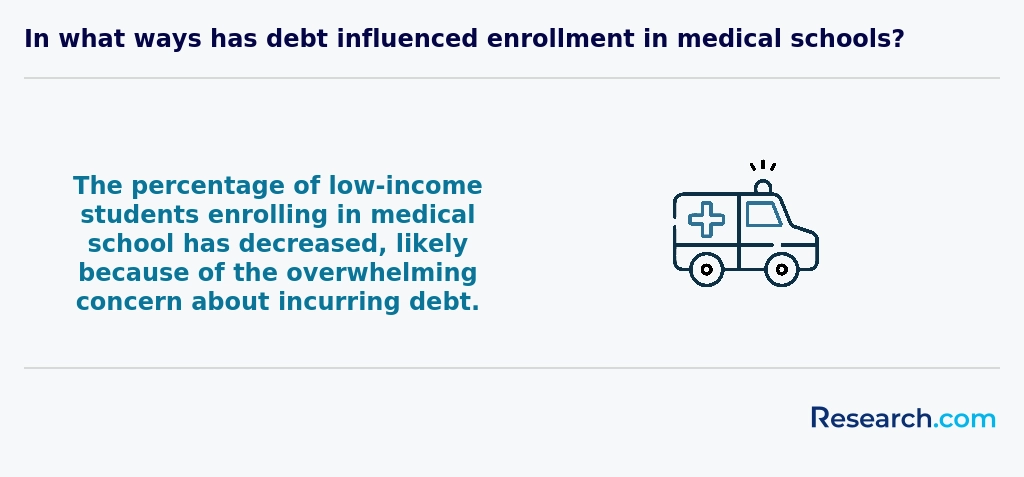
Additionally, financial strain is common. Tuition fees and associated costs in Ontario's healthcare programs can be substantial, and financial aid options may be limited. Many students also face uncertainty about job prospects due to evolving healthcare policies and workforce needs.
With a healthcare degree in Ontario, graduates can pursue various professional certifications to enhance their careers. Common certifications include Registered Nurse (RN) licensure, regulated by the College of Nurses of Ontario, essential for nursing practice. For those interested in medical laboratory work, certification through the Ontario Society of Medical Technologists is available.
Other options include credentials in health information management, such as the Certified Health Information Management Professional (CHIMP). Additionally, Ontario offers certifications for paramedics through the Ministry of Health and for personal support workers, regulated provincially.
Certification requirements vary by profession but typically involve passing national or provincial exams and completing practical training.
Writing a winning application for a healthcare program in Ontario requires clear focus and preparation. Start by thoroughly researching the specific program and its prerequisites, as most Ontario institutions value strong academic records in science courses like biology and chemistry. According to the Ontario Universities' Application Centre, competitive applicants often present a high GPA, typically above 80%.
Craft a compelling personal statement that highlights your passion for healthcare and relevant experiences, such as volunteering or work in clinical settings. Ontario healthcare programs increasingly value soft skills like communication and empathy, so emphasize these qualities with concrete examples.
Gather strong letters of recommendation from academic or professional references who can attest to your commitment and abilities. Lastly, meet all application deadlines carefully-many programs have strict cutoff dates. Following these guidelines increases your chance of acceptance in Ontario's competitive healthcare education sector.
Global perspectives on healthcare careers emphasize the growing demand for skilled professionals worldwide. In Ontario, healthcare degrees offer pathways aligned with international standards, making graduates competitive globally. According to the Canadian Institute for Health Information, Ontario employs over 600,000 healthcare workers, highlighting significant local opportunities.
The U.S. healthcare system similarly values diverse qualifications, with emphasis on interdisciplinary skills. This global demand reflects aging populations and chronic disease prevalence, driving expansion of roles such as nursing, physiotherapy, and health administration.
For prospective students, understanding these trends is crucial when selecting Ontario programs that meet international benchmarks and offer mobility in the healthcare sector.
Gaining practical experience while studying for a healthcare degree in Ontario is crucial for developing hands-on skills. Most Ontario universities and colleges offer clinical placements or internships as part of their healthcare programs. These opportunities allow students to work in hospitals, clinics, or community health settings under professional supervision.
Additionally, students can engage in simulation labs that replicate real-world healthcare environments. According to the Government of Ontario's Health Workforce database, over 70% of healthcare programs mandate experiential learning to meet provincial licensing requirements.
Volunteering or part-time work in healthcare facilities also strengthens practical knowledge and improves job prospects after graduation.
Choosing the right concentration within a healthcare degree program in Ontario involves careful consideration of both personal interests and job market demands. Ontario offers diverse healthcare fields like nursing, public health, and healthcare management. According to the Ontario Ministry of Health, employment in healthcare is expected to grow by 15% by 2030, especially for nurses and allied health professionals.
Students should assess their strengths and career goals alongside program offerings. For example, a concentration in public health might suit those interested in community well-being, while nursing focuses more on direct patient care. Reviewing program curricula and speaking with academic advisors can provide clarity.
Additionally, check for clinical placement opportunities within Ontario's hospital networks, as hands-on experience greatly enhances employability.
Related Healthcare Rankings for Nearby Cities
- 2027 Most Popular Healthcare Degree Programs Ranking in Green Bay
- 2027 Most Popular Healthcare Degree Programs Ranking in Saint Paul
- 2027 Most Popular Healthcare Degree Programs Ranking in Grand Rapids
- 2027 Most Popular Healthcare Degree Programs Ranking in Milwaukee
- 2027 Most Popular Healthcare Degree Programs Ranking in Detroit
- 2027 Most Popular Healthcare Degree Programs Ranking in Toledo
- 2027 Most Popular Healthcare Degree Programs Ranking in Buffalo
- 2027 Most Popular Healthcare Degree Programs Ranking in Erie
- 2027 Most Popular Healthcare Degree Programs Ranking in Rochester
- 2027 Most Popular Healthcare Degree Programs Ranking in Cleveland
Top Trending Healthcare Rankings
See What Experts Have To Say About Studying Healthcare
Read our interview with Healthcare experts

References
- Students and Alumni associations - Europubhealth https://www.europubhealth.org/students-alumni-associations/
- The impact of postgraduate education on career advancement in healthcare https://sets.com.ua/journals/vol-3-no-2-2024/the-impact-of-postgraduate-education-on-career-advancement-in-healthcare
- A parent’s financial guide to paying for medical school https://invested.mdm.ca/a-parents-financial-guide-to-paying-for-medical-school/
- Programs and Courses | Online Learning | CHA Learning https://chalearning.ca/programs-and-courses/
- Niche Markets in Healthcare: How to Find & Target https://nechayadvisors.com/blog/niche-markets-in-healthcare
- 14 Entry-Level Healthcare Certifications | San Juan College https://www.sanjuancollege.edu/blog/entry-level-healthcare-certifications/
- How to Write Your Cover Letter | NQRTH https://www.nqrth.edu.au/career-planning/how-to-write-your-cover-letter/
- Health | Mohawk College https://www.mohawkcollege.ca/program-theme/health
- Overcoming Common Challenges in Nursing School: Tips for Success - American Healthcare Institute https://amhealthinstitute.com/blog/overcoming-common-challenges-in-nursing-school-tips-for-success/
- Tuition, Fees, and Financial Aid https://www.torontomu.ca/school-of-medicine/programs/md/md-admissions/tuition-fees-and-financial-aid/


