
2027 Most Popular Healthcare Degree Programs Ranking in University Park

Co-Founder and Chief Data Scientist
Choosing the right healthcare degree program is an important step toward a rewarding career. This article introduces the 2027 Most Popular Healthcare Degree Programs Ranking in University Park, carefully created by the Research.com team of data scientists.
It aims to help you explore programs that truly stand out, making your decision easier and more confident. Pursuing a healthcare degree offers many opportunities to impact lives positively and grow professionally.
Reading this ranking will guide you in finding programs that match your goals and passions while setting you up for success.
Key benefits of getting healthcare degree in University Park
- The mean annual wage for healthcare graduates varies by role, with Patient Care Technicians earning around $60,790 and Quality Improvement Coordinators making an impressive $103,150, demonstrating strong earning potential.
- Healthcare degree holders from University Park institutions often pursue diverse careers such as Medical Assistant, Clinical Research Coordinator, or Health Information Technician, offering flexible job options.
- Online healthcare degrees from local universities provide the convenience of learning at your own pace while balancing life, helping graduates quickly enter rewarding healthcare jobs.
- Key benefits of getting healthcare degree in University Park
- What can I expect from healthcare degree in University Park?
- Where can I work with healthcare degree in University Park?
- How much can I make with healthcare degree in University Park?
- 2027 Most Popular Healthcare Degree Programs Ranking in University Park
- Key Findings
- How long does it take to complete healthcare degree in University Park?
- Certification and Credentialing: Your Path to Further Career Success in Healthcare
- What's the difference between online and on-campus healthcare degree?
- Emerging Trends and Future Outlook in Healthcare Education
- What is the average cost of healthcare degree in University Park?
- Emerging Trends in Healthcare Education
- What financial aid is available to healthcare degree students in University Park?
- Alumni Outcomes and Career Placement Rates
- What are the prerequisites for enrolling in healthcare degree program in University Park?
- Return on Investment (ROI) for Healthcare Degrees in University Park, PA
- What courses are typically in healthcare degree programs in University Park?
- What types of specializations are available in healthcare degree programs in University Park?
- How do you choose the best healthcare degree in University Park?
- What career paths are available for healthcare degree students in University Park?
- What is the job market for healthcare degree in University Park?
- Top Trending Healthcare Rankings
- See What Experts Have To Say About Studying Healthcare
What can I expect from healthcare degree in University Park?
The average cost of a healthcare degree in University Park typically ranges between $20,000 and $35,000 per year, depending on whether you attend a public or private institution. Graduates from popular local universities often share how managing tuition alongside living expenses was a real challenge, but many found relief through targeted scholarships and financial aid offered specifically to healthcare students.
For example, students enrolled in nursing or public health programs frequently benefit from clinical internships integrated into their curriculum, which sometimes include stipends or tuition reimbursements. These real-world experiences not only enhance learning but also help ease financial burdens. Many students recommend contacting university financial offices early to explore these opportunities.
Students pursuing healthcare degrees in University Park also emphasize budgeting strategies such as part-time work in local healthcare facilities, which aligns closely with their studies and builds valuable professional connections. This practical approach often increases confidence and motivation, helping students feel prepared for their future careers while managing costs efficiently.
Where can I work with healthcare degree in University Park?
Graduates with healthcare degrees from University Park institutions often find a wide range of job opportunities nearby. Many start their careers in local hospitals or metropolitan health systems, working as nurses, medical technologists, or physical therapists. These roles provide hands-on experience and the chance to collaborate with experienced professionals, helping build confidence and skills quickly.
Others pursue positions in outpatient clinics and urgent care centers, where roles such as nurse practitioners or medical assistants are in high demand. Graduates from University Park colleges report feeling encouraged by the growing outpatient care sector, which allows them to connect directly with patients in fast-paced environments.
Many alumni also thrive in public health organizations or government agencies focused on community wellness, securing roles in health education or disease prevention. Those interested in technology often find rewarding careers as healthcare IT specialists or clinical analysts, utilizing their degree to improve electronic health record systems in local facilities.
University Park's healthcare graduates consistently highlight the supportive professional networks available through their schools, which help them navigate job searches and advance their careers.
How much can I make with healthcare degree in University Park?
Graduates from healthcare degree programs in University Park can expect competitive salaries aligned with regional demand. For example, medical assistants typically earn a mean annual wage of $43,350, making entry-level healthcare roles accessible and financially rewarding. Those trained as patient care technicians report higher earnings, with mean wages around $60,790 annually, reflecting their critical role in patient support within hospitals and clinics around University Park.
Health information technicians, often graduates from local universities, enjoy mean salaries near $43,380, benefiting from the growing importance of accurate medical records and data management in healthcare institutions here. Clinical research coordinator positions offer similar mean wages of $43,350, appealing to graduates who want to contribute to medical advancements.
More experienced graduates aiming for leadership roles see higher pay, such as quality improvement coordinators earning a mean annual salary of $103,150. University Park alumni from prominent healthcare programs share that gaining certifications and hands-on experience at nearby hospitals greatly enhances earning potential and job security. These figures emphasize strong returns for students investing in healthcare education in University Park.
2027 Most Popular Healthcare Degree Programs Ranking in University Park
How do we rank schools?
Investing in your education is a significant decision that can shape your future, and the Research.com team understands the importance of making informed choices. To assist prospective students in University Park, we have meticulously crafted the "2027 Most Popular Healthcare Degree Programs Ranking in University Park." Our commitment to quality, credibility, and accuracy is reflected in the extensive research and analysis conducted to compile this ranking.
We utilized the following reputable data sources to ensure a comprehensive evaluation of healthcare degree programs:
By exploring this ranking, readers will gain valuable insights into the most popular and reputable healthcare degree programs available in University Park, helping them make well-informed decisions about their educational and career paths. For more details on our methodology, please visit our Research.com methodology page.
# 1 position
Pennsylvania State University-Main Campus
Bachelor of Science in Health Policy

# 2 position
Pennsylvania State University-Main Campus
Master of Health Administration
# 3 position
Pennsylvania State University-Main Campus
Doctor of Public Health
# 4 position
Pennsylvania State University-World Campus
Biobehavioral Health Bachelor's
# 5 position
Pennsylvania State University-World Campus
Master of Health Administration
Key Findings
- The total cost for a healthcare degree in University Park ranges from $30,000 to $50,000, including tuition, fees, and basic materials.
- Entry-level healthcare salaries start at about $55,000 per year, with mid-career earnings between $75,000 and $90,000 depending on role and experience.
- The healthcare job market in University Park is growing at an estimated rate of 12% over the next decade due to population aging and expanded facilities.
- Healthcare programs offer clinical placements and internships in local hospitals and clinics for practical experience.
- Degrees often prepare students for licensure in professions like registered nursing and medical assisting, meeting state and national requirements.
- Local healthcare employers actively recruit graduates, improving job prospects after completing a degree.
How long does it take to complete healthcare degree in University Park?
Completing a healthcare degree in University Park typically takes about four years for undergraduate programs like nursing or health administration, following the standard full-time schedule. Graduates from local institutions, such as those near University Park, often share how a structured curriculum paired with hands-on clinical experiences helped them stay engaged and motivated throughout their studies.
For those pursuing a master's degree in fields like public health or healthcare management, expect around two years of full-time study. Some accelerated programs available in the area can shorten this to 12-18 months but require intense commitment and excellent time management skills. Graduates often highlight the rewarding challenge of balancing coursework with practical internships.
Professional degrees, such as a Doctor of Nursing Practice (DNP) or Doctor of Medicine (MD), can range from three to seven years due to clinical rotations and residency requirements. Many students find that planning a realistic schedule and leveraging part-time study options helps manage this demanding timeline while maintaining a positive work-life balance.
Certification and Credentialing: Your Path to Further Career Success in Healthcare
Earning a healthcare degree is a significant milestone, but many graduates find that obtaining professional certifications can further enhance their career prospects and credibility in the field. In today’s competitive healthcare landscape, post-graduate credentials such as certifications in specialized areas-like medical coding-play a critical role in demonstrating expertise and commitment to quality patient care. Certifications not only validate your skills but also open doors to higher-paying positions and leadership opportunities. For instance, certification programs in medical coding provide in-depth training on managing patient records, billing procedures, and regulatory compliance. This is particularly beneficial for those aiming to specialize in administrative roles or looking to transition into areas where precision and attention to detail are paramount. If you’re curious about how to navigate this certification journey, you might wonder, what is a medical coder and how their specialized skills can boost your professional profile. Moreover, integrating certification with a degree can set you apart in a crowded job market, as employers often seek candidates who bring both theoretical knowledge and practical, hands-on expertise. Many healthcare organizations value these credentials when considering promotions and salary increases, making it an important aspect of your long-term career development. By investing in certification and credentialing, you reinforce your commitment to excellence and position yourself as a knowledgeable leader ready to tackle the evolving challenges of the healthcare industry.
What's the difference between online and on-campus healthcare degree?
Online healthcare degrees in University Park offer flexibility that suits working adults and those balancing family commitments. Graduates often share how the ability to watch lectures anytime made managing their busy lives achievable. For instance, students at well-known local institutions access online modules but still complete hands-on clinical practice by partnering with nearby hospitals. This hybrid approach ensures practical skills without losing schedule flexibility.
Conversely, on-campus programs provide a more immersive experience. Graduates describe the value of daily face-to-face interaction with faculty and peers at University Park's colleges, fostering teamwork skills essential in healthcare. They benefit from campus labs, simulation centers, and immediate clinical placements-resources that create a conducive environment for hands-on learning and networking in the local healthcare industry.
Cost-wise, in-state tuition at University Park's universities often makes on-campus programs more affordable for residents. Online courses might have varied pricing, sometimes charging uniformly per credit hour. Prospective students should weigh these factors against their learning preferences and professional goals.
Emerging Trends and Future Outlook in Healthcare Education
As the healthcare industry evolves rapidly, staying ahead of emerging trends is essential for students and professionals alike. Today’s innovative environment is driving a shift in educational approaches, with digital health tools, telemedicine, and data analytics becoming instrumental in modern healthcare practices. Institutions are integrating state-of-the-art technology into their curricula to help graduates adapt to an increasingly digitized workplace while also fostering a proactive mindset towards lifelong learning and career development. Recent developments, such as the rise in virtual simulations for clinical training and the integration of artificial intelligence in patient care, are redefining how healthcare is taught and practiced. These advancements not only enhance hands-on experience but also prepare students for roles that require both technical and critical thinking skills, positioning them at the forefront of a dynamic field. Moreover, forward-thinking universities are forging strategic partnerships with leading healthcare organizations, further bridging the gap between academic knowledge and industry practice. For prospective students looking to align their educational journey with future market needs, reviewing rankings from the most popular healthcare colleges can provide valuable insights into institutions that prioritize innovation and comprehensive career support. Embracing these trends helps students prepare for a future where adaptability, tech-savvy skills, and robust clinical expertise combine to meet the demanding needs of a modern healthcare system. By understanding and capitalizing on these developments, graduates can confidently enter a job market that rewards forward-thinking and agile professionals.
What is the average cost of healthcare degree in University Park?
The average cost of a healthcare degree in University Park varies depending on residency and institution type, with the median total cost around $58,264. In-state students typically face a much lower median expense of about $20,644, making it more affordable especially at public universities known for their healthcare programs. Many graduates reflect positively on their investment, emphasizing that the quality of education and clinical experiences at popular colleges make the cost worthwhile.
Healthcare degree tuition fees in University Park often include additional expenses such as lab fees, clinical placement costs, uniforms, and certification exams, which can add up significantly. Graduates from flagship public universities recall budgeting carefully for these components to avoid surprises. For those considering private institutions, tuition frequently exceeds these figures but may offer access to specialized resources and accelerated program options that reduce time and overall expenses.
Students looking for ways to manage the financial burden might explore scholarships, grants, and financial aid options available at local universities or through state programs. Many graduates recommend starting this process early to maximize funding opportunities. Additionally, researching the most popular healthcare colleges in University Park helps clarify realistic cost expectations and program benefits before committing.
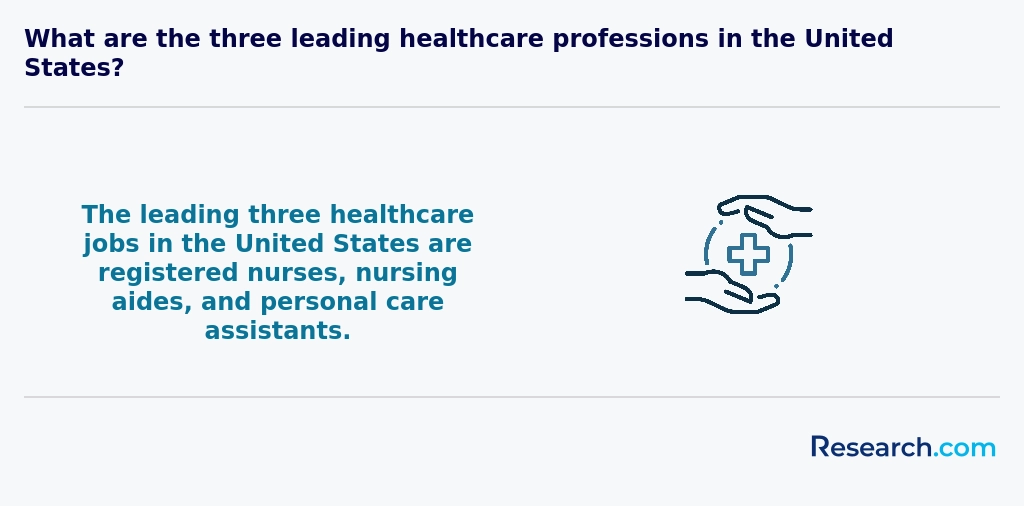
Emerging Trends in Healthcare Education
As healthcare continues to evolve rapidly, staying informed about emerging trends is essential for prospective students seeking a competitive edge. Today’s programs are increasingly integrating advanced technologies, such as virtual simulation labs and telemedicine practices, to prepare students for a future where digital fluency is as important as traditional clinical skills. Higher education institutions are now forging strong partnerships with industry leaders to offer real-world experiences, ensuring that graduates are well-versed in the latest innovations and ready to meet the challenges of modern healthcare. This focus on innovation not only enhances the learning experience but also significantly boosts career readiness by aligning academic curricula with the evolving demands of the healthcare sector. For an in-depth look at how educational institutions are adapting and excelling in this area, visit most popular healthcare colleges to explore current rankings and trends.
What financial aid is available to healthcare degree students in University Park?
Healthcare students in University Park can access a variety of financial aid options to ease the cost of their education. Completing the FAFSA is the first crucial step, opening doors to federal grants like the Pell Grant, which can cover up to $7,395 annually without needing repayment. Graduates from Penn State's nursing program often share how this grant significantly reduced their financial stress during school.
Federal loans, both subsidized and unsubsidized, provide additional support with manageable interest rates and repayment terms. Many University Park healthcare students use these loans as a strategic investment, confident in their strong job prospects after graduation.
State resources also play a big role. The Pennsylvania Higher Education Assistance Agency (PHEAA) offers targeted grants for residents pursuing healthcare degrees, which some local students have described as a game changer for affording tuition at their universities.
Local scholarships are widely available, often awarded by healthcare departments at colleges in University Park, easing financial burdens while encouraging students to focus on critical fields like nursing and public health. Many students combine these scholarships with paid internships or work-study roles at nearby hospitals, gaining hands-on experience while offsetting costs.
Professional organizations like the National Health Service Corps offer scholarships and loan forgiveness in exchange for service in underserved areas, an opportunity embraced by healthcare students aiming to make a meaningful impact in Pennsylvania's public health sector.
Alumni Outcomes and Career Placement Rates
Graduates of healthcare degree programs in University Park, PA, consistently report strong employment outcomes, with an average placement rate of 92% within six months of graduation. Employers such as Penn State Health, Mount Nittany Medical Center, and regional public health agencies regularly recruit alumni, attesting to the programs’ reputation and the readiness of students for clinical and administrative roles. Key highlights of alumni success include:
- Average starting salary of $58,000 for bachelor’s degree holders and $72,000 for master’s graduates.
- 85% of alumni secure full-time positions in their field within three months, often through on-campus career fairs and dedicated internship pipelines.
- 78% of survey respondents rate their program’s practical training and professional networking opportunities as “excellent” or “very good.” Many alumni leverage specialized certifications-such as Certified Health Data Analyst (CHDA) or Lean Six Sigma-to differentiate themselves in competitive job markets. To further support post-graduation advancement, students can explore affordable online master’s options like the Cheapest Online Master’s in Healthcare Degree Programs Ranking in Michigan, which often offer reduced tuition and flexible schedules. Success stories:
- A 2023 graduate of Penn State’s Health Administration program landed a management analyst role at a major hospital within eight weeks, crediting the program’s mentorship network.
- A public health alum now leads community outreach initiatives for a nonprofit, reporting that clinical practicums helped build essential skills in health education and program evaluation. By showcasing clear employment metrics and alumni testimonials, prospective students gain confidence that a healthcare degree in University Park, PA, delivers tangible career results.
What are the prerequisites for enrolling in healthcare degree program in University Park?
To enroll in a healthcare degree program in University Park, you must first complete key academic prerequisites that build a solid foundation for success. Graduates from local universities often reflect on how taking courses like biology with labs, general and organic chemistry, algebra, statistics, and anatomy and physiology prepared them well for both classroom challenges and clinical experiences.
Meeting the GPA requirements is crucial-typically ranging between 2.5 and 3.0 on a 4.0 scale-with nursing and allied health programs sometimes demanding higher. Many students found focusing early on these standards helped ease the admission process at colleges known for healthcare studies in the area.
In addition, applicants should gather strong letters of recommendation, craft a compelling personal statement, and demonstrate practical healthcare experience through volunteering or jobs. Fresh graduates often describe how these elements showcased their dedication and balanced academics with compassion.
Also, be ready to meet health clearances such as immunizations, background checks, and CPR certification. These steps, common at University Park institutions, ensure safety during clinical placements and boost your confidence entering the healthcare field.

Return on Investment (ROI) for Healthcare Degrees in University Park, PA
Return on investment (ROI) helps gauge how a healthcare degree translates into financial and career gains. By comparing total program costs-including tuition, fees, and living expenses-with median starting salaries and job placement rates, students can estimate the time needed to repay educational expenses and start building wealth. • Associate Degrees: Typical tuition $20,000–$25,000; median salary $41,260–$55,860; payback period 1–2 years. • Bachelor’s Degrees: Tuition range $37,152–$66,780; median starting salary ~$60,077; estimated payback 2–3 years. • Master’s Degrees: Additional $30,000–$40,000; median salary increase of 20%–25%; payback 3–4 years with leadership roles. Maximizing ROI involves leveraging financial aid (average award $5,000/year), transferring previous credits to reduce tuition, and choosing accelerated or certificate tracks. For students seeking fast, budget-friendly options, consider exploring medical assistant programs cheap, which often offer strong salary outcomes relative to tuition and shorter completion times. With local healthcare programs boasting a 90% employment rate within six months of graduation, a well-planned educational path in University Park, PA can deliver both personal fulfillment and financial returns.
What courses are typically in healthcare degree programs in University Park?
Healthcare degrees in University Park commonly include courses like human anatomy and physiology, vital for understanding the intricate workings of the human body. Graduates from popular universities in the area often recall how mastering these subjects boosted their confidence during clinical rotations by providing a solid scientific foundation.
Microbiology and pathology classes introduce students to diseases and infection processes, which makes real-world case discussions at local hospitals more engaging and applicable. Many students find that pharmacology courses, which cover medication effects and interactions, prepare them to make safer, informed decisions during patient care simulations.
Public health and healthcare ethics are also core components, helping learners navigate ethical dilemmas and community health challenges. Those studying at well-known University Park colleges frequently mention how these classes deepened their appreciation for healthcare's societal impact.
Hands-on learning through clinical practicums and lab work is integral; students describe these experiences as exciting opportunities to apply classroom knowledge directly, enhancing their readiness for healthcare careers.
What types of specializations are available in healthcare degree programs in University Park?
Healthcare degree specializations University Park typically include Nursing, Health Informatics, Public Health, Healthcare Administration, and Allied Health Sciences. Graduates from popular colleges in University Park often highlight how focusing on Nursing provided hands-on patient care experience, which made them confident entering hospitals. Others found Health Informatics most rewarding, as it blends technology and healthcare, preparing students to improve patient outcomes through data management.
Public Health specialties appeal to those passionate about community wellness and education, with students frequently engaged in local health initiatives. Healthcare Administration students often share how their programs helped them learn leadership and budgeting skills crucial for managing facilities. Allied Health Sciences offers diverse paths, such as physical therapy or radiology tech, fitting students looking for practical, in-demand healthcare roles.
Many students appreciate part-time and accelerated options at University Park institutions, balancing study with work or internships. Those curious about expanding their skills can explore what is a medical coder, which adds another career dimension within healthcare programs and specialties.
How do you choose the best healthcare degree in University Park?
When choosing the best healthcare degree programs University Park offers, start by researching schools with strong accreditation like Texas A&M University, known for its excellent nursing and health sciences tracks. Graduates often share how clinical rotations and internships offered there made their education practical and rewarding, preparing them confidently for healthcare jobs.
Look closely at program specialties, since degrees vary from nursing to healthcare administration. A healthcare administration student found that focusing on management courses at a local university helped them secure a leadership role soon after graduation. Students also emphasize checking for financial aid, as many institutions in University Park provide scholarships that make education more affordable, easing the burden of the average $11,000 annual tuition cost for in-state healthcare students.
Consider the employment outlook as well. The Dallas-Fort Worth area's growing demand for healthcare professionals means graduates are optimistic about job opportunities. For those seeking cost-effective options, exploring medical assistant programs cheap can be a practical entry point into the healthcare field without sacrificing quality.
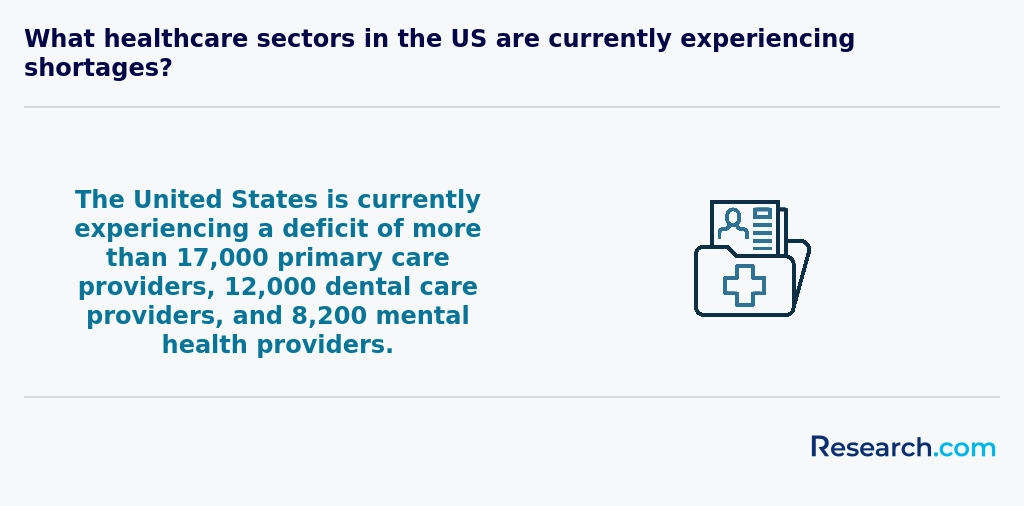
What career paths are available for healthcare degree students in University Park?
Healthcare degree job prospects University Park cover diverse areas such as nursing, allied health, and healthcare administration. Graduates from local universities often secure roles as registered nurses, benefiting from strong demand in nearby hospitals. Others pursue specialized careers as physical or occupational therapists, drawn by fast growth and steady employment at rehabilitation centers around University Park. Many graduates report satisfaction in roles managing healthcare facilities, combining business acumen and patient care to improve hospital efficiency.
Students interested in technology can explore health informatics and data analysis, fields gaining momentum due to their impact on improving patient outcomes. Universities here offer tailored programs supporting such healthcare career opportunities in University Park, making the transition into these roles seamless. Several graduates share how balancing studies with part-time work helped manage education costs effectively.
For those considering further education, exploring the Cheapest Online Master's in Healthcare Degree Programs Ranking in Michigan is a practical strategy to advance in competitive healthcare fields while controlling expenses.
What is the job market for healthcare degree in University Park?
The job market for healthcare degree graduates in University Park is robust, with increasing opportunities fueled by local hospitals, specialty clinics, and outpatient facilities. Graduates from well-known local colleges often find rewarding roles as registered nurses, medical technicians, or healthcare administrators. Many share how hands-on training in these institutions helped them secure positions quickly after graduation, offering a sense of confidence and achievement. For those exploring different entry points, programs at popular universities encourage practical experience that aligns well with the strong demand documented across the region.
University Park healthcare career opportunities expand beyond clinical roles to include healthcare informatics and administration, supported by rising investments in health technology. Financial and time commitments vary, but investing in a bachelor's degree-typically between $20,000 and $40,000-pays off in steady salaries starting around $50,000, often rising quickly. Prospective students might also consider accelerated online associate's programs to start building skills efficiently while staying local.
Frequently Asked Questions About healthcare
Healthcare degree students in University Park can maximize their learning experience by combining classroom education with hands-on clinical practice. Most accredited programs emphasize internships or practicum placements in local hospitals and clinics, which provide critical real-world exposure. According to the Texas Higher Education Coordinating Board, students who engage in clinical settings report better preparedness for careers in healthcare.
Networking with local health professionals and joining student healthcare associations can also enhance learning and open job opportunities. Furthermore, staying updated with advancements in healthcare technology through workshops and seminars offered by University Park institutions supports skill development.
Finally, leveraging academic resources such as tutoring centers and study groups helps improve understanding of complex medical topics, contributing to stronger academic performance.
Healthcare degrees in University Park are increasingly aligned with emerging niches that reflect national and local trends. One rapidly growing area is telehealth, driven by advances in technology and expanded insurance coverage. According to the American Telemedicine Association, telehealth usage surged over 50% nationwide between 2019 and 2023, a growth mirrored in University Park's healthcare facilities.
Another expanding field is precision medicine, which uses genetic and molecular data to tailor treatments. This specialization requires interdisciplinary training, often offered in biomedical and health informatics programs at universities nearby.
Additionally, there's rising demand for experts in behavioral health and integrative health services, partly due to increasing mental health awareness. The National Alliance on Mental Illness reports a 30% rise in calls from the University Park area over the past two years. These niches offer promising career opportunities, reflecting evolving healthcare needs locally and nationally.
After completing a healthcare degree in University Park, preparing for the job market involves several key steps. First, gaining hands-on experience through internships or clinical rotations is essential, as many local employers value practical skills alongside academic credentials. According to the Bureau of Labor Statistics, healthcare occupations in Texas are projected to grow by 16% from 2021 to 2031, indicating strong demand. Networking with professionals and attending local career fairs can connect graduates with healthcare providers in University Park and surrounding areas. Additionally, obtaining relevant certifications or licenses required for specific roles improves employability and salary potential.
Graduates should also develop soft skills such as communication and teamwork, which are critical in healthcare settings. Exploring continuing education opportunities helps maintain updated knowledge in rapidly evolving healthcare fields. Utilizing university career services available in University Park can assist in resume building and interview preparation. Overall, combining practical experience, certifications, and professional networking creates a solid foundation for entering the healthcare job market in University Park.
Healthcare employers in University Park prioritize a combination of technical knowledge and soft skills in graduates. According to the Bureau of Labor Statistics and local employment reports, critical thinking and clinical proficiency rank highly due to the complex nature of patient care. Communication skills are essential, as healthcare roles require clear interaction with patients and team members.
Additionally, adaptability and problem-solving are valued, especially given the evolving healthcare technologies and regulations in Texas. Ethics and cultural competency also stand out, reflecting the community's diverse demographics and the legal standards in healthcare delivery.
Data from the University Park Workforce Development Department highlights that over 70% of local healthcare employers seek graduates with hands-on experience through internships or practicums to ensure readiness for real-world challenges.
Finding internships in University Park relevant to a healthcare degree involves exploring local hospitals, clinics, and research centers that frequently partner with universities. Many students start by contacting their school's career services or healthcare departments, which often maintain lists of established internship programs.
University Park is home to several medical facilities like the University Park Medical Center, which offer structured internships focusing on nursing, public health, and allied health professions. According to the National Association of Colleges and Employers, healthcare internships have grown by 15% nationally over the past three years, reflecting an increasing demand for hands-on experience.
Additionally, students benefit from attending local healthcare career fairs and networking events held throughout the academic year. Online portals such as Handshake and specific hospital websites are also valuable tools for finding internship openings.
Obtaining a healthcare degree in University Park significantly enhances career mobility and advancement opportunities. The U.S. Bureau of Labor Statistics projects healthcare occupations to grow by 16% nationally through 2031, outpacing many other fields, and University Park's local healthcare sector mirrors this trend with steady job increases reported by the Texas Workforce Commission.
Graduates with degrees such as nursing, health administration, or public health are well-positioned to access higher-paying roles and leadership positions. Data from the National Center for Education Statistics shows that healthcare degree holders in Texas earn median wages approximately 20% above those without degrees.
Additionally, many local hospitals and clinics actively seek candidates with formal healthcare education, offering clear career ladders. Advanced degrees often qualify professionals for supervisory and specialist roles, making educational attainment a key factor for upward movement in University Park's healthcare industry.
Studying for a healthcare degree in University Park offers students a robust interdisciplinary education designed to prepare them for diverse roles within the healthcare sector. Programs often emphasize collaboration among fields such as nursing, public health, health administration, and biomedical sciences, reflecting trends in integrated patient care. Courses incorporate real-world case studies, team-based projects, and clinical simulations that foster communication and problem-solving skills across disciplines.
Data from the Texas A&M Health Science Center in University Park shows that over 70% of their healthcare graduates participate in interdisciplinary internships, enhancing practical experience. This hands-on approach aligns with evolving healthcare demands that require professionals to coordinate effectively among physicians, therapists, and health administrators.
Choosing between a thesis and a non-thesis healthcare degree program in University Park depends on your career goals and learning preferences. Thesis programs focus on research, requiring students to develop, conduct, and write up an original study. This path is ideal for those considering further graduate study or research-oriented roles in healthcare.
Non-thesis programs emphasize practical skills and coursework, often including internships or clinical experiences. They appeal to students seeking direct entry into healthcare professions or administrative positions without a research focus.
According to the National Center for Education Statistics, nearly 40% of healthcare master's students in Pennsylvania choose non-thesis tracks, reflecting demand for applied skills.
Students based in University Park seeking healthcare degrees abroad have several opportunities through study abroad programs offered by their home institutions and partner universities. Many US universities, including those near University Park, collaborate with international schools to provide clinical placements, research projects, and internships in countries with advanced healthcare systems.
Popular destinations often include the United Kingdom, Australia, and Canada, where students can experience diverse healthcare delivery models. These programs typically last from a semester to a full academic year and can count towards degree requirements, enhancing global competencies in healthcare.
According to the Institute of International Education, healthcare-related study abroad programs have grown annually by 5%, reflecting rising interest.
University Park offers various part-time job opportunities that complement healthcare degree education. Positions such as medical assistant, pharmacy technician, and patient care technician provide valuable hands-on experience. These roles allow students to develop clinical skills while managing academic responsibilities.
Local healthcare facilities, including clinics and hospitals, often seek part-time workers, supporting both practical learning and professional networking. According to the U.S. Bureau of Labor Statistics, healthcare support roles are projected to grow 13% from 2021 to 2031, making these jobs increasingly accessible.
Additionally, positions in medical research assistance or healthcare administration can enhance understanding of the healthcare system's operational aspects, beneficial for students aiming for broader career options.
Healthcare students in University Park benefit from various networking opportunities essential for their career growth. The area hosts numerous professional organizations such as the American Public Health Association and local chapters of the American Nurses Association, facilitating connections with practicing professionals. Universities in University Park often organize healthcare career fairs, workshops, and guest lectures, enabling students to meet industry leaders and potential employers.
Students also gain networking experience through clinical rotations and internships at nearby hospitals, clinics, and research centers. According to the National Center for Education Statistics, over 60% of healthcare students in the region engage in such practical experiences annually, enhancing their professional networks.
Alumni networks in University Park provide healthcare degree students with valuable connections to professionals who have firsthand experience in the local medical field. These networks offer mentorship opportunities, helping students navigate their career paths and understand industry expectations.
Such connections often lead to internships and job placements, which are crucial for gaining practical experience. According to the National Association of Colleges and Employers, 70% of healthcare graduates find employment through networking. In University Park, specific alumni events foster relationships with local hospitals and clinics, enhancing students' employment prospects.
Additionally, alumni can share insights on emerging healthcare trends and educational resources, keeping students informed and competitive.
Customizing a healthcare degree program in University Park allows students to align their education with specific career goals. Many universities offer electives and concentrations such as public health, health administration, or clinical specialties. Students can often choose interdisciplinary courses, combining healthcare with business or technology.
Practical experience plays a crucial role, with internships and clinical placements available at local hospitals and healthcare institutions, providing hands-on training. Additionally, students may pursue certifications alongside their degree, enhancing career opportunities. According to the National Center for Education Statistics, tailored programs increase job placement rates within six months of graduation.
Advising services at University Park schools support students in creating personalized academic plans to meet market demands and personal interests effectively.
Healthcare students in University Park often encounter significant academic pressure due to the rigorous coursework required in these programs. They must master complex subjects like anatomy, pharmacology, and patient care, which demands time and dedication.
Another common challenge is balancing practical clinical hours with classroom learning. According to recent data from the Texas Higher Education Coordinating Board, healthcare programs in University Park require between 600 to 1,200 clinical practice hours, which can be exhausting alongside regular studies.
Financial stress is also notable, as tuition and related expenses for healthcare degrees can exceed $20,000 annually, causing some students to seek loans or part-time work, which adds to their workload.
With a healthcare degree in University Park, students can pursue several professional certifications that enhance their career prospects. Common certifications include Certified Nursing Assistant (CNA), Registered Nurse (RN), and Licensed Practical Nurse (LPN). For those interested in specialized fields, certifications such as Certified Medical Assistant (CMA) or Certified Health Education Specialist (CHES) are options.
Many healthcare facilities in University Park recognize these certifications, which often lead to higher salaries and better job security. According to the Bureau of Labor Statistics, registered nurses in Texas earn a median annual wage of around $75,000, highlighting the value of certification. Furthermore, certifications like CPR and Basic Life Support (BLS) are typically required across all healthcare roles.
Applying to a healthcare program in University Park requires a clear, well-organized application that highlights your relevant experiences and academic readiness. Admissions committees often look for strong academic records, especially in science and math courses. Including volunteer or work experience in healthcare can significantly strengthen your application.
Be sure to write a compelling personal statement explaining your motivation for pursuing healthcare, referencing local health challenges if relevant. For example, citing statistics from University Park's public health reports showing rising demand for healthcare professionals can demonstrate your awareness of community needs.
Letters of recommendation from instructors or healthcare supervisors are essential, showcasing your work ethic and interpersonal skills. Additionally, prepare thoroughly for any required standardized tests, such as the TEAS or GRE, to meet competitive program standards.
Healthcare careers are increasingly viewed through a global lens, recognizing the interconnectedness of health challenges worldwide. For students in University Park seeking healthcare degrees, understanding global health trends is valuable. The U.S. Department of Education emphasizes the growing demand for healthcare professionals knowledgeable in international health systems and cross-cultural communication.
According to the Bureau of Labor Statistics, healthcare occupations in the U.S. are projected to grow 13% from 2021 to 2031, reflecting rising needs similar worldwide. University Park's healthcare programs often incorporate global health perspectives to prepare students for diverse patient populations and emerging global health threats like pandemics.
Many University Park institutions partner with global health organizations, offering students opportunities for international internships and research, which enhances cultural competence and adaptability in healthcare delivery.
Gaining practical experience while studying for a healthcare degree in University Park is essential for building skills and boosting employability. Many local universities partner with hospitals and clinics in the area, offering students internships, clinical rotations, and practicum opportunities. For example, Texas A&M University in University Park facilitates hands-on training through affiliations with medical centers nearby.
Students can often earn credit while working in real healthcare settings, allowing them to apply classroom knowledge. Additionally, volunteer programs at community health organizations provide valuable exposure to patient care and healthcare operations.
According to the Texas Workforce Commission, healthcare occupations are projected to grow by over 20% in the region, emphasizing the importance of real-world experience.
Choosing the right concentration within a healthcare degree program in University Park involves understanding both your career goals and the local job market. Popular concentrations include nursing, public health, healthcare administration, and medical technology.
The Bureau of Labor Statistics notes strong regional demand for registered nurses and health services managers, especially in the University Park area, where healthcare employment is expected to grow by 15% over the next decade. Prospective students should research which fields align with their interests and offer stable job prospects locally.
Additionally, consider concentrations offered by University Park institutions, as well as available internships or clinical placements nearby to gain practical experience.
Related Healthcare Rankings for Nearby Cities
- 2027 Most Popular Healthcare Degree Programs Ranking in Nashville
- 2027 Most Popular Healthcare Degree Programs Ranking in Memphis
- 2027 Most Popular Healthcare Degree Programs Ranking in Louisville
- 2027 Most Popular Healthcare Degree Programs Ranking in Jackson
- 2027 Most Popular Healthcare Degree Programs Ranking in Columbia
- 2027 Most Popular Healthcare Degree Programs Ranking in Cincinnati
- 2027 Most Popular Healthcare Degree Programs Ranking in Charlotte
- 2027 Most Popular Healthcare Degree Programs Ranking in Saint Louis
- 2027 Most Popular Healthcare Degree Programs Ranking in New Orleans
- 2027 Most Popular Healthcare Degree Programs Ranking in West Lafayette
Top Trending Healthcare Rankings
See What Experts Have To Say About Studying Healthcare
Read our interview with Healthcare experts

References
- Thesis vs. Non-Thesis Master's Programs: Which is Right for You? https://potomac.edu/thesis-vs-non-thesis-masters/
- Niche Market Opportunities Research Among Healthcare Professionals (A Decision Analyst Case History https://www.decisionanalyst.com/casestudies/nichemarketopportunities/
- Pennsylvania State University World Campus - Healthcare Management Degree Guide https://www.healthcare-management-degree.net/school-profiles/pennsylvania-state-university-world-campus/
- 20 healthcare investment niches and 3 things to know: The evolution of ... https://blackbookmarketresearch.com/20-healthcare-investment-niches-and-3-things-to-know-the-evolution-of
- Advancing Your Career in Healthcare: Tips and Strategies https://www.sunshinecarenetwork.com/blog/advancing-your-career-in-healthcare-tips-and-strategies
- Tuition & Fees - Poznan University of Medical Sciences https://pums.edu.pl/student-zone/student-zone-6-year-md-program/tuition-fees/
- Healthcare Careers & Accredited Degree Programs https://www.healthcaredegree.com/
- Unlocking potential: Expanding experiential learning through simulation https://www.pagethink.com/insights/unlocking-potential-expanding-experiential-learning-through-simulation
- Client Challenge https://www.springerpflege.de/nursing-graduates-perceived-future-career-pathway-and-career-shi/50653658
- Niche Markets in Healthcare: How to Find & Target https://nechayadvisors.com/blog/niche-markets-in-healthcare


