
2027 Most Valuable Online Doctorate in Healthcare Degree Programs Ranking in Massachusetts

Co-Founder and Chief Data Scientist
Considering an online doctorate in healthcare from Massachusetts? This article presents the 2027 Most Valuable Online Doctorate in Healthcare Degree Programs Ranking in Massachusetts created by the Research.com team of data scientists. It is designed to help you make an informed decision about which programs offer the best value for your time and investment.
Exploring this ranking allows you to discover opportunities that can boost your career and personal growth in the healthcare field. Pursuing a healthcare degree can open doors to meaningful work that makes a real difference in people's lives.
Take the next step confidently with insights tailored to your goals and aspirations.
Key benefits of getting online healthcare degree in Massachusetts
- Graduates with online healthcare degrees in Massachusetts can pursue roles such as Program Director, earning around $129,330 annually, or Healthcare Services Researcher, with an average salary of $112,380, reflecting strong earning potential.
- Popular local universities like the University of Massachusetts offer healthcare programs that open doors to diverse careers including Chief Development Officer, Research Director, or Principal Scientist, supporting a rewarding professional future.
- Completing a healthcare degree online allows flexibility to balance work and study, as seen with graduates from institutions like Northeastern University, making education accessible without sacrificing daily commitments.
- Key benefits of getting online healthcare degree in Massachusetts
- What can I expect from online healthcare degree in Massachusetts?
- Where can I work with online healthcare degree in Massachusetts?
- How much can I make with online healthcare degree in Massachusetts?
- 2027 Most Valuable Online Doctorate in Healthcare Degree Programs Ranking in Massachusetts
- Key Findings
- How long does it take to complete online healthcare degree in Massachusetts?
- Student Support and Resources in Online Healthcare Programs
- What's the difference between online and on-campus healthcare degree?
- Emerging Trends and Future Insights in Online Healthcare Education
- What is the average cost of online healthcare degree in Massachusetts?
- Assessing Return on Investment for Your Online Doctorate in Healthcare
- What financial aid is available to online healthcare degree students in Massachusetts?
- Accreditation and Certification
- What are the prerequisites for enrolling in online healthcare degree program in Massachusetts?
- Accreditation: Ensuring Your Online Healthcare Doctorate’s Credibility
- What courses are typically in online healthcare degree programs in Massachusetts?
- What types of specializations are available in online healthcare degree programs in Massachusetts?
- How do you choose the best online healthcare degree in Massachusetts?
- What career paths are available for online healthcare degree students in Massachusetts?
- What is the job market for online healthcare degree in Massachusetts?
- Related Healthcare Rankings for Nearby States
- Top Trending Healthcare Rankings
- See What Experts Have To Say About Studying Healthcare
What can I expect from online healthcare degree in Massachusetts?
When considering the cost of an online healthcare degree in Massachusetts, you'll find that tuition typically ranges around $15,000 per year at public universities like UMass Amherst or UMass Boston. Private schools, such as Northeastern University or Simmons University, often charge higher rates, but many graduates recall that the investment was worthwhile given the high-quality education and strong career support they received.
Financial aid and employer tuition assistance frequently play a vital role in making these programs affordable. For example, some graduates shared how their employers covered a significant portion of their tuition, easing financial stress while they balanced work and study.
Many students appreciate that Massachusetts' online healthcare programs combine flexible learning with local clinical opportunities, helping them build real-world skills without uprooting their lives. This balance makes the cost feel like an investment in a vibrant healthcare career right here in the Commonwealth.
Where can I work with online healthcare degree in Massachusetts?
With an online healthcare degree in Massachusetts, you can step confidently into roles across a vibrant healthcare landscape. Graduates from institutions like Northeastern University or UMass Online frequently find themselves in hospitals such as Massachusetts General or Brigham and Women's, working as healthcare managers or clinical coordinators. Imagine overseeing operations in a busy hospital or managing patient care logistics-these roles are both demanding and rewarding, offering a real impact on community health.
Others leverage their degrees in health informatics, blending tech skills with healthcare knowledge to improve patient outcomes. Many graduates land jobs at local biotech firms or health IT companies in the Boston area, where their expertise shapes the future of healthcare data management. Public health positions in city or state departments also beckon, especially for those passionate about epidemic prevention and health education.
Massachusetts's focus on healthcare leadership means you can also explore consulting or policy analysis, helping shape regional health strategies. Each path offers opportunities to make a difference while building a fulfilling career rooted in this state's unique healthcare ecosystem.
How much can I make with online healthcare degree in Massachusetts?
Graduates from online healthcare programs in Massachusetts often find themselves entering a rewarding career with strong earning potential. For example, those stepping into roles like Program Director in Healthcare can anticipate a mean annual wage of about $129,330, reflecting the high demand for leadership in this field. Similarly, Chief Development Officers typically earn around $95,600 per year, showcasing opportunities beyond direct patient care.
Many graduates from well-regarded institutions such as the University of Massachusetts and Boston University report confidence knowing their online degrees open doors to influential positions. Healthcare Services Researchers, Research Directors, and Principal Scientists each enjoy mean salaries near $112,380, underscoring the value of advanced analytical and research skills fostered in these programs.
Imagine yourself contributing to innovative healthcare solutions or managing projects at major Massachusetts medical centers, all while earning a salary that surpasses national averages. These real examples emphasize that with the right online degree, your commitment can translate into financial stability and professional fulfillment in Massachusetts' vibrant healthcare landscape.
2027 Most Valuable Online Doctorate in Healthcare Degree Programs Ranking in Massachusetts
How do we rank schools?
Investing in your education is a significant decision that can shape your future, and the Research.com team understands the importance of making informed choices. To assist prospective students interested in healthcare doctorates in Massachusetts, we have meticulously crafted the "2027 Most Valuable Online Doctorate in Healthcare Degree Programs Ranking in Massachusetts." Our commitment to quality, credibility, and accuracy is reflected in the extensive research and analysis conducted to compile this ranking.
We utilized the following reputable data sources to ensure a comprehensive evaluation of healthcare doctorate programs:
By exploring this ranking, readers will gain valuable insights into the most valuable online healthcare doctorate programs in Massachusetts, helping them make informed decisions about their educational paths and maximize their investment. For more details on our methodology, please visit our Research.com methodology page.


# 5 position
MGH Institute of Health Professions
Physical Therapy, Transitional Doctor of Physical Therapy

Key Findings
- Healthcare employment in Massachusetts is expected to grow by about 10% from 2022 to 2032, driven by an aging population and expanded services.
- Tuition for online bachelor's degrees in healthcare ranges from $15,000 to $30,000, while master's programs cost between $20,000 and $45,000.
- Entry-level healthcare workers with a bachelor's degree earn around $65,000 to $75,000 annually, with advanced degree holders earning $90,000 to over $120,000 within five years of graduation.
- Massachusetts employs over 400,000 people in healthcare, with strong demand for nursing, health administration, and clinical specialists.
- Accreditation by bodies like CCNE or CEPH is important for licensing and certification in healthcare fields.
How long does it take to complete online healthcare degree in Massachusetts?
Completing an online healthcare degree in Massachusetts varies depending on your chosen path and pace. Many graduates from institutions like UMass Amherst and Northeastern University start with associate degrees that typically take about two years of full-time study. These programs are perfect for those balancing work and life, offering flexibility without sacrificing quality.
Bachelor's degrees, such as a BSN or healthcare administration, usually span four years full-time but can be accelerated to three years when you leverage prior credits or intensive study options. Graduates often share how these accelerated tracks allowed them to enter the workforce faster while mastering crucial skills.
For those pursuing advanced credentials at places like Boston University or Tufts University, master's degrees commonly take around two years full-time, with part-time options extending to three or four years-ideal for working professionals aiming to grow without pausing their careers.
Doctoral programs-such as DNP or Ph.D.-vary widely from three to six years, shaped by research demands and clinical hours. Graduates appreciate how Massachusetts' flexible online structures enable them to juggle career, family, and study, fueling perseverance and success.
Student Support and Resources in Online Healthcare Programs
One crucial aspect often overlooked in discussions about online healthcare degrees is the robust network of student support services and resources that accompany these programs. Prospective students not only need to consider curriculum quality and affordability but also the level of academic advising, technical support, career counseling, and networking opportunities available to help them thrive in both their studies and professional lives. Many top programs in Massachusetts offer dedicated student portals, online tutoring, virtual labs, and interactive discussion boards which foster a sense of community despite the remote learning format. These resources are designed to help students overcome common challenges such as time management and balancing work with study commitments. Additionally, institutions often host virtual career fairs and alumni networking events, providing graduates with direct access to industry leaders and potential employers. For students who are cost-conscious yet determined to take advantage of quality learning environments, exploring alternatives, such as the most affordable online exercise science degree program, can offer valuable insights into balancing affordability with support and academic excellence. This comprehensive support framework is a key differentiator for online healthcare programs in Massachusetts, enhancing the overall learning experience and boosting long-term career success.
What's the difference between online and on-campus healthcare degree?
Choosing between online and on-campus healthcare degrees in Massachusetts often comes down to your lifestyle and learning preferences. Many graduates from schools like Northeastern University have shared how online programs gave them the flexibility to balance work and family while completing coursework digitally. This means accessing lectures and assignments anytime, which is a blessing for busy adults.
On the other hand, graduates from traditional programs at institutions such as Boston University emphasize the value of face-to-face interaction. Being on campus allowed them to engage deeply with faculty and peers, fueling motivation and immediate support. The structured environment helped them stay focused and take part in hands-on labs and simulations, which are crucial in healthcare education.
Both paths require clinical experience. Online students in Massachusetts often arrange local rotations, leveraging the state's extensive healthcare network to gain real-world skills nearby. Understandably, online learners must be proactive in finding placements, but the payoff is significant flexibility without compromising essential training.
Emerging Trends and Future Insights in Online Healthcare Education
As Massachusetts continues to position itself as a leader in healthcare innovation, online healthcare degree programs are evolving to meet the dynamic needs of students and industry alike. Today’s programs increasingly incorporate cutting-edge technologies such as telemedicine simulations, AI-driven analytics, and virtual clinical labs to provide an immersive learning experience that parallels traditional in-person education. These advancements help bridge the gap between theoretical knowledge and practical application, ensuring graduates are well-prepared for modern healthcare challenges. Moreover, partnerships between academic institutions and healthcare organizations are resulting in enhanced internship and mentorship opportunities, enabling students to gain real-world experience while still in school. For those keen on finding not only innovative education but also affordability, exploring the most affordable healthcare programs in massachusetts can offer valuable insights into balancing quality with cost. Overall, staying informed about these emerging trends is key for prospective students aiming to maximize their return on investment and secure a competitive edge in the evolving healthcare landscape.
What is the average cost of online healthcare degree in Massachusetts?
The average cost of an online healthcare degree in Massachusetts typically centers around $43,200, reflecting a balanced middle ground for students. Graduates from notable programs at institutions like the University of Massachusetts and Northeastern University often share that while tuition can feel like a significant investment, the value they receive in flexible learning and career advancement is undeniable. Considering the average cost online healthcare degree Massachusetts students face, it's reassuring to know that many public schools offer competitive rates, making the journey more accessible.
Many students pursuing advanced degrees, including doctorates focused on healthcare administration or nursing, navigate tuition fees that align closely with the median Massachusetts online doctorate healthcare tuition fees. These fees often account for the specialized curriculum and clinical practice elements required to prepare graduates for leadership roles in healthcare. Graduates have found that financial aid options and scholarships frequently help offset these expenses, allowing them to focus on mastering their field.
When planning your budget, also think about how choosing from the most affordable healthcare programs in Massachusetts can impact your overall costs. Selecting the right program can lighten the financial load and still provide strong career prospects. Real-life experiences from alumni highlight that the investment in these programs opens doors to rewarding roles in the ever-growing Massachusetts healthcare sector.
Assessing Return on Investment for Your Online Doctorate in Healthcare
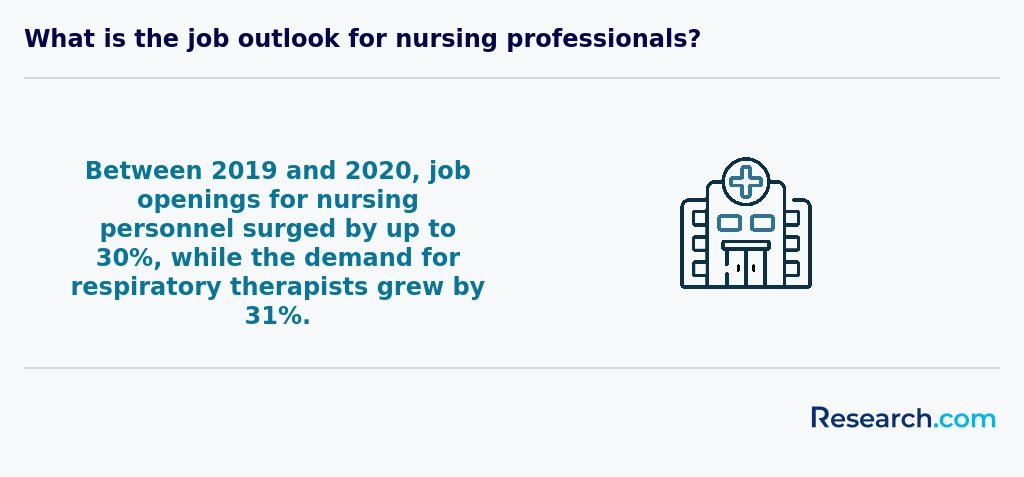
When evaluating an online doctorate in healthcare, understanding the return on investment (ROI) is essential. On average, tuition for a high–ranking online doctoral program in Massachusetts ranges from $30,000 to $45,000, with total fees and learning materials adding another 10–15%. In contrast, graduates in senior leadership roles-such as Chief Development Officer or Research Director-report median salaries between $110,000 and $140,000 annually in Massachusetts. By comparing program costs against expected salary gains, most students recover their investment within 3–5 years of graduation, especially when leveraging employer tuition reimbursement or federal loan forgiveness programs. Several factors influence your personal ROI. First, consider program duration: shorter, accelerated tracks minimize tuition and lost earnings. Second, review placement rates-programs with job placement above 90% typically lead to faster salary growth. Third, factor in specialization: health informatics and healthcare administration doctoral degrees often command higher starting salaries due to industry demand. Finally, account for hidden costs such as required residencies or practicum placements, which can vary by institution. For a broader perspective on balancing affordability with quality, prospective students may also explore alternatives outside Massachusetts. For example, our Most Affordable Online Healthcare Degree Programs Ranking in Michigan highlights cost-effective options that maintain rigorous accreditation and strong career outcomes. By conducting a side-by-side comparison of tuition rates, accreditation status, and alumni salary data, you can confidently select a program that maximizes both academic value and long-term earning potential.
What financial aid is available to online healthcare degree students in Massachusetts?
When pursuing an online healthcare degree in Massachusetts, numerous financial aid options can make your journey more affordable and manageable. Graduates from institutions like UMass Amherst or Northeastern often share how federal aid, especially Pell Grants and low-interest student loans, laid the foundation for their educational funding once they completed the FAFSA. These federal resources offer essential support without the pressure of immediate repayment.
State-specific assistance, such as the MassGrant program, further eases costs for Massachusetts residents attending local universities. Many students highlight how this helped bridge the gap when federal aid wasn't enough.
It's also common to find institutional scholarships and grants tailored to healthcare fields - nursing students, for example, frequently receive support targeting RN-to-BSN or master's pathways, reflecting the state's commitment to growing its healthcare workforce.
Employers, including major healthcare providers around Boston, often encourage continuing education by reimbursing tuition or offering scholarships, relieving students of out-of-pocket expenses and boosting motivation.
Plus, organizations like the Massachusetts Nursing Association provide scholarships for those planning to serve underserved communities, shining a light on the rewarding path ahead.
Accreditation and Certification
Accreditation is a vital indicator of quality and credibility for any online doctorate in healthcare program in Massachusetts. Prospective students should verify both regional and programmatic accreditation to ensure their degree will be recognized by employers, qualify for federal financial aid, and meet state licensure requirements. Why Accreditation Matters:
- Ensures curriculum meets rigorous academic and professional standards.
- Guarantees transferability of credits and eligibility for graduate certifications.
- Impacts employer recognition, licensure eligibility, and eligibility for federal loans or grants. Key Accrediting Bodies for Healthcare Doctoral Programs:
- New England Commission of Higher Education (NECHE) – regional accreditation for Massachusetts institutions.
- Council on Education for Public Health (CEPH) – programmatic accreditation for public health doctorates.
- Commission on Accreditation of Healthcare Management Education (CAHME) – for healthcare management and leadership.
- Accreditation Commission for Education in Nursing (ACEN) or Commission on Collegiate Nursing Education (CCNE) – for clinical doctorate tracks in nursing. Certification and Licensure Pathways: Completing an accredited program is often the first step toward board certification or state licensure. For example:
- Doctorate in Healthcare Management graduates may pursue Certified Healthcare Executive (FACHE) credentials.
- Public Health doctoral alumni often qualify for the Certified in Public Health (CPH) exam administered by the National Board of Public Health Examiners.
- Nursing doctoral degree holders can become Advanced Practice Registered Nurses (APRNs) through the appropriate state nursing board. How to Verify Accreditation: 1. Visit the U.S. Department of Education’s Database of Accredited Postsecondary Institutions and Programs. 2. Check institutional websites for accreditation seals and detailed reports. 3. Contact the program’s registrar or accreditation liaison officer. 4. Compare tuition and outcomes data-consider also reviewing the Most Affordable Online Healthcare Degree Programs Ranking in Michigan for insights into cost-effective, accredited options. By prioritizing accredited programs, students safeguard their investment, maintain eligibility for financial aid, and position themselves for smooth licensure and certification in Massachusetts’s competitive healthcare landscape.
What are the prerequisites for enrolling in online healthcare degree program in Massachusetts?
To enroll in an online healthcare degree program in Massachusetts, you'll need to meet specific academic and practical prerequisites that truly prepare you for success. Graduates from institutions like UMass Amherst or Northeastern University often recall how having a strong foundation in science during high school-particularly in biology and chemistry-made their transition smoother. For bachelor's programs, possessing a high school diploma or GED is essential, but excelling in related coursework sets you apart.
When aiming for master's or doctoral programs, a relevant bachelor's degree is a must. Many students entering programs at Boston University or Tufts University found that maintaining at least a 3.0 GPA showcased their commitment and readiness. Some programs, like the Doctor of Nursing Practice, also value professional experience, reflecting the real-world insights students bring into their studies.
Since healthcare studies include clinical hours, even online learners in Massachusetts arrange local practicum placements. Knowing this ahead of time empowers you to plan your schedule and surroundings effectively. Reliable technology and internet access are also vital to keep up with demanding coursework, so being prepared in this way helps you embrace the journey confidently.
Accreditation: Ensuring Your Online Healthcare Doctorate’s Credibility
When evaluating an online doctorate in healthcare in Massachusetts, accreditation is your first litmus test for quality and national recognition. Regionally accredited institutions undergo rigorous review by bodies such as the New England Commission of Higher Education (NECHE), while program-specific accreditors like the Commission on Accreditation of Healthcare Management Education (CAHME) or the Commission on Collegiate Nursing Education (CCNE) validate specialized curricula. Graduates from accredited programs enjoy smoother licensure processing, greater eligibility for federal financial aid, and enhanced employer trust. Key accreditation considerations: • Regional vs. national accreditation – prioritizing NECHE or similar regional agencies ensures transferability of credits and broad acceptance of your degree. • Programmatic accreditation – confirm your concentration, whether in healthcare administration, public health, or nursing, aligns with CAHME, CCNE, or the Council on Accreditation of Nurse Anesthesia Educational Programs (COA). • State authorization – verify that your online institution is approved by the Massachusetts Department of Higher Education to deliver out-of-state and online coursework. Beyond accreditation, complementary credentials can bolster your expertise. While pursuing your doctorate, you might explore shorter credentials through quick medical certifications that pay well in healthcare, offering targeted skills in areas like medical coding or health informatics to enhance your CV and accelerate career advancement. Before submitting your application, request accreditation credentials and licensure pass rates from admissions. A transparent institution will gladly share graduate outcomes, board exam success rates, and partnerships with Massachusetts healthcare systems-data that empower you to choose a doctorate program recognized for excellence, relevance, and real-world impact.
What courses are typically in online healthcare degree programs in Massachusetts?
Online healthcare degree programs in Massachusetts are designed to equip you with a rich mix of knowledge and practical skills to thrive in this dynamic field. You'll dive into courses like healthcare ethics and law, where you explore the real-life challenges faced by providers in hospitals or clinics, ensuring care aligns with strict regulations.
Healthcare management and administration courses prepare you to lead teams and shape policies, a vital skill echoed by graduates from well-known institutions like Northeastern University. Imagine managing a healthcare facility smoothly while improving patient outcomes-these classes set that foundation.
Many students find public health principles particularly inspiring, as they learn to tackle community health challenges-skills reinforced through case studies common in Boston-area programs.
Hands-on clinical practicum experiences, sometimes arranged locally, give you confidence and direct exposure, a highlight frequently shared by those finishing their degrees at UMass online.
Courses in health informatics and evidence-based practice sharpen your ability to use data and research to make smart, impactful decisions in healthcare settings throughout Massachusetts.
What types of specializations are available in online healthcare degree programs in Massachusetts?
When exploring an online healthcare degree in Massachusetts, students often encounter specialized paths tailored to meet evolving industry needs. Nursing remains a top choice, with programs at prominent schools like Boston College offering tracks such as Family Nurse Practitioner or Nurse Leadership. Graduates frequently share how these paths empower them to serve diverse communities and advance their careers confidently. Another popular specialization is healthcare administration, taught at institutions including Northeastern University, preparing students for leadership roles in hospitals and clinics, where managing complex systems becomes second nature.
Public health stands out as a vital specialization in Massachusetts, reflecting the state's commitment to community wellness-graduates from schools like UMass Amherst often highlight their rewarding work in public health agencies. Health informatics also attracts tech-savvy students eager to blend healthcare with data management, leveraging Massachusetts' thriving tech environment. If you're evaluating your options, consider not just prestige but program fit; some students find the most affordable online exercise science degree program useful to explore alongside healthcare degrees. These specializations position you to meet real-world demands while pursuing your passion.
How do you choose the best online healthcare degree in Massachusetts?
Choosing the best online healthcare degree in Massachusetts means focusing on programs that combine strong accreditation and relevant curriculum tailored to the state's booming healthcare industry. Graduates from schools like UMass and Boston University often speak about how their programs' ties with local hospitals provided invaluable hands-on experience, boosting their confidence and career prospects. When seeking affordable online healthcare degrees Massachusetts offers, consider in-state tuition advantages and available financial aid which can lighten the investment without sacrificing quality.
Look for degrees that emphasize practical skills and knowledge aligned with local demand, such as healthcare administration, especially given Boston's expanding biotech scene. Graduates highlight how flexible online formats and responsive support systems helped them balance studies with busy lives. Exploring quick medical certifications that pay well in healthcare can also be a smart supplement to your degree, helping you gain early entry into the field.
What career paths are available for online healthcare degree students in Massachusetts?
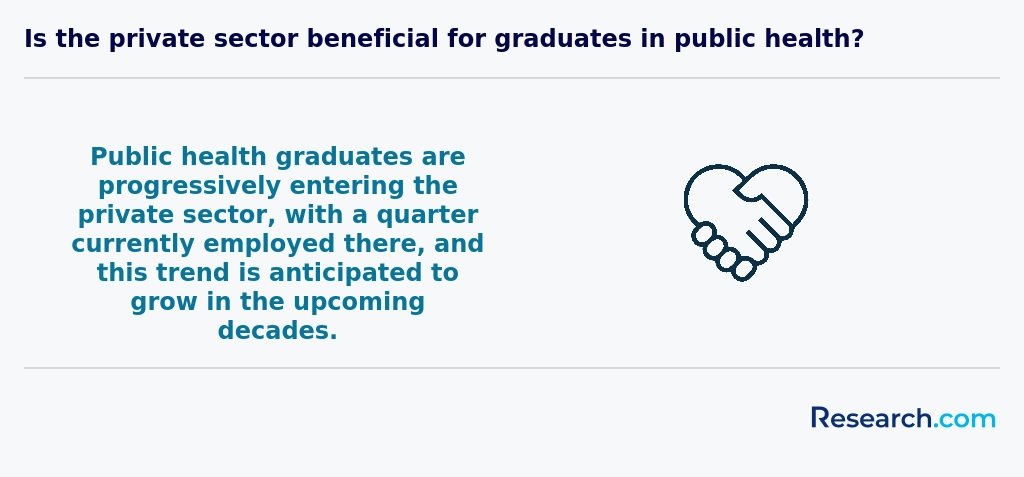
Graduates with an online healthcare degree in Massachusetts enjoy diverse and rewarding career paths. Many find themselves leading hospitals or healthcare facilities as administrators, roles that demand a blend of strong leadership and healthcare knowledge. Students from top Massachusetts institutions often share how their programs prepare them for these dynamic environments. Others choose clinical roles like nurse practitioners or physician assistants, building on their degree with required certifications. This clinical track offers the satisfaction of direct patient care while enjoying the flexibility that online education provides.
For those intrigued by policy, public health careers offer a chance to shape community well-being, tapping into Massachusetts' robust public health infrastructure. Graduates involved in healthcare policy often collaborate with state health agencies to make lasting impacts. Additionally, roles in health informatics and data analysis are expanding rapidly here, reflecting the state's leadership in biomedical research. Many healthcare students from Massachusetts colleges leverage these growing opportunities by focusing on online healthcare degree careers Massachusetts, combining education with practical experience.
Costs vary, but prospective students can explore options like financial aid and employer tuition programs. To discover affordable choices, consider the Most Affordable Online Healthcare Degree Programs Ranking in Michigan as a comparative resource when planning your education path.
What is the job market for online healthcare degree in Massachusetts?
The job market for online healthcare degree graduates in Massachusetts is vibrant and full of promise. Many graduates from well-known institutions such as the University of Massachusetts and Northeastern University share how their online degrees opened doors in hospitals, outpatient care centers, and public health agencies across the state. These roles come with the stability and growth potential that healthcare jobs are known for, especially in a state with top-ranking medical facilities.
Given Massachusetts' aging population and rapid medical advancements, demand for healthcare professionals is strong. This is particularly true for nursing, healthcare administration, and other clinical specialities. Graduates often find their education aligns with employers' needs, especially when their programs emphasize technological skills critical for telehealth and digital health services. These online healthcare jobs in Massachusetts offer more than employment-they provide meaningful career paths with rewarding salaries.
Practical advice: when considering your path, also explore quick certifications that pay well to complement your degree, boosting your employment prospects Massachusetts can offer. Numerous alumni attest that combining solid online degrees with targeted certifications helped them launch successful careers in this thriving healthcare environment.
Frequently Asked Questions About healthcare
Students pursuing online healthcare degrees in Massachusetts can maximize their learning by actively engaging with course materials and participating in virtual discussions. Research from the Massachusetts Department of Higher Education highlights that students who collaborate regularly with peers report higher satisfaction and better retention.
Utilizing state resources like the Massachusetts eHealth Institute can provide valuable networking and internship opportunities tailored to healthcare technology fields. Additionally, balancing clinical practice with online coursework is crucial; local hospitals often offer partnerships for practical experience, essential for healthcare professionals.
Furthermore, leveraging Massachusetts's strong healthcare infrastructure, including institutions such as Massachusetts General Hospital, can enhance understanding of real-world applications. Time management and seeking faculty support are also key strategies for success in these rigorous programs.
Emerging niches within the healthcare field reflect rapid advances in technology and shifting patient needs. In Massachusetts, there is significant growth in telehealth services, driven by both urban and rural demand. According to the Massachusetts eHealth Institute, telemedicine usage increased by over 50% between 2020 and 2023. Another growing area is healthcare data analytics; professionals trained to interpret big data help improve care outcomes and reduce costs.
Additionally, personalized medicine, including genomics, is expanding through partnerships between Massachusetts-based research institutions and hospitals. Mental health services delivered online also show rising demand, responding to statewide shortages in behavioral healthcare providers.
Preparing for the job market after completing an online healthcare degree in Massachusetts involves several strategic steps. First, graduates should obtain relevant certifications and licenses required by the state, such as those overseen by the Massachusetts Department of Public Health. Certification enhances employability and ensures compliance with healthcare regulations.
Networking is also crucial. Students should connect with local healthcare organizations like MassGeneral Brigham and Massachusetts Health & Hospital Association. These networks often provide job leads and professional development opportunities.
Additionally, seeking internships or practicum experiences during the program can improve practical skills and build local contacts. According to the Massachusetts Executive Office of Labor and Workforce Development, healthcare jobs are expected to grow 12% by 2030, signaling strong demand.
Finally, using job search platforms focused on Massachusetts healthcare employers can help target relevant openings effectively.
Employers in Massachusetts highly value healthcare graduates who demonstrate strong clinical competence combined with effective communication skills. The Massachusetts Executive Office of Health and Human Services highlights adaptability and problem-solving as crucial for success in evolving healthcare environments.
Data from the Massachusetts Health Policy Commission indicates that graduates with skills in data analysis and health informatics are increasingly in demand due to the state's focus on innovative care models.
Leadership capabilities and ethical decision-making also stand out, especially for those aiming for advanced practice roles. Employers prioritize candidates who can collaborate in multidisciplinary teams to improve patient outcomes.
Finally, proficiency in cultural competency and patient-centered care is essential given Massachusetts's diverse population.
Finding internships in Massachusetts relevant to healthcare degrees often starts with exploring opportunities through your academic institution. Many online programs maintain partnerships with local hospitals, clinics, and healthcare organizations such as Massachusetts General Hospital and Boston Medical Center.
Students should also utilize state resources like the Massachusetts Health and Hospital Association, which provides listings for healthcare internships and job shadowing programs. The state's healthcare industry employed approximately 334,000 people in 2022, offering a broad range of practical experience options (MassHire, 2023).
Networking via professional organizations such as the Massachusetts Public Health Association can also open doors to internships. Additionally, platforms like Handshake and Indeed often list healthcare internship openings in Massachusetts.
Engaging early and applying broadly is essential due to competitive demand for healthcare internships across the state.
Online healthcare degrees in Massachusetts significantly enhance career mobility and advancement opportunities. The state's robust healthcare sector, employing over 400,000 professionals, values advanced credentials for leadership roles, according to the Massachusetts Executive Office of Labor and Workforce Development.
Graduates with online healthcare doctorates often qualify for higher-paying positions, such as healthcare administration or specialized clinical roles. The flexibility of online programs allows working professionals to gain credentials without interrupting employment, accelerating career progression.
Employers recognize accredited online degrees from Massachusetts institutions, supporting workforce growth. This acceptance helps degree holders compete effectively in a competitive job market.
Overall, an online healthcare degree from Massachusetts offers a practical pathway to advancing in a dynamic and expanding industry.
Studying for a healthcare degree in Massachusetts offers strong preparation for interdisciplinary roles by emphasizing collaborative learning and real-world applications. Many programs integrate coursework from nursing, public health, and health informatics, which helps students understand different perspectives within healthcare teams.
Massachusetts is home to some of the nation's leading hospitals and research centers, providing students with access to diverse clinical experiences. According to the Massachusetts Department of Public Health, interdisciplinary approaches have improved patient outcomes significantly in the state, underscoring the importance of teamwork in healthcare.
Online programs often include case studies and simulations promoting skills like communication, problem-solving, and leadership across various medical disciplines.
Choosing between a thesis and a non-thesis healthcare degree program in Massachusetts depends largely on your career goals and learning preferences. A thesis program typically emphasizes research, requiring students to conduct original studies and write a comprehensive paper. This option suits those interested in academic or research careers.
Conversely, non-thesis programs focus on practical skills and often involve internships or projects instead of research. They are ideal for professionals seeking to advance clinical or administrative roles without committing to extensive research.
Massachusetts, with its leading healthcare institutions, offers strong online options in both formats. According to the Massachusetts Department of Higher Education, demand for healthcare research roles grew by 12% between 2018 and 2023, supporting thesis programs' relevance.
Students based in Massachusetts seeking to study healthcare abroad often look for online degree programs offered by internationally accredited institutions. While Massachusetts itself hosts many top-ranked healthcare programs, opportunities to combine global perspectives with local knowledge are growing through partnerships with foreign universities. For example, some US universities have exchange agreements that allow credit transfer or dual degrees.
According to the Massachusetts Department of Higher Education, about 15% of healthcare students participate in study-abroad or international internship programs, reflecting the sector's global focus. Students should verify that foreign programs meet US accreditation standards to ensure qualification recognition in Massachusetts. Exploring options through organizations like the Institute of International Education can be helpful.
Massachusetts offers several part-time job opportunities that can complement an online healthcare degree. Positions such as medical assistants, pharmacy technicians, and patient care technicians provide practical experience alongside academic study. These roles help students develop clinical skills and understand healthcare workflows.
The Massachusetts Department of Public Health highlights a growing demand for healthcare workers, with employment in healthcare occupations expected to increase by approximately 15% through 2030. This growth supports a variety of part-time roles suitable for students.
Additionally, jobs in healthcare administration or billing are available remotely, enabling flexible work hours aligning with online class schedules. Such experience is valuable for students pursuing healthcare management or policy degrees.
Online healthcare students in Massachusetts benefit from a variety of networking opportunities despite studying remotely. Many universities offer virtual career fairs, professional webinars, and alumni networking events aimed specifically at healthcare students. For instance, institutions like the University of Massachusetts system often host online mixers connecting students with healthcare organizations across the state.
Massachusetts is home to one of the largest healthcare industries in the US, employing over 300,000 people as of 2023, according to the Massachusetts Executive Office of Labor and Workforce Development. This robust network supports internships and mentorship programs accessible to online students.
Professional associations such as the Massachusetts Public Health Association and the Massachusetts Health Council also provide online student memberships and events, helping students engage with local healthcare leaders and peers.
Alumni networks provide significant benefits to online healthcare degree students in Massachusetts by fostering professional connections and career growth opportunities. These networks enable students to connect with graduates working in top Massachusetts healthcare institutions, such as Massachusetts General Hospital and Boston Children's Hospital.
Access to an active alumni community offers mentorship and guidance, enhancing career prospects in a competitive job market. According to MassBio, Massachusetts leads the U.S. in biotechnology employment, highlighting the advantage of strong professional ties.
Students also gain invitations to exclusive events and job postings, which can be critical given the state's expanding healthcare sector. Such networks often support ongoing learning and specialization in healthcare fields.
Customizing an online healthcare degree program in Massachusetts allows students to align their education with specific career goals. Many programs offer concentrations, such as healthcare administration, informatics, or public health, which enable focused learning. Students can select electives that enhance their desired skill set or prepare them for certifications relevant in Massachusetts' healthcare market.
Additionally, practicum or capstone projects often can be tailored to local healthcare organizations, providing valuable real-world experience. According to the Massachusetts Department of Public Health, the state's emphasis on advanced healthcare infrastructure creates demand for specialized expertise, making customization essential.
Advisors typically assist students in mapping out individual study plans that match both academic interests and regional workforce needs.
Online healthcare students in Massachusetts often face challenges balancing rigorous coursework with clinical experience requirements. While many programs offer flexible schedules, securing local clinical placements remains difficult due to high demand and limited site availability, especially in urban areas like Boston.
Another challenge involves adapting to virtual learning formats. Some students report difficulty engaging in hands-on skills training, which is essential in healthcare education. According to the Massachusetts Department of Higher Education, approximately 30% of healthcare students struggle with remote practical training components.
In addition, navigating financial aid and understanding licensure requirements specific to Massachusetts can be complex. Healthcare roles often require state-specific certifications, creating additional administrative hurdles for online learners.
With an online healthcare degree in Massachusetts, students can pursue various professional certifications to enhance their career prospects. Common certifications include Certified Registered Nurse Anesthetist (CRNA), Certified Healthcare Executive (CHE), and Registered Health Information Administrator (RHIA). These credentials are often required or preferred by employers in Massachusetts' competitive healthcare market.
Massachusetts reports some of the highest employment levels for healthcare professionals in the U.S., making certification valuable for standing out. For example, nursing roles in Massachusetts have grown by over 10% in recent years, according to the Massachusetts Department of Labor. Certifications also promote higher salaries and leadership opportunities.
Additionally, certifications such as Certified Professional in Healthcare Quality (CPHQ) and Project Management Professional (PMP) are relevant for healthcare administrators. Many of these certifications require passing rigorous exams and completing continuing education, supporting long-term professional growth.
When applying to an online healthcare program in Massachusetts, focus on clearly demonstrating your commitment to healthcare and your understanding of the industry's demands. Start with a well-structured personal statement that highlights your professional goals and how the program aligns with Massachusetts' healthcare landscape, which is known for its innovation and emphasis on quality patient care.
Include relevant work experience, especially in clinical or administrative roles, since Massachusetts hosts top healthcare systems like Mass General. Strong letters of recommendation from healthcare professionals familiar with your skills add credibility.
Finally, ensure your application meets all requirements listed by the school, and submit all documents ahead of deadlines to stand out in this competitive market.
Global perspectives on a healthcare career emphasize the growing demand for skilled professionals trained in diverse medical systems and technologies. In the United States, and specifically Massachusetts, healthcare remains a critical and expanding sector, projected to add nearly 50,000 jobs by 2030 according to the Massachusetts Executive Office of Labor and Workforce Development.
Healthcare careers worldwide increasingly value cultural competence and adaptability, skills that online degree programs often integrate to prepare students for global challenges. Massachusetts is recognized for its leadership in healthcare innovation, supported by top medical institutions such as Harvard Medical School and Massachusetts General Hospital.
Online healthcare degrees in Massachusetts allow students to access this expertise remotely while addressing local workforce needs and aligning with international standards. This broad outlook reflects a commitment to advancing public health both locally and globally.
Gaining practical experience while studying for an online healthcare degree in Massachusetts is essential for career readiness. Many programs require or facilitate clinical placements in local healthcare facilities. These include hospitals, clinics, and community health centers throughout the state, such as Massachusetts General Hospital or Boston Medical Center.
Students may arrange internships or practicums through their schools, allowing them to apply theoretical knowledge in real-world settings. According to the Massachusetts Department of Higher Education, approximately 85% of healthcare programs incorporate hands-on clinical experiences.
Additionally, volunteering or part-time work in healthcare environments can complement studies and build valuable skills. Online learners should communicate early with their program advisors to identify suitable local opportunities.
Choosing the right concentration within an online healthcare degree program in Massachusetts involves assessing local industry demands and personal career goals. Massachusetts has one of the highest healthcare employment rates nationwide, with a strong focus on biotechnology, patient care, and public health, according to the Massachusetts Executive Office of Labor and Workforce Development.
Prospective students should consider concentrations aligned with their interests and the state's healthcare priorities. For example, nursing, health informatics, and healthcare administration are growing fields offering robust job prospects in Massachusetts hospitals and research centers.
Reviewing curriculum details and faculty expertise at Massachusetts institutions can help ensure the program meets your educational needs. Accreditation status and the potential for clinical practice opportunities within Massachusetts healthcare systems are critical factors to examine.
Related Healthcare Rankings for Nearby States
- 2027 Most Valuable Online Doctorate in Healthcare Degree Programs Ranking in New York
- 2027 Most Valuable Online Doctorate in Healthcare Degree Programs Ranking in New Jersey
- 2027 Most Valuable Online Doctorate in Healthcare Degree Programs Ranking in Pennsylvania
- 2027 Most Valuable Online Doctorate in Healthcare Degree Programs Ranking in Virginia
- 2027 Most Valuable Online Doctorate in Healthcare Degree Programs Ranking in Ohio
- 2027 Most Valuable Online Doctorate in Healthcare Degree Programs Ranking in Kentucky
- 2027 Most Valuable Online Doctorate in Healthcare Degree Programs Ranking in South Carolina
- 2027 Most Valuable Online Doctorate in Healthcare Degree Programs Ranking in Tennessee
- 2027 Most Valuable Online Doctorate in Healthcare Degree Programs Ranking in Indiana
- 2027 Most Valuable Online Doctorate in Healthcare Degree Programs Ranking in Michigan
Top Trending Healthcare Rankings
See What Experts Have To Say About Studying Healthcare
Read our interview with Healthcare experts

References
- Online Healthcare & Medical Certification Training Programs https://medcerts.com/programs/healthcare/
- Online Healthcare Degree Programs | University of Phoenix https://www.phoenix.edu/online-healthcare-degrees.html
- Different Careers in the Medical & Healthcare Industry https://www.onlinedegree.com/career/medical-healthcare/
- How to Succeed in a Difficult Job Market After Graduation https://www.hospitalrecruiting.com/blog/6542/how-to-succeed-in-a-difficult-job-market-after-graduation/
- Thesis vs. Non-Thesis Master's Programs: Which is Right for You? https://potomac.edu/thesis-vs-non-thesis-masters/
- Guide to Mastering Massachusetts Nursing Prerequisites https://www.prereqcourses.com/guide-to-massachusetts-nursing-prerequisites/
- Job-Ready Healthcare Skills for 2026 https://cliniwave.in/blogs/latest-article/job-ready-healthcare-skills
- Trends and opportunities in healthcare across emerging markets - Inizio https://inizio.com/insights/trends-and-opportunities-in-healthcare-across-emerging-markets/
- Challenges for Medical Students - Health Action Research Group https://www.healthactionresearch.org.uk/mental-health/challenges-for-medical-student/
- Niche Markets in Healthcare https://ultrariskadvisors.com/niche-markets-in-healthcare/


