
2027 Most Valuable Online Doctorate in Healthcare Degree Programs Ranking in Tennessee

Co-Founder and Chief Data Scientist
Choosing the right doctorate program in healthcare can be overwhelming, especially with so many options available in Tennessee. This article presents the 2027 Most Valuable Online Doctorate in Healthcare Degree Programs Ranking in Tennessee, created by the Research.com team of data scientists to guide you toward the best choices.
By exploring this ranking, you'll gain insights into programs that offer real value, both academically and professionally. Earning a healthcare doctorate opens doors to advanced career opportunities and personal growth. Let this guide support your journey toward a rewarding future in healthcare.
Key benefits of getting online healthcare degree in Tennessee
- Healthcare degree graduates in Tennessee can expect strong earning potential, with roles like Program Director offering a mean annual wage of $129,330 and Healthcare Services Researchers earning about $112,380 per year.
- Graduates from popular Tennessee schools often pursue diverse careers such as Research Director or Principal Scientist, providing rewarding opportunities to make a real impact on health outcomes.
- Online healthcare degrees offer flexibility and convenience, allowing working adults in Tennessee to advance their education without disrupting their busy schedules, often resulting in smoother career transitions compared to traditional programs.
- Key benefits of getting online healthcare degree in Tennessee
- What can I expect from online healthcare degree in Tennessee?
- Where can I work with online healthcare degree in Tennessee?
- How much can I make with online healthcare degree in Tennessee?
- 2027 Most Valuable Online Doctorate in Healthcare Degree Programs Ranking in Tennessee
- Key Findings
- How long does it take to complete online healthcare degree in Tennessee?
- What's the difference between online and on-campus healthcare degree?
- What is the average cost of online healthcare degree in Tennessee?
- What financial aid is available to online healthcare degree students in Tennessee?
- What are the prerequisites for enrolling in online healthcare degree program in Tennessee?
- What courses are typically in online healthcare degree programs in Tennessee?
- What types of specializations are available in online healthcare degree programs in Tennessee?
- How do you choose the best online healthcare degree in Tennessee?
- What career paths are available for online healthcare degree students in Tennessee?
- What is the job market for online healthcare degree in Tennessee?
- Related Healthcare Rankings for Nearby States
- Top Trending Healthcare Rankings
- See What Experts Have To Say About Studying Healthcare
What can I expect from online healthcare degree in Tennessee?
The average cost of an online healthcare degree in Tennessee typically ranges depending on the institution and level of study, with many students delighting in the access to in-state tuition discounts that make their education more affordable. Imagine a graduate balancing shifts at a local hospital while pursuing a nursing degree from a well-known Tennessee university, benefiting from reduced rates that ease the financial pressure. These programs often fall between $10,000 and $25,000 per year, but the true value arrives in the form of flexible schedules and quality instruction accredited by reputable bodies like SACSCOC or CCNE.
Graduates often recall how affordable and accessible their online programs allowed them to dive into healthcare policy, ethics, and practical research without stepping away from their careers. This combination makes Tennessee a hotspot for ambitious healthcare learners aiming to grow without overwhelming debt, fostering excitement as they envision themselves leading in local healthcare settings or advancing policy with real-world experience behind them.
Where can I work with online healthcare degree in Tennessee?
With an online healthcare degree from institutions like the University of Tennessee or Belmont University, graduates find themselves stepping into vibrant roles across Tennessee's expansive healthcare landscape. Imagine joining the bustling halls of Vanderbilt University Medical Center, where alumni take on leadership in clinical research or healthcare policy, shaping the future of medicine.
Others thrive in outpatient care centers, managing patient services or ensuring clinics meet vital regulations-crucial in a state tackling chronic conditions like diabetes and heart disease. The hands-on impact felt here inspires many to make a real difference in community health.
Public health organizations are another exciting avenue. Graduates often contribute to initiatives led by the Tennessee Department of Health, working in epidemiology or program management to reach rural populations with limited healthcare access.
For the adventurous, medical research and biotech sectors, especially around Memphis and Nashville, offer thrilling careers in data analysis and research administration, perfectly suited for those with advanced degrees.
Finally, healthcare consulting and insurance companies await sharp minds ready to navigate policies and compliance, especially as Tennessee pioneers Medicaid expansion and value-based care. Each path offers a unique adventure fueled by meaningful work and connection.
How much can I make with online healthcare degree in Tennessee?
Graduates from popular Tennessee institutions like the University of Tennessee or Belmont University find their online healthcare degrees opening doors to exciting roles with impressive salaries. For instance, becoming a Program Director in healthcare can bring in a mean annual wage of about $129,330, a figure that immediately sparks a sense of accomplishment. Imagine steering healthcare programs while earning over $100,000 a year in your hometown of Nashville or Memphis.
Other adventurous graduates dive into research roles, becoming Healthcare Services Researchers, Research Directors, or Principal Scientists, each earning around $112,380 annually. These roles offer curiosity-driven professionals the thrill of discovery combined with solid financial rewards.
Not every path is the same; some graduates explore leadership spots like Chief Development Officers, drawing a mean wage near $95,600. Such figures show that with Tennessee's growing healthcare market, your online degree can lead to vibrant careers-and salaries that reflect both passion and expertise.
2027 Most Valuable Online Doctorate in Healthcare Degree Programs Ranking in Tennessee
How do we rank schools?
Investing in your education is a significant decision that can shape your future, and the Research.com team understands the importance of making informed choices. To assist prospective students in Tennessee, we have meticulously crafted the "2027 Most Valuable Online Doctorate in Healthcare Degree Programs Ranking in Tennessee." Our commitment to quality, credibility, and accuracy is reflected in the extensive research and analysis conducted to compile this ranking. We utilized the following reputable data sources to ensure a comprehensive evaluation of healthcare doctorate programs in Tennessee:
By exploring this ranking, readers will gain valuable insights into the most valuable online doctorate programs in healthcare available in Tennessee, helping them make informed decisions about their educational paths. For more details on our methodology, please visit our Research.com methodology page.





Key Findings
- Online healthcare degrees in Tennessee are available in nursing, health administration, and public health, with programs offered fully online or as hybrids to accommodate working adults.
- Tuition for bachelor's programs ranges from $10,000 to $25,000, while master's and doctoral degrees typically cost between $20,000 and $40,000.
- Starting salaries for healthcare graduates average around $50,000 annually, with median wages increasing to $70,000-$90,000 or more after gaining experience.
- Tennessee employs over 300,000 healthcare workers, with job growth expected through 2030 due to an aging population and expanded services.
- Most programs require in-person clinical or practicum hours to ensure hands-on experience necessary for licensure.
- Online degree graduates can sit for state-recognized professional exams, facilitating entry into healthcare careers in Tennessee.
How long does it take to complete online healthcare degree in Tennessee?
Graduate students pursuing fields such as Public Health share how their online master's programs range from 18 months to three years. Some accelerated tracks shrink that timeline to just 12-18 months, demanding intense dedication but rewarding with quicker entry back into the workforce. One graduate recalls enjoying flexible schedules that allowed weekend study marathons and weekday clinical hours around their day job.
Doctorate seekers, including those chasing a DNP, embark on a three- to six-year journey, often juggling clinical practice and research. Graduates appreciate how these flexible formats adapt to their demanding lives, making the challenge feel like a chosen adventure rather than a burden.
What's the difference between online and on-campus healthcare degree?
Imagine juggling a full-time job while pursuing your healthcare degree at the University of Tennessee; online programs have been a game-changer for many graduates who needed that flexibility. They accessed lectures whenever their schedule allowed, turning late nights or weekend hours into productive study time without the strain of commuting. Meanwhile, students enrolled on-campus at Vanderbilt University relished the vibrant campus life and immediate access to hands-on labs and face-to-face mentoring, feeling the pulse of their professional community through lively discussions and group projects.
Both online and on-campus learners in Tennessee share one essential experience: completing clinical hours at local medical facilities. This ensures practical skills come to life, no matter where you study. Online learners often discover surprising benefits, feeling empowered arranging their clinical practice close to home while still receiving top-notch instruction accredited by Tennessee boards.
Graduates appreciate that tuition remains fairly similar across formats, but online study often cuts costs on housing and travel. Whether tapping into virtual networking forums or building relationships in person, students at colleges like East Tennessee State find meaningful connections that propel their careers forward, each path a unique adventure into healthcare education.
What is the average cost of online healthcare degree in Tennessee?
The average cost of an online healthcare degree in Tennessee stands out with a median total cost around $85,243, revealing an intriguing investment for aspiring healthcare professionals. For many, attending well-known institutions like the University of Tennessee or Tennessee State University, where in-state tuition can be more affordable, means balancing quality education with smart budgeting. Graduates often recall how the cost was manageable compared to other states, especially when considering the value of hands-on experiences and career support offered by these schools.
There's a vibrant energy among online healthcare students who appreciate how Tennessee's public universities often keep tuition competitive while fostering flexible learning environments. However, the journey includes other expenses-books, clinical placements, and technology fees-that add layers to the total price. Those exploring the average cost of online healthcare degree Tennessee find that careful planning and scholarship searches can make a tremendous difference, turning challenges into opportunities.
Students sometimes discover specialized financial aid tailored for healthcare learners, reducing financial stress and allowing them to focus on their future roles. The desire to advance in healthcare also opens doors to resources addressing online doctorate healthcare tuition fees Tennessee. For those curious about how to expand their credentials without breaking the bank, exploring the highest paid certifications can be a wise next step, complementing their degree path and enhancing earning potential.

What financial aid is available to online healthcare degree students in Tennessee?
Imagine a student stepping into the world of online healthcare degrees at the University of Tennessee, knowing that financial aid is their steadfast ally. Many find that completing the FAFSA unlocks a treasure chest of federal Pell Grants and low-interest loans, which can ease the journey through tuition costs. One graduate recalls how the Pell Grant's support, providing up to $7,395 annually, made pursuing nursing much less daunting.
State-specific aids like the Tennessee Education Lottery Scholarship (TELS) also brighten the path by covering per-credit hour expenses, a lifeline for online learners attending institutions such as Belmont University.
For those who excel academically, the HOPE Scholarship offers rewarding financial recognition that feels like a celebration of hard work. Additionally, many students thrive on institutional scholarships tailored to healthcare fields, readily accessible at colleges like Middle Tennessee State University, turning ambition into reality.
Employers add another layer of support through tuition reimbursement programs, while organizations like the Tennessee Nurses Foundation champion learners advancing healthcare. Some graduates even embrace commitments with the National Health Service Corps, combining service with debt relief-turning education into meaningful impact.
What are the prerequisites for enrolling in online healthcare degree program in Tennessee?
Imagine stepping into the world of online healthcare studies in Tennessee, where a high school diploma or a GED is your trusted passport. Graduates from universities like the University of Tennessee or Belmont College often recall how this simple yet crucial step unlocked the door to their healthcare journey.
Many programs also ask you to have brushed up on biology, chemistry, and anatomy-think of it as laying down the foundation stones for your future knowledge castle. Some students from Tennessee State University remember how these sciences sparked their excitement for nursing or allied health careers. Others found taking statistics or psychology courses gave them a valuable edge, especially when diving into patient care complexities.
Work experience often adds a vibrant layer to your application. Several graduates share how clinical or healthcare jobs made theory come alive, blending textbook learning with real-world practice. While GRE scores may occasionally knock at the door, Tennessee programs mostly cheer your academic diligence and hands-on experience instead, making your path feel more personalized and encouraging.
What courses are typically in online healthcare degree programs in Tennessee?
Delving into an online healthcare degree in Tennessee means engaging with courses that bring the state's vibrant healthcare challenges right to your screen. Graduates from popular universities, like the University of Tennessee's online programs, often talk about their eye-opening experience in healthcare ethics and law, where understanding patient rights felt like stepping directly into real hospital scenarios. Through hands-on case studies, students visualize navigating complex regulations while advocating for patients.
Courses in healthcare policy and management spark excitement by connecting classroom theories to the leadership demands in Tennessee's expanding health systems. Many learners recall lively discussions about managing resources during crises, a timely topic as the state's diverse communities look for skilled leaders. Biostatistics and research methods add a thrilling analytical edge, helping students make sense of health trends and data that directly impact public health decisions.
Health informatics stands out too, with hands-on projects involving electronic health records that reflect everyday technology used in Nashville's bustling hospitals. Whether it's diving into community health principles relevant to Tennessee's unique needs or exploring advanced subjects like healthcare finance and epidemiology at regional colleges, students feel prepared for dynamic roles in healthcare's future.
What types of specializations are available in online healthcare degree programs in Tennessee?
Diving into online healthcare degree specializations in Tennessee opens a world of exciting possibilities. Graduates from prominent universities often share how unique tracks like Healthcare Administration ignite their passion for leading hospitals or clinics, tackling complex management challenges with confidence. Others find themselves drawn to Public Health, inspired by Tennessee's focus on rural health disparities, where they engage in community initiatives to fight opioid addiction or promote wellness.
Many nursing professionals embrace Nursing Education and Practice specializations, pursuing advanced roles that blend compassionate patient care with leadership and innovation. The evolving field of Health Informatics also captures the imagination, empowering students to master data management and digital tools that transform how healthcare is delivered statewide.
Exploring healthcare doctorate concentration options Tennessee offers lets students personalize their journey toward impactful careers. From Health Policy and Management to Nutrition and Dietetics or Occupational Therapy, there's a specialization to match every calling. Curious learners can even explore easy master's degrees that pay well to enhance their credentials and career prospects.
How do you choose the best online healthcare degree in Tennessee?
Choosing the best online healthcare degree in Tennessee means diving into a world of exciting possibilities. Imagine connecting with graduates from top local universities who rave about flexible programs that fit their busy lives perfectly-balancing work, family, and study without missing a beat. These programs often carry respected accreditation, which is key when looking to secure licensure and step confidently into Tennessee's thriving healthcare workforce.
Exploring options like nursing leadership or health informatics can open doors to vibrant careers, especially since Tennessee values practical skills tailored to its growing healthcare sector. Many students find that institutions within the state, especially through the University of Tennessee system, offer affordable paths to degrees without sacrificing quality.
For those wondering about financial commitment, it helps to research affordable online colleges that accept financial aid, enabling smart budgeting alongside academic ambition. Whether you're aiming for an associate or an affordable online healthcare doctorate Tennessee, prioritizing flexibility and strong job placement will guide you toward a rewarding journey.
What career paths are available for online healthcare degree students in Tennessee?
Graduates of an online healthcare degree in Tennessee find themselves stepping into a diverse world of career paths brimming with opportunity and impact. Imagine working as a Registered Nurse (RN) in one of Tennessee's bustling hospitals, where you can deepen your expertise or transition into leadership roles through advanced online degrees offered by institutions like the University of Tennessee or Vanderbilt University. Others embrace administrative roles, managing healthcare facilities in expanding hospital networks, a path that draws many drawn to the state's growing healthcare job opportunities Tennessee graduates cherish.
There's also the adventurous route of becoming a Public Health Professional, creating programs that improve health outcomes in Tennessee's cities and rural landscapes. Or perhaps the thrill of innovation awaits as a Health Informatics Specialist, managing digital health records in cutting-edge telemedicine environments. Clinical Research Coordinators, pivotal in Tennessee's research hospitals, lead trials that can shape future treatments. Many students explore these possibilities first by attending the best online vocational colleges that open doors to these vibrant careers.
What is the job market for online healthcare degree in Tennessee?
The job market for online healthcare degree holders in Tennessee buzzes with opportunity, fueled by a growing demand that graduates eagerly embrace. Those who pursued their degrees through institutions like the University of Tennessee or Belmont University often share how their education seamlessly transitioned into roles across bustling hospitals in Nashville or community clinics in Memphis. Experienced nurses and healthcare administrators describe their workdays enriched by the state's expansion of care facilities, meeting the needs of an aging population.
Many healthcare students in Tennessee find the flexibility of online courses perfectly matches their lifestyles, allowing them to gain credentials without interrupting their current jobs. The Tennessee healthcare degree job outlook gleams with promise, particularly in nursing, healthcare management, and allied health fields, offering steady growth and exciting challenges. Wages reflect this, with registered nurses averaging $65,000 annually and healthcare managers earning near $100,000, making career advancement a tangible and rewarding adventure.
For those curious about pathways and prospects, exploring options like the anchors part-time Ph.D. in economics can reveal exciting intersections of healthcare with broader economic trends, adding another dimension to career possibilities.
Frequently Asked Questions About healthcare
Online healthcare degree students in Tennessee can maximize their learning by actively engaging with virtual class discussions and utilizing campus resources when possible. Tennessee is home to several accredited institutions offering online healthcare programs, often incorporating live sessions and hands-on practicums essential for skill development. According to the Tennessee Department of Health, 75% of healthcare employers value practical experience alongside online coursework.
Students should take advantage of available academic advising and career services to align their studies with state healthcare workforce demands. Researching Tennessee's growing healthcare sectors, such as nursing and health administration, can guide focus areas.
Regular interaction with faculty and peers also supports deeper understanding and professional networking.
The healthcare industry in Tennessee is evolving rapidly, creating new opportunities in specialized fields. Emerging niches include telehealth, which expanded significantly during the COVID-19 pandemic, with Tennessee reporting over a 50% increase in virtual healthcare visits between 2020 and 2022 (Tennessee Department of Health). Another growing area is healthcare informatics, focusing on managing patient data and improving care through technology.
Precision medicine, which tailors treatments to patients' genetic profiles, is gaining traction thanks to research institutions like Vanderbilt University. Additionally, behavioral health services, especially for rural populations, are in demand, reflecting Tennessee's efforts to address mental health shortages.
Preparing for the job market after completing an online healthcare degree in Tennessee requires strategic planning. First, graduates should focus on obtaining any necessary state licensure or certification relevant to their healthcare specialty, as Tennessee has specific requirements regulated by the Tennessee Department of Health.
Building a professional network is also crucial. Joining state healthcare associations, such as the Tennessee Nurses Association or the Tennessee Medical Association, can provide valuable connections and job leads.
Internships and clinical experiences during or after the degree enhance practical skills and employability. Additionally, staying informed about Tennessee's healthcare job trends through resources like the Tennessee Department of Labor and Workforce Development helps target growing fields.
Finally, preparing a strong resume emphasizing both online learning adaptability and hands-on experiences can improve hiring prospects in a competitive healthcare market.
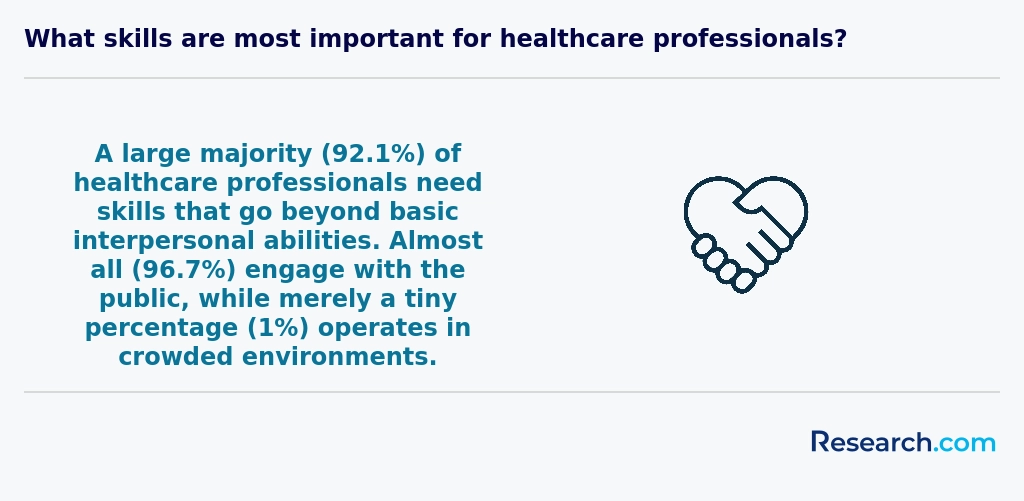
Employers in Tennessee highly value healthcare degree graduates who demonstrate strong clinical skills paired with effective communication abilities. According to the Tennessee Department of Labor and Workforce Development, teamwork and problem-solving competencies are critical in healthcare settings statewide. Graduates must be proficient in patient care techniques while adapting to rapidly evolving medical technologies.
In addition, cultural competence is essential due to Tennessee's diverse population. Employers seek candidates who can provide empathetic care and understand health disparities in rural and urban communities. Leadership skills also stand out, especially for those aiming to advance in healthcare management roles.
Overall, a combination of technical expertise, interpersonal skills, and adaptability forms the core of what Tennessee healthcare employers expect from graduates.
Finding internships in Tennessee related to healthcare degrees requires a strategic approach. Start by exploring partnerships between your online program and local healthcare providers, as many universities collaborate with hospitals and clinics for internship placements.
The Tennessee Department of Health and the Tennessee Hospital Association are useful resources for locating internships. They often publish openings and can connect students with relevant opportunities.
Tennessee's healthcare sector employs over 340,000 people, highlighting numerous possibilities in diverse fields like nursing, public health, and healthcare administration (Tennessee Department of Labor, 2023).
Networking through organizations such as the Tennessee Healthcare Association can also help. Additionally, contacting career services at your institution can provide tailored internship leads.
An online healthcare degree in Tennessee significantly enhances career mobility and advancement opportunities within the state's growing healthcare sector. Tennessee's healthcare industry is one of the fastest expanding, with a projected 15% job growth for healthcare practitioners and technical roles by 2030, according to the Tennessee Department of Labor and Workforce Development.
Graduates with online healthcare degrees often qualify for advanced positions, including administrative leadership, specialized clinical roles, and healthcare policy development. The flexibility of online programs allows working professionals to upskill without disrupting employment, which is vital in Tennessee's competitive job market.
Moreover, accredited online degrees from Tennessee institutions meet state licensure requirements, enabling easier transitions into roles requiring certification. This academic flexibility supports lifelong learning, a key factor in promotions and salary increases across Tennessee's healthcare facilities.
Studying for an online healthcare degree in Tennessee provides strong preparation for interdisciplinary roles by emphasizing collaboration across medical, administrative, and technological fields. Tennessee's healthcare education integrates courses in public health, health informatics, and management, ensuring graduates understand diverse aspects of patient care and system operations.
Programs often incorporate training aligned with state healthcare needs, such as addressing rural health disparities, which affect 14% of Tennesseans according to the Tennessee Department of Health. This focus helps students develop skills for working in teams that include clinicians, social workers, and data analysts.
Additionally, online curricula promote flexible, team-based projects, building communication and leadership abilities essential for interdisciplinary healthcare environments.
When choosing between a thesis and a non-thesis healthcare degree program in Tennessee, students should consider their career goals carefully. A thesis program requires conducting original research, ideal for those pursuing academic or research-oriented roles. Non-thesis programs focus more on practical knowledge and may be better for professionals aiming to advance in clinical or administrative healthcare settings.
In Tennessee, healthcare fields are rapidly growing, with the Tennessee Department of Labor projecting a 17% increase in healthcare occupations by 2030. This growth affects the relevance of practical skills versus research experience.
Additionally, thesis programs often take longer to complete due to the research component, while non-thesis degrees might allow faster graduation.
Ultimately, reviewing specific program requirements and your professional plans will help guide your decision.
Students based in Tennessee who want to study healthcare abroad while pursuing online degrees have limited direct options due to accreditation and licensing concerns. Many U.S. institutions offering healthcare degrees online emphasize programs primarily licensed for Tennessee or other domestic states. However, some universities partner with foreign institutions, allowing students to gain international exposure through virtual exchange or clinical placements.
According to the Tennessee Higher Education Commission, approximately 20% of healthcare students express interest in international experience. While fully foreign online healthcare degrees are rare for Tennessee students, global health certificates or modules embedded in U.S.-based online programs are more common.
This approach ensures compliance with Tennessee's healthcare licensure requirements, which are governed by the Tennessee Board of Health and other regulatory bodies. Healthcare students should verify any international component aligns with their personal and professional goals.
Part-time job opportunities in Tennessee that complement healthcare degree education often involve roles in clinical and administrative settings. For example, working as a certified nursing assistant (CNA) or medical assistant provides hands-on experience relevant to many healthcare fields. According to the Tennessee Department of Labor, healthcare support occupations are projected to grow 17% through 2030, highlighting strong demand.
Jobs in telehealth services, which have expanded rapidly, allow students to develop skills in patient communication and digital health technologies. Additionally, roles like medical billing or health information technician help build administrative knowledge essential for healthcare management careers.
Hospitals, clinics, and nursing homes across Tennessee commonly offer such part-time positions, enabling students to balance work with online studies.
Online healthcare students in Tennessee have several networking opportunities despite the virtual format of their programs. Many universities hosting online degrees offer access to virtual career fairs and webinars featuring healthcare industry leaders. These events help students connect with professionals statewide.
Tennessee is home to over 380 hospitals and healthcare systems, creating a broad network for clinical placements and internships. Online students often benefit from partnerships between their schools and local healthcare providers, facilitating real-world experience and professional introductions.
Additionally, statewide organizations like the Tennessee Nurses Association and Tennessee Hospital Association provide memberships and events open to online students, allowing active engagement in the professional community.
Resources such as LinkedIn groups focused on Tennessee healthcare professionals further support networking efforts beyond campus, increasing job prospects and mentorship availability.
Alumni networks provide crucial support to online healthcare degree students in Tennessee by connecting them with experienced professionals. These networks often include healthcare leaders working in major Tennessee hospitals and health systems, offering valuable industry insights and mentorship.
Participation in alumni events allows students to expand their professional contacts, which is important in Tennessee's competitive healthcare job market. According to the Tennessee Department of Labor, healthcare roles are among the fastest growing in the state.
Moreover, alumni networks frequently share job openings and continuing education opportunities exclusive to members. This ongoing engagement helps online students stay current with healthcare trends and certifications relevant to Tennessee employers.
Customizing an online healthcare degree in Tennessee allows students to align their education with specific career aspirations. Many programs offer elective courses or specializations in areas such as healthcare administration, nursing leadership, or public health. This flexibility helps students develop skills directly relevant to Tennessee's healthcare job market.
Additionally, students can often choose capstone projects or practicums that focus on regional healthcare challenges, including rural health issues prevalent in Tennessee. According to the Tennessee Department of Health, healthcare administration and nursing positions are among the state's fastest-growing fields, which influences program options.
By carefully selecting courses and experiential learning opportunities, students can tailor their degrees to meet employer demands and enhance job prospects within Tennessee's healthcare system.
Online healthcare students in Tennessee often face challenges related to clinical placement availability. Since hands-on experience is crucial, finding local healthcare facilities that accept online students for internships can be difficult. This issue is compounded by a statewide shortage of healthcare professionals, as reported by the Tennessee Department of Health. Limited in-person interaction with instructors and peers may also affect student engagement and support. Additionally, technological barriers such as unreliable internet access, particularly in rural areas comprising 40% of Tennessee's counties, can hinder participation in virtual learning activities. Balancing work, family, and study commitments remains a significant challenge for many students enrolled in these programs.
With an online healthcare degree in Tennessee, you can pursue several professional certifications that enhance your career opportunities. Popular certifications include Certified Healthcare Manager (CHM), Registered Health Information Administrator (RHIA), and Certified Professional in Healthcare Quality (CPHQ). These credentials are recognized nationwide and valued in Tennessee's growing healthcare market.
According to the Tennessee Department of Health, the demand for healthcare professionals with advanced certifications continues to rise, especially in administration, informatics, and quality management.
Many online programs prepare graduates to sit for national certification exams, which are often required for leadership roles in hospitals, clinics, and public health organizations.
Applying to an online healthcare program in Tennessee requires careful preparation to stand out. Begin by thoroughly researching accredited institutions, noting that many Tennessee schools partner with the Southern Association of Colleges and Schools Commission on Colleges (SACSCOC) for regional accreditation. Highlight your relevant healthcare experience and academic background clearly in your personal statement, as Tennessee's healthcare sector grew by 8.5% in recent years (Bureau of Labor Statistics, 2023), indicating strong industry demand.
Demonstrate your understanding of local healthcare challenges, such as rural access issues. Provide up-to-date transcripts, letters of recommendation, and any certifications promptly. Clear communication and structured essays increase chances of acceptance in competitive programs like those at the University of Tennessee system.
Healthcare careers are increasingly valued worldwide due to growing demand for skilled professionals. In the United States, including Tennessee, this demand is driven by an aging population and advances in medical technology. According to the Tennessee Department of Labor, healthcare occupations are expected to grow 15% from 2020 to 2030, faster than the average for all occupations.
Global perspectives emphasize the importance of adaptability and cultural competence in healthcare. Professionals often engage in international collaboration to improve patient outcomes. U.S.-based online healthcare degrees, such as those available in Tennessee, prepare students to meet global standards while addressing local needs.
Gaining practical experience while pursuing an online healthcare degree in Tennessee is critical for career success. Many programs require clinical placements or internships that students can complete at approved healthcare facilities within the state. The Tennessee Board of Nursing and related professional boards often guide these hands-on components to ensure they meet state standards.
Students typically partner with local hospitals, clinics, or public health organizations to fulfill clinical hours. For example, Vanderbilt University Medical Center and Erlanger Health System are among major healthcare providers collaborating with online programs.
Additionally, Tennessee's growing healthcare industry, which employs over 300,000 professionals as of 2023, presents ample opportunities for gaining relevant experience.
Choosing the right concentration within an online healthcare degree program in Tennessee involves evaluating your career goals and the state's job market. Tennessee's healthcare sector is growing rapidly, with jobs in nursing, health administration, and public health increasing by over 15% in recent years according to the Tennessee Department of Labor. Consider concentrations that align with high-demand areas, such as healthcare management, clinical practice, or health informatics. Researching program curricula and potential licensure requirements in Tennessee helps ensure your education matches professional standards. Financial factors and program flexibility should also be weighed to support your success while studying online.
Related Healthcare Rankings for Nearby States
- 2027 Most Valuable Online Doctorate in Healthcare Degree Programs Ranking in Kentucky
- 2027 Most Valuable Online Doctorate in Healthcare Degree Programs Ranking in Georgia
- 2027 Most Valuable Online Doctorate in Healthcare Degree Programs Ranking in Missouri
- 2027 Most Valuable Online Doctorate in Healthcare Degree Programs Ranking in Virginia
- 2027 Most Valuable Online Doctorate in Healthcare Degree Programs Ranking in Indiana
- 2027 Most Valuable Online Doctorate in Healthcare Degree Programs Ranking in South Carolina
- 2027 Most Valuable Online Doctorate in Healthcare Degree Programs Ranking in Illinois
- 2027 Most Valuable Online Doctorate in Healthcare Degree Programs Ranking in Ohio
- 2027 Most Valuable Online Doctorate in Healthcare Degree Programs Ranking in Florida
- 2027 Most Valuable Online Doctorate in Healthcare Degree Programs Ranking in Louisiana
Top Trending Healthcare Rankings
See What Experts Have To Say About Studying Healthcare
Read our interview with Healthcare experts

References
- Healthcare Administration Certifications https://www.publichealthdegrees.org/careers/healthcare-administrator/certification/
- HEALTH MANAGEMENT (THESIS / NON-THESIS) - Lisansüstü Eğitim Enstitüsü https://lee.nisantasi.edu.tr/en/health-management-thesis-non-thesis/
- How do you Network as a Student? | Medmentor https://medmentor.co.uk/blog/how-do-you-network-as-a-student
- Highest-Paying Healthcare Degrees Online | EduMed.org https://www.edumed.org/articles/highest-paying-healthcare-degrees/
- You Are the Future of Healthcare - Tennessee Hospital Association https://tha.com/futuretnhealthcareleader/
- MedCerts and Nashville State Partner to Expand Access to High-Demand Healthcare Training in Tennessee https://www.nscc.edu/news/medcerts-nashville-state-partner-to-expand-access-to-healthcare-training.php
- 14 Entry-Level Healthcare Certifications | San Juan College https://www.sanjuancollege.edu/blog/entry-level-healthcare-certifications/
- Global Perspectives – Healthcare Beyond Borders https://www.cedars-sinai.org/international-stories/healthcare-beyond-borders.html
- Niche Market Opportunities Research Among Healthcare Professionals (A Decision Analyst Case History https://www.decisionanalyst.com/casestudies/nichemarketopportunities/
- Trends and opportunities in healthcare across emerging markets - Inizio https://inizio.com/insights/trends-and-opportunities-in-healthcare-across-emerging-markets/


