2027 Most Valuable Marketing Degree Programs Ranking in Seattle

Co-Founder and Chief Data Scientist
If you're considering a marketing degree in Seattle, this article can guide your decision. We present the 2027 Most Valuable Marketing Degree Programs Ranking in Seattle, carefully created by the Research.com team of data scientists. It helps you identify which programs offer the best opportunities and value for your future career.
Getting a marketing degree can open many doors, from creative roles to leadership positions. Reading this ranking will give you clarity and confidence in choosing the right path to reach your goals.
Key benefits of getting marketing degree in Seattle
- Marketing degree graduates in Seattle can earn competitive salaries such as $83,190 annually for roles like Digital Marketing Specialist and Marketing Assistant, and up to $159,420 for Public Relations Specialists, reflecting strong financial benefits.
- A marketing degree opens doors to diverse careers including Sales Associate, Media Planner, and PR Specialist, as seen with graduates from the University of Washington who enjoy vibrant local job opportunities.
- Obtaining a marketing degree online from institutions like Seattle Pacific University offers flexibility and convenience, helping graduates balance work and study while gaining valuable skills recognized by Seattle employers.
- Key benefits of getting marketing degree in Seattle
- What can I expect from marketing degree in Seattle?
- Where can I work with marketing degree in Seattle?
- How much can I make with marketing degree in Seattle?
- 2027 Most Valuable Marketing Degree Programs Ranking in Seattle
- Key Findings
- How long does it take to complete marketing degree in Seattle?
- What's the difference between online and on-campus marketing degree?
- What is the average cost of marketing degree in Seattle?
- What financial aid is available to marketing degree students in Seattle?
- What are the prerequisites for enrolling in marketing degree program in Seattle?
- What courses are typically in marketing degree programs in Seattle?
- What types of specializations are available in marketing degree programs in Seattle?
- How do you choose the best marketing degree in Seattle?
- What career paths are available for marketing degree students in Seattle?
- What is the job market for marketing degree in Seattle?
- Top Trending Marketing Rankings
- See What Experts Have To Say About Studying Marketing
What can I expect from marketing degree in Seattle?
The average cost of earning a marketing degree in Seattle can vary significantly depending on the type of institution and program. Graduates from well-known programs like the University of Washington's Michael G. Foster School of Business often report tuition and fees around $30,000 to $40,000 per year for in-state students, while out-of-state students should expect higher costs. Meanwhile, smaller colleges may offer more affordable options ranging between $15,000 and $25,000 annually. These figures generally cover tuition, fees, and basic materials but exclude living expenses, which can be substantial given Seattle's housing market.
Students frequently balance the cost by pursuing internships with companies like Amazon or Starbucks, which not only provide valuable experience but sometimes include stipends or part-time wages. One graduate shared how securing an internship through a university partnership helped offset tuition while building a competitive résumé.
Financial aid, scholarships, and work-study programs are widely available through Seattle institutions, making careful planning crucial. This practical approach allows students to enroll in top-tier marketing programs without excessive debt while capitalizing on the city's rich business ecosystem.
Where can I work with marketing degree in Seattle?
Graduates from Seattle's marketing programs at institutions like the University of Washington or Seattle University find strong job prospects across several vibrant sectors. Many alumni report landing roles at major tech companies such as Amazon and Microsoft, working as digital marketing specialists or product marketers. These positions often involve driving campaigns for cutting-edge products, where analytical skills and creativity come together to shape user engagement strategies.
Others discover rewarding opportunities within Seattle's retail powerhouses like Starbucks and Nordstrom. Here, marketing graduates handle promotions and customer loyalty initiatives, gaining hands-on experience with consumer insights and campaign management. This practical exposure empowers them to contribute directly to brand growth.
Healthcare and biotech companies including Seattle Genetics offer roles focused on communications and public outreach, allowing graduates to combine marketing knowledge with community impact. Meanwhile, creative fields such as local advertising agencies give graduates the chance to develop multi-channel campaigns, sharpening social media and event promotion skills.
Such varied opportunities enable marketing students in Seattle to confidently map their career paths, supported by a job market that is growing steadily and richly interconnected with the city's dynamic industries.
How much can I make with marketing degree in Seattle?
Graduates from marketing programs at Seattle institutions often start their careers with roles such as Marketing Assistants or Digital Marketing Specialists, where mean annual wages hover around $83,190, based on recent U.S. Bureau of Labor Statistics data. This aligns well with the experiences of many local graduates who find entry-level roles in Seattle's thriving tech and retail sectors.
For those aiming higher, roles like Public Relations Specialists offer significantly more, with mean salaries near $159,420 annually. Graduates building communication and strategic skills at popular Seattle colleges enjoy this premium, especially when combining hands-on projects with internships in companies around the city.
Marketing graduates in Seattle benefit from the city's competitive job market; combining their degree with practical skills such as SEO or digital advertising often leads to higher-paying positions. Graduates who engaged in experiential learning or networking through local programs report feeling confident and optimistic about their salary prospects, thanks to Seattle's solid demand for marketing professionals.
Overall, a marketing degree from Seattle-area universities can unlock salaries ranging roughly from $53,000 for entry-level sales associate roles up to over $159,000 with specialization and experience, creating diverse options for career growth.
2027 Most Valuable Marketing Degree Programs Ranking in Seattle
How do we rank schools?
Investing in your education is a significant decision that can shape your future, and the Research.com team understands the importance of making informed choices. To assist prospective students in Seattle, we have meticulously crafted the "2027 Most Valuable Marketing Degree Programs Ranking in Seattle." Our commitment to quality, credibility, and accuracy is reflected in the extensive research and analysis conducted to compile this ranking.
We utilized the following reputable data sources to ensure a comprehensive evaluation of marketing degree programs:
By exploring this ranking, readers will gain valuable insights into the most valuable marketing degree programs available in Seattle, empowering them to make well-informed decisions about their educational investments. For more details on our methodology, please visit our Research.com methodology page.


Key Findings
- Tuition at public universities in Seattle ranges from $11,000 to $39,000 per year, while private schools charge between $35,000 and $50,000 annually.
- Entry-level marketing jobs in Seattle typically pay between $50,000 and $60,000 per year.
- Experienced marketing professionals in the city can earn salaries from $85,000 to $100,000 annually.
- Seattle's job market includes roles like digital marketing specialists, brand managers, and data analysts focused on consumer behavior.
- Local universities offer undergraduate and graduate marketing programs with concentrations such as digital marketing and marketing analytics.
How long does it take to complete marketing degree in Seattle?
Completing a marketing degree in Seattle typically takes about four years if you enroll full-time at popular institutions like the University of Washington or Seattle University. Many graduates share how balancing coursework with local internships gave them a valuable edge, even if it extended their timeline slightly. For those opting for an associate degree at community colleges such as Seattle Central College, the timeframe is usually around two years, offering a quicker path into entry-level marketing roles or a smooth transfer to a four-year school.
Graduate students pursuing an MBA with a marketing focus often finish in one to two years, though part-time and accelerated programs allow greater flexibility for working professionals. Graduates explain that managing part-time study, often paired with Seattle's dynamic job market, can stretch completion time but makes learning more meaningful and applicable.
Deciding between full-time or part-time, considering internships, and choosing program formats-online, hybrid, or in-person-are key. Many Seattle students find that this tailored approach keeps their enthusiasm high while balancing personal and professional commitments.
What's the difference between online and on-campus marketing degree?
Choosing between online and on-campus marketing degrees in Seattle hinges on how you want to balance interaction, flexibility, and cost. On-campus students at schools like the University of Washington benefit from face-to-face classes, direct access to professors, and networking events with local companies such as Amazon and Microsoft. Graduates often share how these connections led to valuable internships and job offers, making the on-campus experience feel immersive and motivating.
Online programs, meanwhile, offer unmatched flexibility, especially for those juggling work or family. A graduate from an online marketing certificate program at a Seattle community college described completing assignments late at night while managing a full-time job, appreciating the ability to learn at their own pace without daily commutes.
Cost differences also matter: in Seattle, community college online certificates can cost $5,000-$10,000 annually versus $15,000-$40,000 typical for on-campus bachelor's degrees. Both offer similar core marketing content, but hands-on projects tied to Seattle's market are more common on campus, giving those students an edge in real-world experience.
What is the average cost of marketing degree in Seattle?
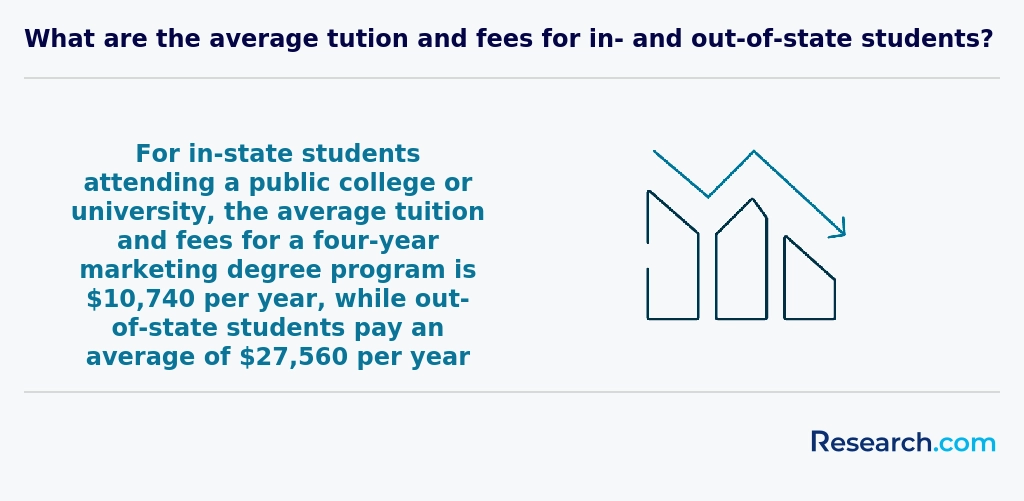
When planning for a marketing degree in Seattle, the average cost is an essential consideration. On average, in-state students typically face total costs around $34,847, while out-of-state students may see expenses closer to $67,864. These figures include tuition, fees, and essential educational expenses. For instance, graduates from the University of Washington recall the balance of in-state tuition that remains affordable compared to private options, making their educational journey feel achievable without overwhelming debt.
Seattle marketing degree tuition and fees vary significantly depending on the institution. Private colleges, like Seattle University, naturally come with higher price tags, often near $50,000 just for tuition annually. However, many students highlight that scholarships and work-study programs can meaningfully reduce these costs. A common approach among local marketing students is to combine financial aid with living arrangements shared with friends to manage the higher cost of room and board in Seattle, which adds roughly $15,000 annually.
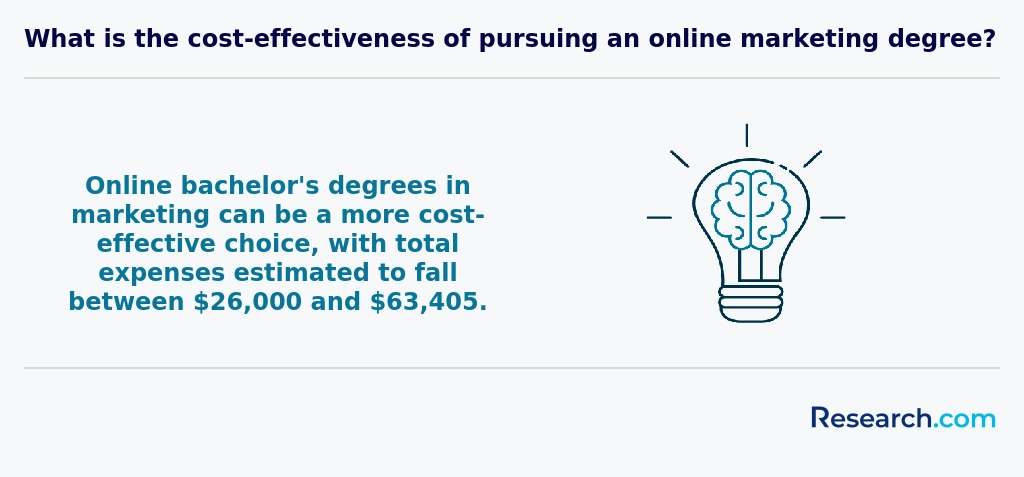
For those weighing their options, considering an accredited accelerated bachelor degree online could offer a more flexible and sometimes less costly path. This can be especially practical for students balancing work and study while minimizing additional living expenses. Overall, understanding the average cost of marketing degree in Seattle allows pragmatic planners to craft a budget that aligns with their career ambitions and lifestyle preferences.
What financial aid is available to marketing degree students in Seattle?
When pursuing a marketing degree in Seattle, start by applying for federal aid through FAFSA. Graduates from the University of Washington share that receiving Pell Grants-offering up to $7,395 annually-made a significant difference in managing tuition costs. Next, explore Washington State programs like the College Bound Scholarship and State Need Grant, which many students at Seattle Central College have successfully used to reduce their financial burden.
Don't overlook institution-specific scholarships. At UW, substantial funds are earmarked for business majors, including marketing students, rewarding both merit and financial need. Local scholarships from community organizations targeting marketing students are another practical avenue. For instance, those attending Seattle University often find helpful grants through Seattle-based foundations.
Many students recommend checking if your employer offers tuition reimbursement programs, which can ease costs significantly if you're working part-time or full-time. Lastly, consider work-study jobs and paid internships, common steps marketing students take to gain experience while supporting themselves financially.
What are the prerequisites for enrolling in marketing degree program in Seattle?
To enroll in a marketing degree program in Seattle, you'll first need a high school diploma or a GED-this is the foundational requirement across institutions. Many graduates from Seattle's popular universities, like those who studied at the University of Washington Seattle campus, recall how having around a 2.5 to 3.0 GPA made their applications competitive without being overwhelming. If your GPA is slightly lower, consider retaking courses or showing improvement with community college credits before applying.
Standardized tests such as the SAT or ACT might be required, but many Seattle schools have become test-optional recently, especially after the pandemic. Graduates emphasize that while test scores can boost your application, schools focus heavily on your overall academic record.
Applicants should also prepare strong letters of recommendation and personal statements. Many find this a chance to share their passion for marketing and showcase communication skills-qualities highly valued by admissions committees. For example, graduates from Seattle's business programs highlight how essays helped them stand out.
Lastly, don't overlook financial planning. Public universities in Washington charge about $11,745 annually for in-state students, while private colleges can exceed $40,000. Realistic budgeting ensures you stay focused on your studies without financial stress.
- High school diploma or GED
- Minimum GPA around 2.5 to 3.0
- SAT or ACT scores (varies by institution)
- Letters of recommendation and personal statement
- Financial planning for tuition and related costs

What courses are typically in marketing degree programs in Seattle?
Marketing degree programs in Seattle commonly include courses like Principles of Marketing, Consumer Behavior, and Market Research & Analytics. Graduates from universities such as the University of Washington report that these foundational courses helped them grasp how customers think and how to base decisions on real data. For example, a course in Digital Marketing often involves hands-on projects creating real social media campaigns, which many students find exciting and practical in Seattle's tech-driven market.
Advertising and Promotion classes let students design campaigns targeting local audiences, making lessons feel relevant and motivating. Sales Management and Marketing Strategy courses give you tools to lead teams and craft comprehensive plans, skills graduates say have directly boosted their confidence entering Seattle's competitive job market.
Since many Seattle colleges collaborate with local businesses, students frequently apply their classroom knowledge in internships, enhancing their learning experience. Electives like Business Ethics and emerging topics such as AI in marketing add valuable depth, preparing you to navigate the evolving marketing landscape in Seattle successfully.
What types of specializations are available in marketing degree programs in Seattle?
Marketing degree specializations in Seattle commonly include digital marketing, marketing analytics, and brand management. Graduates from local universities often highlight how digital marketing courses prepared them to handle real-world challenges like crafting social media campaigns for Seattle-based startups and tech companies. Marketing analytics, another strong focus, equips students with skills in tools like Google Analytics, enabling data-driven decisions important in Seattle's tech-driven economy.
Seattle marketing program concentration options also extend to green and ethical marketing, reflecting the city's progressive, environmentally-conscious culture. Many students feel motivated creating sustainable marketing campaigns that align with local values, which can be a powerful differentiator in job interviews.
International marketing and retail marketing are additional paths, benefiting those targeting global markets or Seattle's robust retail scene. Many graduates mention how combining these specializations with hands-on projects at well-known Seattle colleges gave them confidence entering competitive fields. For anyone still deciding, exploring what's the easiest bachelor's degree to get helps clarify their best route forward.
How do you choose the best marketing degree in Seattle?
Start by focusing on schools in Seattle that offer strong marketing programs with solid industry connections. Graduates from the University of Washington often praise the hands-on experience gained through internships with companies like Amazon, which is invaluable for turning theory into practice. Look for programs that balance foundational marketing skills with emerging trends like digital marketing and data analytics, as these align well with Seattle's tech-driven economy.
Next, consider affordability carefully. Many students search for affordable marketing colleges Seattle to manage both tuition and the city's higher living costs. Exploring options such as community colleges or online pathways can reduce expenses. For example, students aiming for an economical route might explore the cheapest associate degree programs that still provide relevant marketing foundations.
Finally, ensure the program offers flexibility, such as evening or online classes, which allows you to work while studying. Positive post-graduation experiences often mention career services that connect graduates to Seattle's competitive job market where marketing salaries can be notably rewarding.
What career paths are available for marketing degree students in Seattle?
Graduates with a marketing degree in Seattle find several practical career paths aligned with the city's evolving market. Digital marketing roles stand out, especially for those who enjoyed hands-on projects like managing social media campaigns during their studies at local institutions such as the University of Washington. These roles cover SEO, email campaigns, and paid media strategies tailored to Seattle's tech-focused scene, offering great opportunities for those seeking innovative marketing career opportunities in Seattle.
Brand management and market research offer stable paths as well. Graduates who interned with consumer goods companies in Seattle report excitement working on campaigns that directly impact product perception. Many find roles as marketing analysts, using data analytics to predict customer trends-skills honed in coursework and real-world projects, which strongly boost Seattle marketing degree job prospects.
For those aiming to merge marketing and sales, becoming a sales manager in Seattle's competitive business environment is a solid option. Others discover rewarding roles in public relations or advertising, especially within local nonprofits. If you're exploring your options, consider checking out top colleges online that offer flexible marketing degree programs suited to Seattle's job market.
What is the job market for marketing degree in Seattle?
The job market for marketing degree holders in Seattle is notably strong, reflecting the city's diverse economy and the presence of major tech companies like Amazon and Microsoft. Graduates from popular Seattle institutions often find opportunities immediately after their studies, especially those who leverage internships or cooperative education programs connected to local firms. This practical experience is key to landing roles in digital marketing, SEO, and brand management, areas that are in high demand.
For students aiming to enter this field, understanding Seattle marketing degree employment outlook helps focus efforts on acquiring skills like data analytics and social media strategy, which employers actively seek. Many graduates report that networking through local marketing associations opened doors to roles in healthcare and aerospace industries, further expanding their options. Tuition costs can be offset by choosing from various accredited trade schools online or nearby universities that offer strong connections to the job market.
Seattle's market remains competitive yet accessible with entry-level marketing coordinators earning salaries starting near $60,000, growing rapidly with experience. Staying updated with industry trends and maintaining professional contacts proves essential for long-term success in this thriving environment.
Frequently Asked Questions About marketing
Marketing degree students in Seattle can maximize their learning by combining classroom knowledge with practical experience. Seattle's vibrant economy, led by tech giants and startups, offers numerous internship opportunities in marketing and advertising. According to the Seattle Office of Economic Development, internships can improve job placement rates by up to 30%.
Students should also engage with local professional groups such as the American Marketing Association's Seattle chapter to build networks and attend workshops. Additionally, Seattle's access to data-driven industries enables students to gain skills in digital marketing and analytics, which are highly valued in the job market.
Lastly, leveraging Seattle's diverse business environment through case studies and projects enhances critical thinking and adaptability, essential traits for a successful marketing career.
The marketing landscape in Seattle is evolving rapidly, with several emerging niches gaining prominence. One key area is digital marketing analytics, where professionals leverage data to create targeted strategies. According to the 2023 Seattle Tech Report, jobs in this field have grown by 18% in the last two years. Another growing niche is sustainable marketing, reflecting Seattle's strong environmental values and corporate responsibility trends in local businesses. Additionally, influencer marketing continues to expand, driven by Seattle's vibrant tech and creative startups. These niches represent promising paths for students pursuing marketing degrees to align with the city's dynamic economic environment.
After completing a marketing degree in Seattle, preparing for the job market involves strategic steps tailored to the region's dynamic business environment. Seattle hosts numerous global companies like Amazon and Microsoft, making networking essential. Graduates should attend local marketing events, join professional groups like the American Marketing Association's Seattle chapter, and leverage LinkedIn connections.
Internships and co-op programs during studies provide practical experience and often lead to job offers. According to the U.S. Bureau of Labor Statistics, Seattle's marketing job market is projected to grow 8% through 2031, slightly faster than the national average.
Building skills in digital marketing, data analytics, and content creation aligns with local employer demands. Seattle's competitive job market benefits from a strong portfolio showcasing relevant projects and measurable results.
Employers in Seattle's marketing sector prioritize several core skills in graduates holding marketing degrees. Strong digital marketing expertise is essential, especially proficiency in SEO, social media platforms, and data analytics. According to a 2023 report by the Seattle Marketing Association, 78% of local employers seek candidates who can analyze consumer data to inform campaigns.
Communication skills are also highly valued. Graduates must effectively craft messages for diverse audiences and collaborate across teams. Creativity paired with critical thinking enables marketing professionals to develop innovative strategies in Seattle's competitive tech-driven market.
Additional sought-after skills include project management and adaptability, as the marketing landscape changes rapidly. Familiarity with marketing software like Google Analytics, HubSpot, and Adobe Creative Suite significantly boosts employability.
Finding internships in Seattle related to a marketing degree involves leveraging local resources and networking opportunities. Seattle's economy is robust, with marketing roles in technology, retail, and media sectors offering practical experience. Websites like Handshake and the University of Washington's career portal list marketing internships specific to the region. According to the Seattle Metropolitan Chamber of Commerce, over 40% of local startups seek marketing interns annually.
Additionally, attending industry events and joining professional groups such as the American Marketing Association's Seattle chapter can expose students to internship openings. Contacting alumni from local marketing programs often leads to valuable connections. Internships with companies like Amazon, Microsoft, and Starbucks remain highly sought after for marketing students in Seattle.
A marketing degree in Seattle significantly enhances career mobility and advancement opportunities within the city's dynamic business environment. Seattle's diverse economy, including technology, retail, and healthcare sectors, actively seeks marketing professionals with formal education. According to the Bureau of Labor Statistics, marketing manager roles in the Seattle metropolitan area are projected to grow 7% through 2031, higher than the national average.
Graduates with marketing degrees often gain access to mid- and senior-level positions, where strategic decision-making and digital marketing skills are valued. Local universities and colleges also cultivate strong employer connections, facilitating internships and networking.
Overall, earning a marketing degree in Seattle can provide competitive advantages in job placement and promotions amid a growing demand for skilled marketers.
Studying for a marketing degree in Seattle equips students with skills that span multiple disciplines. Many Seattle programs emphasize collaboration between marketing, data analytics, technology, and design, reflecting the city's robust tech and creative industries. According to the Seattle Metro Chamber, over 50% of local marketing jobs require proficiency in digital tools and data interpretation, encouraging interdisciplinary learning.
Courses often integrate real-world projects involving partners like Amazon and Microsoft, allowing students to apply marketing strategies alongside IT and business insights. This approach fosters adaptability, a key trait for roles combining marketing with product development, UX/UI, or data science.
The city's dynamic job market also exposes students to cross-functional teams, preparing them for diverse professional environments.
When choosing between a thesis and a non-thesis marketing degree program in Seattle, consider your career goals and learning preferences. Thesis programs typically demand original research, suitable for students aiming at doctoral studies or research-intensive roles. Non-thesis options often focus on practical skills and internships, appealing to those seeking immediate employment in Seattle's dynamic marketing sector.
According to the U.S. Bureau of Labor Statistics, Seattle's marketing-related jobs are expected to grow by 9% through 2030, emphasizing practical experience. Local institutions like the University of Washington offer both formats, allowing flexibility. Reviewing program curriculum, faculty expertise, and available resources can help you decide which path aligns best with your objectives.
Students based in Seattle who wish to study marketing abroad have several practical options through U.S. higher education partnerships. Many Seattle universities, including the University of Washington, offer study abroad programs that allow students to earn credits towards their marketing degree while gaining international experience.
These programs often include internships or coursework in leading global business hubs such as London, Paris, or Hong Kong, broadening understanding of international marketing strategies. According to NAFSA, about 10% of U.S. undergraduates participate in study abroad, making it a common path for Seattle students seeking global exposure.
Additionally, some institutions facilitate semester-long exchanges with foreign universities accredited in business, which can enhance a student's resume in a competitive marketing job market like Seattle's.
Seattle offers a variety of part-time job opportunities that align well with marketing degree studies. Popular roles include social media assistant positions, where students help companies maintain their online presence. This experience is valuable, as 73% of Seattle businesses prioritize digital marketing strategies, according to the Seattle Metropolitan Chamber of Commerce (2023).
Internships with local marketing firms or startups also provide hands-on exposure to market research and campaign development. Additionally, roles in retail marketing or event promotion enable students to understand consumer behavior and advertising tactics in real time.
These jobs help build practical skills while networking within Seattle's vibrant business community, often boosting future career prospects in marketing.
Marketing students in Seattle benefit from numerous networking opportunities thanks to the city's vibrant business ecosystem. Seattle hosts many marketing-focused events, such as meetups organized by the American Marketing Association (AMA) Seattle chapter, which regularly attracts local professionals and students. According to the AMA Seattle website, their events provide valuable chances to connect with industry leaders and hone professional skills.
Several universities, including the University of Washington, offer career fairs and networking sessions tailored to marketing students. These events link students with recruiters from major Seattle companies like Amazon and Microsoft. Additionally, internship programs in Seattle's tech and retail sectors offer hands-on experience and help build professional networks.
Professional conferences held in Seattle, such as the annual Digital Marketing Summit, draw thousands of marketing experts, providing students with exposure to current trends and networking possibilities.
Alumni networks play a crucial role for marketing degree students in Seattle by providing valuable connections within the local industry. These networks often include Seattle-based marketing professionals who offer mentorship, internships, and job opportunities, which are vital in a competitive market. According to a 2023 report from the Seattle Metropolitan Chamber of Commerce, over 65% of marketing jobs in the area are filled through personal referrals, underlining the importance of strong alumni ties.
Students benefit from events and workshops hosted by alumni associations, which help develop skills and insights into current marketing trends specific to Seattle's tech-driven economy. Networking through alumni can lead to collaborations and business ventures as well.
Institutions in Seattle emphasize fostering lifelong relationships, making alumni networks a strategic asset for career growth in marketing.
Customizing a marketing degree in Seattle allows students to align their education with specific career goals. Many local universities offer flexible course options, including concentrations in digital marketing, consumer behavior, and brand management. Students can often choose electives that focus on emerging industry trends such as social media analytics or sustainable marketing.
Seattle's dynamic tech and retail industries support experiential learning through internships and cooperative programs, providing hands-on experience. According to the Bureau of Labor Statistics, marketing roles in the Seattle metropolitan area are growing faster than the national average, making specialized skills highly valuable.
Additionally, networking opportunities with local businesses and participation in marketing clubs or competitions further help tailor the program toward practical career skills.
Marketing students in Seattle often face challenges related to the city's competitive job market. With Seattle being home to major companies like Amazon and Microsoft, students must develop advanced digital marketing skills to stand out. According to the Bureau of Labor Statistics, marketing-related roles in Seattle are projected to grow by 10% over the next decade, increasing demand for qualified graduates.
Additionally, the high cost of living in Seattle affects students financially, requiring many to balance work and study. Students also report difficulty accessing local internships due to strong competition, limiting practical experience opportunities vital for career advancement.
Moreover, rapid changes in marketing technology require continuous learning, which can be overwhelming without strong institutional support. Finally, networking in Seattle's fast-paced marketing environment is essential but challenging for those new to the area.
Graduates with a marketing degree in Seattle have several professional certification options to enhance their careers. Common certifications include the American Marketing Association's Professional Certified Marketer (PCM), which covers essential marketing knowledge and skills. Additionally, many pursue the Google Ads Certification to demonstrate expertise in digital advertising, critical in Seattle's vibrant tech-driven market.
The HubSpot Content Marketing Certification is popular for inbound marketing skills. Data from the U.S. Bureau of Labor Statistics highlights that marketing managers in Seattle earn a median annual wage of $142,000, and certifications can boost hiring potential.
Writing a winning application for a marketing program in Seattle requires clear demonstration of your passion and relevant skills. Start with a strong personal statement outlining your career goals and why Seattle's dynamic market, shaped by companies like Amazon and Starbucks, motivates your choice. Highlight any local internships or projects, as Seattle's marketing sector emphasizes digital and experiential marketing skills.
Ensure your resume reflects coursework in data analysis, consumer behavior, and advertising. According to the Bureau of Labor Statistics, marketing jobs in Seattle are expected to grow faster than the national average, making practical experience crucial.
Additionally, obtain strong recommendation letters that speak to your creativity and strategic thinking. Proofread carefully to present a professional application that stands out in Seattle's competitive higher education environment.
The global view of a marketing career is expanding rapidly, influenced by digital transformation and international trade. In the United States, including Seattle, marketing professionals must understand diverse markets and consumer behaviors worldwide. According to the U.S. Bureau of Labor Statistics, marketing managers in the U.S. earn a median annual wage of over $135,000 as of 2023, showing strong career potential.
Seattle's vibrant tech industry, led by companies like Amazon and Microsoft, creates unique marketing opportunities that require global awareness. Skills in digital marketing, data analytics, and cross-cultural communication are increasingly valued. Students with marketing degrees in Seattle can expect to engage with global trends through coursework and internships.
Educational programs often emphasize global case studies and use resources like the American Marketing Association to stay connected with international marketing practices. This prepares graduates to work confidently in both local and global contexts.
Students pursuing a marketing degree in Seattle can gain practical experience through internships, cooperative education programs, and local business partnerships. Seattle's strong economy, with major companies like Amazon and Microsoft nearby, offers abundant internship opportunities in digital marketing, brand management, and analytics. According to the Seattle Metropolitan Chamber of Commerce, over 60% of marketing students secure internships before graduation, enhancing their resumes and professional skills.
Many universities and colleges in Seattle have career centers that connect students to internships and networking events. Participating in student-run marketing clubs and attending local industry conferences also allows students to build real-world skills. Volunteering for startups or nonprofits in Seattle further enriches practical experience, enabling students to apply classroom knowledge to live projects.
Choosing the right concentration within a marketing degree program in Seattle depends on your career goals and local industry demands. Seattle's robust tech scene creates strong opportunities in digital marketing, data analytics, and e-commerce. According to the Puget Sound Business Journal, digital marketing roles in Seattle have grown by over 20% in recent years, reflecting the city's focus on technology-driven campaigns.
Students should consider concentrations like social media marketing, marketing analytics, or brand management, aligning studies with Seattle's leading companies such as Amazon and Microsoft. Practical experience through internships is vital, as the regional job market values hands-on skills.
Review program offerings carefully; some schools provide specialized courses tailored to Seattle's economic landscape, which can enhance job prospects after graduation.
Related Marketing Rankings for Nearby Cities
- 2027 Most Valuable Marketing Degree Programs Ranking in Salt Lake City
- 2027 Most Valuable Marketing Degree Programs Ranking in Los Angeles
- 2027 Most Valuable Marketing Degree Programs Ranking in Denver
- 2027 Most Valuable Marketing Degree Programs Ranking in San Diego
- 2027 Most Valuable Marketing Degree Programs Ranking in Minneapolis
- 2027 Most Valuable Marketing Degree Programs Ranking in Saint Paul
- 2027 Most Valuable Marketing Degree Programs Ranking in Edmond
- 2027 Most Valuable Marketing Degree Programs Ranking in Springfield
- 2027 Most Valuable Marketing Degree Programs Ranking in Dallas
- 2027 Most Valuable Marketing Degree Programs Ranking in Milwaukee
Top Trending Marketing Rankings
See What Experts Have To Say About Studying Marketing
Read our interview with Marketing experts

Aidin Namin, Ph.D.
Marketing Expert
Associate Professor of Marketing Analytics
Loyola Marymount University

Sonya A. Grier, Ph.D.
Marketing Expert
Professor, Department of Marketing
American University

References
- Outstanding Job Application Letter for Marketing Manager | Cover Letter Copilot https://coverlettercopilot.ai/blog/job-application-letter-marketing-manager
- 15 Marketing Certifications to Build Must-Have 2025 Skills https://www.cmswire.com/digital-marketing/10-marketing-certifications-that-can-help-you-earn-a-better-salary/
- What is a niche market? Types and 26 untapped niches https://clientify.com/en/blog/marketing/what-is-a-niche-market-types-and-examples
- What Careers Can You Expect with a Marketing Degree https://www.global-business-school.org/content-type/blog/what-careers-can-expect-marketing-degree/
- Top Challenges in Digital Marketing Education and How LMS Solves Them https://dev.to/atrixware/top-challenges-in-digital-marketing-education-and-how-lms-solves-them-1adp
- Marketing Manager Salaries State-by-State https://www.allbusinessschools.com/marketing/salary/
- Best Marketing Jobs in Seattle, WA 2025 | Built In Seattle https://www.builtinseattle.com/jobs/marketing
- How to use growth marketing in an alumni network context? - AlumnForce https://www.alumnforce.com/en/how-to-use-growth-marketing-in-an-alumni-network-context/
- How to Set Your Marketing Career Goals (and Actually Achieve Them) - Odeo Academy https://odeoacademy.com/how-to-set-your-marketing-career-goals-and-actually-achieve-them/
- Marketing intern vs marketing student – what they don’t teach you at university https://themarketinggp.com.au/marketing-intern-vs-marketing-student-what-they-dont-teach-you-at-university/