
2027 Easiest Online Doctorate in Nursing Degree Programs Ranking in Massachusetts

Co-Founder and Chief Data Scientist
Exploring advanced nursing education can open exciting career opportunities for students in Massachusetts. This article introduces the 2027 Easiest Online Doctorate in Nursing Degree Programs Ranking in Massachusetts, created by the Research.com team of data scientists. It's designed to help you make an informed choice about which programs truly stand out for accessibility and quality.
By reading this ranking, you'll discover programs that fit your lifestyle and goals, making the journey to earning your nursing doctorate more manageable. Pursuing this degree is a rewarding step toward professional growth and deeper impact in healthcare.
Key benefits of getting online nursing degree in Massachusetts
- Nursing graduates in Massachusetts, such as Advanced Practice Registered Nurses, can expect a mean annual salary of around $128,490, offering strong financial rewards for their dedication and skills.
- Career paths for nursing graduates include roles like Family Nurse Practitioner or Psychiatric Nurse Practitioner, with diverse opportunities at hospitals, clinics, or private practices across the state.
- Completing a nursing degree online, as offered by schools like Simmons University, provides flexible schedules and the chance to balance work and study, making it easier to achieve your goals without sacrificing income.
- Key benefits of getting online nursing degree in Massachusetts
- What can I expect from online nursing degree in Massachusetts?
- Where can I work with online nursing degree in Massachusetts?
- How much can I make with online nursing degree in Massachusetts?
- 2027 Easiest Online Doctorate in Nursing Degree Programs Ranking in Massachusetts
- Key Findings
- How long does it take to complete online nursing degree in Massachusetts?
- Faculty Expertise and Research Opportunities
- What's the difference between online and on-campus nursing degree?
- Understanding the Difference Between an Online DNP and PhD in Nursing
- What is the average cost of online nursing degree in Massachusetts?
- Advantages and Disadvantages of Pursuing an Online Nursing Degree in Massachusetts
- What financial aid is available to online nursing degree students in Massachusetts?
- Key Features of the Easiest Online DNP Programs
- What are the prerequisites for enrolling in online nursing degree program in Massachusetts?
- What courses are typically in online nursing degree programs in Massachusetts?
- What types of specializations are available in online nursing degree programs in Massachusetts?
- How do you choose the best online nursing degree in Massachusetts?
- What career paths are available for online nursing degree students in Massachusetts?
- What is the job market for online nursing degree in Massachusetts?
- Related Nursing Rankings for Nearby States
- Top Trending Nursing Rankings
- See What Experts Have To Say About Studying Nursing
What can I expect from online nursing degree in Massachusetts?
The average cost of an online nursing degree in Massachusetts typically ranges between $20,000 and $50,000, depending on the program level and institution. Graduates from well-known schools such as the University of Massachusetts and Northeastern University often share stories of balancing their rigorous coursework with family life, appreciating how the flexible schedules helped them manage tuition costs through part-time work or employer assistance.
Many students find that although tuition might seem steep initially, the investment pays off quickly through scholarships and financial aid tailored to nursing professionals in Massachusetts. Some community colleges offer more affordable pathways, allowing students to complete prerequisite courses before transferring to larger universities, a strategy praised by graduates for reducing overall debt.
Looking forward, there's growing excitement around partnerships between Massachusetts nursing programs and local healthcare providers aiming to offer paid clinical experiences. This emerging trend could significantly offset expenses and enhance hands-on learning while fostering career connections right in students' communities.
Where can I work with online nursing degree in Massachusetts?
Graduates with an online nursing degree in Massachusetts find themselves stepping into a dynamic healthcare landscape filled with diverse opportunities. Many alumni from well-known programs at institutions like Northeastern University and Simmons University quickly secure roles at prominent Boston hospitals such as Massachusetts General Hospital. These settings allow new nurses to engage hands-on with patient care, fostering rewarding teamwork and rapid skill growth.
Others branch into outpatient clinics or community health centers, where they contribute to vital public health efforts-helping manage chronic diseases or providing preventive care in both urban and rural neighborhoods. The demand for compassionate nurses in nursing homes and long-term care facilities is also rising, offering graduates fulfilling positions addressing the needs of Massachusetts' aging population.
Emerging trends show a surge in home healthcare roles-with many nurses embracing the flexibility to deliver personalized care directly to patients' homes. As graduates navigate these paths, they often share excitement about the meaningful impact they make, the strong local demand, and the balance of professional challenge with personal fulfillment.
How much can I make with online nursing degree in Massachusetts?
Graduates from online nursing degree programs in Massachusetts often find themselves earning competitive salaries right from the start. For example, those stepping into roles like Family Nurse Practitioner or Psychiatric Nurse Practitioner, common career paths after completing degrees from well-known institutions such as Northeastern University or University of Massachusetts Boston, can expect mean annual wages near $128,490 according to recent data. These figures reflect the high demand for advanced practice nurses in metropolitan hubs like Boston, where healthcare needs and living costs are substantial.
Many graduates share how flexible online programs helped them balance work and study while positioning them for roles with higher pay. Imagine a nurse completing a Master of Science in Nursing online at Simmons University and quickly advancing to an Adult Nurse Practitioner role, confident of a $61.78 hourly wage. This blend of practical experience and academic achievement drives not only immediate income but also sets a positive outlook for salary growth as the state forecasts a 15% rise in nursing jobs through 2030.
Such trends highlight the powerful combination of Massachusetts' advanced healthcare infrastructure and the accessibility of online degrees. Graduates find their efforts rewarded with substantial earnings and burgeoning opportunities, fueling optimism about future roles in specialties like Acute Care Nurse Practitioner.
2027 Easiest Online Doctorate in Nursing Degree Programs Ranking in Massachusetts
How do we rank schools?
Investing in your education is a significant decision that can shape your future, and the Research.com team understands the importance of making informed choices. To assist prospective students in Massachusetts, we have meticulously crafted the "2027 Easiest Online Doctorate in Nursing Degree Programs Ranking in Massachusetts." Our commitment to quality, credibility, and accuracy is reflected in the extensive research and analysis conducted to compile this ranking.
We utilized the following reputable data sources to ensure a comprehensive evaluation of nursing doctorate programs:
By exploring this ranking, readers will gain valuable insights into the easiest online doctorate in nursing programs available in Massachusetts, empowering them to make well-informed decisions about their educational journey. For more details on our methodology, please visit our Research.com methodology page.


Key Findings
- Online nursing programs in Massachusetts include ADN, BSN, and advanced degrees like DNP, offering flexibility for working students.
- BSN tuition ranges from $15,000 to $45,000, while graduate-level degrees often cost over $40,000.
- Massachusetts employs over 100,000 registered nurses, with job growth expected to increase by 15% in the next decade.
- Starting salaries for new nurses average around $75,000 annually, with experienced nurses earning over $100,000.
- Licensure requires passing the NCLEX-RN and meeting clinical hours, which many programs support through local partnerships.
How long does it take to complete online nursing degree in Massachusetts?
Completing an online nursing degree in Massachusetts typically spans from two to four years, depending on the level of study and program flexibility. For example, graduates from well-regarded institutions like Northeastern University and UMass Amherst often share how an associate degree took about two years full-time. Many appreciated the option to extend to three years part-time, balancing work and family while gaining essential clinical experience onsite.
Bachelor's degree students pursuing RN-to-BSN pathways frequently finish within 12 to 24 months, benefiting from credit transfers and accelerated online formats favored at schools like Simmons University. These programs empower working nurses to feel confident and motivated as they swiftly advance their careers without sacrificing job commitments.
For master's and doctoral candidates, such as those enrolling at Boston College's online MSN or DNP programs, durations vary from 1.5 to 4 years, often part-time. Alumni highlight their pride in managing rigorous clinical hours combined with virtual classes, describing moments of personal growth and accomplishment amidst busy schedules.
Massachusetts students consistently value these adaptable timelines, knowing clinical requirements are thoughtfully integrated for real-world readiness, making their online nursing journeys both challenging and deeply rewarding.
Faculty Expertise and Research Opportunities
A hallmark of the top online doctorate in nursing programs in Massachusetts is the depth and diversity of faculty expertise and the robust research opportunities they provide. Faculty members often hold terminal degrees (Ph.D., DNP) from accredited institutions and maintain active roles in clinical practice, ensuring coursework remains aligned with the latest evidence-based standards. With student-to-faculty ratios typically ranging from 8:1 to 15:1, doctoral candidates receive individualized mentorship, enabling close collaboration on research projects, grant proposals, and peer-reviewed publications. Research centers associated with these programs cover a spectrum of nursing specialties-ranging from informatics and health policy to advanced clinical practice in midwifery and anesthesia. For those focused on gerontological nursing, faculty-led studies explore aging populations, chronic disease management, and end-of-life care innovations. Students specializing in gerontology can also explore potential earnings and career trajectories by reviewing masters in gerontology salary, helping align their research focus with market demand. Moreover, many programs offer interdisciplinary research opportunities in partnership with public health schools, engineering departments (for simulation technology), and social science units, fostering a holistic approach to nursing scholarship. Doctoral candidates often present findings at national conferences-such as the American Nurses Association or Sigma Theta Tau-and contribute to policy white papers that shape healthcare delivery at state and federal levels. This rich academic environment not only enhances your résumé but also cultivates leadership skills essential for driving innovation and improving patient outcomes across diverse care settings.
What's the difference between online and on-campus nursing degree?
Online nursing degrees in Massachusetts offer a uniquely flexible experience, allowing students from institutions like the University of Massachusetts Amherst or Simmons University to balance studies with work or family life. Graduates often describe the ability to access lectures and assignments anytime as freeing, fitting education around their busy schedules. In contrast, on-campus programs, such as those at Boston College, provide immersive face-to-face interactions that foster deeper connections with faculty and peers, critical for some students' motivation and confidence.
Regardless of format, all nursing students must complete hands-on clinical hours at local healthcare facilities, ensuring vital real-world experience. Online students appreciate the hybrid approach where digital learning meets practical training nearby, often curated to suit their community's needs. Financially, online learners note savings on commuting and campus fees but find tuition costs similar to on-campus programs, justifying their choice by the lifestyle flexibility.
This blend of evolving technology and traditional training in Massachusetts nursing programs continues to empower diverse learners while meeting stringent licensure standards statewide.
Understanding the Difference Between an Online DNP and PhD in Nursing
When pursuing a nursing doctorate, it’s crucial to distinguish between the Doctor of Nursing Practice (DNP) and the Doctor of Philosophy (PhD) in Nursing. The DNP is a practice-focused degree designed to prepare nurses for the highest level of clinical leadership, policy implementation, and evidence-based practice. Core coursework often includes advanced health systems leadership, quality improvement, and population health, with a capstone project that directly impacts patient outcomes. In contrast, a PhD in Nursing emphasizes research, theory development, and the generation of new knowledge. PhD students engage in rigorous methodological training, conduct original research, and defend a dissertation that contributes to academic literature. Career outcomes vary: DNP graduates typically step into roles such as executive nurse leaders, clinical nurse specialists, or advanced practice registered nurses (APRNs), while PhD holders often pursue academic positions, lead research teams, or work in health policy analysis. Program lengths also differ-online DNP programs generally require 1.5 to 3 years of full-time study, whereas online PhD tracks can span 3 to 5 years, depending on dissertation scope. Cost considerations should align with your professional goals. If maximizing affordability is a priority, you might explore comparative rankings like the Inexpensive Online Nursing Degree Programs Ranking in Arkansas to identify budget-friendly options. Accreditation remains non-negotiable: ensure your program holds CCNE or ACEN approval and state authorization for clinical placements. Ultimately, choose a DNP if you aim to transform clinical practice and health systems, and opt for a PhD if your passion lies in research, teaching, and scholarly publication. Both paths demand dedication, but aligning your doctorate choice with your long-term vision will maximize return on investment and career satisfaction.
What is the average cost of online nursing degree in Massachusetts?
The average cost of an online nursing degree in Massachusetts typically centers around $43,200 for full programs, reflecting a balanced investment in high-quality education. Graduates of well-regarded institutions, such as those popular in Massachusetts, often express satisfaction with the value and flexibility that online formats provide, allowing them to balance work and family while advancing their careers. For many, this cost is a strategic decision, especially when compared to the expenses of on-campus programs and the savings from reduced commuting and housing fees.
Students pursuing online nursing degrees in Massachusetts find options across various levels, from RN-to-BSN completion to advanced degrees like the Doctor of Nursing Practice. Those considering affordable online nursing doctorate programs MA report that while the tuition might be substantial, the opportunity to study remotely and access state-specific financial aid programs softens the financial impact. This creates a promising future where more nurses can advance their qualifications without uprooting their lives.
Personal stories from recent online nursing program completers highlight how flexible schedules have helped them manage clinical hours and coursework effectively, often through renowned Massachusetts colleges with strong nursing reputations. The ability to connect with peers and instructors virtually also fosters a supportive community despite physical distance.
For students aiming to compare costs or seek alternatives, reviewing a list of best online nursing programs in california may provide insight into broader pricing trends while keeping focus on Massachusetts-specific opportunities.
Advantages and Disadvantages of Pursuing an Online Nursing Degree in Massachusetts
Pursuing an online nursing degree in Massachusetts can have several advantages, including flexibility and convenience, allowing students to balance coursework with work and family responsibilities. Online nursing programs can also provide access to a wide range of resources and support services, such as virtual teaching labs and online discussion boards, which can enhance the learning experience. Additionally, online nursing programs can be more cost-effective than traditional on-campus programs, with reduced costs associated with commuting and relocation. However, there are also some potential disadvantages to consider, such as the need for self-motivation and discipline to stay on track with coursework, and the potential for limited interaction with faculty and peers. Furthermore, some online nursing programs may require students to have a current Certified Nursing Assistant (CNA) certification or equivalent healthcare experience, which can be a barrier for some students. Overall, the decision to pursue an online nursing degree in Massachusetts should be based on a careful consideration of the advantages and disadvantages, as well as the individual's personal and professional goals. Some key points to consider include:
- Flexibility and convenience of online coursework
- Access to a wide range of resources and support services
- Potential for cost savings
- Need for self-motivation and discipline
- Potential for limited interaction with faculty and peers
- Requirements for prior healthcare experience or certification By weighing these factors, individuals can make an informed decision about whether an online nursing degree in Massachusetts is right for them.
What financial aid is available to online nursing degree students in Massachusetts?
Online nursing students in Massachusetts often find financial aid options that meaningfully ease their educational journey. Graduates from institutions like UMass Amherst or Simmons University share how federal Pell Grants accessed through FAFSA made a real difference by reducing the burden of tuition costs upfront. Many also highlight state-specific aid, such as the Massachusetts State Grant Program, which provides valuable need-based support that complements federal funding.
Others recount their positive experiences receiving scholarships from the Massachusetts Board of Registration in Nursing or local nursing associations, which not only helped finance tuition but also fueled their motivation to excel. Working students at colleges like Northeastern University often benefit from employer tuition reimbursement programs, making it feasible to balance work and study without financial stress.
Looking ahead, many online programs are expected to expand institutional scholarships and flexible payment plans, making nursing degrees increasingly accessible across Massachusetts. Additionally, emerging federal loan forgiveness initiatives for nurses who serve underserved communities add a hopeful layer to students' financial planning.
Key Features of the Easiest Online DNP Programs
- Asynchronous, self-paced coursework with multiple cohort start dates, allowing study around work and life commitments
- Flexible clinical practicum scheduling, pairing students with local healthcare facilities to reduce travel time
- Generous credit-transfer policies for previous graduate nursing coursework, shortening time to degree completion
- Minimal or no on-campus residency requirements, often replaced by virtual intensives
- Dedicated academic advisors and technical support teams to guide learners through each step
- Accelerated, competency-based modules that recognize professional experience; explore top accelerated pathways at dnp online
What are the prerequisites for enrolling in online nursing degree program in Massachusetts?
Enrolling in an online nursing degree program in Massachusetts typically starts with having a high school diploma or GED, a foundation many graduates recall as a pivotal stepping stone. Those aiming for advanced degrees often bring prior qualifications or nursing licenses, reflecting a trend among learners at top institutions like UMass Amherst or Simmons University.
Many students appreciate that completing prerequisite courses-such as anatomy, physiology, and microbiology-builds their confidence early on. A graduate recently shared how mastering these subjects remotely eased their transition to clinical topics, showcasing how Massachusetts schools balance rigorous academics with student support.
Health and safety remain front and center. Proof of immunizations and recent TB tests, along with background checks, are common requirements designed to protect students and patients alike during clinical rotations often arranged through local hospitals.
Advances in technology now make high-speed internet and reliable computers indispensable, enabling participation in virtual simulations and interactive lectures. This evolving online environment reflects the forward-thinking approach of Massachusetts nursing programs, blending traditional learning with innovation.

What courses are typically in online nursing degree programs in Massachusetts?
Online nursing degree programs in Massachusetts typically include courses that build a strong foundation while preparing students for real-world healthcare challenges. Graduates from institutions like the University of Massachusetts and Simmons University often describe courses such as Human Anatomy and Physiology as eye-opening, helping them visualize patient care from the inside out.
Courses like Microbiology and Pharmacology have been praised for making complex topics understandable, which boosts confidence when managing infections or medications in clinical settings. Health Assessment classes allow students to practice vital skills through virtual simulations before applying them during in-state clinical rotations, ensuring readiness and reducing anxiety.
Advanced topics like Nursing Leadership and Evidence-Based Practice resonate with students aiming to lead teams or implement research-driven improvements post-graduation. Many find that community health and mental health nursing courses foster empathy and adaptability, especially when preparing to serve Massachusetts' diverse populations.
Online learners appreciate how these programs integrate theory with practical, hands-on experiences in Massachusetts healthcare facilities, creating a flexible yet immersive path toward a rewarding nursing career.
What types of specializations are available in online nursing degree programs in Massachusetts?
Nurses pursuing online nursing degree specializations in Massachusetts often choose from dynamic fields that prepare them to meet the evolving healthcare needs of the state. Graduates from well-known programs at universities across Massachusetts share how specializing as a Family Nurse Practitioner (FNP) allows them to confidently manage primary care for patients of all ages, often balancing this work alongside family life thanks to the program's flexibility.
Other popular choices include Psychiatric-Mental Health Nurse Practitioner (PMHNP) tracks, which empower nurses to support mental health in increasingly diverse urban and rural communities. Adult-Gerontology Nurse Practitioner (AGNP) specializations are gaining attention too, especially due to the state's aging population. Graduates appreciate how this path deepens their understanding of elder care, sometimes linking to promising opportunities such as exploring masters in gerontology salary.
For aspiring nurse educators and tech-savvy professionals, programs offering Nursing Education and Health Informatics specializations open doors to shaping future healthcare delivery and training the next generation of nurses. These paths reflect the growing emphasis on advanced online nursing degree programs Massachusetts offers, aligning with a future-forward approach to healthcare education.
How do you choose the best online nursing degree in Massachusetts?
Choosing the best online nursing degree programs Massachusetts can feel like navigating a complex path, but focusing on accreditation and local relevance helps simplify it. Graduates from popular nursing colleges in Massachusetts often praise programs that are accredited by CCNE or ACEN for providing confidence in their training quality and licensure success. Imagine being able to study flexibly from home while attending clinical sessions at conveniently located healthcare facilities across Massachusetts-this blend of convenience and real-world experience is increasingly common.
Many nursing students share how selecting programs with specialization options aligned with their career goals, such as nurse practitioner tracks or nursing administration, made their studies more engaging and rewarding. Cost is always a consideration; some find that comparing tuition with potential financial aid and scholarships offered by their Massachusetts institutions is key to managing expenses effectively. For those interested in advancing further, looking into affordable online doctorate nursing Massachusetts can be a strategic future investment.
Finally, exploring resources like the Inexpensive Online Nursing Degree Programs Ranking in Arkansas can unexpectedly provide insight into cost-effective program structures and promote thoughtful comparisons, even across states. This forward-thinking approach helps students envision a career path that balances quality education, budget, and flexibility for a thriving nursing future.
What career paths are available for online nursing degree students in Massachusetts?
Graduates with an online nursing degree in Massachusetts can pursue a variety of dynamic career paths that reflect the evolving healthcare landscape. Many find rewarding roles as Registered Nurses (RNs) in hospitals and clinics throughout Boston and beyond, where practical experience blends with high earning potential. Others move toward specialized fields such as Nurse Practitioner or Clinical Nurse Specialist, building on advanced degrees to impact areas like pediatrics or cardiology.
Online students from renowned institutions appreciate the flexibility to enter healthcare administration or education, stepping into leadership or teaching roles that shape the next generation of nurses. The state's strong support for continuing education encourages this progression, with a noticeable rise in graduates who become nurse educators or healthcare managers.
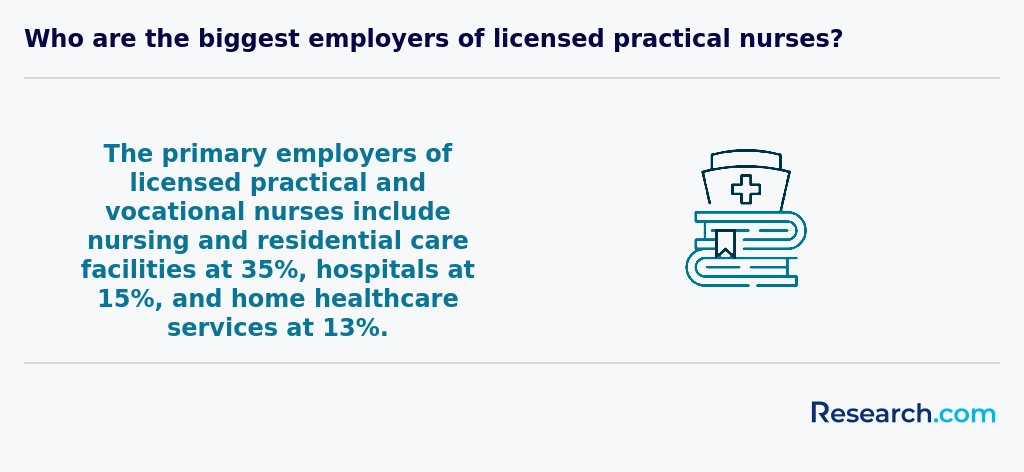
Those seeking alternatives to bedside nursing often become Licensed Practical Nurses, gaining quick entry while planning further advancement. The variety of options, whether in patient care or administration, makes Massachusetts a hopeful environment for those navigating nursing degree careers.
Many students point to their experience at well-known schools-where tuition is balanced by promising career prospects-as a foundation for success, often discovering helpful resources at accredited non-profit colleges that cater specifically to online learners.
What is the job market for online nursing degree in Massachusetts?
The job market for online nursing degree graduates in Massachusetts remains promising, fueled by a growing demand for healthcare professionals at major institutions like Boston College and Northeastern University. Graduates often share how their online programs prepared them to swiftly integrate into roles at hospitals such as Massachusetts General, where attentive care is critical. This momentum aligns with the broader outlook for online nursing job outlook Massachusetts, as state initiatives support expanding nursing workforce capacity and enhancing hiring from diverse candidate pools.
Many nursing students describe feeling confident about licensure success because Massachusetts' rigorous online programs ensure eligibility for the NCLEX-RN exam. These programs also tend to offer competitive tuition and financial support, making them accessible. Graduates find themselves working not only in hospitals but also in community health agencies and outpatient care centers, reflecting expanding job opportunities in various settings.
For students weighing costs and benefits, understanding how nursing education interplays with workforce needs is key. Some also explore high paying certifications alongside their degree to boost their prospects. Overall, those pursuing a nursing degree in Massachusetts today can anticipate thriving employment options backed by a solid state healthcare infrastructure.
Frequently Asked Questions About nursing
Students pursuing online nursing degrees in Massachusetts can enhance their learning by actively engaging with virtual resources and faculty. Leveraging simulation labs offered by many Massachusetts nursing programs can sharpen practical skills, crucial given the state's emphasis on clinical competence. According to the Massachusetts Board of Registration in Nursing, students must complete significant hands-on clinical hours, so seeking local partnerships or approved facilities close to home is vital.
Time management also plays a key role in success. Organizing study schedules around clinical obligations helps balance coursework and practical training. Massachusetts reports a growing demand for nurses, making networking through online forums and local professional groups beneficial for career growth.
The nursing field is evolving rapidly, with several emerging niches gaining importance. In Massachusetts, there is growing demand for nurse practitioners specializing in gerontology, due to the state's increasing elderly population. According to the Massachusetts Department of Public Health, nearly 15% of residents are aged 65 or older, creating new roles focused on elder care.
Another niche is informatics nursing, where professionals integrate healthcare with technology systems to improve patient outcomes. This area is expanding as hospitals adopt electronic health records statewide.
Additionally, psychiatric mental health nursing is a growing specialty, responding to increased awareness and services related to mental health in the region.
After completing an online nursing degree in Massachusetts, preparing for the job market involves several strategic steps. First, graduates should obtain licensure by passing the NCLEX-RN exam, required for Registered Nurse practice in Massachusetts. According to the Massachusetts Board of Registration in Nursing, passing rates for first-time test-takers usually exceed 85%, reflecting strong program quality across the state.
Networking is crucial; joining professional organizations like the Massachusetts Nurses Association offers job leads and career support. Additionally, gaining clinical experience through internships or volunteer work can enhance practical skills.
Keeping certifications current, such as BLS or ACLS, and leveraging job placement services at your school can improve employment prospects in Massachusetts's competitive healthcare market.
Employers in Massachusetts seek several key skills when hiring nursing degree graduates, especially from online programs. Clinical competence remains vital; nurses must demonstrate thorough knowledge of patient care, medication administration, and health assessment techniques.
Communication skills rank highly. According to the Massachusetts Board of Registration in Nursing, clear communication with patients and interdisciplinary teams improves outcomes and safety.
Critical thinking and problem-solving are essential. Nurses frequently encounter complex cases requiring quick, evidence-based decisions.
Adaptability and technological proficiency are increasingly important due to evolving healthcare technologies and electronic health records commonly used in Massachusetts hospitals.
Lastly, empathy and cultural competence help nurses address diverse patient needs in the state's varied communities effectively.
Finding nursing internships in Massachusetts involves leveraging both educational resources and local healthcare systems. Many online nursing degree programs in Massachusetts partner with hospitals and clinics across the state to provide internship opportunities. Students should contact their program coordinators early for guidance on placements. The Massachusetts Board of Registration in Nursing provides lists of approved clinical sites, which can be useful for verification.
Massachusetts has a high concentration of healthcare facilities, including renowned hospitals like Massachusetts General and Brigham and Women's. These institutions often offer internships or clinical rotations for nursing students. Networking through professional nursing associations, such as the Massachusetts Nurses Association, can also uncover internship leads.
Utilizing state career centers and online job boards focused on healthcare can expand internship options. As Massachusetts reports a growing demand for nurses, internships play a key role in gaining practical experience required for licensure and employment, emphasizing the importance of proactive searching.
An online nursing degree in Massachusetts can significantly enhance career mobility by providing flexible access to advanced education without geographic constraints. Registered nurses (RNs) who earn their Bachelor of Science in Nursing (BSN) or higher degrees online often qualify for higher-paying roles. According to the Massachusetts Department of Labor, nurses with a BSN earn approximately 15% more than those with an associate degree.
Advanced degrees such as a Doctor of Nursing Practice (DNP) increase eligibility for leadership positions in hospitals, clinics, and community health settings. Online programs accredited by bodies like the CCNE or ACEN ensure graduates meet state licensure requirements, maintaining professional standards.
Moreover, completion of an online degree can support nurses in meeting the Massachusetts Board of Registration in Nursing's continuing education rules, essential for career advancement in this highly regulated field.
Studying for a nursing degree in Massachusetts equips students with skills essential for interdisciplinary healthcare roles. Many programs emphasize collaboration with professionals in medicine, pharmacy, social work, and public health, reflecting the integrated nature of patient care. Massachusetts nursing schools often include coursework on communication, healthcare policy, and team-based care, which prepares graduates to work effectively across disciplines.
The state's focus on advanced practice nursing aligns with its high density of hospitals and research centers, supporting real-world application of interdisciplinary teamwork. According to the Massachusetts Department of Higher Education, over 70% of nursing graduates engage in collaborative healthcare settings post-graduation. This preparation enhances career versatility and responsiveness to complex patient needs.
When choosing between a thesis and a non-thesis nursing degree program in Massachusetts, consider your career goals first. Thesis programs emphasize research, preparing students for academic or advanced clinical roles. Non-thesis options focus more on practical skills and coursework, suited for leadership or administrative positions.
The Massachusetts Board of Registration in Nursing supports both pathways, recognizing their roles in workforce development. Online programs often mirror this structure, allowing flexibility for working professionals.
Data from the Massachusetts Department of Higher Education shows growing demand for nurse leaders, making both degrees valuable. However, if pursuing a PhD or research career, a thesis is typically required.
Ultimately, weigh your long-term ambitions, time commitment, and interest in research before deciding.
Students based in Massachusetts interested in studying nursing abroad have several pathways, although options for fully online international nursing degrees are limited due to strict licensure requirements. Many Massachusetts nursing programs emphasize clinical experience in the U.S., which is essential for passing the NCLEX-RN exam required for state licensure.
Some universities offer study abroad or exchange programs that allow students to gain healthcare experience internationally while enrolled in U.S. nursing programs. For example, partnerships with institutions in Canada, the United Kingdom, or Australia provide clinical placements matching Massachusetts Board of Nursing standards.
According to the Massachusetts Department of Higher Education, students must ensure that foreign coursework aligns with state requirements to qualify for licensure and future employment locally. International online degrees without accredited clinical components recognized by Massachusetts may not satisfy these criteria.
Part-time roles in Massachusetts that complement nursing degree studies include medical assistant, patient care technician, and home health aide positions. These jobs offer practical experience in clinical settings, essential for developing patient care skills. According to the Massachusetts Executive Office of Labor and Workforce Development, healthcare support roles are growing faster than the average job market, providing stable opportunities for students.
Additionally, pharmacy technician roles are accessible with minimal certification and help enhance understanding of medication management, an important nursing skill. Working part-time in community health centers can expose students to diverse patient populations, strengthening cultural competency. Balancing these jobs with online nursing coursework can improve time management and clinical knowledge, crucial for future nurses in Massachusetts.
Online nursing students in Massachusetts have several valuable networking opportunities despite the virtual format. Many programs offer access to statewide nursing associations such as the Massachusetts Nurses Association (MNA), which has over 25,000 members and routinely hosts virtual and in-person events. These gatherings help students connect with professionals and potential employers.
Additionally, Massachusetts boasts strong partnerships between universities and local healthcare systems. Students can often participate in clinical rotations or internships at prominent Boston hospitals, fostering direct contact with experienced nurses and administrators. Online platforms like webinar series and discussion forums further support networking and professional growth.
According to the Massachusetts Department of Higher Education, nearly 60% of nursing graduates find jobs within three months, partly due to effective networking in the state's healthcare community.
Alumni networks offer significant advantages to online nursing degree students in Massachusetts. These networks create valuable connections among graduates who work in various healthcare settings across the state. According to the Massachusetts Nursing Association, the state employs over 100,000 registered nurses, making alumni connections important for job placement and career advancement.
Through alumni events, webinars, and online forums, students gain access to mentorship and guidance from experienced professionals. This support helps students navigate licensure procedures and adapt to Massachusetts' unique healthcare regulations.
Additionally, alumni networks often share job openings and continuing education opportunities, enhancing students' professional development after graduation.
Customizing an online nursing degree program in Massachusetts begins with choosing a specialization that aligns with your career goals. Many programs offer tracks such as nurse practitioner, nurse educator, or nurse administrator, allowing students to focus on their preferred field.
Students can tailor their curriculum by selecting elective courses that enhance specific skills or knowledge areas. For example, if leadership is a priority, courses in healthcare management or policy may be included.
Clinical requirements in Massachusetts often allow students to complete hands-on experiences locally, giving flexibility while ensuring state licensure standards are met.
To better match workforce demands, consider schools accredited by the Commission on Collegiate Nursing Education (CCNE) or the Accreditation Commission for Education in Nursing (ACEN), both recognized in Massachusetts.
Online nursing students in Massachusetts often face several common challenges. One major issue is balancing clinical hour requirements with remote learning. The Massachusetts Board of Registration in Nursing mandates hands-on clinical experience, which can be difficult to arrange alongside online coursework. Additionally, students report technical difficulties such as unstable internet connections, which can interrupt live lectures or testing.
Another challenge involves time management. Many online nursing students juggle work, family, and school, making it hard to dedicate consistent hours to study. According to a 2023 report from the Massachusetts Center for Nursing, nearly 60% of nursing students work part-time or full-time, increasing stress.
Finally, students sometimes experience limited peer interaction and mentorship opportunities, which are essential for professional development in nursing.
With an online nursing degree in Massachusetts, graduates can pursue several professional certifications that enhance their career prospects. Common options include the Certified Nurse Practitioner (CNP) and the Certified Registered Nurse Anesthetist (CRNA), both highly regarded in the state. The Massachusetts Board of Registration in Nursing oversees licensing and certification requirements, ensuring candidates meet education and clinical experience standards.
Other popular certifications include the Certified Nurse Midwife (CNM) and the Oncology Certified Nurse (OCN). According to the Massachusetts Department of Public Health, nurse practitioners in the state saw employment growth of over 20% between 2018 and 2023, highlighting demand.
National certifications through bodies like the American Nurses Credentialing Center (ANCC) are also recognized across Massachusetts healthcare facilities.
To write a winning application for an online nursing program in Massachusetts, begin by clearly demonstrating your passion for nursing and commitment to healthcare. Massachusetts values applicants with strong academic records, especially in science courses like biology and chemistry. Including a competitive GPA-typically above 3.0-can improve your chances, reflecting common program expectations.
Highlight relevant work or volunteer experience within healthcare settings, as practical skills matter to admissions committees. Massachusetts nurses face rigorous standards, so showing familiarity with local healthcare challenges or policies adds value.
Be sure to submit thoughtful personal statements that address your goals and explain why an online program suits your needs. Letters of recommendation from healthcare professionals or educators familiar with your abilities can strengthen your application. Consult resources like the Massachusetts Board of Registration in Nursing for guidance on licensure prerequisites and program requirements.
The nursing profession is valued worldwide for its critical role in healthcare delivery and patient support. In the United States, including Massachusetts, nursing offers stable career prospects with a projected employment growth of 9% from 2020 to 2030, according to the Bureau of Labor Statistics.
Globally, nurses are essential in responding to health crises, aging populations, and chronic diseases. The Massachusetts Department of Higher Education reports increasing enrollment in online nursing degree programs, reflecting demand for flexible education amid these trends.
Many countries recognize U.S. nursing credentials, enabling graduates to explore international opportunities. However, licensure requirements vary by region, so understanding this is vital for students considering global mobility.
Gaining practical experience while studying for an online nursing degree in Massachusetts is essential for licensure and skill development. Most accredited programs require students to complete clinical hours in approved healthcare settings. These practical experiences typically occur locally, through partnerships between the university and hospitals, clinics, or nursing homes in Massachusetts.
Students can often choose clinical sites near their residence, which helps manage commute times. According to the Massachusetts Board of Registration in Nursing, completing at least 500 clinical hours is a common requirement for many nursing programs in the state.
Additionally, simulation labs and virtual clinical experiences supplement hands-on practice, enhancing student readiness. Networking with local healthcare facilities early can expand placement opportunities, ensuring meaningful real-world training.
Choosing the right concentration within an online nursing degree program in Massachusetts requires careful consideration of your career goals and local healthcare needs. Massachusetts offers various nursing specialties, including family nurse practitioner, psychiatric mental health, and nurse midwifery. According to the Massachusetts Department of Public Health, the demand for nurse practitioners is expected to grow by 14% through 2030, reflecting statewide healthcare priorities.
Assess your interests and strengths when selecting a concentration. Explore programs accredited by the Commission on Collegiate Nursing Education (CCNE) to ensure quality education. Additionally, consider the licensure and certification requirements specific to Massachusetts to align your studies with professional standards.
Related Nursing Rankings for Nearby States
- 2027 Easiest Online Doctorate in Nursing Degree Programs Ranking in Connecticut
- 2027 Easiest Online Doctorate in Nursing Degree Programs Ranking in New Jersey
- 2027 Easiest Online Doctorate in Nursing Degree Programs Ranking in Pennsylvania
- 2027 Easiest Online Doctorate in Nursing Degree Programs Ranking in Virginia
- 2027 Easiest Online Doctorate in Nursing Degree Programs Ranking in Ohio
- 2027 Easiest Online Doctorate in Nursing Degree Programs Ranking in Kentucky
- 2027 Easiest Online Doctorate in Nursing Degree Programs Ranking in South Carolina
- 2027 Easiest Online Doctorate in Nursing Degree Programs Ranking in Tennessee
- 2027 Easiest Online Doctorate in Nursing Degree Programs Ranking in Indiana
- 2027 Easiest Online Doctorate in Nursing Degree Programs Ranking in Michigan
Top Trending Nursing Rankings
See What Experts Have To Say About Studying Nursing
Read our interview with Nursing experts

Lisa Grubb
Nursing Expert
Assistant Professor
Johns Hopkins School of Nursing

References
- From our readers…Strengthening nursing networks https://www.myamericannurse.com/from-our-readersstrengthening-nursing-networks/
- How to Choose the Right Nursing School for Your Career Goals | Archer Review https://www.archerreview.com/blog/how-to-choose-the-right-nursing-school-for-your-career-goals
- Scholarships & Financial Aid https://www.aacnnursing.org/students/scholarships-financial-aid
- How to Set and Achieve Your Nursing Career Goals | HealthTrust https://engage.healthtrustjobs.com/how-to-set-achieve-nursing-career-goals
- Best Massachusetts Nursing Schools and Programs | NursingEducation https://nursingeducation.org/state/massachusetts/
- Tips for Creating a Perfect Nursing School Application https://www.allnursingschools.com/articles/how-to-create-the-perfect-nursing-school-application/
- Top Nursing Skills U.S. Employers Want to See on Your Resume | O'Grady Peyton https://www.ogradypeyton.com/blog/job-seeker-resources/top-nursing-skills-u.s.-employers-want-to-see-on-your-resume
- Nursing Internship and Externship Programs https://jobs.mayoclinic.org/nursinginternexternprograms
- Career Options - Massachusetts Nurses Association https://www.massnurses.org/nursing-resources/career-services/career-options/
- Associate of Science in Nursing Online | Bay Path University https://www.baypath.edu/academics/undergraduate-programs/nursing-asn/


