
2027 Most Popular Nursing Degree Programs Ranking in Boston

Co-Founder and Chief Data Scientist
Choosing the right nursing degree program can feel overwhelming, especially with so many options in Boston. This article introduces the 2027 Most Popular Nursing Degree Programs Ranking in Boston, created by the Research.com team of data scientists to help you make an informed decision.
By exploring this ranking, you'll discover programs that align with your goals and values. Pursuing a nursing degree opens doors to a rewarding career filled with purpose, growth, and the chance to make a real difference in people's lives.
Let this guide support your journey toward a fulfilling future in healthcare.
Key benefits of getting nursing degree in Boston
- Nursing degree graduates in Boston can expect strong earning potential, with Registered Nurses earning a mean annual wage of $94,480 and Operating Room Nurses earning up to $128,490.
- Career paths are diverse, from Clinical Nurse Educator to Public Health Nurse, offering dynamic roles that fit many interests and allow for growth in Boston's vibrant healthcare sector.
- Online nursing degrees provide flexibility, letting students balance work and study effectively, as many graduates from Boston's top programs report faster completion and practical experience gained remotely.
- Key benefits of getting nursing degree in Boston
- What can I expect from nursing degree in Boston?
- Where can I work with nursing degree in Boston?
- How much can I make with nursing degree in Boston?
- 2027 Most Popular Nursing Degree Programs Ranking in Boston
- Key Findings
- How long does it take to complete nursing degree in Boston?
- Program Outcomes and NCLEX Success
- What's the difference between online and on-campus nursing degree?
- Licensure and Certification Pathways for Massachusetts Nursing Graduates
- What is the average cost of nursing degree in Boston?
- Accreditation and Licensure Requirements for Nursing Programs in Boston, MA
- What financial aid is available to nursing degree students in Boston?
- Additional Resources for Prospective Nursing Students
- What are the prerequisites for enrolling in nursing degree program in Boston?
- Accreditation & Licensing Requirements
- What courses are typically in nursing degree programs in Boston?
- What types of specializations are available in nursing degree programs in Boston?
- How do you choose the best nursing degree in Boston?
- What career paths are available for nursing degree students in Boston?
- What is the job market for nursing degree in Boston?
- Top Trending Nursing Rankings
- See What Experts Have To Say About Studying Nursing
What can I expect from nursing degree in Boston?
The average cost of a nursing degree in Boston varies depending on the type of institution and program level. Graduates from public universities like the University of Massachusetts Boston often highlight the affordability of their Associate or Bachelor of Science in Nursing programs, with tuition generally lower than private schools. In contrast, nursing students at private institutions such as Boston College or Northeastern University typically face higher tuition fees but benefit from extensive scholarship opportunities and financial aid, especially when pursuing specialized nursing paths.
Many students emphasize the value of investing in hands-on clinical experiences, made possible through partnerships with top hospitals like Mass General and Brigham and Women's. These real-world placements, while sometimes adding to costs, greatly enhance learning and employability.
To manage expenses, students often recommend applying early for financial aid and targeting scholarships aimed at underserved communities or high-need nursing specialties. This strategic approach not only alleviates financial pressure but also fosters a rewarding and supportive educational journey in Boston's vibrant healthcare community.
Where can I work with nursing degree in Boston?
Graduates with a nursing degree from Boston universities such as Boston University or Northeastern University find a wealth of job opportunities nearby. Many secure positions at prestigious hospitals like Massachusetts General or Brigham and Women's, working as RNs, nurse practitioners, or specialists in fast-paced units like emergency care or oncology. One graduate shared how clinical rotations at Boston Children's Hospital made her confident stepping into pediatric nursing roles.
Others enjoy roles in outpatient care centers or community health organizations, where they manage chronic illnesses and promote preventive care in city clinics. Nursing students often volunteer with local nonprofits, gaining firsthand experience in public health outreach to diverse Boston neighborhoods.
For those interested in academia, Boston's renowned universities offer paths into teaching or clinical research, with some alumni contributing to groundbreaking trials while balancing patient care. The city's strong demand for nurses means graduates can expect rewarding salaries around $98,000 annually, reflecting both skill and dedication to improving health outcomes.
How much can I make with nursing degree in Boston?
Graduates from nursing programs in Boston, such as those at Boston College or Northeastern University, can expect starting salaries around $75,000 to $85,000. Entry-level registered nurses typically find roles in major hospitals like Massachusetts General Hospital, earning close to the regional average annual wage of $94,480, according to the latest BLS data.
Those specializing as clinical nurse educators or public health nurses also see similar mean wages near $94,480, reflecting strong demand across diverse healthcare settings. Emergency room nurses share this competitive salary level, benefiting from the fast-paced environments typical in Boston's urban hospitals.
Graduates advancing to operating room nursing positions experience significant pay increases, with mean annual wages reaching about $128,490. This opportunity to boost earnings is a compelling incentive for those investing in further certifications and hands-on experience during their studies.
Many nursing graduates report feeling empowered by the financial stability and growth potential in Boston's healthcare market. These roles not only offer rewarding patient care but also clear paths to improving income through specialization and years of experience.
2027 Most Popular Nursing Degree Programs Ranking in Boston
How do we rank schools?
Investing in your education is a significant decision that can shape your future, and the Research.com team fully recognizes the importance of making well-informed choices. To guide prospective nursing students in Boston, we have carefully developed the "2027 Most Popular Nursing Degree Programs Ranking in Boston." Our dedication to quality, credibility, and accuracy is demonstrated through comprehensive research and thorough analysis.
We utilized the following reputable data sources to ensure a well-rounded evaluation of nursing programs:
By consulting this ranking, readers will obtain valuable insights into the most popular nursing degree programs in Boston, empowering them to make confident and informed decisions about their academic futures. For further information about our ranking process, please visit our Research.com methodology page.


Key Findings
- Tuition for a BSN degree in Boston ranges from $30,000 to $50,000 per year at private schools and $15,000 to $25,000 for in-state students at public universities.
- Entry-level registered nurses in Boston earn around $75,000 annually, which is higher than the national average.
- Mid-career nurses earn between $90,000 and $100,000 per year, while Nurse Practitioners often make over $110,000 annually.
- Boston's nursing job market grows about 5% annually, reflecting strong demand due to the city's healthcare infrastructure and population growth.
- Most nursing programs in Boston are accredited by CCNE or ACEN, and passing the NCLEX-RN exam is required for Massachusetts licensure.
How long does it take to complete nursing degree in Boston?
Completing a nursing degree in Boston can vary depending on the program and your schedule. For example, an Associate Degree in Nursing (ADN) usually takes about two years of full-time study at community colleges like Bunker Hill Community College. Graduates often feel energized by the focused, hands-on curriculum that prepares them quickly for the NCLEX-RN exam.
A Bachelor of Science in Nursing (BSN) typically requires four years at universities such as Northeastern University or Boston College. Many students appreciate the blend of nursing and general education courses, which broaden their skills and open more career doors. Some registered nurses in Boston choose RN-to-BSN bridge programs, cutting completion time to 1-2 years by building on previous experience.
Graduate degrees like the MSN or Doctor of Nursing Practice (DNP) take additional years-usually 1.5 to 2 years for an MSN and 3 to 4 years for a DNP. Boston University offers flexible options that many graduates praise for accommodating working professionals. Overall, part-time study or balancing work can extend these timelines but also allows for personalized pacing and real-world practice.
Program Outcomes and NCLEX Success
Understanding program outcomes is critical for choosing a nursing degree in Boston, MA. Prospective students should evaluate each school’s NCLEX-RN pass rates, graduation metrics, and post-graduation employment figures to gauge program effectiveness and career readiness. • NCLEX-RN Pass Rates: – Boston College reported a 95% first-time NCLEX-RN pass rate in 2023, outperforming the state average of 88%. – Northeastern University and Simmons University both achieved pass rates above 92%, reflecting robust curriculum alignment with licensure requirements. • Graduation and Retention Metrics: – Top programs in Boston maintain retention rates between 85%–90%, indicating strong student support and academic rigor. – Four-year BSN cohorts average an 88% on-time graduation rate, while accelerated and part-time pathways see 80%–83%. • Employment and Career Placement: – Over 90% of BSN graduates secure nursing positions within six months of graduation, with many hired directly by clinical partners like Massachusetts General Hospital and Boston Medical Center. – Graduates entering specialty fields (e.g., critical care, pediatrics) often report starting salaries 5%–10% above the city median. • Accelerated Pathways: For LPNs seeking a rapid transition to RN licensure, fast-track 6-month lpn to rn bridge programs offer condensed curricula and targeted NCLEX prep, enabling licensure eligibility in under a year. By reviewing these outcome metrics alongside accreditation status, you can select a Boston nursing program with proven success in licensure and career advancement.
What's the difference between online and on-campus nursing degree?
Online nursing degrees in Boston offer the flexibility many students appreciate, especially those juggling work or family. For example, a graduate from Northeastern University shared how video lectures and interactive modules allowed her to study during evenings while caring for her children. Still, clinical hours must be completed in local Boston healthcare settings, ensuring hands-on experience that meets Massachusetts licensing standards.
On-campus programs, such as those at Boston University, provide direct access to simulation labs and face-to-face instructor support, which some students find invaluable for mastering practical skills. Graduates often highlight the motivation and camaraderie from in-person classes and study groups as key to their success.
Costwise, on-campus programs can be pricier due to campus fees and facilities use, but online courses might balance costs by eliminating commuting and housing expenses. When deciding, consider which learning style suits you best and how your schedule aligns with clinical requirements in Boston's healthcare environment.
Licensure and Certification Pathways for Massachusetts Nursing Graduates
After completing your nursing program in Boston, MA, the next critical step is obtaining licensure and professional certifications that validate your expertise and enhance your career prospects. Here’s what to expect: 1. NCLEX-RN Examination - Register with Pearson VUE and the Massachusetts Board of Registration in Nursing. - Complete a background check and submit official transcripts. - Develop a study plan covering pharmacology, medical-surgical nursing, pediatrics, mental health, and fundamentals. - Use reputable resources, such as NCLEX review courses and question banks, to reinforce clinical decision-making skills. 2. State Licensure Requirements - Ensure your program is approved by the Massachusetts Board of Registration in Nursing. - Submit a completed application form, fingerprinting results, and application fee. - Monitor your application status online and respond promptly to any board requests. 3. Specialty Certifications - Consider certifications from organizations like the American Nurses Credentialing Center (ANCC) or the American Association of Critical-Care Nurses (AACN). - Popular credentials include CCRN (Critical Care), CPN (Pediatric Nursing), and OCN (Oncology Nursing). - Certification typically requires a set number of clinical hours, an active RN license, and passing a specialty exam. 4. Continuing Education and Advanced Degrees - Maintain your Massachusetts license with 15 contact hours of approved continuing education every two years. - For nurses aiming to advance into leadership or clinical specialist roles, explore doctoral pathways. Our Cheapest Online Doctorate in Nursing Degree Programs Ranking in the Northeast highlights affordable DNP programs that align with your goals. By following these steps, you’ll transition smoothly from student to licensed professional, equipped to deliver high-quality care and pursue ongoing career growth.
What is the average cost of nursing degree in Boston?
The average nursing degree cost in Boston typically totals around $40,530 for in-state students, reflecting tuition, fees, and other necessary expenses over the course of study. Graduates from public universities in Boston often share that while the upfront tuition seems significant, careful planning and access to financial aid help manage these costs effectively. Out-of-state students can expect tuition to be noticeably higher, sometimes exceeding $62,000 total, which makes exploring scholarships and grants especially crucial.
Students attending well-known private institutions in Boston often report tuition fees reaching $30,000 to $50,000 per year, alongside additional expenses for supplies and living. Living in Boston adds roughly $12,000 to $15,000 annually given its urban setting, which nursing students should factor into their budget. Many find value in starting at community colleges with ADN programs, which are more affordable but may require further study to achieve a BSN or higher degree.
One practical strategy is to seek financial support early and consistently. Several nursing students highlight the importance of leveraging scholarships and state grants, which help reduce the overall cost dramatically. Boston's nursing programs also provide resources for exam preparation and clinical placements, minimizing out-of-pocket costs. Prospective applicants should consider programs carefully and research the popular nursing degree options within the region to identify the best fit for both their career goals and budget.

Accreditation and Licensure Requirements for Nursing Programs in Boston, MA
Ensuring your nursing program is properly accredited is the first step toward a valid and recognized degree. In Massachusetts, accredited nursing programs must be approved by the Massachusetts Board of Registration in Nursing and nationally recognized agencies such as the Commission on Collegiate Nursing Education (CCNE) or the Accreditation Commission for Education in Nursing (ACEN). Accreditation guarantees that the curriculum, faculty, and clinical experiences meet rigorous standards, directly impacting your eligibility for federal financial aid and quality of education. Many top Boston institutions boast NCLEX-RN first-time pass rates above 90%, reflecting their commitment to student success. Once you graduate from an accredited program, you must obtain licensure through the Massachusetts Board of Registration in Nursing. Key steps include: • Completing the required clinical hours as specified by your program and state regulations. • Passing the NCLEX-RN exam, which tests your readiness for entry-level nursing practice. • Submitting fingerprints and a criminal background check to the state board. • Maintaining licensure through continuing education credits or professional development hours every renewal cycle. For those pursuing advanced practice roles, such as psychiatric nursing, you’ll also need national certification and state APRN licensure. Many aspiring nurse practitioners explore flexible pathways like the cheapest online psychiatric nurse practitioner programs to balance clinical requirements, exam preparation, and work commitments. By choosing an accredited program and following licensure protocols diligently, you’ll be well-prepared to excel in Boston’s dynamic healthcare landscape.
What financial aid is available to nursing degree students in Boston?
Students pursuing nursing degrees in Boston can access a broad range of financial aid options tailored to the city's unique educational landscape. For example, graduates from Boston University often highlight Pell Grants as a crucial support, providing up to $7,395 annually without repayment obligations. These federal grants are a strong foundation alongside federal Direct Loans, which offer relatively low-interest rates around 5.5% for undergraduates.
State-specific aid is another vital resource. Many nursing students at Northeastern University benefit from the Massachusetts Board of Registration in Nursing's Nursing Incentive Program (NIP), which covers tuition fully in exchange for service in local healthcare facilities. This program eases financial pressure while fostering community impact.
Institutional scholarships at Boston-area schools frequently recognize academic excellence or diversity, offering merit-based and need-based awards. Many students share how employer tuition assistance from local hospitals significantly lowers their out-of-pocket costs, making education more accessible and motivating them to succeed.
These options combine effectively to create a supportive financial environment for aspiring nursing professionals in Boston.
Additional Resources for Prospective Nursing Students
To further enhance their understanding of the nursing profession and available programs, prospective students can explore various resources. For those interested in learning more about the most popular nursing degree programs, visiting https://research.com/rankings/nursing/most-popular-nursing-ma as a popular nursing degree can provide valuable insights. This resource offers a comprehensive overview of nursing programs, helping students make informed decisions about their educational paths. Additionally, students can benefit from networking with current nurses and healthcare professionals, attending career fairs, and participating in online forums to gain a deeper understanding of the field and its opportunities. By utilizing these resources, prospective nursing students can set themselves up for success and make the most of their educational journey.
What are the prerequisites for enrolling in nursing degree program in Boston?
To enroll in a nursing degree in Boston, you need a high school diploma or GED with strong grades in biology, chemistry, and algebra-key subjects that prepare you for courses like Anatomy and Pharmacology. Graduates from popular Boston colleges often mention how this strong foundation helped them confidently tackle challenging science classes.
Many nursing programs in Boston also require you to submit SAT or ACT scores, though some schools have adopted test-optional policies since 2020, easing access without standardized tests. Before starting nursing coursework, applicants must complete prerequisites such as Introduction to Biology, General Chemistry, Human Anatomy and Physiology, Microbiology, Statistics or College Algebra, and English Composition-these courses build the essential knowledge base you'll rely on every day in clinical settings.
Applicants should be ready to demonstrate qualities like critical thinking and empathy. Boston nursing graduates frequently highlight how volunteering in healthcare settings boosted their communication skills and strengthened their applications. Some programs also request letters of recommendation or interviews to gauge these skills firsthand.

Accreditation & Licensing Requirements
Boston nursing programs must meet rigorous standards to ensure quality education and public safety. Before applying, verify that your chosen school is accredited by one of these recognized bodies:
- Commission on Collegiate Nursing Education (CCNE)
- Accreditation Commission for Education in Nursing (ACEN)
- Approved by the Massachusetts Board of Registration in Nursing
After graduation, you’ll need to:
- Pass the NCLEX-RN exam to obtain your registered nurse license.
- Complete required background checks and immunizations for clinical placements.
- Maintain licensure through continuing education and timely renewal.
For nurses planning advanced practice roles, consider exploring easiest dnp programs to streamline your path to a Doctor of Nursing Practice.
What courses are typically in nursing degree programs in Boston?
Students pursuing nursing degrees in Boston typically engage in courses that build a strong scientific foundation alongside practical skills. Core subjects like human anatomy, physiology, microbiology, and chemistry prepare graduates to understand the human body and diseases deeply, critical for clinical effectiveness in Boston's diverse healthcare settings.
Many graduates from Boston's well-known nursing schools highlight pharmacology and pathophysiology as game-changers, enabling them to confidently manage medications and understand disease mechanisms. Health assessment courses provide hands-on training in physical examination and patient communication, essential for thriving in clinical practicums at Boston's hospitals and community health centers.
Nursing research and statistics courses equip students with the ability to interpret data and improve patient care, reflecting Boston's emphasis on evidence-based practice. Psychology and sociology courses help students grasp patient behavior and social influences on health, an aspect graduates find invaluable when working with Boston's varied populations.
Ethics and healthcare policy classes prepare learners to navigate legal and moral challenges in Massachusetts' healthcare environment, making students feel ready and confident to enter the field.
What types of specializations are available in nursing degree programs in Boston?
Nursing degree specializations in Boston offer students practical options tailored to diverse healthcare roles. Programs typically include Adult-Gerontology Acute Care Nursing, ideal for those passionate about critical care in hospital settings like Massachusetts General Hospital. Pediatric Nursing is another popular path, preparing graduates to work with infants and children at facilities such as Boston Children's Hospital. Students can explore Family Nurse Practitioner (FNP), which equips nurses to provide comprehensive primary care across all ages, a specialization many find rewarding due to the direct patient relationships it fosters.
Psychiatric-Mental Health Nursing addresses the growing need for mental health services, a focus strengthened by Boston's access to research-driven mental health centers. Neonatal Nursing trains students to support vulnerable newborns, while Community Health Nursing emphasizes prevention and public health, reflecting Boston's commitment to broad-reaching healthcare initiatives.
Many graduates from Boston's top programs highlight how these Boston nursing program specialization options prepare them to confidently meet real-world healthcare challenges. For students seeking further specialization, exploring options such as the cheapest online psychiatric nurse practitioner programs can be a practical next step.
How do you choose the best nursing degree in Boston?
Start by choosing the nursing degree that fits your career goals. Many Boston graduates recommend pursuing a BSN due to its growing demand among employers, especially from well-known universities offering extensive clinical placements in top hospitals. These hands-on experiences helped them build confidence and professional connections in the city's vibrant healthcare scene, leading to rewarding job opportunities.
Accreditation is another must-check factor. Programs accredited by CCNE or ACEN guarantee quality education and smooth licensure paths. Graduates from accredited Boston programs often share how this gave them a strong foundation and a competitive edge when applying for jobs. For those seeking affordable nursing degrees Boston offers community colleges where tuition is manageable, yet students still gain valuable clinical exposure within Boston's health networks.
Additionally, investigate NCLEX-RN pass rates and employment statistics-key indicators of program success. Many find that programs with robust career support services accelerate their job placements. For faster progress, consider exploring fast-track 6-month lpn to rn bridge programs, which some Boston students use to jumpstart their careers efficiently.
What career paths are available for nursing degree students in Boston?
Graduates with a nursing degree in Boston enjoy diverse career paths that suit different ambitions and specializations. Many start as Registered Nurses (RN) in major hospitals like Massachusetts General Hospital, where they gain hands-on experience and pride in directly improving patient outcomes. Others pursue advanced credentials to become Advanced Practice Registered Nurses (APRN), such as nurse practitioners or nurse anesthetists, allowing them to take on more autonomous roles with higher responsibility. For those passionate about community impact, public health nursing positions in Boston's urban settings offer rewarding work in wellness and prevention programs.
Some graduates embrace teaching roles at prominent local nursing schools, sharing their knowledge as nurse educators and shaping future professionals. Research nurse positions are also a popular choice, blending clinical practice with opportunities to contribute to groundbreaking studies at Boston's renowned medical research centers. Nursing students seeking affordable pathways might explore the Cheapest Online Doctorate in Nursing Degree Programs Ranking in the Northeast to balance costs while advancing credentials.
Exploring these options helps students navigate nursing career opportunities in Boston and achieve fulfilling jobs that match their strengths and goals. The vibrant healthcare ecosystem here supports rapid professional growth and meaningful connections, offering graduates a promising start.
What is the job market for nursing degree in Boston?
The nursing job market in Boston remains robust, with graduates often finding positions quickly due to the city's extensive healthcare network. Popular nursing programs at colleges in Boston prepare students through hands-on clinical experiences at hospitals like Massachusetts General or Boston Medical Center, making them confident and job-ready. Many graduates share how these real-world placements helped them secure roles in acute care or outpatient clinics soon after finishing their degrees.
Boston's nursing degree employment outlook is strengthened by ongoing regional demand, reflecting an aging population and healthcare innovations. Salaries for registered nurses here average higher than the national level, which motivates students to pursue advanced degrees like a BSN. Navigating tuition costs from $15,000 to over $40,000 is essential, but public institutions often offer affordability combined with quality education.
For those researching nursing pathways, it's helpful to explore the best college majors for jobs to align study choices with market needs. This ensures nursing students in Boston step confidently into thriving careers across hospitals, research centers, and community health organizations.
Frequently Asked Questions About nursing
Nursing degree students in Boston can maximize their learning by engaging fully in clinical experiences offered at renowned local hospitals, such as Massachusetts General and Boston Medical Center. These partnerships provide hands-on training critical for skill development. According to the Massachusetts Department of Higher Education, practical clinical hours are essential for licensure and employment readiness.
Students should also take advantage of simulation labs, which replicate real healthcare settings and enhance critical thinking. Joining nursing student organizations can foster networking and exposure to current industry trends. Additionally, Boston's access to healthcare conferences and workshops offers valuable learning outside the classroom, complementing formal education effectively.
The nursing field in Boston is evolving with several emerging niches gaining attention. One growing area is geriatric nursing, driven by Massachusetts' aging population-over 16% are aged 65 or older per the U.S. Census Bureau 2020 data. Nurses specialized in elderly care are increasingly in demand. Another expanding niche is informatics nursing, which combines healthcare with technology to improve patient data management and outcomes. Boston's strong healthcare and tech sectors support this trend.
Additionally, mental health nursing is critical due to rising awareness of behavioral health issues. The Massachusetts Department of Public Health highlights increasing needs for trained nurses in psychiatric care. Finally, community and public health nursing remain vital, especially in urban centers like Boston, to address diverse population needs and health disparities.
Preparing for the job market after completing a nursing degree in Boston involves several key steps. Graduates should obtain licensure by passing the NCLEX-RN exam, which is mandatory to work as a registered nurse in Massachusetts. Networking plays a critical role; joining local organizations such as the Massachusetts Nurses Association can offer valuable connections and job leads.
Boston's health sector is robust, with institutions like Massachusetts General Hospital and Boston Medical Center frequently hiring nurses. According to the Massachusetts Executive Office of Labor and Workforce Development, healthcare employment in Boston is projected to grow 15% through 2028.
Gaining clinical experience through internships or residency programs enhances employability. Additionally, continuing education in specialized fields like gerontology or pediatrics can help graduates stand out in this competitive market.
Employers in Boston increasingly value nursing graduates who demonstrate strong clinical skills combined with effective communication. The Boston Public Health Commission highlights that teamwork and patient-centered care are critical in the region's healthcare settings. According to the Massachusetts Board of Registration in Nursing, proficiency in electronic health records (EHR) systems is also a top requirement due to the city's hospital technology standards.
Analytical thinking and the ability to manage high-stress situations are essential because Boston-area hospitals handle diverse and often complex cases. Additionally, cultural competence is vital, given Boston's multicultural population, ensuring nurses provide sensitive and inclusive care.
Finding nursing internships in Boston involves exploring opportunities at major hospitals and healthcare facilities known for their clinical training programs. Institutions such as Massachusetts General Hospital and Boston Medical Center regularly offer internships and externships tailored for nursing students. These placements provide hands-on experience crucial for licensure and future employment.
Students should connect with their college's career services or nursing department, as many nursing programs in Boston have established partnerships with local health systems. Additionally, platforms like the Massachusetts Nursing Internship Collaborative list available positions each semester.
Internships in Boston often require proof of immunizations and CPR certification. Early application is advised due to competitive spots and the city's high demand for quality nursing professionals.
A nursing degree significantly enhances career mobility and advancement opportunities in Boston's healthcare sector. According to the Massachusetts Department of Higher Education, nurses with a Bachelor of Science in Nursing (BSN) are increasingly preferred for higher-level clinical roles and leadership positions.
Boston's diverse medical institutions, including Massachusetts General Hospital and Boston Children's Hospital, often require advanced degrees for career progression. Registered nurses with BSNs have access to roles such as nurse managers, educators, and specialized clinical practitioners.
The Bureau of Labor Statistics projects a 12% growth in registered nursing jobs in Massachusetts through 2031, with Boston as a primary hub. This growth fuels demand for nurses with advanced qualifications.
Continuing education, including obtaining master's or doctoral degrees in nursing, further increases earning potential and eligibility for administrative roles within Boston's health networks.
Studying for a nursing degree in Boston equips students with the skills needed for interdisciplinary healthcare roles through comprehensive curricula that emphasize collaboration. Boston's nursing programs often integrate clinical experiences in diverse settings such as Massachusetts General Hospital and Boston Children's Hospital, enabling students to work alongside physicians, social workers, and therapists.
Boston's healthcare system encourages teamwork, which nursing students experience firsthand through simulation labs and interprofessional education activities. According to the Massachusetts Department of Higher Education, over 60% of nursing graduates in Boston report readiness for teamwork-based roles.
This focus helps prepare nurses to effectively communicate, coordinate care, and contribute to patient outcomes in complex environments.
When choosing between a thesis and a non-thesis nursing degree program in Boston, consider your career goals and learning preferences. Thesis programs typically emphasize research skills and original investigation, ideal for students aiming for doctoral studies or clinical research roles.
Non-thesis options often focus on practical skills and coursework, which suits those pursuing immediate employment in clinical settings. In Boston, institutions like Boston College and Northeastern University report that about 60% of their nursing graduate students opt for non-thesis tracks due to faster completion times.
Additionally, thesis programs may require more time, often extending study by one or two semesters, while non-thesis paths can be completed within standard program lengths. Boston's nursing workforce growth, projected by the Massachusetts Department of Higher Education, supports diverse educational paths based on career needs.
Students based in Boston who wish to study nursing abroad have several pathways available, primarily through exchange programs and partnerships facilitated by local universities. Institutions like Boston College and Northeastern University often collaborate with global nursing schools, offering semester- or year-long study abroad opportunities that align with U.S. nursing curricula.
These programs allow students to gain international clinical experience while earning credits transferable toward their nursing degrees. According to the Boston Public Health Commission, these experiences can enhance cultural competence, a key skill in nursing care.
Furthermore, students can pursue international summer intensives or short-term clinical placements, commonly arranged through university-affiliated global health departments. Prospective students should consult their academic advisors for up-to-date program availability and accreditation details to ensure their study abroad aligns with licensure requirements in the U.S.
Boston offers several part-time job opportunities that can enhance nursing degree education by providing practical experience. Many students find positions as nursing assistants in hospitals like Massachusetts General or Boston Medical Center, gaining hands-on patient care skills while studying. According to the Massachusetts Department of Public Health, nursing assistants are among the fastest-growing healthcare roles in the state.
Other options include working as medical scribes or patient care technicians in outpatient clinics and long-term care facilities, which help students understand clinical documentation and patient interaction. These roles typically offer flexible hours suited to academic schedules.
Volunteering at local community health centers also allows nursing students to develop communication skills and cultural competence, both crucial for effective nursing practice in Boston's diverse population.
Boston offers nursing students a rich variety of networking opportunities that are essential for career development. Many local nursing schools, such as Boston University and Massachusetts General Hospital Institute of Health Professions, host events connecting students with healthcare professionals.
Professional organizations like the Massachusetts Nurses Association (MNA) regularly hold meetings, workshops, and conferences in Boston, attracting hundreds of nursing students annually. These events provide direct access to experienced nurses and potential employers.
Students can also engage in clinical placements across Boston's renowned hospitals, fostering relationships with mentors and peers. According to the Boston Public Health Commission, these experiences significantly improve job placement rates after graduation.
Alumni networks provide valuable support for nursing degree students in Boston by connecting them with experienced professionals and recent graduates. These networks often facilitate mentorship opportunities, which help students navigate clinical placements and job searches. According to the Massachusetts Nursing Association, graduates involved in alumni groups report a 20% higher employment rate within six months post-graduation.
Boston's strong healthcare sector offers alumni connections that lead to internships and recommendations in major hospitals like Massachusetts General and Boston Children's Hospital. Networking events and workshops hosted by alumni associations enhance students' professional skills and expand their career options.
In a competitive field, such support can be crucial for success.
Customizing a nursing degree program in Boston allows students to align education with specific career objectives. Many Boston institutions offer flexible options such as specialized tracks in pediatrics, geriatrics, or acute care. Students can select electives and clinical placements that best match their interests and desired work settings, such as hospitals, community health centers, or research facilities.
Additionally, accelerated and part-time study formats enable working professionals to tailor the pace of their education. According to the Massachusetts Department of Higher Education, Boston schools often provide resources for certification preparation, helping students meet licensure requirements for registered nurses and advanced practice roles.
Engaging in research projects or internships connected with local healthcare providers further enhances career readiness in a competitive job market.
Nursing students in Boston face several challenges unique to the city's demanding academic and clinical environments. One significant hurdle is managing rigorous coursework alongside clinical rotations, which can total over 40 hours per week. According to the Massachusetts Board of Registration in Nursing, the state's NCLEX pass rate averaged about 88% in 2023, indicating strong academic standards but also intense pressure on students to perform well.
Additionally, Boston's high cost of living impacts many nursing students financially. Housing, transportation, and textbooks add to expenses, often requiring students to balance part-time jobs with their studies. Furthermore, securing clinical placements in Boston's competitive hospitals can be difficult, limiting hands-on learning opportunities.
Finally, the emotional toll of working closely with patients, especially during public health crises, demands resilience and strong support systems, which not all students readily access.
With a nursing degree in Boston, graduates can pursue several professional certifications to advance their careers. Popular certifications include the Certified Registered Nurse Anesthetist (CRNA), Certified Nurse Midwife (CNM), and the Family Nurse Practitioner (FNP). These specialized credentials are awarded by national bodies like the American Association of Nurse Anesthetists and the American Nurses Credentialing Center.
In Massachusetts, the demand for advanced practice registered nurses is rising, with Boston seeing notable growth in healthcare jobs. According to the Massachusetts Department of Labor, employment for nurse practitioners is expected to grow by 31% through 2030.
Certifications like the Critical Care Registered Nurse (CCRN) and the Oncology Certified Nurse (OCN) are also common options, allowing nurses to specialize in intensive care and cancer treatment respectively.
Writing a winning application for a nursing program in Boston starts with understanding the competitive nature of local schools. Boston's nursing programs, including those at Northeastern University and Boston College, typically require a strong academic record, with a minimum GPA around 3.0 for undergraduate applicants. Demonstrating experience in healthcare settings through volunteering or work can greatly enhance your application.
Clear, concise personal statements that explain your motivation to pursue nursing, and how you envision contributing to the Boston healthcare community, are essential. Massachusetts Board of Registration in Nursing highlights the importance of ethical commitment and communication skills in future nurses.
Lastly, timely submission of all materials, including transcripts, recommendation letters, and test scores such as the TEAS where applicable, is critical given the high volume of applicants Boston programs receive annually.
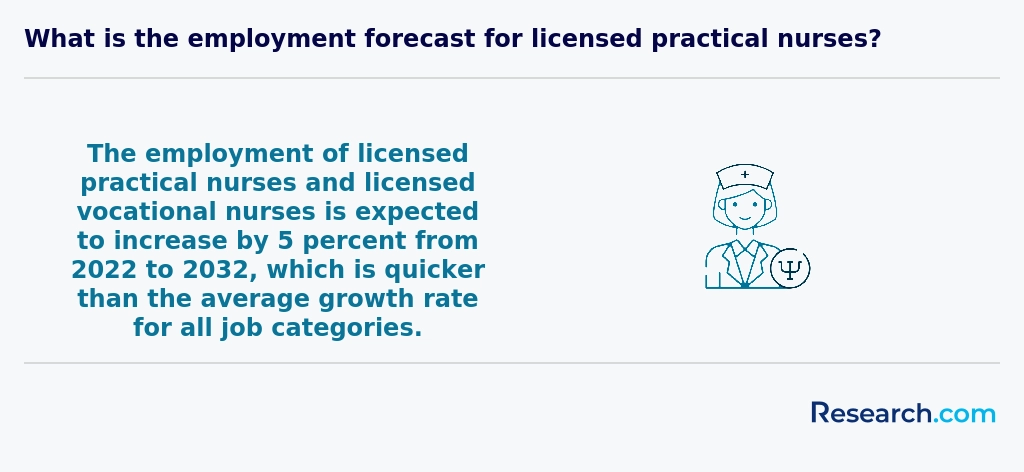
Nursing careers hold strong global demand, reflecting the continuing need for healthcare professionals worldwide. In the U.S., including Boston, the Bureau of Labor Statistics projects a 9% growth in registered nurse jobs from 2022 to 2032, faster than average. Globally, the World Health Organization highlights nursing as a critical pillar for achieving universal health coverage.
Boston's nursing programs often integrate global health perspectives, preparing students for diverse patient populations and international health challenges. Many graduates pursue opportunities overseas or collaborate on global health research, benefiting from Boston's status as a medical hub.
Understanding global trends enriches nursing education in Boston by emphasizing cultural competency and technological advances. This prepares students not only for local careers but also for roles in global health organizations, where nurses play key roles in disease prevention and health promotion.
Gaining practical experience while studying for a nursing degree in Boston is essential for developing clinical skills and enhancing employability. Many nursing programs in the city include clinical rotations as a mandatory part of the curriculum. These rotations take place in hospitals, community health centers, and long-term care facilities throughout Boston, offering hands-on exposure under professional supervision.
Students can also pursue internships or part-time work in healthcare settings. Institutions like Massachusetts General Hospital and Boston Medical Center collaborate with local universities to provide structured clinical experiences, reflecting the region's emphasis on practical learning. According to the Massachusetts Board of Registration in Nursing, over 85% of nursing students participate in clinical placements during their studies, demonstrating the importance of real-world training in Boston's nursing education.
Choosing the right concentration within a nursing degree program in Boston starts with understanding your career goals and interests. Nursing fields range from pediatrics and geriatrics to psychiatric and acute care specialties. Research from the Massachusetts Board of Registration in Nursing shows that Boston has a strong demand for nurse practitioners and specialized nurses, particularly in primary care and mental health.
Consider the clinical experiences and partnerships each program offers, since Boston is home to top hospitals like Massachusetts General. Programs with hands-on training in these facilities often provide better job placement.
Additionally, evaluate your readiness for advanced certifications. Some concentrations require additional licensure beyond the Registered Nurse (RN) qualification.
Related Nursing Rankings for Nearby Cities
- 2027 Most Popular Nursing Degree Programs Ranking in Bronx
- 2027 Most Popular Nursing Degree Programs Ranking in New York
- 2027 Most Popular Nursing Degree Programs Ranking in Brooklyn
- 2027 Most Popular Nursing Degree Programs Ranking in Philadelphia
- 2027 Most Popular Nursing Degree Programs Ranking in Rochester
- 2027 Most Popular Nursing Degree Programs Ranking in Baltimore
- 2027 Most Popular Nursing Degree Programs Ranking in Washington
- 2027 Most Popular Nursing Degree Programs Ranking in Pittsburgh
- 2027 Most Popular Nursing Degree Programs Ranking in Cleveland
- 2027 Most Popular Nursing Degree Programs Ranking in Detroit
Top Trending Nursing Rankings
See What Experts Have To Say About Studying Nursing
Read our interview with Nursing experts


References
- Nursing Jobs as Bold as Boston's History https://www.nurserecruiter.com/massachusetts/boston
- What Are the Best RN Certifications for Your Career? https://credenzahealth.com/career-advice/what-are-the-best-rn-certifications-for-your-career
- BSN Degree in Nursing - Wheaton College, Massachusetts https://wheatoncollege.edu/academics/programs/nursing/
- How to Choose the Right Nursing Program for Your Career Goals - Maria College https://mariacollege.edu/blog/how-to-choose-the-right-nursing-program-for-your-career-goals
- How to Choose the Right Nursing School for Your Career Goals | Archer Review https://www.archerreview.com/blog/how-to-choose-the-right-nursing-school-for-your-career-goals
- THE FIELD OF NURSING - FIRST-DEGREE OF STUDIES https://wnoz.wum.edu.pl/pl/content/field-nursing-first-degree-studies
- How to Write https://esign.com/letter-of-intent/school/nursing/
- How to Choose a Nursing Program: A Comprehensive Guide - Madonna ABSN https://absn.madonna.edu/blog/how-to-choose-a-nursing-program/
- Nursing Schools in Boston - Complete Information https://colleges.cometoboston.com/nursing-schools-in-boston
- Client Challenge https://www.springerpflege.de/nursing-graduates-perceived-future-career-pathway-and-career-shi/50653658


