
2027 Most Popular Nursing Degree Programs Ranking in Massachusetts

Co-Founder and Chief Data Scientist
Choosing the right nursing degree program in Massachusetts can feel overwhelming. To make this decision easier, the Research.com team of data scientists created the 2027 Most Popular Nursing Degree Programs Ranking in Massachusetts. This ranking highlights programs that stand out based on reliable data, helping you focus on options worth considering.
Getting a nursing degree opens doors to a rewarding career with meaningful impact. This article guides you through top programs so you can feel confident about your future in healthcare.
Key benefits of getting nursing degree in Massachusetts
- Nursing graduates in Massachusetts can expect competitive salaries, with Registered Nurses earning a mean annual wage of $94,480 and Operating Room Nurses making up to $128,490, highlighting strong financial rewards.
- Career paths are diverse, ranging from clinical nurse educator to public health nurse, offering flexibility and the chance to specialize based on your passions and skills.
- Online nursing degrees provide convenience and flexibility, allowing graduates to balance education with life commitments while still opening doors to rewarding healthcare roles similar to traditional programs.
- Key benefits of getting nursing degree in Massachusetts
- What can I expect from nursing degree in Massachusetts?
- Where can I work with nursing degree in Massachusetts?
- How much can I make with nursing degree in Massachusetts?
- 2027 Most Popular Nursing Degree Programs Ranking in Massachusetts
- Key Findings
- How long does it take to complete nursing degree in Massachusetts?
- Licensed Practical Nursing Pathways and Bridge Programs
- What's the difference between online and on-campus nursing degree?
- What is the average cost of nursing degree in Massachusetts?
- Financial Considerations for Nursing Students in Massachusetts
- What financial aid is available to nursing degree students in Massachusetts?
- Return on Investment: Evaluating the Value of a Nursing Degree in Massachusetts
- What are the prerequisites for enrolling in nursing degree program in Massachusetts?
- Licensure and NCLEX-RN Requirements
- What courses are typically in nursing degree programs in Massachusetts?
- What types of specializations are available in nursing degree programs in Massachusetts?
- How do you choose the best nursing degree in Massachusetts?
- What career paths are available for nursing degree students in Massachusetts?
- What is the job market for nursing degree in Massachusetts?
- Related Nursing Rankings for Nearby States
- Top Trending Nursing Rankings
- See What Experts Have To Say About Studying Nursing
What can I expect from nursing degree in Massachusetts?
The average cost of pursuing a nursing degree in Massachusetts varies widely, giving students flexibility depending on their chosen path. For example, many graduates from community colleges appreciate that Associate Degree in Nursing (ADN) programs often cost under $10,000 per year, making nursing education accessible and manageable. On the other hand, students attending prestigious private institutions like Boston University or Northeastern University often invest more, with Bachelor of Science in Nursing (BSN) programs sometimes exceeding $30,000 annually. These graduates frequently share how the financial investment felt worthwhile, reflecting on the quality education, cutting-edge clinical experiences, and strong connections with local hospitals that shaped their careers.
Pursuing nursing in Massachusetts also means benefiting from scholarship opportunities and loan repayment programs offered by organizations such as the Massachusetts Nurses Foundation. This support eases financial concerns, allowing students to focus on gaining invaluable hands-on training. With costs balanced against robust future earnings and meaningful work in healthcare, many find their nursing education in Massachusetts both an inspiring and practical journey.
Where can I work with nursing degree in Massachusetts?
Graduates with nursing degrees from Massachusetts colleges like Northeastern University or UMass Amherst find themselves welcomed into a vibrant healthcare community full of opportunity. Whether working as Registered Nurses in bustling hospitals such as Massachusetts General or Brigham and Women's, many celebrate the excitement of handling emergency care or specialized pediatric units. These roles frequently bring rewarding moments that make all the hard work feel meaningful.
Others find joy serving in community health centers or public health programs throughout cities like Boston and Worcester, playing pivotal roles in prevention and education efforts that truly impact lives. Imagine collaborating with local health departments to help manage chronic diseases or support vaccination drives-roles that empower nurses to be trusted voices in public wellness.
Long-term care and home healthcare also offer fulfilling paths, where graduates often connect deeply with elderly or disabled patients, providing compassionate, skilled care in intimate settings. Many from Massachusetts nursing programs cherish this direct impact and flexible work environments.
Beyond bedside nursing, alumni explore careers in healthcare tech and education, contributing to innovative nursing software or training future professionals, reflecting the diverse possibilities in the Commonwealth's dynamic health industry.
How much can I make with nursing degree in Massachusetts?
Graduates from nursing programs in Massachusetts, such as those at UMass Amherst or Boston College, can look forward to promising salaries that reflect their dedication and skill. For many Registered Nurses, the mean annual wage is around $94,480, offering a strong financial foundation early in their careers. Those who specialize, like Emergency Room Nurses or Public Health Nurses, enjoy similar competitive pay, making their expertise highly valued across diverse healthcare settings.
For graduates aiming even higher, becoming an Operating Room Nurse can lead to earnings near $128,490 annually, a testament to advanced skills and the demanding nature of the role. This earning potential encourages many nursing alumni in Massachusetts to pursue continued education and certifications, knowing that their investment will pay off both professionally and financially.
Imagine starting your career at a bustling Boston hospital, feeling proud of your contributions while earning a salary that empowers you to thrive. Many graduates reflect on how their nursing degree opened doors to rewarding experiences and financial independence, inspiring incoming students to pursue their goals with confidence.
2027 Most Popular Nursing Degree Programs Ranking in Massachusetts
How do we rank schools?
Investing in your education is a significant decision that can shape your future, and the Research.com team understands the importance of making informed choices. To assist prospective students in Massachusetts, we have meticulously crafted the "2027 Most Popular Nursing Degree Programs Ranking in Massachusetts." Our commitment to quality, credibility, and accuracy is reflected in the extensive research and analysis conducted to compile this ranking.
We utilized the following reputable data sources to ensure a comprehensive evaluation of nursing degree programs:
By exploring this ranking, readers will gain valuable insights into the most popular nursing degree programs in Massachusetts, empowering them to make well-informed decisions about their educational journeys. For more details on our methodology, please visit our Research.com methodology page.


Key Findings
- Massachusetts offers nursing degrees at ADN, BSN, and MSN levels, with licensure requiring passing the NCLEX-RN exam.
- Annual tuition for a BSN ranges from $15,000 to $25,000 at public schools and $30,000 to over $50,000 at private institutions.
- Entry-level registered nurses earn about $75,000 to $80,000 per year, with experienced nurses making $90,000 to $95,000.
- Nurse practitioners in Massachusetts can earn over $110,000 annually.
- The nursing job market in the state is growing with above-average job growth projected through 2030.
- Many employers offer tuition assistance, and students gain clinical experience at well-known hospitals and healthcare facilities.
How long does it take to complete nursing degree in Massachusetts?
Completing a nursing degree in Massachusetts is an achievable goal that many have embraced with enthusiasm and determination. Graduates from community colleges across the state, like those attending Middlesex Community College, often complete their Associate Degree in Nursing (ADN) in just about two years of full-time study. This fast-paced program enables them to quickly step into rewarding nursing careers, equipped with essential skills and ready to make a difference.
For those dreaming bigger, pursuing a Bachelor of Science in Nursing (BSN) at institutions such as Northeastern University or UMass Boston typically takes around four years. Many students feel inspired by the blend of rigorous academics and hands-on clinical practice, knowing their commitment prepares them thoroughly for diverse opportunities within healthcare.
Additionally, RN-to-BSN bridge programs in Massachusetts offer a flexible path for ADN holders eager to advance, usually completing the degree within one to two years. Graduates appreciate the balance this option provides, allowing them to continue working while enhancing their education and career prospects.
Licensed Practical Nursing Pathways and Bridge Programs
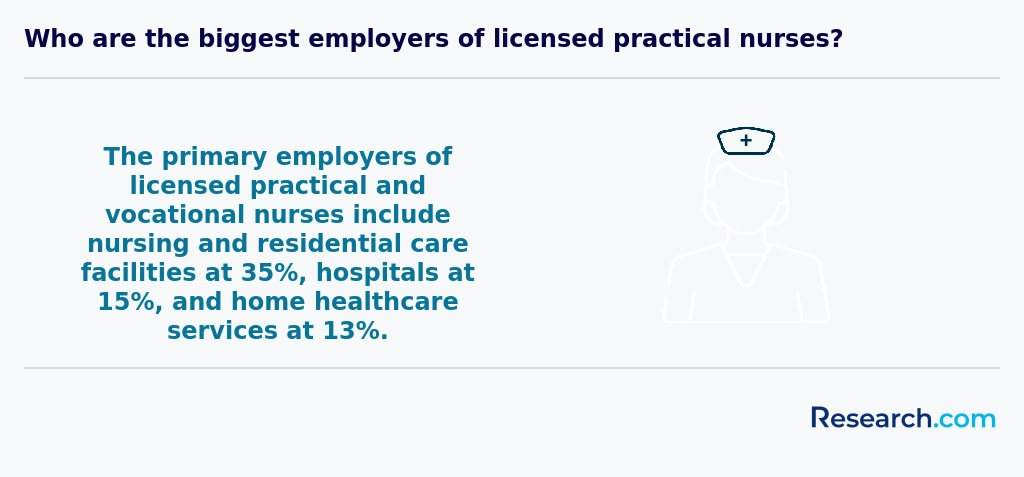
While many students in Massachusetts pursue Associate (ADN) or Bachelor of Science in Nursing (BSN) degrees, an efficient entry into the profession is through Licensed Practical Nursing (LPN) programs. These certificate programs typically take 12 to 18 months, blending foundational nursing theory with hands-on clinical rotations in hospitals, long-term care facilities, and community clinics. Graduates become Licensed Practical Nurses, providing essential patient care under the supervision of Registered Nurses and physicians. For those seeking an accelerated route, the fast track licensed practical nursing program online offers flexible scheduling and condensed curricula, enabling students to complete coursework and clinical requirements more quickly. Many of these online LPN programs include virtual simulations alongside local clinical placements, ensuring you gain both theoretical knowledge and real-world experience without relocating. After earning an LPN license, students can further their careers by enrolling in LPN-to-RN bridge programs. These bridge programs grant advanced standing-often waiving prerequisite courses-so you can focus on upper-division nursing coursework and specialized clinical rotations. Whether you choose an LPN-to-ADN or LPN-to-BSN track, accreditation by the Massachusetts Board of Registration in Nursing and strong NCLEX-RN pass rates are key factors to evaluate when selecting a program. With this pathway, you’ll leverage your practical skills while completing the competencies needed to sit for the RN licensure exam and unlock expanded career opportunities.
What's the difference between online and on-campus nursing degree?
Choosing between online and on-campus nursing degrees in Massachusetts means embracing paths tailored to your unique lifestyle and goals. Online programs, popular among working adults and busy parents, provide the freedom to study on your schedule, whether you're tuning in from home or on a break from your job. Graduates from leading schools like Northeastern University praise this flexibility, noting how it allowed them to balance family and career while pursuing their RN licensure.
On the other hand, students at institutions such as UMass Boston experience the vibrant energy of campus life, with hands-on labs and face-to-face interactions enriching their learning. The direct connection to faculty and peers often sparks lifelong friendships and professional networks, making the journey deeply rewarding.
Both paths require completing clinical hours in person, ensuring real-world skills shine through. Whatever you choose, Massachusetts provides esteemed programs that empower you to succeed with accredited curriculums designed for today's healthcare challenges.
What is the average cost of nursing degree in Massachusetts?
The average cost of a nursing degree in Massachusetts reflects both the high quality and competitive nature of nursing education in the state. For a full nursing program, the median in-state total cost is around $40,590, while out-of-state students can expect a median total near $56,751. These figures represent a meaningful investment in a future filled with opportunity and impact in healthcare.
Graduates from well-known institutions like the University of Massachusetts and Northeastern University often recall how their dedication and commitment transformed the educational experience despite the costs. Many find that financial aid, scholarships, and grants help ease the financial burden, allowing them to focus on becoming confident, skilled nurses ready to serve their communities. Recognizing the nursing degree tuition fees Massachusetts students face encourages potential learners to explore all available financial resources early on.
Community colleges offering Associate Degree in Nursing (ADN) programs are another pathway, with lower tuition costs but just as much hands-on clinical preparation. Students often share stories of their clinical rotations within Boston's vibrant hospitals, where lessons extend far beyond the classroom, creating lifelong memories and professional connections.
For those seeking guidance on budgeting and options, exploring the cheapest nursing programs in Massachusetts can reveal accessible routes to a rewarding career. Understanding the average nursing degree cost Massachusetts and how it applies to various programs helps students confidently invest in their futures.
Financial Considerations for Nursing Students in Massachusetts
When considering nursing programs, one of the most crucial factors is the cost. Prospective students often find themselves weighing the benefits of different programs against the financial investment required. For those looking for affordable options, exploring the cheapest nursing programs in Massachusetts can be a great starting point. Understanding the average cost of nursing programs, which can range from $23,900 for an Associate Degree in Nursing (ADN) to $211,392 for a Bachelor of Science in Nursing (BSN), is essential for planning. Furthermore, considering the potential return on investment, with nursing graduates in Massachusetts earning competitive salaries, can help prospective students make informed decisions about their educational pathways. Additionally, being aware of the various financial aid options, such as the MASSGrant and the Community College Nursing Scholarship Program, can significantly impact the affordability of nursing education. By carefully evaluating these financial considerations, aspiring nurses can navigate their educational journey with confidence, setting themselves up for success in this rewarding and in-demand profession.
What financial aid is available to nursing degree students in Massachusetts?
Many nursing students in Massachusetts unlock their dreams through a variety of financial aid opportunities tailored just for them. At top institutions like Boston College and UMass Amherst, graduates have found relief from hefty tuition costs through federal Pell Grants, which can cover up to $7,395 per year without any repayment pressure. Imagine starting your nursing journey knowing that part of your tuition is already secured!
State-specific support also lights the way. The Massachusetts Nursing Incentive Program offers scholarships to committed students willing to serve in underserved areas, turning passion into purpose. Graduates share how this program eased their financial burden while aligning their careers with meaningful community impact.
Many students benefit from institutional scholarships - whether merit-based or designed to foster diversity - found at well-known nursing schools such as Northeastern University. Plus, employer tuition assistance from local hospitals has been a game-changer for working nurses enhancing their education.
National programs like the HRSA Nurse Corps Scholarship provide additional hope by covering tuition in exchange for service, creating a win-win for students and communities facing nursing shortages.
Return on Investment: Evaluating the Value of a Nursing Degree in Massachusetts
Investing in a nursing degree requires balancing tuition costs against long-term earning potential and career satisfaction. In Massachusetts, the average cost of a BSN ranges from $89,556 to $211,392, yet the state’s mean RN salary of $89,010 and specialized roles like Operating Room Nurses earning $124,680 create a compelling ROI within 3–5 years of graduation. When calculating your break-even point, consider: • Total Program Cost vs. Starting Salary – ADN programs (2 years): $23,900–$66,320 tuition; median RN entry wage $60,000. – BSN programs (4 years): $89,556–$211,392 tuition; median RN entry wage $70,000. – MSN programs (2 additional years): $28,060–$78,820 tuition; advanced practice starting salary $95,000+. • Opportunity Cost and Earnings Growth – Graduates who pursue a BSN report a 15–25% higher starting salary than ADN holders. – Transitioning from RN to NP or CRNA roles can boost annual income by 30–50%. • Financial Aid and Scholarships Impact – Leveraging grants like MASSGrant or Community College Nursing Scholarships can reduce upfront expenses by up to 40%. – Employer tuition reimbursement programs in hospital systems can effectively eliminate remaining debt. • Accelerated and Online Pathways – Accelerated BSN tracks (12–18 months) allow quicker entry into the workforce, shortening ROI timelines. – For those exploring affordable distance learning, see our Cheapest Online Nursing Degree Programs Ranking in Kansas for comparative cost insights. By modeling your expected earnings against program costs and factoring in financial aid, you can project when your nursing degree investment will pay off. Careful ROI planning ensures you graduate confidently, ready to maximize both your professional impact and long-term financial health.
What are the prerequisites for enrolling in nursing degree program in Massachusetts?
To join a nursing degree program in Massachusetts, you'll need a high school diploma or GED, laying the essential groundwork for your educational journey. Graduates from well-known schools like the University of Massachusetts Boston recall how completing foundational biology and chemistry courses in high school prepared them to confidently tackle nursing science topics in college.
Many programs, including those at Northeastern University, ask for strong standardized test scores-especially on the TEAS exam. Achieving a competitive TEAS score shows you're ready to handle the rigorous nursing coursework ahead, boosting your confidence as you step into this fulfilling career path.
Beyond academics, you'll find that meeting health requirements such as immunizations and CPR certification are standard parts of the enrollment process across Massachusetts institutions. These measures create a safe learning environment for both students and future patients, giving you peace of mind as you begin clinical practice experiences.
- High school diploma or GED equivalency
- Completion of prerequisite science courses (biology, chemistry)
- Standardized test scores, such as the TEAS
- Additional health requirements, including immunizations and CPR certification
Licensure and NCLEX-RN Requirements
Graduates must obtain state licensure to practice nursing in Massachusetts. Key steps include:
- Completing a CCNE- or ACEN-accredited nursing program.
- Registering with the Massachusetts Board of Registration in Nursing and submitting official transcripts, fingerprinting, and background checks.
- Passing the NCLEX-RN exam administered by the National Council of State Boards of Nursing.
- Fulfilling any state-specific requirements, such as a jurisprudence exam or additional health screenings.
Once licensed, RNs renew every two years and complete at least 15 hours of approved continuing education. Many nurses then advance toward specialized roles or consider easy dnp programs to deepen expertise and leadership opportunities.
What courses are typically in nursing degree programs in Massachusetts?
Nursing degree programs in Massachusetts are thoughtfully designed to immerse you in diverse and vital courses that build confidence and competence. Graduates from popular schools like UMass Amherst or Boston College often recall how Human Anatomy and Physiology deepened their understanding of the human body's intricate design, making every patient encounter meaningful. Courses like Microbiology and Pharmacology empower students to confidently handle infection control and medication administration, crucial skills in fast-paced clinical settings.
Students describe Pathophysiology and Nutrition classes as eye-opening, revealing how disease mechanisms and diet shape recovery journeys. Mental Health Nursing and Community Health Nursing provide compassionate tools to support diverse populations throughout Massachusetts, inspiring graduates to become advocates beyond hospital walls. Clinical Practicum experiences, offered through strong healthcare partnerships in the state, transform theory into real-world care, fostering resilience and professional growth.
These rich courses spark excitement and purpose, preparing you not just to pass exams, but to truly make a difference in the lives of those you serve in Massachusetts' thriving healthcare community.
What types of specializations are available in nursing degree programs in Massachusetts?
Nursing degree specializations in Massachusetts provide a vibrant path to making a meaningful difference in healthcare. Graduates from well-known colleges in the state often share how pursuing Adult-Gerontology helped them confidently support the growing aging population, managing complex chronic conditions in local hospitals. Others find their passion in Pediatric Nursing, working in bustling Boston children's hospitals, where every day brings rewarding moments caring for infants and children.
Many students choose focused paths like Psychiatric-Mental Health Nursing, addressing mental wellness-a critical and compassionate field rising in importance across Massachusetts. The Family Nurse Practitioner specialization equips graduates with versatile skills to serve all ages, an essential role in community health centers throughout the state.
For hands-on experience, nursing programs often partner with Massachusetts hospitals, enhancing real-world learning. Those seeking rapid entry might explore a fast track licensed practical nursing program online, balancing convenience with quality. This variety in massachusetts nursing program specialization options inspires students to pursue careers that resonate deeply with their values and aspirations.
How do you choose the best nursing degree in Massachusetts?
Choosing the perfect nursing degree in Massachusetts means aligning your education with your unique aspirations and lifestyle. Many graduates from well-known universities in the state share how pursuing a Bachelor of Science in Nursing (BSN) opened doors to rewarding leadership roles and specialized fields they once dreamed of. For those seeking a faster start, community college ADN programs offer an affordable route, with many students later advancing through RN-to-BSN pathways to boost their credentials and career prospects. This flexibility is key for busy individuals balancing work and family.
Massachusetts nursing programs are praised for their strong clinical partnerships with top hospitals, where students gain invaluable hands-on experience. Graduates often recall how these real-world opportunities made them confident and career-ready. It's essential to explore programs boasting high NCLEX pass rates and solid accreditation, ensuring your investment translates into real success. For those interested in quick advancement, consider options like the 6-month online lpn to rn bridge program, a positive choice for many looking to accelerate their journey.
Seeking one of the best nursing programs in Massachusetts can be a fulfilling step toward a thriving career. By focusing on affordability, quality, and your future goals, you'll find the path that suits you best.

What career paths are available for nursing degree students in Massachusetts?
Graduates of nursing programs at well-known Massachusetts colleges often share inspiring stories of their diverse career journeys. Many begin as Registered Nurses (RNs), thriving in bustling hospitals throughout Boston or providing compassionate care in outpatient clinics. The hands-on experience gained here builds a strong foundation, launching them into advanced roles.
For those exploring nursing career options Massachusetts offers, paths quickly expand to specialties like Nurse Practitioners or Clinical Nurse Specialists, roles empowered by the state's supportive regulations. Graduates pursuing a Master of Science in Nursing find rewarding opportunities, often working independently and making meaningful impacts on patient care.
Beyond clinical positions, many graduates enjoy fulfilling careers in public health nursing, school nursing, or nursing education, where their passion transforms whole communities. Specialties such as oncology and pediatrics attract those driven by particular interests, combining expertise with heartfelt service.
Students curious about flexible learning might benefit from checking out Cheapest Online Nursing Degree Programs Ranking in Kansas to compare options elsewhere while considering Massachusetts' vibrant healthcare scene. These varied pathways make a nursing degree a gateway to both personal growth and lasting community impact.
What is the job market for nursing degree in Massachusetts?
The nursing job outlook Massachusetts is exceptionally promising, with steady growth driven by a rising demand for healthcare professionals across the state. Graduates from popular colleges in Boston and Worcester often find rewarding opportunities in hospitals, clinics, and community health centers. Many describe feeling inspired by their ability to contribute meaningfully to patient care and public health. Starting salaries for new registered nurses hover around $85,000 annually, surpassing the national average, while specialty nurses enjoy even higher earnings.
Massachusetts nursing degree employment opportunities extend beyond hospitals to include outpatient care and long-term care facilities, creating diverse paths for graduates. Students pursuing nursing degrees here appreciate the hands-on clinical experiences that prepare them well for the workforce. Those looking to accelerate their education might explore the best associate's degree in 6 months, making it easier to enter this thriving job market quickly and confidently.
Frequently Asked Questions About nursing
To maximize their learning experience, nursing degree students in Massachusetts should actively engage in both theoretical and clinical training. Massachusetts ranks high in healthcare quality, providing students numerous opportunities for hands-on experience in top hospitals such as Massachusetts General and Brigham and Women's Hospital, which enhances practical skills.
Students benefit from integrating coursework with clinical rotations, which allow observation of diverse patient care settings. Participating in simulation labs offered by many Massachusetts nursing programs improves decision-making under pressure.
Networking with licensed nurses and joining state organizations like the Massachusetts Nurses Association also supports career growth. According to the Massachusetts Department of Higher Education, programs emphasizing interdisciplinary collaboration yield better employment outcomes for graduates.
Emerging niches within the nursing field in Massachusetts reflect changes in healthcare needs and technology. One growing area is geriatric nursing, due to the state's increasing elderly population. According to the Massachusetts Department of Public Health, by 2030, nearly 20% of residents will be age 65 or older, driving demand for specialized elder care.
Another expanding niche is telehealth nursing. Advances in digital health and remote patient monitoring have created new opportunities for nurses to provide care virtually, especially important in rural or underserved areas. The Mass. Executive Office of Health and Human Services highlights telehealth's role in improving access and reducing hospital visits.
Additionally, nurse informatics is gaining traction. Nurses with expertise in data management and health IT help improve patient outcomes through better data use and system design. This niche aligns with the statewide push toward electronic health records and integrated care models.
Preparing for the job market after earning a nursing degree in Massachusetts involves several important steps. Graduates must first obtain licensure by passing the NCLEX-RN exam, which is required to practice as a registered nurse in the state. The Massachusetts Board of Registration in Nursing provides resources and guidelines to help candidates successfully complete this process.
Networking plays a key role, with many hospitals and healthcare providers in Massachusetts seeking candidates through job fairs and professional associations like the Massachusetts Nurses Association. Gaining clinical experience through internships or externships during your studies can significantly boost employability.
Additionally, staying informed about the demand for nursing specialties helps tailor job searches. According to the Massachusetts Executive Office of Labor and Workforce Development, registered nursing jobs are projected to grow by 8% from 2020 to 2030, reflecting strong demand in areas such as home healthcare and outpatient care.
Developing soft skills, such as communication, critical thinking, and teamwork, also enhances job prospects. Finally, consider continuing education or certifications in specialized fields to improve marketability.
Employers in Massachusetts highly value nursing graduates who demonstrate both clinical expertise and strong interpersonal skills. According to the Massachusetts Board of Registration in Nursing, critical thinking and effective communication are essential for patient safety and care coordination. Nurses must also show proficiency in evidence-based practice, supported by data from the Massachusetts Department of Public Health.
Technical skills, such as electronic health record (EHR) management, are increasingly important due to the state's emphasis on digital healthcare systems. Additionally, employers often seek graduates who possess cultural competence and adaptability to serve diverse patient populations found throughout Massachusetts. Leadership potential and teamwork abilities are also frequently highlighted in job postings across the state.
Finding internships in Massachusetts related to nursing degrees involves exploring partnerships between academic institutions and healthcare providers. Many nursing programs require clinical internships, often arranged through the college or university's nursing department. Popular sites include hospitals, long-term care facilities, and community health centers.
The Massachusetts Board of Registration in Nursing reports over 140,000 licensed registered nurses statewide, highlighting strong clinical demands. Students can utilize resources like the Massachusetts Nurses Association for networking and internship listings. Additionally, colleges often host career fairs with local employers such as Massachusetts General Hospital and Boston Medical Center, major clinical partners providing internship opportunities.
Applying early, maintaining good academic standing, and getting faculty recommendations significantly improve chances. Online platforms affiliated with schools also list local internship openings specific to nursing students and graduates seeking practical experience in Massachusetts healthcare settings.
A nursing degree significantly enhances career mobility and advancement opportunities in Massachusetts. The state's healthcare sector is growing rapidly, with the Massachusetts Executive Office of Labor and Workforce Development projecting a 12% increase in registered nurse employment through 2028. Holding a Bachelor of Science in Nursing (BSN) or higher is increasingly preferred by employers, opening doors to specialized roles such as nurse practitioner, clinical nurse specialist, or nurse educator.
Advanced degrees, including Master's and Doctorate in Nursing, provide eligibility for leadership positions and higher salaries, reflecting the American Association of Colleges of Nursing's report that BSN-prepared nurses earn approximately 11% more on average. Additionally, Massachusetts mandates continuing education, which aligns with degree programs' focus on current best practices, thus supporting professional growth and career flexibility in a competitive market.
Studying for a nursing degree in Massachusetts offers strong preparation for interdisciplinary roles through comprehensive curricula emphasizing collaboration with healthcare professionals. Massachusetts nursing programs often integrate courses in communication, ethics, and health informatics, essential for teamwork in diverse clinical settings.
Clinical experiences typically involve working alongside physicians, social workers, and therapists, providing hands-on practice in coordinated patient care. According to the Massachusetts Department of Higher Education, 85% of nursing graduates report readiness for collaborative roles upon completion.
Additionally, partnerships between nursing schools and Boston's leading hospitals ensure exposure to multidisciplinary teams, equipping students with skills to navigate complex healthcare environments effectively.
When choosing between a thesis and a non-thesis nursing degree program in Massachusetts, consider your career goals and learning style. Thesis programs typically involve original research and are suited for students aiming for roles in nursing research, academia, or advanced clinical practice. Non-thesis options focus more on coursework and practical skills, ideal for those seeking leadership or administrative nursing positions. According to the Massachusetts Board of Registration in Nursing, the state's growing healthcare sector demands both research and practical expertise. Additionally, thesis programs may take longer to complete and require strong writing skills, while non-thesis degrees often allow faster entry into the workforce.
Students in Massachusetts who wish to study nursing abroad have several pathways available, often through partnerships between local colleges and international institutions. Many Massachusetts nursing programs, such as those at the University of Massachusetts and Northeastern University, offer study abroad opportunities or exchange programs in countries like Ireland, the United Kingdom, and Canada.
These programs typically allow students to complete clinical hours overseas, gaining diverse healthcare experience. According to the Massachusetts Board of Registration in Nursing, completing accredited international clinical work can satisfy requirements toward licensure.
Financial aid and scholarships specifically for study abroad nursing experiences are also increasingly accessible, helping to offset costs.
Part-time job opportunities in Massachusetts that complement nursing degree education are diverse and practical for building relevant skills. Many students find work as certified nursing assistants (CNAs), gaining hands-on experience in patient care. According to the Massachusetts Department of Public Health, CNAs earn a median hourly wage of around $15, which helps support students financially while enhancing clinical skills.
Other common roles include medical scribes, who assist healthcare providers by documenting patient information, and pharmacy technicians, positions that develop knowledge of medication management. These jobs typically require flexible hours to accommodate class schedules.
Additionally, positions in home health aide services and outpatient clinics offer exposure to patient interactions and healthcare workflows. These part-time opportunities facilitate practical learning aligned with nursing education in Massachusetts, supporting career development and employability in the healthcare field.
Nursing students in Massachusetts benefit from diverse networking opportunities essential for career growth. Many colleges partner with local hospitals and healthcare systems, providing students access to clinical placements and mentorship programs. For example, Massachusetts General Hospital and Boston Medical Center often collaborate with nursing programs, offering valuable real-world experience and professional connections.
Students can also join organizations like the Massachusetts Nurses Association Student Division, which hosts events and workshops focused on nursing careers. Annual state conferences attract thousands of nursing professionals, creating a vibrant environment to meet peers and leaders.
Moreover, Massachusetts hosts several nursing-specific job fairs and online forums to support students in building professional networks early.
Alumni networks offer valuable support to nursing degree students in Massachusetts by providing connections to experienced professionals and potential employers. These networks often organize mentorship programs, helping students navigate clinical placements and career decisions.
In a state where nursing demand is high-Massachusetts expects a 16% growth in registered nurses by 2030 according to the Massachusetts Department of Labor-leverage from alumni can improve job prospects.
Additionally, alumni frequently share job openings, continuing education opportunities, and insights on evolving healthcare practices, which is crucial in a dynamic field like nursing.
Such networks also facilitate professional development through events and workshops that strengthen skills beyond the classroom.
Customizing a nursing degree program in Massachusetts to align with your career goals involves selecting specialized tracks and elective courses that meet industry needs. Many Massachusetts nursing schools offer options such as clinical nurse leadership, gerontology, or pediatric nursing to tailor your education.
Programs often include clinical rotations in diverse healthcare settings, giving you hands-on experience relevant to your focus area. Additionally, pursuing a Bachelor of Science in Nursing (BSN) or an accelerated BSN can provide paths for registered nurses seeking advancement.
According to the Massachusetts Board of Registration in Nursing, the state's strong emphasis on continuing education supports customization through certifications post-degree. This flexibility helps match your education with regional healthcare demands, including Boston's growing healthcare sector.
Nursing students in Massachusetts commonly face several challenges during their education. A major difficulty is the rigorous academic and clinical workload, which requires strong time management skills. According to the Massachusetts Department of Higher Education, nursing programs often demand extensive hands-on experience through clinical rotations, which can be stressful and logistically complex.
Many students also struggle with the high cost of tuition and associated fees. Data from the National Center for Education Statistics shows Massachusetts ranks among states with higher average nursing program costs, creating financial barriers for some learners.
Additionally, securing clinical placements can be competitive due to limited availability, especially in urban areas like Boston. This intensifies pressure on students to perform well academically to access quality training sites.
With a nursing degree in Massachusetts, graduates can pursue several professional certifications to advance their careers. Common options include the Registered Nurse (RN) license, which is essential to practice nursing and is granted by the Massachusetts Board of Registration in Nursing. Many RNs further specialize by obtaining certifications such as Certified Nurse Practitioner (CNP), Certified Nurse Educator (CNE), or Certified Clinical Nurse Specialist (CNS).
Other in-demand certifications in Massachusetts include Basic Life Support (BLS) and Advanced Cardiovascular Life Support (ACLS), often required by hospitals. The demand for specialized nurses aligns with state employment data showing steady growth in nurse practitioner roles. According to the Massachusetts Department of Higher Education, certified nursing professionals earn higher salaries and have better job prospects statewide.
To write a winning application for a nursing program in Massachusetts, start by carefully reviewing each school's prerequisites and admission criteria. Many top programs require a minimum GPA around 3.0, completion of specific science courses, and standardized test scores such as the TEAS.
Highlight relevant healthcare experience, whether through volunteering or work, as Massachusetts programs value practical exposure to patient care. Including strong letters of recommendation from instructors or healthcare professionals can significantly strengthen your application.
Craft a clear, concise personal statement explaining your motivation for nursing, your goals, and why you chose that particular Massachusetts program. Demonstrating knowledge of the local healthcare environment and its challenges can set you apart.
According to the Massachusetts Board of Registration in Nursing, competition is high due to growing demand; therefore, applying early and ensuring all materials are accurate and complete is crucial.
The nursing profession holds significant value worldwide, recognized for its crucial role in healthcare systems. In the United States, and specifically Massachusetts, nursing is regarded not only as a career but as a global service profession with growing demand. According to the Massachusetts Board of Registration in Nursing, the state's nursing workforce is expected to grow by 15% from 2020 to 2030, reflecting a substantial need for trained nurses.
Nurses trained in Massachusetts often find their skills transferable internationally due to standardized education requirements and accreditation. The U.S. Bureau of Labor Statistics notes that registered nurses represent one of the largest healthcare occupations, with opportunities expanding globally. This global demand underscores nursing's role beyond borders, emphasizing cultural competence and adaptability.
Moreover, Massachusetts houses some of the nation's top nursing schools, known for rigorous curricula aligned with international standards. This makes graduates well-prepared to contribute to worldwide healthcare initiatives or pursue advanced education abroad.
Students pursuing nursing degrees in Massachusetts can gain practical experience through clinical placements, which are a required component of most accredited nursing programs. These placements occur in various healthcare settings, such as hospitals, community clinics, and long-term care facilities. According to the Massachusetts Board of Registration in Nursing, clinical hours typically range from 500 to 1,000 hours depending on the program level.
Many institutions also offer simulation labs, where students practice clinical skills using advanced technology under supervision. Additionally, internships and externships provide opportunities to work alongside licensed nurses, improving hands-on skills and professional networking.
Choosing the right concentration within a nursing degree program in Massachusetts begins with understanding your career goals and the demands of the local healthcare system. Massachusetts has a strong demand for nurses in specialties like gerontology, pediatrics, and psychiatric nursing, reflecting the state's aging population and diverse healthcare needs.
Consider programs accredited by the Commission on Collegiate Nursing Education (CCNE) or the Accreditation Commission for Education in Nursing (ACEN), as these meet high educational standards. According to the Massachusetts Board of Registration in Nursing, specialties such as Nurse Practitioner roles in family health and mental health show promising job growth.
Research the clinical experience opportunities each concentration offers. Hands-on training in Massachusetts hospitals or community health centers can improve your skills and job prospects. Furthermore, review employment rates for graduates within each specialty to gauge success after graduation. Focus on areas aligned with both your interests and the state's employment trends.
Related Nursing Rankings for Nearby States
- 2027 Most Popular Nursing Degree Programs Ranking in Connecticut
- 2027 Most Popular Nursing Degree Programs Ranking in New York
- 2027 Most Popular Nursing Degree Programs Ranking in New Jersey
- 2027 Most Popular Nursing Degree Programs Ranking in Pennsylvania
- 2027 Most Popular Nursing Degree Programs Ranking in Delaware
- 2027 Most Popular Nursing Degree Programs Ranking in Ohio
- 2027 Most Popular Nursing Degree Programs Ranking in Indiana
- 2027 Most Popular Nursing Degree Programs Ranking in Georgia
- 2027 Most Popular Nursing Degree Programs Ranking in Illinois
- 2027 Most Popular Nursing Degree Programs Ranking in Florida
Top Trending Nursing Rankings
See What Experts Have To Say About Studying Nursing
Read our interview with Nursing experts

Lisa Grubb
Nursing Expert
Assistant Professor
Johns Hopkins School of Nursing

References
- Top Skills Employers Want in Practical Nursing Graduates https://vervecollege.edu/what-employers-look-for-in-practical-nursing-graduates/
- How Much Can I Earn With a BSN? https://www.allnursingschools.com/bsn/salary/
- Choosing a Thesis vs. Non-Thesis Program: What Every Graduate Student Needs to Know https://presenti.ai/blog/choosing-a-thesis-vs-non-thesis-program/
- Nursing - SUM Admission https://admission.sum.edu.pl/nursing/
- Medical University of GdaÅsk https://admission.mug.edu.pl/29318.html
- Online versus Face-to-Face Nursing Degrees: A Study of Recruiters’ Perceptions - OJDLA https://ojdla.com/articles/online-versus-face-to-face-nursing-degrees-a-study-of-recruiters-perceptions
- The Nurses' Alumni Association https://giving.mainlinehealth.org/get-involved/auxiliaries-and-womens-boards/lankenau-medical-center-womens-board/the-nurses-alumni-association
- Work-life balance | Careers Crossroads | RCN Careers Resources | Royal College of Nursing https://www.rcn.org.uk/Professional-Development/Your-career/Nurse/Career-Crossroads/Career-Ideas-and-Inspiration/work-life-balance
- What Nursing Concentration Is Right for Me? | Maryville Nursing https://nursing.maryville.edu/blog/what-nursing-concentration-is-right-for-me
- Nursing Internships Abroad: An Introduction - RealStep https://www.real-step.com/en/articles/nursing-internships-abroad/


