
2027 Most Popular Nursing Degree Programs Ranking in Honolulu

Co-Founder and Chief Data Scientist
Choosing the right nursing degree program can be a life-changing step toward a rewarding career in healthcare. If you're considering studying nursing in Honolulu, this article will guide you through the top options for 2027.
The 2027 Most Popular Nursing Degree Programs Ranking in Honolulu was created by the Research.com team of data scientists to help you make an informed decision. By exploring these programs, you can find the best fit for your goals and passions.
Reading this ranking will empower you to take confident steps toward a fulfilling future in nursing.
Key benefits of getting nursing degree in Honolulu
- Graduates with a nursing degree in Honolulu can expect competitive salaries, such as $94,480 annually for Registered Nurses, Clinical Nurse Educators, and Public Health Nurses, with Operating Room Nurses earning even higher at $128,490 per year.
- Career paths for nursing graduates in Honolulu include diverse roles like Emergency Room Nurse or Public Health Nurse, offering rewarding opportunities to impact community health and develop specialized skills.
- Online nursing degrees provide flexibility for busy students in Honolulu, allowing them to balance work and study effectively while still achieving strong career outcomes, as demonstrated by graduates from local online nursing programs.
- Key benefits of getting nursing degree in Honolulu
- What can I expect from nursing degree in Honolulu?
- Where can I work with nursing degree in Honolulu?
- How much can I make with nursing degree in Honolulu?
- 2027 Most Popular Nursing Degree Programs Ranking in Honolulu
- Key Findings
- How long does it take to complete nursing degree in Honolulu?
- Application Process and Timeline for Nursing Programs in Honolulu, HI
- What's the difference between online and on-campus nursing degree?
- RN-to-BSN Bridge Programs
- What is the average cost of nursing degree in Honolulu?
- Optimizing Your Nursing Education: Leveraging Resources and Planning Ahead
- What financial aid is available to nursing degree students in Honolulu?
- Licensing and Certification Process for Nurses in Honolulu, HI
- What are the prerequisites for enrolling in nursing degree program in Honolulu?
- Licensing and Certification Requirements
- What courses are typically in nursing degree programs in Honolulu?
- What types of specializations are available in nursing degree programs in Honolulu?
- How do you choose the best nursing degree in Honolulu?
- What career paths are available for nursing degree students in Honolulu?
- What is the job market for nursing degree in Honolulu?
- Top Trending Nursing Rankings
- See What Experts Have To Say About Studying Nursing
What can I expect from nursing degree in Honolulu?
The average cost of pursuing a nursing degree in Honolulu varies but generally hovers around $10,000 to $15,000 per year for in-state students at institutions like the University of Hawai'i at Mānoa. Graduates often recall balancing the financial strain with invaluable clinical experiences obtained through partnerships with local hospitals, appreciating how these practical opportunities shape their confidence and expertise.
While the tuition might initially seem steep, many students find motivation in knowing the program's focus on serving diverse island communities prepares them uniquely for Hawaii's healthcare landscape. The investment transcends mere cost; it becomes a commitment to a profession deeply connected to cultural values and patient-centered care.
Students often mention how the cost feels justified once hands-on training at facilities such as The Queen's Medical Center brings classroom lessons to life. These real-world encounters foster a sense of purpose and belonging, turning education into a transformative journey rather than just a financial burden.
Where can I work with nursing degree in Honolulu?
Graduates from nursing programs at Honolulu's top institutions, like the University of Hawai'i at Mānoa or Kapi'olani Community College, find themselves stepping into a vibrant healthcare environment loaded with opportunity. Imagine starting your shift at The Queen's Medical Center, the island's largest private hospital, where you move from emergency room chaos to calming oncology wards-each day a powerful, life-shaping experience.
Other graduates discover fulfilling roles at community clinics run by Hawaii Pacific Health, where the pace is different but the impact equally profound. One nurse recalls the joy of guiding patients through preventive care, turning complex medical advice into everyday wellness.
For those drawn to personalized care, home health nursing in Honolulu's aging communities means forming deep relationships, offering comfort beyond clinical tasks. Picture the gratitude in a patient's eyes when you deliver not just medication but genuine support.
Some alumni embrace frontline public health positions, influencing outreach programs that shape the wellbeing of entire neighborhoods. And for graduates with a hunger to teach or lead, universities and healthcare organizations provide paths where experience transforms into mentorship and innovation.
How much can I make with nursing degree in Honolulu?
Graduates from nursing programs in Honolulu often find that their efforts translate into promising financial rewards immediately after degree completion. Registered nurses typically earn a mean annual wage close to $94,480, aligning with national trends but benefiting from Honolulu's unique healthcare demand. For example, a recent nursing graduate from the University of Hawaii at Manoa shared how entering the workforce in local hospitals quickly led to salaries nearing this figure, validating that a nursing degree here opens doors to stable income.
Those who pursue specialized roles such as operating room nurses can expect even higher earnings, with mean salaries reaching $128,490 annually. This reflects the premium placed on advanced skills and certifications in Honolulu's competitive medical centers. Graduates working in these environments often describe a strong sense of achievement both professionally and financially.
Choosing to study nursing in Honolulu means entering a field where educational investment meets tangible economic benefits, offering not just personal satisfaction but a clear pathway to well-compensated, impactful careers within the local community.
2027 Most Popular Nursing Degree Programs Ranking in Honolulu
How do we rank schools?
Investing in your education is a significant decision that can shape your future, and the Research.com team understands the importance of making informed choices. To assist prospective students in Honolulu, we have meticulously crafted the "2027 Most Popular Nursing Degree Programs Ranking in Honolulu." Our commitment to quality, credibility, and accuracy is reflected in the extensive research and analysis conducted to compile this ranking.
We utilized the following reputable data sources to ensure a comprehensive evaluation of nursing degree programs:
By exploring this ranking, readers will gain valuable insights into the most popular nursing programs available in Honolulu, helping them make well-informed decisions about their educational futures. For more details on our methodology, please visit our Research.com methodology page.


Key Findings
- Nursing degrees in Honolulu include ADN programs taking about two years and BSN programs typically lasting four years.
- Annual tuition for BSN programs ranges from $12,000 to $18,000 at public universities, while private schools may charge over $20,000.
- Entry-level registered nurses in Honolulu earn around $70,000 per year, with experienced nurses making between $85,000 and $100,000 annually.
- Licensing requires passing the NCLEX-RN exam, background checks, and continuing education to maintain the credential.
- Nursing programs are accredited by CCNE or ACEN, and practical clinical training is essential for job readiness.
How long does it take to complete nursing degree in Honolulu?
Nursing degrees in Honolulu challenge the usual timelines you might expect. Graduates from Honolulu Community College often share how the typical two-year ADN pathway felt both intense and rewarding, preparing them swiftly for real-world nursing roles. Meanwhile, those embarking on a Bachelor of Science in Nursing at the University of Hawai'i at Mānoa describe a transformative four-year journey-more than just coursework, it's an evolving experience blending leadership, research, and hands-on patient care that shapes their professional identity.
Some graduates recount accelerated BSN programs slicing the timeline dramatically to 12-18 months, an intensive sprint that tests endurance but fuels eagerness to enter the workforce sooner. For many, this condensed route offered a thrilling challenge, merging past academic experience with a passion for nursing.
Then there are those who pursue a Master of Science in Nursing locally, dedicating roughly two additional years post-BSN to mastering specialties. Their stories highlight how flexible schedules-sometimes part-time or online-help balance life while advancing careers in Honolulu's tight-knit healthcare community.
Application Process and Timeline for Nursing Programs in Honolulu, HI
Applying to nursing programs in Honolulu requires careful planning and attention to deadlines. Most institutions open their application windows six to nine months before the fall semester. Here’s a streamlined timeline and key steps to follow: 1. Research and Shortlist (June – August) • Compare program offerings and prerequisites at the University of Hawaii at Manoa, Hawaii Pacific University, and Kapiolani Community College. • Review accreditation status and NCLEX pass rates. 2. Gather Documentation (September – October) • Request official transcripts from all prior institutions. • Complete prerequisite courses (biology, anatomy, chemistry) and upload TEAS or HESI exam scores. • Secure letters of recommendation from academic and clinical instructors. 3. Complete the Online Application (October – December) • Create an applicant profile on each school’s portal. • Pay application fees (typically $50–$100 per program). • Submit personal statement detailing your passion for nursing and community service. 4. Prepare for Interviews (November – January) • Attend virtual or in-person interviews, focusing on scenarios that showcase critical thinking and empathy. • Participate in campus tours or open houses to assess facilities and simulation labs. 5. Monitor Decision Notifications (January – March) • Admissions committees notify accepted, waitlisted, or declined applicants. • Upon acceptance, confirm your intent, submit deposits, and enroll in orientation sessions. Planning ahead ensures you meet each requirement on time-and if you’re also considering cost-effective options beyond Hawaii, explore our Low Cost Nursing Degree Programs Ranking in Arizona for additional insights.
What's the difference between online and on-campus nursing degree?
The most striking difference between online and on-campus nursing degrees in Honolulu lies in how education fits your lifestyle. Graduates from the University of Hawai'i at Mānoa often recall the energizing buzz of campus life-face-to-face lectures, hands-on labs, and immediate access to professors who clarify complex concepts on the spot. This traditional approach fosters camaraderie and a sense of belonging that many find motivating during intense study periods.
Conversely, online nursing students appreciate the freedom to study on their own schedule, balancing family or jobs while progressing through rigorous coursework. However, in Honolulu's tight-knit healthcare community, arranging clinical hours independently can be a logistical puzzle, unlike their on-campus peers who benefit from direct partnerships with local hospitals like The Queen's Medical Center.
One graduate shared that mastering self-discipline was empowering but challenging when learning remotely, while another emphasized how in-person interaction on campus sparked deeper connections and immediate support. Both pathways demand tenacity, yet the choice profoundly shapes your daily experience in nursing education here.
RN-to-BSN Bridge Programs
Licensed RNs in Honolulu can leverage RN-to-BSN bridge programs to advance their careers in as little as 12–18 months. These pathways:
- Credit hands-on nursing experience to reduce or eliminate extra clinical hours
- Combine online coursework with partnerships at local healthcare facilities for flexibility
- Emphasize leadership development, community health, and evidence-based practice
Programs range from part-time tracks for working nurses to accelerated options. To explore flexible pathways that waive redundant practicum requirements, see our guide on rn to bsn without clinicals.
What is the average cost of nursing degree in Honolulu?
In Honolulu, the average cost of obtaining a nursing degree can be surprising, especially when compared to national figures. The median total cost for nursing programs hovers around $53,169, with in-state students paying closer to $30,874. This range reflects the diverse options available, from community colleges offering Associate Degrees in Nursing (ADN) at more affordable rates to universities providing Bachelor of Science in Nursing (BSN) programs that demand a higher investment.
Graduates from institutions like the University of Hawaii at Manoa often share how the balance between cost and quality influenced their decision, particularly appreciating the lower tuition for residents. Yet, the out-of-state tuition can double, challenging those from beyond Hawaii to carefully weigh their choices before committing. The total expenses for nursing programs Honolulu also encompass costs beyond tuition, such as licensing exams and supplies, which adds layers to the financial picture that prospective students must prepare for.
Many nursing students find support through scholarships and financial aid, which lightens the financial burden and makes these demanding programs more accessible. Those who start at local community colleges, like Honolulu Community College, often feel satisfied knowing they can transfer credits toward a BSN program later, optimizing both time and money.
For insightful guidance on selecting programs and exploring cost-effective paths, students often refer to resources listing the best popular nursing colleges in Honolulu, helping to turn what might seem like an overwhelming financial commitment into an achievable goal.

Optimizing Your Nursing Education: Leveraging Resources and Planning Ahead
To make the most of your nursing education in Honolulu, HI, it's essential to be aware of the best practices and resources available. One crucial step is researching and exploring different nursing programs, such as those found at best popular nursing colleges, to find the one that best aligns with your goals and interests. By understanding the curriculum, clinical opportunities, and support services offered by each institution, you can make an informed decision that sets you up for success in your future career. Additionally, considering factors such as accreditation, graduation rates, and NCLEX pass rates can provide valuable insights into the quality of education and preparation for the nursing profession. By optimizing your nursing education through careful planning and resource utilization, you can position yourself for a rewarding and challenging career in healthcare.
What financial aid is available to nursing degree students in Honolulu?
Financial aid for nursing students in Honolulu is not just a lifeline; it can be a transformative experience that fuels hope and determination. Many graduates from the University of Hawaii at Manoa recall relying heavily on Pell Grants after filling out the FAFSA, which can provide up to $7,395 per year without the shadow of repayment. This federal support often serves as the crucial foundation for students balancing work and study.
State-specific scholarships, like those from the Hawaii Commission on the Status of Women, create opportunities that feel personalized and empowering, especially for those attending Honolulu Community College. The vital loan forgiveness options tied to programs such as the Hawaii Nursing Student Loan Program inspire graduates to serve underserved communities, creating a meaningful connection between education and community impact.
At institutions like Kapiolani Community College, students frequently share gratitude for employer tuition reimbursement from health systems like Kaiser Permanente, which eases financial pressure while fostering career growth. These supports collectively make pursuing a nursing degree in Honolulu a journey filled with optimism and tangible progress.
Licensing and Certification Process for Nurses in Honolulu, HI
Upon graduating from an accredited nursing program in Honolulu, the next critical step is obtaining licensure through the Hawaii Board of Nursing. First, applicants must submit an online application at the Board’s website, providing proof of program completion, official transcripts, and a completed criminal background check. Once the application is approved, candidates register with Pearson VUE to schedule the NCLEX-RN exam; timely preparation resources and practice tests are highly recommended to maximize pass rates. After successfully passing the NCLEX-RN, nurses receive their Hawaii RN license, which is typically issued within four to six weeks. For licensed practical nurses aiming to advance to Registered Nurse status, accelerated pathways can significantly shorten the timeline. Exploring options like the best 6 month lpn to rn degree programs online can help LPNs meet educational requirements quickly and prepare for licensure. These fast-track programs often include focused NCLEX-RN review modules and clinical experiences tailored to bridge the gap between practical and registered nursing roles. Maintaining an active license in Hawaii requires renewal every two years, during which nurses must complete at least 30 hours of continuing education approved by the Board. Topics such as patient safety, cultural competence, and evidence-based practice not only fulfill regulatory requirements but also ensure nurses stay current with evolving standards of care. By understanding and following these licensing and certification steps, nursing graduates in Honolulu can confidently transition from student to licensed professional.
What are the prerequisites for enrolling in nursing degree program in Honolulu?
Enrolling in a nursing degree program in Honolulu means stepping up to a unique set of prerequisites that go beyond the basics. Graduates from programs like the University of Hawaii at Manoa often recall the challenge of proving mastery in biology, chemistry, and math before even beginning clinical practice. This rigorous foundation isn't just a hurdle; it's a confidence builder, preparing students for real-world patient care from day one.
Many students describe the TEAS exam as a defining moment-it's more than a test, it's a reflection of your readiness to dive into nursing science. Passing it opens doors to programs that demand official transcripts, recommendation letters, and essays revealing your passion and resilience.
While healthcare experience is optional, several Honolulu students found volunteering invaluable, turning theoretical knowledge into human connection early on. Financially, the higher tuition in Hawaii is a common concern, but many see it as an investment in a profession that deeply values dedication and compassion.
Licensing and Certification Requirements
After graduating from an accredited nursing program in Honolulu, obtaining licensure through the Hawaii Board of Nursing is the next critical step. Prospective Registered Nurses (RNs) must apply for eligibility, submit official transcripts, and pass the NCLEX-RN examination, which assesses competency across clinical judgment, patient care, and safety. Applicants should allow up to eight weeks for application review and scheduling with Pearson VUE, the official NCLEX test administrator. In addition to the NCLEX-RN, Hawaii requires criminal background checks and proof of immunizations as part of the license application. Once initial licensure is granted, nurses must renew every two years, demonstrating completion of 30 contact hours of continuing education. These hours can be earned through workshops, online courses, or accredited conferences, ensuring ongoing competence in areas such as pharmacology updates, patient safety, and cultural competence. For advanced practice roles-such as Nurse Practitioners or Clinical Nurse Specialists-additional national certification is required. Candidates must hold a Master of Science in Nursing (MSN) or Doctor of Nursing Practice (DNP), pass specialty board exams (e.g., ANCC or AANP), and maintain valid prescriptive authority if applicable. Many nurses find it advantageous to explore most affordable online psychiatric nurse practitioner programs to fulfill continuing education requirements while balancing work and family commitments. Maintaining active licensure in Hawaii also involves adhering to ethical standards set by the Hawaii Nurse Practice Act, including mandatory reporting of any criminal convictions or disciplinary actions. By following these licensure and certification guidelines, nursing graduates ensure they are qualified, legally compliant, and ready to deliver high-quality patient care throughout their careers.
What courses are typically in nursing degree programs in Honolulu?
In Honolulu, nursing degree programs challenge students by diving deep into core sciences like human anatomy, physiology, microbiology, and chemistry-subjects that form the bedrock of understanding patient care. Graduates from local institutions often reflect on how mastering these fundamentals transformed their approach to nursing, helping them grasp not just the "what" but the "why" behind medical conditions.
Courses such as pharmacology and pathophysiology push students to think critically about medication effects and disease mechanisms in ways that impact Hawaii's diverse communities. For example, a student at a well-known Honolulu college recalls how studying pathophysiology illuminated complex health issues faced by multicultural patients, enriching their empathy and clinical reasoning.
Practical classes in nursing fundamentals, health assessment, and ethics bring theory to life. Students vividly remember their clinical rotations in Honolulu's hospitals, where understanding patient communication and ethical dilemmas became crucial skills. These learning experiences foster confidence and a profound sense of purpose, proving that nursing education here is far more than textbooks-it's about real impact.
What types of specializations are available in nursing degree programs in Honolulu?
When exploring nursing degree specializations Honolulu students commonly encounter, the choices extend beyond traditional paths, challenging the idea that nursing is a one-size-fits-all profession. Graduates from prominent programs at Honolulu's universities often highlight the vital role of Adult-Gerontology Nursing, especially given Hawaii's aging population, where caring for elders requires a unique blend of empathy and advanced clinical skills. This focus offers a rewarding experience, seeing patients improve and regain independence.
Many who pursue healthcare nursing programs Honolulu discover how Pediatric Nursing prepares them for culturally rich interactions with families and children from diverse backgrounds, making each day both challenging and deeply fulfilling. Others find a calling in Psychiatric-Mental Health Nursing, a specialization gaining traction as local demand for mental health services grows, demonstrating that nursing also means advocating for whole-person wellness.
Additional tracks like Family Nurse Practitioner, Neonatal, Public Health, and Emergency Nursing expand career horizons. Those interested in mental health might also explore most affordable online psychiatric nurse practitioner programs, blending accessibility with specialization.
How do you choose the best nursing degree in Honolulu?
Choosing the best nursing degree in Honolulu means going beyond just program names and tuition costs; it requires envisioning your future in real clinical settings across the islands. Graduates from popular universities describe how their access to diverse healthcare environments in Honolulu gave them confidence that no textbook could match. While many are drawn to the Bachelor of Science in Nursing, especially since over 60% of local RNs hold this credential, some opt for accelerated paths if they already have a degree, balancing ambition with practical timing.
Accreditation is crucial-not just as a checkbox but as a gateway to passing the NCLEX-RN and securing rewarding employment. Students who chose programs accredited by the CCNE or ACEN often share empowering stories of support services and strong community within their schools, praising tutoring and job placement as game-changers. In your search, prioritize programs that align with these quality markers alongside affordability; affordable nursing schools in Honolulu often offer hybrid courses, making it easier to juggle life and study.
Finally, don't overlook flexible options if you have prior credentials-explore the best 6 month lpn to rn degree programs online, which can transform your career path quickly while still rooted in Honolulu's unique healthcare landscape.
What career paths are available for nursing degree students in Honolulu?
Graduates with a nursing degree in Honolulu find themselves positioned at a crossroads of diverse career paths shaped by the unique demands of Hawaii's healthcare landscape. Many step confidently into Registered Nurse roles across major hospitals and outpatient centers, where real-world challenges sharpen their skills daily. Others embrace Licensed Practical Nurse positions, providing crucial support in less intensive care settings, proving that every role is vital. From popular nursing programs at institutions like the University of Hawai'i at Mānoa, graduates share how public health nursing offers a fulfilling journey, addressing community wellness and preventive care tailored to island populations. Exploring these options reveals nursing career opportunities in Honolulu that break the mold of traditional hospital work.
For those daring to advance, roles such as Nurse Practitioners grant autonomy and the chance to serve underserved areas, fulfilling both professional ambitions and personal values. Many nursing graduates Honolulu cherish the opportunity to influence healthcare beyond bedside care by engaging in research, education, or leadership - paths that redefine what it means to impact well-being in a tropical setting. For prospective students mindful of costs, exploring Low Cost Nursing Degree Programs Ranking in Arizona offers insights into affordable options while preparing for these rewarding careers.
What is the job market for nursing degree in Honolulu?
The nursing job outlook in Honolulu is notably promising, driven by a combination of local healthcare demands and Hawaii's unique geographic isolation. Graduates from prominent nursing programs at Honolulu Community College and the University of Hawaii often recount how their clinical skills found immediate relevance in busy hospitals like The Queen's Medical Center. These graduates discover that the city's consistent demand for skilled nurses translates into rewarding careers, with median annual wages higher than many mainland areas. This dynamic environment challenges conventional expectations that nursing jobs might saturate but instead highlights steady opportunities fueled by an aging population and expanding healthcare facilities.
Healthcare employment opportunities Honolulu offers extend beyond registered nurses, encompassing Licensed Practical Nurses and Advanced Practice Registered Nurses eager to step into roles shaped by expanding scopes of practice. Those weighing the cost of nursing education often find affordability in programs like ADN or BSN, especially when compared to lucrative starting salaries near $70,000. For candidates considering alternatives, exploring the fastest online associate's degree can also boost entry into this flourishing job market with flexibility and speed.
Frequently Asked Questions About nursing
Nursing degree students in Honolulu can maximize their learning experience by engaging actively in clinical placements, which are integral to American nursing programs. Hawaii's health system offers diverse clinical sites, including Queen's Medical Center, providing hands-on practice with a wide patient population. According to the Hawaii State Center for Nursing, nearly 85% of nursing students report improved competency through such experiences. Additionally, students benefit from joining local nursing associations like the Hawaii Nurses Association, which offers networking, workshops, and mentorship. Utilizing Honolulu's simulation labs also enhances critical thinking and technical skills. Balancing classroom theory with practical exposure is key to success in nursing education here.
The nursing field is evolving rapidly, with several emerging niches gaining prominence in Honolulu and across the United States. One notable area is geriatric nursing, driven by Hawaii's growing elderly population, which is among the highest in the nation according to the U.S. Census Bureau. Nurses specializing in elder care focus on managing chronic conditions and improving quality of life for seniors.
Another expanding niche is telehealth nursing, which has surged due to Hawaii's geographic isolation. Telehealth nurses provide remote patient monitoring and virtual care, improving access to healthcare in rural areas. Additionally, informatics nursing is gaining traction as healthcare systems adopt advanced technology to manage patient data efficiently.
These emerging specialties offer promising career paths for nursing students in Honolulu seeking both stability and innovation within their professional journeys.
After completing a nursing degree in Honolulu, it is essential to prepare thoroughly for the local job market. First, obtaining licensure through the National Council Licensure Examination (NCLEX-RN) is mandatory to practice as a registered nurse in Hawaii. According to the Hawaii State Center for Nursing, nurses with additional certifications, such as in geriatrics or pediatric care, often have better job prospects in Honolulu's healthcare system.
Networking plays a critical role; candidates should attend local healthcare job fairs and join professional associations like the Hawaii Nurses Association. Gaining practical experience through internships or residencies can significantly improve employability, with the state's large hospital network offering valuable opportunities.
Furthermore, staying informed on Honolulu's healthcare trends, including the growing demand for nurses due to an aging population, helps target relevant skills. According to the U.S. Bureau of Labor Statistics, registered nurse employment in Hawaii is projected to grow about 11% over the next decade, signaling a competitive but promising job market.
Employers in Honolulu prioritize several key skills when hiring nursing degree graduates. Clinical competence is essential, including proficiency in patient care, medication administration, and using electronic health records. According to the Hawaii State Center for Nursing, effective communication is also critical, as nurses must clearly interact with patients and multidisciplinary teams.
Adaptability is highly valued due to Honolulu's diverse population and evolving healthcare challenges. Cultural sensitivity and the ability to care for patients from various backgrounds improve treatment outcomes. Additionally, critical thinking and problem-solving skills help nurses respond promptly to emergencies and complex medical situations.
Finally, employers look for strong teamwork and professionalism, ensuring nurses contribute to a collaborative healthcare environment.
Finding nursing internships in Honolulu involves exploring opportunities through local healthcare providers and educational institutions. Many nursing programs affiliated with the University of Hawaii at Manoa and Kapiolani Community College offer structured clinical placements as part of their curriculum.
Students can also apply directly to hospitals such as The Queen's Medical Center, which provides internships and externships for nursing students, offering hands-on experience in various specialties.
Additionally, the Hawaii State Center for Nursing reports that networking through professional associations like the Hawaii Nurses Association can enhance internship prospects.
Online resources such as the Hawaii Department of Health's career portal list available nursing internships specific to Honolulu.
Obtaining a nursing degree in Honolulu significantly enhances career mobility and advancement opportunities within the local healthcare sector. According to the Hawaii State Center for Nursing, registered nurses (RNs) with a Bachelor of Science in Nursing (BSN) enjoy better job prospects and higher earning potential compared to those with an associate degree. Honolulu's hospitals and clinics increasingly prefer BSN-prepared nurses for leadership roles and specialized positions.
Additionally, advanced degrees such as a Master of Science in Nursing (MSN) enable nurses to pursue roles in administration, education, or advanced practice. Honolulu's growing healthcare demands, driven by an aging population, create a favorable environment for career growth among qualified nursing professionals.
Studying for a nursing degree in Honolulu equips students with essential skills for interdisciplinary roles by emphasizing collaborative healthcare education. Programs in the city often integrate training alongside other health disciplines such as social work, pharmacy, and public health, which mirrors the teamwork experienced in real clinical settings. According to the University of Hawaii System, many nursing curricula include simulation labs and community-based practicum opportunities that foster communication and coordination with diverse healthcare professionals. This approach prepares graduates to work efficiently in interdisciplinary teams, addressing complex patient needs in Hawaii's multicultural healthcare environment.
When choosing between a thesis and a non-thesis nursing degree program in Honolulu, consider your career goals and learning preferences. Thesis programs emphasize research, preparing students for advanced clinical roles or doctoral studies. In contrast, non-thesis options focus on practical skills, ideal for those aiming to enter or advance in clinical settings quickly.
Local data from the Hawai'i State Center for Nursing shows that 65% of nurses in Honolulu pursue non-thesis degrees, reflecting high demand for clinically oriented education. However, nursing schools like the University of Hawai'i at Mānoa offer both tracks, allowing flexibility based on academic interests.
Evaluate program requirements, faculty expertise, and opportunities for clinical placement before deciding. This approach ensures alignment with your professional ambitions and adaptability within Honolulu's healthcare system.
Students based in Honolulu who want to study nursing abroad have several options to consider within the US higher education system. Many universities and colleges offer study abroad programs in healthcare fields, including nursing, which typically last a semester or a summer session.
While Honolulu itself is somewhat limited in direct partnerships for nursing-specific study abroad, students often use resources from the University of Hawai'i at Mānoa's nursing program to explore affiliated institutions in countries like Australia, Canada, or the United Kingdom. These countries have compatible nursing curricula aligned with US standards.
Furthermore, students should note that credits earned abroad must be transferable and meet accreditation requirements to count toward a nursing degree in Honolulu. Consulting advisors at local nursing schools such as the UH Mānoa School of Nursing and Dental Hygiene is essential for verifying eligible programs.
Students pursuing nursing degrees in Honolulu can benefit from various part-time job opportunities that complement their education and provide practical experience. Positions such as certified nursing assistant (CNA), medical assistant, or caregiving roles in local hospitals and eldercare facilities offer hands-on patient care experience. These roles support the development of essential clinical skills useful for Registered Nurse licensure. According to the Hawaii State Center for Nursing, healthcare jobs in Honolulu grew by 7% between 2018 and 2023, emphasizing demand in these areas. Additionally, internships or volunteer opportunities at The Queen's Medical Center provide valuable exposure to diverse medical cases relevant to nursing studies.
Nursing students in Honolulu benefit from a range of networking opportunities essential for career development. Local universities like the University of Hawai'i at Mānoa offer nursing student organizations that connect members with professionals and alumni in healthcare fields. These groups often hold events, workshops, and volunteer activities, fostering valuable relationships.
Honolulu's hospitals, such as Queen's Medical Center and Kaiser Permanente Moanalua, frequently host internships and clinical rotations, allowing students to engage directly with practicing nurses and healthcare teams. Additionally, nursing conferences hosted in Hawaii provide access to statewide and national experts.
According to the Hawaii State Center for Nursing, these connections boost job placement rates for graduates across the islands.
Alumni networks serve as valuable resources for nursing degree students in Honolulu by connecting them with experienced professionals in the local healthcare community. These networks often provide mentorship opportunities, helping students navigate clinical placements and job searches in Hawaii's unique healthcare environment. According to the Hawaii State Center for Nursing, about 65% of nursing graduates find employment through professional connections made during their studies, highlighting the significance of these networks.
Additionally, alumni groups frequently share information on continuing education and specialized training, which is essential for nurses aiming to advance in Honolulu's competitive market. Participation in alumni events can also foster collaboration and career growth.
Customizing a nursing degree program in Honolulu involves selecting courses and clinical experiences that align with your career goals. Many local institutions offer flexible options such as electives in specialties like pediatric, geriatric, or community health nursing. This allows students to gain targeted knowledge suited for Honolulu's diverse population.
Students can also pursue clinical rotations at varied healthcare settings, from urban hospitals to rural clinics, providing practical experience relevant to different career pathways.
According to the Hawaii State Center for Nursing, tailored nursing education supports workforce needs by enhancing skills in areas like chronic disease management and cultural competence, crucial for this region.
Advisors frequently help students create individualized study plans, improving job market readiness upon graduation.
Nursing students in Honolulu face several notable challenges, many of which are common across the U.S. but have local nuances. One major issue is the high cost of living, which increases financial stress for students who often balance work and study. According to the Hawaii State Department of Labor, rent prices in Honolulu are among the highest in the nation, impacting students' ability to manage expenses effectively.
Another challenge is access to clinical placements. With limited hospitals and healthcare facilities on the island, competition for hands-on experience is intense. This constraint can delay program progress and affect readiness for licensing exams.
Lastly, students report difficulty balancing rigorous coursework with family and community responsibilities, a factor compounded by Hawaii's strong cultural emphasis on 'ohana' (family). Programs often require long hours, which may conflict with personal obligations.
With a nursing degree in Honolulu, graduates can pursue various professional certifications to enhance their careers and expand their expertise. Common certifications include the Certified Nurse Assistant (CNA), Licensed Practical Nurse (LPN), and Registered Nurse (RN) licenses, each requiring passing state board exams governed by the Hawaii Board of Nursing.
Advanced certifications such as Certified Nurse Practitioner (NP), Certified Clinical Nurse Specialist (CNS), and Certified Nurse Midwife (CNM) are also popular. These credentials allow for specialized care roles and often require graduate-level education and clinical experience.
The demand for certified nurses in Honolulu is growing due to the region's aging population. According to the Hawaii Department of Labor, nursing certification enhances job prospects and potential salary increases locally.
To write a winning application for a nursing program in Honolulu, focus on meeting all admission requirements carefully. Most programs require a minimum GPA of around 3.0, completion of prerequisite courses like anatomy and microbiology, and a satisfactory score on standardized tests such as the TEAS (Test of Essential Academic Skills).
Highlight your commitment to healthcare through relevant volunteer or work experience. Hawaii's Department of Labor notes that healthcare roles grow steadily, so showing local engagement can strengthen your application.
Write a clear and concise personal statement explaining your motivation to serve diverse communities in Honolulu. Be sure to tailor your essay to reflect understanding of Hawaii's unique cultural environment and healthcare challenges.
Letters of recommendation should come from academic instructors or healthcare supervisors who know your abilities well. Finally, double-check all documents for accuracy to present a polished, professional application.
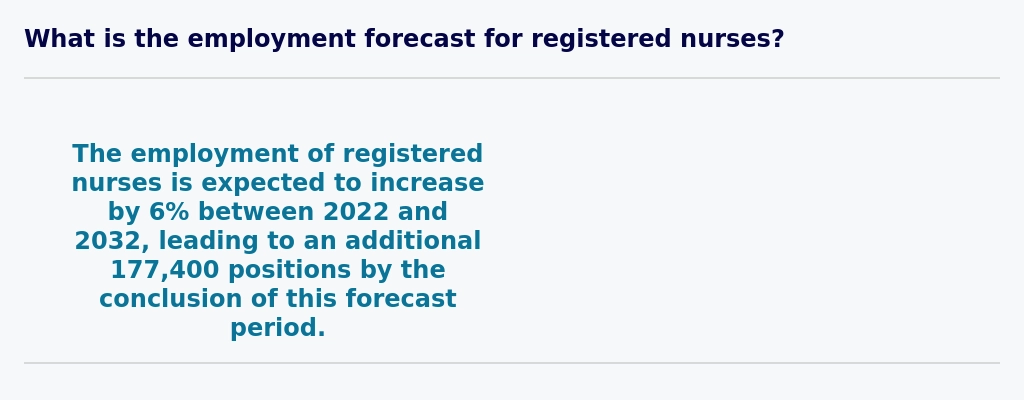
Nursing is recognized globally as a vital profession with growing demand, especially in countries like the United States. In Honolulu, the nursing field reflects this trend as healthcare needs expand across diverse communities. According to the U.S. Bureau of Labor Statistics, employment for registered nurses is projected to grow 6% from 2021 to 2031, faster than average for all occupations.
Globally, nurses often play frontline roles in patient care, health education, and disease prevention. For Honolulu students, obtaining a nursing degree opens doors not only locally but also internationally, given the standardization of nursing credentials through organizations like the World Health Organization. The multicultural environment in Honolulu also prepares nurses for diverse patient populations.
Additionally, nursing careers offer mobility with many states and countries recognizing U.S. nursing education. Graduates in Honolulu typically earn Bachelor of Science in Nursing (BSN) degrees, aligning with global trends favoring higher education levels for nurses to meet complex healthcare demands.
Gaining practical experience while studying for a nursing degree in Honolulu is essential for career readiness and licensure requirements. Most accredited nursing programs in Honolulu require clinical rotations, providing hands-on experience in local hospitals and healthcare facilities. For example, facilities such as The Queen's Medical Center and Straub Medical Center often collaborate with colleges to offer students real-world patient care opportunities.
Additionally, nursing students can participate in internships, volunteer services, or externships in community clinics and long-term care centers across Honolulu.
These experiences help students apply classroom knowledge in real settings, enhancing skills and confidence necessary for the NCLEX-RN exam and future nursing roles.
Choosing the right concentration within a nursing degree program in Honolulu begins with understanding your career goals and interests. Nursing concentrations vary widely, from family nurse practitioner to geriatrics or psychiatric nursing. Consider local healthcare demands: Honolulu, like much of Hawaii, has an aging population, increasing the need for geriatric and hospice care specialists, according to the Hawaii State Department of Health.
Additionally, research program curricula and clinical opportunities offered by Honolulu's institutions, such as University of Hawai'i at Mānoa, to ensure hands-on experience aligns with your focus. Reviewing licensure exam pass rates and job placement statistics can also indicate program quality in specific concentrations.
Related Nursing Rankings for Nearby Cities
- 2027 Most Popular Nursing Degree Programs Ranking in San Francisco
- 2027 Most Popular Nursing Degree Programs Ranking in Los Angeles
- 2027 Most Popular Nursing Degree Programs Ranking in Portland
- 2027 Most Popular Nursing Degree Programs Ranking in San Diego
- 2027 Most Popular Nursing Degree Programs Ranking in Las Vegas
- 2027 Most Popular Nursing Degree Programs Ranking in Phoenix
- 2027 Most Popular Nursing Degree Programs Ranking in Tempe
- 2027 Most Popular Nursing Degree Programs Ranking in Denver
- 2027 Most Popular Nursing Degree Programs Ranking in Colorado Springs
- 2027 Most Popular Nursing Degree Programs Ranking in Lubbock
Top Trending Nursing Rankings
See What Experts Have To Say About Studying Nursing
Read our interview with Nursing experts

Lisa Grubb
Nursing Expert
Assistant Professor
Johns Hopkins School of Nursing

References
- Nurse Salary https://nursinglicensemap.com/resources/nurse-salary/
- Online Nursing Schools in HI: Your Guide to the Best Programs https://www.edumed.org/online-schools/nursing-rn-programs/hawaii/
- How to Choose a Nursing Program | All Nursing Schools https://www.allnursingschools.com/how-to-get-into-nursing-school/choose-the-right-school/
- Do I Have to Write a Thesis to Complete a Master’s Degree in Nursing? https://www.bestmasterofscienceinnursing.com/faq/write-thesis-complete-masters-degree-nursing/
- Nursing - WSEI University https://www.wsei.pl/en/admission/bachelors-degree/nursing-bachelor-degree/
- Nursing Study Abroad Programs | Go Overseas https://www.gooverseas.com/study-abroad/nursing
- What Nursing Concentration Is Right for Me? | Maryville Nursing https://nursing.maryville.edu/blog/what-nursing-concentration-is-right-for-me
- Know more about thesis vs non- thesis: what is the difference? https://studyfans.com/en/blogs/816
- Working While in Nursing School: 25 Ways to Make Money as a Nursing Student https://credenzahealth.com/career-advice/working-while-in-nursing-school-25-ways-to-make-money-as-a-nursing-student
- Nursing - SUM Admission https://admission.sum.edu.pl/nursing/


