2027 Most Popular Nursing Degree Programs Ranking in Iowa

Co-Founder and Chief Data Scientist
Considering a nursing degree in Iowa? Our article provides an insightful look at the 2027 Most Popular Nursing Degree Programs Ranking in Iowa, carefully developed by the Research.com team of data scientists. This ranking is designed to help you navigate your options and choose a program that fits your goals.
Exploring nursing opens doors to a fulfilling career where you can make a real difference in people's lives. Reading this article will empower you with clear information to confidently take the next step toward your future in healthcare.
Key benefits of getting nursing degree in Iowa
- Registered Nurses, Clinical Nurse Educators, Public Health Nurses, and Emergency Room Nurses in Iowa earn a mean annual wage of $94,480, while Operating Room Nurses can earn significantly more at $128,490, reflecting strong financial rewards after graduation.
- Nursing degree graduates from the University of Iowa find diverse career paths, including acute care, education, and community health, offering flexibility and rewarding opportunities.
- Online nursing degrees from schools like Graceland University allow students to balance work and life while gaining essential skills, making education accessible and convenient without sacrificing quality.
- Key benefits of getting nursing degree in Iowa
- What can I expect from nursing degree in Iowa?
- Where can I work with nursing degree in Iowa?
- How much can I make with nursing degree in Iowa?
- 2027 Most Popular Nursing Degree Programs Ranking in Iowa
- Key Findings
- How long does it take to complete nursing degree in Iowa?
- Alternative Pathways: LPN and Bridge Programs in Iowa
- What's the difference between online and on-campus nursing degree?
- LPN to RN Bridge Programs in Iowa: Accelerate Your Nursing Career
- What is the average cost of nursing degree in Iowa?
- Student Support and Resources for Nursing Students in Iowa
- What financial aid is available to nursing degree students in Iowa?
- Financial Considerations for Nursing Students in Iowa
- What are the prerequisites for enrolling in nursing degree program in Iowa?
- Accreditation and NCLEX-RN Pass Rates
- What courses are typically in nursing degree programs in Iowa?
- What types of specializations are available in nursing degree programs in Iowa?
- How do you choose the best nursing degree in Iowa?
- What career paths are available for nursing degree students in Iowa?
- What is the job market for nursing degree in Iowa?
- Related Nursing Rankings for Nearby States
- Top Trending Nursing Rankings
- See What Experts Have To Say About Studying Nursing
What can I expect from nursing degree in Iowa?
The average cost of earning a nursing degree in Iowa varies depending on the program and institution, but students typically spend between $10,000 and $35,000 for an ADN or BSN at well-known schools like the University of Iowa or Des Moines Area Community College. Graduates often share how manageable these costs feel when balanced against the value of hands-on clinical experiences and flexible class schedules that allow part-time attendance or online learning, easing financial pressure for working adults.
Many nursing students appreciate the state's investment in affordable education combining classroom theory and practical application. For instance, graduates recall participating in dynamic clinical rotations across diverse healthcare settings statewide, which deeply enriched their skills without adding extra expenses.
Furthermore, Iowa's nursing programs are increasingly integrating emerging technologies and simulation labs, promising future students even more cost-effective ways to gain real-world experience. This forward-thinking approach helps keep education accessible while preparing nurses to meet evolving healthcare demands confidently.
With strong job prospects and competitive wages reported by Iowa Workforce Development, many find the initial investment truly worthwhile as it leads to rewarding careers in patient care.
Where can I work with nursing degree in Iowa?
Graduates from nursing programs at institutions like the University of Iowa and Iowa State University often find themselves stepping confidently into diverse roles across the state. Many embrace hospital settings, working alongside experienced teams at UnityPoint Health or MercyOne, where fast-paced environments sharpen their skills and build resilience. These experiences often ignite a deep sense of purpose and achievement as they support critical surgeries or patient recovery.
Others discover fulfillment in outpatient clinics or physician offices, enjoying more predictable hours while managing chronic illnesses or preventive care. Graduates express satisfaction in seeing patients improve over time, creating meaningful community connections.
Long-term care and assisted living facilities offer opportunities to serve Iowa's aging population, where nurses bring compassion and specialized knowledge in geriatric care. This path resonates with those who value personal, ongoing relationships with patients.
Some nursing graduates pursue roles in mental health or home healthcare, responding to evolving patient needs with empathy and advanced certifications earned during their studies. Advanced degree holders from Iowa's top nursing programs increasingly contribute as nurse practitioners, leading healthcare delivery in underserved rural areas, championing access and quality care with growing independence.
How much can I make with nursing degree in Iowa?
Nursing graduates from Iowa's well-regarded programs, such as those at the University of Iowa or Des Moines Area Community College, can anticipate promising earnings soon after starting their careers. Registered Nurses (RNs), a common first role for nursing degree holders, have a mean annual wage around $94,480 in Iowa, which is a strong foundation compared to the national average. This salary typically reflects the satisfying transition from student to professional, fueling excitement about career prospects.
For graduates pursuing specialized roles, the potential grows even brighter. Clinical Nurse Educators and Public Health Nurses in Iowa share similar average salaries near $94,480 annually, providing career paths that combine patient care and teaching or community health. Meanwhile, Emergency Room Nurses also earn approximately $94,480 per year, rewarding those who thrive in high-intensity environments.
The highest salary among typical nursing careers comes with Operating Room Nurses, where mean wages reach an impressive $128,490 annually. Many Iowa graduates from nursing programs envision themselves in these advanced, cutting-edge roles, experiencing both professional fulfillment and financial reward. These figures underscore how further certification, specialization, and clinical experience can shape a nursing career with a bright, financially stable future in Iowa.
2027 Most Popular Nursing Degree Programs Ranking in Iowa
How do we rank schools?
Investing in your education is a significant decision that can shape your future, and the Research.com team understands the importance of making informed choices. To assist prospective students in Iowa, we have meticulously crafted the "2027 Most Popular Nursing Degree Programs Ranking in Iowa." Our commitment to quality, credibility, and accuracy is reflected in the extensive research and analysis conducted to compile this ranking.
We utilized the following reputable data sources to ensure a comprehensive evaluation of nursing programs:
By exploring this ranking, readers will gain valuable insights into the most popular nursing degree programs in Iowa, empowering them to make well-informed decisions about their educational and professional futures. For more details on our methodology, please visit our Research.com methodology page.


Key Findings
- Nursing degrees in Iowa are available at multiple levels including ADN, BSN, and MSN.
- Community colleges charge between $5,000 and $10,000 per year for ADN programs for in-state students.
- Four-year universities with BSN programs cost from $8,000 to $15,000 annually for Iowa residents.
- Entry-level registered nurses earn between $55,000 and $65,000 per year, with experienced nurses making $75,000 or more.
- Iowa expects strong job growth for nurses, with thousands of new positions projected by 2030.
- Passing the NCLEX-RN and completing continuing education are required to maintain nursing licensure.
How long does it take to complete nursing degree in Iowa?
Completing a nursing degree in Iowa often takes about two years for an Associate Degree in Nursing (ADN), a path many students at community colleges like Kirkwood or Iowa Central take to quickly enter the workforce. Graduates frequently share how rewarding it feels to pass the NCLEX-RN exam shortly after this intensive period, marking the start of their nursing careers.
For those pursuing a Bachelor of Science in Nursing (BSN) at institutions such as the University of Iowa or Drake University, the journey usually spans four years of full-time study. Students describe a mix of excitement and challenge as they balance demanding coursework with clinical rotations across Iowa's diverse healthcare settings.
Accelerated BSN programs also offer dynamic options, typically completed in 12 to 18 months by students who already hold a bachelor's degree. This pathway attracts many who are eager to advance swiftly, embracing a fast-paced environment that feels both intensive and inspiring.
Looking ahead, the flexibility of part-time and hybrid formats in Iowa universities may continue to grow, empowering future nursing students to tailor their timelines without sacrificing quality or hands-on experience.
Alternative Pathways: LPN and Bridge Programs in Iowa
Exploring Licensed Practical Nurse (LPN) programs can be a strategic first step toward a rewarding nursing career in Iowa. Many students appreciate the shorter time commitment and hands-on training that LPN tracks offer, allowing you to enter the workforce quickly and build foundational skills before pursuing an RN or BSN. If you’re wondering how long does it take to be an lpn, accelerated LPN offerings in Iowa typically range from 9 to 18 months, depending on part-time or full-time enrollment and clinical placement availability. Key benefits of choosing an LPN pathway:
- Rapid Entry into Practice: Complete core nursing competencies sooner and begin earning a competitive wage in settings like long-term care, clinics, or home health care.
- Seamless Bridge to RN/BSN: Many Iowa community colleges and universities offer LPN-to-RN or LPN-to-BSN bridge programs, granting credit for LPN coursework and clinical hours. These bridge options often shorten the additional time needed to obtain an ADN or BSN.
- Cost Efficiency: Total tuition for LPN programs in Iowa can be significantly lower than a full BSN, with financial aid and workforce incentives available for high-need rural and public health placements. Bridge program considerations:
- Curriculum Alignment: Ensure your LPN curriculum covers pharmacology, fundamentals, and pediatric nursing to maximize transfer credits.
- NCLEX Licensure Sequencing: Passing the NCLEX-PN allows immediate practice; subsequent bridge coursework prepares you for the NCLEX-RN exam.
- Career Mobility: Graduates often report increased job security and earning potential after completing bridge programs, with many securing RN roles within six months of finishing. By starting with an LPN program and strategically leveraging bridge pathways, aspiring nurses in Iowa can accelerate their careers while building both clinical confidence and financial feasibility.
What's the difference between online and on-campus nursing degree?
Many nursing students at the University of Iowa appreciate the flexibility of online programs, enabling them to juggle family and part-time jobs while advancing their education. They engage with video lectures and virtual discussions, creating a sense of independence and self-motivation. However, these graduates emphasize the importance of completing clinical hours at Iowa-based healthcare centers, which remain an essential hands-on experience that bridges virtual learning with real-world patient care.
Meanwhile, students at Iowa State University often highlight the energy of on-campus nursing cohorts, where face-to-face interactions with professors and peers foster supportive study groups and immediate feedback. Their access to well-equipped simulation labs allows them to practice skills in a controlled environment, which many find boosts their confidence before entering actual clinical settings.
Looking ahead, Iowa's nursing education could blend these strengths-combining online convenience with enhanced virtual reality simulations-to further enrich students' preparation without sacrificing personal connection or practical experience.
LPN to RN Bridge Programs in Iowa: Accelerate Your Nursing Career
Licensed Practical Nurses (LPNs) looking to expand their scope of practice and boost earning potential can enroll in accelerated bridge programs designed to build on previous training and experience. In Iowa, many community colleges and universities offer LPN-to-RN options that combine high-yield coursework with targeted clinical rotations. These programs typically last 12–18 months and include essential topics such as advanced pharmacology, health assessment, leadership, and community health nursing. Admission requirements generally include:
- An active Iowa LPN license and a minimum GPA (often 2.5 or higher)
- Completion of prerequisite science courses (anatomy, physiology, microbiology)
- Official transcripts and TEAS test scores Hands-on clinical hours are often arranged at nearby hospitals and long-term care facilities, ensuring you gain confidence in acute care, pediatrics, and mental health settings. Graduates of bridge programs report higher NCLEX-RN pass rates-often above the state average-and many secure job offers before graduation due to established employer partnerships. For LPNs seeking even faster routes, consider top-rated lpn to rn online pathways that allow you to complete didactic coursework remotely while fulfilling clinical requirements locally. These hybrid models provide flexibility for working nurses and often feature rolling admissions, so you can start advancing your career without delay. By choosing the right LPN-to-RN bridge program, you’ll not only elevate your clinical skills and critical thinking but also position yourself for leadership roles and specialized nursing positions across Iowa’s rapidly growing healthcare landscape.
What is the average cost of nursing degree in Iowa?
Prospective nursing students in Iowa typically face an average overall cost close to $36,684 for completing their nursing degree. This figure reflects total expenses including tuition, fees, and additional costs over the course of study. Graduates from well-known institutions such as the University of Iowa often share how the investment feels worthwhile as they gain credentials that open doors to rewarding healthcare careers.
Students who pursue nursing at community colleges appreciate the lower tuition fees, which align well with the average nursing degree cost Iowa goals of affordability and quicker degree completion. While tuition can be more budget-friendly, accounting for supplies, uniforms, and licensing fees remains crucial-these can add thousands more annually, shaping the true economic picture of training to become a nurse in Iowa.
Many nursing students find encouragement from scholarship and grant opportunities offered locally, which can markedly reduce out-of-pocket expenses. Others highlight experiences at private colleges that, although they may exceed $25,000 a year, provide smaller class sizes and specialized programs, creating a supportive environment that fosters success and satisfaction.
For those comparing options, it's valuable to explore financial strategies and cost breakdowns when deciding where to study. Those seeking an affordable nursing school in Iowa will benefit from weighing these factors carefully to balance quality education with manageable expenses.
Student Support and Resources for Nursing Students in Iowa
Iowa’s nursing programs are known not only for rigorous academics but also for robust support systems designed to help students thrive. Academic advising offices in institutions like the University of Iowa and Iowa State University assign dedicated advisors who guide you through course selection, clinical placement logistics, and NCLEX preparation. Many schools also offer free peer tutoring services and writing centers staffed by experienced nursing graduates to reinforce critical concepts in pharmacology, pathophysiology, and patient care documentation. Simulation labs equipped with high-fidelity manikins give students a safe environment to practice skills before entering real-world clinical settings. These labs often include debriefing rooms where faculty-led sessions help you reflect on decision-making processes and improve clinical judgment. Additionally, student nursing associations-such as the Iowa Student Nurses Association (ISNA)-organize workshops on leadership, networking events with local healthcare employers, and volunteer opportunities that strengthen both your resume and professional connections. Mental health and wellness resources are equally prioritized, with access to counseling services and stress-management seminars tailored for healthcare students. Career centers collaborate with nursing faculty to host mock interviews, resume reviews, and job fairs featuring major Iowa hospital systems. If you’re exploring advanced degrees, don’t forget to compare cost-effective doctoral pathways; for instance, check out our Low Cost Online Doctorate in Nursing Degree Programs Ranking in Michigan to benchmark tuition rates and support offerings against Iowa options.
What financial aid is available to nursing degree students in Iowa?
Nursing students in Iowa often find financial aid vital to managing the costs of their education, especially at institutions like the University of Iowa or Des Moines University. Many graduates recall how federal Pell Grants, offering up to $7,395, made a real difference in affording tuition and clinical supplies early in their studies, easing uncertainty about finances.
State-specific aids such as the Iowa Tuition Grant and the Nurse Education Assistance Loan Program are crucial for residents, often providing both scholarships and low-interest loans. A nursing student from a private college in Iowa once shared how these programs encouraged them to stay in-state, knowing loan forgiveness awaited those serving in underserved rural communities-a powerful motivator that combines financial relief with meaningful career impact.
Scholarships from groups like the Iowa Board of Nursing also uplift students by covering significant tuition portions, generating excitement and confidence in continuing their training. Work-study options tied to clinical work further enhance students' experiences by allowing them to earn while gaining hands-on skills. Emerging trends suggest these supports will grow more targeted, fostering not only financial stability but also deeper ties to Iowa's healthcare future.
Financial Considerations for Nursing Students in Iowa
When considering a nursing degree in Iowa, understanding the financial aspects is crucial. This includes not only the cost of tuition but also the potential return on investment in terms of salary and job security. For those looking to minimize their expenses, exploring an affordable nursing school in Iowa can be a wise decision. Many of these programs offer quality education at a lower cost, making them attractive to students who are budget-conscious. Additionally, potential nursing students should also consider the financial aid options available, such as scholarships, grants, and loan forgiveness programs, which can significantly reduce the financial burden of pursuing a nursing degree. By carefully evaluating these financial considerations, aspiring nurses can make informed decisions about their educational pathway and set themselves up for success in their future careers.
What are the prerequisites for enrolling in nursing degree program in Iowa?
To enroll in a nursing degree program in Iowa, prospective students generally start with a high school diploma or GED, a foundational step that opens doors at institutions like the University of Iowa or Des Moines Area Community College. Many graduates recall how mastering biology, chemistry, and anatomy before their first semester made classroom concepts in these programs more approachable and less intimidating.
Passing standardized entrance exams such as the TEAS or HESI is increasingly common, acting as a confidence check and helping students gauge their readiness. Those who prepared thoroughly for these tests felt a boost in motivation, seeing these assessments not as obstacles but as stepping stones toward their nursing careers.
Healthcare experience, such as CNA certification, while not always mandatory, often gives applicants a practical edge. Graduates frequently reflect on how prior hands-on roles enriched their understanding and eased the clinical practicum challenges at colleges across Iowa.
Background checks and immunization proof are routine, safeguarding both students and patients. As nursing education evolves, Iowa programs emphasize these prerequisites as a vital part of preparing compassionate, competent nurses for the future.
Accreditation and NCLEX-RN Pass Rates
Accreditation ensures a nursing program meets rigorous academic and clinical standards, qualifying graduates for licensure and employer recognition.
- CCNE and ACEN accreditation are required for eligibility to sit the NCLEX-RN exam.
- Programs approved by the Iowa Board of Nursing maintain compliance with state licensure rules.
- First-time NCLEX-RN pass rates for Iowa BSN programs typically range from 88% to 95%, with top schools reporting over 90%.
- ADN and bridge programs often mirror these outcomes, offering efficient pathways to licensure.
For students balancing cost with quality, exploring affordable options like our cheapest rn to bsn program online can deliver strong outcomes without compromising standards.
What courses are typically in nursing degree programs in Iowa?
Nursing degree programs in Iowa typically include a dynamic mix of courses designed to prepare students for the evolving healthcare landscape. Graduates from well-regarded institutions like the University of Iowa and Des Moines University often reflect on how foundational classes such as human anatomy, microbiology, and pharmacology gave them deep confidence in understanding patient care. These courses are not just theory; they translate into real-life moments, like recognizing medication interactions during clinical rotations in Iowa City hospitals.
Specialized nursing classes-ranging from maternal and newborn care to mental health nursing-equip students with skills that are immediately applicable. Many Iowa nursing students appreciate how community health nursing courses foster a strong connection to local populations, inspiring them through hands-on experiences in urban and rural clinics. Embracing future trends, these programs are beginning to integrate technology and leadership training, ensuring students feel empowered to adapt and excel in a rapidly changing healthcare environment.
What types of specializations are available in nursing degree programs in Iowa?
Nursing degree programs with specialization Iowa typically include a broad range of focused tracks that prepare students for diverse professional roles. Graduates from well-known institutions such as the University of Iowa and Des Moines Area Community College often share how specializing in registered nursing (RN) generalist training gave them confidence to start in bedside care, while others found their calling in family nurse practitioner or pediatric nursing.
Specializations like geriatric and community health nursing are increasingly emphasized due to Iowa's aging population - graduates frequently describe a rewarding sense of purpose when supporting seniors in rural communities. Graduate-level options also expand into advanced fields like nurse anesthesia and nurse midwifery, where students appreciate the challenge and prestige of leadership roles.
Emerging trends in nursing specializations in Iowa include mental health and critical care, responding to statewide healthcare needs. Those pursuing new pathways sometimes explore flexible options such as lpn to rn online to advance swiftly while balancing personal commitments.
How do you choose the best nursing degree in Iowa?
Choosing the best nursing degree in Iowa involves evaluating factors like accreditation, affordability, and program format. Graduates from popular Iowa institutions often emphasize how accredited programs-especially those recognized by the Commission on Collegiate Nursing Education or ACEN-boost confidence in licensure and employment outcomes. Many appreciate the flexible hybrid courses offered by state colleges, perfect for balancing life and study while working toward affordable nursing degrees Iowa residents can manage.
Students frequently share that hands-on clinical placements with local hospitals in Iowa significantly enhanced their practical skills and readiness for real-world nursing roles. These experiences are essential given Iowa's projected 9% growth in nurse demand. Those opting for ADN programs enjoy quicker paths to becoming RNs, while BSN graduates express excitement about broader career opportunities and higher earning potential after four years. For those curious about alternative pathways, exploring options like how long does it take to be an lpn is a valuable step.
Considering these elements with future nursing trends in mind helps prospective students pinpoint programs that not only meet current standards but also prepare them for evolving healthcare demands.
What career paths are available for nursing degree students in Iowa?
Graduates with a nursing degree in Iowa find themselves poised to enter diverse roles that extend far beyond traditional bedside care. Many alumni from popular nursing colleges in Iowa embrace positions as staff nurses in hospitals or outpatient facilities, gaining hands-on experience while contributing meaningfully to their communities. Others pursue advanced degrees at institutions like the University of Iowa or Des Moines University, enabling them to become nurse practitioners who independently manage patient care or take on public health roles.
Students often share inspiring stories of transitions from Licensed Practical Nurses to Registered Nurses through bridge programs that respond to Iowa's evolving healthcare needs. These pathways not only expand job opportunities but also foster a sense of accomplishment and optimism about future growth. The job outlook in Iowa remains strong, with careers in nursing education, administration, and specialized care expected to grow as the state's population ages.
Those seeking leadership or academic roles often consider further education options, including affordable pathways highlighted in the Low Cost Online Doctorate in Nursing Degree Programs Ranking in Michigan, which illustrate future-ready strategies beyond the state's borders.
What is the job market for nursing degree in Iowa?
The nursing job outlook in Iowa 2027 remains strong, fueled by an increasing demand for healthcare professionals in both urban and rural communities. Graduates from nursing programs at well-known Iowa universities often share how clinical rotations in local hospitals and community health centers prepare them for real-world challenges, making employment more accessible. With a population aging rapidly, entry-level Registered Nurses (RNs) with degrees from Iowa institutions frequently find rewarding roles that offer both competitive salaries and diverse career paths.
Iowa nursing degree employment opportunities are broadening as the state invests in advanced nursing roles. Many nurses who graduated with a Bachelor of Science in Nursing (BSN) describe how the integration of technology in healthcare settings enhances their ability to deliver specialized patient care, which is increasingly valued by employers. Exploring options like 6 month certificate programs that lead to high paying careers also appeals to some students seeking quicker entry points into the profession.
Frequently Asked Questions About nursing
Nursing degree students in Iowa can maximize their learning experience by actively engaging in both academic and clinical opportunities. Iowa hosts several well-regarded nursing programs accredited by the Commission on Collegiate Nursing Education (CCNE), which emphasize hands-on clinical practice. According to the Iowa Board of Nursing, students completing at least 700 clinical hours tend to perform better in real-world settings.
Students should also take advantage of simulation labs available at many Iowa nursing schools. These labs offer safe environments to practice critical skills.
Joining student nursing associations and networking with local healthcare providers can provide mentorship and career guidance. According to the National Student Nurses' Association, involvement in such groups enhances communication skills and job readiness.
Finally, keeping current with state nursing regulations and continuing education requirements can help students adapt to Iowa's healthcare environment efficiently.
The nursing field in Iowa is evolving, with emerging niches responding to healthcare demands. One key area is gerontological nursing, addressing Iowa's growing elderly population. According to the Iowa Department of Public Health, by 2030, nearly 25% of residents will be over 65, increasing the need for nurses specialized in elderly care.
Another expanding niche is telehealth nursing. Rural areas in Iowa benefit from remote patient monitoring and virtual consultations, improving healthcare access.
Additionally, mental health nursing is gaining importance due to rising awareness and state initiatives supporting behavioral health services.
These niches offer strong career paths for future nurses in Iowa.
After completing a nursing degree in Iowa, preparing for the job market involves several key steps. First, graduates must pass the NCLEX-RN exam to become licensed Registered Nurses (RNs) in Iowa. The Iowa Board of Nursing oversees licensing and requires background checks and continuing education. According to the Iowa Workforce Development, demand for RNs is projected to grow by 12% through 2030, signaling strong job prospects statewide.
Networking through clinical rotations, job fairs, and professional organizations like the Iowa Nurses Association can improve job placement chances. Additionally, gaining certifications in specialties such as gerontology or critical care enhances employability. Finally, keeping skills updated with ongoing education is essential to meet Iowa's healthcare standards and needs.
Employers in Iowa seek nursing graduates with a diverse set of skills beyond clinical knowledge. Strong communication abilities are crucial, enabling nurses to effectively collaborate with patients, families, and healthcare teams. According to the Iowa Board of Nursing, critical thinking and problem-solving skills rank highly due to the complex medical situations nurses face daily.
Technical proficiency with electronic health records (EHR) systems is increasingly important, as most Iowa hospitals rely on digital documentation. Additionally, empathy and emotional resilience are valued traits, helping nurses provide compassionate care and manage stressful environments.
Leadership potential is another key skill, especially for graduates aiming to advance or work in specialized fields. The Iowa Workforce Development data highlights ongoing demand for nurses who combine clinical expertise with strong interpersonal skills.
Finding nursing internships in Iowa involves exploring partnerships between educational institutions and healthcare providers. Many Iowa colleges, such as the University of Iowa and Des Moines University, have established affiliations with local hospitals and clinics that offer clinical placements for nursing students. These internships allow students to gain hands-on experience in real medical settings under professional supervision. According to the Iowa Board of Nursing, clinical experience is a mandatory component of nursing programs, enhancing students' practical skills.
Additionally, students can contact Iowa hospitals directly, including UnityPoint Health and MercyOne, which frequently offer internship programs. Utilizing the career services office at your school can also help identify available opportunities and assist with applications.
Networking through local nursing associations like the Iowa Nurses Association provides further leads on internships and experiential learning options within the state.
In Iowa, earning a nursing degree significantly improves career mobility and advancement opportunities. According to the Iowa Board of Nursing, registered nurses (RNs) with bachelor's degrees often access higher-paying roles compared to those with only an associate degree. Graduates holding a Bachelor of Science in Nursing (BSN) tend to qualify for leadership, specialized nursing, and administrative positions.
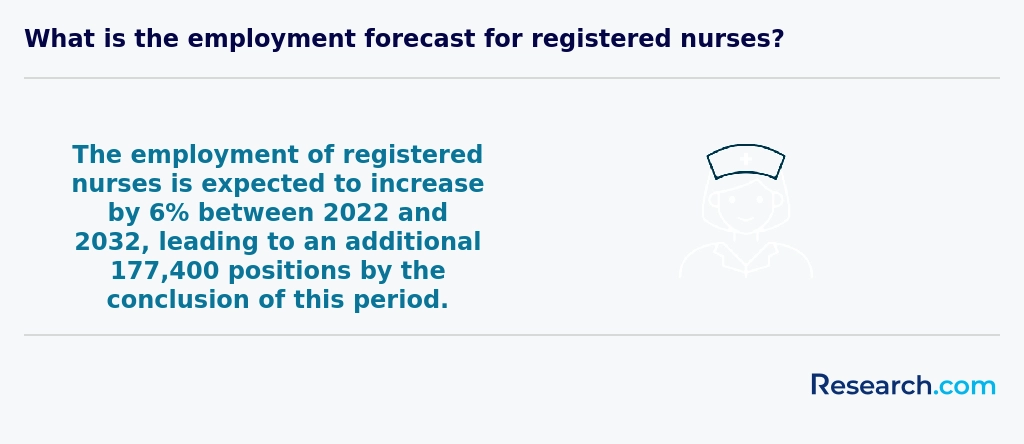
The U.S. Bureau of Labor Statistics projects a 6% employment growth for registered nurses in Iowa through 2031, emphasizing a demand for highly educated nurses. Advanced degrees, such as a Master's or Doctorate, open pathways to roles like nurse practitioners and nurse educators, which require additional licensing but offer increased responsibility and salary potential.
Employers in Iowa often prefer or require a BSN for competitive roles, promoting ongoing education as a clear driver of career advancement in nursing. This trend is supported by healthcare organizations aiming to meet the Institute of Medicine's recommendation for 80% of nurses to hold a BSN by 2025.
Studying for a nursing degree in Iowa equips students with skills essential for interdisciplinary healthcare teams. Iowa's nursing programs emphasize collaboration across professions such as medicine, social work, and pharmacy. According to the Iowa Board of Nursing, curricula often include simulation labs and clinical rotations in diverse healthcare settings, fostering practical teamwork.
These experiences help students understand different professional roles and improve communication, key to coordinated patient care. Additionally, many Iowa nursing schools incorporate courses on healthcare policy and ethics, preparing graduates for leadership in team-based environments.
Data from the Iowa Department of Public Health highlights a growing need for nurses able to work within integrated care models, reflecting national trends toward collaborative practice.
Choosing between a thesis and a non-thesis nursing degree program in Iowa depends on your career goals and learning preferences. Thesis programs emphasize research, requiring students to design and complete a research project. This path suits those interested in advanced clinical roles, teaching, or pursuing a doctoral degree.
Non-thesis programs focus more on coursework and practical skills, appealing to students seeking direct entry into nursing practice or administration. According to the Iowa Board of Nursing, about 30% of graduate nursing students opt for thesis tracks, reflecting a growing interest in research and evidence-based practice.
Consider your time availability and professional objectives when deciding. Thesis options can take longer but offer an academic edge, while non-thesis programs may allow faster completion.
Students based in Iowa who wish to study nursing abroad have several pathways to consider. Many Iowa universities with nursing programs, such as the University of Iowa and Drake University, offer study abroad opportunities or international clinical experiences through partnerships with institutions in countries like Canada, Australia, and the United Kingdom. These programs provide exposure to diverse healthcare systems and can enhance cultural competence.
Additionally, students can explore exchange programs or summer study terms focusing on global health, often accredited toward their Iowa nursing degrees. The Iowa Board of Nursing also ensures that foreign-educated nurses meet licensing requirements before practicing in Iowa, so prospective international study must align with U.S. accreditation standards.
Part-time job opportunities in Iowa that complement nursing degree education often include working as a certified nursing assistant (CNA), medical scribe, or pharmacy technician. These roles provide hands-on experience with patient care, medical documentation, and medication management, which are crucial skills for nursing students.
According to the Iowa Workforce Development, healthcare support roles like CNAs are expected to grow by 12% through 2030, reflecting strong demand across the state. Working part-time in hospitals, clinics, or long-term care facilities helps students build practical knowledge while balancing coursework.
Additionally, some students find opportunities in community health programs or telehealth services in Iowa, which enhance patient communication skills and clinical understanding.
Nursing students in Iowa have several valuable networking opportunities that support their education and professional growth. Many universities and colleges offer student chapters of national organizations such as the American Nurses Association (ANA) and the National Student Nurses' Association (NSNA). These groups host events, workshops, and conferences where students can connect with peers and experienced nurses.
Clinical placements across Iowa's hospitals and healthcare facilities provide hands-on experience and enable students to build relationships with nursing staff and supervisors. According to the Iowa Board of Nursing, clinical networking is integral to licensure preparation and job placement.
Additionally, local chapters of specialty nursing organizations, like the Iowa Nurses Association, offer mentorship programs and regular meetings that foster connections within the state's nursing community.
Alumni networks play a significant role in supporting nursing degree students in Iowa. These networks provide valuable connections to experienced professionals who understand the unique challenges of nursing education and practice in the state.
Through alumni associations, students gain access to job listings and internship opportunities tailored to Iowa's healthcare landscape. The Iowa Center for Nursing Workforce offers data showing that about 75% of nursing graduates find employment within their network connections.
Mentorship programs, often facilitated by alumni groups, help students develop practical skills and professional confidence. Networking events and workshops create spaces where students can build relationships, exchange advice, and learn about emerging healthcare trends in Iowa.
Customizing a nursing degree program in Iowa involves choosing specializations, clinical experiences, and elective courses that align with your career goals. Many Iowa nursing schools offer options like pediatrics, gerontology, or psychiatric nursing, allowing students to focus on in-demand areas. For example, clinical placements in local hospitals or community health centers provide practical skills specific to Iowa's healthcare needs. You can also select accelerated tracks or online courses to fit your schedule. According to the Iowa Board of Nursing, approximately 30% of programs emphasize rural health care, reflecting state employment trends. Tailoring your education improves job readiness and career satisfaction.
Nursing students in Iowa face several common challenges throughout their education. One significant difficulty is balancing demanding clinical hours with academic coursework. According to the Iowa Board of Nursing, many programs require over 1,000 clinical practice hours, which can create scheduling conflicts for students who work or have family commitments.
Additionally, students often struggle with the high cost of nursing education. Tuition and associated fees at public and private Iowa institutions can range widely, contributing to financial stress.
Another challenge is the competitive nature of clinical placement in hospitals, especially in rural areas where facilities are limited. This may delay hands-on experience critical for graduation and licensure.
Lastly, adapting to rigorous exams such as the NCLEX-RN licensing test requires substantial preparation, and Iowa's pass rates hover near the national average, highlighting the test's difficulty.
With a nursing degree in Iowa, graduates can pursue various professional certifications to enhance their careers. The Iowa Board of Nursing recognizes certifications like the Certified Nurse Assistant (CNA), Licensed Practical Nurse (LPN), and Registered Nurse (RN) as foundational credentials. Beyond licensure, many nurses seek advanced certifications in specialties such as Critical Care (CCRN), Pediatrics (CPN), or Geriatrics (CGRN).
National organizations, including the American Nurses Credentialing Center (ANCC), offer certifications that are widely respected in Iowa healthcare settings. According to the Iowa Department of Public Health, certified nurses often experience better job prospects and salary benefits.
Certifications typically require passing an exam and maintaining continuing education credits, which can reinforce expertise and compliance with state regulations.
Writing a winning application for a nursing program in Iowa begins with understanding the competitive nature of admissions. According to the Iowa Board of Nursing, many programs receive far more applications than they can accept, so attention to detail is crucial.
Start by clearly demonstrating your academic readiness. Most programs require a minimum GPA of 3.0 in prerequisite courses like biology and chemistry. Highlight any healthcare experience, including volunteering or CNA certification, as Iowa programs value practical exposure.
Craft a compelling personal statement that explains your motivation clearly and aligns with Iowa's healthcare needs, such as serving rural communities. Include strong letters of recommendation from instructors or healthcare professionals who can attest to your skills and dedication.
Finally, ensure all application materials are submitted before deadlines, which vary among schools, to avoid disqualification. Following these steps increases your chances in Iowa's competitive nursing admissions.
The nursing profession holds a vital role worldwide, offering diverse career opportunities across many healthcare settings. In the United States, including Iowa, nursing is among the fastest-growing fields, with the Bureau of Labor Statistics projecting a 9% employment growth for registered nurses from 2020 to 2030.
Globally, nurses are essential in addressing healthcare challenges, especially amid aging populations and chronic diseases. U.S.-educated nurses often meet high standards due to rigorous training and licensing requirements, which supports international collaboration and exchange programs.
In Iowa, nursing programs emphasize both clinical skills and cultural competence, preparing graduates to work effectively in increasingly globalized healthcare environments. The state participates in initiatives that recognize international nursing credentials, facilitating workforce mobility.
According to the Iowa Center for Nursing Workforce, demand for qualified nurses continues to rise, reflecting a broader trend of valuing nurses' contributions worldwide.
Students pursuing nursing degrees in Iowa can gain practical experience through clinical placements required by accredited nursing programs. These hands-on training opportunities often occur in local hospitals, community health centers, and long-term care facilities. Iowa's nursing schools collaborate with healthcare providers to ensure students meet state Board of Nursing requirements for clinical hours. According to the Iowa Board of Nursing, programs typically require between 500 and 700 clinical hours prior to graduation.
Some programs also offer simulation labs where students practice nursing skills in controlled environments before real-world application. Additionally, internships and externships can supplement classroom education, providing exposure to diverse patient care settings. These experiences help students build confidence and competence, essential for Iowa's competitive healthcare job market.
Choosing the right concentration within a nursing degree program in Iowa involves assessing your career goals and interests. Common specializations include family nursing, psychiatric nursing, and gerontology, each addressing distinct patient needs. Iowa's healthcare system shows growing demand for registered nurses with expertise in gerontology, driven by an aging population, according to the Iowa Workforce Development.
Consider the clinical experiences offered, as hands-on training is crucial. Research the licensure outcomes and employment rates of graduates in your preferred concentration. Additionally, check if the program aligns with licensure requirements set by the Iowa Board of Nursing. Understanding these factors helps in selecting a focus that matches Iowa's healthcare landscape and job market.
Related Nursing Rankings for Nearby States
- 2027 Most Popular Nursing Degree Programs Ranking in Minnesota
- 2027 Most Popular Nursing Degree Programs Ranking in Illinois
- 2027 Most Popular Nursing Degree Programs Ranking in Missouri
- 2027 Most Popular Nursing Degree Programs Ranking in Kansas
- 2027 Most Popular Nursing Degree Programs Ranking in Indiana
- 2027 Most Popular Nursing Degree Programs Ranking in Ohio
- 2027 Most Popular Nursing Degree Programs Ranking in Oklahoma
- 2027 Most Popular Nursing Degree Programs Ranking in Arkansas
- 2027 Most Popular Nursing Degree Programs Ranking in Colorado
- 2027 Most Popular Nursing Degree Programs Ranking in Louisiana
Top Trending Nursing Rankings
See What Experts Have To Say About Studying Nursing
Read our interview with Nursing experts

Lisa Grubb
Nursing Expert
Assistant Professor
Johns Hopkins School of Nursing

References
- How to Choose the Right Nursing School for Your Career Goals | Archer Review https://www.archerreview.com/blog/how-to-choose-the-right-nursing-school-for-your-career-goals
- How to Choose the Right Nursing School for You | Houston Christian University https://hc.edu/articles/how-to-choose-the-right-nursing-school-for-you/
- Medical University of GdaÅsk https://admission.mug.edu.pl/29318.html
- Nursing: Associate Degree Nursing, A.A.S. - Iowa Western Community College https://www.iwcc.edu/academic_programs/health/nursing-associate-degree-nursing-a-a-s/
- Scholarships & Grants https://educate.iowa.gov/higher-ed/financial-aid/scholarships-grants
- What Nursing Concentration Is Right for Me? | Maryville Nursing https://nursing.maryville.edu/blog/what-nursing-concentration-is-right-for-me
- Iowa Nursing Education Programs https://dial.iowa.gov/licenses/health-professions/nursing-professional-midwifery/nursing-education/iowa-nursing-education-programs
- How to Choose a Nursing Program | All Nursing Schools https://www.allnursingschools.com/how-to-get-into-nursing-school/choose-the-right-school/
- Our Opportunities https://uiowa.academicworks.com/opportunities
- Study Nursing Abroad | Boomerang International Educational Services https://boomerangedu.com/study-nursing-abroad/