
2027 Most Popular Nursing Degree Programs Ranking in Montana

Co-Founder and Chief Data Scientist
Choosing the right nursing degree program is an important step for aspiring healthcare professionals in Montana. This article introduces the 2027 Most Popular Nursing Degree Programs Ranking in Montana, developed by the Research.com team of data scientists. It offers reliable insights to help you make a well-informed decision about your education.
Exploring this ranking can guide you toward programs that match your goals and values. A nursing degree not only opens doors to meaningful careers but also allows you to make a positive impact on your community. Start your journey with confidence and clarity.
Key benefits of getting nursing degree in Montana
- Registered Nurses in Montana earn a mean annual wage of $94,480, with specialized roles like Operating Room Nurses earning up to $128,490, making nursing a financially rewarding career.
- Nursing graduates from universities in Montana often explore diverse paths such as Clinical Nurse Educator, Public Health Nurse, or Emergency Room Nurse, offering a range of exciting and impactful job options.
- Completing a nursing degree online from a Montana-based school allows for flexible study schedules and balances work-life commitments, empowering students to achieve their goals without sacrificing current responsibilities.
- Key benefits of getting nursing degree in Montana
- What can I expect from nursing degree in Montana?
- Where can I work with nursing degree in Montana?
- How much can I make with nursing degree in Montana?
- 2027 Most Popular Nursing Degree Programs Ranking in Montana
- Key Findings
- How long does it take to complete nursing degree in Montana?
- Licensing and Certification Process in Montana
- What's the difference between online and on-campus nursing degree?
- Licensing and Certification in Montana
- What is the average cost of nursing degree in Montana?
- Licensing Requirements and NCLEX-RN Preparation in Montana
- What financial aid is available to nursing degree students in Montana?
- Cost Considerations for Nursing Education in Montana
- What are the prerequisites for enrolling in nursing degree program in Montana?
- Licensing and Certification Requirements
- What courses are typically in nursing degree programs in Montana?
- What types of specializations are available in nursing degree programs in Montana?
- How do you choose the best nursing degree in Montana?
- What career paths are available for nursing degree students in Montana?
- What is the job market for nursing degree in Montana?
- Related Nursing Rankings for Nearby States
- Top Trending Nursing Rankings
- See What Experts Have To Say About Studying Nursing
What can I expect from nursing degree in Montana?
The average cost of a nursing degree in Montana varies based on the program and institution, but students often find it manageable compared to national rates. For example, pursuing an ADN at a community college can cost between $6,000 and $12,000 in total tuition, which many graduates describe as a solid investment given the strong job demand in rural areas. On the other hand, BSN programs at the University of Montana or Montana State University usually range from $25,000 to $40,000 for in-state students, combining tuition, fees, and materials.
Graduates recall that financial aid, scholarships, and work-study options significantly ease the burden. Many students appreciate how hands-on clinical rotations in local hospitals or rural clinics not only enhance skills but also create job opportunities that help offset costs post-graduation. Practical experience aligns well with Montana's healthcare needs and boosts confidence while maintaining affordability.
Ultimately, budgeting realistically and exploring local resources at your chosen Montana institution will prepare you to manage costs efficiently.
Where can I work with nursing degree in Montana?
Graduates with a nursing degree in Montana often start their careers working in hospitals, the largest employer for nurses in the state. Many alumni from the University of Montana and Montana State University share how they secured positions in medical-surgical units or emergency departments in cities like Billings or Missoula. These roles provide valuable hands-on experience and offer a solid foundation for their careers.
Some graduates choose outpatient care centers or rural health clinics, especially those eager to support underserved communities across Montana's vast rural areas. This work delivers a rewarding sense of making a real difference for patients managing chronic illnesses or needing preventive care.
Long-term care facilities and assisted living homes are popular options too, especially with Montana's aging population. Nurses from local colleges appreciate the chance to build close patient relationships while gaining expertise in geriatric care.
Home healthcare jobs are also growing, letting nurses provide personalized support to patients who prefer staying at home. Advanced-degree holders may expand into public health roles or school nursing, contributing to community well-being and education statewide.
How much can I make with nursing degree in Montana?
Graduates from nursing programs at Montana universities often see competitive salary opportunities that reflect their level of education and chosen career path. For those starting as Registered Nurses (RNs), average wages hover around $94,480 annually, aligning with national figures and providing a solid income foundation. This matches well with experiences from recent graduates who studied at the University of Montana or Montana State University, where practical skills and clinical placements prepare them for these roles.
Specialized roles bring higher pay. For example, Clinical Nurse Educators and Public Health Nurses, also averaging about $94,480 per year, offer a rewarding path for graduates interested in education or community health. Graduates entering fast-paced environments like Emergency Rooms earn similar salaries, reflecting the demand and skill required.
Those advancing to Operating Room Nurse positions can expect significantly higher earnings, averaging $128,490 annually. This reflects the high level of expertise and specialized training Montana programs emphasize for these critical roles. Such figures reassure many nursing graduates that investing time in advanced certifications can lead to not only meaningful work but also excellent financial returns.
2027 Most Popular Nursing Degree Programs Ranking in Montana
How do we rank schools?
Investing in your education is a significant decision that can shape your future, and the Research.com team understands the importance of making informed choices. To assist prospective students in Montana, we have meticulously crafted the "2027 Most Popular Nursing Degree Programs Ranking in Montana." Our commitment to quality, credibility, and accuracy is reflected in the extensive research and analysis conducted to compile this ranking.
We utilized the following reputable data sources to ensure a comprehensive evaluation of nursing programs:
By exploring this ranking, readers will gain valuable insights into the most popular nursing degree programs available in Montana, helping them make confident and well-informed decisions about their educational paths. For more details on our methodology, please visit our Research.com methodology page.


Key Findings
- Nursing degrees in Montana include ADN and BSN programs offered by public and private schools, such as the University of Montana and Montana State University.
- Annual tuition for ADN programs ranges from $4,000 to $7,000 for in-state students; BSN tuition typically costs between $8,000 and $15,000 per year.
- Additional yearly expenses for fees, textbooks, and supplies usually add $1,000 to $2,000.
- Montana employs about 8,000 registered nurses, with job growth supported by healthcare needs in both rural and urban areas.
- Entry-level registered nurses earn between $55,000 and $62,000 annually, while mid-career salaries range from $68,000 to $75,000; senior nurses or specialists may earn over $80,000 per year.
- Nursing graduates must pass the NCLEX-RN exam and complete approved clinical training to become licensed in Montana.
How long does it take to complete nursing degree in Montana?
Completing a nursing degree in Montana depends largely on the program you choose and your previous education. For example, ADN programs at local community colleges typically take about two years, ideal for those eager to quickly start working as licensed registered nurses after passing the NCLEX-RN exam. Graduates from these programs often share how manageable the timeline feels when balancing study and life.
If you consider a BSN, such as those offered by the University of Montana or Montana State University, plan for around four years of full-time study. Many students appreciate the comprehensive training that prepares them not just for bedside care but leadership roles, often reflecting positively on their expanded career options afterward.
For students with a bachelor's degree in another field, Montana's RN-to-BSN programs offer a flexible path, usually taking between 12 and 24 months depending on full- or part-time study-perfect for those juggling work or family.
Always remember, clinical hours and prerequisite courses can extend your timeline. Veterans of these programs recommend checking Montana school catalogs carefully to plan efficiently.
Licensing and Certification Process in Montana
Before beginning your career as a Registered Nurse in Montana, you must secure licensure through the Montana Board of Nursing. The steps include: 1. Graduation from an accredited nursing program: Ensure your school holds CCNE or ACEN accreditation. 2. Criminal background check and fingerprinting: Submit to a state and federal review as part of your application. 3. NCLEX-RN registration and scheduling: Create an account with Pearson VUE, pay the exam fee, and choose a testing center date. 4. Passing the NCLEX-RN exam: A minimum pass content level is required; scores are reported within two to three weeks. 5. License issuance: Once you pass, the Board issues your RN license, enabling you to practice in Montana. For students who begin as Licensed Practical Nurses, bridge pathways can accelerate eligibility. Many aspiring nurses augment their preparation by enrolling in accelerated programs, such as the best 6 month online lpn to rn degree program, allowing them to complete prerequisites and sit for the NCLEX-RN sooner. Continuing education is required for license renewal every two years, typically involving 14 contact hours of approved courses. Staying informed about renewal deadlines and approved CE providers ensures uninterrupted practice and compliance with Montana’s nursing standards.
What's the difference between online and on-campus nursing degree?
Choosing between online and on-campus nursing degrees in Montana means balancing hands-on experience with flexibility. Graduates from the University of Montana often praise the in-person clinical hours at local hospitals, which build confidence through direct patient care and real-time support from instructors. This traditional path involves regular campus attendance, fostering close collaboration with peers and quick access to campus resources.
In contrast, graduates from Montana State University highlight the convenience of online programs that let them study around busy work or family schedules. Still, both online and on-campus students must complete clinical hours locally, so online learners often coordinate with nearby hospitals for hands-on practice. This flexibility suits those working in healthcare already or living farther from campus.
In Montana, tuition costs are similar for both formats, typically between $7,000 and $9,000 annually, but online students save on commuting and housing. Understanding these differences helps align your nursing education choice with your lifestyle and goals.
Licensing and Certification in Montana
To practice as a nurse in Montana, graduates must obtain licensure through the Montana Board of Nursing (MBON). The pathway includes: 1. Complete an accredited nursing program-ensure your school holds CCNE or ACEN accreditation and maintains a strong NCLEX pass rate. 2. Submit an application and fees to MBON, including official transcripts and a background check. Processing times average 4–6 weeks. 3. Register for and pass the NCLEX-RN exam; Montana’s first-time pass rate hovers around 89%, reflecting rigorous preparation standards. 4. Upon passing, activate your license by completing the MBON’s endorsement process if you hold an out-of-state credential. 5. Maintain your RN license with biennial renewals, 15 contact hours of continuing education, and periodic competency assessments. For students seeking cost-effective online pathways outside Montana, consider the Most Affordable Online Nursing Degree Programs Ranking in Michigan, which highlights flexible programs that complement clinical training requirements in rural or underserved areas.
What is the average cost of nursing degree in Montana?
For those aiming to earn a nursing degree in Montana, the average cost for in-state students typically centers around $8,460 total. This figure represents the median total tuition expense, making it a practical benchmark for planning your education budget. Graduates from public universities like Montana State University and the University of Montana have shared that the tuition costs stay manageable and help them focus more on their clinical skills and less on financial stress. These schools are a solid pick for residents looking to balance quality and affordability without compromising their educational goals.
Community colleges in Montana offer an even more affordable pathway, especially for those pursuing an associate degree in nursing. Many students choose this route as a stepping stone toward advanced nursing roles. The average cost for these programs ranges from around $3,000 to $5,000 per year, making them a budget-friendly alternative that still opens doors within the nursing field. Understanding Montana nursing degree tuition and fees helps you weigh options carefully, especially when personal finances or financial aid are part of the equation.
Private nursing programs, by contrast, often cost considerably more-sometimes exceeding $20,000 annually. However, some students find that the resources and smaller class sizes justify the investment. Many who want to compare affordable choices also explore scholarship opportunities and grants. Checking out the cheapest nursing schools in Montana can provide valuable insights for those aiming to maximize value while pursuing their nursing career.

Licensing Requirements and NCLEX-RN Preparation in Montana
Before launching your nursing career in Montana, you must obtain licensure through the Montana Board of Nursing, which involves a criminal background check, proof of accredited education, and passing the NCLEX-RN exam. To be eligible for examination, graduates should submit official transcripts from their nursing program and complete the application on the Montana Online Licensing System (MOLS). After approval, you will receive an Authorization to Test (ATT) from the National Council of State Boards of Nursing (NCSBN). Key steps to streamline your licensure process:
- Verify program accreditation: Ensure your school is accredited by the Commission on Collegiate Nursing Education (CCNE) or the Accreditation Commission for Education in Nursing (ACEN).
- Complete background screening: Submit fingerprints for a state and federal criminal history check, typically processed within 2–4 weeks.
- Apply for NCLEX-RN: Pay the exam fee ($200–$260) and schedule your test at a Pearson VUE testing center.
- Prepare efficiently: Leverage review courses, practice question banks, and study groups. Consider supplemental training from reputable accelerated lpn programs to reinforce foundational clinical skills. NCLEX-RN pass rates in Montana average around 88% for first-time test-takers, reflecting strong program quality but underscoring the need for targeted preparation. Focus on high-yield topics such as pharmacology calculations, prioritization, and patient safety. Use a study schedule that allocates time for content review, question-based testing, and self-assessment, and aim to complete at least 2,000 practice questions before your exam date. By understanding Montana’s licensure requirements and adopting a disciplined NCLEX-RN study plan, you’ll be well-positioned to obtain your Registered Nurse credential and embark on a rewarding career in healthcare.
What financial aid is available to nursing degree students in Montana?
If you're pursuing a nursing degree in Montana, financial aid is a vital tool to manage tuition costs, which typically range from $7,500 to $12,000 annually for in-state students at universities like Montana State University or the University of Montana.
Start by completing the FAFSA to access federal aid such as Pell Grants, which can cover up to $7,395 per year without repayment. Many Montana nursing students have found Pell Grants transformative, allowing them to focus on studies instead of constant financial stress.
State scholarships through the Montana University System reward both academic achievement and financial need, offering a lifeline for those balancing work and education. Graduates often share how these awards eased their path through programs like the BSN at Carroll College.
Beyond federal and state options, look for scholarships from the Montana Board of Nursing or professional groups like the Montana Nurses Association. Employers such as Benefis Health System sometimes provide tuition assistance if you commit to working there, making it a win-win for your career and finances.
Finally, explore nurse corps loan repayment programs that repay education loans in exchange for service in underserved Montana communities-a practical way to reduce debt while gaining valuable hands-on experience.
Cost Considerations for Nursing Education in Montana
When considering a Nursing degree in Montana, one crucial aspect to evaluate is the cost of education. The financial investment in a nursing program can vary significantly, from approximately $23,900 for an Associate Degree in Nursing (ADN) to over $211,392 for a Bachelor of Science in Nursing (BSN). For those looking to minimize costs, exploring the cheapest nursing schools in Montana can be a strategic move. Master’s Degree in Nursing (MSN) programs and Doctor of Nursing Practice (DNP) programs also come with their own set of costs, ranging from $28,060 to $78,820 for MSN and $111,000 to $171,920 for DNP. Understanding these costs and how they align with potential career outcomes is essential for making informed decisions about nursing education in Montana.
What are the prerequisites for enrolling in nursing degree program in Montana?
To enroll in a nursing degree program in Montana, you'll first need a high school diploma or GED with strong grades in biology, chemistry, and math-subjects that build your foundation for nursing coursework. Graduates from Montana State University and the University of Montana often recall how mastering these basics made anatomy and physiology classes far more manageable.
Next, expect to complete prerequisite college courses such as Introduction to Biology, General Chemistry, Microbiology, Human Anatomy and Physiology, English Composition, and either Statistics or Mathematics. These prerequisites ensure you're prepared before diving into specialized nursing topics.
Many nursing programs in Montana will also require you to demonstrate your communication and critical thinking skills. Practical examples include submitting personal statements, letters of recommendation, or sharing your volunteer experience in healthcare settings, which helped former students stand out during the application process at institutions like Carroll College.
Finally, successful applicants submit TEAS exam scores to prove academic readiness. Students who balanced study groups and practice tests at Missoula College often find this exam a reliable measure for grasping key areas such as reading and science.
Licensing and Certification Requirements
To practice as a registered nurse in Montana, you must meet state licensing standards and maintain ongoing certification.
- Graduate from a nursing program approved by the Montana Board of Nursing.
- Register for, schedule, and pass the NCLEX-RN exam administered by the National Council of State Boards of Nursing.
- Submit an official application to the Montana Board of Nursing, including background check and required fees.
- Renew your license every two years by completing at least 12 continuing education contact hours and submitting renewal fees on time.
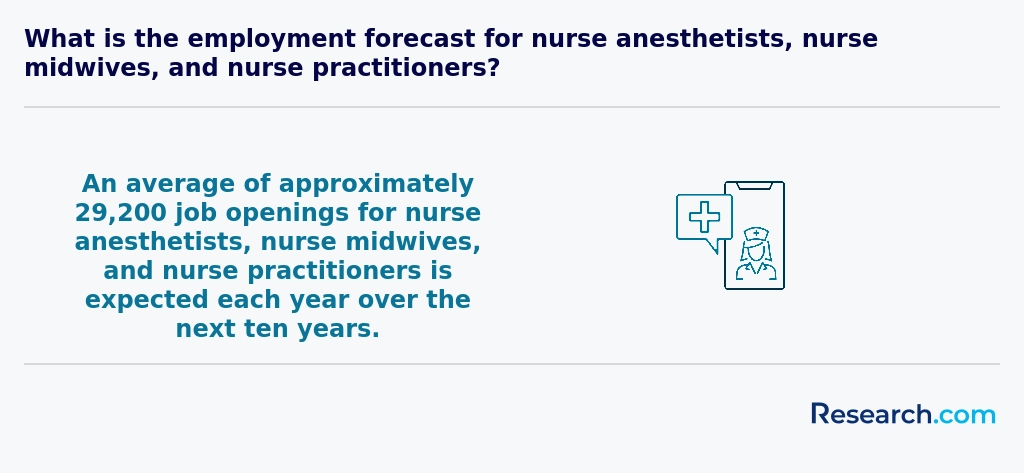
For advanced practice roles like Nurse Practitioner or Clinical Nurse Specialist, additional graduate credentials and national certification are required. Many nurses seeking these credentials explore dnp programs to satisfy both educational and certification prerequisites.
Check Montana Board of Nursing for the latest rules, fees, and renewal deadlines.
What courses are typically in nursing degree programs in Montana?
Nursing degree programs in Montana typically include a solid mix of core courses designed to build strong clinical skills and medical knowledge. For instance, students at popular schools such as Montana State University often start with Human Anatomy and Physiology, learning firsthand how the body works-crucial when assessing real patients during clinical rotations.
Graduates frequently highlight courses like Pharmacology and Pathophysiology that deepen their understanding of medications and disease processes, making them confident when administering treatments. The hands-on Nursing Fundamentals and Clinical Practicums are especially valued, as they simulate real hospital scenarios, helping students feel ready to face the demands of their first nursing job in Missoula or Billings.
Mental Health Nursing and Community Health courses prepare students to support diverse populations, which many Montana nursing grads find rewarding when working in rural clinics. The extended focus in Bachelor of Science in Nursing programs on leadership and evidence-based practice also equips students for advanced roles, offering a clear path forward after completing these comprehensive courses locally.
What types of specializations are available in nursing degree programs in Montana?
In Montana, nursing degrees typically include specializations that meet the state's healthcare challenges and align with national trends. Most programs start with a Registered Nurse (RN) Track, laying a broad foundation. From there, students often choose from Montana nursing degree focus areas such as Family Nurse Practitioner (FNP), which equips nurses to serve rural communities effectively-something many graduates from popular universities appreciate due to Montana's wide-open spaces and limited healthcare access.
Other common specializations include Geriatric Nursing, responding to the state's increasing elderly population, and Pediatric Nursing, vital for child care in both urban and rural settings. Psychiatric and Mental Health Nursing is another key area, addressing growing mental health needs. Graduates from well-known colleges often recall how hands-on experience in these niches prepared them confidently for diverse clinical roles.
For those aiming higher, specialized roles like Certified Nurse Midwife (CNM) and Nurse Anesthetist (CRNA) require graduate studies. Meanwhile, many students boost their credentials and reduce time studying by exploring accelerated lpn programs. Navigating these nursing specializations in Montana makes a difference for career flexibility and community impact.
How do you choose the best nursing degree in Montana?
Start by identifying the nursing degree level that matches your career goals-whether it's an LPN certificate, ADN, or BSN. Graduates from Montana's community colleges often share how ADN programs offer a financially sensible path, thanks to tuition averaging around $7,000 for in-state students, compared to higher costs at public universities for BSN degrees. Picking an accredited program is essential; institutions recognized by ACEN or CCNE ensure you're eligible for licensure and federal aid. Alumni commonly appreciate programs in cities like Billings and Missoula for their strong clinical placement connections, which provide real-world practice in diverse healthcare settings.
Consider program flexibility if balancing work or family, with some Montana colleges offering part-time or accelerated options. Nursing students often recount how these flexible schedules helped them succeed without sacrificing income. Reviewing NCLEX pass rates published by the Montana Board of Nursing gives insight into program quality-choosing a school above the state average means better licensure success. For a quicker start, explore the best 6 month online lpn to rn degree program, which many find suits those eager to advance rapidly in nursing.
To find affordable nursing schools Montana wide, weigh tuition, clinical opportunities, and program length carefully to make a confident, pragmatic choice aligned with your future in healthcare.
What career paths are available for nursing degree students in Montana?
Graduates of nursing programs in Montana often begin their careers as Registered Nurses (RNs), a role valued across hospitals, clinics, and community health centers. Practical nursing roles like Licensed Practical Nurse (LPN) provide quicker entry into the workforce, ideal for those balancing study and work. Many graduates from popular Montana colleges find that becoming a Nurse Practitioner (NP) unlocks advanced care opportunities, especially in rural and underserved areas, where healthcare access is crucial. Specializations such as pediatric or geriatric nursing allow nurses to focus on specific population needs, making a real impact in communities across the state.
Experienced nursing graduates often transition into healthcare administration or nursing education, shaping future Montana nurses and improving service delivery. Given Montana's growing demand for home health and telehealth services, those with advanced degrees are well-positioned for leadership and higher salaries. For students exploring options, Montana's costs remain competitive, and exploring programs like those in the Most Affordable Online Nursing Degree Programs Ranking in Michigan can provide additional pathways. This practical approach to nursing career opportunities in Montana ensures a strong foundation for long-term success.
What is the job market for nursing degree in Montana?
The nursing degree job opportunities Montana graduates encounter are strong and growing. Many students from well-known Montana colleges find steady employment in hospitals ranging from large urban centers to rural critical access facilities, where demand is especially high. Graduates often describe a rewarding sense of job stability and community impact, particularly when working in rural public health agencies or home healthcare services.
Salary prospects in Montana are competitive, with average wages near $66,000 annually, balancing well against the state's lower cost of living. Nursing students at public universities appreciate affordable tuition, typically between $7,000 and $10,000 per year, which helps them enter the workforce with manageable debt levels. Alongside solid entry-level positions, pursuing advanced studies or certifications opens doors to leadership roles and specialized care.
For those exploring accelerated paths, many turn to accelerated bachelors degrees online to fast-track their careers. Success stories from graduates highlight how Montana's workforce shortages, especially outside major cities, translate to real opportunities for rapid employment and career growth in diverse clinical settings, making the Montana nursing job market outlook very hopeful.
Frequently Asked Questions About nursing
Nursing degree students in Montana can maximize their learning experience by engaging in clinical rotations at local healthcare facilities. Montana has over 120 rural hospitals where students gain valuable hands-on skills. According to the Montana Board of Nursing, practical experience is essential for licensure and employment.
Students should also seek programs accredited by the Accreditation Commission for Education in Nursing (ACEN) or the Commission on Collegiate Nursing Education (CCNE). Accredited programs ensure curriculum quality and better preparation for the NCLEX-RN exam.
Utilizing simulation labs available at many Montana colleges enhances critical thinking and patient care skills in a controlled environment.
Finally, joining Montana nursing associations can provide networking opportunities and access to continuing education resources.
The nursing field in Montana is evolving with several emerging niches gaining importance. One key area is gerontological nursing, driven by Montana's aging population. According to the U.S. Census Bureau, nearly 20% of Montana's residents are age 65 or older, creating demand for nurses skilled in elder care.
Another growing niche is telehealth nursing, which expands access to healthcare in Montana's rural areas. The state's large rural population benefits from remote patient monitoring and virtual consultations, helping overcome geographic barriers.
Behavioral health nursing is also expanding as awareness of mental health issues increases. Nurses trained in psychiatric care and substance abuse treatment are vital in Montana's efforts to address these challenges.
Finally, public health nursing remains crucial, especially following the COVID-19 pandemic, as Montana strengthens community health initiatives and disease prevention programs.
After completing a nursing degree in Montana, preparing for the job market involves several key steps. First, passing the NCLEX-RN exam is essential to become a licensed registered nurse in the state. Montana's Department of Labor reports steady growth in nursing jobs, making timely licensure crucial to access these opportunities. Gaining clinical experience through internships or externships during your program improves practical skills and employability. Networking with local healthcare facilities and attending Montana nursing association events can also open doors. Additionally, staying informed about Montana's rural health initiatives can help applicants target high-demand areas with greater job prospects.
Employers in Montana prioritize several key skills when hiring nursing degree graduates. Strong clinical competence is essential, as nurses must confidently perform patient assessments, administer medications, and use medical technology. According to the Montana Board of Nursing, critical thinking and problem-solving abilities rank highly, allowing nurses to respond quickly to changing patient conditions.
Communication skills are equally important. Nurses often act as a bridge between patients, families, and healthcare teams, requiring clear and compassionate interaction. Additionally, familiarity with electronic health records (EHR) systems is increasingly valued in Montana's healthcare settings.
Lastly, cultural competence is vital due to Montana's diverse population, including significant rural and Indigenous communities.
Finding internships in Montana relevant to a nursing degree often starts with the nursing program at your college or university. Many accredited nursing schools in Montana, such as those approved by the Montana Board of Nursing, have established partnerships with local hospitals and clinics that provide clinical placements. According to the Montana Department of Labor & Industry, internships and clinical experiences significantly enhance practical skills and employment opportunities for nursing students.
Students should also explore opportunities at major healthcare providers in Montana, including Billings Clinic and St. Peter's Health. These institutions frequently offer structured internship programs aligned with academic requirements. Additionally, professional nursing associations in Montana may provide resources and listings for internships.
Proactively contacting nursing supervisors and using state job boards can help uncover more internship opportunities. Planning ahead each semester improves chances of securing valuable hands-on experience needed for licensure and employment.
Obtaining a nursing degree in Montana significantly enhances career mobility and advancement opportunities. According to the Montana Department of Labor & Industry, registered nurses (RNs) with a Bachelor of Science in Nursing (BSN) are increasingly preferred for leadership and specialized clinical roles. This degree opens doors to higher-paying positions and prepares graduates for roles such as nurse educators or nurse managers.
Montana's healthcare system shows steady growth, with a projected 12% increase in RN jobs through 2030, according to the U.S. Bureau of Labor Statistics. Nurses with advanced degrees have more flexibility in choosing work settings, including hospitals, clinics, and public health organizations.
Continuing education in Montana can also lead to nurse practitioner or clinical nurse specialist roles, which require a Master's or higher degree, offering substantial salary increases and career progression.
Studying for a nursing degree in Montana equips students with essential skills for effective collaboration in interdisciplinary healthcare teams. Montana nursing programs emphasize communication, teamwork, and critical thinking, aligning with national standards set by the American Association of Colleges of Nursing. Students often engage in clinical experiences alongside professionals from medicine, social work, and public health, fostering a comprehensive understanding of patient care.
Montana's growing healthcare environment, supported by the Montana Board of Nursing, highlights the need for nurses who can navigate diverse roles. According to the Montana Healthcare Workforce Report 2023, over 60% of nursing graduates work in integrated settings, demonstrating the local demand for interdisciplinary competence.
These educational approaches ensure graduates are ready to contribute effectively in team-based care models prevalent in hospitals, community clinics, and rural health centers throughout the state.
When choosing between a thesis and a non-thesis nursing degree program in Montana, consider your career goals. Thesis programs focus on research and are ideal for students aiming for roles in academia or advanced clinical research. Non-thesis options often emphasize practical skills, preparing graduates for direct patient care or administrative positions.
Montana nursing schools typically align thesis tracks with master's or doctoral levels, with requirements varying by institution. According to the Montana Board of Nursing, practical experience remains critical regardless of the path chosen. Data from the National Center for Education Statistics shows that about 40% of nursing graduate students nationwide select thesis programs, reflecting the growing demand for nurse researchers.
Financial and time commitments also differ: thesis programs may take longer due to research obligations, while non-thesis degrees often offer faster completion. Prospective students should review program specifics from Montana's accredited schools and consider future educational or professional plans carefully.
Students based in Montana who wish to study nursing abroad have several options through U.S. higher education institutions with international partnerships. Many Montana nursing programs, such as those at the University of Montana or Montana State University, offer study abroad opportunities or clinical placements in countries like Australia, the United Kingdom, and Canada.
These programs allow students to gain global nursing experience while earning credits toward their degree. The Montana Board of Nursing supports verification of foreign-educated nurses, which is important for licensure after international study.
Montana ranks in the middle among states for nursing shortage, making international experience valuable for future job prospects locally and nationally (Montana DPHHS, 2023).
Students pursuing nursing degrees in Montana have several part-time job opportunities that complement their education and provide valuable experience. Positions such as certified nursing assistant (CNA) or home health aide allow students to gain practical skills while managing flexible schedules. According to the Montana Department of Labor & Industry, CNAs earn a median wage of around $15 per hour, giving students a competitive income alongside their studies.
Additionally, roles in medical offices or clinics as receptionist or nursing assistant can expose students to healthcare environments and patient interaction. Volunteer roles in community health centers also help build relevant skills and professional networks.
Nursing students in Montana have diverse networking opportunities that help build professional connections essential for career growth. Many programs encourage participation in the Montana Nurses Association (MNA), which offers workshops, conferences, and leadership events. The MNA provides access to over 7,000 nursing professionals statewide, making it a valuable resource for students to engage with seasoned practitioners.
Several universities in Montana host local nursing student organizations linked to national groups like the National Student Nurses' Association (NSNA). These clubs often organize networking events, community outreach, and clinical workshops.
Clinical placements throughout Montana also serve as crucial networking platforms where students connect directly with healthcare providers and potential employers.
Alumni networks offer valuable support for nursing degree students in Montana by connecting them with experienced professionals. These networks provide mentorship opportunities, helping students navigate clinical placements and licensing requirements specific to Montana.
The Montana Nurses Association highlights that graduates involved in alumni groups report higher employment rates within six months of graduation, thanks to job referrals shared through these networks. Alumni can also offer guidance on continuing education paths aligned with Montana's healthcare standards.
Additionally, networking events and online platforms maintained by alumni associations foster collaboration, allowing students to stay informed about local healthcare trends and employer expectations. This connection to the nursing community enhances students' professional development and readiness for Montana's healthcare environment.
Nursing degree programs in Montana offer flexibility to help students align their education with their career goals. Many schools provide options to choose clinical specialties, such as pediatrics, gerontology, or psychiatric nursing. This lets students gain focused experience tailored to their interests.
Additionally, students can select between different degree levels like Associate Degree in Nursing (ADN), Bachelor of Science in Nursing (BSN), or advanced degrees, depending on their career plans. For example, pursuing a BSN prepares students for leadership roles in healthcare.
Montana's Board of Nursing also supports continuing education and certifications, allowing graduates to specialize further. According to the Montana Department of Labor, there is strong demand for nurses with diverse skills across urban and rural areas, emphasizing the importance of personalized training.
Nursing students in Montana face several challenges during their education. One key issue is the limited availability of clinical placement sites. With a growing demand for nursing professionals, securing practical experience can be competitive, especially in rural areas. According to the Montana Board of Nursing, clinical opportunities are critical for hands-on learning but can be scarce in certain regions.
Another challenge is balancing coursework with work or family responsibilities, common among Montana's non-traditional students. The state's vast geography often means travel times can be long for attending classes or clinicals.
Additionally, the cost of nursing programs in Montana is a concern. While tuition rates are generally moderate, expenses like books and equipment add up, and some students may struggle to find sufficient financial aid.
With a nursing degree in Montana, graduates can pursue several professional certifications to advance their careers. The most common is the Registered Nurse (RN) license, required for entry-level practice. Many Montanans then obtain specialty certifications such as Certified Nurse Practitioner (CNP), Certified Nurse Midwife (CNM), or Critical Care Registered Nurse (CCRN).
Advanced certifications from organizations like the American Nurses Credentialing Center (ANCC) and the Montana Board of Nursing enhance job prospects. According to the Montana Nursing Workforce Center, about 15% of nurses in the state hold specialty certifications, reflecting growing demand for advanced practice roles.
These credentials support career growth and higher salaries across hospitals, clinics, and community health settings in Montana.
Writing a winning application for a nursing program in Montana begins with careful research of the specific school's requirements. Most programs, including those at the University of Montana and Montana State University, require a strong academic record, especially in sciences like biology and chemistry.
Applicants should highlight relevant healthcare experience, such as volunteering or working as a CNA, to demonstrate commitment and practical knowledge. According to the Montana Board of Nursing, programs favor applicants with clear communication skills and a strong understanding of patient care fundamentals.
Additionally, preparing a well-crafted personal statement that conveys your passion for nursing and connection to Montana's healthcare needs can set you apart.
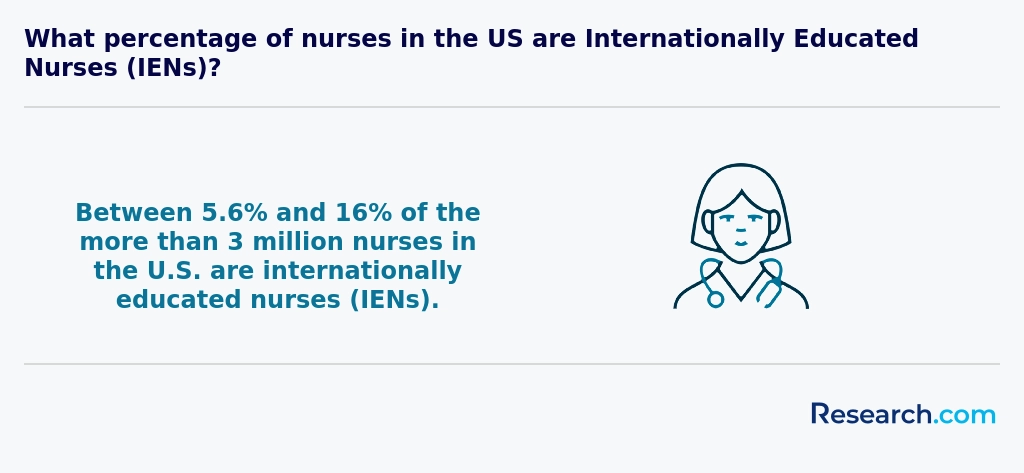
The nursing profession holds a respected and vital role worldwide, including in the United States and Montana. Globally, nurses are recognized as essential healthcare providers who improve patient outcomes and support public health. In Montana, the demand for registered nurses is projected to grow by 10% from 2020 to 2030, reflecting trends seen across many developed countries. This growth is influenced by aging populations and increasing chronic health conditions.
Educational standards for nurses in the US, including Montana, align with international efforts to enhance training quality and professional mobility. Many nurses from Montana pursue advanced degrees to meet both local and global healthcare needs.
Gaining practical experience while studying for a nursing degree in Montana is essential for building critical skills. Most nursing programs in the state incorporate clinical rotations, where students work hands-on in hospitals, clinics, or long-term care facilities. These rotations are supervised and align with course objectives, providing real-world patient care exposure.
In addition, many Montana nursing schools collaborate with local healthcare providers such as Billings Clinic and St. Peter's Health. This partnership allows students to gain diverse clinical experiences across various specialties. According to the Montana Board of Nursing, clinical hours are a mandatory part of licensure requirements, ensuring students graduate practice-ready.
Some programs also offer simulation labs using advanced mannequins to mimic patient scenarios. This training complements clinical experiences and helps students develop confidence before entering actual healthcare settings.
Choosing the right concentration within a nursing degree program in Montana requires careful consideration of your interests, career goals, and local healthcare needs. Montana offers diverse nursing specialties such as family nurse practitioner, psychiatric-mental health, and gerontology, among others.
Review Montana's workforce demands; for example, the Montana Department of Labor and Industry reports a growing need for registered nurses in rural and aging populations. Concentrations aligned with these trends may increase job opportunities.
Evaluate clinical placement opportunities offered by programs since hands-on experience can vary by specialization and location.
Additionally, consider the licensure and certification requirements related to your desired concentration, as these differ across specialties.
Related Nursing Rankings for Nearby States
- 2027 Most Popular Nursing Degree Programs Ranking in Idaho
- 2027 Most Popular Nursing Degree Programs Ranking in Washington
- 2027 Most Popular Nursing Degree Programs Ranking in Minnesota
- 2027 Most Popular Nursing Degree Programs Ranking in Colorado
- 2027 Most Popular Nursing Degree Programs Ranking in Iowa
- 2027 Most Popular Nursing Degree Programs Ranking in Kansas
- 2027 Most Popular Nursing Degree Programs Ranking in California
- 2027 Most Popular Nursing Degree Programs Ranking in Arizona
- 2027 Most Popular Nursing Degree Programs Ranking in Oklahoma
- 2027 Most Popular Nursing Degree Programs Ranking in Illinois
Top Trending Nursing Rankings
See What Experts Have To Say About Studying Nursing
Read our interview with Nursing experts

Lisa Grubb
Nursing Expert
Assistant Professor
Johns Hopkins School of Nursing

References
- Nursing Study Abroad Programs | Go Overseas https://www.gooverseas.com/study-abroad/nursing
- Do I Have to Write a Thesis to Complete a Master’s Degree in Nursing? https://www.bestmasterofscienceinnursing.com/faq/write-thesis-complete-masters-degree-nursing/
- Exploring Diverse Nursing Career Horizons - N2S Healthcare Blog https://n2shealthcare.com/blog/exploring-diverse-nursing-career-horizons-n2s-healthcare-blog
- Working While in Nursing School: 25 Ways to Make Money as a Nursing Student https://credenzahealth.com/career-advice/working-while-in-nursing-school-25-ways-to-make-money-as-a-nursing-student
- What Nursing Concentration Is Right for Me? | Maryville Nursing https://nursing.maryville.edu/blog/what-nursing-concentration-is-right-for-me
- School of Nursing Alumni Resources https://nursing.utmb.edu/About/Alumni
- Your Questions About Online Nursing School, Answered https://www.allnursingschools.com/how-to-get-into-nursing-school/online-programs/
- What Are the Best Jobs to Work While in Nursing School? https://www.dewv.edu/what-are-the-best-jobs-to-work-while-in-nursing-school/
- Best programs to become a nurse practitioner in Montana https://clema.ai/montana/occupations/nurse-practitioners
- Essential Tips for Nursing Students to Advance Their Careers https://almanaltraining.com/essential-tips-for-nursing-students-to-advance-their-careers/


