
2027 Most Popular Nursing Degree Programs Ranking in Reno

Co-Founder and Chief Data Scientist
Choosing the right nursing degree program is a big step toward a rewarding career in healthcare. If you're a student in Reno, this article can guide you through that decision.
We present the 2027 Most Popular Nursing Degree Programs Ranking in Reno, developed by the Research.com team of data scientists. This data-driven ranking highlights nursing programs that are making a real impact, helping you find quality education options.
Reading this article will give you confidence and clarity as you explore nursing opportunities that fit your goals and lifestyle.
Key benefits of getting nursing degree in Reno
- Salary for nursing degree graduates: Registered Nurses and Public Health Nurses in Reno earn a mean annual wage of $94,480, while Operating Room Nurses enjoy higher earnings averaging $128,490 yearly, offering rewarding financial opportunities.
- Career paths: Graduates from local universities in Reno can explore diverse roles such as Emergency Room Nurse, Clinical Nurse Educator, or Public Health Nurse, allowing flexible options to match different passions and strengths.
- Online degree benefits: Completing a nursing degree online through a popular Reno college offers convenience and flexibility, enabling students to balance personal commitments while gaining quality education without relocating.
- Key benefits of getting nursing degree in Reno
- What can I expect from nursing degree in Reno?
- Where can I work with nursing degree in Reno?
- How much can I make with nursing degree in Reno?
- 2027 Most Popular Nursing Degree Programs Ranking in Reno
- Key Findings
- How long does it take to complete nursing degree in Reno?
- Licensure and Certification: How to Become a Registered Nurse in Nevada
- What's the difference between online and on-campus nursing degree?
- Bridging from Licensed Practical/Vocational Nurse (LPN/LVN) to Registered Nurse (RN) Pathways
- What is the average cost of nursing degree in Reno?
- NCLEX Pass Rates and Licensure Requirements in Nevada
- What financial aid is available to nursing degree students in Reno?
- Trends and Future Outlook in Nursing Education in Reno, NV
- What are the prerequisites for enrolling in nursing degree program in Reno?
- Accreditation and Licensing Requirements
- What courses are typically in nursing degree programs in Reno?
- What types of specializations are available in nursing degree programs in Reno?
- How do you choose the best nursing degree in Reno?
- What career paths are available for nursing degree students in Reno?
- What is the job market for nursing degree in Reno?
- Top Trending Nursing Rankings
- See What Experts Have To Say About Studying Nursing
What can I expect from nursing degree in Reno?
The average cost of earning a nursing degree in Reno can vary significantly depending on the institution you choose. Graduates from Truckee Meadows Community College often recall how affordable their Associate Degree in Nursing was compared to peers at four-year universities. For many, this made it easier to focus on learning without overwhelming financial stress.
At the University of Nevada, Reno, tuition for the Bachelor of Science in Nursing program tends to be higher, reflecting the comprehensive curriculum and additional resources. Still, students frequently mention that scholarships and financial aid opportunities helped ease the burden and made the investment more manageable.
One nurse graduate shared that enrolling first in TMCC's ADN program allowed them to save money upfront and then transition to UNR for a BSN, a pathway that blended affordability with the prestige of a university degree. This experience is common among Reno nursing students, highlighting the practical ways to navigate costs while pursuing strong academic and clinical training.
Where can I work with nursing degree in Reno?
Graduates from nursing programs at institutions like the University of Nevada, Reno often find a diverse range of job opportunities right in their backyard. Many begin their careers in well-known local hospitals such as Renown Regional Medical Center and Saint Mary's Regional Medical Center, where the demand for skilled nurses in emergency rooms, intensive care units, and medical-surgical floors remains consistently high. These environments offer valuable hands-on experience and a strong sense of community impact.
Others discover rewarding roles in outpatient clinics or care centers, applying skills learned during clinical rotations in patient education and chronic disease management. Graduates frequently share how working in these settings allows them to build meaningful patient relationships while enjoying a dynamic pace.
Long-term care facilities and home healthcare agencies also attract many graduates, especially those wanting flexible schedules and the opportunity to provide personalized care. In Reno, this sector is expanding due to the aging population, creating stable career paths filled with compassion and purpose.
Public health opportunities may not be as plentiful but offer fulfilling work involving immunization programs and wellness education-options well-suited to nurses who want to blend clinical skills with community outreach.
How much can I make with nursing degree in Reno?
Graduates from nursing programs in Reno, such as those offered by local colleges, often find encouraging salary prospects awaiting them. Registered Nurses (RNs) typically start with salaries between $65,000 and $90,000, aligning with the U.S. Bureau of Labor Statistics data that reports a mean annual wage around $94,480 for RNs, Clinical Nurse Educators, and Public Health Nurses. Many graduates from Reno's nursing schools notice this range reflecting their initial job offers and early career growth.
Some experienced nurses pursuing specialized roles, like Operating Room Nurses, can see salaries rise substantially, with the mean annual wage near $128,490. This higher earning power reflects the advanced skills gained through further education or certifications-something many Reno nursing graduates have successfully pursued while working in prominent local hospitals.
By understanding these figures, nursing students can feel confident aiming for roles that meet both their passion for care and financial goals. The supportive community in Reno, combined with opportunities at healthcare centers, often helps graduates grow into these rewarding positions.
2027 Most Popular Nursing Degree Programs Ranking in Reno
How do we rank schools?
Investing in your education is a significant decision that can shape your future, and the Research.com team understands the importance of making informed choices. To assist prospective students in Reno, we have meticulously crafted the "2027 Most Popular Nursing Degree Programs Ranking in Reno." Our commitment to quality, credibility, and accuracy is reflected in the extensive research and analysis conducted to compile this ranking.
We utilized the following reputable data sources to ensure a comprehensive evaluation of nursing programs:
By exploring this ranking, readers will gain valuable insights into the most popular nursing degree programs available in Reno, helping them make well-informed decisions about their educational journeys. For more details on our methodology, please visit our Research.com methodology page.

# 4 position
Truckee Meadows Community College
Bachelor of Science in Nursing

Key Findings
- Reno offers accredited nursing programs including associate, bachelor's, and advanced degrees regulated by the Nevada State Board of Nursing.
- Tuition for an Associate Degree in Nursing (ADN) ranges from $10,000 to $15,000, while Bachelor of Science in Nursing (BSN) programs cost between $30,000 and $50,000.
- Entry-level registered nurses in Reno earn about $60,000 annually, with experienced nurses making between $75,000 and $90,000 per year.
- Employment for registered nurses in Reno is projected to grow by 15% over the next decade, outpacing the national average for all jobs.
- Nursing graduates can work in hospitals, outpatient centers, home health, and specialized clinics, benefiting from strong clinical training partnerships locally.
- Nurses must pass the NCLEX-RN exam to get licensed in Nevada and complete continuing education to maintain licensure.
How long does it take to complete nursing degree in Reno?
Completing a nursing degree in Reno varies with the chosen path but remains an attainable goal for many passionate students. Graduates from Truckee Meadows Community College often reflect on the approximately two years it took to earn their Associate Degree in Nursing (ADN), appreciating how this timeline balanced thorough clinical training with manageable academic demands. Those who pursued an LPN certificate found the one-year program ideal for quickly entering the workforce while gaining essential skills.
Meanwhile, alumni from the University of Nevada, Reno, share how the traditional four-year Bachelor of Science in Nursing (BSN) program deeply enriched their knowledge and clinical experience, preparing them for a wider range of nursing roles. Some graduates who already held bachelor's degrees embraced accelerated BSN options, completing their studies in just over a year, which made the challenge both invigorating and rewarding.
Many students find that while part-time schedules or online options may extend the journey, the flexibility allows them to balance work and family obligations without sacrificing their dreams. These realistic timelines help prospective nurses in Reno set achievable milestones with a clear sense of purpose and fulfillment.
Licensure and Certification: How to Become a Registered Nurse in Nevada
Before you can begin practicing, you must secure licensure through the Nevada State Board of Nursing. The process ensures you meet legal and professional standards, and typically includes: 1. NCLEX-RN Examination • Register with Pearson VUE and schedule your NCLEX-RN. • Review Nevada’s testing requirements, including fingerprinting and background checks. • Aim for a high pass rate by enrolling in reputable prep courses or study groups. 2. Application to the Nevada State Board of Nursing • Complete the online application and pay the required fee. • Submit official transcripts from your accredited nursing program. • Provide proof of a completed clinical hours requirement, usually around 600–800 hours. 3. Temporary Permit and Endorsement • New graduates may apply for a temporary permit to work under supervision while awaiting NCLEX results. • Nurses licensed in other states can pursue endorsement by submitting verification of original licensure and meeting Nevada’s continuing education prerequisites. 4. Continuing Education and Renewal • After initial licensure, renew every two years with proof of 30 continuing education hours. • Stay current on evolving practice guidelines, such as opioid stewardship and telehealth competencies. Choosing the right program can simplify this journey-if you’re wondering what is the easiest school for nursing?, focus on accredited institutions with high NCLEX-RN pass rates and robust board exam support. With licensure secured, you’ll be ready to launch a fulfilling career in Nevada’s dynamic healthcare environment.
What's the difference between online and on-campus nursing degree?
Choosing between online and on-campus nursing programs in Reno depends largely on your lifestyle and learning preferences. Graduates from the University of Nevada, Reno often reflect on the rich, hands-on experience they gained through its on-campus simulation labs and close faculty interaction. Being physically present made it easier for them to stay motivated and quickly address questions during clinical placements at local hospitals.
In contrast, online students appreciate the flexibility to study around work or family commitments, often arranging their clinical hours nearby in Reno healthcare facilities. One graduate mentioned how balancing her schedule as a parent was possible only because of the online program's adaptable pace, even though she had to work harder to self-motivate without face-to-face interaction.
Both paths require dedication and a commitment to hands-on clinical training, around 40-50% of the total program. Regardless of format, accreditation from respected bodies like CCNE or ACEN remains essential for ensuring quality and licensure eligibility. Ultimately, knowing your personal rhythm and responsibilities helps determine the best fit in Reno's nursing education landscape.
Bridging from Licensed Practical/Vocational Nurse (LPN/LVN) to Registered Nurse (RN) Pathways
Many students in Reno begin their nursing careers through an LPN or LVN program before pursuing a Bachelor of Science in Nursing (BSN) or Associate Degree in Nursing (ADN). Starting as an LPN/LVN can shorten the initial training period-often to 12–18 months-while providing hands-on clinical experience in long-term care or acute settings. After earning your LPN/LVN license, bridge programs allow you to transfer credits toward an ADN or accelerated BSN, reducing redundant coursework and getting you to the NCLEX-RN exam faster. When evaluating bridge options, look for programs that align with Nevada’s scope of practice and offer strong clinical rotations. Local community colleges in Reno frequently partner with hospitals to guarantee clinical placements, but many students also opt for flexible online lvn certificate programs that accredit through national boards and prepare you for state licensure exams. These programs use blended learning models-combining simulated labs with in-person skills days-to ensure you build core competencies in patient assessment, medication administration, and wound care. Before enrolling, verify that your bridge program’s credits will transfer to your target RN degree and confirm NCLEX-RN pass rates. Typical prerequisites include pharmacology, human anatomy, and mental health nursing; some programs require the TEAS exam or a background check. Graduates of LPN-to-RN tracks in Reno report that completing a bridge program not only accelerated their career progression but also bolstered their confidence for leadership roles on the floor. By strategically choosing an accredited bridge pathway, you can maximize clinical experience, reduce total tuition, and step into an RN role ready to meet Nevada’s growing healthcare demands.
What is the average cost of nursing degree in Reno?
The average cost of a nursing degree in Reno can vary widely depending on the program and institution, but local data suggest that students typically spend around $9,578 if studying in-state. Graduates from Truckee Meadows Community College often share how pursuing an ADN program there felt financially manageable, with tuition ranging $4,500 to $6,000 per year. This affordability allows many to focus more on clinical skills and less on debt worries.
On the other hand, pursuing a Bachelor of Science in Nursing at the University of Nevada, Reno, is an investment with a median total cost closer to $43,206 for in-state students. Alumni recount that while the higher fees made budgeting essential, the comprehensive education and opportunities afterward made the expense worthwhile. This highlights a common balance students face when weighing nursing degree tuition fees Reno.
Out-of-state students should be prepared for costs often two to three times higher, which can make private or accelerated nursing programs exceed $50,000 in total fees. Despite these figures, many find encouragement in available financial aid, scholarships, and tuition assistance programs unique to Reno's healthcare community. These supports often make education accessible for those committed to this rewarding field.
For those exploring their options, references to popular nursing colleges in the area can provide valuable insight and guidance to prospective students seeking a nursing degree in Reno.
NCLEX Pass Rates and Licensure Requirements in Nevada
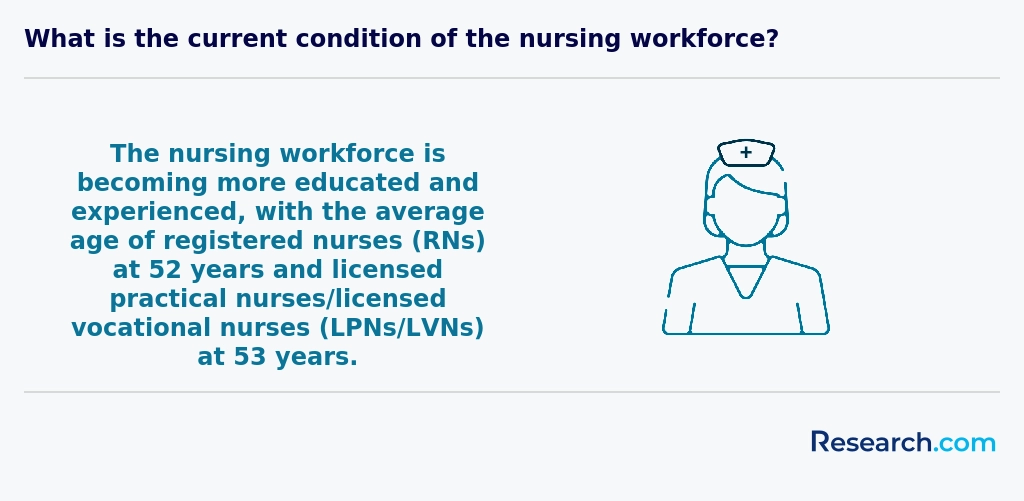
Achieving licensure is the final-and most critical-step in your journey to becoming a registered nurse in Reno, NV. Prospective graduates must pass the National Council Licensure Examination (NCLEX-RN) and meet state board criteria to practice legally. The Nevada State Board of Nursing requires: • NCLEX-RN Eligibility: Completion of an accredited ADN or BSN program. • Application and Fees: Submission of the licensure application, fingerprinting, and background check. Typical fees range from $200–$300. • Fingerprinting and Background Check: Electronic submission through the Board’s approved vendor; processing can take 4–6 weeks. • Authorization to Test (ATT): Issued by Pearson VUE once education and application are verified. You must schedule your exam within the ATT window. Recent data shows that local institutions maintain NCLEX-RN first-time pass rates between 85% and 95%, exceeding the national average of 80%. For example, graduates from the University of Nevada, Reno reported a 92% pass rate in 2023, while Truckee Meadows Community College achieved 88%. These metrics reflect strong preparation and rigorous curricula, ensuring you enter the workforce with confidence. After passing the NCLEX, you’ll receive your Nevada RN license, valid for two years. Nevada requires 30 continuing education hours per renewal cycle, including one hour on laws and rules, and one hour on ethics. Maintaining your license also involves reporting any disciplinary actions or criminal convictions. For students concerned about tuition and program costs beyond Nevada, you may find value in comparing affordable options elsewhere. Explore our Cheapest Nursing Degree Programs Ranking in Pennsylvania to discover cost-effective pathways in another leading state.
What financial aid is available to nursing degree students in Reno?
Many nursing students studying at institutions like the University of Nevada, Reno find financial aid to be a crucial part of their journey. Federal aid starts with the FAFSA, opening doors to Pell Grants which some graduates recall as a relief that eased tuition pressures, covering up to $7,395 annually. This support, paired with state options such as the Nursing Incentive Scholarship and the Nevada Silver State Matching Grant, often transforms daunting costs into manageable commitments.
Students often share how local scholarships from organizations like Renown Health feel personal and encouraging, sparking motivation to serve their community. The path becomes even clearer through federal loan forgiveness programs like Public Service Loan Forgiveness, which fosters hope for a debt-free future after years of public health work.
Working students appreciate employer tuition reimbursement from Reno-area hospitals, which reduces financial stress without interrupting their careers. Combining these aid forms, many nursing students in Reno confidently advance toward their degrees, buoyed by tangible support and community-focused opportunities.
Trends and Future Outlook in Nursing Education in Reno, NV
The nursing education landscape in Reno, NV, is evolving, with a growing emphasis on advanced practice roles and specialized fields such as public health and forensic nursing. Prospective students can explore popular nursing colleges to find programs that align with their career aspirations and financial situation. This shift towards specialization is driven by the increasing complexity of healthcare needs and the demand for skilled professionals who can navigate the challenges of modern healthcare delivery. As the healthcare sector continues to grow, nursing graduates in Reno, NV, can expect a wide range of job opportunities and competitive salaries, making it an exciting time to pursue a career in nursing. Furthermore, the integration of technology in nursing education, such as online platforms and simulation labs, is enhancing the learning experience and preparing students for the realities of patient care in the digital age.
What are the prerequisites for enrolling in nursing degree program in Reno?
To enroll in a nursing degree program in Reno, meeting key prerequisites is essential, as graduates often reflect on how these foundational steps fueled their confidence and success. Most nursing schools, like those at the University of Nevada, Reno, expect applicants to hold a high school diploma or GED. Beyond this, completion of specific college-level courses-biology, chemistry with labs, math such as algebra or statistics, English composition, and anatomy and physiology-is typical. One graduate recalls how mastering anatomy early made later clinical experiences feel far less daunting.
Applicants usually take the TEAS exam to demonstrate their academic readiness. Achieving the required score can bring a sense of accomplishment and readiness, which many students describe as a turning point in their journey. Volunteering or CNA experience often boosts application strength, offering a glimpse into real healthcare settings. Some programs also expect CPR certification and clearance through background checks, ensuring safety and professionalism before clinical placements begin at local hospitals.
Writing a personal statement and gathering recommendation letters solidify the application by sharing one's passion and commitment-key qualities remembered fondly by many successful Reno nursing graduates.
Accreditation and Licensing Requirements
Accreditation ensures your nursing education meets industry standards and qualifies you for the NCLEX-RN exam. In Nevada, look for programs accredited by:
- Accreditation Commission for Education in Nursing (ACEN)
- Commission on Collegiate Nursing Education (CCNE)
All nursing schools must also hold approval from the Nevada State Board of Nursing to guarantee curriculum alignment and clinical practice oversight. Review recent NCLEX-RN pass rates-typically above 85% for ADN and BSN programs in Reno-to gauge program quality. Graduates must apply to the Nevada State Board for licensure within one year of graduation, submitting transcripts, background checks, and fee payments. For nurses exploring advanced practice roles, it can be helpful to compare accredited graduate pathways, such as our best np programs in california guide.
What courses are typically in nursing degree programs in Reno?
Nursing students in Reno often begin their studies with foundational courses such as human anatomy, physiology, microbiology, and chemistry. These classes lay the crucial groundwork for understanding the complexities of the human body, much like graduates from the University of Nevada, Reno recall how these subjects built their confidence before entering clinical settings. Many describe a sense of empowerment as they connect textbook knowledge with real patient care scenarios.
As they progress, students dive into specialized nursing courses that are tailored to meet both local and national healthcare demands. Popular nursing programs in Reno include Fundamentals of Nursing, Pharmacology, Medical-Surgical Nursing, Maternal and Child Health Nursing, Mental Health Nursing, and Community and Public Health Nursing. These subjects provide a comprehensive view, from hands-on patient care to broader public health considerations.
Graduates often reflect on the breadth of their training, feeling well-prepared to face the realities of healthcare work in diverse Reno communities. Nursing courses here are designed not just to train skilled professionals but to foster compassionate, adaptable caregivers ready for Nevada's unique challenges.
What types of specializations are available in nursing degree programs in Reno?
Nursing degree specializations in Reno offer students diverse pathways that align closely with their personal passions and career aspirations. Graduates from popular institutions like the University of Nevada, Reno, often reflect with pride on how choosing focused areas such as pediatric nursing or geriatric care allowed them to make impactful, meaningful contributions in both hospital and community settings. These programs provide hands-on clinical experience that deepens understanding beyond textbooks.
Reno nursing programs with specialties also include advanced tracks for those moving from Licensed Practical Nurse to Registered Nurse or pursuing graduate-level APRN roles like Family Nurse Practitioner or Nurse Anesthetist. One graduate shared how the specialized training in critical care nursing prepared her to confidently manage high-stress scenarios in the emergency room, underscoring the rewarding yet challenging nature of these roles.
For students drawn to public health, community nursing specializations stand out, addressing vital population health needs in Reno and statewide. Exploring options like the online lvn pathways can complement these focuses, expanding flexibility and access to certification. Choosing a specialization here means stepping into a role that is both professionally fulfilling and emotionally enriching.
How do you choose the best nursing degree in Reno?
Choosing the best nursing degree in Reno means balancing personal goals with practical realities. Graduates from the University of Nevada, Reno often recall how the strong emphasis on accredited programs gave them confidence in their credentials. Many recommend seeking programs accredited by recognized bodies, as these tend to offer better preparation and recognition in the workforce.
For those weighing cost and flexibility, locals who studied at Truckee Meadows Community College appreciated the affordable tuition rates and options for part-time or hybrid formats, allowing them to work while studying. This flexibility can make all the difference when managing family or job commitments. It's wise to consider programs with clinical placements at well-known Reno healthcare facilities, since hands-on experience is essential for building skills and connections.
Graduates emphasize the value of NCLEX-RN pass rates and graduation statistics when comparing programs. If you're looking for guidance beyond top-tier options, explore what is the easiest school for nursing? to find a path that matches your needs while still aiming for one of the best nursing programs in Reno.

What career paths are available for nursing degree students in Reno?
Graduates with a nursing degree in Reno discover a range of career paths tailored to their interests and education level. Many start in clinical roles at well-known healthcare centers like Renown Health, gaining valuable experience in busy hospital wards or outpatient clinics. These early career opportunities often involve specialties such as pediatrics or emergency care, where hands-on practice sharpens skills and builds confidence.
For those seeking more advanced roles, continuing education at local institutions such as Truckee Meadows Community College opens doors to becoming Nurse Practitioners. These graduates often reflect on how their advanced training transforms their impact, enabling them to provide primary care or focus on psychiatric services, with salaries reflecting this expertise.
Other graduates find satisfaction exploring public health nursing or education, inspired by a desire to influence community health or mentor new nurses. Career paths are diverse, from case management to healthcare administration, each promising meaningful work aligned with personal passion.
Students weighing costs can explore programs highlighted in the Cheapest Nursing Degree Programs Ranking in Pennsylvania, reinforcing that accessible education supports these fulfilling career trajectories. Nursing degree career opportunities in Reno truly reflect the city's vibrant healthcare landscape.
Reno nursing degree job prospects feel hopeful and achievable for many, blending rigorous training with local clinical experience to prepare graduates for thriving futures in nursing.
What is the job market for nursing degree in Reno?
The job market for nursing degree graduates in Reno remains robust, thanks to ongoing population growth and expanding healthcare services. Graduates from institutions like the University of Nevada, Reno, and Truckee Meadows Community College often share how their education prepared them well for employment at local hospitals and clinics. These nursing job opportunities in Reno are supported by a steady demand for skilled professionals in diverse fields such as emergency care and outpatient services, creating a welcoming environment for new nurses.
Many graduates find that earning a Bachelor of Science in Nursing not only improves their chances of securing rewarding roles but also often leads to better compensation and career advancement. The competitive wages in Reno, slightly above the national average, reflect this trend. For prospective students, exploring colleges with accelerated programs can provide an efficient path into this promising healthcare sector.
Frequently Asked Questions About nursing
Nursing degree students in Reno can maximize their learning experience by actively engaging in both classroom and clinical settings. Regional institutions such as the University of Nevada, Reno emphasize hands-on training through partnerships with local hospitals, giving students valuable experience in real-world patient care. According to the Nevada State Board of Nursing, clinical hours comprise a significant portion of the curriculum, reinforcing the importance of practical skills.
Joining student nursing organizations or attending local healthcare workshops provides networking opportunities and access to mentorship. Additionally, students should leverage resources like tutoring centers and simulation labs offered by Reno's colleges to deepen their understanding.
Staying current with healthcare trends and state licensure requirements, including the NCLEX-RN exam, further strengthens readiness for professional practice.
The nursing field is rapidly evolving, with several emerging niches gaining prominence in Reno. One growing area is **telehealth nursing**, driven by increased remote care needs, especially following the COVID-19 pandemic. Nurses specialized in telehealth help patients access care from home, improving convenience and outcomes.
Another expanding niche is **geriatric nursing**, reflecting Reno's aging population. Nurses focusing on elderly care address chronic conditions and complex health needs specific to older adults.
Additionally, **psychiatric-mental health nursing** is attracting more professionals due to rising awareness of mental health issues nationwide. Nurses in this field provide critical support for behavioral health treatment.
According to the Nevada Nurses Association, these specialties are expected to see higher demand through 2030, aligning with broader US healthcare trends.
After completing a nursing degree in Reno, preparing for the job market involves several key steps. First, obtaining licensure through the National Council Licensure Examination for Registered Nurses (NCLEX-RN) is essential to legally work as a nurse in Nevada.
Next, gaining practical experience through clinical rotations or local internships can improve job prospects. Reno has a growing healthcare sector, with hospitals like Renown Regional Medical Center actively hiring qualified nurses. According to the Nevada Department of Employment, the demand for registered nurses in the Reno area is expected to grow by 15% through 2028.
Networking through local nursing associations and attending job fairs can also be helpful. Additionally, continuing education and certifications, such as ACLS or pediatric nursing, may enhance employability in specialized fields.
Employers in Reno highly value nursing graduates who demonstrate strong clinical skills, critical thinking, and effective communication. According to the Nevada State Board of Nursing, mastery of patient care, medication administration, and adherence to safety protocols are essential. Nurses must also exhibit cultural competence to serve Reno's diverse communities effectively.
Additionally, proficiency in electronic health records (EHR) systems is increasingly important, as many healthcare facilities in Reno adopt advanced technology for patient management. Leadership abilities and teamwork are also sought after, especially in fast-paced hospital environments like Renown Health and Saint Mary's Regional Medical Center.
Finding nursing internships in Reno involves researching local hospitals, clinics, and healthcare facilities that collaborate with nursing programs. Institutions like Renown Regional Medical Center and Saint Mary's Regional Medical Center often offer structured internship opportunities for nursing students. Additionally, the University of Nevada, Reno, provides resources through its School of Nursing to help students connect with clinical placements.
Students should also explore state resources, such as Nevada's Workforce Innovation programs, which sometimes list healthcare internships. Networking with nursing faculty and attending local healthcare career fairs can further enhance internship prospects. According to the Nevada Department of Employment, the healthcare sector, including nursing roles, is projected to grow by 16% through 2030, increasing internship availability.
In Reno, earning a nursing degree significantly enhances career mobility and advancement opportunities. According to the Nevada Department of Employment, median wages for registered nurses in the Reno-Sparks area exceed $85,000 annually, reflecting strong industry demand. Nurses with higher degrees, such as a Bachelor of Science in Nursing (BSN) or Master of Science in Nursing (MSN), often qualify for leadership roles, specialized positions, and better pay.
Employers in Reno increasingly prefer candidates with degree credentials due to evolving healthcare standards and patient care complexity. Advanced degrees also support eligibility for certifications and roles in administration, education, or advanced practice nursing.
Statistically, Reno's healthcare sector is projected to grow 14% through 2030, highlighting expanding opportunities for degree-holding nurses.
Studying for a nursing degree in Reno offers students strong preparation for interdisciplinary healthcare roles. Local nursing programs emphasize collaboration with professionals such as physicians, pharmacists, social workers, and therapists, reflecting the integrated nature of modern healthcare.
Reno's healthcare institutions, including Renown Health and Saint Mary's Regional Medical Center, provide clinical placements where nursing students gain firsthand experience working alongside diverse medical teams. This exposure helps build effective communication and teamwork skills essential for patient-centered care.
According to Nevada's Board of Nursing, programs in Reno include coursework on health informatics and population health, equipping graduates to participate in care planning beyond traditional nursing roles. This prepares students to contribute to broader health initiatives at community and institutional levels.
When choosing between a thesis and a non-thesis nursing degree program in Reno, consider your career goals first. Thesis programs typically suit those interested in research, academia, or advancing to doctoral studies. They require completing an original research project and writing a thesis.
Non-thesis options focus more on practical skills and clinical experience, appealing to students aiming to enter or advance in nursing practice quickly. These programs usually involve additional coursework or a capstone project instead of research.
According to data from the Nevada Nurses Association, Reno's growing healthcare sector increasingly values advanced clinical skills, making non-thesis programs popular locally. However, institutions like the University of Nevada, Reno offer both paths, ensuring flexibility. Evaluate faculty expertise, program length, and your preferred learning style before deciding.
Students in Reno interested in studying nursing abroad have various pathways to consider. Many local institutions, such as the University of Nevada, Reno, offer partnerships with foreign universities that facilitate exchange programs or clinical placements overseas. These programs allow students to gain international experience while earning credit toward their U.S.-accredited nursing degrees.
Additionally, students can enroll in U.S.-based dual-degree programs that include components completed abroad. According to the National Student Exchange, about 10% of nursing students participate in study-abroad experiences, often in countries with well-established healthcare education systems like Canada or the United Kingdom.
Before choosing a program, it is important to verify that foreign coursework aligns with U.S. nursing licensure requirements. This ensures smooth transferability and eligibility to sit for the NCLEX-RN exam post-graduation.
Students pursuing nursing degrees in Reno have several part-time job options that align well with their education. Many nursing programs encourage gaining hands-on experience through roles like certified nursing assistant (CNA) or medical assistant positions, which are accessible in local hospitals and clinics. According to the Nevada Department of Employment, CNAs in Reno earn an average hourly wage of about $15, allowing students to support themselves financially while building clinical skills.
Healthcare facilities such as Renown Health and Saint Mary's Regional Medical Center frequently offer part-time roles, including patient care assistant and phlebotomy technician jobs. These roles provide practical exposure to patient interaction and medical procedures, complementing academic knowledge.
Additionally, campus-based health services or community health organizations may offer flexible scheduling, which is ideal for balancing coursework and practical experience.
Nursing students in Reno have several valuable networking opportunities that support their professional growth. Local colleges such as the University of Nevada, Reno and Truckee Meadows Community College offer nursing student organizations where members connect with peers and experienced nurses.
Reno hosts regional conferences and workshops focused on healthcare, providing students chances to meet professionals and explore current nursing practices. The Northern Nevada Medical Center and Renown Health system also facilitate clinical placements, allowing students to build contacts with clinical nurses and administrators.
According to the Nevada Nursing Association, collaboration events and continuing education sessions in the Reno area help nursing students expand their professional network and gain mentorship.
Alumni networks provide essential support for nursing degree students in Reno by creating valuable professional connections. These networks often include graduates working in local hospitals and clinics, which helps current students find internships and job opportunities. According to the Nevada Nurses Association, nearly 60% of nursing positions in Reno are filled through referrals and alumni connections.
Being part of an alumni community also offers mentorship, where experienced nurses guide students through clinical challenges and career planning. This support can improve students' confidence and readiness for the workforce.
Additionally, alumni groups frequently organize workshops and continuing education events, keeping students and graduates updated on the latest nursing practices and technologies in the region.
Customizing a nursing degree program in Reno involves selecting courses and specializations that match your career goals. Many institutions offer flexible options such as electives in pediatrics, geriatrics, or mental health nursing. Additionally, students can choose between traditional Bachelor of Science in Nursing (BSN) programs, accelerated programs, or RN-to-BSN pathways depending on their prior experience.
Clinical placements in local hospitals and healthcare facilities, like Renown Health, enable practical learning tailored to specific nursing fields. According to the Nevada System of Higher Education, students often consult academic advisors to align coursework with licensure requirements and local workforce needs.
This approach helps students build relevant skills and improves job placement chances within Reno's healthcare market.
Nursing students in Reno face several common challenges during their education. A major hurdle is balancing demanding clinical hours with coursework, which can be stressful and time-consuming. According to the Nevada State Board of Nursing, students often report difficulty managing the rigorous schedules required for hands-on training and classroom learning.
Financial strain is another significant issue. The cost of nursing programs, including tuition and supplies, can be high, while many students must work part-time to support themselves. The average program cost in Nevada ranges from $5,000 to $20,000, depending on the school and degree level (Nevada Department of Education).
Furthermore, access to adequate clinical placements in Reno can be limited due to competition among students. This may delay program completion. Coping with the pressures of licensing exams such as the NCLEX-RN also adds to students' challenges.
With a nursing degree in Reno, graduates can pursue various professional certifications to advance their careers and specialize in different areas. Common certifications include the Certified Nurse Assistant (CNA), Licensed Practical Nurse (LPN), and the Registered Nurse (RN) license, which are foundational for nursing practice in Nevada.
Further specialization options include certifications such as Certified Nurse Midwife (CNM), Clinical Nurse Specialist (CNS), and Certified Registered Nurse Anesthetist (CRNA). These require additional education and clinical experience beyond the basic nursing degree.
The Nevada State Board of Nursing regulates licensure and certifications, ensuring nurses meet professional standards. According to the U.S. Bureau of Labor Statistics, registered nurses in the Reno metropolitan area earn a median annual wage above the national average, reflecting the value of certification and advanced skills.
To write a winning application for a nursing program in Reno, start by thoroughly researching the specific requirements of local schools like Truckee Meadows Community College or the University of Nevada, Reno. These programs often require a competitive GPA, typically around 3.0 or higher.
Include a clear, well-written personal statement that explains your motivation for nursing and any relevant experience, such as volunteering or healthcare work. Highlight communication skills and dedication, as nursing schools value these traits highly.
Strong letters of recommendation from academic or healthcare professionals can strengthen your application. Additionally, completing prerequisite courses in biology, chemistry, and anatomy with good grades is essential.
According to the Nevada State Board of Nursing, careful attention to application deadlines and required documentation helps avoid delays. Demonstrating awareness of the nursing shortage in Nevada, which the Bureau of Labor Statistics projects to grow faster than average, can also show your commitment to the profession.
Globally, nursing is recognized as a vital and growing profession, with increasing demand due to aging populations and healthcare advances. In the United States, including Reno, nursing careers offer diverse opportunities across clinical, administrative, and research roles. According to the U.S. Bureau of Labor Statistics, registered nursing jobs are projected to grow 9% from 2020 to 2030, faster than the average for all occupations.
Nurses trained in the U.S. often have opportunities to work abroad, supported by international credential recognition and exchange programs. However, licensing requirements vary by country, so U.S. education must meet specific standards.
In Reno, local healthcare systems collaborate with educational institutions to prepare nurses for both domestic and global challenges in patient care. This prepares graduates to compete effectively in an interconnected healthcare environment.
Students pursuing nursing degrees in Reno can gain practical experience through clinical rotations that are part of accredited programs. These rotations typically occur in local hospitals and healthcare facilities, providing real-world patient care experience under supervision. For example, Renown Regional Medical Center often partners with nursing schools to offer diverse clinical settings.
Many programs also encourage internships and externships, allowing students to build hands-on skills. Additionally, volunteering opportunities in Reno healthcare agencies can complement formal training. According to the Nevada State Board of Nursing, engaging in such practical experiences is essential for licensure and job readiness.
Simulation labs on campus further enhance learning by mimicking clinical scenarios safely. Combining these methods ensures students are well-prepared for their nursing careers in Reno's growing healthcare market.
Choosing the right concentration within a nursing degree program in Reno depends on your career goals and local healthcare needs. Reno's healthcare market offers diverse opportunities, especially in geriatric care and emergency nursing, reflecting its aging population and regional medical facilities like Renown Health. According to the Nevada Department of Health and Human Services, registered nurse employment in Washoe County is projected to grow 12% through 2030, indicating steady demand across specialties.
Consider concentrations such as family nurse practitioner, psychiatric nursing, or critical care based on your interests. Research each program's clinical placement options in Reno's hospitals, as hands-on experience is crucial. Additionally, review national licensing exam pass rates specific to the schools you consider, as higher rates often indicate stronger program quality.
Related Nursing Rankings for Nearby Cities
- 2027 Most Popular Nursing Degree Programs Ranking in San Francisco
- 2027 Most Popular Nursing Degree Programs Ranking in Las Vegas
- 2027 Most Popular Nursing Degree Programs Ranking in Los Angeles
- 2027 Most Popular Nursing Degree Programs Ranking in Portland
- 2027 Most Popular Nursing Degree Programs Ranking in San Diego
- 2027 Most Popular Nursing Degree Programs Ranking in Phoenix
- 2027 Most Popular Nursing Degree Programs Ranking in Tempe
- 2027 Most Popular Nursing Degree Programs Ranking in Denver
- 2027 Most Popular Nursing Degree Programs Ranking in Colorado Springs
- 2027 Most Popular Nursing Degree Programs Ranking in Lubbock
Top Trending Nursing Rankings
See What Experts Have To Say About Studying Nursing
Read our interview with Nursing experts


References
- | NRR | Dove Medical Press https://www.dovepress.com/internship-challenges-encountered-by-nursing-students-a-qualitative-st-peer-reviewed-fulltext-article-NRR
- 51 Trending Nursing Specialties | All Nursing Schools https://www.allnursingschools.com/specialties/
- Know more about thesis vs non- thesis: what is the difference? https://studyfans.com/en/blogs/816
- Top Nursing Skills U.S. Employers Want to See on Your Resume | O'Grady Peyton https://www.ogradypeyton.com/blog/job-seeker-resources/top-nursing-skills-u.s.-employers-want-to-see-on-your-resume
- BS in Nursing at University of Nevada Reno – Fees, Requirements, Eligibility & More https://www.gyandhan.com/study-abroad/usa/universities/university-of-nevada-reno/courses/bs-in-nursing
- Scholarships & Financial Aid https://www.aacnnursing.org/students/scholarships-financial-aid
- Unitek College: Reno Campus | Healthcare Colleges in Reno, NV https://www.unitekcollege.edu/campus-locations/reno/
- Working While in Nursing School: 25 Ways to Make Money as a Nursing Student https://credenzahealth.com/career-advice/working-while-in-nursing-school-25-ways-to-make-money-as-a-nursing-student
- School of Nursing Alumni Resources https://nursing.utmb.edu/About/Alumni
- 7 Nursing School Tips for Studying https://www.denvercollegeofnursing.edu/blog/nursing/7-Nursing-School-Tips-for-Studying.html


